
The Revival of Ancient Indian Games: A Cultural Renaissance in Modern Sports

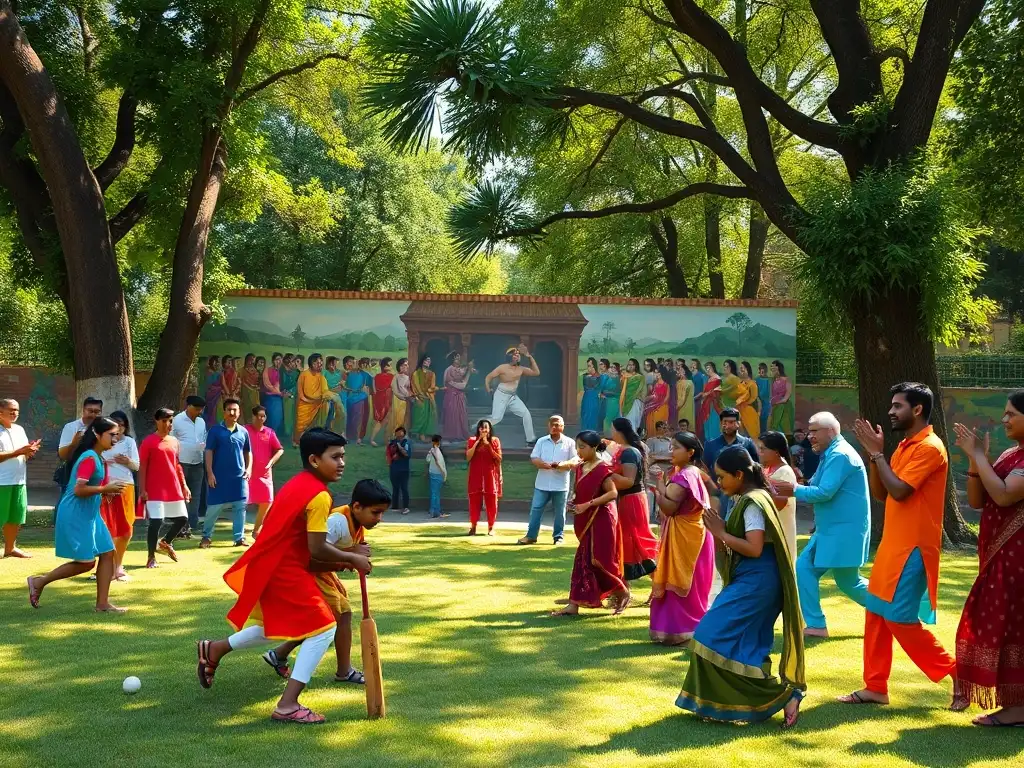
Welcome to Ancient India History, where we embark on a captivating journey through the vibrant tapestry of civilizations that shaped one of the world's oldest cultures. In our featured article, “The Revival of Ancient Indian Games: A Cultural Renaissance in Modern Sports,” we delve into the fascinating resurgence of traditional sports that echo the spirit of ancient India. Discover how these time-honored games are being revitalized and integrated into contemporary society, blending tradition with innovation.
Join us as we explore the rich legacy of Indian sports, and uncover the profound impact they continue to have on our modern world. Your adventure into the depths of history and culture awaits!
- Introduction to the Revival of Ancient Indian Sports
- Historical Context of Ancient Indian Sports
- Modern Applications of Reviving Ancient Indian Sports
- Benefits of Reviving Ancient Indian Sports
- Popular Ancient Indian Sports in the Modern Era
- Challenges in Reviving Ancient Indian Sports
- Future Prospects for Reviving Ancient Indian Sports
- Conclusion: The Cultural Renaissance of Ancient Indian Games
- Resources for Learning More about Ancient Indian Sports
-
Frequently Asked Questions
- What are some examples of ancient Indian sports?
- Why is the revival of ancient Indian games important?
- How are modern adaptations of ancient Indian sports being implemented?
- What role do organizations play in reviving these sports?
- How can individuals contribute to the revival of ancient Indian sports?
- Final Reflection: Reviving Ancient Indian Sports for a Cultural Renaissance
- Revitalize Your Play: Embrace Ancient Indian Games Today!
Introduction to the Revival of Ancient Indian Sports
The revival of ancient Indian sports stands as a testament to the rich tapestry of India’s cultural heritage. As a nation that has given the world numerous contributions across various fields, from mathematics to philosophy, the sports of ancient India also merit recognition for their historical significance and cultural value. This article delves into the growing movement of reviving ancient Indian sports, exploring how these games not only connect us to our past but also foster community, promote physical fitness, and enhance mental well-being in contemporary society.
The resurgence of interest in these traditional games is not simply a nostalgic yearning; it embodies a vibrant cultural renaissance that harmonizes the wisdom of the past with the dynamics of modern sports. By examining ancient games such as Kabaddi, Kho-Kho, and Gilli Danda, we can better appreciate their roles in shaping social values, teamwork, and strategy. As we explore this fascinating topic, we will uncover the layers of cultural significance that these sports hold and the innovative ways in which they are being integrated into today's sports landscape.
Understanding the Cultural Significance of Ancient Indian Games
Ancient Indian games are more than just physical activities; they are deeply intertwined with the social fabric and cultural narratives of their time. Historically, these games served multiple purposes:
- Community Building: Many ancient sports were played in groups, fostering a sense of community and teamwork among participants. Games like Kabaddi not only required physical prowess but also strategic collaboration, reinforcing social bonds.
- Cultural Identity: These games often reflected the values, beliefs, and traditions of various regions in India. They were a means of passing down stories and rituals, thereby preserving the cultural identity of communities.
- Physical and Mental Development: Engaging in these games promoted not only physical fitness but also critical thinking and problem-solving skills. For instance, the strategic elements of Kho-Kho require players to think on their feet and make quick decisions.
As we delve deeper into the revival of these ancient sports, it becomes clear that they offer valuable lessons that extend beyond mere entertainment. They encourage a holistic approach to health and well-being, blending physical activity with cultural enrichment.
Overview of Reviving Ancient Indian Sports in Modern Contexts
The modern revival of ancient Indian sports is gaining momentum across the country, driven by a growing appreciation for traditional practices and their relevance in contemporary society. Various initiatives are underway to reintroduce these games into schools, community centers, and sports clubs:
- Educational Programs: Schools are increasingly incorporating ancient sports into their physical education curricula, emphasizing their historical context and moral values.
- Community Events: Local festivals and cultural events often feature competitions in traditional games, drawing participants of all ages and fostering intergenerational connections.
- Promotion through Technology: The advent of social media and digital platforms has facilitated the promotion of ancient sports, showcasing their beauty and excitement to a global audience.
This revival is not just about nostalgia; it represents a broader movement towards embracing India's rich cultural heritage in the face of globalization. By reviving these sports, we not only honor our past but also pave the way for a future where cultural diversity and physical well-being coexist harmoniously. As we continue to explore the revival of ancient Indian sports, we will uncover the innovative approaches being taken to ensure their relevance in today's fast-paced world.
Historical Context of Ancient Indian Sports
The Origins of Traditional Indian Games
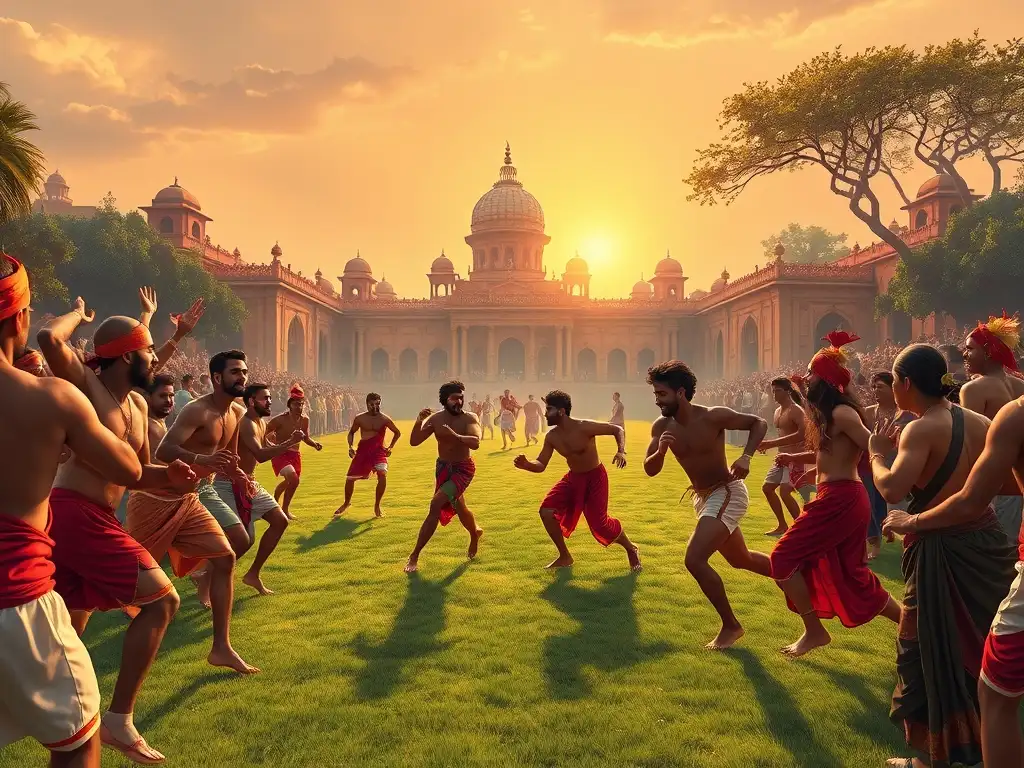
Ancient Indian games have a rich history that dates back thousands of years, deeply intertwined with the cultural and social fabric of Indian civilization. Many of these games were not merely forms of entertainment but were also integral to education, physical fitness, and even military training.
Evidence suggests that traditional sports can be traced back to the Indus Valley Civilization (circa 3300–1300 BCE), where artifacts indicate the presence of games similar to chess and dice games. The Mahabharata and Ramayana, ancient epics, also mention various forms of sports and recreational activities, highlighting their significance in daily life and as a means of moral and ethical education.
Some notable origins of traditional games include:
- Chaturanga: Often regarded as the precursor to chess, this strategic game was played on an 8x8 grid and involved four different divisions of the army: infantry, cavalry, elephants, and chariots.
- Pachisi: Known as the "Royal Game of India," Pachisi has roots in ancient India, where it was played on a cross-and-circle board. The game incorporated elements of chance and strategy, making it a favorite among rulers and commoners alike.
- Kabbadi: This contact sport has origins that can be traced to ancient times, believed to have been used as a training exercise for warriors. It emphasizes strength, agility, and teamwork, reflecting the values of ancient military training.
The revival of interest in these games speaks to a broader cultural renaissance, as modern India seeks to reconnect with its historical roots and promote physical activity through traditional methods.
Key Ancient Sports and Their Cultural Importance
The cultural significance of ancient Indian sports extends beyond mere entertainment; they were a reflection of societal values, education, and community cohesion. Here are some key sports from ancient India and their importance:
- Malla Yuddha (Wrestling):
- Description: An ancient form of wrestling that was both a sport and a martial art, practiced widely in temples and royal courts.
- Cultural Importance: It symbolized strength and valor, often associated with the warrior class. Wrestlers earned respect and recognition, and competitions were held during festivals, fostering community spirit.
- Gilli Danda:
- Description: A traditional game involving a small stick (gilli) and a larger stick (danda), played in open spaces.
- Cultural Importance: This game emphasized agility and coordination, promoting physical fitness among children. It represents the essence of communal play, fostering social bonds within villages.
- Kalaripayattu:
- Description: Considered one of the oldest martial arts in the world, this system combines strikes, kicks, grappling, and weaponry.
- Cultural Importance: Kalaripayattu is rooted in ancient Indian philosophy and medicine, and it served not only as a means of self-defense but also as a holistic practice promoting physical and mental wellness.
- Swords and Archery Competitions:
- Description: Archery and sword fighting were essential skills for warriors, often practiced in royal courts.
- Cultural Importance: These competitions were a display of skill and bravery, celebrating the martial heritage of India. They played a pivotal role in preparing young warriors for battle, instilling discipline and strategy.
The revival of ancient Indian sports is more than just a trend; it is a reawakening of cultural heritage and a celebration of the values these games embody. As modern society seeks to integrate tradition with contemporary practices, these sports offer a unique avenue for community engagement, physical fitness, and a sense of belonging. The journey towards reviving ancient Indian sports is not just about gameplay; it is a path towards cultural enrichment and sustainable sporting practices.
Modern Applications of Reviving Ancient Indian Sports
The Rise of Interest in Traditional Indian Games
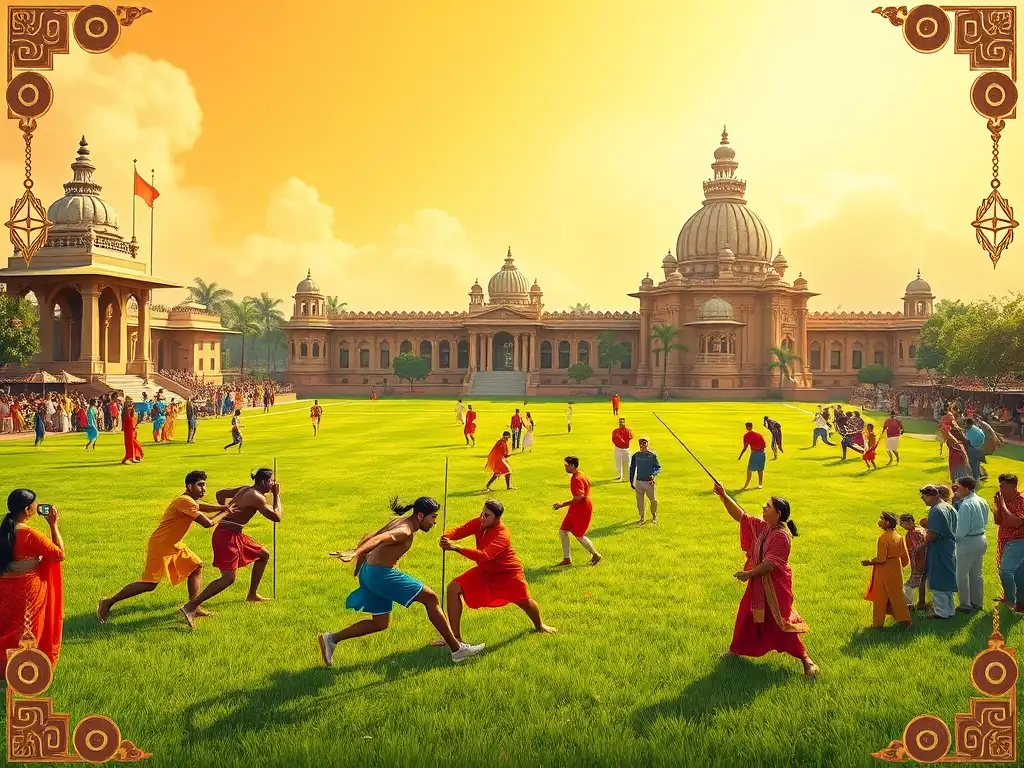
In recent years, there has been a notable resurgence of interest in traditional Indian games, which reflects a broader cultural renaissance in modern sports. This revival is driven by several factors, including a growing appreciation for indigenous culture, the emphasis on holistic health, and the need for physical activity in an increasingly sedentary lifestyle.
- Cultural Heritage: Many people are recognizing the value of traditional games such as Kabaddi, Gilli Danda, and Pithoo, which not only offer physical benefits but also serve as a connection to India's rich cultural heritage. These games embody values of teamwork, strategy, and endurance.
- Health Consciousness: There is a rising awareness of health issues related to sedentary lifestyles, particularly among younger generations. Traditional games promote physical fitness while offering a fun and engaging way to stay active. For instance, the agility required in Kho Kho and the endurance in Wrestling can significantly contribute to overall physical well-being.
- Social Engagement: Traditional games foster social interaction and community bonding. Playing games such as Satoliya (Seven Stones) encourages teamwork and communication, reinforcing social values and building stronger community ties.
This growing interest in reviving ancient Indian sports is not only about preserving the past but also about integrating these games into contemporary life, enriching both culture and physical activity.
Integrating Ancient Sports into Modern Education Systems
The integration of ancient Indian sports into modern education systems is a vital step towards promoting cultural heritage and physical education. Educational institutions are increasingly incorporating traditional games into their curricula for a variety of compelling reasons:
- Holistic Development: Traditional games contribute to the holistic development of students. They enhance physical fitness, foster mental agility, and instill values such as discipline, respect, and perseverance.
- Curricular Innovations: Schools are adopting innovative approaches to incorporate ancient sports into their physical education programs. For example, Kabaddi tournaments are being organized, allowing students to experience the excitement of traditional games while developing teamwork skills.
- Cultural Education: By introducing students to ancient sports, schools provide an avenue for cultural education. This helps students connect with their heritage and appreciate the historical significance of these games.
- Community Involvement: Engaging local communities in sporting events centered around traditional games can enhance school programs and foster a sense of pride in cultural history. Events such as Gilli Danda competitions can attract family participation, thus strengthening community bonds.
| Benefits of Integrating Ancient Sports | Description |
|---|---|
| Physical Fitness | Enhances overall health and fitness levels. |
| Cultural Awareness | Encourages appreciation for Indian heritage. |
| Social Skills | Promotes teamwork and communication. |
| Mental Development | Boosts cognitive skills through strategic gameplay. |
Reviving ancient Indian sports through modern education systems not only preserves these vibrant aspects of culture but also promotes a healthier, more active lifestyle among the youth. This integration serves to create a generation that is both physically adept and culturally aware, paving the way for a richer understanding of India's diverse heritage.
Benefits of Reviving Ancient Indian Sports
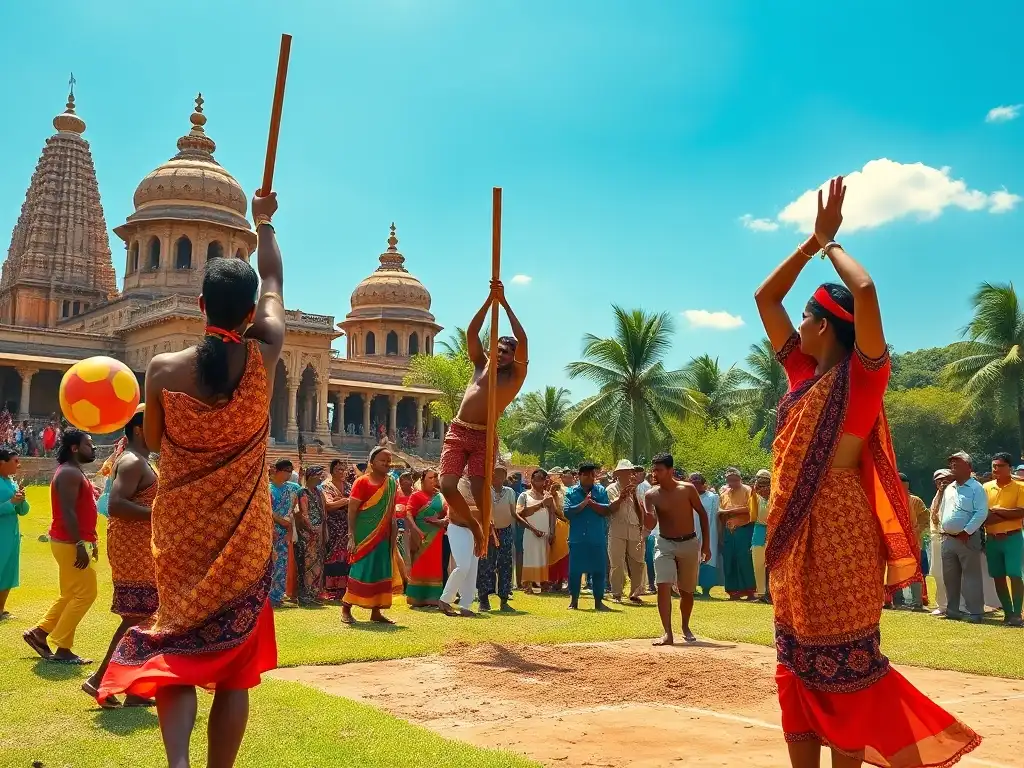
Reviving ancient Indian sports offers a multitude of benefits that extend beyond mere physical engagement. By integrating these traditional games into modern contexts, we can unlock their potential to enhance health, foster cultural identity, and encourage social cohesion. Here, we delve into the specific advantages of this cultural renaissance.
Physical and Mental Health Advantages
Ancient Indian sports, such as Kabaddi, Gilli Danda, and Kho Kho, are not only entertaining but also contribute significantly to physical fitness. These games promote:
- Aerobic Fitness: Many traditional sports involve running, jumping, and quick movements, enhancing cardiovascular health.
- Muscle Strength and Flexibility: Engaging in games like Mallakhamb builds muscle strength and improves flexibility through various physical postures.
- Coordination and Balance: Activities that require agility, such as Langdi, enhance motor skills and coordination, which are crucial for overall physical health.
In addition to physical benefits, these sports also provide significant mental health advantages:
- Stress Relief: Participating in traditional games can serve as an effective outlet for stress relief through physical activity and social interaction.
- Cognitive Development: Many ancient games require strategic thinking and quick decision-making, which can improve cognitive functions and problem-solving skills.
- Emotional Well-being: The sense of community and cultural connection fostered by participating in these sports can lead to enhanced emotional health and a sense of belonging.
Fostering Cultural Awareness and Identity
Reviving ancient Indian sports plays a crucial role in preserving and promoting cultural heritage. Here are key points illustrating how these activities contribute to cultural awareness:
- Cultural Education: Engaging with traditional games allows individuals, especially the younger generation, to learn about historical practices, values, and the significance of these sports in society.
- Strengthening Identity: Participating in ancient sports can foster a sense of pride in one's heritage, reinforcing cultural identity and connecting individuals to their roots.
- Community Engagement: Revived sports often bring communities together through local tournaments and events, encouraging collaboration and interaction among diverse groups.
The revival of ancient Indian sports not only promotes physical and mental health but also serves as a powerful tool for cultural preservation and identity formation. By embracing these traditional games, we can cultivate a richer understanding of our heritage while fostering a more inclusive and engaged society.
Popular Ancient Indian Sports in the Modern Era
Kabaddi: From Rural Roots to Global Recognition
Kabaddi, an ancient Indian sport, has evolved remarkably from its rural origins to become a globally recognized game. Traditionally played in villages, it is not only a test of physical strength but also a game of strategy and teamwork. The sport requires players to demonstrate agility, endurance, and mental acuity as they attempt to tag opponents while holding their breath.
Historical Context
Kabaddi's roots can be traced back over 4,000 years, with references found in ancient texts that highlight its significance in Indian culture. It served not just as a competitive sport but also as a means of physical training for warriors. The game has numerous regional variations, each adding its unique flavor and rules.
Modern Adaptations
In recent years, Kabaddi has gained immense popularity, especially with the advent of professional leagues such as the Pro Kabaddi League (PKL). Launched in 2014, the PKL has played a pivotal role in reviving interest in the sport, attracting audiences both domestically and internationally. The league's structure has brought in sponsorships and media attention, elevating Kabaddi to a professional status comparable to other major sports.
Cultural Impact
Kabaddi not only serves as a sport but also as a cultural ambassador, showcasing the rich heritage of Indian traditions. The revival of Kabaddi has encouraged local communities to engage in their historical sports, fostering a sense of pride and identity. The sport's inclusion in international events, such as the Asian Games, has further solidified its status on the global stage.
Kho-Kho: A Game of Speed and Strategy
Kho-Kho is another traditional Indian sport that has stood the test of time, embodying the essence of speed, strategy, and teamwork. Played predominantly in schools and local tournaments, Kho-Kho is characterized by its unique format of chasers and defenders, requiring quick reflexes and tactical thinking.
Historical Background
Kho-Kho's origins date back to ancient India, with references found in historical texts that highlight its popularity among children and youth. The game is believed to have been played during the times of the Mahabharata, emphasizing the importance of physical fitness in Indian culture.
Structure and Rules
The game is played between two teams, each consisting of nine players. One team sits on the ground while the other team attempts to touch as many players as possible within a set time. The strategic element comes into play as players must decide when to chase, when to evade, and how to use their speed to outwit opponents.
Revival and Modernization
In recent years, efforts to revive Kho-Kho have been bolstered by the establishment of national and state-level championships. The game's governing bodies are working to standardize rules and promote the sport through schools, ensuring that the younger generation remains engaged with their cultural heritage. Additionally, the introduction of leagues and tournaments has provided a platform for players to showcase their skills, thereby enhancing its visibility and popularity.
Through the revival of ancient Indian sports like Kabaddi and Kho-Kho, there is a growing recognition of the cultural significance they hold. These games not only contribute to the physical well-being of individuals but also reinforce community bonds and celebrate India's rich sporting legacy.
Challenges in Reviving Ancient Indian Sports
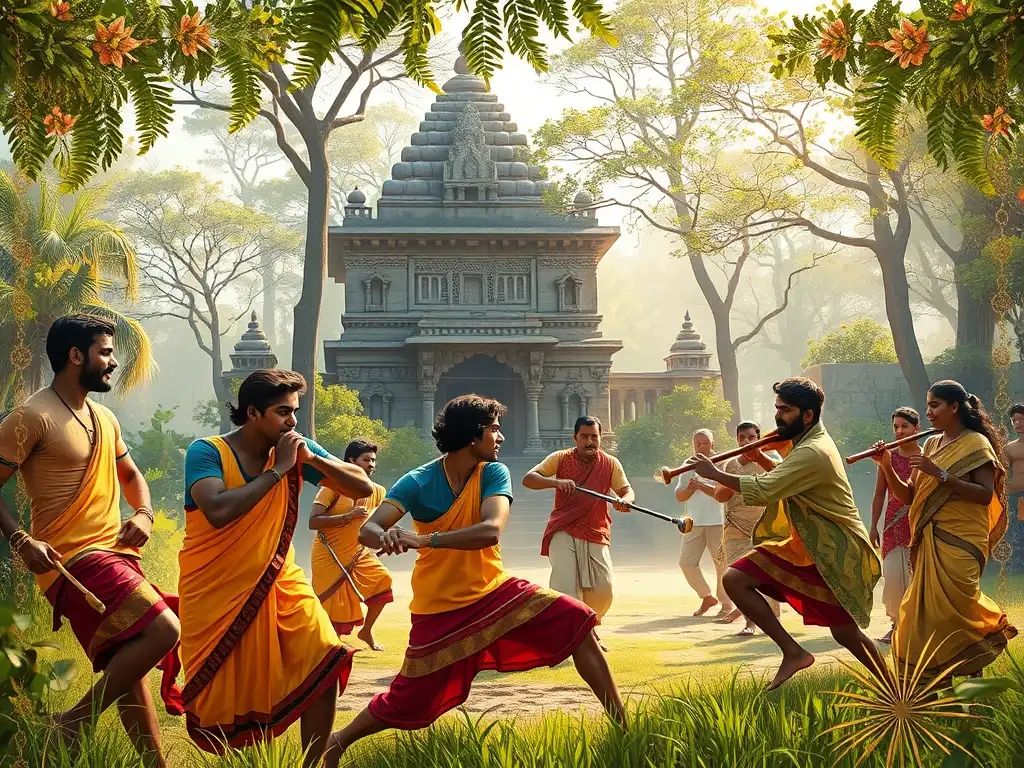
The revival of ancient Indian sports is not merely a nostalgic endeavor; it represents a significant cultural renaissance that faces various challenges. These obstacles must be addressed to ensure that these historic games reclaim their rightful place within modern sports. Understanding these challenges is crucial for promoting the rich legacy of ancient Indian games and integrating them into contemporary athletic practices.
Overcoming Modern Sports Dominance
One of the most significant hurdles in reviving ancient Indian sports is the overwhelming dominance of modern sports like cricket, football, and basketball. These sports not only attract massive viewership and sponsorship but also receive substantial funding and infrastructure support. This dominance often leads to a cultural bias where traditional sports are deemed less relevant or inferior.
- Cultural Perception: Ancient sports, such as Kabbadi and Gilli Danda, are often viewed as relics of the past rather than viable competitive activities. Changing this perception requires focused efforts that highlight the unique skills, strategies, and cultural significance of these games.
- Media Representation: Modern sports benefit from extensive media coverage, which perpetuates their popularity. Ancient sports need similar representation to capture the interest of younger generations. Engaging storytelling through documentaries, social media campaigns, and sports festivals can help raise awareness.
- Integration into Educational Systems: Including ancient sports in school curriculums can foster early interest and participation. By making these games a part of physical education, children can develop a connection to their cultural heritage while enjoying physical activity.
Lack of Infrastructure and Support
Another critical challenge is the lack of infrastructure and support necessary for the promotion and practice of ancient Indian sports.
- Facilities: Many ancient sports require specific types of playing fields or courts, which are often neglected in favor of facilities for more popular sports. For instance, Gilli Danda requires open spaces that may not be readily available in urban settings.
- Training Resources: Adequate training facilities and qualified coaches for ancient sports are often lacking. Establishing training centers dedicated to these sports can help nurture talent and ensure proper techniques are passed down from seasoned practitioners.
- Government and Institutional Support: Initiatives from government bodies and sports federations are essential for creating a supportive environment. Policies that provide funding, training programs, and competitions focused on ancient sports can significantly enhance their visibility and participation rates.
By addressing these challenges head-on, the movement towards reviving ancient Indian sports can gain momentum, leading to a cultural renaissance that honors the rich heritage of India's athletic past while enriching the modern sports landscape.
Future Prospects for Reviving Ancient Indian Sports
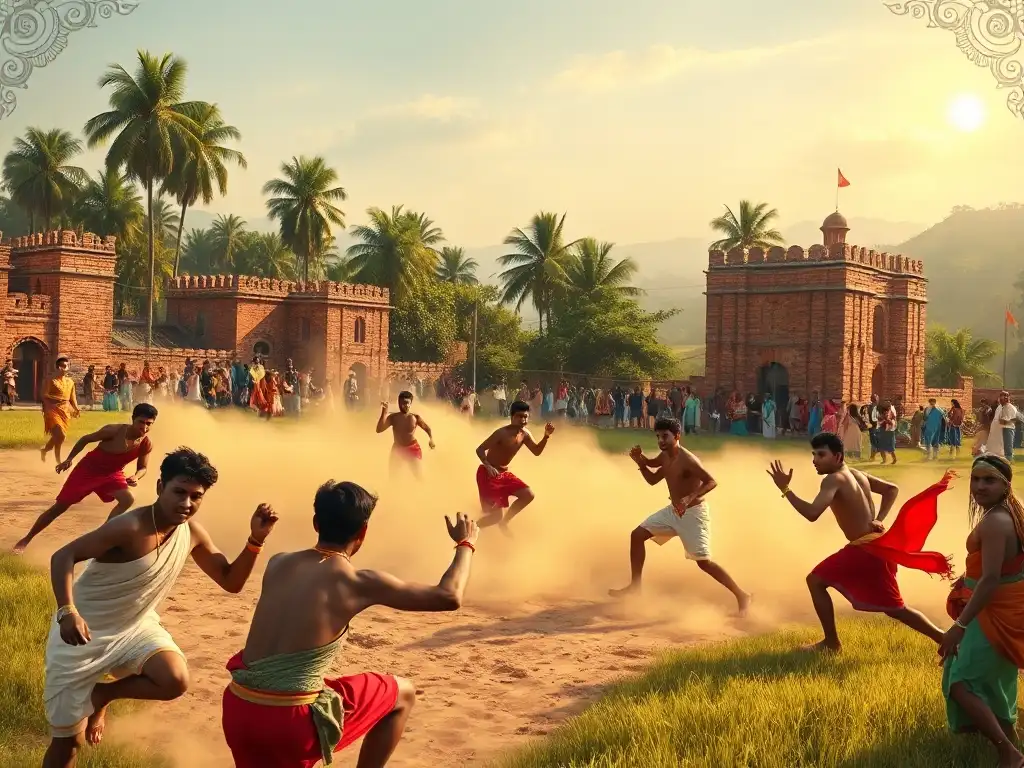
Government Initiatives and Support Programs
The revival of ancient Indian sports has gained significant momentum, largely due to the increasing recognition by the Indian government of the cultural and historical importance of these games. Various initiatives and support programs have been launched to promote traditional sports, aiming to integrate them into the modern sporting landscape.
- Promotion through National Schemes:
- Khelo India: Launched in 2018, this initiative encourages grassroots participation in sports, including ancient games. It emphasizes the importance of traditional sports in fostering national pride and cultural heritage.
- Support for Local Sports: Local governments have initiated programs that provide funding, infrastructure, and training for traditional sports, ensuring that they receive the attention they deserve.
- Cultural Festivals and Competitions:
- Traditional Sports Festivals: Events such as the National Traditional Games of India serve as a platform for showcasing ancient sports, attracting participants from various states and fostering competition.
- Recognition of Ancient Games: The inclusion of games like Kabaddi, Kho-Kho, and Gilli-Danda in state and national competitions has helped increase visibility and participation.
- Collaborations with Educational Institutions:
- Schools and colleges are encouraged to include traditional sports in their physical education curriculum, promoting a sense of cultural identity among students. This not only helps in skill development but also instills values of teamwork and discipline.
The Role of Technology in Reviving Ancient Sports
Technology plays a pivotal role in the revival of ancient Indian sports, bridging the gap between traditional practices and modern advancements. Here are several ways in which technology is enhancing the visibility and practice of these sports:
- Digital Platforms for Awareness:
- Social Media Campaigns: Platforms like Instagram, Facebook, and YouTube are being utilized to create awareness about ancient sports, showcasing their history and rules through engaging content.
- Online Training Resources: Various websites and apps provide tutorials and training videos for ancient games, making it easier for enthusiasts to learn and practice these sports independently.
- Innovative Equipment Designs:
- Traditional sports equipment is being reimagined using modern materials and designs, improving durability and performance. For example, the traditional wooden 'gilli' used in Gilli-Danda is now available in lightweight, high-strength composites that enhance gameplay.
- Data Analytics and Performance Tracking:
- Just as in mainstream sports, data analytics is being applied to ancient games to track player performance, analyze strategies, and improve training methodologies. This scientific approach helps in refining skills and techniques, ensuring that players can compete at higher levels.
- Virtual Reality (VR) and Augmented Reality (AR):
- Emerging technologies like VR and AR are being explored to create immersive experiences for players and spectators. For instance, VR simulations of ancient games allow users to engage in virtual competitions, promoting interest and participation among younger audiences.
- Collaborative Platforms for Community Building:
- Online forums and community platforms are facilitating discussions and exchanges among enthusiasts, players, and coaches of ancient sports. These collaborative environments foster a sense of community, allowing for knowledge sharing and skill enhancement.
The revival of ancient Indian sports is poised for a bright future, bolstered by government initiatives, community involvement, and technological advancements. As these ancient games gain prominence in modern society, they not only offer a rich cultural experience but also contribute to the diversity of India's sporting landscape.
Conclusion: The Cultural Renaissance of Ancient Indian Games
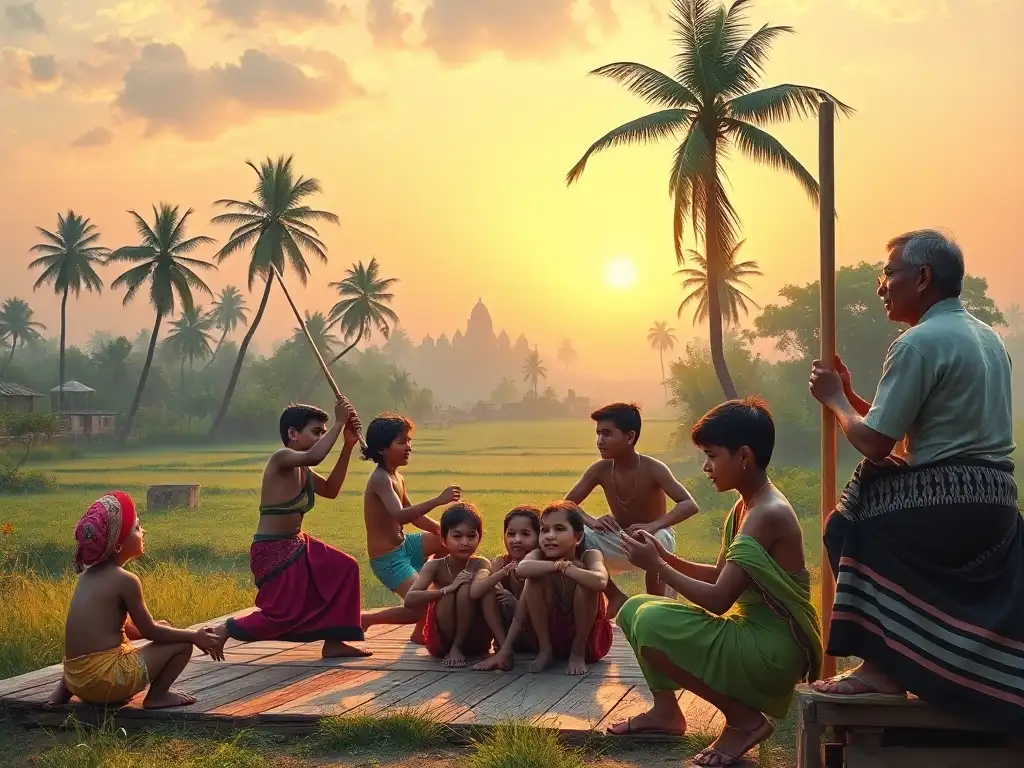
The revival of ancient Indian games marks a significant shift in how we perceive cultural heritage and its integration into modern society. As we delve into this renaissance, it becomes evident that these games are not just forms of entertainment; they are repositories of cultural wisdom, community bonding, and physical fitness. By embracing these traditional sports, we foster a deeper connection with our history and promote holistic well-being among future generations.
The resurgence of games like Kabaddi, Gilli Danda, and Kalaripayattu not only revives interest in these activities but also emphasizes the values they embody, such as teamwork, discipline, and resilience. Engaging in these time-honored sports can cultivate a strong sense of identity and belonging, especially in a rapidly globalizing world.
The Importance of Reviving Ancient Indian Sports for Future Generations
Reviving ancient Indian sports serves multiple crucial purposes that extend beyond mere nostalgia. Here are some key reasons why this revival is essential:
- Cultural Preservation: Ancient games encapsulate the traditions and narratives of various Indian communities. By promoting these sports, we ensure that the cultural legacies are passed down to younger generations, preserving their significance and heritage.
- Physical and Mental Health: Many traditional games emphasize physical fitness and mental agility. For instance, Kalaripayattu, an ancient martial art, not only enhances physical strength but also fosters mental focus and discipline. Encouraging participation in such activities can combat the rising health issues linked to sedentary lifestyles.
- Community Engagement: Traditional sports have historically been played within community settings, fostering social bonds. Reviving these games can reignite community participation and collaboration, strengthening social ties that are crucial in today's fragmented society.
- Economic Opportunities: The renewed interest in ancient sports can create economic avenues, such as training programs, sports events, and tourism. This can lead to job creation and promote local economies, particularly in regions where these games originated.
Call to Action: Embrace and Promote Traditional Indian Sports
To fully realize the potential of reviving ancient Indian sports, collective action is necessary. Here are some actionable steps individuals and communities can take:
- Participate in Local Events: Attend or organize local tournaments that feature traditional games. Participation fosters a sense of community and encourages others to join in.
- Incorporate Into Education: Schools and educational institutions should incorporate traditional sports into their physical education curricula. This not only enhances students' physical fitness but also educates them about their cultural heritage.
- Support Organizations: Engage with organizations dedicated to promoting traditional sports. Volunteering or contributing to these initiatives can help sustain their efforts and increase visibility.
- Share Knowledge: Use social media and community platforms to share information about ancient Indian games. Highlight their benefits and history to inspire others to get involved.
- Advocate for Policy Changes: Encourage local governments to support traditional sports through funding and infrastructure development, ensuring these games receive the recognition they deserve.
By embracing and promoting ancient Indian sports, we not only pay homage to our rich heritage but also pave the way for a healthier, more connected future. Let us take the initiative to keep these cultural treasures alive for generations to come.
Resources for Learning More about Ancient Indian Sports
Recommended Books and Documentaries
To delve deeper into the revival of ancient Indian sports and their cultural significance, consider exploring the following resources:
Books
-
"Playing for India: A History of Indian Sports"
This book provides a comprehensive overview of the evolution of sports in India, including ancient games and their modern interpretations. It offers insights into how these sports shaped Indian identity and culture.
-
"Ancient Indian Sports and Games"
This text focuses specifically on the various sports played in ancient India, such as Malla-yuddha (wrestling) and Pachisi (a board game). It discusses the rules, techniques, and cultural context of these games.
-
"The Art of Indian Wrestling"
A detailed analysis of traditional wrestling practices, this book covers historical techniques, training methods, and the philosophy behind the sport, illustrating its significance in ancient Indian culture.
Documentaries
-
"Rising from the Ashes: The Revival of Indian Sports"
This documentary chronicles the efforts to bring back ancient sports in contemporary India, featuring interviews with athletes, coaches, and historians who are passionate about these traditions.
-
"Indian Games: A Journey Through Time"
A visually engaging documentary that explores various ancient games, their origins, and how they are being integrated into modern sports culture. The film emphasizes the importance of preserving these traditions for future generations.
Online Courses and Workshops on Ancient Indian Games
The resurgence of interest in ancient Indian sports has led to the creation of various online courses and workshops. These programs not only educate participants about the techniques and history of ancient games but also encourage the adoption of these practices in modern settings.
Online Courses
-
"Introduction to Ancient Indian Games"
Offered by various online learning platforms, this course provides a foundational understanding of the most popular ancient games, their rules, and their cultural relevance. Participants can explore game mechanics and their historical contexts.
-
"Practicing Malla-yuddha: Techniques and Philosophy"
This specialized course focuses on the traditional Indian wrestling techniques and the mental discipline required for mastery. It includes video tutorials, live sessions with experts, and practical exercises.
Workshops
-
"Reviving Traditional Indian Sports"
Conducted by sports organizations and cultural institutions, these workshops offer hands-on experience with ancient games like Kabaddi, Kho-Kho, and Gully Cricket. Participants learn the rules, strategies, and cultural significance while engaging in friendly competitions.
-
"Board Games of Ancient India"
This workshop dives into the intricate world of ancient board games, teaching participants how to play games like Pachisi and Chaturanga. It also discusses their impact on strategic thinking and social interaction in ancient India.
By engaging with these resources, individuals can not only deepen their understanding of ancient Indian sports but also contribute to their revival in contemporary society. The revival of ancient Indian sports is not merely a nostalgic endeavor; it represents a cultural renaissance that connects us to our rich heritage and traditions.
Frequently Asked Questions
What are some examples of ancient Indian sports?
Ancient India had diverse sports such as Malla Yuddha (wrestling), Kalaripayattu (martial arts), and Panchayat games. These sports were integral to the cultural and social fabric of ancient civilizations.
Why is the revival of ancient Indian games important?
Reviving these games fosters a connection to India’s cultural heritage and promotes physical fitness. It also encourages community engagement and the celebration of traditional values.
How are modern adaptations of ancient Indian sports being implemented?
Modern adaptations often involve incorporating traditional rules with contemporary training techniques. This helps in making the games more appealing to the youth while preserving their authentic essence.
What role do organizations play in reviving these sports?
Various organizations and NGOs are working to promote ancient games through workshops, tournaments, and educational programs. They aim to raise awareness and provide resources to enthusiasts and athletes.
How can individuals contribute to the revival of ancient Indian sports?
Individuals can participate by learning and practicing these sports, attending local events, and spreading awareness about their importance. Supporting community initiatives also plays a crucial role in this cultural renaissance.
Final Reflection: Reviving Ancient Indian Sports for a Cultural Renaissance
The revival of ancient Indian games is not merely a nostalgic journey into the past; it is a powerful movement that resonates deeply with our contemporary society. As we navigate the complexities of modern life, the resurgence of these traditional sports offers a unique opportunity to reconnect with our cultural heritage while fostering community spirit and physical well-being. This revival is not just about playing games; it is about reclaiming our identity and celebrating the rich tapestry of Indian culture.
Cultural heritage shapes our identity and influences our social interactions. The revival of ancient Indian sports has sparked a renewed interest in traditional practices, promoting values such as teamwork, discipline, and respect for nature. As we embrace these games, we are reminded of the wisdom embedded in our history. In every game, there is a story; in every story, there is a lesson.
This ongoing influence encourages us to reflect on our roots and the values that have shaped our society, fostering a sense of belonging and unity in a rapidly changing world.
As we stand at the crossroads of tradition and modernity, I invite you to reflect on the lessons learned from the revival of ancient Indian sports. Consider how you can integrate these values into your own life, whether through participation in these games, supporting local initiatives, or simply sharing their stories with others.
By doing so, you not only honor our past but also contribute to a vibrant cultural renaissance that enriches our present and inspires future generations. Let us embrace this journey together, celebrating the spirit of our ancestors while forging a path toward a more connected and culturally aware society.
Revitalize Your Play: Embrace Ancient Indian Games Today!
Thank you for spending your valuable time exploring the rich tapestry of ancient Indian games with us. You've discovered how these games not only link us to our heritage but also offer immense joy and physical benefits in today's bustling world. Now, it's time to bring that inspiration to life!
Here are some exciting actions you can take:
- Try playing a traditional game! Choose from classics like Kabaddi, Gilli Danda, or Pithoo with friends or family, and experience the joy they provide.
- Organize or join local events! Seek out community gatherings that celebrate these games, or even host your own—it’s a wonderful opportunity to connect and learn more!
- Share your experience online! Capture your gameplay moments and post them on social media with the hashtag #AncientGameRevival to inspire others to join in.
Which ancient game would you love to try next, and how do you think it could foster a sense of community?