
The Importance of Seasonal Cycles in Crop Cultivation in Ancient India

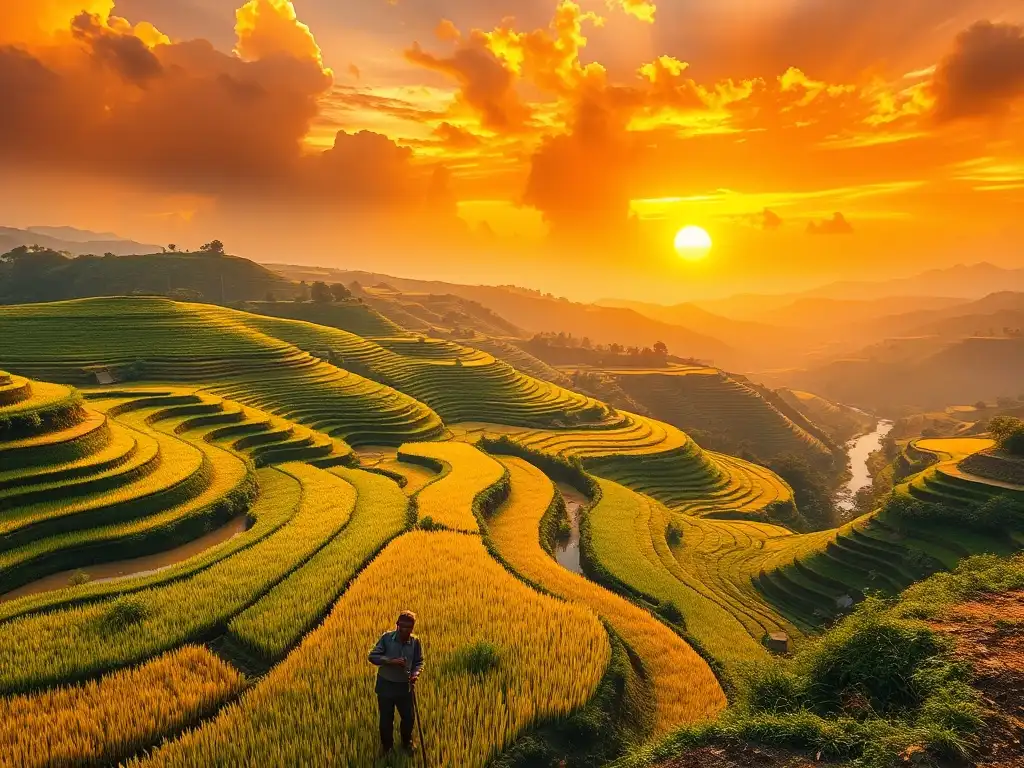
Welcome to Ancient India History, where we embark on a fascinating journey through the rich tapestry of India’s past. In our featured article, we delve into the importance of seasonal cycles in crop cultivation in ancient India, uncovering how these natural rhythms shaped agricultural practices and economic stability. What secrets do these cycles hold about the ingenuity of ancient Indian civilizations?
Join us as we explore the profound connections between nature and sustenance, and discover how these seasonal patterns continue to influence our understanding of agriculture today. Prepare to be intrigued and inspired as you dive deeper into this vital aspect of ancient Indian life!

Understanding the seasonal cycles in ancient India is crucial for grasping the agricultural practices that shaped the economy and culture of one of history's most significant civilizations. From the fertile plains of the Indus Valley to the expansive territories of the Maurya Empire, ancient Indian societies relied heavily on the rhythmic patterns of nature to guide their farming techniques. These cycles dictated not only when to sow and harvest crops but also influenced social structures, trade relations, and even religious practices.
The profound understanding of these seasonal changes allowed ancient Indian farmers to optimize their yields and sustain their communities, reflecting a deep connection between humanity and the environment. This article explores the intricate relationship between seasonal cycles and crop cultivation in ancient India, highlighting its historical significance and the various agricultural practices that emerged as a result.
Understanding Seasonal Cycles in Ancient India
Ancient India was characterized by distinct seasonal changes that played a fundamental role in agriculture.
Definition of Seasonal Cycles
Seasonal cycles refer to the predictable changes in climate and weather that occur throughout the year. In ancient India, these cycles were primarily influenced by the monsoon, leading to a division of the year into wet and dry seasons. Understanding these cycles was essential for determining the optimal times for planting, cultivating, and harvesting various crops.
The Role of Monsoons in Agriculture
The monsoon season, typically occurring from June to September, was a pivotal period for farmers. The arrival of the southwest monsoon brought heavy rainfall, replenishing water sources and providing the necessary moisture for crops. This season was crucial for the cultivation of staple crops such as rice and pulses. Conversely, the dry season, stretching from October to May, allowed farmers to harvest their crops and prepare the fields for the next planting cycle. The dependence on monsoons necessitated careful planning and adaptation, as the success of agricultural endeavors relied heavily on the timing and intensity of these rains.
Regional Variations in Seasonal Patterns
Different regions of ancient India experienced varying seasonal patterns, which influenced local agricultural practices. For instance, the coastal regions benefited from a consistent monsoon, allowing for multiple cropping cycles each year. In contrast, arid regions such as Rajasthan faced challenges due to limited rainfall, which required innovative irrigation techniques to support agriculture. This regional diversity in seasonal cycles led to a rich tapestry of agricultural methods, crops, and practices tailored to local environments.
Historical Significance of Seasonal Cycles in Crop Cultivation
The historical context of seasonal cycles reveals their profound impact on ancient Indian civilizations.
Seasonal Cycles in the Indus Valley Civilization
In the Indus Valley Civilization (circa 3300–1300 BCE), evidence suggests that the inhabitants developed sophisticated agricultural practices aligned with seasonal cycles. Archaeological findings indicate that they cultivated wheat, barley, and cotton, utilizing the seasonal floods of the Indus River to irrigate their fields. This advanced understanding of seasonal variations played a critical role in sustaining one of the world's earliest urban societies.
Agricultural Practices during the Vedic Period
During the Vedic period (circa 1500–500 BCE), the seasonal cycles continued to be integral to agricultural life. Texts from this era reference various crops, including rice, barley, and legumes, emphasizing the importance of monsoon rains for successful harvests. The Vedic people also engaged in rituals and ceremonies timed with the seasons, further highlighting the cultural significance of these cycles in their agricultural practices.
Crop Cultivation Techniques in the Maurya Empire
The Maurya Empire (circa 322–185 BCE) saw the refinement of agricultural techniques influenced by seasonal cycles. The state implemented irrigation projects, promoting the expansion of arable land and the cultivation of diverse crops. The establishment of granaries and trade networks ensured that the surplus from seasonal harvests could support urban centers and military endeavors, illustrating the critical link between agriculture and the broader economy of the empire.
By understanding the importance of seasonal cycles in ancient India, we can appreciate how these natural rhythms shaped agricultural practices and contributed to the prosperity of its civilizations.
Key Crops Influenced by Seasonal Cycles
The agricultural landscape of ancient India was profoundly shaped by the seasonal cycles that governed the climate and weather patterns. Understanding these cycles was essential for the successful cultivation of key crops that formed the backbone of ancient Indian agriculture. The primary crops influenced by these cycles included rice, wheat, and pulses, each requiring specific seasonal conditions for optimal growth.
Farmers in ancient India developed a keen awareness of the seasonal rhythms, allowing them to maximize yield and ensure food security. This understanding not only impacted agricultural practices but also shaped cultural and social structures, as communities organized their lives around the agricultural calendar.
Rice Cultivation and Monsoon Dependency
Rice, a staple food for many ancient Indian civilizations, was heavily dependent on the monsoon season. The arrival of the southwest monsoon, typically between June and September, provided the necessary rainfall for paddy fields. Ancient texts, such as the Arthashastra, emphasize the importance of timely rains for rice cultivation.
Farmers prepared their fields before the monsoon, engaging in practices like plowing and puddling, to enhance water retention. The flooding of fields during the monsoon allowed for the growth of rice varieties suited to wet conditions. Additionally, the end of the monsoon marked the beginning of the harvest season, culminating in festivals that celebrated the bounty of the land.
Wheat Harvesting and Seasonal Timing
Wheat, another essential crop in ancient India, was primarily cultivated during the rabi season, which followed the monsoon. This period typically spanned from October to March, utilizing the cooler and drier months for optimal growth. The timing of sowing was crucial, as it directly influenced the crop's yield.
Farmers often relied on traditional knowledge to determine the best times for planting and harvesting wheat. They would sow seeds after the first rains of the post-monsoon season and harvest in late March to early April. This careful timing ensured that wheat was harvested before the onset of extreme summer heat, allowing it to mature fully while minimizing losses.
Pulses and Their Adaptation to Climate
Pulses, including lentils, chickpeas, and peas, played a significant role in the diet of ancient Indians, providing essential protein. These crops were adaptable to a range of climatic conditions, making them resilient to fluctuations in seasonal cycles. Pulses were typically sown during the kharif season, right after the monsoon, and harvested before the cold winter months.
Their shorter growing period allowed farmers to cultivate pulses alongside other crops, maximizing the use of available land. Additionally, pulses contributed to soil fertility by fixing nitrogen, which was beneficial for subsequent crops. The adaptability of pulses to varying climatic conditions showcased the ingenuity of ancient agricultural practices in response to seasonal changes.
Seasonal Festivals and Agricultural Practices
Seasonal cycles not only dictated agricultural practices in ancient India but also influenced the cultural and social fabric of society. Festivals connected to the agricultural calendar served as vital moments for communities to come together, celebrating the fruits of their labor and the rhythms of nature.
Harvest Festivals and Their Cultural Importance
Harvest festivals, such as Makar Sankranti and Pongal, were significant events that celebrated the end of the harvest season. These festivals were characterized by communal feasting, music, and dance, reflecting the joy and gratitude of communities for the bountiful harvest.
The timing of these festivals often aligned with the agricultural calendar, reinforcing the connection between seasonal cycles and cultural identity. They served not only as a means of celebrating agricultural success but also as opportunities for social bonding and the reinforcement of communal ties.
Rituals Associated with Seasonal Changes
Ancient Indian societies engaged in various rituals to honor the seasonal changes that directly impacted their agricultural practices. These rituals often involved offerings to deities associated with fertility, rain, and harvest. By performing these rituals, communities sought to ensure favorable weather conditions and abundant crops.
Rituals varied across regions but commonly included prayers, songs, and dances performed at key points in the agricultural calendar, such as sowing and harvesting. This spiritual connection to agriculture underscored the importance of seasonal cycles in sustaining life and promoting harmony within the community.
Community Involvement in Agriculture
The communal aspect of agriculture in ancient India was deeply intertwined with seasonal cycles. Communities worked together to prepare fields, plant seeds, and harvest crops, fostering a sense of collective responsibility and shared success. This collaborative approach not only enhanced productivity but also built social cohesion.
Festivals served as focal points for community involvement, with members coming together to celebrate their agricultural achievements. Through collective efforts and shared rituals, ancient Indian societies developed resilient agricultural systems that thrived on the understanding and respect for seasonal cycles.
Innovations in Crop Cultivation Linked to Seasonal Cycles
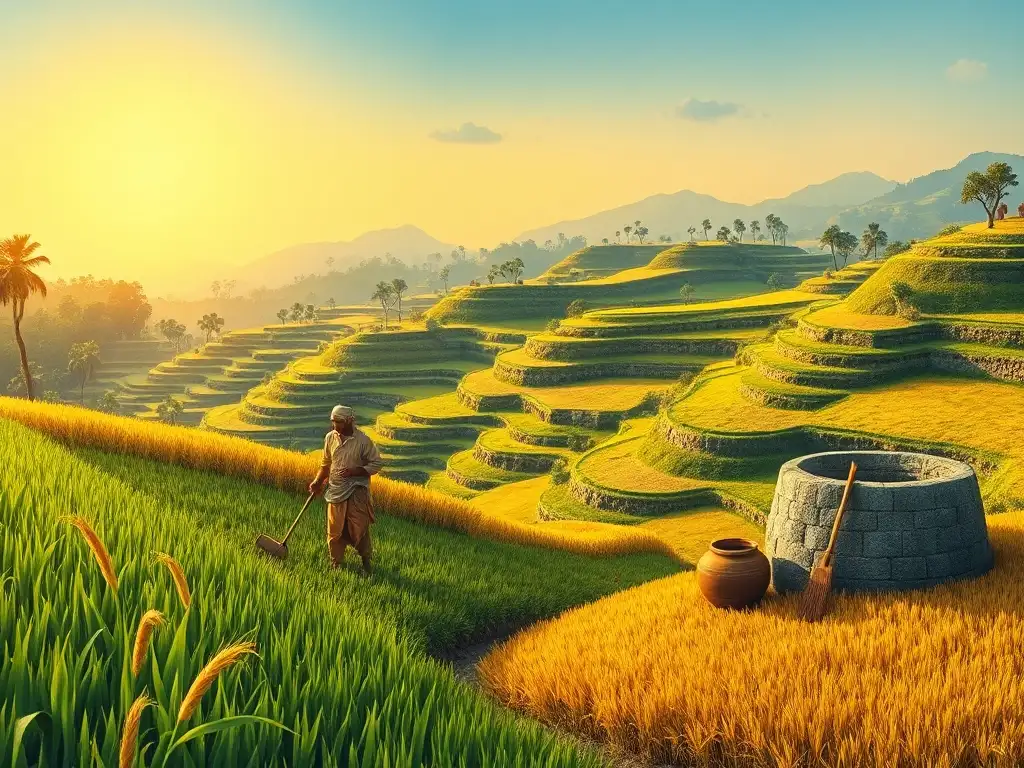
Seasonal cycles played a pivotal role in shaping the agricultural practices of ancient India. Farmers were deeply attuned to the rhythms of nature, developing innovative techniques that maximized crop yields throughout the changing seasons. Key innovations included the use of seasonal planting calendars based on lunar cycles, which guided farmers on the optimal times for sowing and harvesting. These calendars were essential for aligning agricultural activities with the monsoon rains, ensuring that crops received adequate moisture during critical growth periods.
Additionally, ancient Indian civilizations employed multi-cropping systems, allowing them to cultivate different crops simultaneously. This practice not only diversified their harvests but also mitigated the risks associated with seasonal fluctuations. For instance, while one crop may thrive in the monsoon season, another could be cultivated during the drier months. Such adaptive strategies showcased the ingenuity of ancient farmers in maximizing land productivity.
Ancient Irrigation Techniques and Seasonal Adaptation
Ancient India saw remarkable advancements in irrigation techniques that were intricately linked to seasonal cycles. The establishment of canal systems and step wells allowed farmers to divert water from rivers to their fields, ensuring a consistent water supply throughout the year. These irrigation methods were particularly crucial in regions with unpredictable rainfall patterns, where farmers had to adapt their practices to cope with the variability of the seasons.
Moreover, the construction of storage tanks helped in capturing and retaining rainwater during the monsoon season. By utilizing these water reserves during drier months, farmers could sustain crop growth and improve overall agricultural productivity. The integration of irrigation with seasonal cycles not only enhanced crop yields but also contributed to the economic stability of ancient Indian societies.
Crop Rotation Practices in Response to Climate
Crop rotation was a fundamental practice among ancient Indian farmers, designed to maintain soil fertility and manage the challenges posed by seasonal changes. By alternating different crops in a systematic manner, farmers could prevent soil depletion and control pests and diseases. For example, legumes were often planted after cereal grains, as they naturally enrich the soil with nitrogen, enhancing its quality for subsequent crops.
This practice was particularly important in the context of seasonal cycles, as it allowed farmers to adapt to varying climatic conditions. In years when rainfall was abundant, farmers could grow water-intensive crops, while in drier years, they could shift to hardier, drought-resistant varieties. Such flexibility in crop rotation not only ensured food security but also supported the resilience of ancient agricultural systems.
Use of Native Seeds for Seasonal Resilience
The selection and cultivation of native seeds were crucial for ensuring seasonal resilience in ancient Indian agriculture. Farmers relied on indigenous varieties that were well-adapted to local climatic conditions and seasonal fluctuations. These seeds often exhibited traits such as drought tolerance, pest resistance, and shorter growing cycles, making them ideal for the diverse environmental conditions across India.
By prioritizing native seeds, ancient farmers could cultivate crops that thrived in their specific regions, maximizing yields even in challenging seasons. This emphasis on biodiversity not only supported agricultural sustainability but also contributed to the rich tapestry of Indian agricultural heritage. The knowledge of local seed varieties and their seasonal suitability was passed down through generations, forming the backbone of ancient farming practices.
Challenges Faced Due to Seasonal Cycles
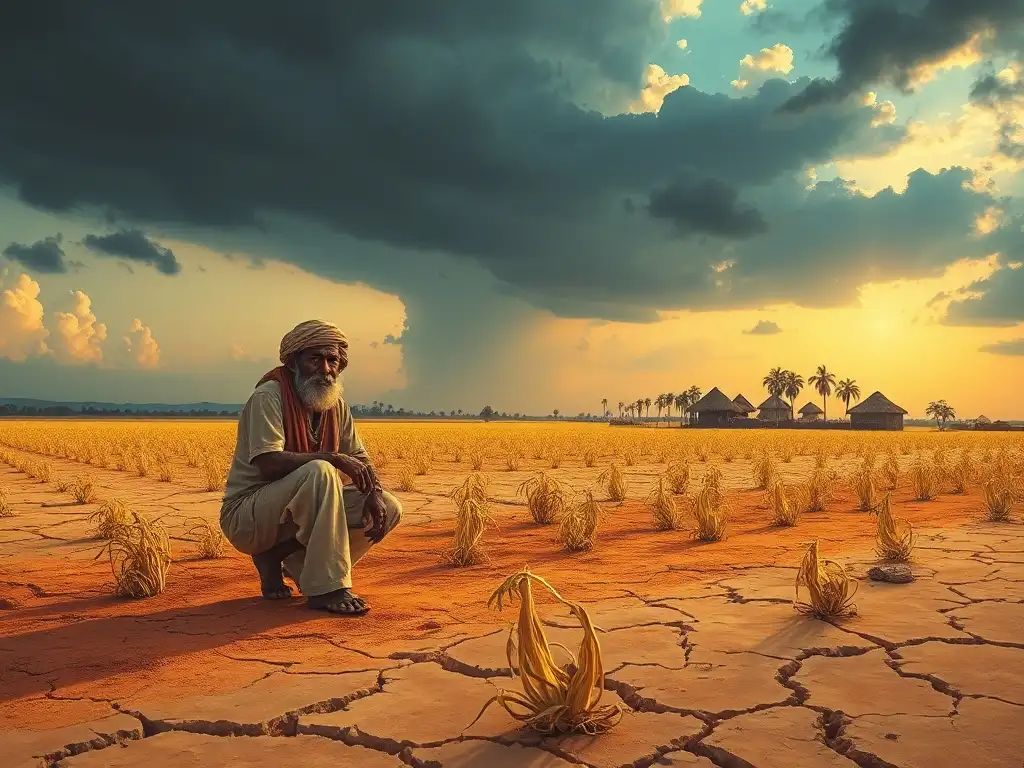
Despite their advanced agricultural techniques, ancient Indian farmers faced numerous challenges linked to seasonal cycles. Fluctuations in weather patterns, such as irregular monsoon rains and unexpected droughts, posed significant risks to crop yields and food security. These challenges necessitated adaptive strategies that were essential for survival in the face of unpredictable environmental conditions.
Droughts and Their Impact on Crop Yield
Droughts were one of the most severe challenges faced by ancient Indian farmers. Prolonged dry spells could lead to water scarcity, severely affecting crop growth and yield. For instance, in regions like Rajasthan, where rainfall was already limited, several consecutive years of drought could result in complete crop failure. This not only threatened food supplies but also had broader implications for local economies and societal stability.
Farmers employed various strategies to mitigate the impact of droughts, such as shifting to drought-resistant crop varieties and optimizing irrigation practices. Additionally, they relied on traditional knowledge passed down through generations to identify the most effective responses to these climatic challenges.
Flooding and Soil Erosion Issues
Conversely, flooding posed a different set of challenges for ancient Indian agriculture. Regions susceptible to heavy monsoon rains often experienced soil erosion, leading to loss of fertile topsoil and degradation of agricultural land. Flooding could also inundate fields, delaying planting and disrupting the entire growing cycle.
To combat these issues, ancient farmers developed techniques such as building bunds (earthen embankments) around fields to manage water flow and protect crops from excess moisture. They also implemented crop-specific strategies, planting flood-tolerant varieties in vulnerable areas to ensure some level of harvest despite adverse conditions.
Adaptation Strategies of Ancient Farmers
Ancient Indian farmers exhibited remarkable resilience and adaptability in response to the challenges posed by seasonal cycles. They developed a variety of strategies to cope with both droughts and floods, ensuring continued agricultural productivity. These strategies included:
- Utilizing local knowledge: Farmers relied on centuries of accumulated knowledge regarding seasonal patterns, plant varieties, and effective agricultural practices.
- Community cooperation: Farmers often worked together to share resources, such as water and tools, especially during challenging seasons.
- Diversification of crops: By growing a variety of crops, farmers could buffer against total losses from any single crop failure due to seasonal extremes.
These adaptive practices highlight the ingenuity and resourcefulness of ancient Indian farmers, allowing them to thrive in a diverse and often challenging environment while laying the foundation for future agricultural advancements.
Conclusion: The Legacy of Seasonal Cycles in Ancient Indian Agriculture

The seasonal cycles in ancient India played a pivotal role in shaping agricultural practices that laid the foundation for the region's economic stability and social structure. The intricate understanding of monsoons, the timing of sowing and harvesting, and the methods of irrigation were not merely practical necessities but also reflected a profound connection between the people and their environment. This deep-seated knowledge, passed down through generations, enabled farmers to maximize yields and sustain their communities.
The legacy of these seasonal cycles is evident not only in historical records but also in the enduring agricultural practices observed in modern India. The traditional wisdom surrounding crop rotation, intercropping, and the use of organic fertilizers can be traced back to ancient agricultural systems. Moreover, the cultural significance of festivals associated with harvests and seasonal changes continues to resonate in contemporary society, underscoring the importance of agriculture in cultural identity.
Lasting Impacts on Modern Agricultural Practices
The impact of ancient seasonal cycles extends well into modern agricultural practices. Farmers today still rely on the knowledge of seasonal variations to determine the optimal planting and harvesting times. Techniques such as:
- Rainfed Agriculture: This practice, rooted in ancient methods, continues to be vital, especially in regions dependent on monsoon rains.
- Crop Diversity: The ancient tradition of cultivating a variety of crops to ensure food security remains relevant, helping to mitigate risks associated with climate change and pests.
- Soil Management: Techniques developed over centuries for maintaining soil fertility, such as the use of green manures and natural composts, are increasingly recognized for their importance in sustainable agriculture.
Modern agronomists and researchers are increasingly looking back at these ancient practices to inform contemporary methods, emphasizing the need for resilience and sustainability in the face of environmental challenges.
Lessons from Ancient India for Contemporary Farming
Ancient Indian agricultural practices offer valuable lessons for today's farmers. Here are some key takeaways:
- Sustainability: The emphasis on harmony with nature and the cyclical understanding of seasons can guide modern practices towards more sustainable models that respect ecological balances.
- Community Knowledge: The communal sharing of agricultural knowledge and techniques in ancient times demonstrates the value of local expertise and collaboration, which can be applied to modern cooperative farming initiatives.
- Adaptation to Climate: The adaptability shown by ancient farmers in responding to seasonal changes serves as a reminder of the importance of flexibility in agricultural planning, especially in the context of climate change.
By integrating these lessons, contemporary farming can enhance productivity while ensuring the preservation of natural resources and cultural heritage.
References
Scholarly Articles on Ancient Indian Agriculture
- "Agricultural Practices in Ancient India" - This article provides a comprehensive overview of the techniques employed by ancient Indian farmers, emphasizing the role of seasonal cycles.
- "The Role of Monsoons in Indian Agriculture" - A detailed analysis of how monsoon patterns influenced crop cultivation and societal structures in ancient India.
- "Sustainable Practices in Ancient Indian Farming" - This paper explores the sustainability of ancient agricultural methods and their relevance to modern practices.
Historical Texts Relating to Seasonal Cycles
- Arthashastra by Kautilya - This ancient treatise discusses various aspects of governance, including agricultural policies and seasonal cycles, providing insights into the economic practices of the time.
- Rigveda - As one of the oldest texts, it contains hymns that reference agricultural seasons and rituals associated with planting and harvesting, reflecting the societal importance of agriculture.
- Agricultural Manuals (Krishi texts) - Various texts from ancient India detail crop rotation, irrigation methods, and seasonal planting schedules, serving as vital records of agricultural knowledge.
- Understanding Seasonal Cycles in Ancient India
- Historical Significance of Seasonal Cycles in Crop Cultivation
- Key Crops Influenced by Seasonal Cycles
- Seasonal Festivals and Agricultural Practices
- Innovations in Crop Cultivation Linked to Seasonal Cycles
- Ancient Irrigation Techniques and Seasonal Adaptation
- Crop Rotation Practices in Response to Climate
- Use of Native Seeds for Seasonal Resilience
- Challenges Faced Due to Seasonal Cycles
- Droughts and Their Impact on Crop Yield
- Flooding and Soil Erosion Issues
- Adaptation Strategies of Ancient Farmers
- Conclusion: The Legacy of Seasonal Cycles in Ancient Indian Agriculture
- Lasting Impacts on Modern Agricultural Practices
- Lessons from Ancient India for Contemporary Farming
- References
- What were the main seasonal cycles in ancient India?
- How did seasonal cycles impact agriculture in ancient India?
- What crops were primarily grown during different seasonal cycles?
- Why were seasonal cycles crucial for ancient Indian civilizations?
- How did ancient Indian cultures adapt to the seasonal cycles?
Frequently Asked Questions
What were the main seasonal cycles in ancient India?
The main seasonal cycles in ancient India included the monsoon, winter, and summer seasons, which significantly influenced agricultural practices and crop cultivation.
How did seasonal cycles impact agriculture in ancient India?
Seasonal cycles dictated the timing of planting and harvesting, ensuring that crops thrived during the monsoon rains and were harvested before the dry season.
What crops were primarily grown during different seasonal cycles?
During the monsoon, rice and pulses were commonly cultivated, while wheat and barley were prominent in the winter season, showcasing the adaptability of ancient Indian agriculture.
Why were seasonal cycles crucial for ancient Indian civilizations?
Understanding seasonal cycles was essential for food security, trade, and economic stability, as they directly affected crop yields and the livelihoods of communities.
How did ancient Indian cultures adapt to the seasonal cycles?
Ancient Indian cultures developed various irrigation systems, agricultural techniques, and festivals aligned with seasonal cycles, celebrating the changes and ensuring successful harvests.
Final Reflection: Embracing the Wisdom of Seasonal Cycles in Ancient India
The intricate relationship between seasonal cycles and crop cultivation in ancient India remains profoundly relevant today. As we face the challenges of climate change and food security, understanding how our ancestors harmonized their agricultural practices with nature offers invaluable insights. The wisdom embedded in these seasonal cycles not only shaped the agricultural landscape of ancient India but also laid the foundation for sustainable practices that can guide us in our modern world.
The influence of these seasonal cycles extends beyond mere agriculture; it permeates our cultural and social fabric. The rhythms of planting and harvesting dictated not only the economy but also the festivals, rituals, and communal gatherings that defined ancient Indian society. This connection to the land and its cycles fosters a sense of belonging and identity that is still cherished today. To be rooted is perhaps the most important and least recognized need of the human soul.
- Simone Weil. The reverence for nature's cycles can inspire us to cultivate a deeper appreciation for our environment and the interconnectedness of all life.
As we reflect on the lessons from ancient India, let us consider how we can integrate this wisdom into our lives. I invite you to explore your own relationship with the seasons and the natural world. Whether through sustainable gardening practices, supporting local agriculture, or simply taking time to appreciate the changing seasons, each action contributes to a more harmonious existence. By honoring the lessons of the past, we can pave the way for a more sustainable and connected future, ensuring that the wisdom of seasonal cycles continues to thrive for generations to come.
Embrace the Seasonal Wisdom of Ancient Agriculture!
Thank you for diving into the rich insights on the importance of seasonal cycles in crop cultivation in ancient India! You've uncovered how these practices not only nourished communities but also connected them deeply with nature’s rhythms. Now, let’s turn that knowledge into action!
Here’s how you can enhance your understanding and appreciation of ancient agricultural wisdom:
- Explore traditional farming practices: Research local or online workshops that teach ancient techniques inspired by seasonal cycles to cultivate your own crops.
- Join a community: Connect with gardening or historical farming groups—share your newfound knowledge and learn from fellow enthusiasts about their experiences.
- Experiment in your garden: Create a seasonal garden at home by planting crops that align with the natural cycles. Document your journey and share it with others!
What seasonal practices have you discovered or would like to try in your own gardening efforts? Share your thoughts and let’s discuss the potential of ancient wisdom in modern agriculture!