
The Ingenious Irrigation Techniques of Ancient India: A Closer Look


Welcome to Ancient India History, where we embark on a fascinating journey through time to uncover the rich tapestry of cultures, innovations, and legacies left by ancient Indian civilizations. In this article, we delve into the ingenious irrigation techniques of ancient India, exploring how these remarkable methods not only transformed agriculture but also shaped the economy and society of their time.
Prepare to be captivated by the ingenuity of our ancestors and discover how their innovations continue to influence us today. Join us as we unravel the secrets of the past and uncover the remarkable stories that define our history!
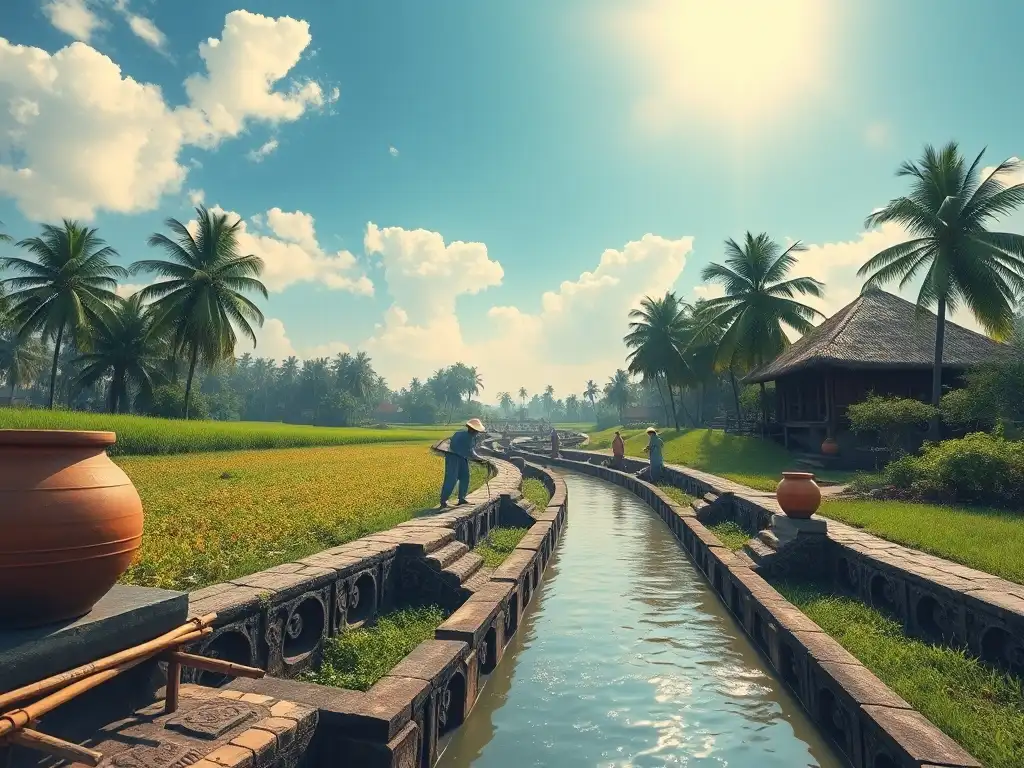
Introduction to Ancient Indian Irrigation Techniques
The ancient Indian civilization is renowned for its remarkable achievements in various fields, including agriculture, architecture, and science. Among these achievements, the irrigation techniques developed and utilized by ancient Indians stand out as a testament to their ingenuity and understanding of water management. Effective irrigation was crucial for sustaining agricultural practices in a largely agrarian society, where the survival of communities depended on the successful cultivation of crops. This article delves into the intricate irrigation systems of ancient India, exploring their significance, historical context, and the innovative methods employed to optimize water use.
Overview of Irrigation in Ancient Civilizations
Irrigation has been a fundamental aspect of agricultural societies throughout history. In ancient civilizations, including those of Mesopotamia, Egypt, and China, the development of irrigation systems allowed communities to thrive despite the challenges posed by climate and topography. Ancient Indians were no exception; they developed sophisticated irrigation techniques that not only facilitated agricultural productivity but also reflected a deep connection to their environment. Some notable methods included:
- Canals: Constructed to divert river water to fields.
- Wells: Dug to access groundwater, providing a reliable source of water.
- Reservoirs: Built to store rainwater for use during dry periods.
These systems not only supported crop growth but also played a vital role in the socio-economic structures of ancient Indian societies.
Importance of Water Management in Agriculture
Water management was of paramount importance in ancient India, where the monsoon seasons dictated agricultural cycles. Effective irrigation techniques allowed farmers to harness seasonal rains and ensure a stable food supply. The methods developed were not just about getting water to crops; they also included:
- Soil conservation: Preventing erosion and maintaining soil fertility.
- Crop rotation: Maximizing land use and enhancing yield.
- Community cooperation: Collective maintenance of irrigation systems fostered social bonds.
The ability to manage water effectively meant that ancient Indian farmers could support larger populations and contribute to the growth of cities and trade networks.
Historical Context of Irrigation in Ancient India
Understanding the historical context of irrigation in ancient India requires a look into the early settlements and their agricultural practices, as well as the geographical factors that shaped their irrigation systems.
Early Settlements and Agricultural Practices
The earliest known civilization in India, the Indus Valley Civilization, showcased advanced urban planning and agricultural techniques. Archaeological evidence suggests that the inhabitants practiced:
- Crop cultivation: Primarily wheat, barley, and cotton.
- Animal husbandry: Domestication of animals like cattle and sheep for labor and sustenance.
The presence of sophisticated drainage systems and granaries indicates that water management was integral to their agricultural practices, ensuring that surplus crops could sustain trade and population growth.
The Influence of Geography on Irrigation Systems
Ancient India's diverse geography, characterized by rivers, mountains, and plains, significantly influenced the development of irrigation systems. The major rivers, such as the Ganges, Indus, and Brahmaputra, provided vital water sources that were harnessed through various techniques. Key geographic factors included:
- Topography: The varied landscape required different approaches to water management, from terraced fields in hilly regions to canal systems in plains.
- Climatic conditions: Seasonal monsoon rains necessitated systems that could store and distribute water efficiently.
These geographical elements not only shaped the irrigation techniques employed but also reflected the adaptability and resourcefulness of ancient Indian civilizations in overcoming environmental challenges.
Types of Ancient Indian Irrigation Techniques
Ancient Indian civilizations developed a variety of irrigation techniques that showcased their ingenuity and adaptability to different geographical and climatic conditions. These techniques were crucial for agricultural productivity, allowing them to cultivate crops in regions that would otherwise be arid or semi-arid. The primary types of irrigation methods can be broadly categorized into surface irrigation and subsurface irrigation systems.
Surface Irrigation Methods
Surface irrigation methods were among the earliest forms of irrigation utilized in ancient India. This technique involves the distribution of water over the soil surface, allowing it to infiltrate and reach the root zone of crops. Ancient farmers primarily employed two types of surface irrigation:
- Flood Irrigation: This method involves flooding the fields with water from nearby rivers or reservoirs. It is highly effective for flat terrains and is still practiced in many regions. The Indus Valley Civilization, for instance, utilized flood irrigation from the Indus River to support their agrarian economy.
- Furrow Irrigation: In this technique, small channels or furrows are created between crop rows, allowing water to flow directly to the roots of the plants. This method minimizes water wastage and enhances soil moisture retention, making it a sustainable practice.
Surface irrigation was not only essential for crop growth but also played a significant role in maintaining soil fertility, as farmers could manage the water supply according to seasonal variations.
Subsurface Irrigation Systems
While surface irrigation was prevalent, ancient Indians also innovated subsurface irrigation systems that allowed for more efficient water use. This technique is characterized by the application of water directly below the soil surface, minimizing evaporation and runoff. Key features of subsurface irrigation systems in ancient India included:
- Well Irrigation: Wells were dug to access underground water sources. The water was lifted using traditional techniques such as animal-powered devices or simple pulley systems. This method was particularly beneficial in areas with limited surface water, allowing for year-round cultivation.
- Qanat Systems: This sophisticated technique involved constructing underground channels to transport water from aquifers to surface fields. The Qanat system enabled the sustainable use of groundwater resources and is a testament to the advanced engineering skills of ancient Indian civilizations.
These subsurface methods not only conserved water but also ensured that crops received a steady supply of moisture, which was critical for their growth.
Innovations in Irrigation Engineering
The ingenuity of ancient Indian irrigation techniques extended beyond basic methods, leading to remarkable innovations in irrigation engineering. These advancements were driven by the need to optimize water distribution and manage resources effectively in the face of geographical challenges.
Use of Water Harvesting Techniques
Ancient Indians were pioneers in water harvesting techniques, which were essential for capturing and storing rainwater. Several methods were utilized, including:
- Check Dams: Small earthen structures were built across streams and rivers to slow down water flow, allowing it to percolate into the ground. This not only recharged groundwater but also created temporary ponds that provided water during dry periods.
- Talab Systems: These were artificial ponds or reservoirs constructed to collect rainwater. Talabs served multiple purposes, including irrigation, domestic use, and as a habitat for aquatic life, showcasing an integrated approach to water resource management.
The use of water harvesting techniques not only improved agricultural productivity but also contributed to the overall sustainability of the ecosystem.
Development of Canals and Ditches
The construction of canals and ditches marked a significant advancement in the irrigation infrastructure of ancient India. These systems allowed for the efficient transportation of water over long distances. Notable developments included:
- Canal Systems: Major river systems like the Ganges and Brahmaputra were harnessed through an extensive canal network that facilitated irrigation across vast agricultural lands. These canals were engineered to ensure a consistent flow of water, significantly enhancing crop yields.
- Field Ditches: Farmers created ditches to divert water from nearby sources directly to their fields. This practice enabled them to manage water levels more effectively and reduce the risk of waterlogging, which could damage crops.
The development of canals and ditches not only transformed agricultural practices but also played a crucial role in the economic prosperity of ancient Indian civilizations, allowing them to support larger populations and foster trade.
Cultural and Economic Impact of Irrigation Techniques
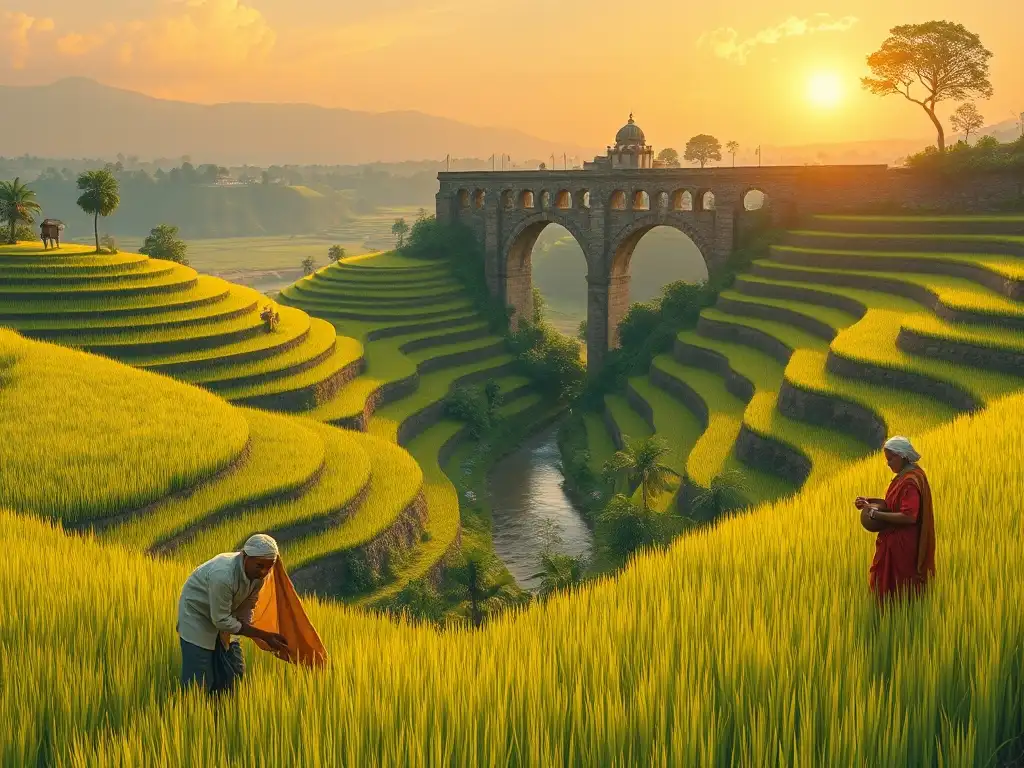
The irrigation techniques developed in ancient India had profound effects on both cultural practices and economic systems. These methods not only facilitated agricultural growth but also influenced social structures, trade routes, and community interactions. The intricate networks of canals, wells, and tanks established by ancient civilizations reflect a deep understanding of water management, which was essential for sustaining agriculture in the diverse climates of the Indian subcontinent.
As agriculture flourished due to effective irrigation, communities experienced economic prosperity. The increased agricultural output led to surpluses, which allowed for trade expansion. This surplus not only supported local economies but also made it possible for ancient Indian societies to engage in extensive trade with neighboring regions, fostering cultural exchanges and economic interdependence.
Contribution to Agricultural Productivity
The irrigation systems of ancient India significantly enhanced agricultural productivity, transforming the landscape into fertile grounds capable of supporting diverse crops. Techniques such as channel irrigation and the use of wells enabled farmers to cultivate land that would otherwise be arid.
- Canal Systems: Ancient civilizations, such as those in the Indus Valley, constructed elaborate canal systems to divert river water to fields. This ensured a steady water supply during dry seasons, which was crucial for high-yield crops like wheat and barley.
- Step-Wells and Tanks: Step-wells and water tanks were ingeniously designed to maximize water storage and accessibility. These structures not only provided irrigation but also served as community gathering spaces, reinforcing social bonds among villagers.
The result of these innovations was a marked increase in crop yields, which significantly contributed to food security and allowed populations to grow.
Influence on Trade and Economy
The advancements in irrigation had a ripple effect on trade and the economy of ancient India. As agricultural productivity soared, the surplus grains became key commodities in local and long-distance trade.
- Market Expansion: Towns and cities began to emerge around irrigation systems, serving as trade hubs. Farmers could sell their excess produce in these markets, which stimulated local economies and attracted traders from afar.
- Cultural Exchange: The increase in trade facilitated cultural exchanges with other civilizations, enriching the social fabric of ancient Indian society. The introduction of new agricultural practices, crops, and technologies was a direct result of these interactions.
The economic impact of these irrigation techniques is evident in historical records that indicate a thriving economy based on agriculture, trade, and craftsmanship, all supported by effective water management.
Social Structures and Community Involvement in Irrigation
Irrigation systems were not just technical achievements; they were also social constructs that required collective effort and collaboration. The management of these systems often involved the entire community, fostering a sense of unity and shared responsibility.
- Community Participation: Villagers typically worked together to maintain canals and wells, demonstrating a communal approach to water management. This cooperation strengthened social ties and enhanced the sense of community.
- Social Hierarchies: In some regions, the organization of irrigation systems led to the emergence of social hierarchies. Leaders or influential families often took on the role of overseeing the distribution of water, thereby shaping local governance structures.
The involvement of various social groups in irrigation practices underscores the interconnectedness of agricultural practices and community dynamics in ancient India.
Lessons Learned from Ancient Indian Irrigation Techniques
The irrigation techniques of ancient India offer valuable insights into sustainable practices that are relevant even today. By studying these methods, we can glean lessons that may help address contemporary water management challenges.
Sustainable Practices and Their Modern Relevance
Ancient Indian irrigation techniques were characterized by sustainability and efficient water use. The use of rainwater harvesting, check dams, and contour plowing are practices that modern agriculture can learn from.
- Rainwater Harvesting: Techniques such as building ponds and tanks to collect rainwater ensured a reliable water supply during dry seasons, which is crucial in the face of climate change.
- Integrated Water Management: The holistic approach to water management—where irrigation systems were designed in harmony with local ecosystems—can inform current sustainable practices, promoting biodiversity and environmental stewardship.
Implementing these ancient techniques in modern agriculture could significantly enhance resilience against water scarcity and climate variability.
Challenges Faced by Ancient Irrigation Systems
Despite their ingenuity, ancient Indian irrigation systems faced significant challenges that often tested their sustainability and effectiveness.
- Environmental Changes: Fluctuations in climate, such as droughts or floods, could severely impact the effectiveness of irrigation systems. Ancient records indicate that some civilizations struggled to adapt to these environmental changes, leading to agricultural decline.
- Maintenance Issues: The communal nature of irrigation management required continuous effort. Over time, neglect or mismanagement could result in the deterioration of these systems, reducing their efficiency and leading to water shortages.
Understanding these challenges provides a clearer picture of the resilience and adaptability required in water management practices, emphasizing the need for ongoing maintenance and innovation in modern systems.
Conclusion: The Legacy of Ancient Indian Irrigation Techniques
The irrigation techniques developed by ancient Indian civilizations represent a profound legacy that has shaped agricultural practices not only in India but across the world. These innovations were not merely technical solutions to water scarcity; they were integral to the socio-economic fabric of ancient society. The ability to harness and manage water resources effectively allowed for the flourishing of agriculture, which in turn supported population growth, urbanization, and trade. As we reflect on the ingenuity of these ancient practices, it becomes evident that their principles of sustainability, community involvement, and adaptability remain relevant today.
Summary of Key Innovations and Contributions
Ancient India was home to several remarkable irrigation innovations, each contributing uniquely to agricultural productivity:
- Stepwells and Baolis: These structures allowed communities to access groundwater efficiently, particularly in arid regions.
- Canal Systems: Developed especially during the Mauryan and Gupta empires, these networks enabled the diversion of river water for widespread agricultural use.
- Tank Irrigation: This method involved the construction of reservoirs to store rainwater, which was vital in areas with unpredictable monsoon patterns.
These techniques not only optimized water usage but also demonstrated an advanced understanding of hydrology and soil management. Their implementation fostered agricultural diversity and resilience, showcasing the innovative spirit of ancient Indian civilizations.
The Ongoing Influence on Modern Irrigation Practices
The principles behind ancient Indian irrigation techniques continue to inform contemporary agricultural practices. Many modern irrigation systems, such as drip and sprinkler irrigation, echo the sustainable approaches developed by ancient farmers. Moreover, the community-based management of water resources, as seen in ancient systems, is now being revitalized through modern cooperative approaches to water usage.
Countries worldwide are increasingly looking to ancient practices as models for sustainable agriculture, particularly in the face of climate change and water scarcity. The focus on local resources, traditional knowledge, and eco-friendly methods is a testament to the enduring influence of ancient Indian irrigation techniques.
References and Further Reading
Recommended Books on Ancient Indian Agriculture
- "The History of Indian Agriculture" by G. R. P. Rao: This book provides a comprehensive overview of agricultural practices in India, including ancient irrigation techniques.
- "Agriculture in Ancient India" by R. S. Sharma: A detailed exploration of the agricultural systems that sustained ancient Indian civilizations, highlighting irrigation methods.
- "Water Management in Ancient India" by A. K. Singh: This work delves into the various water management systems and their implications for agriculture in ancient India.
Scholarly Articles on Irrigation Techniques in Ancient Civilizations
- "Irrigation and Society in Ancient India": This article examines the relationship between irrigation practices and social structures in ancient Indian communities.
- "The Role of Water Management in Ancient Civilizations": A comparative study that includes ancient India, focusing on how irrigation shaped agricultural success.
- "Sustainable Water Management Practices in Historical Context": This paper investigates the sustainable practices of ancient civilizations, including the ingenious techniques of irrigation found in ancient India.
- Introduction to Ancient Indian Irrigation Techniques
- Historical Context of Irrigation in Ancient India
- Types of Ancient Indian Irrigation Techniques
- Innovations in Irrigation Engineering
- Cultural and Economic Impact of Irrigation Techniques
- Lessons Learned from Ancient Indian Irrigation Techniques
- Conclusion: The Legacy of Ancient Indian Irrigation Techniques
- References and Further Reading
- What were some common irrigation techniques used in ancient India?
- How did irrigation impact agriculture in ancient India?
- What role did the Indus Valley Civilization play in irrigation?
- How did ancient Indian irrigation techniques influence later civilizations?
- Are there any remnants of ancient irrigation systems still in use today?
Frequently Asked Questions
What were some common irrigation techniques used in ancient India?
Ancient Indian civilizations utilized advanced irrigation techniques such as stepwells, canals, and tank systems to manage water efficiently for agriculture.
How did irrigation impact agriculture in ancient India?
The development of irrigation systems significantly boosted agricultural productivity, allowing for multiple cropping seasons and supporting larger populations in ancient Indian societies.
What role did the Indus Valley Civilization play in irrigation?
The Indus Valley Civilization is renowned for its sophisticated drainage and irrigation systems, which included a network of canals and water reservoirs that facilitated farming in a challenging climate.
How did ancient Indian irrigation techniques influence later civilizations?
Ancient Indian irrigation practices laid the groundwork for subsequent civilizations, showcasing the importance of water management in sustaining agriculture and urban development.
Are there any remnants of ancient irrigation systems still in use today?
Yes, many ancient irrigation techniques have persisted, with some traditional systems still in operation today, demonstrating their enduring effectiveness and adaptability over time.
Final Reflection: The Timeless Wisdom of Ancient Indian Irrigation Techniques
The ingenuity of ancient Indian irrigation techniques remains profoundly relevant today, as we grapple with the challenges of water scarcity and sustainable agriculture. The methods developed by our ancestors not only showcase their remarkable understanding of hydrology and agriculture but also serve as a guiding light for modern practices aimed at conserving precious water resources. As we face climate change and increasing population pressures, revisiting these ancient practices could offer innovative solutions for contemporary issues.
The impact of these irrigation techniques extends far beyond mere agricultural efficiency; they have shaped the very fabric of Indian society and culture. The intricate systems of canals, wells, and water harvesting techniques fostered a deep connection between communities and their environment, promoting sustainable living long before the term became fashionable. Water is the source of life, and those who understand its flow can harness its power.
This wisdom from ancient texts resonates today, reminding us of the importance of respecting and preserving our natural resources.
As we reflect on the lessons of ancient Indian irrigation, let us embrace the responsibility to implement sustainable practices in our own lives. Consider how you can contribute to water conservation and support local agriculture, drawing inspiration from the past to shape a better future. By honoring the ingenuity of our ancestors, we can cultivate a more harmonious relationship with our environment, ensuring that the wisdom of ancient irrigation techniques continues to flourish for generations to come.
Unveil the Secrets of Ancient India’s Ingenious Techniques!
Thank you for diving deep into the fascinating world of ancient irrigation techniques! You've uncovered the brilliance of past civilizations and their innovative approaches to managing water resources. Now, it’s time to take that knowledge further!
Here are some impactful steps you can take to explore and appreciate these techniques even more:
- Dive deeper: Research a specific irrigation method that intrigued you and consider applying those principles in a small project, such as creating a home garden.
- Share the knowledge: Engage in discussions about your findings with friends or on social media—let’s work together to raise awareness about these vital practices!
- Engage with the community: Participate in forums or local history groups dedicated to ancient techniques to connect with fellow enthusiasts.
As you reflect on these steps, which innovative irrigation solution from ancient India would you love to see revitalized in modern farming practices?