
Analyzing the Impact of Women’s Roles in the Gupta Empire

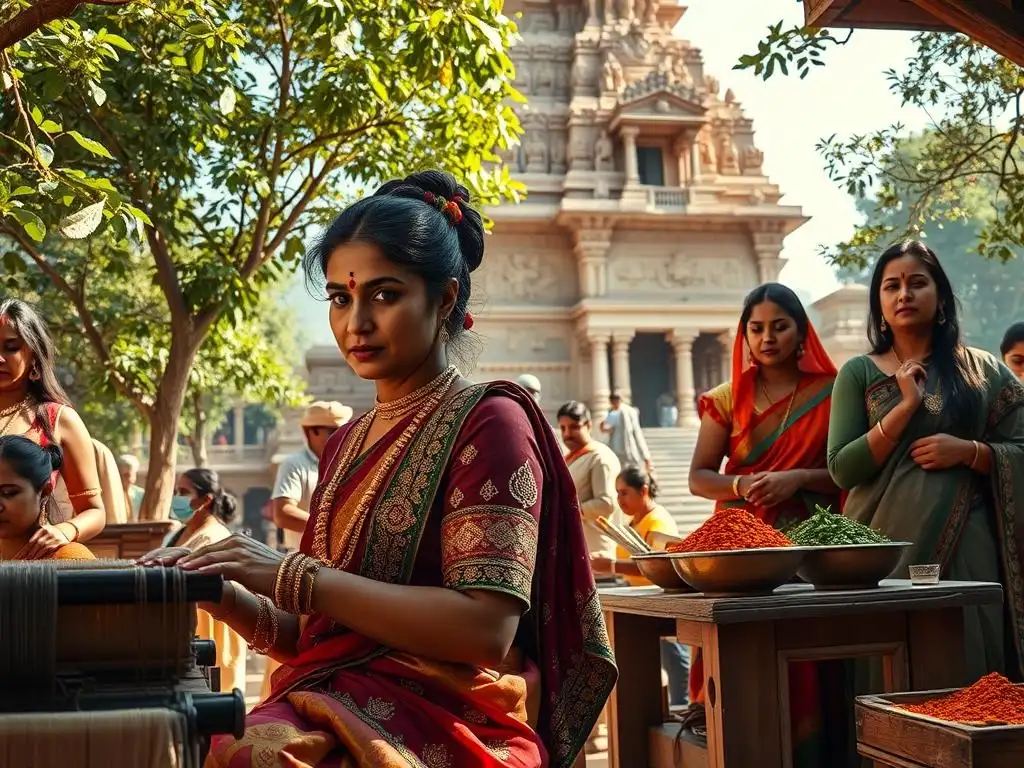
Welcome to Ancient India History, where we embark on a fascinating journey through the rich tapestry of ancient Indian civilizations. In this exploration, we delve into a topic that often remains in the shadows: the influential roles of women in the Gupta Empire. Did you know that these remarkable women not only shaped their families but also played pivotal roles in society, culture, and politics?
As you navigate through our comprehensive analysis, prepare to uncover the profound impact that women's contributions had on this golden age of India. Join us in unraveling the stories that have shaped history and ignite your curiosity about the legacy of women's roles in one of the most significant periods of ancient India!
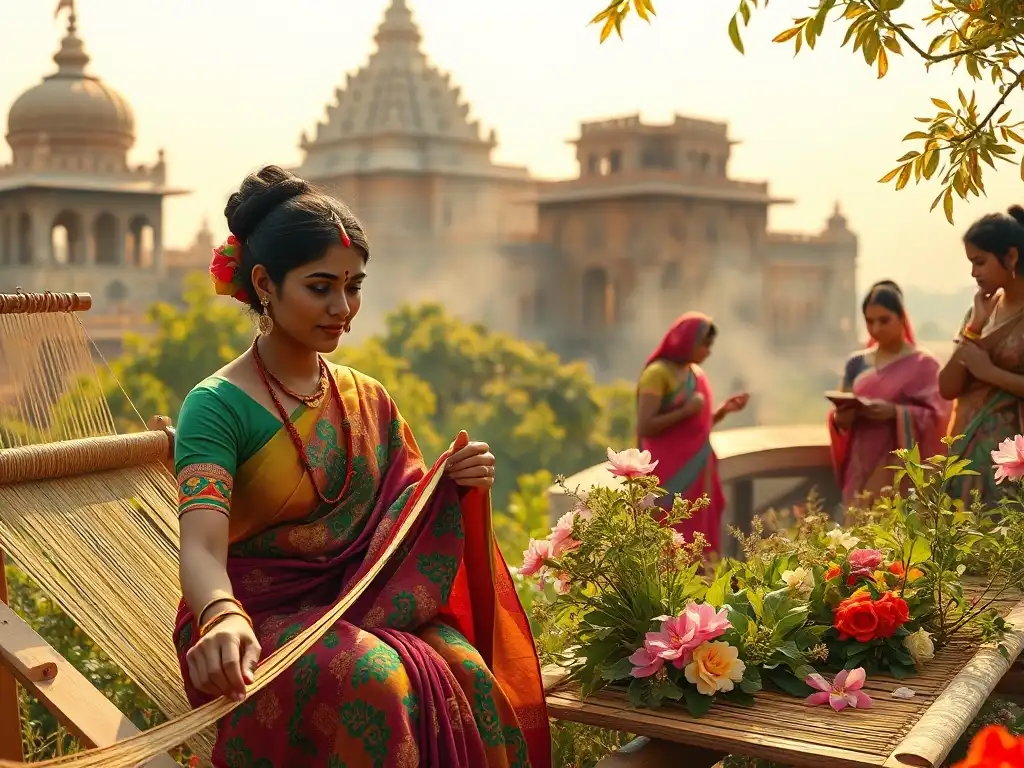
Introduction to Women’s Roles in the Gupta Empire
The Gupta Empire, often referred to as the Golden Age of India, thrived from approximately 320 to 550 CE. This period is renowned for its remarkable achievements in art, science, and philosophy. However, beneath these illustrious accomplishments, the roles of women during this era warrant a closer examination. Understanding women's roles in the Gupta Empire not only sheds light on their contributions to society but also reveals the complexities of gender dynamics in ancient India.
Women in the Gupta Empire played varied roles, from domestic duties to participation in religious and cultural activities. Their influence extended to the realms of education, governance, and even literature, challenging the often simplistic view of their status. This article aims to delve into the multifaceted impact of women's roles during this pivotal time in Indian history, examining both the constraints they faced and the significant contributions they made.
Overview of the Gupta Empire
The Gupta Empire, established by Maharaja Sri Gupta, became one of the most influential empires in Indian history. Its capital, Pataliputra, emerged as a thriving center of trade, culture, and learning. The empire is characterized by:
- Territorial Expansion: The Gupta rulers significantly expanded their territory, encompassing large parts of northern India.
- Cultural Flourishing: Advancements in art and literature marked this period, with notable figures such as Kalidasa and Aryabhata making substantial contributions.
- Political Stability: The Gupta Empire maintained relative peace and stability, allowing for economic prosperity and cultural development.
This backdrop sets the stage for understanding the roles and contributions of women during the Gupta period.
Importance of Women's Contributions in Ancient India
Women in ancient India, particularly during the Gupta period, played crucial roles that shaped society. Their contributions can be categorized into various spheres:
- Economic Participation: Women engaged in agriculture, weaving, and trade, contributing significantly to the household and local economies.
- Cultural Influence: Many women were patrons of the arts and literature, fostering a rich cultural environment.
- Religious Roles: Women often held positions as priestesses and participated in various religious rituals, which were integral to societal norms.
Recognizing these contributions highlights the importance of women's roles in the broader narrative of ancient Indian history.
Historical Context of Women’s Roles in the Gupta Empire
To fully appreciate the impact of women's roles in the Gupta Empire, it is essential to explore the historical context surrounding their lives.
Social Structure of Gupta Society
Gupta society was characterized by a hierarchical structure, which influenced women's roles significantly. The caste system played a vital role in determining the status and responsibilities of women:
- Brahmin Women: Often educated, they participated in religious and philosophical discussions.
- Kshatriya Women: Responsible for managing households and supporting their warrior husbands.
- Vaishya Women: Actively involved in trade and commerce.
- Shudra Women: Engaged in labor-intensive tasks, often facing more restrictions.
This stratification affected how women could navigate their societal roles and pursue their ambitions.
Cultural Attitudes Towards Women in Ancient India
Cultural perceptions of women during the Gupta period were complex and often contradictory. While some texts celebrated women's virtues, others reinforced patriarchal norms. Key aspects included:
- Idealization of Womanhood: Texts like the Manusmriti espoused ideals of womanhood that emphasized devotion and chastity.
- Patriarchal Norms: Despite some freedoms, women's lives were largely governed by male relatives, limiting their autonomy.
These cultural attitudes shaped the experiences of women and their potential for influence within society.
Legal Status of Women During the Gupta Period
The legal status of women in the Gupta Empire was defined by a mix of customary laws and religious texts. Important considerations included:
- Marriage and Family: Women were often expected to marry young, and their legal rights were primarily linked to their roles as wives and mothers.
- Property Rights: Limited property rights were afforded to women, particularly in inheritance matters, although some texts suggest that women could hold property under certain conditions.
Understanding the legal framework highlights the challenges women faced and the constraints on their roles within the empire.
The Gupta Empire serves as a fascinating case study for analyzing women's roles in ancient India, illustrating both their challenges and contributions. The following sections will delve deeper into specific examples and case studies that highlight the significant impact of women during this remarkable period.
Prominent Women in the Gupta Empire
The Gupta Empire, often referred to as the Golden Age of India, was characterized by significant cultural, political, and economic developments. Within this vibrant context, women played crucial roles that shaped the fabric of society. Prominent women emerged not only in royal circles but also in the realms of arts, literature, and economic activities. Their contributions reflect a complex interplay of status, agency, and influence, allowing us to appreciate the multifaceted roles women occupied during this period.
One of the noteworthy figures is Vajrayogini, a revered goddess and symbol of female empowerment, who was venerated during the Gupta period. Her representation in art and literature highlights the spiritual and cultural significance women held. Additionally, women from royal families often had substantial political clout, influencing decisions and policies that affected the empire's governance and stability.
Royal Women and Their Influence
Royal women in the Gupta Empire wielded considerable power and influence, often stepping beyond traditional roles. They were not merely consorts of kings but active participants in political affairs. Queens, such as Kumaradevi, wife of Chandragupta II, played vital roles in diplomacy and statecraft. Their marriages often established alliances between powerful families, enhancing the empire's stability and influence.
Moreover, royal women were patrons of arts and culture, commissioning temples, sculptures, and literary works that reflected their status and devotion. This patronage not only fostered artistic expression but also contributed to the socio-political landscape of the Gupta Empire. The presence of women in royal courts often fostered an environment where women's perspectives were valued, creating a more inclusive dialogue regarding governance and societal issues.
Women in Arts and Literature
The Gupta Empire is renowned for its artistic and literary achievements, many of which were influenced by the contributions of women. Women were not only subjects of artistic creations but also active creators themselves. Literary works from this period, such as poetry and prose, often featured female characters that embodied strength, wisdom, and resilience, reflecting the evolving perception of women in society.
In arts, women participated in various forms, including textile production and handicrafts. This involvement in creative processes allowed women to express their cultural identity while contributing to the empire's economy. Moreover, female poets and authors began to emerge, providing new narratives that enriched the literary landscape. The presence of women in arts and literature during the Gupta period signifies their integral role in shaping cultural heritage.
Economic Contributions of Women in the Gupta Empire
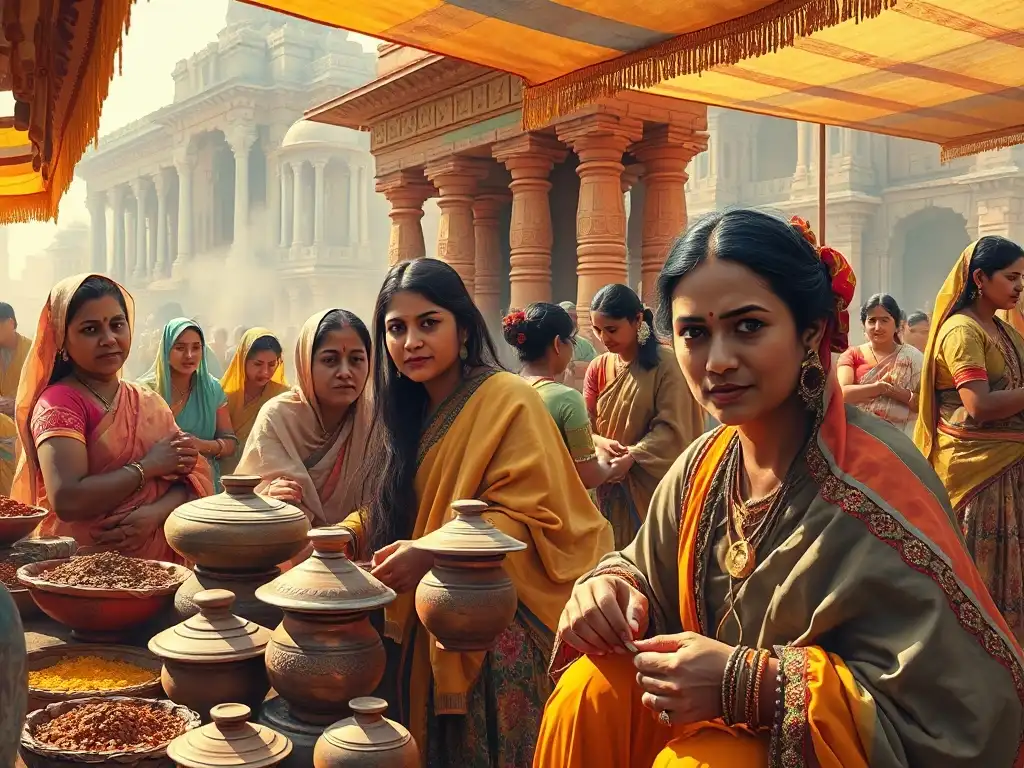
Women in the Gupta Empire made significant contributions to the economy, showcasing their skills and labor in various sectors. Their involvement spanned trade, agriculture, and craftsmanship, demonstrating that their roles extended beyond domestic spheres into vital economic activities that supported the empire’s prosperity.
Women’s Involvement in Trade and Commerce
Women participated actively in trade and commerce during the Gupta Empire, managing businesses and engaging in market activities. They often took charge of family-run enterprises, dealing in textiles, spices, and handicrafts. This involvement allowed women to gain financial independence and contribute to their households' economic stability.
The economic landscape of the Gupta Empire was characterized by vibrant marketplaces where women could negotiate and engage with merchants. Additionally, their roles in commerce extended to participating in the administration of trade regulations, which enabled them to influence economic policies. The presence of women in trade reflects their adaptability and resourcefulness, indicating a shift in societal attitudes towards women's economic roles.
Role of Women in Agriculture and Craftsmanship
In agriculture, women played pivotal roles in farming activities, including planting, harvesting, and managing household gardens. Their knowledge of agricultural practices was essential for sustaining families and communities. Women also engaged in the production of artisanal crafts, such as pottery, weaving, and metalwork, contributing significantly to local economies.
The craftsmanship of women was highly valued, with their products often sought after in local and regional markets. The skills passed down through generations enriched the cultural heritage of the Gupta Empire, showcasing the importance of women's contributions to both the economy and societal development. The active participation of women in agriculture and craftsmanship highlights their integral role in the economic framework of the Gupta Empire, emphasizing their resilience and capability in various domains.
Education and Intellectual Contributions of Women
During the Gupta Empire, which is often referred to as a golden age for arts and sciences, women's roles in education and intellectual pursuits began to gain recognition. While the primary focus of education was often on men, women of certain social strata, particularly those in urban areas, had access to learning. The Gupta period saw an increase in the number of educational institutions, and some women took advantage of these opportunities, contributing significantly to literature, philosophy, and the arts.
Women's education during this time was not uniformly accessible, but those who had the chance to study often excelled in various subjects, including mathematics, astronomy, and philosophy. This era marked the emergence of women as scholars and thinkers, whose contributions would influence future generations. The legacy of women's intellectual engagement during the Gupta period is evidenced in the texts and teachings that have survived through time.
Access to Education for Women in the Gupta Empire
The Gupta Empire witnessed a gradual shift in attitudes toward women's education. While traditional norms often confined women to domestic roles, the period also fostered a more progressive view that acknowledged women's potential as learners and thinkers. Some families, especially among the higher castes, recognized the importance of educating their daughters, leading to a modest increase in literacy rates among women.
Education for women primarily took place in informal settings, with families or private tutors providing instruction. In urban centers, some women attended schools that were emerging during this time, where they learned subjects like poetry, music, and dance. However, access to formal education remained limited, and it was primarily the elite who benefitted from these educational advancements. Despite these constraints, the few women who received education became influential figures within their communities, promoting the value of learning for future generations.
Notable Female Scholars and Philosophers
Despite the societal limitations, several notable women emerged as scholars and philosophers during the Gupta Empire. One of the most renowned figures is Gargi Vachaknavi, who is celebrated for her contributions to philosophy and Vedic literature. Known for her intellectual prowess, Gargi engaged in debates with prominent male philosophers, showcasing the potential of women to participate in philosophical discourse.
Another significant figure is Vasavadatta, a character from the ancient text "Buddhist Jataka Tales." Although her story is fictional, it reflects the ideals of learned women during the Gupta period. Furthermore, there were women poets and authors, whose works, though often overshadowed by their male counterparts, contributed to the rich tapestry of Gupta literature. These women exemplified the capabilities of women in intellectual spheres, inspiring future generations to pursue education and scholarship.
The Impact of Women’s Roles on Gupta Society
The roles women played in the Gupta Empire had a profound impact on societal structures and cultural practices. Their contributions shaped various aspects of life, including family dynamics and religious practices, reflecting the importance of women in maintaining social order and cultural continuity.
Influence on Family Structure and Dynamics
Women's roles within the family during the Gupta Empire were pivotal. They were often seen as the foundational figures of the household, responsible for nurturing children and managing domestic affairs. This responsibility extended beyond mere child-rearing; women also played a crucial role in transmitting cultural values and traditions, thereby influencing the moral and ethical fabric of society.
The family unit in Gupta society was typically patriarchal, but women held significant power within their domestic spheres. They were often decision-makers regarding family affairs, financial matters, and education for their children, especially when it came to preparing them for future roles in society. This influence on family dynamics contributed to a sense of stability and continuity within the community, reinforcing the critical role women played in shaping the social landscape of the Gupta Empire.
Contribution to Religious and Spiritual Life
Women in the Gupta Empire also significantly influenced religious and spiritual life. Many women participated in rituals and religious ceremonies, acting as caretakers of sacred spaces and traditions. They played essential roles in the performance of rites and were often seen as intermediaries between the divine and the community.
Additionally, women's contributions to religious literature and philosophy cannot be overlooked. Women like Gargi and others engaged in theological discussions, contributing to the rich spiritual tapestry of the time. Their involvement in spirituality helped foster a more inclusive religious environment, where women's voices were gradually recognized and valued. This involvement not only enhanced the spiritual life of the Gupta Empire but also laid the groundwork for future generations to continue exploring their roles in religious practices.
Challenges Faced by Women in the Gupta Empire
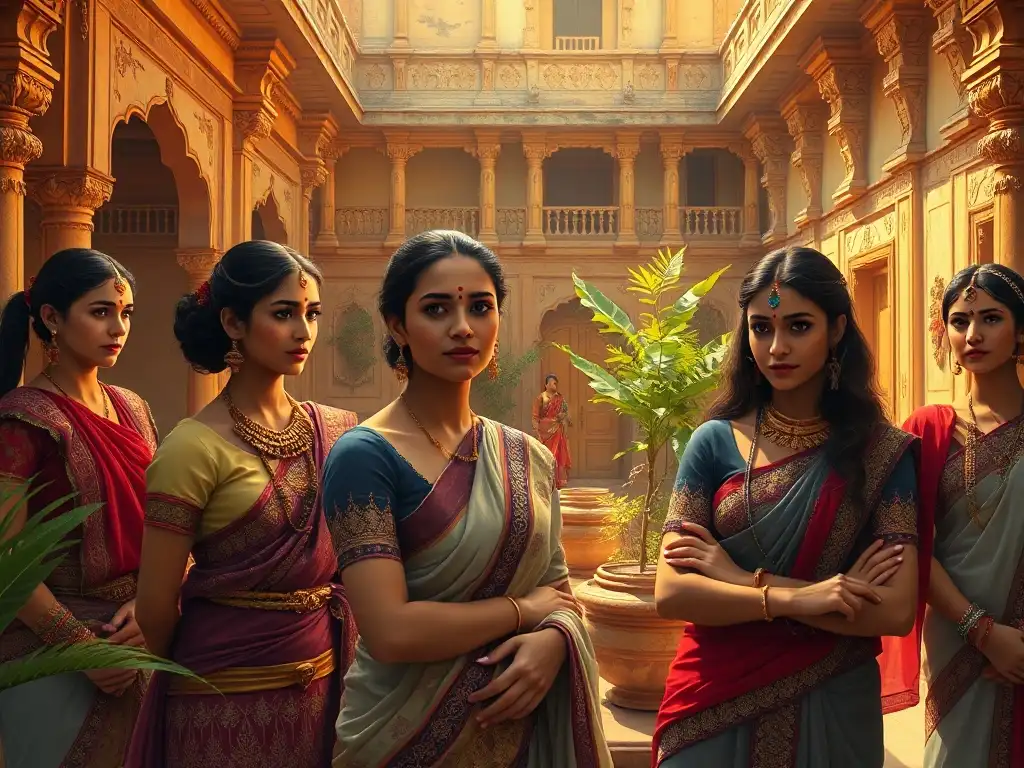
The Gupta Empire, often regarded as a golden age of Indian culture, also presented significant challenges for women, despite the advancements in arts, science, and philosophy during this period. Women’s roles were largely defined by societal expectations and cultural norms, leading to various constraints that limited their freedom and opportunities.
Social Constraints and Gender Roles
In the Gupta Empire, women were primarily seen through the lens of traditional roles within the family and society. The prevalent social norms dictated that women should focus on domestic responsibilities, which included managing the household, raising children, and supporting their husbands. These expectations were reinforced by texts like the Manusmriti, which promoted ideals of chastity and subservience.
- Patriarchal Structure: Society was predominantly patriarchal, meaning that men held most of the power and decision-making authority. Women had limited rights, and their mobility was often restricted.
- Marriage and Dowry: Early marriages were common, with girls being married off at a young age. The practice of dowry further entrenched women's dependency on male family members, as families would often incur debt to provide sufficient dowries, thereby limiting women's economic autonomy.
Economic Disparities and Their Effects
Economic opportunities for women in the Gupta Empire were not only limited but often shaped by their social standing and family background.
- Limited Involvement in Trade: While some women participated in local markets and trade, their roles were largely informal and unrecognized. Most women engaged in domestic crafts or agrarian work, which did not offer substantial economic independence.
- Inheritance Rights: Women typically had few rights when it came to inheritance. Property was usually passed down through male lineage, further entrenching economic disparities. This lack of financial security limited women's ability to make independent choices and contributed to their subordinate status.
Legacy of Women’s Roles in the Gupta Empire
Despite the numerous challenges faced, women in the Gupta Empire played a critical role in shaping the cultural and social fabric of the time. Their contributions, though often overlooked, have left a lasting legacy on Indian society.
Long-term Impact on Indian Society
The roles women occupied during the Gupta Empire laid the groundwork for future generations. Although the constraints were significant, the participation of women in religious and cultural activities helped to preserve and promote important traditions.
- Cultural Preservation: Women were integral in preserving family traditions, rituals, and cultural practices through oral histories and teachings, thereby influencing societal values and norms.
- Religious Participation: Women participated in religious life, which allowed them to exert some influence in spiritual matters, often leading to the establishment of female-centric rituals and practices that persisted beyond the Gupta period.
Influence on Subsequent Historical Periods
The legacies of women during the Gupta Empire can be traced through subsequent historical periods, impacting the roles and rights of women in later Indian societies.
- Shift in Gender Norms: As the historical narrative progressed, the roles of women began to evolve. The Gupta period served as a foundation, where women's contributions were recognized in various fields, albeit still limited by the same patriarchal structures.
- Inspiration for Future Movements: The experiences of women during the Gupta Empire became part of the larger discourse on women's rights and empowerment in India, inspiring later movements that sought to challenge and change the status quo.
The complexities of women's roles in the Gupta Empire reflect a rich tapestry of challenges and contributions, illustrating their significance in shaping both historical narratives and cultural identities in ancient India.
Conclusion
The Gupta Empire, often referred to as the Golden Age of India, was a period marked by significant advancements in arts, science, and culture. While much of the historical narrative tends to focus on the male figures of this era, the roles of women were equally vital and impactful. Women in the Gupta Empire contributed to various aspects of society, from governance to education, and their influence can still be felt today. Recognizing and analyzing these contributions helps to paint a more comprehensive picture of the Gupta Empire, allowing us to appreciate the multifaceted dynamics of ancient Indian society.
Summary of Women’s Contributions in the Gupta Empire
Women in the Gupta Empire played diverse and essential roles across different domains. Here are some key contributions:
- Cultural Influence: Women were instrumental in the thriving cultural scene of the Gupta period. They participated in literary pursuits, with some women even becoming notable poets and scholars. Their contributions helped to shape the rich tapestry of Gupta literature.
- Religious Participation: Women actively engaged in religious practices and rituals, often serving as priestesses and caretakers of temples. Their involvement in spiritual life not only reinforced their status within families but also highlighted their importance in community cohesion.
- Economic Roles: Many women were involved in various economic activities. They contributed to agriculture, textile production, and trade, enhancing the economic framework of the Gupta Empire. This involvement in commerce and production underscores their significance in sustaining the empire's wealth.
- Political Engagement: Some women held influential positions within the royal courts, acting as regents or advisors. Their political acumen and strategic insights often played a crucial role in the governance of the empire, demonstrating their capabilities beyond traditional domestic roles.
These contributions illustrate that women in the Gupta Empire were not merely passive figures but rather active participants who shaped their society in profound ways.
The Significance of Recognizing Women’s Roles in Ancient Indian History
Acknowledging the roles of women in the Gupta Empire is critical for several reasons:
- Revising Historical Narratives: The traditional historical narrative often marginalizes women's contributions. By highlighting their roles, we can create a more balanced and inclusive understanding of history. This revisionism is essential for recognizing the full scope of societal development and achievements.
- Empowerment: Understanding the historical significance of women's roles empowers contemporary discussions about gender equality. It serves as a reminder that women have always contributed significantly to society, and their involvement should be celebrated and encouraged in modern contexts.
- Cultural Heritage: Recognizing women's contributions also enriches our cultural heritage. It allows us to appreciate the diverse experiences and influences that have shaped Indian civilization throughout the ages.
- Inspiration for Future Generations: By showcasing the achievements of women in the Gupta Empire, we provide role models for future generations. This acknowledgment inspires young women today to pursue their ambitions in various fields, knowing that they stand on the shoulders of those who came before them.
The recognition of women's roles in the Gupta Empire not only enhances our understanding of ancient Indian history but also fosters a greater appreciation for the ongoing contributions of women in society today.
- Introduction to Women’s Roles in the Gupta Empire
- Historical Context of Women’s Roles in the Gupta Empire
- Prominent Women in the Gupta Empire
- Economic Contributions of Women in the Gupta Empire
- Education and Intellectual Contributions of Women
- The Impact of Women’s Roles on Gupta Society
- Challenges Faced by Women in the Gupta Empire
- Legacy of Women’s Roles in the Gupta Empire
- Conclusion
Frequently Asked Questions
What were the primary roles of women in the Gupta Empire?
Women in the Gupta Empire primarily engaged in domestic responsibilities, but some held influential positions in society, including roles in education and religious practices.
Did women in the Gupta Empire have access to education?
Yes, women from higher social classes often had access to education, enabling them to participate in intellectual and cultural activities, thus contributing to the rich cultural landscape of the time.
How did the status of women in the Gupta Empire compare to earlier periods?
The status of women during the Gupta Empire reflected a decline in freedoms compared to earlier periods, with increased restrictions on their roles and greater emphasis on domesticity in society.
What contributions did women make to Gupta society?
Women contributed to cultural and religious life, often acting as patrons of the arts and literature, which played a significant role in the cultural flourishing of the Gupta period.
Were there any notable women in Gupta history?
Yes, figures such as Vatsala, who was known for her intellect and patronage of the arts, exemplify the impact women had during the Gupta Empire, despite the overall trend of gender restrictions.
Final Reflection: The Enduring Legacy of Women’s Roles in the Gupta Empire
The exploration of women's roles in the Gupta Empire reveals a profound connection to contemporary discussions about gender and empowerment. As we delve into the historical significance of women in this era, we uncover not only their contributions to society but also the ongoing relevance of these roles in shaping modern perspectives on equality and representation. The legacy of the Gupta Empire serves as a reminder that women's voices have always been pivotal in the tapestry of history, and recognizing this is crucial for fostering a more inclusive future.
Clearly, the influence of women during the Gupta Empire extends beyond mere historical interest; it resonates deeply in our cultural and social landscapes today. The narratives of women who navigated the complexities of their time inspire current movements advocating for gender equality and women's rights. As we reflect on their resilience and agency, we are reminded of the words of feminist historian Gerda Lerner: The history of women is the history of all humanity.
This encapsulates the idea that understanding women's roles in history is essential for a comprehensive view of our shared past and present.
As we conclude this exploration, I invite you to reflect on the lessons learned from the Gupta Empire and consider how they apply to your own life. Let us honor the contributions of women throughout history by actively engaging in discussions about gender roles today. Whether through advocacy, education, or personal reflection, each of us has the power to contribute to a narrative that values and uplifts women's voices. Embrace the challenge to recognize and celebrate the impact of women in your own community, ensuring that their stories continue to inspire future generations.
Empower Your Knowledge: Dive Deeper into Women’s Roles in Ancient Societies!
Thank you for exploring the fascinating contributions of women in the Gupta Empire! Your interest in this pivotal aspect of history not only enriches your understanding but also sheds light on how past perspectives can inspire present conversations. Now, let’s take the next step together!
Here are some actionable ways to further expand your insights and join the discussion:
- Engage with a local history group focused on ancient cultures to share your newfound knowledge and connect with like-minded enthusiasts.
- Explore related articles on our site to uncover more stories of influential women across various periods of history.
- Share your thoughts on social media! Post a thoughtful comment or an eye-catching quote from this article to spark conversation among your friends and followers.
What role do you believe women play in shaping modern societies based on the lessons learned from history?