
The Agricultural Festivals of Ancient India: Celebrating the Harvest

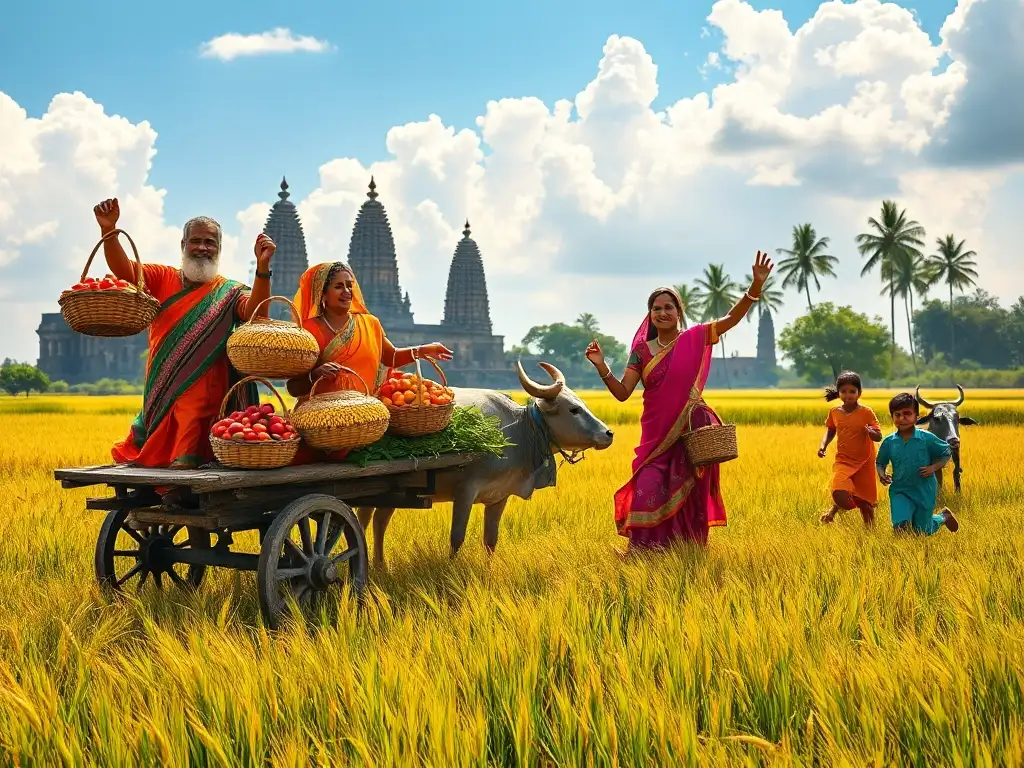
Welcome to Ancient India History, where we embark on a fascinating journey through time to uncover the rich tapestry of ancient Indian civilizations. In our latest article, we delve into the vibrant world of ancient Indian agricultural festivals, a unique aspect of cultural heritage that celebrated the harvest and fostered community spirit. What secrets do these festivals hold about the agricultural practices and societal values of the time?
Join us as we explore the significance, rituals, and enduring legacy of these festivities, and discover how they shaped the economy and culture of ancient India. Your adventure into the past begins here!
Introduction to Ancient Indian Agricultural Festivals
Agricultural festivals have been a vital aspect of ancient Indian civilization, reflecting the profound connection between the land, its people, and their cultural practices. These festivals not only commemorate the successful harvests but also symbolize gratitude towards nature and the deities believed to govern agricultural prosperity.
From the fertile plains of the Indus Valley to the verdant fields of the Gupta Empire, ancient Indian agricultural festivals served as a unifying force in communities, fostering social bonds and cultural identity. This exploration of ancient Indian agricultural festivals delves into the rich tapestry of celebrations that marked the agricultural calendar, emphasizing their relevance in the broader context of ancient Indian society.
Overview of Agricultural Practices in Ancient India
Agriculture in ancient India was characterized by diverse practices that evolved over millennia. The fertile alluvial plains, particularly along the Indus and Ganges rivers, provided a conducive environment for the cultivation of various crops. Key agricultural practices included:
- Crop Rotation: Farmers practiced crop rotation to maintain soil fertility and maximize yields.
- Irrigation Systems: Ingenious irrigation techniques, such as canals and wells, were developed to manage water resources effectively.
- Seasonal Planting: The agricultural calendar was closely tied to the monsoon seasons, with sowing typically commencing during the onset of rains.
These practices not only ensured food security but also influenced the social and economic structures of ancient Indian communities.
Significance of Festivals in Ancient Agricultural Society
Festivals in ancient agricultural societies were more than mere celebrations; they held deep social, religious, and economic significance. The key aspects include:
- Cultural Identity: Festivals reinforced community bonds and cultural heritage, allowing people to connect with their traditions.
- Religious Observance: Many agricultural festivals were linked to religious rituals, invoking blessings for bountiful harvests.
- Economic Activity: These celebrations often included trade and exchange, boosting local economies and promoting social interactions.
Through these festivals, communities expressed their gratitude to the earth and the divine, solidifying their relationship with agriculture as a cornerstone of their existence.
Major Agricultural Festivals of Ancient India
The agricultural festivals of ancient India are a testament to the rich cultural heritage and agricultural practices that shaped society. Below, we explore some of the most significant festivals celebrated across the regions.
Pongal: The Harvest Festival of Tamil Nadu
Pongal, celebrated primarily in Tamil Nadu, is a four-day harvest festival that honors the sun god and the agricultural community's hard work. The festival typically occurs in mid-January and includes:
- Cooking Pongal: A dish made from newly harvested rice, milk, and jaggery, symbolizing abundance.
- Decorative Kolams: Rice flour designs created at doorsteps to invite prosperity and good fortune.
- Cultural Events: Traditional music, dance, and bull-taming competitions engage the community in joyous celebration.
Onam: The Rice Harvest Festival of Kerala
Onam is a vibrant festival celebrated in Kerala to mark the rice harvest. Spanning ten days in August or September, this festival features:
- Floral Decorations: Elaborate flower arrangements (Pookkalam) adorn homes, welcoming the mythical King Mahabali.
- Sadhya Feast: A grand feast served on banana leaves, showcasing the culinary diversity of Kerala.
- Boat Races and Dances: Traditional boat races and the Kathakali dance form are prominent during this time, reflecting the cultural richness of the region.
Baisakhi: The Festival of Harvest in Punjab
Baisakhi marks the harvest of wheat in Punjab and is celebrated with great enthusiasm. This festival, celebrated on April 13th or 14th, includes:
- Gidda and Bhangra: Traditional folk dances that energize the community and celebrate the harvest.
- Langars: Community kitchens that serve free meals to all, emphasizing the spirit of sharing and unity.
- Religious Significance: For Sikhs, Baisakhi also commemorates the formation of the Khalsa, intertwining agricultural and spiritual narratives.
Makar Sankranti: Transition of Seasons and Harvest
Makar Sankranti is celebrated across India to mark the transition of the sun into the zodiac sign of Capricorn. This festival, occurring in mid-January, signifies the end of winter and the beginning of the harvest season. Key features include:
- Kite Flying: A popular activity that brings communities together in a festive spirit.
- Sweets and Treats: The preparation and sharing of sesame and jaggery-based sweets symbolize warmth and prosperity.
- Regional Variations: Different states celebrate Makar Sankranti with unique customs and traditions, highlighting the diversity within the festival.
Through these festivals, ancient Indian civilizations not only celebrated their agricultural achievements but also cultivated a sense of community and cultural identity that continues to resonate in contemporary society.
The Role of Agriculture in Ancient Indian Civilizations
Agriculture served as the backbone of ancient Indian civilizations, shaping their economy, social structure, and cultural practices. The fertile plains of the Indus Valley and the Ganges contributed to the establishment of thriving agrarian societies. Agriculture not only provided sustenance but also facilitated trade, leading to economic prosperity. It enabled the rise of urban centers, where artisans and traders emerged alongside farmers.
The agricultural practices of ancient India were closely tied to the seasons, with the monsoon rains playing a critical role in crop production. This reliance on seasonal cycles led to the establishment of various agricultural festivals, marking the sowing and harvesting periods. Such festivals were not merely celebrations; they embodied the community's gratitude towards nature and the divine for the bountiful harvests.
Agricultural Techniques and Innovations
Ancient Indian civilizations were known for their sophisticated agricultural techniques and innovations. The use of plows, irrigation systems, and crop rotation practices contributed significantly to agricultural productivity. The development of tools made from wood and metal allowed farmers to cultivate larger areas more efficiently.
Irrigation was particularly crucial in arid regions, where methods such as canals, wells, and tanks were employed to ensure water availability. The ancient texts, including the Arthashastra, provide insights into these practices and emphasize the importance of water management in agriculture.
Moreover, ancient Indians practiced mixed cropping and intercropping, which not only maximized land use but also helped in pest management and maintaining soil fertility. The combination of these techniques laid a strong foundation for sustainable agricultural practices that continued to evolve over centuries.
The Impact of Climate and Geography on Harvest Festivals
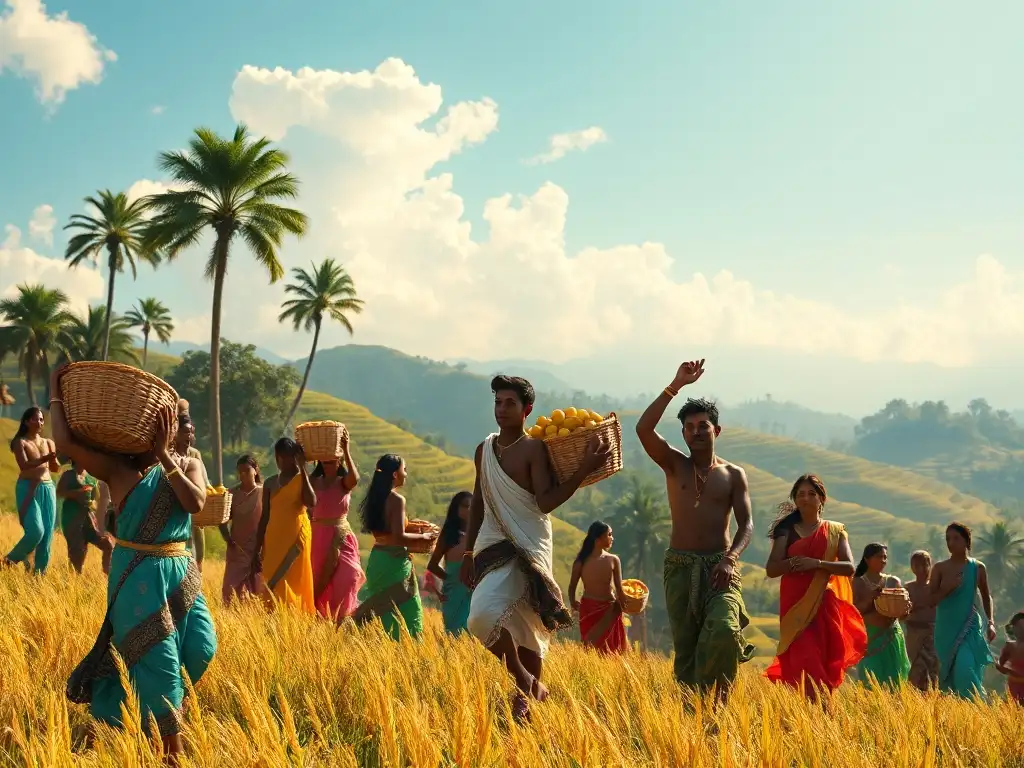
The diverse climate and geography of ancient India significantly influenced the timing and nature of agricultural festivals. Different regions celebrated harvests based on their unique climatic conditions. For instance, in the northern plains, the arrival of the autumn harvest was celebrated with festivals like Makar Sankranti, while in the southern regions, Pongal marked the end of the harvest season.
The monsoon season, crucial for agriculture, often dictated the agricultural calendar. Festivals were strategically timed to coincide with the harvest, ensuring that communities could come together to express gratitude for the yield. The geographical diversity also led to a variety of customs and rituals associated with these celebrations, showcasing the rich cultural tapestry of ancient India.
Rituals and Traditions Associated with Agricultural Festivals
Agricultural festivals in ancient India were deeply rooted in rituals and traditions that reflected the community's relationship with nature and the divine. These festivals served as a medium for expressing gratitude for the harvest and seeking blessings for future crops. Rituals often included music, dance, and feasting, fostering a sense of togetherness among community members.
Ceremonial practices varied widely, from the lighting of lamps and offering of flowers to the preparation of traditional dishes. These rituals not only honored the deities associated with agriculture but also reinforced social bonds within the community.
Offerings and Prayers to Deities
Offerings and prayers to deities played a central role in ancient Indian agricultural festivals. Farmers would conduct rituals to seek divine blessings for a successful harvest. These offerings typically included fruits, grains, flowers, and sometimes livestock, symbolizing gratitude and reverence.
Deities associated with agriculture, such as Goddess Lakshmi and Lord Krishna, were particularly venerated during these festivals. Specific mantras and hymns were recited to invoke their blessings, ensuring the fertility of the land and the prosperity of the community.
Community Involvement and Social Gatherings
Community involvement was a hallmark of agricultural festivals in ancient India. These celebrations provided an opportunity for social gatherings, where people from various backgrounds came together to participate in the festivities. The communal aspect fostered solidarity, enabling individuals to share resources, knowledge, and support.
Festivals featured various activities, such as folk dances, music performances, and games, which not only entertained but also strengthened communal ties. This sense of unity was essential for agricultural societies, where collective efforts were crucial for successful farming and managing resources. Through these gatherings, ancient Indians celebrated not just the harvest but also their shared cultural heritage and communal identity.
The Cultural Legacy of Ancient Indian Agricultural Festivals
The agricultural festivals of ancient India are deeply embedded in the cultural fabric of the civilization, reflecting the agrarian roots of society. These festivals were not merely occasions for celebration, but integral events that marked the cycles of sowing and harvesting, serving both spiritual and practical purposes. Rituals, offerings to deities, and community gatherings were common, showcasing the interconnectedness of agricultural activities and religious beliefs.
Ancient texts, such as the Vedas and Puranas, document various festivals associated with agriculture, highlighting their significance in maintaining social cohesion and cultural identity. Festivals like Makar Sankranti and Pongal are celebrated to honor the sun and earth, recognizing their vital role in crop production. The rituals associated with these festivities often included elaborate feasts, music, dance, and storytelling, which helped to reinforce communal bonds and pass down agricultural knowledge through generations.
Moreover, these festivals were often tied to specific crops and their harvests, reflecting the diversity of agriculture across different regions of India. For instance, the harvesting of rice in Bengal during Nabanna is celebrated with unique customs that vary from those in the wheat-growing regions of Punjab during Lohri. This rich tapestry of celebrations underscores the profound respect ancient Indians held for nature and the agricultural processes that sustained their livelihoods.
Continuity of Traditions in Modern India
Many of the agricultural festivals celebrated in ancient times continue to thrive in modern India, showcasing the continuity of traditions across centuries. Despite the rapid changes in agricultural practices due to modernization and globalization, the essence of these festivals remains intact, often adapted to contemporary contexts.
For instance, festivals like Baisakhi, which marks the harvest of rabi crops in Punjab, still involve vibrant celebrations that include traditional music and dance. Similarly, Makar Sankranti is celebrated across various states, albeit with regional variations in customs and rituals. This continuity indicates not only the resilience of cultural traditions but also the importance of agriculture in the socio-economic landscape of India today.
Additionally, modern celebrations often incorporate elements of sustainability and environmental consciousness, reflecting a growing awareness of ecological issues. For example, some communities are reintroducing traditional farming practices during festivals to educate younger generations about sustainable agriculture. This blending of ancient traditions with modern values demonstrates the evolving nature of agricultural festivals while preserving their cultural significance.
Influence on Contemporary Agricultural Practices
The agricultural festivals of ancient India have had a lasting influence on contemporary agricultural practices, shaping how communities approach farming and food production today. These festivals serve as reminders of the importance of seasonal cycles and the need for sustainable farming techniques, fostering a deeper appreciation for the land and its resources.
Many modern farmers draw inspiration from traditional practices that were integral to ancient agricultural festivals, such as crop rotation, intercropping, and organic farming methods. The emphasis on community participation during these festivals encourages collective farming efforts and knowledge sharing, which remains relevant in current agricultural contexts.
Furthermore, as awareness of food security and sustainability grows, the principles embedded in these ancient practices are being revisited. Initiatives aimed at reviving traditional crops and methods are increasingly popular, often coinciding with festival celebrations, thereby creating a direct link between heritage and contemporary agricultural strategies.
Conclusion: The Importance of Celebrating Harvest in Ancient Indian Culture
The celebration of harvest through agricultural festivals in ancient India was not merely a ritualistic observance but a profound acknowledgment of the relationship between humans and nature. These festivals provided an opportunity for communities to express gratitude for the bountiful harvest, fostering a sense of communal identity and shared purpose.
The importance of these celebrations extended beyond agriculture; they were pivotal in reinforcing cultural values, traditions, and social structures. The festivals served as platforms for storytelling, artistic expression, and the transmission of knowledge, ensuring that agricultural wisdom was preserved and passed on through generations.
Reflections on the Role of Festivals in Agricultural Societies
In agricultural societies, festivals play a crucial role in marking the seasons and the cycles of life. They symbolize abundance, community spirit, and the collective effort of farming. The communal aspect of these celebrations allows individuals to come together, strengthening social ties and fostering a sense of belonging.
Moreover, the rituals associated with these festivals often encompass prayers for good weather and prosperous yields, reflecting the dependency of agrarian societies on favorable environmental conditions. These rituals not only serve a practical purpose but also fulfill a psychological need for connection to the land and the divine.
Final Thoughts on the Preservation of Agricultural Heritage in India
The preservation of agricultural heritage in India is vital for maintaining the cultural identity of its diverse communities. As modern agriculture continues to evolve, it is essential to recognize and honor the rich traditions encapsulated in ancient agricultural festivals.
Efforts to celebrate and revive these festivals can enhance awareness of sustainable practices and the importance of biodiversity in farming. By integrating traditional wisdom with contemporary agricultural practices, future generations can ensure that the agricultural heritage of ancient India remains a vibrant part of the nation’s cultural landscape. This ongoing appreciation for the past will foster a deeper connection to the land and its resources, ultimately contributing to a more sustainable future.
- Introduction to Ancient Indian Agricultural Festivals
- Major Agricultural Festivals of Ancient India
- The Role of Agriculture in Ancient Indian Civilizations
- Agricultural Techniques and Innovations
- The Impact of Climate and Geography on Harvest Festivals
- Rituals and Traditions Associated with Agricultural Festivals
- The Cultural Legacy of Ancient Indian Agricultural Festivals
- Conclusion: The Importance of Celebrating Harvest in Ancient Indian Culture
- What were the main agricultural festivals celebrated in ancient India?
- How did agricultural festivals impact ancient Indian society?
- What role did deities play in these festivals?
- Were there regional variations in agricultural festivals?
- How do ancient agricultural festivals influence modern practices?
Frequently Asked Questions
What were the main agricultural festivals celebrated in ancient India?
Ancient Indian agricultural festivals included Pongal, Makar Sankranti, and Baisakhi, which celebrated the harvest and the changing seasons.
How did agricultural festivals impact ancient Indian society?
These festivals played a crucial role in fostering community bonds and celebrating the agricultural cycle, which was vital for sustenance and prosperity in ancient civilizations.
What role did deities play in these festivals?
Many agricultural festivals were dedicated to deities associated with fertility and prosperity, invoking their blessings for a bountiful harvest.
Were there regional variations in agricultural festivals?
Yes, regional variations existed, reflecting local customs and agricultural practices, such as Onam in Kerala and Lohri in Punjab, each with unique rituals and celebrations.
How do ancient agricultural festivals influence modern practices?
Modern agricultural festivals in India still draw inspiration from ancient traditions, emphasizing the importance of harvest celebrations and community togetherness, while maintaining cultural heritage.
Final Reflection: The Enduring Legacy of Ancient Indian Agricultural Festivals
The exploration of ancient Indian agricultural festivals reveals a profound connection between culture, community, and the cycles of nature that resonate even today. These festivals were not merely celebrations of harvest; they were vital expressions of gratitude, unity, and the rhythm of life itself. In our modern world, where disconnection from nature is increasingly common, the lessons embedded in these ancient practices remind us of the importance of honoring our roots and the environment that sustains us.
The influence of these festivals extends far beyond their historical context, shaping the cultural and social landscape of contemporary India. The vibrant celebrations of harvest not only foster community spirit but also serve as a reminder of the agricultural heritage that has sustained civilizations for millennia. As we witness a resurgence of interest in sustainable practices and local traditions, we can draw inspiration from the wisdom of our ancestors. Tradition is not the worship of ashes, but the preservation of fire.
This quote encapsulates the essence of how ancient festivals can ignite a sense of purpose and belonging in our lives today.
As we reflect on the significance of these agricultural festivals, I invite you to consider how you can incorporate their spirit into your own life. Whether through participating in local harvest celebrations, supporting sustainable agriculture, or simply taking a moment to appreciate the bounty of nature, let us honor the legacy of our ancestors. Embrace the opportunity to connect with your community and the earth, and carry forward the vibrant traditions that celebrate the cycles of life. The past is not just a memory; it is a guide for our future.
Embrace the Spirit of Harvest Festivals!
Thank you for taking the time to explore the rich tapestry of agricultural festivals in ancient India! By delving into these vibrant celebrations, you’ve uncovered how they shaped community life and cultural identity. Now, let’s channel that inspiration into action!
Here’s what you can do next to honor these traditions and keep the spirit alive:
- Plan a mini-festival in your backyard, inviting friends and family to celebrate the harvest season with traditional foods and engaging activities.
- Research and share various agricultural practices from ancient India—consider starting a blog or making social media posts to spread awareness!
- Join or create a local group to exchange stories and experiences about harvest traditions from different cultures—everyone loves a good story!
How will you incorporate the essence of these ancient celebrations into your own life? We’d love to hear your thoughts!