
How Ancient Indian Farmers Practiced Organic Farming Long Before It Was Trendy

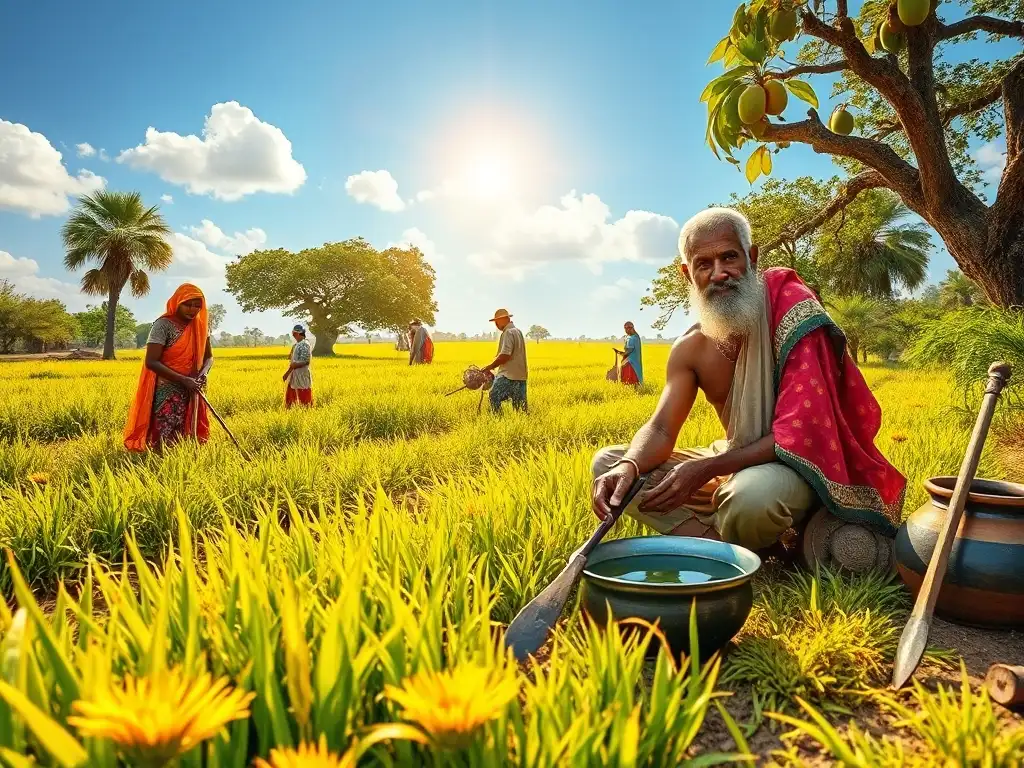
Welcome to Ancient India History, where we embark on a fascinating journey through the remarkable tapestry of ancient Indian civilizations. Here, you’ll uncover the secrets of a world long past, rich with culture, innovation, and resilience. Our featured article delves into the sustainable practices of ancient Indian organic farming methods, revealing how these early farmers cultivated their land with respect for nature—long before modern trends caught on.
Join us as we explore how these time-honored techniques not only shaped agriculture but also laid the foundation for a thriving economy. Ready to dig deeper? Let’s unearth the wisdom of our ancestors together!
- Introduction to Ancient Indian Organic Farming Methods
- Historical Context of Agriculture in Ancient India
- Key Ancient Indian Organic Farming Methods
- Tools and Techniques for Organic Farming
- Cultural and Religious Influences on Organic Farming
- Comparison of Ancient and Modern Organic Farming Practices
- Benefits of Ancient Indian Organic Farming Methods
- Conclusion
- Call to Action
-
Frequently Asked Questions
- What are ancient Indian organic farming methods?
- How did ancient Indian farmers maintain soil health?
- What crops were commonly grown using organic methods in ancient India?
- How did the philosophy of organic farming influence ancient Indian societies?
- Are any ancient texts available that discuss organic farming?
- Final Reflection: Embracing the Wisdom of Ancient Indian Organic Farming
- Embrace the Wisdom of Ancient Organic Farming!
Introduction to Ancient Indian Organic Farming Methods
The agricultural practices of ancient India reveal a profound understanding of sustainable farming techniques that predate modern organic farming trends by millennia. Ancient Indian farmers cultivated a diverse array of crops using methods that were not only environmentally friendly but also deeply intertwined with the cultural and spiritual beliefs of their communities.
These practices laid the foundation for what we now recognize as organic agriculture, emphasizing harmony with nature, soil health, and biodiversity. This article explores the rich tapestry of ancient Indian organic farming methods, highlighting their significance in the realm of sustainable agriculture and their lasting impact on contemporary farming practices.
Overview of Organic Farming in Ancient India
In ancient India, organic farming was not merely a choice but a way of life. Farmers utilized various techniques that promoted soil fertility and crop health without relying on synthetic chemicals. Key practices included:
- Crop Rotation: This method involved alternating different crops in the same field across seasons to prevent soil depletion and control pests.
- Natural Fertilizers: Farmers relied on compost, animal manure, and plant residues to enrich the soil, ensuring a sustainable nutrient cycle.
- Intercropping: Growing multiple crops in proximity not only maximized space but also reduced the risk of pests and diseases while enhancing biodiversity.
- Green Manuring: The practice of growing specific plants (like legumes) and plowing them back into the soil improved nitrogen content and overall soil health.
The integration of these methods reflects a sophisticated understanding of agricultural ecology, allowing ancient Indian civilizations to thrive in diverse climates and terrains.
Importance of Sustainable Agriculture in Ancient Civilizations
Sustainable agriculture was crucial for the survival and development of ancient civilizations. In India, sustainable farming practices contributed to:
- Food Security: By maintaining soil health and crop diversity, ancient farmers ensured a stable food supply, supporting large populations and urban centers.
- Cultural Significance: Agriculture was often tied to religious and cultural practices, with certain crops considered sacred. This deep connection fostered a respectful approach to land and resources.
- Economic Stability: The surplus produced through sustainable methods enabled trade and commerce, laying the groundwork for prosperous economies and the exchange of goods across regions.
Overall, the ancient Indian approach to agriculture exemplifies a holistic understanding of farming that prioritized the environment and community welfare, providing valuable lessons for modern agricultural practices.
Historical Context of Agriculture in Ancient India
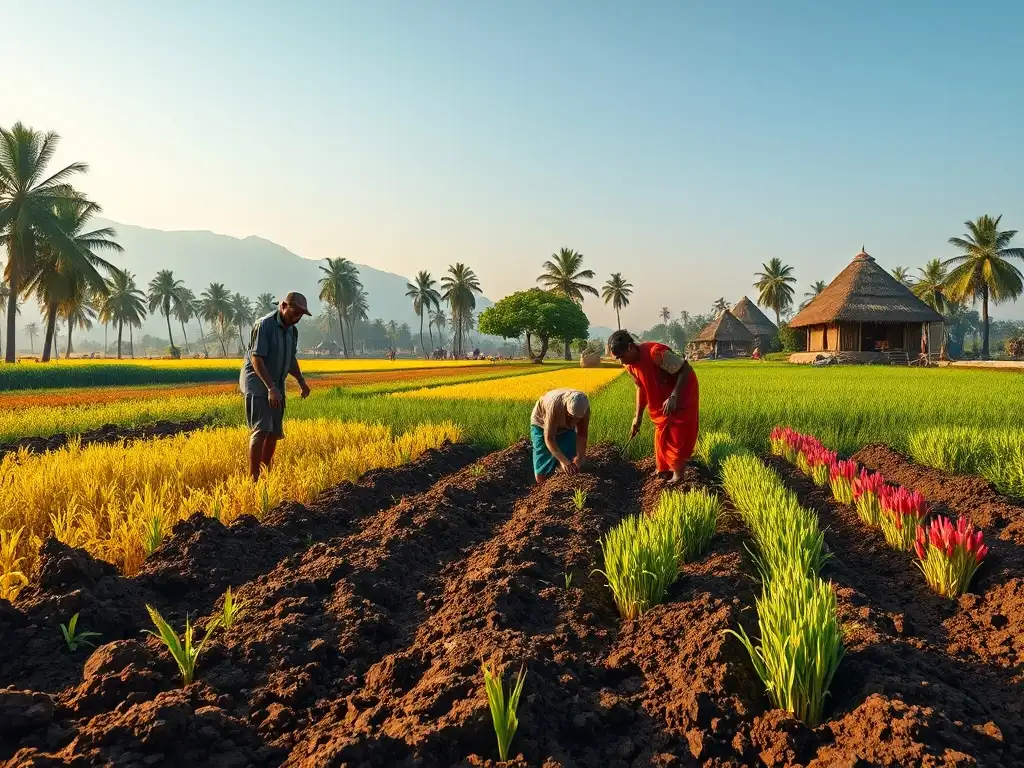
Agriculture has been a cornerstone of Indian civilization, with roots tracing back to the Neolithic period. The evolution of agricultural practices reflects the relationship between ancient Indian societies and their environment. By studying the historical context of agriculture in ancient India, we can better understand the organic farming methods that emerged long before modern trends.
Agricultural Practices in the Indus Valley Civilization
The Indus Valley Civilization (c. 3300–1300 BCE) is renowned for its advanced urban planning and significant agricultural practices. Archaeological evidence reveals that the inhabitants engaged in a variety of farming techniques that emphasized sustainability and resource management.
- Crop Diversity: Farmers cultivated a range of crops, including wheat, barley, peas, and cotton. This crop diversity not only ensured food security but also maintained soil fertility.
- Irrigation Systems: The Indus Valley people constructed sophisticated irrigation systems, utilizing canals and reservoirs to manage water supply efficiently. These systems supported organic farming by reducing reliance on chemical fertilizers and promoting natural soil enrichment.
- Natural Fertilizers: Organic materials, such as compost from plant residues and animal manure, were used to enhance soil quality. This practice allowed for sustainable crop yield without the adverse effects associated with chemical inputs.
The agricultural practices of the Indus Valley Civilization laid the foundation for future advancements in organic farming methods in ancient India.
Farming Techniques during the Vedic Period
The Vedic period (c. 1500–500 BCE) marked a significant transition in agricultural practices, influenced by the socio-cultural changes of the time. The Vedas, ancient texts composed during this era, contain references to various farming techniques that underscore the connection between agriculture and spirituality.
- Use of Plows: The introduction of the wooden plow revolutionized farming, enabling deeper soil cultivation and enhancing crop production. This tool was often crafted using sustainable materials, reflecting the organic ethos of the time.
- Crop Rotation: Farmers practiced crop rotation, alternating different crops to prevent soil depletion and promote biodiversity. This technique is a fundamental principle of organic farming, emphasizing the importance of maintaining soil health.
- Rituals and Agriculture: Agricultural activities were often intertwined with religious rituals. Farmers conducted ceremonies to invoke blessings for bountiful harvests, demonstrating a holistic approach to farming that prioritized harmony with nature.
The farming techniques of the Vedic period not only contributed to agricultural productivity but also fostered a deeper respect for ecological balance, paving the way for organic methods.
The Role of Agriculture in Ancient Indian Society
Agriculture was not merely an economic activity; it played a pivotal role in shaping ancient Indian society. The agricultural practices developed in this era had profound implications for social structures, trade, and cultural identity.
- Economic Backbone: Agriculture served as the primary source of livelihood for the majority of the population. The surplus production allowed for trade, which facilitated interactions with neighboring civilizations and contributed to economic prosperity.
- Cultural Significance: Agricultural festivals celebrated the harvest and marked seasonal changes, reinforcing community bonds. These events were often centered around traditional farming practices, highlighting the cultural importance of agriculture.
- Sustainable Practices: The organic farming methods utilized in ancient India aimed to preserve ecological balance, ensuring that farming could continue for generations. This sustainability was rooted in the belief that land and resources should be respected and nurtured.
The role of agriculture in ancient Indian society was multifaceted, intertwining economic, social, and cultural dimensions. The organic farming methods practiced during this time not only catered to immediate needs but also reflected a deep understanding of environmental stewardship that resonates with contemporary agricultural practices.
Key Ancient Indian Organic Farming Methods
Use of Natural Fertilizers and Compost
Ancient Indian farmers demonstrated a profound understanding of soil health and fertility, primarily by utilizing natural fertilizers and compost. They recognized the importance of enriching the soil with organic matter to enhance its productivity.
- Cow Dung: One of the most widely used natural fertilizers was cow dung, which was not only rich in nutrients but also helped improve soil structure. Its application was common in agricultural practices across different regions of India. Farmers would dry cow dung and use it as a mulch or mix it into the soil, providing essential nitrogen, phosphorus, and potassium.
- Green Manure: Farmers also practiced the use of green manure, which involves growing specific plants and then plowing them back into the soil. Leguminous plants, such as lentils and peas, were commonly used as they fix atmospheric nitrogen, enriching the soil.
- Composting: The process of composting organic waste, including kitchen scraps and plant residues, was integral to ancient farming practices. Farmers would create compost pits, allowing organic matter to decompose and transform into a nutrient-rich soil amendment. This method not only recycled waste but also supported sustainable farming practices.
Crop Rotation Techniques in Ancient India
Crop rotation was a sophisticated technique employed by ancient Indian farmers to maintain soil fertility and control pests and diseases. This method involved alternating different crops in the same field over successive seasons, which offered several benefits:
- Nutrient Management: By rotating crops, farmers could prevent the depletion of specific nutrients in the soil. For instance, after cultivating a nitrogen-demanding crop like wheat, they would plant legumes, which replenish nitrogen levels through their root nodules.
- Pest and Disease Control: Crop rotation helped minimize the buildup of pests and pathogens that thrive on specific crops. By changing the crop type, farmers disrupted the life cycles of these pests, reducing the need for chemical interventions.
- Soil Structure Improvement: Different crops have varying root structures, which can enhance soil aeration and water infiltration. Deep-rooted plants can break up compacted layers, while shallow-rooted plants can contribute to the organic matter at the surface.
Companion Planting and Biodiversity
Companion planting was another organic farming method practiced in ancient India, emphasizing the benefits of planting different crops in close proximity. This technique not only maximized land use but also promoted biodiversity, which is crucial for a resilient agricultural ecosystem.
- Mutual Benefits: Certain plants, when grown together, can benefit each other. For example, the combination of maize, beans, and squash, known as the "Three Sisters," is a well-documented practice. Beans fix nitrogen in the soil, benefiting maize, while squash provides ground cover to suppress weeds.
- Pest Management: Companion planting helped in natural pest control. Strong-smelling herbs like neem and marigold were often planted alongside vegetables to repel harmful insects, reducing the reliance on chemical pesticides.
- Enhanced Productivity: By promoting biodiversity through companion planting, ancient Indian farmers could achieve higher yields from their fields. This practice not only ensured a variety of crops but also maintained ecological balance, fostering a sustainable farming environment.
Ancient Indian organic farming methods were not just practical solutions for agriculture; they represented a deep-rooted understanding of ecological principles. By utilizing natural fertilizers, practicing crop rotation, and employing companion planting, these farmers laid the groundwork for sustainable agricultural practices that continue to inspire modern organic farming today.
Tools and Techniques for Organic Farming

Ancient Indian farmers employed a variety of tools and techniques that were not only effective for their time but also environmentally sustainable. These practices laid the groundwork for what we now refer to as organic farming. By utilizing locally sourced materials and natural processes, these farmers demonstrated a sophisticated understanding of their environment, ensuring the sustainability of their agricultural practices.
Traditional Farming Tools Used by Ancient Indian Farmers
The agricultural landscape of ancient India was characterized by a range of traditional farming tools that facilitated effective crop cultivation. These tools were crafted from natural materials, showcasing the ingenuity of ancient artisans. Some of the notable tools included:
- Ploughs (Hala):
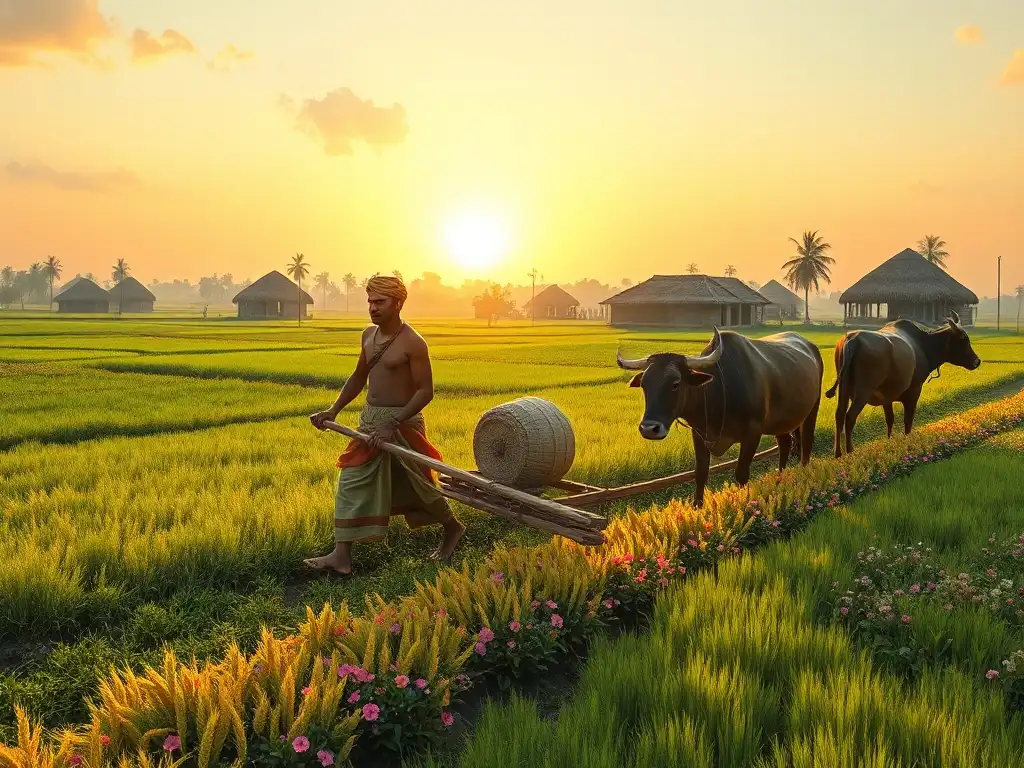
- Typically made from wood, these ploughs were drawn by oxen and were essential for tilling the soil.
- The use of wooden ploughs minimized soil disturbance and maintained soil fertility.
- Sickles (Khadga):
- Used for harvesting crops, sickles allowed farmers to cut grains efficiently.
- The curved blade of the sickle made it easier to gather and harvest crops while reducing damage to the plant.
- Hand Hoes (Bali):
- Essential for weeding and soil preparation, these tools were typically made from iron or bronze.
- Farmers used hand hoes to aerate the soil and promote root growth.
- Seed Drills:
- Ancient seed drills, made from bamboo or wood, were used to sow seeds at specific intervals and depths, promoting better germination rates.
The effective use of these tools not only increased productivity but also contributed to the overall health of the soil, showcasing the principles of organic farming long before they became popular in modern agriculture.
Irrigation Practices in Sustainable Farming
Irrigation played a crucial role in ancient Indian agriculture, particularly in regions with irregular rainfall. Ancient farmers developed sophisticated irrigation techniques that ensured sustainable water management, including:
- Stepwells and Baolis:
- These structures collected rainwater and stored it for agricultural use. They were particularly effective in arid regions, allowing farmers to tap into underground water supplies.
- Canal Systems:
- In regions like the Indus Valley, an extensive network of canals was developed to divert river water to fields, ensuring consistent moisture for crops.
- Rainwater Harvesting:
- Farmers constructed small ponds and tanks to capture rainwater, which would then be used for irrigation during dry spells.
These irrigation practices were environmentally friendly, relying on natural water sources and minimizing the need for chemical fertilizers, thus aligning with the principles of organic farming.
Pest Control Methods without Chemicals
The ancient Indian approach to pest control was predominantly based on natural methods, ensuring that crops remained healthy without the use of harmful chemicals. Some effective pest control techniques included:
- Companion Planting:
- Farmers understood the benefits of planting certain crops together. For example, marigolds were often planted alongside vegetables to repel nematodes and other pests.
- Biological Control Agents:
- Natural predators, such as birds and beneficial insects, were encouraged in the agricultural ecosystem to control pest populations. Farmers created habitats to attract these helpful species.
- Organic Repellents:
- Mixtures made from neem leaves, garlic, and chili were used as natural insect repellents. These mixtures effectively deterred pests without harming beneficial insects.
Through these methods, ancient Indian farmers maintained crop health and biodiversity, embodying the principles of organic farming that prioritize ecological balance and sustainability. The legacy of these practices continues to influence modern organic farming techniques today.
Cultural and Religious Influences on Organic Farming
Ancient Indian organic farming methods were deeply intertwined with the cultural and religious fabric of society. The philosophies and practices surrounding agriculture were not merely economic activities but were also influenced by a profound respect for nature and a commitment to sustainability. This symbiotic relationship laid the groundwork for effective organic farming techniques that have endured through the ages.
The Philosophical Underpinnings of Sustainable Agriculture
The ancient Indian perspective on agriculture was profoundly shaped by various philosophical schools, particularly those rooted in Hinduism, Buddhism, and Jainism. These philosophies emphasized harmony with nature, interdependence, and respect for all living beings. Key concepts include:
- Ahimsa (Non-violence): This principle guided farmers to avoid harming any living creature, promoting natural pest control rather than the use of harmful chemicals.
- Dharma (Righteous Duty): Farmers viewed their work as a duty to the Earth, ensuring that farming practices were sustainable and preserved the environment for future generations.
- Samsara (Cycle of Life): The understanding of a cyclical process of life encouraged farmers to work with natural cycles, such as planting and harvesting in accordance with seasonal changes.
These philosophical tenets fostered a culture of organic farming that focused on maintaining soil health, biodiversity, and ecological balance.
Religious Texts and Their References to Organic Practices
Ancient Indian scriptures and texts provide insight into the organic farming methods practiced during that era. Notable texts include the Vedas, Upanishads, and Agricultural Treatises. Key references include:
- Rigveda: This ancient text includes hymns that celebrate the Earth as a nurturing mother, highlighting the importance of treating the land with reverence and care. It emphasizes the use of natural fertilizers, such as cow dung, which was considered sacred and beneficial for soil fertility.
- Bhagavad Gita: In this philosophical dialogue, the concept of offering the fruits of one’s labor to the divine encourages farmers to adopt practices that respect nature and avoid exploitation. Such attitudes fostered a preference for organic methods that align with divine principles.
- Agricultural Treatises: Texts like the Krishi Parashara outline several techniques for crop cultivation that prioritize organic methods, including crop rotation, intercropping, and the use of organic manures. These practices not only ensured high yields but also maintained soil health.
By integrating these philosophical and religious influences, ancient Indian farmers developed a holistic approach to agriculture, which remains relevant today as modern society increasingly seeks sustainable and organic farming solutions.
Comparison of Ancient and Modern Organic Farming Practices

The evolution of organic farming practices is a fascinating journey that highlights the ingenuity of ancient civilizations. Ancient Indian organic farming methods, particularly those practiced during the Indus Valley Civilization and later periods, laid the groundwork for sustainable agriculture. By examining both ancient and modern techniques, we can appreciate the shared principles and divergent philosophies that shape their practice.
Similarities between Ancient and Modern Techniques
Both ancient Indian farmers and modern organic practitioners share several fundamental principles aimed at promoting soil health and biodiversity. Here are some key similarities:
-
Use of Natural Fertilizers:
Ancient Indian farmers utilized cow dung, compost, and green manure to enrich soil fertility. Similarly, modern organic farming emphasizes the use of organic matter and natural fertilizers to sustain soil quality.
-
Crop Rotation:
The practice of rotating crops to prevent soil depletion and control pests can be traced back to ancient times. Farmers in ancient India understood the importance of rotating legumes with cereals to enhance nitrogen levels in the soil. Today, crop rotation remains a cornerstone of organic farming.
-
Integrated Pest Management (IPM):
Ancient farmers employed various methods, such as promoting natural predators and using plant extracts to deter pests. This aligns with modern IPM strategies that prioritize ecological balance and reduce reliance on synthetic pesticides.
-
Mulching and Intercropping:
Techniques such as mulching were used to retain soil moisture and suppress weeds. Ancient farmers also practiced intercropping, growing different crops together, which modern organic farming also advocates for maximizing land use and improving biodiversity.
Differences in Agricultural Philosophy and Implementation
While ancient and modern organic farming practices share similarities, there are notable differences in their philosophies and implementation:
-
Philosophical Approach to Nature:
Ancient Indian agricultural practices were deeply intertwined with cultural and spiritual beliefs, emphasizing harmony with nature. Farming was viewed as a sacred duty, where respect for the Earth was paramount. In contrast, modern organic farming often adopts a more scientific approach, focusing on sustainability through empirical research and technology.
-
Scale of Implementation:
Ancient organic farming was typically practiced on a smaller, local scale, where communities relied on traditional knowledge passed through generations. Modern organic farming, however, has expanded to encompass large-scale commercial operations, necessitating standardized practices and certifications.
-
Technological Integration:
Ancient Indian farmers relied on traditional tools and techniques, such as plows made from wood and manual harvesting methods. In contrast, modern organic farming incorporates advanced technologies, such as precision agriculture and organic fertilizers, which enhance efficiency while maintaining ecological integrity.
-
Market Dynamics:
Ancient farmers produced primarily for subsistence, with surplus crops traded within local communities. Today, organic farming operates within a global market, where organic products are sought after by consumers, leading to different economic dynamics and marketing strategies.
The comparison of ancient Indian organic farming methods with modern practices reveals both enduring principles and evolving philosophies. Understanding these connections not only highlights the ingenuity of ancient civilizations but also informs contemporary approaches to sustainable agriculture.
Benefits of Ancient Indian Organic Farming Methods

Environmental Advantages of Traditional Practices
Ancient Indian organic farming methods were deeply intertwined with the environment, promoting sustainability long before modern techniques recognized its importance. These practices offered numerous environmental benefits, significantly contributing to the health of ecosystems.
- Soil Health: Ancient Indian farmers utilized techniques such as crop rotation and mixed cropping. These methods enhanced soil fertility and structure, preventing nutrient depletion. By alternating crops, they not only minimized soil erosion but also encouraged biodiversity, leading to robust soil ecosystems.
- Water Conservation: Traditional irrigation methods, including the use of rainwater harvesting and seasonal flooding, allowed ancient farmers to optimize water usage. These techniques reduced dependency on artificial irrigation, promoting a more sustainable approach to land and water management.
- Biodiversity Preservation: The cultivation of diverse crops helped maintain ecological balance. Ancient farmers often planted multiple varieties of the same crop, which protected against pests and diseases, thereby reducing the need for chemical interventions.
- Natural Pest Management: Instead of relying on synthetic pesticides, ancient Indian farmers employed natural pest control methods, such as introducing beneficial insects and using organic repellents. This not only protected crops but also preserved the surrounding flora and fauna.
Economic Impact on Ancient Indian Communities
The economic implications of ancient Indian organic farming methods were profound, shaping the livelihoods of communities and their trade practices.
- Sustainable Livelihoods: By cultivating crops organically, farmers ensured a steady supply of produce that could be sold in local and regional markets. This sustainable practice provided economic stability and reduced the costs associated with chemical inputs.
- Trade and Barter Systems: Organic produce was highly valued in ancient trade networks. Communities engaged in barter systems, exchanging surplus organic crops for goods and services. This not only fostered local economies but also promoted inter-community relations through trade.
- Resilience Against Market Fluctuations: The reliance on diverse crops made ancient farmers less vulnerable to market fluctuations. By growing a variety of produce, they could adapt to changing market demands, ensuring consistent income streams.
- Cultural Practices and Economic Identity: Farming methods were often linked to cultural traditions and local identities, enhancing community cohesion. Festivals and rituals surrounding agriculture celebrated the harvest, reinforcing the economic significance of organic farming within society.
Health Benefits of Organic Produce from Ancient Farming
The health benefits associated with ancient Indian organic farming are numerous, emphasizing the nutritional superiority of organically grown produce.
- Nutritional Value: Crops grown using ancient organic methods often contained higher levels of vitamins and minerals. The absence of synthetic fertilizers and pesticides allowed for a more natural growth process, resulting in nutrient-rich foods.
- Reduced Chemical Exposure: Consuming organically farmed produce significantly decreases exposure to harmful chemicals. Ancient Indian farming practices ensured that food was free from synthetic additives, promoting healthier diets.
- Enhancement of Local Diets: Ancient farming diversity contributed to varied diets, rich in different nutrients. The cultivation of indigenous crops not only ensured food security but also supported the development of traditional cuisines that are both flavorful and nutritious.
- Holistic Health Practices: The connection between food and health was well understood in ancient Indian culture. Organic farming methods supported holistic health practices by promoting the consumption of fresh, unprocessed foods, enhancing overall well-being.
The ancient Indian organic farming methods provided significant environmental, economic, and health benefits, forming a foundation for sustainable agricultural practices that resonate even today. By understanding and appreciating these traditional techniques, modern agricultural practices can be enriched and informed.
Conclusion

Summary of Ancient Indian Organic Farming Methods
Ancient Indian farmers employed a variety of organic farming methods that were deeply rooted in their understanding of the local ecosystem and sustainable practices. Key techniques included:
- Crop Rotation: This method involved alternating the types of crops grown in a particular area from season to season. By rotating crops, farmers maintained soil fertility and controlled pests, as different plants have varying nutrient requirements and pest associations.
- Intercropping: Farmers often cultivated multiple crops simultaneously in the same field. This practice not only maximized land use but also helped in pest control and improved biodiversity. For example, planting legumes alongside cereals enhanced nitrogen fixation in the soil.
- Natural Fertilizers: Ancient Indians utilized materials like compost, animal dung, and green manures to enrich the soil. These organic fertilizers improved soil structure and fertility without the detrimental effects of synthetic chemicals.
- Water Conservation: Techniques such as rainwater harvesting and the construction of small canals ensured efficient water management. Farmers also practiced contour farming, which reduced soil erosion and promoted water retention.
- Traditional Pest Management: Farmers relied on natural predators and homemade herbal concoctions to manage pests. This approach minimized reliance on chemical pesticides, preserving both the environment and human health.
These methods exemplify how ancient Indian farmers harmonized their agricultural practices with nature, fostering a sustainable approach long before modern organic farming gained prominence.
Relevance of Ancient Practices in Today’s Sustainable Agriculture
The organic farming methods practiced by ancient Indian civilizations are increasingly relevant in today’s context of sustainable agriculture. As the global population continues to grow, the need for sustainable food production has become more pressing. Here are a few ways in which these ancient practices are being recognized and integrated into contemporary farming:
- Resilience Against Climate Change: Ancient methods such as crop rotation and intercropping enhance biodiversity and resilience. These practices help crops withstand environmental stressors, which is crucial in the face of climate change.
- Soil Health: The use of organic fertilizers and composting, promoted by ancient Indian farmers, is now recognized as vital for maintaining soil health. Healthy soils are essential for sustainable agricultural productivity.
- Reduction of Chemical Inputs: With the rising awareness about the harmful effects of chemical fertilizers and pesticides, ancient organic practices provide a viable alternative. Farmers today are looking to reduce their dependency on synthetic inputs, and ancient practices offer effective solutions.
- Community-Based Approaches: Many of the ancient farming techniques relied on community involvement and knowledge sharing. This cooperative approach is being revisited to strengthen local food systems and promote sustainable practices.
- Cultural Heritage: Understanding and integrating ancient organic farming methods not only contributes to sustainability but also preserves cultural heritage. This connection to history can empower communities and foster a sense of identity and pride in local agricultural practices.
The ancient Indian organic farming methods serve as an invaluable resource for modern agriculture, providing insights and techniques that promote sustainability, biodiversity, and resilience in food production systems. By drawing on these time-tested practices, contemporary farmers can work toward a more sustainable and environmentally friendly agricultural future.
Call to Action
Encouraging Further Exploration of Ancient Agricultural Techniques
The legacy of ancient Indian organic farming methods offers a treasure trove of knowledge that can inspire modern agricultural practices. By understanding the techniques employed by farmers in the Indus Valley and beyond, we can appreciate how these methods not only nurtured the land but also fostered sustainable communities.
- Crop Rotation: Ancient farmers often practiced crop rotation to maintain soil fertility. By alternating the types of crops grown in specific fields, they prevented nutrient depletion and reduced pest populations.
- Intercropping: This technique involved planting two or more crops in proximity, allowing for mutual benefits. For example, planting legumes alongside cereals enhanced soil nitrogen levels, which is a practice that aligns with modern organic farming principles.
- Natural Fertilizers: Utilizing compost, manure, and green manure, ancient farmers enriched their soil without synthetic chemicals. This practice not only improved soil health but also ensured the sustainability of their farming systems.
To dive deeper, consider researching the specific methods used in different regions of ancient India. Each region had unique practices based on local resources and climate, showcasing a rich diversity in agricultural techniques.
Inviting Readers to Learn More about Sustainable Practices Today
The wisdom of ancient Indian organic farming methods resonates strongly in today's quest for sustainable agricultural practices. As we face modern challenges such as climate change and soil degradation, revisiting these time-tested techniques can provide valuable insights.
- Permaculture: Inspired by ancient practices, permaculture emphasizes working with natural ecosystems rather than against them. By designing agricultural systems that mimic natural processes, farmers can create resilient and productive landscapes.
- Agroecology: This approach integrates traditional knowledge and modern science to develop sustainable farming practices. Learning from ancient Indian methods can enhance agroecological strategies that prioritize biodiversity and ecosystem health.
We encourage readers to explore how these ancient practices can inform current sustainable farming initiatives. Engaging with local agricultural communities, participating in workshops, or even starting a home garden using these principles can foster a deeper connection to both history and the environment.
By championing sustainable practices inspired by ancient traditions, we can contribute to a healthier planet while honoring the ingenuity of our ancestors. 🌱
Frequently Asked Questions
What are ancient Indian organic farming methods?
Ancient Indian organic farming methods involved natural practices such as crop rotation, companion planting, and the use of organic fertilizers like cow dung and green manures to maintain soil fertility.
How did ancient Indian farmers maintain soil health?
Farmers in ancient India utilized techniques like mulching and cover cropping to prevent soil erosion and enhance nutrient cycling, ensuring sustainable farming practices for future generations.
What crops were commonly grown using organic methods in ancient India?
Key crops included rice, wheat, and millet, which were cultivated using organic methods that promoted biodiversity and reduced dependency on synthetic fertilizers.
How did the philosophy of organic farming influence ancient Indian societies?
The philosophy of respecting nature and understanding ecological balance led to sustainable agricultural practices that supported community well-being and food security across ancient Indian civilizations.
Are any ancient texts available that discuss organic farming?
Yes, texts like the Arthashastra and Vrikshayurveda provide insights into ancient practices, emphasizing natural pest control and the importance of soil health, showcasing the sophistication of ancient Indian agriculture.
Final Reflection: Embracing the Wisdom of Ancient Indian Organic Farming
The practices of ancient Indian farmers reveal a profound understanding of sustainable agriculture that resonates powerfully in today's world. As we face pressing environmental challenges and a growing demand for sustainable food sources, the lessons from these ancient methods remind us that the wisdom of the past can guide our future. The principles of organic farming, rooted in respect for nature and biodiversity, are not merely trends but essential practices that can lead us toward a healthier planet.
The influence of ancient Indian organic farming methods extends far beyond their historical context; they continue to shape our cultural and social landscapes today. As we witness a resurgence in organic farming and sustainable practices, we can draw inspiration from the holistic approaches of our ancestors. Their techniques, which emphasized crop rotation, natural pest control, and soil health, serve as a reminder that agriculture can coexist harmoniously with nature. The greatest threat to our planet is the belief that someone else will save it.
– Robert Swan. This quote encapsulates the urgency of adopting these ancient practices in our modern agricultural systems, emphasizing that the responsibility lies with us.
As you reflect on the insights shared in this article, consider how you can incorporate the principles of ancient Indian organic farming into your own life. Whether through supporting local organic farmers, adopting sustainable gardening practices, or simply being more mindful of your consumption choices, every action counts. Let us honor the legacy of those who farmed with respect for the earth and strive to create a future where agriculture nurtures both people and the planet. Embrace this call to action and be a part of the movement toward sustainable living, inspired by the wisdom of our ancestors.
Embrace the Wisdom of Ancient Organic Farming!
Thank you for exploring the remarkable world of ancient Indian farming practices. You've discovered how these time-honored techniques not only nurtured the environment but also provided sustainable solutions long before modern trends emerged. Now, it’s time to take this knowledge and turn it into action.
- Start your journey by implementing a simple organic farming practice at home, such as composting kitchen waste. This step can significantly reduce waste and enrich your garden soil!
- Share this article with friends and family who are interested in sustainable living to inspire them to explore these ancient techniques.
- Join a local community garden or an online forum to discuss and learn more about organic practices, including those derived from ancient cultures.
What unique organic practices do you think we can still learn from our ancestors? **We invite you to share your thoughts in the comments! **