
Agricultural Trade: How Ancient India Became a Hub for Crop Exchange


Welcome to Ancient India History, where we embark on a fascinating journey through the rich tapestry of ancient Indian civilizations. Have you ever wondered how Ancient India agricultural trade history transformed the subcontinent into a bustling hub for crop exchange? Join us as we uncover the intricate networks of trade, the innovative agricultural practices, and the cultural exchanges that flourished from the Indus Valley to the Gupta Empire. Prepare to dive deeper into a world where agriculture was not just a means of sustenance but a thriving economy that shaped civilizations. Your exploration begins now!
- Introduction to Ancient India Agricultural Trade History
- The Origins of Agricultural Practices in Ancient India
- Development of Trade Networks in Ancient India
- Cultural Exchange Through Agricultural Trade
- Major Crops in Ancient Indian Agricultural Trade
- The Influence of Ancient Empires on Agricultural Trade
- Conclusion: The Legacy of Ancient India Agricultural Trade History
-
Frequently Asked Questions
- What role did the Indus Valley Civilization play in agricultural trade?
- How did the Maurya and Gupta Empires influence agricultural trade?
- What crops were commonly traded in ancient India?
- How did geography impact ancient India's agricultural trade?
- What were the key factors that contributed to ancient India's status as a trade hub?
- Final Reflection: The Enduring Legacy of Ancient India's Agricultural Trade
- Unleash the Power of Agricultural Heritage!
Introduction to Ancient India Agricultural Trade History

Ancient India, with its diverse geography and rich cultural tapestry, played a pivotal role in the agricultural trade that shaped early economies. Spanning from the fertile plains of the Indus Valley to the lush landscapes of the Ganges, the agricultural practices of ancient Indian civilizations contributed significantly to the development of trade networks.
This article delves into the intricate history of agricultural trade in ancient India, examining how the exchange of crops not only fostered economic prosperity but also facilitated cultural interactions among various regions. By exploring the key elements of agricultural trade, we can gain a deeper appreciation for the innovations and practices that underpinned ancient Indian societies, making them a vital hub for crop exchange.
Overview of Agricultural Trade in Ancient India
Agricultural trade in ancient India was characterized by a complex network of exchanges that connected various regions, cultures, and economies. Key crops such as rice, wheat, barley, and pulses were cultivated extensively, forming the backbone of trade. The Indus Valley Civilization (circa 3300–1300 BCE) is one of the earliest examples of agricultural prosperity, where advanced irrigation methods and urban planning led to surplus production. This surplus enabled trade not just within the region but also with neighboring civilizations, including Mesopotamia and Persia.
- Key Features of Agricultural Trade:
- Crop Diversity: Ancient India grew a variety of staples, fruits, and spices, which were highly sought after.
- Trade Routes: Major trade routes, such as the Grand Trunk Road, facilitated the movement of goods and ideas.
- Marketplaces: Local markets and fairs were established, creating hubs for agricultural exchange.
Evidence from archaeological sites, such as Harappa and Mohenjo-Daro, reveals that agricultural trade was not only a means of sustenance but also a driver of socio-economic development. The integration of agricultural practices with trade networks laid the groundwork for more sophisticated economic systems that would emerge in subsequent eras.
Importance of Crop Exchange in Ancient Economies
The exchange of crops played a crucial role in shaping the economies of ancient India, influencing everything from social structures to political dynamics. Crop exchange fostered interdependence among communities, allowing them to specialize in certain agricultural products while relying on others for essential goods. This interdependence was vital in creating a balanced economy that could withstand climatic fluctuations and other challenges.
- Benefits of Crop Exchange:
- Enhanced Food Security: By trading crops, regions could mitigate the risk of famine and ensure a stable food supply.
- Cultural Exchange: The movement of crops often led to the exchange of agricultural techniques, culinary practices, and cultural ideas.
- Economic Growth: As trade flourished, so did the emergence of markets, leading to increased wealth and the rise of merchant classes.
The agricultural trade networks in ancient India not only supported local economies but also established connections with distant lands, making India a significant player in the global agricultural landscape. The legacy of these trade practices continues to influence agricultural economies in the region today, highlighting the enduring impact of ancient agricultural trade history.
The Origins of Agricultural Practices in Ancient India
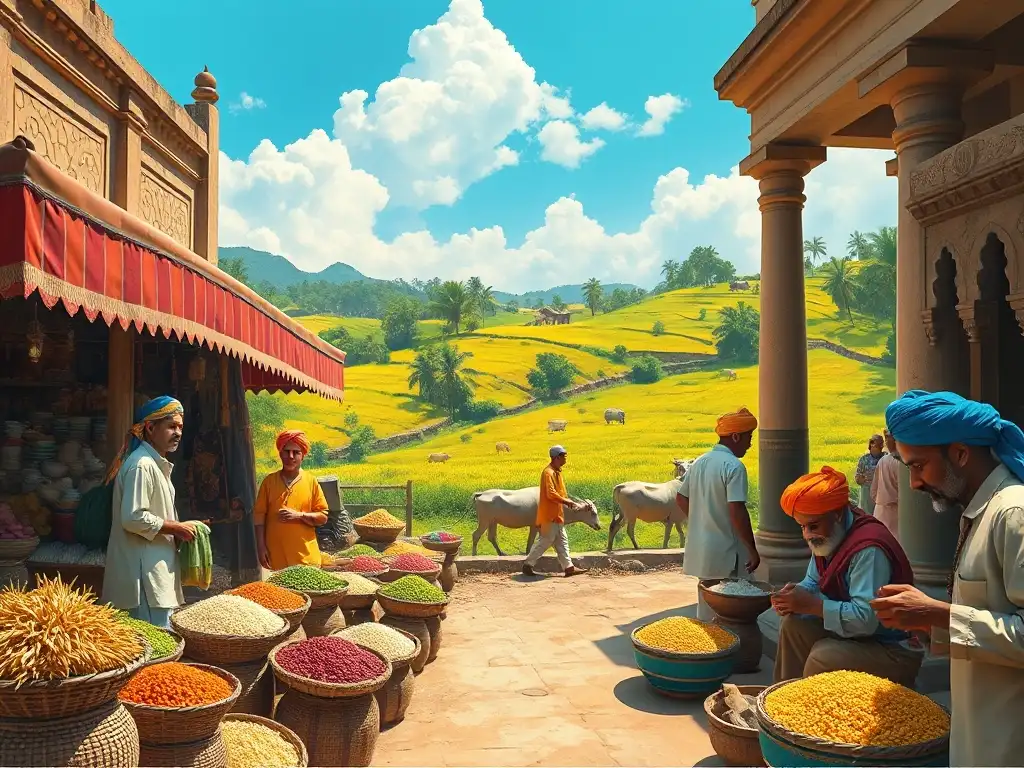
The origins of agricultural practices in Ancient India can be traced back to the fertile plains of the Indus Valley, where early civilizations flourished around 2500 BCE. The transition from nomadic hunter-gatherer lifestyles to settled agriculture marked a significant milestone in the development of these societies. This shift allowed for the establishment of complex communities, trade networks, and cultural advancements that shaped the region's history.
The geographical diversity of India played a crucial role in the evolution of its agricultural practices. The vast river systems, particularly the Indus River and its tributaries, provided ample irrigation opportunities, enabling farmers to cultivate crops year-round. The fertile alluvial soil deposited by these rivers enriched the land, making it suitable for various agricultural activities.
Archaeological findings, such as granaries and agricultural tools, indicate that the people of the Indus Valley civilization developed sophisticated farming techniques. These early innovations laid the groundwork for the agricultural trade that would emerge in later periods.
Early Agricultural Techniques in the Indus Valley Civilization
The Indus Valley Civilization, one of the world's earliest urban cultures, showcased remarkable agricultural techniques that set the foundation for future farming practices in Ancient India. The following techniques played a pivotal role in their agricultural success:
- Irrigation Systems: The Indus Valley inhabitants built extensive irrigation networks, including canals and reservoirs, to channel water from rivers to their fields. This ingenuity ensured a steady water supply, even during dry seasons.
- Crop Rotation: To maintain soil fertility and productivity, ancient farmers practiced crop rotation. By alternating different crops in the same field, they minimized soil depletion and enhanced yields.
- Use of Ploughs: The development of early ploughs, likely made from wood or metal, facilitated the turning of soil, making it easier to plant seeds and manage crops. This tool significantly increased agricultural efficiency.
- Seed Selection and Storage: Evidence suggests that Indus Valley farmers engaged in selective breeding of seeds for better yields. They also developed methods for storing surplus grains, which contributed to food security and trade.
These techniques not only enhanced agricultural productivity but also supported the growth of urban centers, as surplus crops could be traded, fostering economic interdependence among communities.
Key Crops Cultivated by Ancient Indian Farmers
Ancient Indian farmers cultivated a diverse range of crops, reflecting the region's varied climates and soil types. The following crops were central to the agricultural economy and trade in Ancient India:
- Wheat: One of the staple crops, wheat was primarily grown in the northwestern regions, particularly in the Punjab and the Gangetic plains. It served as a dietary staple and was also traded extensively.
- Rice: Cultivated mainly in the eastern and southern regions, rice became a fundamental part of the Indian diet. Varieties such as basmati were highly prized for their quality.
- Barley: This drought-resistant crop was commonly grown in the arid regions of Rajasthan and was used for food, fodder, and brewing purposes.
- Millets: Various types of millets, such as finger millet (ragi) and pearl millet (bajra), were cultivated across different regions due to their adaptability to diverse climatic conditions.
- Legumes: Pulses like lentils, chickpeas, and peas were integral to the diet, providing essential proteins. They also played a role in nitrogen fixation, improving soil health.
- Spices: Ancient India was renowned for its spices, including black pepper, cardamom, and turmeric, which were not only used for culinary purposes but also traded along ancient trade routes, enhancing India's reputation as a hub for agricultural trade.
The cultivation of these crops and the development of agricultural trade networks contributed significantly to the economic and cultural richness of Ancient India, establishing it as a central player in the regional and global agricultural landscape.
Development of Trade Networks in Ancient India
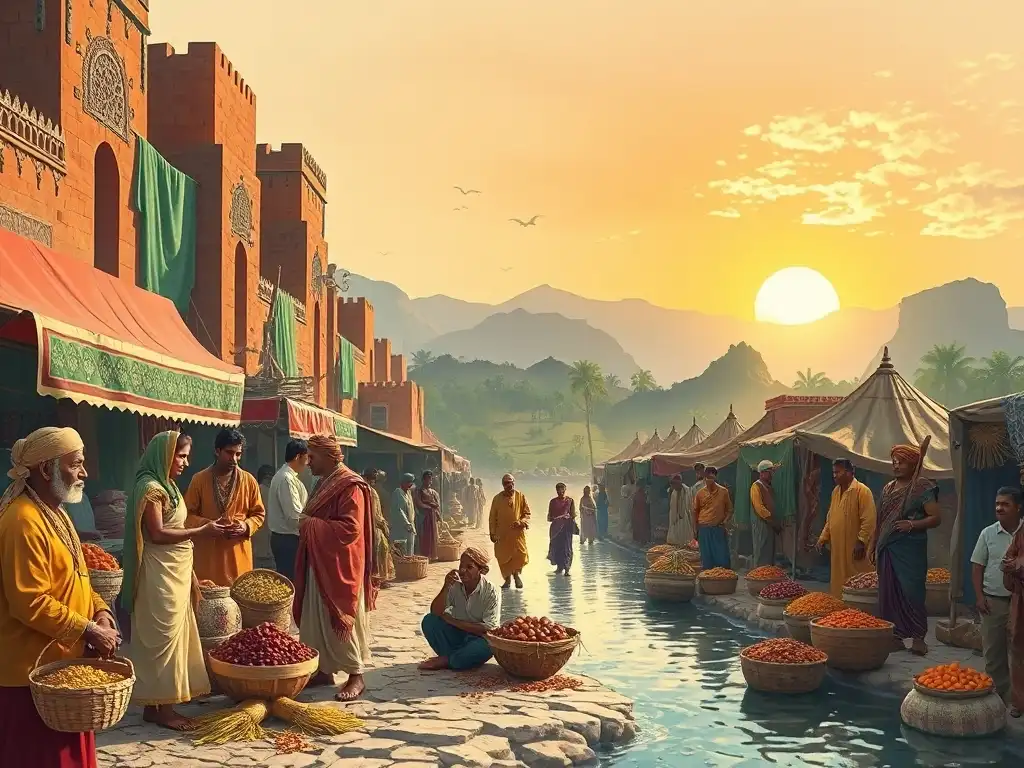
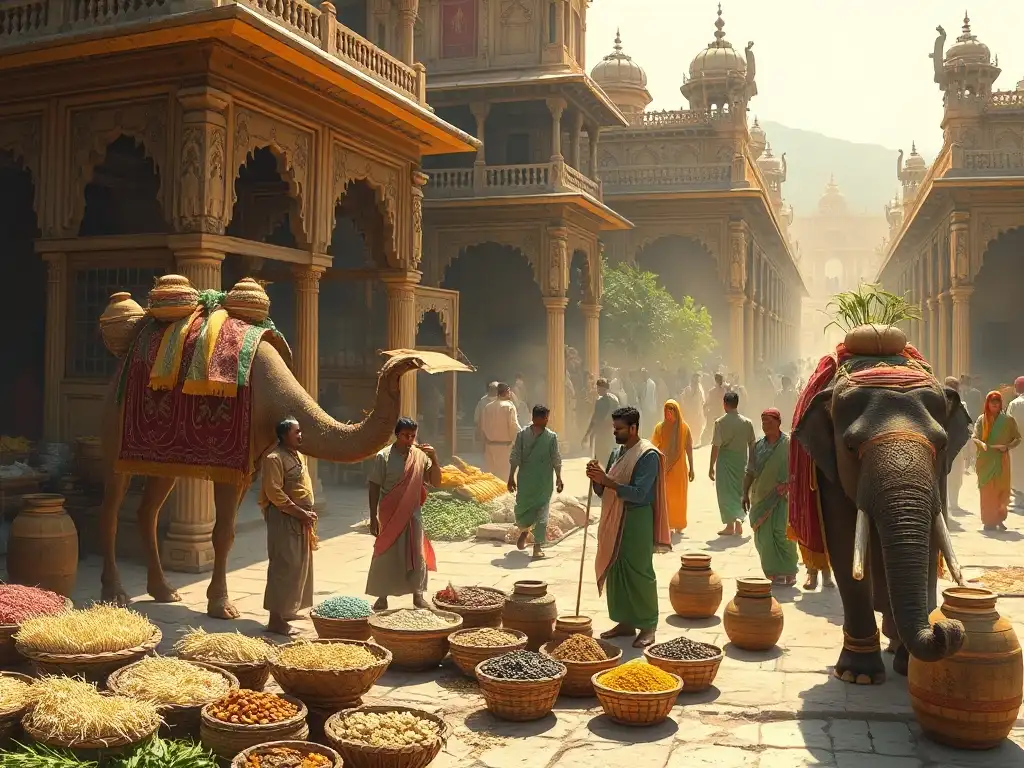
The development of trade networks in ancient India played a pivotal role in shaping the agricultural trade history of the region. These networks were not merely conduits for the exchange of goods; they fostered cultural interactions, technological exchanges, and economic growth. The agricultural landscape of ancient India, characterized by its diverse climatic zones and rich soil, allowed for the cultivation of various crops, which became essential commodities in both local and international markets.
Major Trade Routes and Their Impact on Agricultural Trade
Ancient India was crisscrossed by a myriad of trade routes that facilitated the movement of agricultural products. The most significant of these routes included:
- The Grand Trunk Road: Originating in the eastern part of India, this route connected key trade centers such as Pataliputra (modern-day Patna) and Taxila. It became a vital artery for the exchange of grains, spices, and textiles, linking the agricultural heartlands to thriving urban markets.
- Maritime Trade Routes: Ancient Indian civilizations also utilized waterways for trade. The ports along the western coast, such as Lothal and Bharukachchha, connected India to the Mediterranean and Southeast Asian markets. This maritime trade allowed for the export of surplus agricultural produce, including rice, wheat, and spices.
- Silk Road: While primarily known for its role in the exchange of silk, this route also facilitated the trade of agricultural products. Indian merchants engaged in trade with Central Asian and Middle Eastern cultures, significantly impacting the agricultural trade history of ancient India.
The impact of these trade routes on agricultural exchange was profound. They not only enabled the distribution of local surplus but also promoted agricultural innovation. For instance, the demand for specific crops in distant markets spurred farmers to adopt new cultivation techniques, enhancing yield and variety.
The Role of Cities in Facilitating Crop Exchange
Cities in ancient India emerged as bustling trade hubs that played a crucial role in the agricultural trade. Urban centers such as:
- Pataliputra: The capital of the Maurya Empire, Pataliputra was a melting pot of commerce and culture. Its strategic location at the confluence of rivers made it a vital center for the exchange of agricultural goods, particularly grains and legumes.
- Taxila: Known for its educational institutions, Taxila was also a significant trade center. The city's markets thrived on the exchange of not only crops but also knowledge regarding agricultural practices, enhancing the region's productivity.
- Ujjain: This city was a key node on the trade routes connecting northern India with the western regions. Ujjain facilitated the exchange of agricultural products, particularly during the annual fairs, which attracted traders from across the subcontinent.
These cities served as marketplaces where farmers, traders, and artisans converged, stimulating economic activities. The establishment of guilds and trading associations allowed for organized trade practices, further bolstering agricultural exchange.
The development of trade networks and urban centers in ancient India significantly shaped its agricultural trade history. The strategic location of trade routes and the emergence of cities not only facilitated the exchange of crops but also fostered innovation and economic growth, establishing ancient India as a hub for agricultural trade in the ancient world.
Cultural Exchange Through Agricultural Trade

Ancient India was not only a hub for agricultural production but also a vibrant center for agricultural trade that significantly influenced cultural exchanges across regions. The complex network of trade routes facilitated the movement of not just goods but also ideas, agricultural techniques, and cultural practices. This exchange played a crucial role in shaping the agricultural landscape of the Indian subcontinent.
Influence of Trade on Agricultural Techniques and Crop Diversity
The agricultural trade in ancient India was instrumental in the advancement of farming techniques and the diversification of crops. As traders traveled along the Silk Road and other trade routes, they brought with them various agricultural practices and crop varieties from distant lands. This interaction led to the introduction of new crops such as:
- Rice: Primarily cultivated in Southeast Asia, rice found its way into India, leading to diverse cultivation methods.
- Millets: Varieties like foxtail and finger millet were exchanged, enhancing local diets and agricultural practices.
- Spices: The trade of spices like black pepper and cardamom not only boosted the economy but also encouraged farmers to adopt innovative cultivation techniques.
The influence of trade on agricultural techniques can be seen in the adoption of irrigation methods, crop rotation practices, and the use of organic fertilizers, which were exchanged between regions. For instance, the use of canals for irrigation, borrowed from Mesopotamia, improved agricultural yields significantly.
The following table summarizes some key crops introduced through trade and their impact on agricultural practices:
| Crop | Origin Region | Impact on Indian Agriculture |
|---|---|---|
| Rice | Southeast Asia | Enhanced food security; diverse cultivation techniques |
| Millets | Africa and Mediterranean | Improved resilience to drought; dietary diversity |
| Spices | Southeast Asia and the Middle East | Economic boom; encouraged export-oriented agriculture |
This intermingling of agricultural practices not only diversified the crops grown in ancient India but also contributed to the richness of its cultural heritage. Farmers began to experiment with hybrid techniques, blending local practices with new knowledge gained from their trading partners.
Cultural Significance of Specific Crops in Ancient India
Certain crops that flourished in ancient India held profound cultural significance, intertwined with religious, social, and economic aspects of life. The following crops are notable for their cultural importance:
- Rice: Often referred to as the "staff of life," rice was central to the diet of many communities. It played a crucial role in rituals and festivals, symbolizing prosperity and fertility. For example, the harvest festival of Makar Sankranti is celebrated with various rice dishes, emphasizing its significance in agrarian culture.
- Wheat: Known as “gehu,” wheat was not only a staple food but also played a role in religious offerings and ceremonies. The cultivation of wheat was closely linked to the agrarian calendar, marking the transition of seasons and agricultural cycles.
- Sugarcane: Revered for its sweet sap, sugarcane became an important crop in ancient India, leading to the development of jaggery (gur) and other sweets. It was associated with various rituals and festivities and symbolized sweetness in life.
- Spices: Spices such as turmeric, cardamom, and black pepper were not just culinary staples but also held medicinal and ritualistic value. They were often used in religious ceremonies, emphasizing their dual role in society as both a trade commodity and integral cultural elements.
The agricultural trade in ancient India was a catalyst for cultural exchange that enriched farming techniques and diversified crops, while also solidifying the cultural significance of these agricultural products. This interplay between trade, agriculture, and culture laid the foundation for a resilient economy and vibrant society that thrived through centuries.
Major Crops in Ancient Indian Agricultural Trade

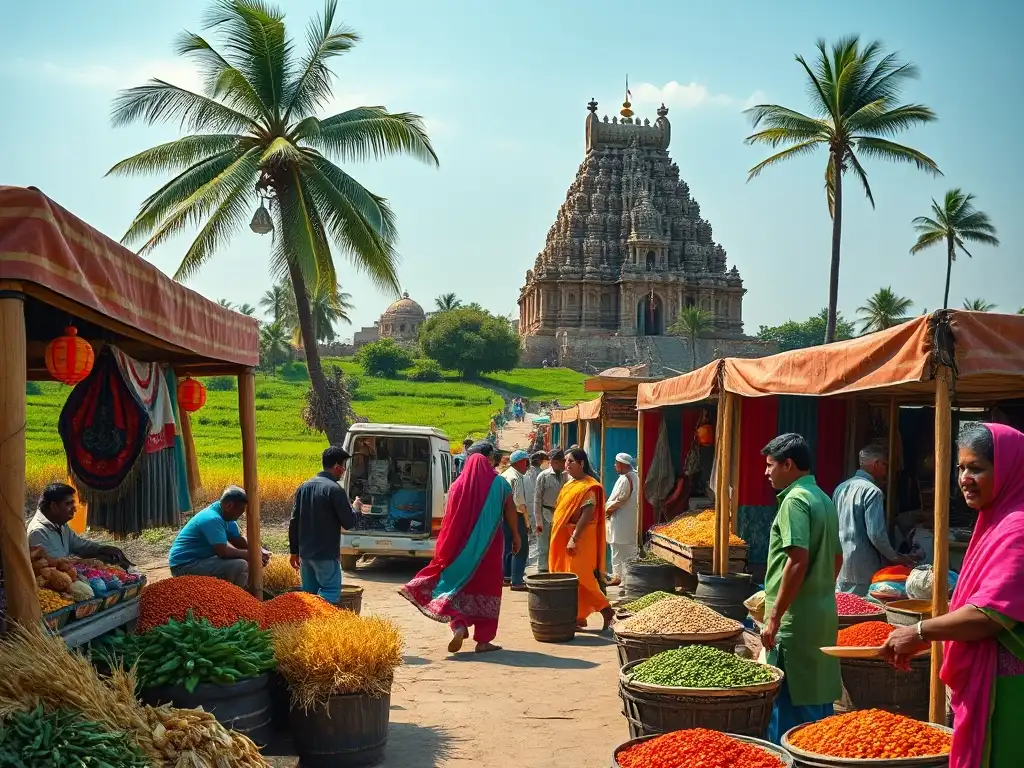
The agricultural trade in ancient India was marked by a diverse array of crops that not only catered to local needs but also played a pivotal role in trade with neighboring regions. Key crops such as rice, wheat, barley, and various spices established India as a significant hub in the agricultural trade network, influencing both economy and culture. Understanding the major crops cultivated during this period provides insights into the agricultural trade history of ancient India.
Staple Crops: Rice, Wheat, and Barley
Ancient India was home to a variety of staple crops, which formed the foundation of its agricultural trade. Among these, rice, wheat, and barley held significant importance.
- Rice: Cultivation of rice, particularly in the fertile plains of the Ganges, can be traced back to 2000 BCE. The monsoon climate provided ideal conditions for rice farming. Evidence suggests that rice was not only a staple food but also a significant export item. Various rice varieties, such as Oryza sativa, were cultivated, leading to innovations in harvesting techniques.
- Wheat: Wheat was primarily grown in the northwestern regions of India, particularly in the Punjab and Haryana areas. Archaeological findings indicate that wheat cultivation dates back to the Indus Valley Civilization. Its adaptability to different climatic conditions made it a valuable crop for both nourishment and trade. The introduction of advanced irrigation systems further enhanced wheat production, leading to surplus yields that could be traded.
- Barley: Barley was another staple crop, predominantly grown in the arid regions of western India. It served various purposes, from food to animal feed, and was also used in brewing. Barley's resilience to drought conditions made it an essential crop for sustaining agricultural productivity in less fertile areas.
The combination of these staple crops not only sustained the local populations but also enabled ancient India to engage in extensive trade with regions such as Mesopotamia, Persia, and beyond. This trade was facilitated by established trade routes, enhancing both the economy and cultural exchanges.
Exotic Crops: Spices and Their Trade Routes
In addition to staple crops, ancient India was renowned for its exotic spices, which played a crucial role in both domestic and international trade. Spices such as black pepper, cardamom, and turmeric were highly sought after, establishing India as a key player in the global spice trade.
- Black Pepper: Often referred to as "black gold," black pepper was one of the most prized spices in ancient times. The Malabar Coast became known as the epicenter of pepper cultivation. Evidence suggests that pepper was traded as early as the 5th century BCE, with routes extending to the Mediterranean and beyond, leading to significant economic prosperity.
- Cardamom and Turmeric: Cardamom, known for its aromatic flavor, and turmeric, valued for its color and medicinal properties, were cultivated extensively in southern India. The trade routes that facilitated the exchange of these spices were instrumental in spreading Indian culinary practices and medicinal knowledge across different cultures.
- Trade Routes: The spice trade in ancient India was facilitated by a network of land and maritime routes. The overland Silk Road connected India to Central Asia and beyond, while maritime routes linked the subcontinent to the Arabian Peninsula, Africa, and Southeast Asia. The thriving trade in spices not only enriched the economy but also established cultural exchanges that would shape the civilizations involved.
The agricultural trade history of ancient India is intricately tied to both staple and exotic crops. The cultivation of rice, wheat, barley, and spices laid the groundwork for a dynamic trade network that contributed to India's historical significance as a hub of agricultural innovation and exchange.
The Influence of Ancient Empires on Agricultural Trade
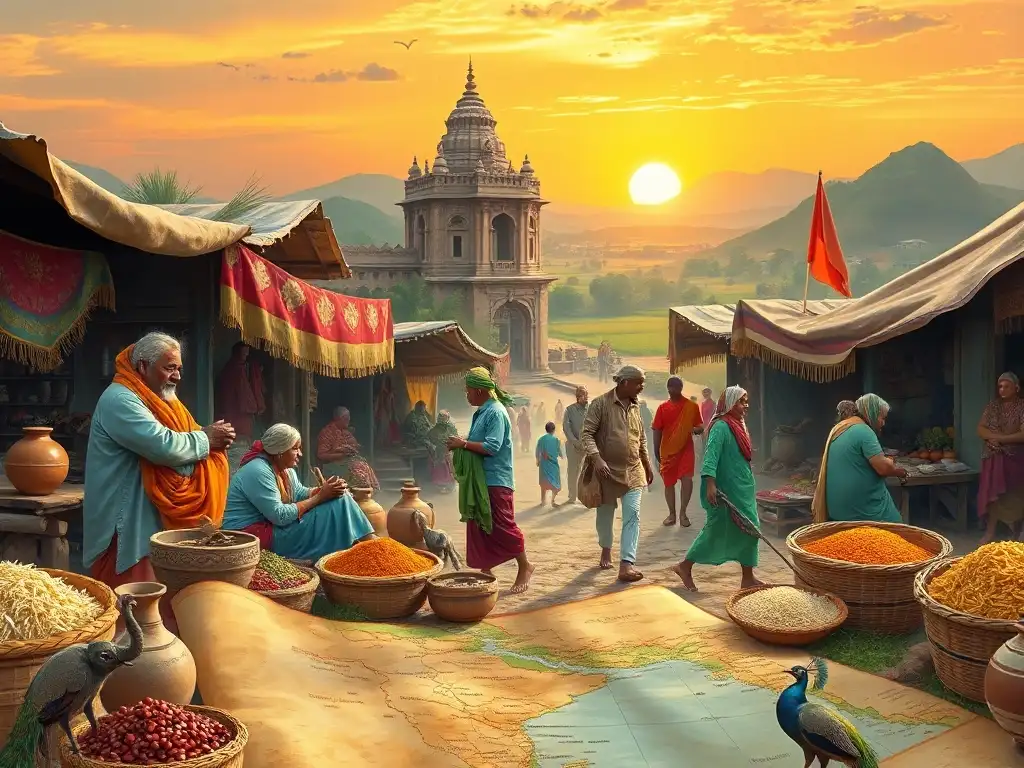

Agricultural trade in ancient India was significantly shaped by the policies and practices of its empires. The Maurya and Gupta Empires, in particular, played pivotal roles in establishing and expanding trade networks that facilitated the exchange of agricultural products. These empires implemented sophisticated systems of governance that not only promoted agricultural advancements but also connected regions, fostering a culture of trade that made ancient India a hub for crop exchange.
The Maurya Empire: Expansion of Trade Practices
The Maurya Empire, which flourished from 322 to 185 BCE, was instrumental in expanding trade practices across ancient India. Under the reign of Emperor Ashoka, the empire established extensive trade routes that linked major agricultural regions, facilitating the movement of crops and goods.
- Standardization of Weights and Measures:
- The Mauryan administration introduced standardized weights and measures, which streamlined trade practices. This standardization ensured that farmers and traders could engage in commerce with confidence, knowing that transactions were fair and transparent.
- Development of Infrastructure:
- The Mauryas invested heavily in infrastructure, constructing roads and irrigation systems that enhanced agricultural productivity. Improved roads allowed for easier transportation of crops to markets, while irrigation systems increased crop yields, making surplus production available for trade.
- Promotion of Agricultural Techniques:
- The Maurya Empire also emphasized agricultural innovation. Techniques such as crop rotation and the use of fertilizers were encouraged, leading to increased productivity. As a result, not only did local markets thrive, but surplus crops could also be exchanged with distant regions, extending the empire's economic reach.
- Cultural Exchange Through Trade:
- The trade routes established during the Maurya Empire facilitated cultural exchanges, bringing together diverse communities. This interaction not only influenced agricultural practices but also introduced new crops and methods, enriching the agricultural landscape of India.
The Gupta Empire: Flourishing of Agricultural Trade
Following the Maurya Empire, the Gupta Empire (circa 240 to 550 CE) marked a golden age in ancient Indian agricultural trade. This period is characterized by significant advancements in agricultural productivity and trade practices that further solidified India's status as a trade hub.
- Increased Agricultural Output:
- The Gupta period witnessed advancements in agricultural methodologies, including improved plowing techniques and the introduction of new crop varieties. This led to a dramatic increase in agricultural output, which formed the backbone of the economy and trade.
- Urbanization and Market Expansion:
- As agricultural productivity soared, urban centers began to emerge, creating demand for diverse agricultural products. The rise of markets in these urban areas encouraged specialization, where certain regions focused on specific crops, enhancing trade efficiency.
- Integration of Trade Networks:
- The Gupta Empire further integrated trade networks with international markets. Indian crops such as rice, wheat, and spices became highly sought after in regions like Southeast Asia and the Mediterranean. The establishment of trade guilds facilitated these exchanges, ensuring that agricultural products reached distant markets.
- Cultural and Economic Exchange:
- The flourishing agricultural trade during the Gupta Empire also promoted cultural exchanges. Traders brought back knowledge, philosophies, and agricultural practices from other regions, contributing to a vibrant exchange that enriched Indian agriculture.
The agricultural trade history of ancient India, particularly during the Maurya and Gupta Empires, highlights the significance of governance, infrastructure, and cultural exchanges in shaping a thriving economy. These empires not only enhanced agricultural practices but also established India as a vital hub for crop exchange, influencing trade routes and practices for centuries to come.
Conclusion: The Legacy of Ancient India Agricultural Trade History

The agricultural trade history of ancient India laid a robust foundation for the economic and social structures that would shape the subcontinent for centuries. The exchange of crops and agricultural goods not only facilitated trade but also fostered cultural interactions and innovations. Regions such as the Indus Valley and the later Mauryan and Gupta empires became centers of agricultural excellence, influencing practices well beyond their borders.
Lasting Impact on Modern Agricultural Practices
The methods and systems established during ancient India's agricultural trade have left a significant legacy on contemporary practices. Many modern agricultural techniques can trace their origins back to the innovations of ancient farmers, who developed sophisticated irrigation systems, crop rotation methods, and sustainable farming practices. For instance:
- Irrigation Techniques: The ancient Indians utilized canals and wells to manage water supply efficiently. This practice is echoed today in modern irrigation methods, including drip and sprinkler systems, which aim to conserve water while maximizing crop yield.
- Crop Diversity: The historical emphasis on cultivating a variety of crops has influenced modern agricultural strategies that prioritize biodiversity. Farmers today recognize the benefits of crop rotation and polyculture, which were common in ancient agricultural systems to maintain soil health and reduce pest outbreaks.
- Trade Networks: The extensive trade routes established during ancient times allowed for the exchange of seeds, technologies, and farming practices. Modern agricultural economies continue to benefit from trade, as global networks facilitate the sharing of knowledge and agricultural innovations across different regions.
Lessons Learned from Ancient Trade Systems
The ancient agricultural trade systems of India offer several lessons that remain relevant for current agricultural practices:
- Sustainability: Ancient farmers practiced rotation and diversification, which helped maintain soil fertility and prevent depletion of resources. This approach is increasingly important today as modern agriculture faces challenges such as soil degradation and climate change.
- Community Engagement: The collective management of resources in ancient trade systems emphasizes the importance of community in agricultural success. Collaborative approaches in modern farming, such as cooperatives, can drive efficiency and support local economies.
- Adaptability: The ability to adapt to changing conditions—be it climate, market demands, or social structures—was vital in ancient agricultural trade. This adaptability is a critical lesson for today’s farmers who must navigate the complexities of global markets and environmental challenges.
The ancient India agricultural trade history not only illustrates the depth of agricultural practices in early civilizations but also provides a rich tapestry of lessons that can enhance contemporary agricultural systems. By studying and understanding these historical practices, we can draw inspiration to create sustainable and effective agricultural methods that honor this legacy.
Frequently Asked Questions
What role did the Indus Valley Civilization play in agricultural trade?
The Indus Valley Civilization was significant due to its advanced farming techniques and trade networks that facilitated the exchange of crops with neighboring regions.
How did the Maurya and Gupta Empires influence agricultural trade?
The Maurya and Gupta Empires expanded trade routes and established marketplaces, enhancing the exchange of agricultural products and boosting economic growth.
What crops were commonly traded in ancient India?
Ancient India traded a variety of crops, including rice, wheat, and spices, which were highly sought after in international markets.
How did geography impact ancient India's agricultural trade?
The diverse geography, including rivers and fertile plains, allowed for rich agricultural production, making ancient India a central hub for crop exchange.
What were the key factors that contributed to ancient India's status as a trade hub?
Factors included innovative farming practices, a robust transportation network, and cultural exchanges that promoted trade with other civilizations.
Final Reflection: The Enduring Legacy of Ancient India's Agricultural Trade
The historical significance of agricultural trade in Ancient India continues to resonate in today's global economy. As we explore the intricate networks of crop exchange that flourished in this ancient civilization, we uncover not only the roots of commerce but also the foundations of cultural exchange and innovation. The lessons learned from Ancient India's agricultural trade history remind us of the interconnectedness of societies and the profound impact that trade has on shaping civilizations.
The influence of Ancient India's agricultural practices and trade routes is still palpable in our modern world. From the spices that once traveled across continents to the diverse crops that enrich our diets today, the legacy of this vibrant trade culture informs our understanding of global agriculture and commerce. As Mahatma Gandhi once said, "> The future depends on what you do today." This sentiment underscores the importance of recognizing and valuing the historical context of our agricultural systems, which continue to evolve and adapt in response to contemporary challenges.
As we reflect on the remarkable journey of agricultural trade in Ancient India, I invite you to consider your own relationship with food and trade in today's world. How can we honor the lessons of the past while fostering sustainable practices for the future? By embracing the spirit of collaboration and innovation that characterized Ancient India's agricultural trade, we can contribute to a more equitable and resilient global food system. Let us carry forward the wisdom of our ancestors, ensuring that the legacy of agricultural exchange continues to thrive for generations to come.
Unleash the Power of Agricultural Heritage!
Thank you for diving into the fascinating world of ancient agricultural trade in India! You've uncovered how this rich history has shaped crop exchange and inspired generations. Now, let’s harness that knowledge to explore, engage, and enrich our understanding further.
- Join the Conversation: Share your thoughts in the comments below about how ancient trade practices influence modern agriculture.
- Explore More: Discover related articles on our site to delve deeper into the agricultural innovations of past civilizations.
- Connect with Our Community: Follow us on social media to stay updated on exciting discussions and insights about ancient Indian history.
What unique agricultural practices from ancient India do you believe could enhance today's farming methods?