
Ancient Indian Agriculture: The Intersection of Science and Spirituality

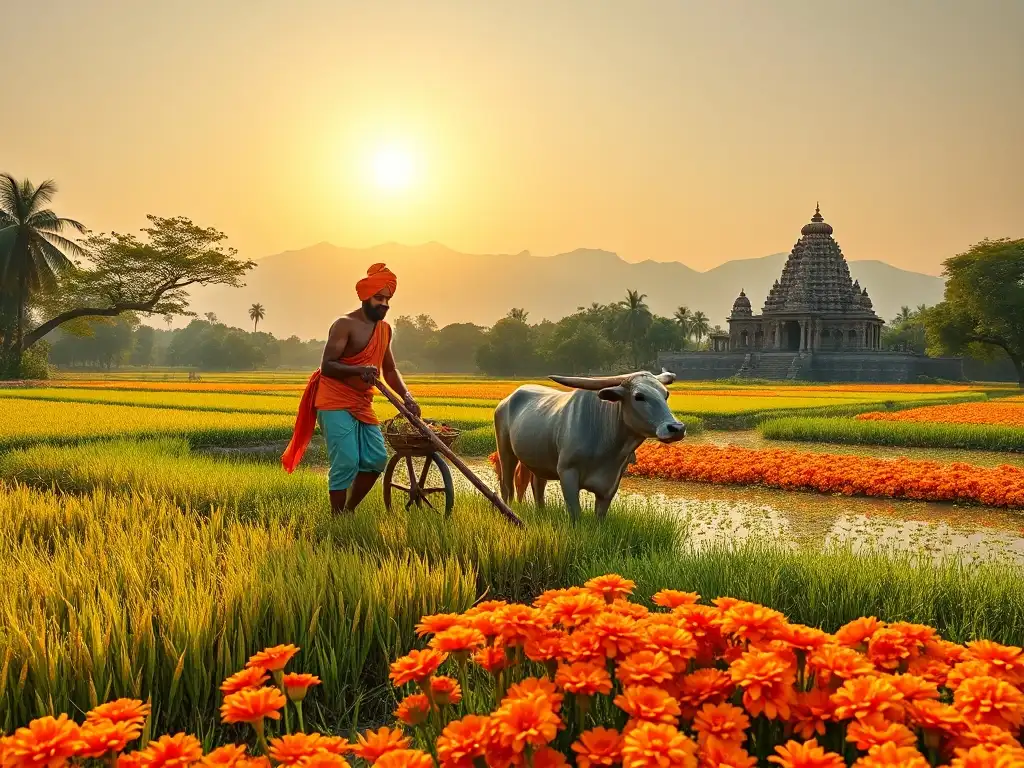
Welcome to Ancient India History, where we delve into the fascinating tapestry of ancient Indian civilizations and their remarkable contributions to our world. Today, we invite you to explore the intricate world of Ancient Indian agricultural practices—a topic that reveals not only the scientific ingenuity of these societies but also their deep-rooted spiritual connections to the land. Join us as we uncover how farming techniques from the Indus Valley to the Gupta Empire shaped their economy and culture, sparking a journey of discovery that intertwines tradition and innovation. Ready to cultivate your knowledge? Let’s dig in!
-
Ancient Indian Agricultural Practices: The Intersection of Science and Spirituality
- Historical Overview of Agriculture in Ancient India
- The Science of Ancient Indian Agricultural Practices
- The Spiritual Dimensions of Agriculture in Ancient India
- Key Crops Cultivated in Ancient India
- Techniques and Tools Used in Ancient Indian Agriculture
- Case Studies of Ancient Indian Agricultural Successes
- The Legacy of Ancient Indian Agricultural Practices
- Conclusion: The Harmonious Blend of Science and Spirituality in Ancient Indian Agriculture
-
Frequently Asked Questions
- What were some key ancient Indian agricultural practices?
- How did spirituality influence agriculture in ancient India?
- What innovations in agriculture emerged during the Gupta Empire?
- How did the Indus Valley Civilization contribute to agriculture?
- What role did trade play in ancient Indian agriculture?
- Final Reflection: The Timeless Wisdom of Ancient Indian Agricultural Practices
- Unveil the Secrets of Ancient Indian Agriculture!
Ancient Indian Agricultural Practices: The Intersection of Science and Spirituality

Agriculture in ancient India represents a profound blend of scientific innovation and spiritual belief, reflecting the rich tapestry of cultural and economic life that flourished for centuries. From the fertile plains of the Indus Valley to the agricultural advancements during the Gupta Empire, ancient Indian agricultural practices laid the groundwork for sustainable farming techniques that incorporated both ecological wisdom and spiritual traditions. This article delves into the intricate relationship between science and spirituality in ancient Indian agriculture, exploring how these practices not only supported livelihoods but also shaped societal values and religious beliefs.
Historical Overview of Agriculture in Ancient India
The roots of agriculture in ancient India can be traced back to the Neolithic period, around 7000 BCE, when communities began transitioning from nomadic lifestyles to settled farming. This shift marked the beginning of a complex agricultural system that would evolve over millennia. The earliest evidence of crop cultivation can be found in the Indus Valley Civilization, where advanced techniques in irrigation and crop management were developed.
The Evolution of Farming Techniques in Ancient India
Over time, various farming techniques emerged, shaped by regional climates, soil types, and cultural practices. For instance, the use of plows became widespread, enabling farmers to cultivate larger tracts of land more efficiently. The introduction of mixed cropping methods, where multiple crops were planted together, not only maximized yield but also improved soil health by preventing nutrient depletion. Ancient texts, such as the Arthashastra and the Rigveda, provide insights into the agricultural practices and philosophies of the time, emphasizing the importance of harmony with nature.
Major Civilizations and Their Agricultural Innovations
Different civilizations across ancient India contributed uniquely to agricultural practices. The Aryans introduced new crops like barley and wheat, further diversifying the agricultural landscape. Meanwhile, the Mauryan Empire implemented organized irrigation systems, allowing for the expansion of arable land. The Gupta Empire is particularly noted for its advancements in crop rotation and the development of specific varieties of rice and millet, which enhanced food security and agricultural productivity.
The Science of Ancient Indian Agricultural Practices
The scientific approach to agriculture in ancient India was deeply intertwined with spiritual beliefs. Farmers often viewed their work as a sacred duty, reflecting a respect for nature and the cycles of life. This holistic perspective not only informed their practices but also fostered innovations that enhanced sustainability.
Crop Rotation and Soil Management Techniques
Crop rotation played a significant role in maintaining soil fertility and preventing pests. Ancient Indian farmers understood that alternating crops restored nutrients to the soil and reduced the impact of crop-specific diseases. This practice was often guided by lunar cycles and seasonal changes, illustrating the blend of scientific understanding and spiritual observance.
Irrigation Systems and Water Management
Innovative irrigation techniques were crucial for agricultural success, particularly in arid regions. The construction of wells, canals, and water harvesting systems demonstrated an advanced understanding of hydrology. These systems were often designed with spiritual significance, as water was considered a sacred element, essential for life and sustenance.
Use of Organic Fertilizers and Natural Pest Control
Ancient Indian agricultural practices emphasized the use of organic fertilizers, such as compost and animal manure, which not only enriched the soil but also aligned with the spiritual principle of non-violence (ahimsa). Farmers also employed natural pest control methods, utilizing plants with repellent properties, showcasing a deep respect for ecological balance and biodiversity.
Ancient Indian agricultural practices exemplify a harmonious integration of science and spirituality, highlighting the sophistication of early civilizations in understanding and managing their environment. Through the exploration of these practices, we can appreciate the legacy of ancient Indian agriculture and its lasting impact on contemporary farming methods.
The Spiritual Dimensions of Agriculture in Ancient India
In ancient India, agriculture was not merely a means of sustenance but deeply intertwined with spiritual beliefs and practices. The agrarian lifestyle shaped the cultural fabric of society, where farming was seen as a sacred duty that upheld not just the family but the community and the cosmos. Farmers viewed their work not just as labor but as a contribution to the divine order, reflecting the interconnectedness of life, nature, and spirituality.
The cyclical nature of farming, marked by sowing and harvesting, mirrored the cycles of life and death, leading to a philosophical understanding that every harvest was a blessing from the deities. This spiritual perspective fostered a sense of responsibility towards the land, promoting sustainable practices that respected the environment and honored the divine.
Agriculture in Hindu Philosophy and Texts
Hindu philosophy emphasizes the sacredness of nature, notably in texts like the Vedas and the Upanishads, which highlight the importance of agriculture. The Rigveda, for instance, contains hymns that praise the Earth (Prithvi) as a nurturing mother, reflecting the reverence for the land that sustains life.
The concept of Dharma (righteous duty) in farming practices is also significant. It is believed that by engaging in agriculture, one fulfills their dharma, ensuring the prosperity of future generations. Texts such as the Arthashastra by Kautilya provide insights into agricultural techniques, irrigation, and crop rotation, emphasizing the need for balance between material gain and spiritual fulfillment.
Rituals and Ceremonies Surrounding Crop Cultivation
Rituals and ceremonies played a vital role in ancient Indian agricultural practices, marking various stages of the farming calendar. The Sankranti festival, for example, is celebrated during the harvest season, showcasing gratitude to the deities for a bountiful yield.
Farmers performed rituals like Homa, where offerings were made to the fire as a symbol of purification and a plea for good harvests. The Puja, or worship, of agricultural tools and seeds was customary, reflecting the belief that these tools were an extension of divine will. Such rituals not only fostered community bonds but also reinforced the spiritual significance of farming.
The Connection Between Agriculture and Spiritual Well-being
The relationship between agriculture and spiritual well-being is profound in ancient Indian culture. Farming practices were believed to influence not just physical nourishment but also mental and spiritual health. Engaging with the soil, nurturing crops, and observing nature were seen as forms of meditation, providing peace and grounding to individuals.
Moreover, the concept of Ahimsa (non-violence) extended to agricultural methods. Sustainable farming practices, such as organic farming and crop diversity, were preferred not only for their ecological benefits but also for their alignment with spiritual values that promote harmony with nature. This holistic approach to agriculture created a symbiotic relationship between farming and spiritual health, ensuring the community's overall well-being.
Key Crops Cultivated in Ancient India
The agricultural landscape of ancient India was rich and diverse, characterized by a variety of crops that contributed to both sustenance and economic stability. The cultivation of certain key crops formed the backbone of ancient Indian agriculture, reflecting the climatic and geographical diversity of the region.
Staple Crops: Rice, Wheat, and Barley
Rice, wheat, and barley were among the staple crops cultivated in ancient India, each playing a pivotal role in the diet and economy.
- Rice: Predominantly grown in the fertile plains of the Ganges and in regions with abundant water sources, rice was a staple food that supported large populations. Its cultivation involved intricate irrigation techniques, showcasing the advanced understanding of water management.
- Wheat: The cultivation of wheat flourished in the northern plains, particularly in the Indus Valley Civilization. It was not only a dietary staple but also a vital trade commodity, contributing to the economic prosperity of ancient Indian societies.
- Barley: Known for its resilience in arid conditions, barley was utilized for food, fodder, and brewing. Its adaptability made it a crucial crop in the drier regions of ancient India.
Medicinal and Aromatic Plants in Ancient Agriculture
Ancient Indian agriculture also embraced the cultivation of medicinal and aromatic plants, reflecting the holistic approach to health and wellness.
- Turmeric, Ginger, and Tulsi: These plants were staples in traditional medicine, utilized for their therapeutic properties. Turmeric, known for its anti-inflammatory benefits, and ginger, for its digestive properties, were integrated into daily diets.
- Aromatic Herbs: Plants like coriander and mint were cultivated not only for culinary uses but also for their aroma and medicinal qualities. These aromatic herbs contributed to the rich tapestry of ancient Indian cuisine and health practices.
The Role of Legumes in Sustainable Farming Practices
Legumes played a crucial role in ancient Indian agriculture, particularly in promoting soil health and sustainability.
- Nitrogen Fixation: Legumes such as lentils, chickpeas, and peas are known for their ability to fix nitrogen in the soil. This natural process enhanced soil fertility, reducing the need for chemical fertilizers and promoting sustainable farming practices.
- Crop Rotation: Farmers practiced crop rotation, alternating legumes with cereals to maintain soil health and productivity. This technique not only improved yields but also reduced the risk of pests and diseases, showcasing the ancient understanding of ecological balance.
The agricultural practices of ancient India were characterized by a harmonious blend of scientific knowledge and spiritual beliefs, with key crops and sustainable methods reflecting a deep respect for the land and its resources.
Techniques and Tools Used in Ancient Indian Agriculture
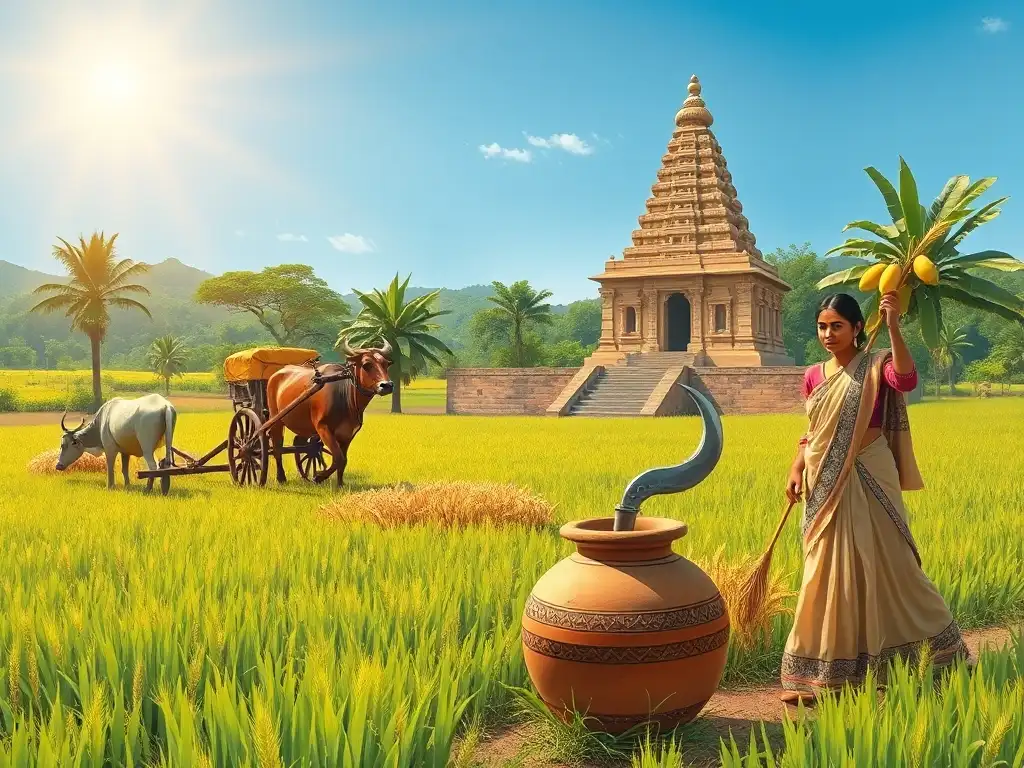
Ancient Indian agriculture was characterized by a blend of scientific knowledge and spiritual beliefs, showcasing an intricate relationship between humans and nature. The techniques and tools employed were pivotal in enhancing agricultural productivity and ensuring sustainable farming practices.
Farmers utilized a range of tools made from locally available materials such as wood, metal, and stone. The plough, known as hal, was fundamental in preparing the soil for sowing seeds. With advancements over time, the plough evolved into various designs, including the ardha and the iron plough, which significantly improved efficiency. Other essential tools included sickles for harvesting, hoes for weeding, and baskets for carrying produce.
Moreover, the integration of crop rotation and intercropping techniques reflected a deep understanding of ecology. Farmers often rotated crops to maintain soil fertility and prevent pest infestations, showcasing an early form of sustainable agriculture. This holistic approach exemplified how ancient Indian agricultural practices were not merely about the physical act of farming but intertwined with the community's cultural and spiritual values.
Traditional Farming Tools and Their Significance
Traditional farming tools in ancient India were not just implements for agriculture; they held cultural significance and were often associated with rituals and practices that honored the earth.
- Ploughs: The wooden plough was a symbol of fertility and labor, often consecrated before the first use in a new season. Its design varied regionally, adapted to specific agricultural needs.
- Sickles: Used for harvesting, sickles were often crafted with ornate designs, indicating their importance in ceremonies marking the harvest.
- Hoes and Spades: Essential for tilling and weeding, these tools reflect the ingenuity of ancient artisans in crafting tools that were effective and durable.
The significance of these tools transcended their utilitarian functions; they were imbued with spiritual meanings, often seen as gifts from deities, and were integral to the rituals surrounding agricultural cycles.
Methods of Planting and Harvesting Crops
Ancient Indian farmers employed various methods to plant and harvest crops, demonstrating a sophisticated understanding of agricultural science.
Planting methods often involved broadcasting seeds by hand, which allowed for the distribution of seeds over a wide area. In some regions, farmers used the dibbling method, where holes were made in the soil to place seeds, ensuring better germination.
During harvesting, communal efforts were emphasized. The use of sickles allowed for a quick and efficient harvest, and the practice of reaping crops in a specific order often carried spiritual connotations, aligning with local traditions and beliefs. After harvesting, crops were typically threshed on open ground, allowing for the separation of grain from chaff, further showcasing the ingenuity of ancient agricultural techniques.
Case Studies of Ancient Indian Agricultural Successes
Ancient India is replete with examples of successful agricultural practices that contributed significantly to the development of its civilizations. These case studies highlight the innovations and adaptability of ancient Indian farmers in response to their environment.
The Indus Valley Civilization: Advanced Agricultural Techniques
The Indus Valley Civilization, which thrived around 2500 BCE, is renowned for its advanced agricultural techniques. Archaeological evidence suggests that the people of this civilization practiced extensive irrigation, utilizing canals and reservoirs to manage water supply effectively.
They cultivated a variety of crops, including wheat, barley, and cotton, and their sophisticated grid system of fields suggests careful planning and organization. The use of standardized weights and measures facilitated trade, indicating a well-developed economic structure based on agricultural surplus. This civilization's agricultural success laid the foundation for urban development and complex societal structures.
The Gupta Empire: Innovations in Crop Cultivation
During the Gupta Empire (circa 320 to 550 CE), significant innovations in crop cultivation emerged. This period is often referred to as the "Golden Age" of India due to its advancements in various fields, including agriculture.
The introduction of new crop varieties, such as rice and sugarcane, improved food security and agricultural diversity. The Guptas also promoted the use of fertilizers, likely derived from animal manure and plant residues, which enhanced soil fertility and crop yields. Additionally, the establishment of agricultural manuals provided farmers with knowledge on improved techniques and seasonal practices, contributing to the economic prosperity of the empire.
Regional Variations in Agricultural Practices Across India
The diverse geography and climate of ancient India led to regional variations in agricultural practices. Each region developed its unique methods tailored to local conditions.
- North India: Predominantly relied on wheat and barley, utilizing the fertile plains of the Ganges and Indus rivers. Irrigation from rivers played a critical role in supporting agriculture.
- South India: Known for rice cultivation, particularly in the deltas of the Godavari and Krishna rivers. The monsoon season was crucial, and farmers developed intricate water management systems to harness rainwater effectively.
- Western India: Focused on millets and pulses, adapting to arid conditions through dry farming techniques. The use of drought-resistant crops showcased resilience and adaptability.
These regional practices highlight the rich tapestry of ancient Indian agriculture, reflecting the interplay of environmental factors, cultural traditions, and innovative practices that shaped the agricultural landscape.
The Legacy of Ancient Indian Agricultural Practices
Ancient Indian agricultural practices are a profound testament to the ingenuity and adaptability of early civilizations. Rooted in the fertile plains of the Indus Valley, these practices have laid the groundwork for agricultural techniques still in use today. The farmers of ancient India employed various methods that combined innovative technologies with spiritual beliefs, shaping their approach to crop cultivation and harvesting.
Evidence from archaeological sites reveals sophisticated irrigation systems, crop rotation, and the use of organic fertilizers, all of which contributed to high yields. The integration of spirituality in agriculture, where rituals and offerings were made to ensure a bountiful harvest, highlights the deep connection between the agrarian lifestyle and cultural beliefs. This legacy continues to influence not just agricultural practices but also the socio-economic structures of modern Indian society.
Influence on Modern Agriculture in India
The principles of ancient Indian agricultural practices have significantly influenced modern agriculture in India. Techniques such as intercropping, which involves growing different crops simultaneously on the same land, can be traced back to ancient methods. These practices promote biodiversity, enhance soil fertility, and reduce pest infestations, aligning closely with contemporary sustainable farming initiatives.
Moreover, traditional knowledge systems regarding seed selection and crop management have been documented and integrated into modern agricultural policies. The resurgence of interest in organic farming and permaculture is also a reflection of ancient practices that emphasized the importance of harmony with nature. As farmers face the challenges of climate change and soil degradation, the wisdom embedded in ancient agricultural practices offers valuable insights for building resilience in modern agriculture.
Preservation of Traditional Techniques in Contemporary Farming
In the face of rapid modernization, the preservation of traditional agricultural techniques is crucial for maintaining biodiversity and cultural heritage. Many communities in India continue to practice age-old methods, passing down knowledge through generations. These practices often include the use of indigenous seeds, traditional irrigation methods, and natural pest control strategies.
Organizations and NGOs are working tirelessly to document and promote these traditional techniques, recognizing their value in achieving food security and sustainability. Initiatives that focus on farmer education, community workshops, and seed banks are vital for revitalizing interest in these methods. By creating a bridge between ancient practices and contemporary farming, these efforts ensure that the wisdom of the past continues to thrive in the present.
The Role of Ancient Practices in Sustainable Agriculture Today
Ancient Indian agricultural practices play an essential role in the discourse around sustainable agriculture today. The emphasis on organic inputs, crop diversity, and ecological balance aligns with modern sustainability goals aimed at reducing the environmental impact of farming. Techniques such as mulching, companion planting, and agroforestry have roots in ancient practices and are now being recognized for their potential to mitigate climate change and promote soil health.
Furthermore, the holistic approach of ancient farmers, who viewed agriculture as a harmonious interaction between the earth, plants, and spiritual elements, offers a valuable framework for contemporary agricultural practices. By integrating these ancient principles with modern scientific knowledge, farmers can develop more sustainable and resilient agricultural systems that honor both tradition and innovation.
Conclusion: The Harmonious Blend of Science and Spirituality in Ancient Indian Agriculture
The exploration of ancient Indian agricultural practices reveals a rich tapestry where science and spirituality intersect. The methodologies developed by ancient farmers not only reflect a deep understanding of the natural world but also embody cultural values that emphasize respect for the environment. This harmonious blend has produced agricultural systems that are not only productive but also sustainable.
Reflecting on the Importance of Ancient Agricultural Wisdom
Reflecting on the importance of ancient agricultural wisdom highlights its relevance in contemporary society. As we face global challenges such as food security, climate change, and biodiversity loss, revisiting these time-tested practices can offer innovative solutions. The lessons learned from ancient India serve as a reminder of the need to balance technological advancement with ecological stewardship and respect for cultural heritage.
Future Directions for Research on Ancient Indian Agricultural Practices
Future research on ancient Indian agricultural practices should focus on interdisciplinary approaches that combine archaeology, anthropology, and agricultural science. By studying ancient texts, artifacts, and farming techniques, researchers can uncover insights that may inform modern agricultural strategies. Exploring the socio-economic impacts of these practices on ancient communities can also provide valuable lessons for contemporary farmers.
In addition, there is a growing need to document and preserve indigenous knowledge systems. Collaborative efforts between researchers, farmers, and policymakers can facilitate the integration of ancient wisdom into modern agricultural practices, fostering a sustainable future rooted in the rich heritage of ancient India.
Frequently Asked Questions
What were some key ancient Indian agricultural practices?
Ancient Indian agricultural practices included crop rotation, the use of irrigation systems, and animal husbandry. These methods enhanced soil fertility and increased crop yields.
How did spirituality influence agriculture in ancient India?
Spirituality played a crucial role by promoting the belief in sacredness of land and rituals for good harvests. Farmers often conducted ceremonies to seek blessings for their crops.
What innovations in agriculture emerged during the Gupta Empire?
The Gupta Empire saw advancements such as improved plowing techniques and the introduction of new crops like sugarcane and cotton. These innovations contributed to enhanced agricultural productivity.
How did the Indus Valley Civilization contribute to agriculture?
The Indus Valley Civilization established early forms of irrigation and cultivated crops like wheat and barley. Their urban planning included granaries, highlighting the importance of agriculture in their society.
What role did trade play in ancient Indian agriculture?
Trade facilitated the exchange of agricultural products and innovations between regions. This interaction helped spread agricultural techniques and diverse crops, enriching the agricultural landscape of ancient India.
Final Reflection: The Timeless Wisdom of Ancient Indian Agricultural Practices
Ancient Indian agricultural practices serve as a profound reminder of the intricate relationship between science and spirituality that has shaped our understanding of farming for centuries. In today's world, where modern agriculture often prioritizes efficiency over sustainability, the lessons from ancient methods are more relevant than ever. The wisdom of integrating ecological balance with spiritual respect for nature offers a striking alternative to the challenges we face in contemporary agriculture.
The influence of these ancient practices extends beyond mere farming techniques; they resonate deeply within our cultural and social fabric. The holistic approach of ancient Indian agriculture, which emphasizes sustainability and reverence for the earth, continues to inspire movements advocating for organic farming and environmental stewardship. As Mahatma Gandhi once said, "> The earth provides enough to satisfy every man's needs, but not every man's greed." This perspective encourages us to reflect on how our agricultural choices impact not only our health but also the planet's future.
As we contemplate the teachings of ancient Indian agricultural practices, I invite you to consider how you can incorporate these principles into your own life. Whether it's through supporting local farmers, practicing sustainable gardening, or simply fostering a deeper connection with the food you consume, every small action counts. Let us honor the wisdom of our ancestors by nurturing the earth and embracing a more harmonious way of living, ensuring that the legacy of ancient practices continues to flourish for generations to come.
Unveil the Secrets of Ancient Indian Agriculture!
Thank you for diving into the fascinating world of Ancient Indian agriculture with us! We hope you gained valuable insights into how science and spirituality intertwined to shape agricultural practices. Now, it’s time to take action and further explore this vibrant heritage.
Here’s how you can continue your journey:
- Delve Deeper: Explore literature and articles that detail specific ancient farming techniques along with their spiritual significance. Discover how these practices can inspire modern sustainability.
- Share Your Thoughts: Engage in discussions about your newfound knowledge with friends or participate in online forums. Sharing insights not only deepens your understanding but also motivates others!
- Connect with Nature: Experiment with organic gardening and apply ancient techniques you’ve learned. Experience firsthand how the blend of science and spirituality can transform contemporary farming practices.
Which aspects of ancient Indian agriculture resonate with you the most, and how do you envision applying these lessons in today’s world? We’d love to hear your thoughts in the comments below!