
The Impact of Seasonal Monsoons on Ancient Indian Farming Systems

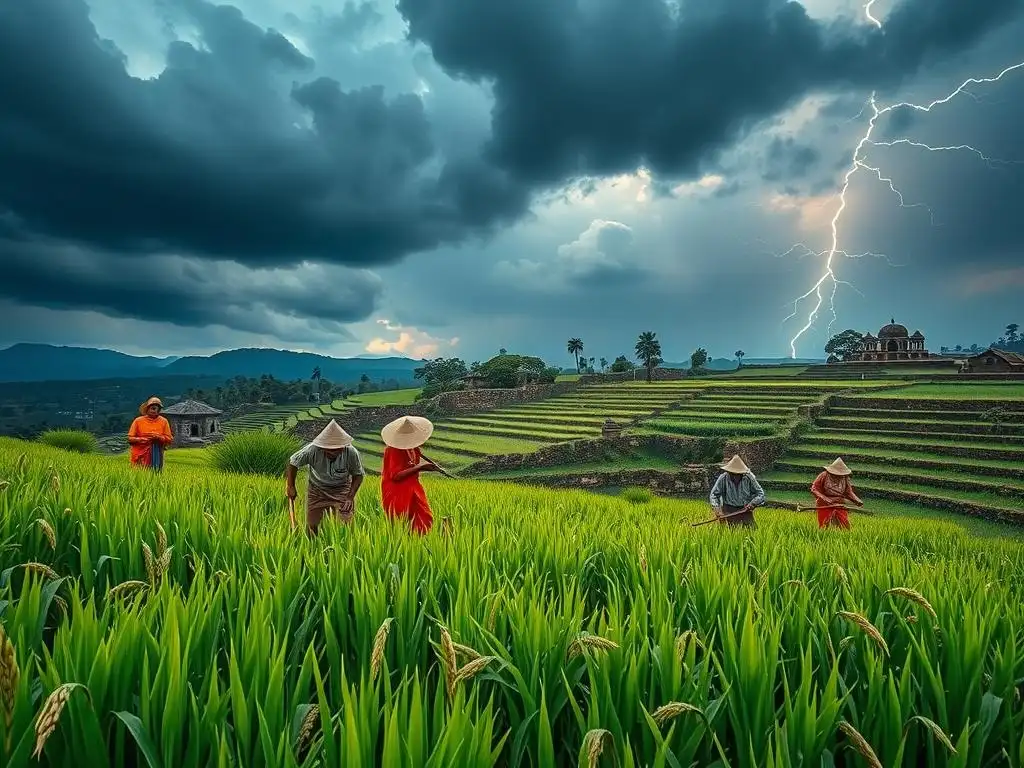
Welcome to Ancient India History, where we invite you to journey through the rich tapestry of India's past, revealing the incredible civilizations that shaped its heritage. In our featured article, " The Impact of Seasonal Monsoons on Ancient Indian Farming Systems," we delve into the intricate farming practices that not only sustained communities but also propelled economic growth across centuries. Discover how the seasonal monsoons influenced these ancient agricultural systems and laid the groundwork for a thriving civilization. Are you ready to uncover the secrets of ancient Indian farming practices? Let's explore together!
Introduction to Ancient Indian Farming Practices
The history of ancient Indian farming practices is a fascinating chronicle of innovation and adaptation, shaped profoundly by the natural environment. From the fertile plains of the Indus Valley to the elevated terrains of the Deccan Plateau, ancient civilizations developed sophisticated agricultural systems that were closely linked to the seasonal monsoons.
These weather patterns not only influenced the types of crops cultivated but also determined the irrigation methods employed and the socio-economic dynamics of the communities. By examining the intricate relationship between seasonal monsoons and ancient Indian farming practices, we can better appreciate the resilience and ingenuity of these early societies.
Overview of Agricultural Techniques in Ancient India
Ancient Indian farmers utilized a variety of agricultural techniques to maximize crop yield and sustain their communities. Some key practices included:
- Crop Rotation: Farmers alternated different crops to maintain soil fertility and reduce pest infestations.
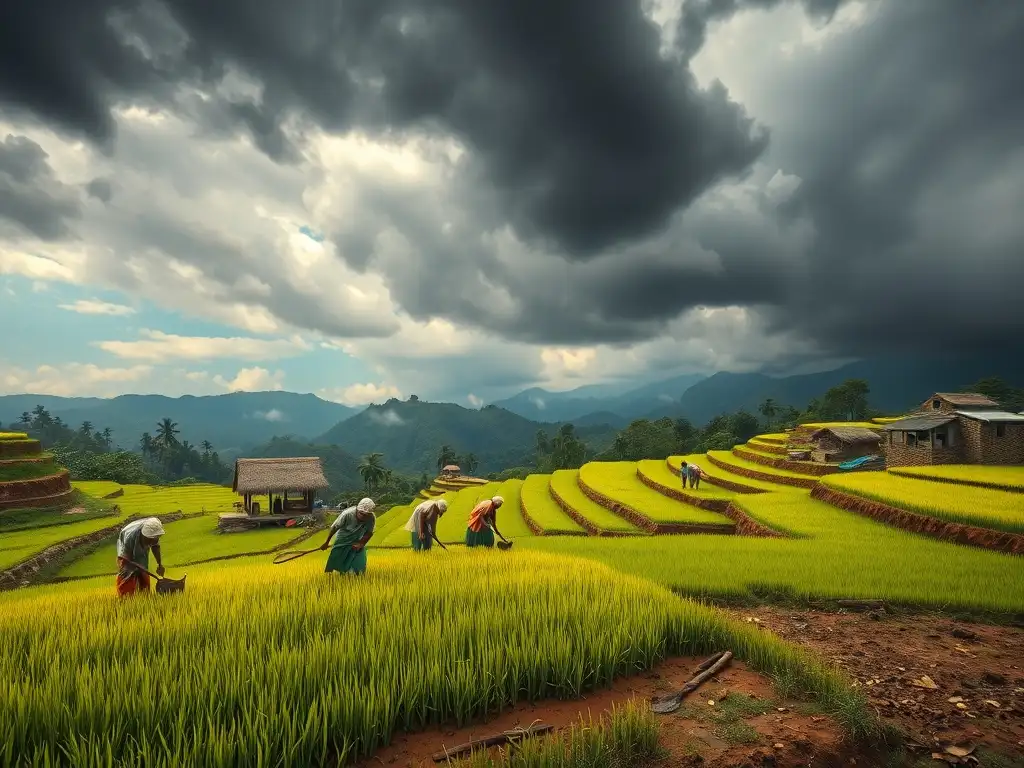
- Terracing: In hilly terrains, terracing prevented soil erosion and allowed for more efficient water management.
- Irrigation Systems: Ancient civilizations constructed elaborate irrigation systems, including canals and reservoirs, to harness water from rivers and monsoon rains.
- Mixed Farming: Integrating crop cultivation with livestock rearing ensured a diverse source of food and resources.
These techniques were tailored to the diverse climatic and geographical conditions across the Indian subcontinent, reflecting a deep understanding of local ecosystems.
Importance of Monsoons in Agriculture
Monsoons played a critical role in ancient Indian agriculture, as they provided the majority of rainfall necessary for crop growth. The onset of the southwest monsoon between June and September was eagerly anticipated by farmers, as it marked the beginning of the sowing season. Key impacts of monsoons on agriculture included:
- Soil Fertility: Seasonal rains replenished soil nutrients, fostering healthy crop growth.
- Water Availability: Monsoons ensured sufficient water supply for irrigation, reducing dependency on groundwater resources.
- Crop Diversity: The reliable rainfall patterns allowed farmers to cultivate a variety of crops, including rice, pulses, and millets, which were essential for dietary diversity.
Understanding the significance of monsoons provides insight into how ancient Indian civilizations adapted their agricultural practices in response to environmental changes.
Understanding Seasonal Monsoons
Definition and Characteristics of Monsoons
Monsoons are seasonal wind patterns that bring significant changes in precipitation and temperature. Characterized by:
- Seasonal Winds: Winds shift direction between summer and winter, bringing moisture-laden air during the monsoon season.
- Heavy Rainfall: The southwest monsoon can deliver substantial rainfall, often exceeding several hundred millimeters in a few months.
- Temperature Variations: Monsoons also lead to shifts in temperature, cooling the environment after the hot summer months.
These characteristics are crucial for understanding their effects on ancient agricultural practices and the livelihoods of rural communities.
Historical Climate Patterns in Ancient India
The climate of ancient India was marked by distinct historical patterns that influenced agricultural practices. Key points to consider include:
- Diverse Climates: From the arid deserts of Rajasthan to the tropical coasts of Kerala, the varying climates required different farming techniques.
- Variability in Monsoon Strength: Historical records suggest fluctuations in monsoon strength, which impacted crop yields and food security.
- Adaptation to Climate Changes: Ancient farmers demonstrated remarkable resilience, adapting to climatic shifts with innovations in irrigation and crop management.
By examining these historical climate patterns, we can appreciate the challenges and adaptations that shaped ancient Indian farming practices, laying the foundation for future agricultural developments in the region.
The Role of Monsoons in Ancient Indian Farming
The seasonal monsoons were a crucial factor in shaping the agricultural landscape of ancient India. These monsoon winds, primarily occurring from June to September, brought heavy rains that replenished water sources and ensured the viability of farming in a predominantly arid climate. Ancient Indian civilizations relied heavily on these monsoons to sustain their agrarian societies, which were fundamentally linked to the rhythms of nature. The success of farming practices was intrinsically tied to the monsoon's arrival, impacting everything from crop selection to harvest timing.
Monsoons not only provided the necessary water for irrigation but also influenced soil fertility. The rains washed away salts from the soil, enhancing its productivity. Farmers developed intricate irrigation systems, including canals and reservoirs, to manage water distribution effectively. The ability to harness monsoon rains was a defining characteristic of ancient Indian farming practices and played a significant role in supporting the population and facilitating trade.
Dependency on Monsoon Rainfall for Crop Growth
Ancient Indian farming systems were profoundly dependent on monsoon rainfall, which was essential for the growth of crops in regions with limited water resources. The timing and quantity of rainfall dictated agricultural cycles, including planting and harvesting periods. For instance, the onset of the southwest monsoon signaled the appropriate moment for sowing crops.
Farmers in various regions adapted their practices to align with the monsoon patterns. In the fertile plains of the Indus Valley, for example, the agricultural calendar was closely tied to rainfall, with crops like wheat and barley being planted at the beginning of the monsoon season. The reliance on this natural phenomenon meant that any disruption in monsoon patterns could lead to food shortages and economic instability.
Moreover, the predictability of the monsoon allowed for the development of a diverse range of farming techniques, such as mixed cropping and crop rotation, which maximized yields while minimizing risks associated with crop failure. This adaptability showcased the ingenuity of ancient farmers in mitigating the challenges posed by their environment.
Effects of Monsoon Variability on Crop Yields
The variability of monsoon rainfall had significant implications for crop yields in ancient India. While ample rainfall could lead to bountiful harvests, insufficient or excessive rainfall often resulted in crop failures. Droughts, floods, and erratic rainfall patterns posed serious threats to agricultural productivity and food security.
Historical records indicate that during periods of weak monsoons, such as the well-documented droughts in the Harappan civilization, crop yields plummeted, leading to societal upheaval and migration. Conversely, seasons of excessive rainfall could cause flooding, damaging crops and disrupting the agricultural cycle. This variability forced ancient farmers to diversify their crops and develop resilient agricultural practices to withstand these climatic challenges.
The impact of monsoon variability on crop yields highlights the critical relationship between climate and agriculture. Communities that understood these dynamics were better positioned to adapt, ensuring their survival in the face of changing environmental conditions.
Major Crops Influenced by Monsoons
The impact of seasonal monsoons on ancient Indian farming is most evident in the cultivation of major crops, which were primarily grown during the monsoon season. The reliance on rain-fed agriculture shaped the types of crops that could be produced, driving innovations in farming techniques and crop management.
Key Staple Crops Grown During Monsoon Season
Several staple crops thrived in the monsoon-dominated agricultural landscape of ancient India. Key among these were:
- Rice: As a water-intensive crop, rice was predominantly cultivated in regions with abundant monsoon rains, particularly in the eastern and southern parts of India. The monsoon season provided the necessary conditions for its growth, making it a staple food source for many communities.
- Millets: Varieties of millets, such as pearl millet and finger millet, were well-suited to the monsoon climate and were often grown in drier regions. These hardy grains were resilient to fluctuations in rainfall, making them a reliable food source.
- Pulses: Leguminous crops like lentils and chickpeas were also cultivated during the monsoon season. These crops not only provided protein but also contributed to soil fertility through nitrogen fixation.
- Sugarcane: This crop thrived in the monsoon season and was significant for the production of sugar and jaggery, which played an essential role in the economy and culinary practices of ancient India.
The cultivation of these crops not only ensured food security but also supported trade and economic development in ancient Indian societies. The intricate relationship between monsoons and these staple crops laid the foundation for agricultural practices that would evolve over centuries.
Ancient Irrigation Systems in Response to Monsoons
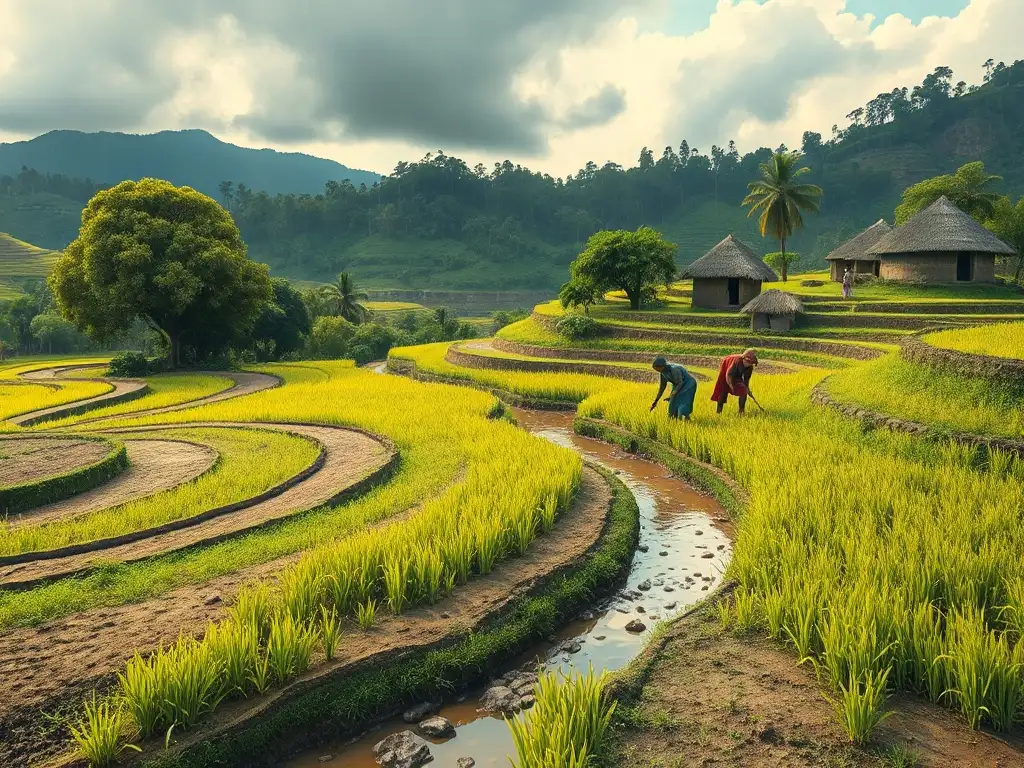
Ancient Indian farming practices were intricately linked to the seasonal monsoons, which significantly influenced agricultural productivity and water management strategies. As the monsoon season brought heavy rains, the need for effective irrigation systems became paramount for sustaining crops and ensuring food security. Early civilizations, particularly those in the fertile plains of the Indus Valley, developed sophisticated irrigation techniques that allowed them to harness the seasonal rains efficiently.
Development of Irrigation Techniques
The development of irrigation techniques in ancient India was a response to the unpredictable nature of monsoon rains. Farmers utilized a combination of surface water and groundwater to optimize their agricultural yield. Techniques such as:
- Flood Irrigation: This method involved directing water from rivers and streams to fields during the monsoon season, allowing natural flooding to saturate the soil.
- Well Irrigation: Wells were dug to access groundwater, especially in regions where surface water was scarce. The use of simple devices like the persian wheel enabled farmers to lift water for irrigation.
- Check Dams: Small earthen dams were constructed to slow down water flow and enhance groundwater recharge, providing additional water supply during dry spells.
These techniques not only maximized water usage during the monsoon but also laid the foundation for more complex irrigation systems that would evolve over time.
Role of Canals and Reservoirs in Managing Water Supply
Canals and reservoirs played a critical role in ancient Indian irrigation systems, particularly in managing the surplus water brought by the monsoons. These structures facilitated the distribution of water to various agricultural fields and helped mitigate the impact of droughts.
- Canals: Ancient engineers constructed extensive canal networks that channeled water from rivers to distant fields. This system allowed farmers in arid regions to cultivate crops, enhancing agricultural productivity and supporting larger communities.
- Reservoirs: Large reservoirs were built to store monsoon rains, ensuring a steady water supply throughout the year. These reservoirs acted as buffer systems, capturing excess rainfall and releasing it during dry periods, thus maintaining soil moisture levels essential for crop growth.
The integration of canals and reservoirs into ancient irrigation practices not only improved efficiency but also fostered agricultural sustainability in various regions of India.
Adaptation Strategies of Ancient Farmers
Ancient farmers in India developed several adaptation strategies to cope with the seasonal variations caused by monsoons, ensuring their farming practices remained resilient. These strategies included crop diversification, soil management, and innovative agricultural techniques that enhanced productivity while preserving the environment.
Crop Rotation and Diversity in Farming Practices
Crop rotation and diversity were crucial components of ancient Indian farming practices. By alternating the types of crops grown in a field, farmers could prevent soil depletion and control pests naturally.
- Crop Rotation: This practice involved planting different crops in succession on the same land, which improved soil fertility and reduced the risk of disease. For instance, legumes were often rotated with cereals to enhance nitrogen levels in the soil.
- Diversity in Farming: Farmers cultivated a variety of crops, including staples like rice, wheat, and millet, alongside pulses and oilseeds. This not only ensured a balanced diet but also mitigated the risks associated with crop failure due to erratic monsoon patterns.
Through these adaptive strategies, ancient Indian farmers demonstrated remarkable ingenuity in responding to the challenges posed by seasonal monsoons.
Use of Soil Conservation Techniques to Combat Erosion
Soil conservation techniques were essential for ancient Indian farmers to combat soil erosion exacerbated by heavy monsoon rains. Various methods were employed to maintain soil health and agricultural productivity:
- Terracing: In hilly regions, farmers constructed terraces to reduce soil erosion and manage water runoff. This technique allowed them to cultivate sloped lands effectively, retaining moisture and nutrients.
- Cover Cropping: Farmers planted cover crops to protect the soil during off-seasons. These crops helped to anchor the soil, reducing erosion and improving soil structure.
- Mulching: The application of organic materials as mulch helped to retain moisture in the soil and suppress weed growth, further enhancing soil conservation efforts.
By implementing these soil conservation techniques, ancient Indian farmers not only preserved their land for future generations but also ensured the sustainability of their agricultural practices in the face of seasonal challenges.
Case Studies of Ancient Indian Farming Regions
The study of ancient Indian farming practices reveals a deep interconnection between the seasonal monsoons and agricultural methods. Specific regions, such as the Indus Valley and the Gangetic Plains, showcase unique adaptations to the cyclical nature of rainfall. These case studies illustrate how ancient civilizations innovated their farming systems to maximize productivity while mitigating the challenges posed by the monsoons.
The Indus Valley Civilization: Monsoons and Agricultural Innovation
The Indus Valley Civilization, which thrived around 2500 BCE, is a prime example of how ancient Indian societies engaged with seasonal monsoons. The civilization's agricultural success was largely attributed to its sophisticated water management systems, which included intricate drainage and irrigation networks. These innovations allowed farmers to harness the monsoon rains effectively.
Key features of agricultural practice in this region included:
- Crop Diversification: Farmers grew a variety of crops, such as wheat, barley, and legumes, which reduced the risk of total crop failure due to fluctuating rainfall.
- Storage Facilities: Granaries were built to store surplus grains, ensuring food security during monsoon shortages or flooding.
- Irrigation Techniques: The use of canals and wells facilitated irrigation, allowing farmers to cultivate land even during dry spells.
The Indus Valley's farmers showcased remarkable resilience, adapting their practices to the rhythm of the monsoons, which played a critical role in sustaining their civilization for centuries.
The Gangetic Plains: Farming Practices Aligned with Seasonal Changes
In contrast, the Gangetic Plains presented a different agricultural landscape shaped by the monsoons. This region, fertile and expansive, became a hub of agricultural activity due to its favorable climatic conditions. The seasonal monsoons were not only welcomed but were foundational to the farming practices established there.
Important aspects of farming in the Gangetic Plains included:
- Rice Cultivation: With the onset of the monsoon rains, farmers shifted focus to wet rice cultivation, which thrived under the inundated conditions. Varieties like paddy were particularly well-suited for this environment.
- Seasonal Crop Rotation: Farmers practiced crop rotation to enhance soil fertility and reduce pest outbreaks, aligning planting schedules with the monsoon seasons.
- Community Irrigation Systems: Villages often collaborated on irrigation projects, creating a network that distributed water efficiently across farmlands.
The agricultural strategies adopted in the Gangetic Plains demonstrate how ancient Indian farming practices were intricately aligned with seasonal changes, maximizing the benefits of the monsoon rains for crop production.
Challenges Faced by Ancient Farmers Due to Monsoons
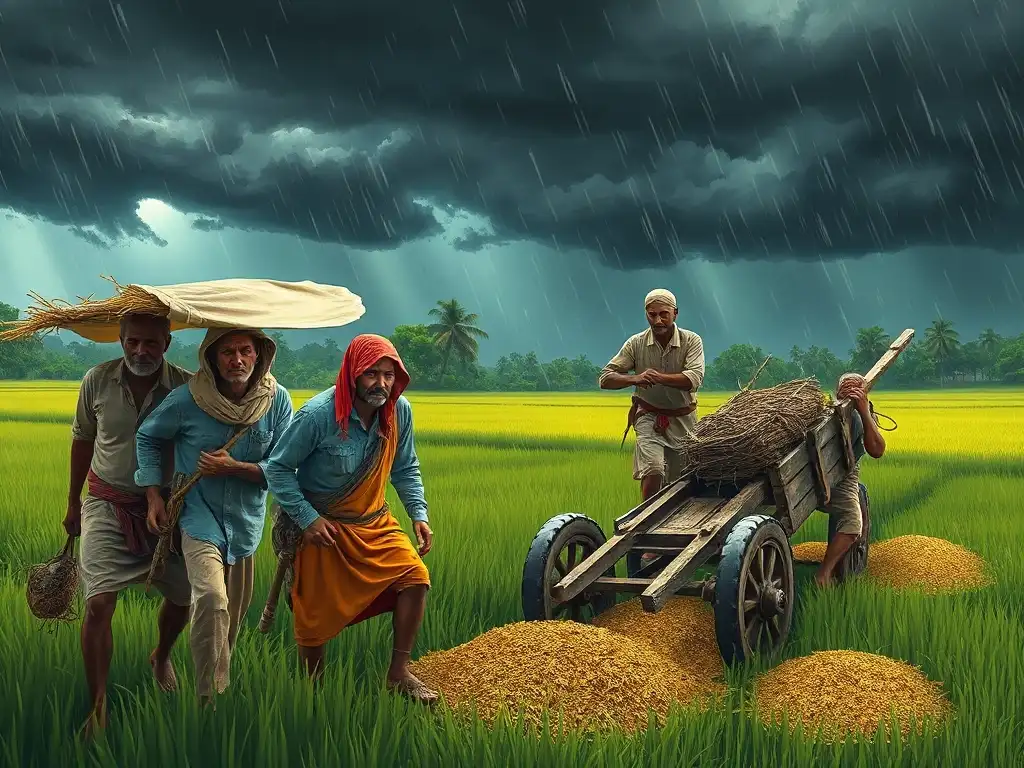
While the seasonal monsoons provided essential water for agriculture, they also posed significant challenges for ancient farmers. The dual nature of the monsoons—bringing both beneficial rains and detrimental weather events—required farmers to be adaptable and resilient.
Flooding and Its Impact on Farming
Flooding during the monsoon season could devastate crops and disrupt farming practices. Regions with heavy rainfall often faced the threat of inundation, which led to several challenges:
- Crop Loss: Excess water could wash away seeds and seedlings, leading to substantial losses. For instance, the flooding of fields could result in a complete crop failure, affecting food supplies.
- Soil Erosion: Strong currents could erode topsoil, diminishing soil fertility and making land less productive for future seasons.
- Infrastructure Damage: Floodwaters could destroy irrigation systems, homes, and storage facilities, necessitating expensive repairs and reconstruction efforts.
Farmers had to develop contingency plans, such as selecting flood-resistant crop varieties or creating elevated planting beds, to mitigate the impact of flooding on their livelihoods.
Drought Conditions and Their Effects on Crop Production
Conversely, drought conditions represented another significant challenge that ancient farmers faced during periods of insufficient monsoon rains. Extended dry spells could lead to:
- Reduced Crop Yields: Insufficient rainfall directly impacted the growth of staple crops like rice and wheat, leading to decreased yields and food shortages.
- Water Scarcity: Lack of water for irrigation placed additional stress on farming practices, forcing communities to rely on stored grains and limiting their agricultural output.
- Social Consequences: Droughts often led to increased competition for resources, potential conflicts, and migration as communities sought more fertile lands.
To combat drought, ancient farmers employed various strategies, such as deep plowing to enhance moisture retention and the construction of water conservation structures like check dams.
Understanding these challenges highlights the resilience and ingenuity of ancient Indian farmers, who navigated the complexities of seasonal monsoons to sustain their communities and agricultural systems.
Conclusion: The Legacy of Monsoon-Driven Farming Practices
The seasonal monsoons have played a pivotal role in shaping the agricultural landscape of ancient India, influencing not just farming practices but also the socio-economic fabric of society. The reliance on monsoon rains led to the development of sophisticated irrigation techniques, crop selection, and agricultural calendars that were finely tuned to the rhythm of nature. As ancient civilizations thrived in the fertile plains of the Indus Valley and along the banks of the Ganges, their agricultural practices became a cornerstone for future generations.
The legacy of these monsoon-driven farming practices is evident in the resilience and adaptability of farmers throughout history. Even as contemporary agricultural challenges arise, the foundational principles established during ancient times continue to inform modern practices. Understanding the intricate relationship between monsoons and farming not only provides insights into historical agricultural systems but also emphasizes the need for sustainable practices that honor these time-tested methods.
Lasting Influence on Modern Indian Agriculture
Modern Indian agriculture still reflects the principles established by ancient farmers. The cultivation of staple crops like rice, wheat, and pulses is deeply intertwined with the seasonal rains. Techniques such as rainwater harvesting, contour farming, and the use of traditional crop varieties can be traced back to ancient agricultural wisdom. Moreover, festivals and rituals associated with the monsoon season, still celebrated today, underscore the cultural significance of this climatic phenomenon in agricultural societies.
Farmers today are increasingly looking towards organic farming and sustainable practices that resonate with ancient methods. The integration of traditional knowledge with modern technology aims to enhance productivity while conserving ecological balance. This synergy not only honors the past but also addresses current challenges, such as climate change and soil degradation, ensuring that the essence of ancient Indian farming practices remains relevant in contemporary agriculture.
Preservation of Ancient Farming Knowledge in Contemporary Practices
The preservation of ancient farming knowledge is crucial for sustaining agricultural practices that have served India for millennia. Various grassroots organizations and initiatives are working to revive traditional methods, documenting indigenous knowledge of crops and farming techniques that may be fading away. This revival is essential for maintaining biodiversity and ensuring food security.
Educational programs that focus on the importance of ancestral farming practices are also gaining traction. By teaching younger generations about the significance of the monsoon in farming and the sustainable practices that emerged from it, there is hope for a more resilient agricultural future. Farmers are encouraged to experiment with crop rotation, intercropping, and other methods that have proven effective in ancient times, thus bridging the gap between past and present.
References and Further Reading
Key Texts on Ancient Indian Agriculture
- "Agriculture in Ancient India" by R. S. Sharma - This book provides a comprehensive overview of agricultural practices during various periods of ancient Indian history, detailing crop cultivation techniques and the influence of monsoons.
- "The Indus Valley Civilization: A Historical Perspective" by J. M. Kenoyer: - In this text, the author discusses the agricultural advancements of the Indus Valley civilization and how they were influenced by seasonal changes.
- "Indian Agriculture: A Historical Perspective" by B. S. Sukhla: - This work examines the evolution of agricultural methods in India, including the role of monsoons in shaping farming systems.
Suggested Academic Articles on Monsoons and Farming Systems
- "Monsoon Variability and its Impact on Agriculture in Ancient India" - This article explores the historical fluctuations in monsoon patterns and their direct effects on agricultural productivity in ancient times.
- "The Role of Traditional Knowledge in Sustainable Agriculture: Lessons from Ancient India": - This research piece discusses how ancient agricultural knowledge can inform modern practices, especially in the context of changing climatic conditions.
- "Seasonal Monsoons and Agricultural Development in the Indian Subcontinent" - This academic article analyzes the historical interplay between monsoon patterns and agricultural innovation, providing insights into the socio-economic impact on ancient communities.
- Introduction to Ancient Indian Farming Practices
- Understanding Seasonal Monsoons
- The Role of Monsoons in Ancient Indian Farming
- Major Crops Influenced by Monsoons
- Ancient Irrigation Systems in Response to Monsoons
- Adaptation Strategies of Ancient Farmers
- Case Studies of Ancient Indian Farming Regions
- Challenges Faced by Ancient Farmers Due to Monsoons
- Conclusion: The Legacy of Monsoon-Driven Farming Practices
- References and Further Reading
- What were the primary farming practices in ancient India?
- How did seasonal monsoons affect ancient Indian agriculture?
- What crops were typically grown in ancient India?
- Did ancient Indian civilizations have any innovations in farming?
- How did ancient Indian farming contribute to societal development?
Frequently Asked Questions
What were the primary farming practices in ancient India?
Ancient Indian farming practices included crop rotation, irrigation systems, and the use of natural fertilizers. These techniques helped sustain agricultural productivity over centuries.
How did seasonal monsoons affect ancient Indian agriculture?
The seasonal monsoons were crucial as they provided essential rainfall for crops. Farmers relied on the timing and intensity of these rains to plan their agricultural activities.
What crops were typically grown in ancient India?
Farmers in ancient India cultivated a variety of crops, including rice, wheat, barley, and millets. These staples were influenced by both climate and regional soil types.
Did ancient Indian civilizations have any innovations in farming?
Yes, ancient Indian civilizations developed various innovations such as advanced irrigation techniques, use of the plow, and crop diversification to enhance agricultural efficiency.
How did ancient Indian farming contribute to societal development?
Agricultural surplus from ancient Indian farming practices supported population growth, urbanization, and the development of trade networks. This laid the foundation for thriving civilizations in the region.
Final Reflection: The Enduring Legacy of Ancient Indian Farming Practices
The intricate relationship between seasonal monsoons and ancient Indian farming practices remains profoundly relevant today, as we grapple with the impacts of climate change on agriculture. The ability of ancient civilizations to adapt their farming systems to the rhythms of nature offers invaluable lessons for modern agricultural practices, emphasizing the importance of sustainability and resilience. As we face unpredictable weather patterns, the wisdom of our ancestors shines a light on the path forward.
The influence of these ancient farming systems extends far beyond their time, shaping not only the agricultural landscape but also the cultural identity of communities across India. The techniques developed to harness the monsoons have left a lasting imprint on social structures, rituals, and even culinary traditions. In every grain of rice, there is a story of survival, adaptation, and innovation.
This quote encapsulates the essence of how ancient practices continue to inspire contemporary farmers and communities, reminding us of the deep-rooted connection between culture and agriculture.
As we reflect on the lessons from ancient Indian farming practices, I invite you to consider how these principles can be applied in your own life. What can you learn from the past to address the challenges of the present? Embrace the wisdom of sustainable practices, honor the cycles of nature, and strive to cultivate a deeper connection with the land. Together, we can forge a future that respects and builds upon the rich heritage of our ancestors, ensuring that their legacy thrives for generations to come.
Embrace the Wisdom of Ancient Farming Methods Today!
Thank you for exploring the fascinating relationship between seasonal monsoons and ancient Indian farming systems! You've uncovered valuable insights into how these natural cycles shaped agricultural practices and communities. Now, it's time to take action and apply this wisdom to our modern lives.
Here are some steps you can take to deepen your connection with this rich history:
- Implement Sustainable Practices: Look into traditional farming techniques inspired by ancient methods. Starting a small garden using organic practices or joining a local farming cooperative can provide hands-on experience and a deeper appreciation for these time-honored approaches.
- Dive Deeper: Explore literature on ancient agricultural techniques or participate in workshops focused on sustainable farming in your area. This will enhance your understanding of how these historical practices can address contemporary challenges.
- Share Your Journey: Engage with friends or community groups to discuss the impacts of ancient farming. Sharing your insights on social media can inspire others to value and explore this important history.
As we reflect on the wisdom of our ancestors, consider this: How can the lessons of ancient agricultural systems influence your own relationship with food and sustainability today?