
The Influence of Ancient Indian Agriculture on Neighboring Civilizations

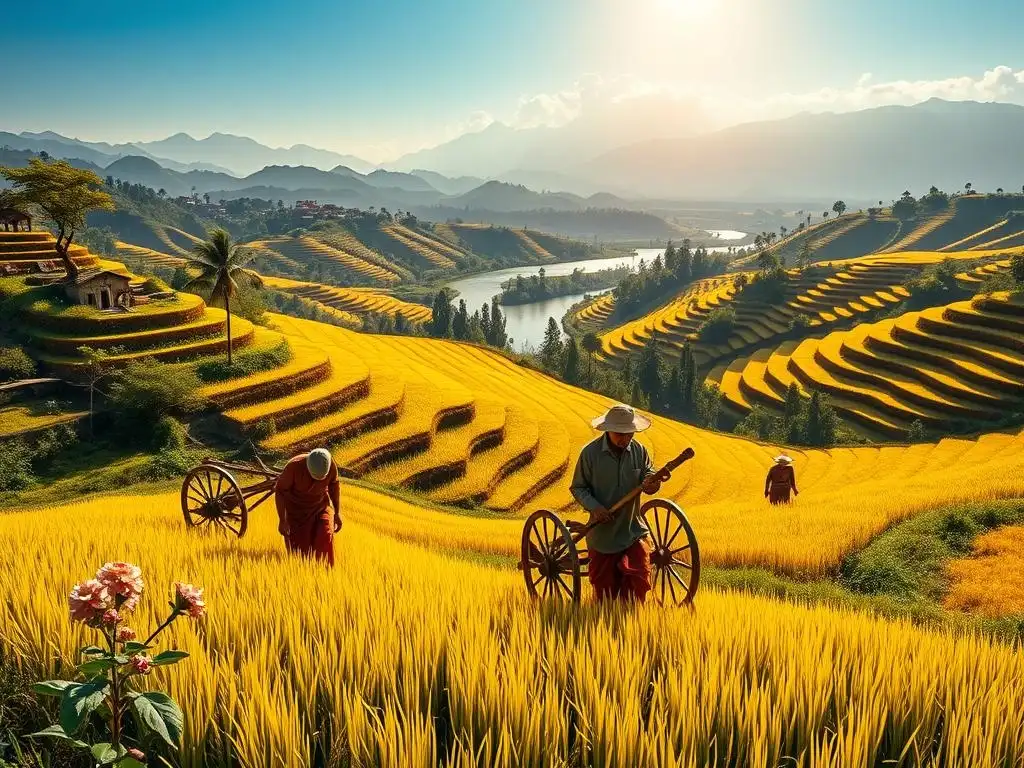
Welcome to Ancient India History, where we embark on a captivating journey through the vibrant tapestry of India's past. Here, we delve into the influential world of ancient Indian agriculture, revealing how it shaped not only the subcontinent but also left an indelible mark on neighboring civilizations. From the innovative irrigation techniques of the Indus Valley to the agrarian practices that flourished during the Gupta Empire, the story of ancient Indian agriculture is a testament to human ingenuity and resilience.
Prepare to uncover the rich layers of history that continue to inspire and inform our understanding of the world today. Dive in as we explore the profound impact of agricultural advancements that laid the groundwork for future societies!
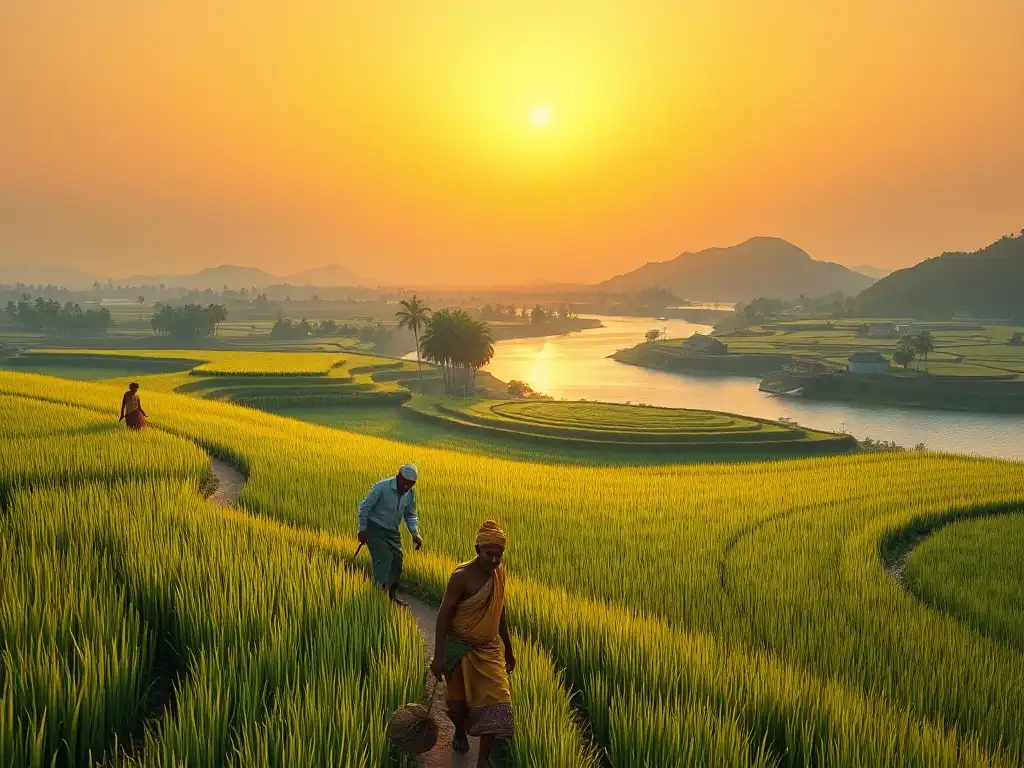
Introduction to Ancient Indian Agriculture Influence
The impact of ancient Indian agriculture extends far beyond the subcontinent, shaping the agricultural practices and economies of neighboring civilizations. From the sophisticated farming techniques of the Indus Valley Civilization to the innovative irrigation systems developed during the Gupta Empire, ancient Indian agricultural practices played a pivotal role in establishing a foundation for sustainable food production and trade.
As ancient India thrived, it not only fed its own populace but also influenced agricultural development in regions such as Persia, Southeast Asia, and beyond. This article delves into the rich tapestry of ancient Indian agriculture, exploring its key features, societal importance, and its lasting legacy on neighboring civilizations.
Overview of Ancient Indian Agriculture
Ancient Indian agriculture was characterized by its diversity and adaptability, responding to the varied climatic and geographical conditions across the subcontinent. The early agricultural communities, particularly those of the Indus Valley, cultivated a range of crops, including barley, wheat, and pulses. With the advent of monsoon seasons, these societies developed sophisticated methods for managing water resources, which allowed for reliable crop yields.
- Key Characteristics:
- Diverse Cropping Systems: Cultivation of multiple crops suited to different regional climates.
- Crop Rotation: Practices that preserved soil fertility and enhanced yields.
- Sustainable Practices: Techniques that minimized soil degradation and promoted ecological balance.
Importance of Agriculture in Ancient Indian Society
Agriculture was the cornerstone of ancient Indian society, influencing not only the economy but also culture, religion, and social structure. It provided sustenance for the population and surplus for trade, leading to the rise of urban centers and complex societies.
- Social Implications:
- Economic Stability: Reliable agricultural production ensured food security and trade.
- Cultural Development: Agriculture was intertwined with religious practices, festivals, and rituals.
- Class Structure: Land ownership often dictated social hierarchies and power dynamics.
Key Features of Ancient Indian Agricultural Practices
Crops Cultivated in Ancient India
The variety of crops cultivated in ancient India highlights the region's agricultural richness. Major staples included:
- Cereals: Wheat, barley, rice, and millet.
- Legumes: Lentils, chickpeas, and peas.
- Fruits and Vegetables: Spices, cotton, and various fruits were also grown extensively.
Techniques and Tools Used in Ancient Indian Farming
The agricultural techniques and tools of ancient India were innovative for their time, allowing for increased efficiency and productivity. Some notable techniques included:
- Plowing: Use of wooden plows pulled by oxen.
- Seed Drills: Early forms of seed drilling for better crop spacing.
- Manual Irrigation: Techniques for channeling water from rivers and lakes to fields.
Innovations in Irrigation Systems in Ancient India
Ancient Indian civilizations developed advanced irrigation systems that significantly enhanced agricultural productivity. These innovations included:
- Canal Systems: Extensive networks of canals were constructed to distribute water over large areas.
- Water Harvesting: Techniques for capturing rainwater to support crops during dry seasons.
- Reservoirs and Tanks: Creation of large water storage systems to manage irrigation effectively.
Through these practices, ancient Indian agriculture not only sustained its own populations but also set a precedent for agricultural methods that would influence neighboring regions, highlighting its profound and lasting influence on global agricultural development.
Ancient Indian Agriculture Influence on Neighboring Civilizations

Ancient Indian agriculture played a pivotal role in shaping the agricultural practices and economies of neighboring civilizations. The innovations in farming techniques, crop cultivation, and irrigation developed in ancient India not only enhanced food production but also laid the groundwork for agricultural exchange and cultural interactions across regions. This influence can be traced back to the advanced agricultural systems established in the Indus Valley Civilization and further propagated through trade and migration.
The exchange of agricultural knowledge and practices significantly impacted neighboring cultures, resulting in mutual growth and adaptation. Ancient Indian agricultural influence can be observed in various regions, including Persia, Southeast Asia, and China, where Indian methods were integrated into local practices, enriching the agricultural landscape and contributing to regional prosperity.
Impact on Agricultural Practices in Persia
The influence of ancient Indian agriculture on Persia is notable, particularly during the Achaemenid Empire (circa 550–330 BCE). Persian farmers adopted several Indian agricultural techniques, including advanced irrigation systems and crop rotation practices. The introduction of water management techniques, such as the qanat system, complemented Iranian farming methods, allowing for improved crop yields in arid regions.
Additionally, the cultivation of staple crops like rice and various legumes, which were initially developed in India, became integral to Persian agriculture. Indian agricultural texts, including knowledge of soil management and pest control, were likely disseminated through trade routes, enhancing the productivity and sustainability of Persian farms.
Influence on Agricultural Methods in Southeast Asia
Southeast Asia witnessed significant agricultural transformations influenced by ancient Indian practices, primarily through maritime trade routes. Indian traders introduced crops such as rice, black pepper, and various fruits, which became staples in the region. The monsoon-dependent agricultural practices of ancient India were adapted to suit the local climate and geography of Southeast Asian countries.
Moreover, the introduction of Indian farming techniques, including wet-rice cultivation and the use of fertilizers, revolutionized agricultural practices in countries like Thailand, Vietnam, and Indonesia. This agricultural exchange not only increased food production but also facilitated the growth of local economies and trade networks throughout Southeast Asia.
Contribution to Agricultural Techniques in China
The agricultural influence of ancient India extended to China, particularly during the Han Dynasty (206 BCE–220 CE). Through the Silk Road and other trade routes, Chinese farmers began to adopt Indian methods of rice cultivation and crop diversification. The introduction of Indian rice varieties, such as aromatic and drought-resistant strains, significantly enhanced Chinese agricultural output.
Furthermore, Indian agricultural texts and practices influenced Chinese farming techniques, including the implementation of irrigation systems and improved soil management practices. This exchange not only contributed to food security in China but also fostered cultural exchanges that enriched both civilizations.
Trade and Economic Impact of Ancient Indian Agriculture
Ancient Indian agriculture was not only significant for its agricultural advancements but also for its profound economic implications. The surplus produced through innovative farming methods enabled trade with neighboring civilizations, contributing to the overall economic development of the region. The agricultural economy of ancient India was intricately linked to trade routes that facilitated the exchange of goods and ideas.
This trade not only ensured the prosperity of Indian agriculture but also had far-reaching impacts on neighboring economies, fostering interdependence and cultural exchange.
Agricultural Trade Routes Established
The establishment of trade routes facilitated the exchange of agricultural products between ancient India and its neighbors. Major trade routes such as the Silk Road and maritime trade routes connected India with Persia, Southeast Asia, and beyond. These routes enabled the transport of agricultural products like spices, textiles, and grains, which were highly sought after in foreign markets.
The trade of agricultural goods created a vibrant economic landscape, where Indian farmers and traders played a crucial role in supplying neighboring civilizations with essential commodities. This exchange contributed to the establishment of thriving urban centers along the trade routes, enhancing regional interconnectedness.
Economic Benefits of Agricultural Exports
The economic benefits of agricultural exports from ancient India were substantial. The surplus production of crops allowed Indian farmers to engage in trade, leading to increased income and wealth accumulation. Key exports included rice, wheat, spices, and textiles, which were in high demand in markets across Persia, Southeast Asia, and China.
The revenue generated from agricultural exports supported the growth of local economies, enabling investments in infrastructure and further agricultural innovations. This economic dynamic fostered a sense of community and interdependence among neighboring civilizations, as they relied on Indian agriculture for their sustenance and economic viability.
Influence on Neighboring Economies
The influence of ancient Indian agriculture on neighboring economies was profound and multifaceted. As Indian agricultural practices spread, they contributed to the diversification and stabilization of food supplies in various regions. This diversification allowed neighboring economies to thrive, fostering agricultural surpluses that supported population growth and urbanization.
Moreover, the interdependence created through agricultural trade led to the establishment of diplomatic and cultural ties among civilizations. The shared agricultural knowledge not only improved food security but also promoted innovation, ultimately shaping the economic frameworks of neighboring regions.
Cultural Exchange and the Spread of Agricultural Knowledge
Ancient Indian agriculture was not only a foundational component of its economy but also a significant influencer of agricultural practices in neighboring civilizations. The spread of agricultural knowledge occurred through various means, including trade, migration, and cultural exchanges. This exchange facilitated the sharing of innovative farming techniques, crop varieties, and irrigation practices, which were instrumental in shaping agricultural systems in regions such as Southeast Asia and the Middle East.
Through interactions with traders and travelers, ancient Indian farmers were able to exchange not just goods but also ideas and methodologies related to agriculture. The movement of peoples, particularly during significant historical migrations, helped disseminate these practices across borders, leading to a blending of agricultural traditions.
Sharing of Agricultural Techniques through Migration
One of the primary methods through which ancient Indian agricultural practices influenced neighboring civilizations was migration. As populations moved in search of fertile lands or better living conditions, they carried with them their agricultural knowledge. Notable instances include the movement of Indo-Aryans into the Indian subcontinent, which introduced new techniques and crops to the region.
Additionally, the migration of traders along established trade routes, such as the Silk Road, facilitated the exchange of agricultural practices. For example, the introduction of rice cultivation techniques from India into Southeast Asia significantly altered local agricultural practices, leading to improved yields and the establishment of rice as a staple crop in countries like Vietnam and Thailand.
Influence of Religious Practices on Agriculture
Religion played a pivotal role in shaping agricultural practices in ancient India, which in turn influenced neighboring cultures. Many agricultural activities were intertwined with religious rituals and festivals, which emphasized the importance of farming in sustaining communities. Key festivals, such as Makar Sankranti and Pongal, celebrated harvests and showcased the reverence for agricultural deities.
The Hindu concept of dharma, which includes duties towards land and crops, encouraged sustainable farming practices that were later adopted by neighboring civilizations. For instance, the veneration of certain crops, like rice and wheat, and the rituals associated with planting and harvesting were often shared with neighboring cultures, leading to a collective reverence for agriculture.
Role of Ancient Texts in Disseminating Agricultural Knowledge
Ancient Indian texts, such as the Arthashastra by Kautilya and Krishi Parashara, served as vital resources for disseminating agricultural knowledge. These texts provided detailed insights into effective farming techniques, crop rotation, soil management, and pest control. The widespread circulation of these texts, through translations and adaptations, allowed neighboring civilizations to benefit from the wisdom of ancient Indian agricultural practices.
Moreover, the establishment of educational systems in places like ancient universities in Nalanda and Takshashila promoted the study of agriculture among students from various regions. This academic exchange facilitated the transfer of knowledge across cultures, allowing for a broader adoption of advanced agricultural methods.
Conclusion
Summary of Ancient Indian Agriculture Influence
The influence of ancient Indian agriculture on neighboring civilizations encompasses a multifaceted exchange of knowledge, techniques, and practices. Through migration, trade, and religious practices, ancient Indian farmers were able to share their expertise, leading to significant advancements in agricultural systems beyond the Indian subcontinent. The adoption of these practices contributed to increased agricultural productivity and sustainability in various cultures.
Lasting Legacy of Ancient Indian Agricultural Practices on Global Agriculture
The lasting legacy of ancient Indian agricultural practices can still be observed in modern agricultural systems worldwide. Techniques such as crop rotation, sustainable land use, and the cultivation of diverse crops have roots in ancient Indian practices. Additionally, the emphasis on integrating agriculture with cultural and religious significance has influenced farming communities globally, promoting a holistic approach to agriculture that values both productivity and sustainability. The rich tapestry of ancient Indian agriculture continues to inspire and inform agricultural practices around the world today.
- Introduction to Ancient Indian Agriculture Influence
- Overview of Ancient Indian Agriculture
- Importance of Agriculture in Ancient Indian Society
- Key Features of Ancient Indian Agricultural Practices
- Ancient Indian Agriculture Influence on Neighboring Civilizations
- Trade and Economic Impact of Ancient Indian Agriculture
- Cultural Exchange and the Spread of Agricultural Knowledge
- Conclusion
Frequently Asked Questions
What were the main crops cultivated in ancient India?
Ancient Indian agriculture primarily focused on rice, wheat, and barley, which formed the backbone of the economy. These crops significantly influenced the agricultural practices of neighboring civilizations.
How did ancient Indian agriculture impact trade?
The advanced agricultural techniques developed in ancient India allowed for surplus production, which facilitated trade with neighboring regions. This exchange of goods contributed to cultural and economic ties across civilizations.
What role did irrigation play in ancient Indian agriculture?
Irrigation was crucial for enhancing crop yields in ancient India, especially in arid regions. The development of sophisticated irrigation systems influenced agricultural practices in neighboring areas.
The reliance on agriculture led to the establishment of settlements, which in turn shaped social hierarchies. This agricultural foundation influenced the caste system and social organization in surrounding cultures.
What were the technological advancements in ancient Indian agriculture?
Ancient India saw innovations such as plowing techniques and the use of fertilizers. These advancements not only improved productivity but also served as a model for agricultural development in nearby civilizations.
Final Reflection: The Enduring Legacy of Ancient Indian Agriculture
The influence of ancient Indian agriculture on neighboring civilizations is not just a historical footnote; it is a testament to the interconnectedness of human societies. As we delve into the agricultural practices that shaped not only the Indian subcontinent but also regions far beyond, we recognize that these innovations laid the groundwork for sustainable farming and trade networks that continue to resonate today. The techniques and philosophies developed by ancient Indian farmers have transcended time, influencing modern agricultural practices and food systems across the globe.
The cultural and social impact of ancient Indian agriculture is profound, shaping the very fabric of societies that adopted its principles. From the introduction of advanced irrigation techniques to the cultivation of diverse crops, the legacy of these practices is evident in the agricultural diversity we see today. As we reflect on this influence, we are reminded of the words of Mahatma Gandhi: To forget how to dig the earth and to tend the soil is to forget ourselves.
This quote encapsulates the essence of our connection to agriculture and the importance of remembering our roots in the face of modern challenges.
As we look to the future, let us take a moment to reflect on our relationship with agriculture and the lessons we can learn from ancient practices. I invite you to consider how you can incorporate sustainable practices into your own life, whether through supporting local farmers, growing your own food, or advocating for agricultural policies that honor the wisdom of the past. By embracing the teachings of ancient Indian agriculture, we can cultivate a more sustainable and interconnected world, ensuring that the legacy of these early innovators continues to thrive for generations to come.
Embrace the Legacy of Ancient Agriculture!
Thank you for taking the time to explore the profound influence of ancient Indian agriculture on neighboring civilizations! You’ve uncovered the rich connections and innovations that have shaped societies through the ages. Now, it's time to delve deeper and let this knowledge inspire your journey!
Consider these actions to further embrace the legacy of ancient agriculture:
- Discover local agricultural practices inspired by traditional techniques. Visit a nearby farm or community garden to learn how these methods remain relevant today!
- Share your newfound knowledge with friends and family. Write a blog post or social media update discussing the impact of ancient agriculture on modern farming—spark a conversation!
- Join an online forum or local meet-up group focused on sustainable agriculture practices to connect with like-minded individuals who are passionate about preserving these time-honored methods.
What aspect of ancient Indian agriculture has inspired you the most, and how do you plan to incorporate these insights into your life?