
The Art of Storytelling in Indian Art: How Visual Narratives Captivate

Welcome to Ancient India History, where we embark on a captivating journey through the rich tapestry of ancient Indian civilizations. Here, you will discover how Indian art storytelling techniques not only illuminate the past but also resonate with the essence of our shared human experience. Delve into the intricate visual narratives that have captivated audiences for centuries and learn how these artistic expressions reflect the profound philosophies and cultural diversity of their time. Join us as we unveil the secrets behind these timeless stories and inspire you to explore the depths of India’s artistic heritage!
Introduction to Indian Art Storytelling Techniques
The rich tapestry of Indian art is not merely a collection of beautiful images; it serves as a profound medium for storytelling that has captivated audiences for centuries. Indian art storytelling techniques are intricately woven into the fabric of various artistic expressions, from ancient sculptures to intricate paintings, each narrating tales that resonate with cultural, spiritual, and societal themes.
This article delves into how these visual narratives transcend time, offering insights into the lives, beliefs, and aspirations of ancient civilizations in India. By exploring the techniques employed in Indian art, we uncover the layers of meaning embedded in these works, revealing their significance in both historical and contemporary contexts.
Understanding Visual Narratives in Indian Art
Visual narratives in Indian art encompass a wide array of storytelling methods that convey complex themes and emotions through imagery. Artists historically utilized several techniques to engage viewers and communicate messages, including:
- Symbolism: Specific objects, colors, or figures often carry deeper meanings. For instance, the lotus flower symbolizes purity and spiritual awakening.
- Composition: The arrangement of characters and elements within a piece can guide the viewer’s gaze, emphasizing certain narratives or themes.
- Gesture and Expression: The depiction of facial expressions and body language adds emotional depth, allowing viewers to connect with the characters’ experiences.
These techniques not only enhance the aesthetic appeal of the artwork but also ensure that the stories remain accessible and resonant across generations.
Importance of Storytelling in Ancient Indian Culture
Storytelling held a central place in ancient Indian culture, serving both educational and entertainment purposes. It was a means of preserving history, transmitting moral values, and fostering a sense of community. In various forms, such as mythological epics, folklore, and religious texts, storytelling provided a framework for understanding the world, life, and the divine.
- Cultural Continuity: By passing down stories through generations, societies maintained a sense of identity and connection to their heritage.
- Moral Lessons: Many narratives were imbued with ethical teachings, encouraging individuals to reflect on their actions and societal roles.
The integration of storytelling into Indian art further solidified its role as a vessel for cultural expression, ensuring that these vital narratives were immortalized.
Historical Context of Indian Art Storytelling
To appreciate the storytelling techniques found in Indian art, it is essential to consider the historical context in which these art forms developed. From the Indus Valley Civilization to the Gupta Empire, each period contributed unique styles and themes that reflected the socio-political landscape of the time.
Evolution of Storytelling in Indian Art Forms
The evolution of storytelling in Indian art can be traced through various art forms, including:
- Cave Paintings: Early representations in caves like Ajanta and Ellora depict scenes from Buddhist and Hindu texts.
- Miniature Paintings: During the Mughal era, intricate miniatures illustrated tales from the Mahabharata and Ramayana, showcasing a blend of Persian and Indian styles.
- Sculpture: Temples adorned with carvings narrate stories of deities, guiding worshipers through visual representations of myth and legend.
This evolution reflects the adaptability of Indian art, as it absorbed influences from various cultures while retaining its unique storytelling essence.
Influence of Religion and Mythology on Visual Narratives
Religion and mythology have profoundly shaped the storytelling techniques in Indian art. The depiction of deities, heroes, and mythical events allows artists to convey complex spiritual concepts and cultural ideals.
- Hinduism: The vast pantheon of gods and their intricate tales provide an abundant source of narratives. For example, the depiction of Krishna in various forms illustrates his playful nature and divine exploits.
- Buddhism: Stories of the Buddha's life and teachings are frequently illustrated, serving as moral and philosophical lessons for followers.
These influences ensure that the art not only serves an aesthetic purpose but also acts as a didactic tool, enriching the viewer's understanding of their beliefs and values.
Through this exploration of Indian art storytelling techniques, we gain insight into the powerful role that visual narratives play in connecting us to the past and shaping our cultural identity.
Key Indian Art Forms that Utilize Storytelling
Indian art is steeped in a rich tapestry of storytelling, with various forms uniquely integrating narrative elements. Among these, traditional paintings, sculpture, and temple architecture stand out as prominent mediums that convey stories of mythology, history, and culture. Each art form employs distinctive techniques to engage viewers, drawing them into narratives that reflect the values and beliefs of ancient Indian society.
Traditional Paintings and Their Narrative Techniques
Traditional Indian paintings, such as Madhubani, Warli, and Pahari, are known for their vibrant colors and intricate designs that often tell stories. These artworks typically feature scenes from Hindu epics like the Ramayana and Mahabharata, illustrating key events and characters.
- Madhubani Paintings: Originating from the Mithila region, this art form uses symbolic motifs and figures to depict tales of gods and goddesses, often emphasizing themes of love and devotion.
- Warli Art: This tribal art form employs simple geometric shapes to create complex narratives about daily life, nature, and rituals, reflecting the connection between humans and the environment.
- Pahari Paintings: These artworks often portray romantic themes interwoven with mythological stories, utilizing delicate brushwork and soft colors to evoke emotion.
Each painting not only serves as a visual delight but also as a storytelling medium that engages viewers through its narratives, inviting them to explore deeper meanings and cultural contexts.
Sculpture as a Medium of Storytelling
Sculpture has been a significant storytelling medium in Indian art, especially in temple architecture and standalone sculptures. From ancient stone carvings to bronze statues, the intricate details of these sculptures often narrate stories from religious texts, historical events, and folklore.
- Temple Carvings: The exteriors and interiors of temples are adorned with intricate sculptures that depict various deities, mythological scenes, and moral tales. For instance, the Khajuraho temples feature erotic sculptures that tell stories about love and the human experience, while also imparting spiritual teachings.
- Buddhist Stupas: In Buddhist art, sculptural reliefs on stupas narrate the life of Buddha through a sequence of events, emphasizing his teachings and the path to enlightenment.
These sculptural works serve as both decorative and didactic tools, guiding viewers through visual narratives that resonate with their spiritual and cultural beliefs.
Techniques of Storytelling in Indian Art
The storytelling techniques in Indian art are diverse and multifaceted, employing various elements to engage the audience and convey depth.
Use of Color and Composition to Convey Narratives
Color plays a pivotal role in Indian art, not only for aesthetic appeal but also for narrative significance. Each hue is laden with meaning; for example, red often symbolizes love and valor, while blue represents divinity and transcendence.
- Composition: The arrangement of figures and objects within a piece can guide the viewer's eye and create a sense of movement through the narrative. Balanced compositions can evoke harmony, while asymmetrical layouts can enhance drama and tension in storytelling.
- Symbolism: Artists often use symbolic elements, such as lotus flowers to represent purity or serpents to signify protection, to convey deeper narratives and cultural messages.
Through thoughtful use of color and composition, artists create visual stories that invite viewers to interpret and engage with the artwork on multiple levels.
The Role of Characters and Themes in Visual Storytelling
Characters in Indian art are not merely decorative; they are central to the narratives being told. Each character, often depicted with unique attributes and expressions, embodies specific ideals or moral lessons.
- Divine Figures: Gods and goddesses are depicted with distinct iconography that indicates their roles and attributes. For example, Krishna is often shown with a flute, symbolizing his divine playfulness and connection to love.
- Human Figures: Mortal characters in artworks often represent societal values, struggles, and triumphs, allowing viewers to relate personal experiences to the broader human condition.
The themes explored through these characters—such as love, sacrifice, and duty—resonate deeply within Indian culture, making the narratives accessible and meaningful to audiences across time.
Sequential Art: The Importance of Flow in Narratives
Sequential art, a technique that involves the depiction of a story through a series of images, is prevalent in many forms of Indian art. This approach helps to create a dynamic flow that guides the viewer through the narrative.
- Narrative Flow: Artists often arrange scenes in a specific order, leading the viewer from one moment to the next, similar to a comic strip. This technique is commonly seen in traditional scroll paintings and temple murals.
- Temporal Elements: By illustrating time through layering and repetition, artists can convey the progression of events and emotional depth, allowing for a more immersive storytelling experience.
Sequential art not only enhances the narrative but also reflects the cultural importance of storytelling in Indian history, demonstrating how art can communicate complex ideas and emotions over time.
Case Studies of Prominent Indian Artworks
Indian art is rich with storytelling elements that reflect its diverse culture and history. Several prominent artworks serve as excellent case studies for understanding the unique storytelling techniques employed in Indian art. Each artwork is not merely a visual representation but also a narrative that conveys complex ideas, emotions, and cultural values.
One notable example is the Ajanta Caves in Maharashtra, which feature stunning frescoes and sculptures. These artworks narrate the life of Buddha, depicting various Jataka tales that illustrate moral lessons through vivid imagery. Each mural is meticulously crafted, utilizing color and composition to draw the viewer into the story, making the spiritual teachings accessible to the masses.
Another significant case study is the Madhubani paintings from Bihar. Originating from a tradition of storytelling through art, these paintings often depict scenes from Hindu epics, such as the Ramayana and Mahabharata. The intricate patterns and vibrant colors serve to enhance the narrative, inviting viewers to explore the stories within the artwork. The use of symbols and motifs adds layers of meaning, allowing for multiple interpretations.
Lastly, we can examine the Pahari miniatures, which often tell tales of love, devotion, and spirituality. These small-scale paintings are characterized by their exquisite detail and vibrant colors. The narratives are conveyed through the use of expressive facial features and dynamic compositions, often depicting scenes from classical literature and mythology. Each piece is a visual storybook that captures the viewer's imagination.
Analysis of Famous Indian Murals and Their Stories
Indian murals, with their grand scale and intricate details, serve as powerful storytelling mediums. They often adorn the walls of temples and palaces, where they tell stories that are both sacred and historical.
A prime example is the murals of the Brihadeeswarar Temple in Thanjavur, which depict the life of Lord Shiva and various deities. These murals are not merely decorative; they are educational tools that communicate religious teachings to worshippers. The use of vibrant colors and dynamic forms creates a sense of movement, bringing the stories to life. Each figure is carefully positioned to guide the viewer's eye across the narrative landscape, emphasizing the relationships between the characters and their divine roles.
Similarly, the Mughal-era murals, particularly those found in Fatehpur Sikri, illustrate the grandeur of the Mughal court. They often depict courtly life, events such as hunting expeditions, and scenes from the royal court, showcasing the sophistication and elegance of the time. The detailed representation of clothing, architecture, and nature serves as a historical record, while also telling stories of power, love, and intrigue.
Exploring the Narrative Depth in Indian Folk Art
Indian folk art is characterized by its vibrant colors, unique styles, and deeply rooted cultural narratives. Each piece serves as a reflection of the community's beliefs, traditions, and history, often incorporating local myths and legends into the artwork.
One significant aspect of Indian folk art is its use of symbolism. For instance, in Warli art, figures depicted in simple geometric shapes tell stories of daily life and rituals within the Warli community. The use of white paint on a mud base not only highlights the figures but also connects them to the earth, emphasizing the harmony between humans and nature. The storytelling in Warli art is often communal, with the entire community participating in the creation and interpretation of the artwork.
Another notable example is Saura art, which often features scenes from the life cycle, including birth, marriage, and death. The narratives conveyed through Saura paintings highlight the importance of these rituals in the community, often using motifs that represent fertility and prosperity. The artists employ vibrant colors and intricate patterns to narrate these stories, making them visually captivating and culturally significant.
The Impact of Indian Art Storytelling on Contemporary Artists
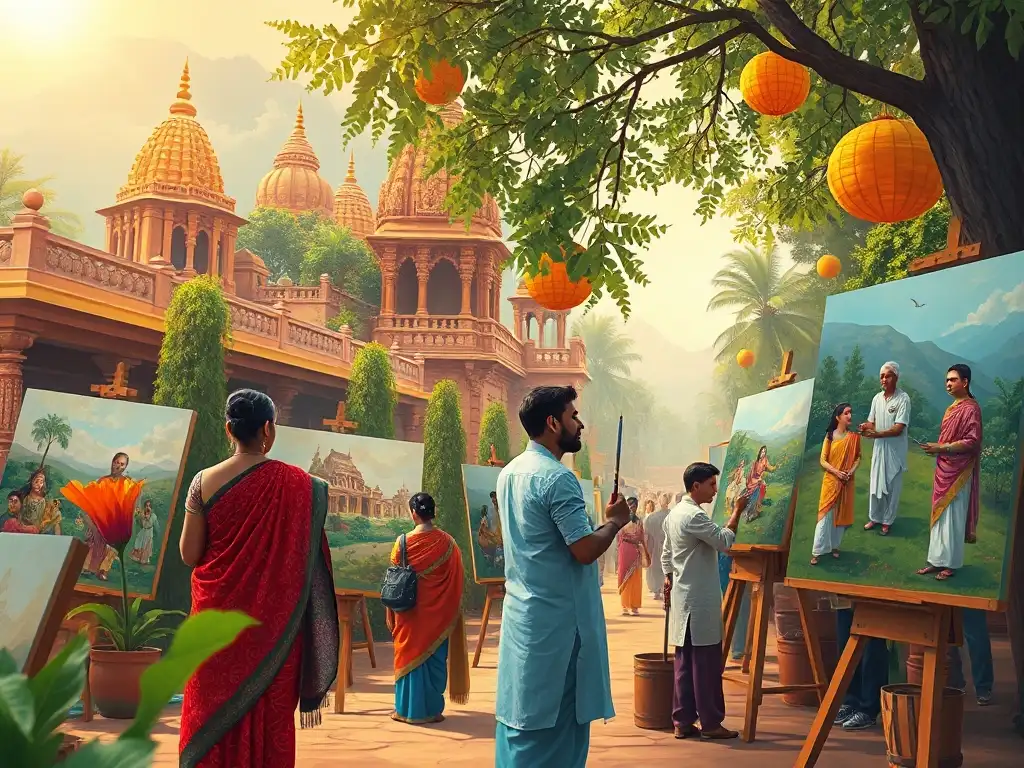
Indian art storytelling techniques have significantly influenced contemporary artists, encouraging them to draw from traditional narratives while exploring new forms of expression. This blend of old and new has resulted in a vibrant art scene that honors heritage while fostering innovation.
Reviving Traditional Techniques in Modern Art
Many contemporary artists are reviving traditional storytelling techniques to create works that resonate with today's audience. For example, artist Rina Banerjee incorporates elements of Indian folk art into her mixed-media installations, using storytelling to address themes such as identity and migration. By blending traditional methods with contemporary materials, she creates a dialogue between past and present, allowing viewers to engage with the narratives in new ways.
Additionally, artists like Subodh Gupta utilize traditional Indian motifs and techniques in their sculptures, which often reflect on urbanization and globalization. His works tell stories of transition and transformation, bridging the gap between rural and urban experiences. By incorporating storytelling into their creations, these artists not only preserve traditional techniques but also make them relevant in a modern context.
How Indian Art Storytelling Influences Global Art Trends
The storytelling techniques inherent in Indian art have begun to influence global art trends, inspiring artists worldwide to explore narrative-driven works. The emphasis on storytelling has encouraged a more inclusive approach to art, where personal and collective narratives are woven into the fabric of contemporary practice.
Events like the India Art Fair showcase works that emphasize storytelling, attracting international attention. Artists from diverse backgrounds are now exploring narrative techniques, drawing inspiration from Indian art forms. This cross-pollination of ideas fosters a global appreciation for storytelling in art, leading to the emergence of new genres that blend cultural influences.
Moreover, the rise of digital art has opened new avenues for storytelling, allowing artists to incorporate multimedia elements and interactive features. This evolution reflects the timeless nature of storytelling, demonstrating that whether through traditional or modern forms, narratives will continue to captivate and engage audiences across the globe.
Conclusion: The Enduring Legacy of Indian Art Storytelling Techniques
The art of storytelling in Indian art forms is not merely a technique; it is an intrinsic aspect of the culture and identity of India. Through a variety of mediums, such as paintings, sculptures, and textiles, artists have conveyed complex narratives that encapsulate the spiritual, historical, and social fabric of Indian civilization. These storytelling techniques resonate through time, reflecting the values, beliefs, and experiences of ancient Indian society.
The enduring legacy of these techniques is evident in their continued influence on contemporary art. Modern artists draw inspiration from traditional storytelling methods, infusing their work with the rich symbolism and narrative depth that characterize ancient Indian art. As globalization brings diverse influences into the Indian artistic landscape, the foundational storytelling techniques remain relevant, adapting to contemporary themes while preserving their historical roots.
Summary of Key Points
- Historical Significance: Indian art storytelling techniques date back to ancient civilizations, with significant roots in the Indus Valley and evolving through various dynasties, including the Maurya and Gupta empires.
- Diverse Mediums: Storytelling is expressed in multiple forms, such as frescoes, miniatures, sculptures, and textiles, each offering unique narrative styles and cultural insights.
- Symbolism and Imagery: Rich symbolism is a hallmark of Indian storytelling in art, where colors, motifs, and characters convey deeper meanings and moral lessons.
- Cultural Identity: These techniques serve as a profound expression of cultural identity, preserving myths, legends, and historical events that define the Indian ethos.
- Contemporary Relevance: There is a resurgence of interest in traditional storytelling methods among modern artists, who blend ancient techniques with contemporary themes, ensuring their legacy continues.
The Future of Storytelling in Indian Art
The future of storytelling in Indian art looks promising as artists continue to explore new narratives while honoring traditional techniques. With advancements in technology, artists are beginning to experiment with digital mediums, video installations, and interactive art forms that invite viewers to engage with stories in innovative ways.
Moreover, the globalization of art provides an opportunity for cultural exchange, allowing Indian storytelling techniques to influence and be influenced by other artistic traditions. This fusion can lead to the emergence of hybrid forms that reflect a more diverse and interconnected world. As educational institutions and art communities promote awareness of Indian art history, there is a growing appreciation for the storytelling dimension in art, fostering a new generation of artists who are likely to innovate while staying rooted in their heritage.
References and Further Reading on Indian Art Storytelling Techniques
- "The Art of Indian Storytelling" by R. Rajan: A comprehensive analysis of narrative techniques used in Indian art forms.
- "Visual Narratives in Indian Art" by S. Gupta: A detailed exploration of how visual elements convey stories in various Indian art traditions.
- "Cultural Heritage and Contemporary Art" by L. Mehta: Discusses the evolution and preservation of storytelling techniques in modern Indian art.
- "The Symbolism in Indian Art" by A. Sharma: Focuses on the meaning behind symbols and motifs in Indian art and their role in storytelling.
- "Indian Miniature Painting: A Storytelling Tradition": by P. Kaur: Highlights the narrative aspects of miniature paintings and their historical significance.
- Introduction to Indian Art Storytelling Techniques
- Understanding Visual Narratives in Indian Art
- Historical Context of Indian Art Storytelling
- Key Indian Art Forms that Utilize Storytelling
- Techniques of Storytelling in Indian Art
- Case Studies of Prominent Indian Artworks
- Analysis of Famous Indian Murals and Their Stories
- Exploring the Narrative Depth in Indian Folk Art
- The Impact of Indian Art Storytelling on Contemporary Artists
- Conclusion: The Enduring Legacy of Indian Art Storytelling Techniques
- References and Further Reading on Indian Art Storytelling Techniques
Frequently Asked Questions
What are Indian art storytelling techniques?
Indian art storytelling techniques refer to the methods used in visual art to convey narratives and cultural themes through imagery, symbolism, and composition, often seen in ancient murals and sculptures.
How did storytelling influence ancient Indian art?
Storytelling played a significant role in ancient Indian art by providing a medium to depict myths, legends, and religious tales, allowing artists to communicate complex ideas and values visually.
What are some examples of visual narratives in Indian art?
Examples include the Ajanta Caves murals, which depict scenes from the Jataka tales, and the Madhubani paintings that illustrate local folklore and mythological stories.
How do cultural influences shape Indian storytelling in art?
Cultural influences such as religion, regional traditions, and historical events have shaped Indian storytelling in art by infusing various symbols and motifs, reflecting the diversity of the subcontinent's heritage.
Why is understanding storytelling in Indian art important?
Understanding storytelling in Indian art is important because it not only enhances appreciation for the aesthetic qualities but also provides insight into the values, beliefs, and historical contexts of ancient civilizations.
Final Reflection: The Enduring Power of Indian Art Storytelling Techniques
The art of storytelling in Indian art remains profoundly relevant today as it bridges the past with the present, captivating audiences through rich visual narratives. In an age dominated by rapid digital communication and fleeting attention spans, the intricate storytelling techniques found in Indian art remind us of the timeless power of narrative to evoke emotions, convey cultural heritage, and foster connections among diverse communities. The ability of these visual narratives to transcend language and cultural barriers is a striking testament to their enduring significance.
The influence of storytelling in Indian art extends far beyond the canvas; it shapes our cultural identity and collective memory. From ancient murals to contemporary installations, these narratives continue to inspire artists and audiences alike, fostering a deeper understanding of our shared humanity. As the renowned artist Anish Kapoor once said, Art is a language that speaks to the soul, transcending the limitations of words.
This observation underscores the importance of visual storytelling as a means of communication that resonates with people across generations and geographies.
As we reflect on the lessons of Indian art storytelling techniques, let us embrace the call to weave our own narratives into the fabric of our lives. Consider how you can harness the power of storytelling in your personal or professional journey, whether through art, writing, or everyday interactions. By sharing our stories and honoring the stories of others, we contribute to a richer, more vibrant world that celebrates diversity and fosters understanding. Let us carry forward the legacy of storytelling, ensuring that it continues to captivate and inspire future generations.
Unveil the Magic of Indian Storytelling!
Thank you for taking the time to explore the enchanting world of storytelling in Indian art. You’ve unlocked insights into how these visual narratives captivate hearts and minds. Now, let’s keep that momentum going! Here’s how you can deepen your connection to this fascinating subject:
- Dive Deeper: Select a piece of Indian art that resonates with you and research its story. Discover its historical context and the narratives intricately woven into its design.
- Share Your Insights: Join our community to share your thoughts! Post about your favorite visual narrative on social media and tag us to spark a conversation.
- Learn the Craft: Consider participating in a workshop or an online course focused on storytelling through art. Enhance your skills and help share the rich tradition of Indian storytelling with others.
How has a piece of Indian art inspired your own storytelling journey? We invite you to share your experiences with us!