
The Transformation of Indian Architecture: From Ancient to Modern

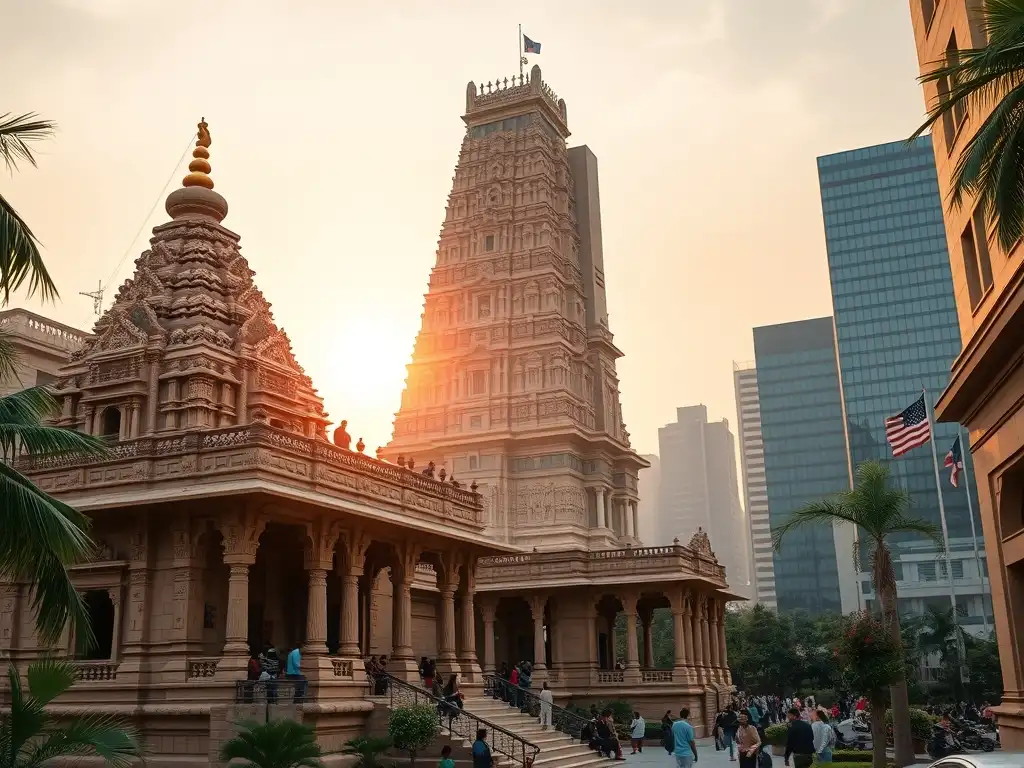
Welcome to Ancient India History, where we embark on a journey through time to uncover the rich tapestry of India's past. In today’s feature, we delve into the fascinating historical evolution of Indian architecture, tracing its remarkable transformation from the awe-inspiring structures of the Indus Valley to the majestic grandeur of the Gupta Empire.
Each era and every monument tells a story, inviting you to explore the intricate designs and cultural significance that have shaped India's architectural legacy. Prepare to be captivated as we unravel the mysteries of this ancient art form – your adventure into the world of Indian architecture awaits!
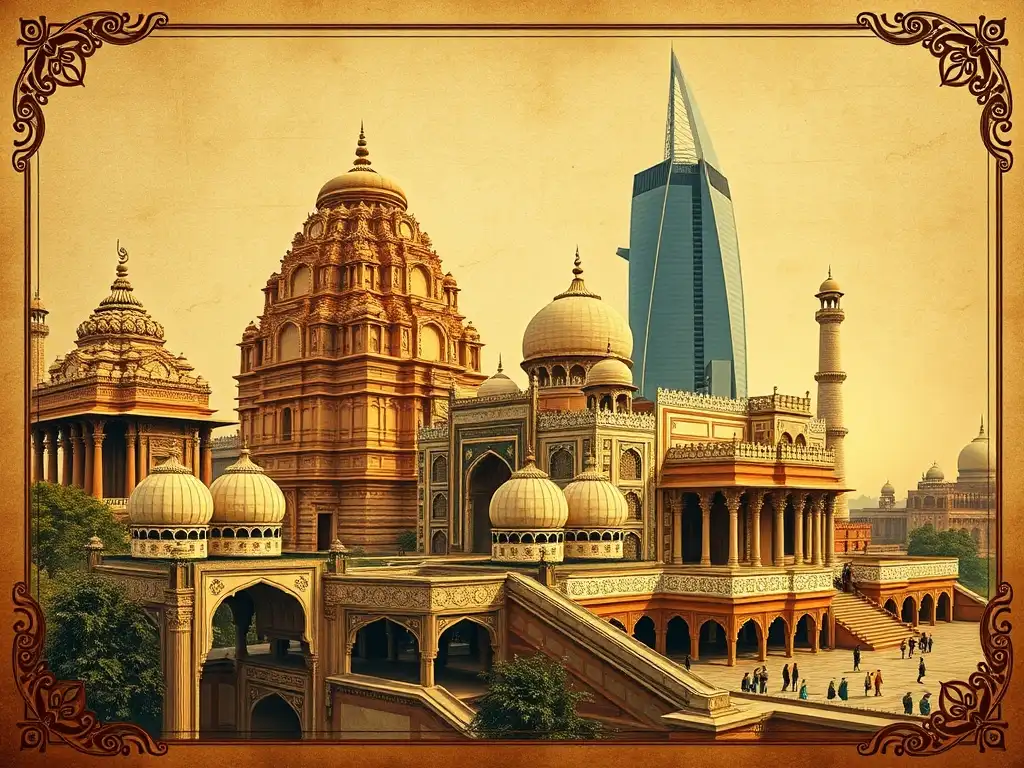
Indian architecture has undergone a remarkable transformation over the centuries, reflecting the dynamic cultural, religious, and historical contexts that shaped it. From the meticulously planned urban layouts of the Indus Valley Civilization to the intricate stone carvings of the Gupta Empire and the majestic structures of modern India, the evolution of Indian architecture is a testament to the ingenuity and creativity of its people.
This article delves into the historical evolution of Indian architecture, examining its defining characteristics, key features, and significant milestones that mark its journey from ancient times to the present day. By exploring these facets, we aim to uncover the rich tapestry of influences that have shaped Indian architectural heritage.
Understanding Indian Architecture Historical Evolution
The historical evolution of Indian architecture encompasses a wide range of styles, techniques, and materials, each reflecting the socio-political and cultural milieu of its time. This evolution can be categorized into various periods, each characterized by distinctive architectural features and philosophies. Understanding this evolution is crucial for appreciating the depth and diversity of Indian architecture.
Defining Indian Architecture and Its Importance
Indian architecture can be defined as the art and science of designing and constructing buildings and structures that are uniquely reflective of the Indian ethos. It extends beyond mere aesthetics, encompassing cultural, spiritual, and practical dimensions. The importance of Indian architecture lies in its ability to convey the values, beliefs, and aspirations of the society it represents.
- Cultural Significance: Each architectural style tells a story of the people, their traditions, and their interactions with the environment.
- Spiritual Expression: Many structures, especially temples, are designed to facilitate spiritual experiences, embodying the principles of various faiths.
- Technological Innovation: The evolution of architectural techniques in India showcases advancements in engineering, materials, and design philosophy.
Key Features of Indian Architectural Styles
Indian architecture is marked by a blend of regional styles and influences, resulting in a rich diversity of forms. Some key features include:
- Use of Local Materials: Different regions utilized available materials such as sandstone, granite, and brick, which influenced architectural styles.
- Intricate Ornamentation: Many structures exhibit detailed carvings, sculptures, and frescoes that depict religious narratives and cultural motifs.
- Symmetrical Layouts: A common characteristic of temple architecture, often designed to reflect cosmic order and harmony.
- Integration with Nature: Traditional designs often harmonize with the surrounding landscape, emphasizing a connection to nature.
Ancient Indian Architecture
The foundations of Indian architecture were laid during ancient times, with significant developments occurring across various civilizations. This section explores two pivotal eras in ancient Indian architecture.
The Indus Valley Civilization: Foundations of Indian Architecture
The Indus Valley Civilization (circa 3300–1300 BCE) is recognized for its groundbreaking urban planning and architectural sophistication. Key features include:
- Urban Planning: Cities like Mohenjo-Daro and Harappa were meticulously planned with grid layouts, advanced drainage systems, and standardized brick sizes.
- Public Structures: The Great Bath of Mohenjo-Daro exemplifies the significance of communal spaces and possibly ritualistic practices.
- Residential Architecture: Houses were built with baked bricks, featuring flat roofs and courtyards, reflecting an understanding of local climatic conditions.
Vedic and Early Hindu Architecture
Following the decline of the Indus Valley Civilization, Vedic culture emerged (circa 1500 BCE), leading to the development of early Hindu architecture. This period saw the construction of:
- Wooden Structures: Early Hindu architecture primarily utilized wood, with temples and homes showcasing intricate carvings and religious symbols.
- Stone Temples: As stone became more accessible, the construction of temples began, marking a significant shift in architectural practices. The emergence of the shikhara and vimana styles defined temple architecture, reflecting the spiritual aspirations of the society.
The evolution of Indian architecture is a journey through time, revealing the artistic and cultural richness of ancient Indian civilizations. As we delve deeper into subsequent periods, we will uncover how these foundations laid the groundwork for the diverse architectural styles that followed.
Medieval Indian Architecture
Medieval Indian architecture represents a significant period in the historical evolution of Indian architecture, characterized by the amalgamation of various cultural influences, particularly during the rise of Islamic rule in the subcontinent. This era, spanning from the 8th to the 18th century, saw the emergence of grand structures, intricate designs, and the introduction of new building techniques that shaped the architectural landscape. The use of stone, brick, and mortar became more prominent, leading to the construction of monumental forts, palaces, and mosques.
The architectural styles during this period were deeply influenced by the socio-political context, religious beliefs, and local traditions. Notably, the construction of temples, forts, and tombs showcased a blend of indigenous styles and new influences brought by various dynasties such as the Cholas, Pallavas, Mughals, and others. This architectural phase was marked by regional styles, reflecting the unique characteristics of different areas across India.
The Advent of Islamic Architecture in India
The arrival of Islamic architecture in India, beginning with the establishment of the Delhi Sultanate in the 12th century, marked a profound transformation in the architectural landscape of the subcontinent. Islamic architecture in India is distinguished by its unique features, such as the use of domes, arches, and intricate geometric patterns, which were a departure from traditional Hindu temple architecture.
Key examples of this architectural style include the Quwwat-ul-Islam Mosque and the subsequent construction of the Qutub Minar in Delhi, which reflect the grandeur of Islamic architectural principles. The Mughal Empire further elevated this style, with iconic structures such as the Taj Mahal, which embodies the perfect synthesis of Persian, Islamic, and Indian architectural elements. The use of white marble and intricate inlay work in the Taj Mahal signifies the peak of Mughal architectural brilliance, showcasing the influence of Islamic aesthetics in Indian architecture.
Regional Variations in Medieval Architecture
Medieval Indian architecture is not monolithic; it exhibits remarkable regional variations that reflect local traditions, materials, and cultural influences. Each region developed its own architectural identity, influenced by its historical context and climatic conditions.
- North India: The Indo-Islamic architecture flourished here, characterized by grand mosques and tombs. The Mughal architecture, with its emphasis on symmetry and gardens, is particularly notable.
- South India: The Dravidian style dominated, evident in the towering temple gopurams (gateway towers) and intricate carvings of temples like those in Hampi and Thanjavur.
- West India: The blend of Hindu and Islamic styles is evident in the architecture of Gujarat and Rajasthan, where step-wells and palatial structures highlight the region's rich heritage.
- East India: The temple architecture of Bengal, with its distinctive terracotta embellishments, showcases a unique regional style, while the influence of Buddhist architecture is evident in Odisha's temples.
These regional variations not only reflect the diversity of Indian culture but also illustrate the adaptability of architectural practices to local contexts.
Colonial Influence on Indian Architecture

The colonial period brought about a significant transformation in Indian architecture, as European powers established their presence in India. This era introduced new architectural styles and building techniques that would leave a lasting impact on the architectural landscape of the country.
Colonial architecture in India is characterized by the fusion of European styles with local traditions, resulting in a unique architectural identity. The introduction of new materials, such as iron and glass, along with Western design principles, reshaped the way structures were built and perceived in the Indian context.
British Colonial Architecture in India
British colonial architecture in India is often associated with grand public buildings, railway stations, and bungalows that reflect the power dynamics of the colonial era. Styles such as Indo-Saracenic, which combined Gothic, Roman, and Indian elements, became popular during this time.
Noteworthy examples include the Victoria Memorial in Kolkata, which embodies a blend of Indian and European architectural styles, and the Chhatrapati Shivaji Terminus in Mumbai, a UNESCO World Heritage Site showcasing the Indo-Saracenic style. These structures often featured large domes, pointed arches, and ornate detailing that symbolized British authority while also paying homage to Indian craftsmanship.
Impact of Colonialism on Traditional Architectural Practices
The impact of colonialism on traditional architectural practices in India was profound and multifaceted. While colonial architecture introduced new styles and building techniques, it often overshadowed indigenous practices and led to a decline in traditional craftsmanship.
- Loss of Patronage: Traditional artisans faced a decline in patronage as colonial rulers favored Western styles, leading to a gradual erosion of traditional architectural knowledge and skills.
- Cultural Displacement: The imposition of colonial architectural styles often disregarded local customs and practices, resulting in a cultural displacement that affected community identities.
- Revival Movements: In response to colonial influence, there was a resurgence of interest in traditional architecture during the late 19th and early 20th centuries, as Indian nationalists sought to reclaim cultural heritage. This revival emphasized the importance of indigenous architectural styles and craftsmanship.
Overall, the colonial period significantly altered the trajectory of Indian architecture, blending historical evolution with modern influences that continue to shape the architectural identity of India today.
Modern Indian Architecture
Modern Indian architecture represents a fascinating blend of traditional Indian elements and contemporary design principles. Emerging primarily in the 20th century, this architectural movement marks a significant departure from the historical styles that defined earlier periods. Modern Indian architecture incorporates international styles while remaining deeply rooted in the cultural and climatic contexts of India. Prominent figures, such as Charles Correa, B.V. Doshi, and Raj Rewal, played crucial roles in shaping this evolution by combining local materials, techniques, and sensibilities with modernist ideas.
The advent of independence in 1947 brought with it a renewed focus on national identity, influencing architects to design structures that reflect India's diverse heritage. From iconic government buildings to rural housing projects, modern architecture in India aims to address social and environmental issues while embracing innovation. Streetscapes, urban planning, and public spaces have also transformed, reflecting the aspirations of a rapidly changing society.
Post-Independence Architectural Movements
Post-independence India witnessed several architectural movements that aimed to establish a distinct national identity. The need to create a modern state while honoring traditional values led to the development of various architectural styles. One significant movement was the Indian Brutalism of the 1960s and 70s, characterized by raw concrete and bold forms. This style became prominent in institutional buildings, such as the National Institute of Fashion Technology in New Delhi.
Another important trend was the Regionalism Movement, which emphasized the use of local materials and climate-responsive designs. Architects like B.V. Doshi integrated vernacular architecture into modern forms, creating buildings that resonate with local contexts. The Sustainable Architecture Movement also gained momentum, focusing on environmental harmony and energy efficiency, as seen in projects like the Eco-Sensitive Habitat in Ahmedabad.
Contemporary Trends in Indian Architecture
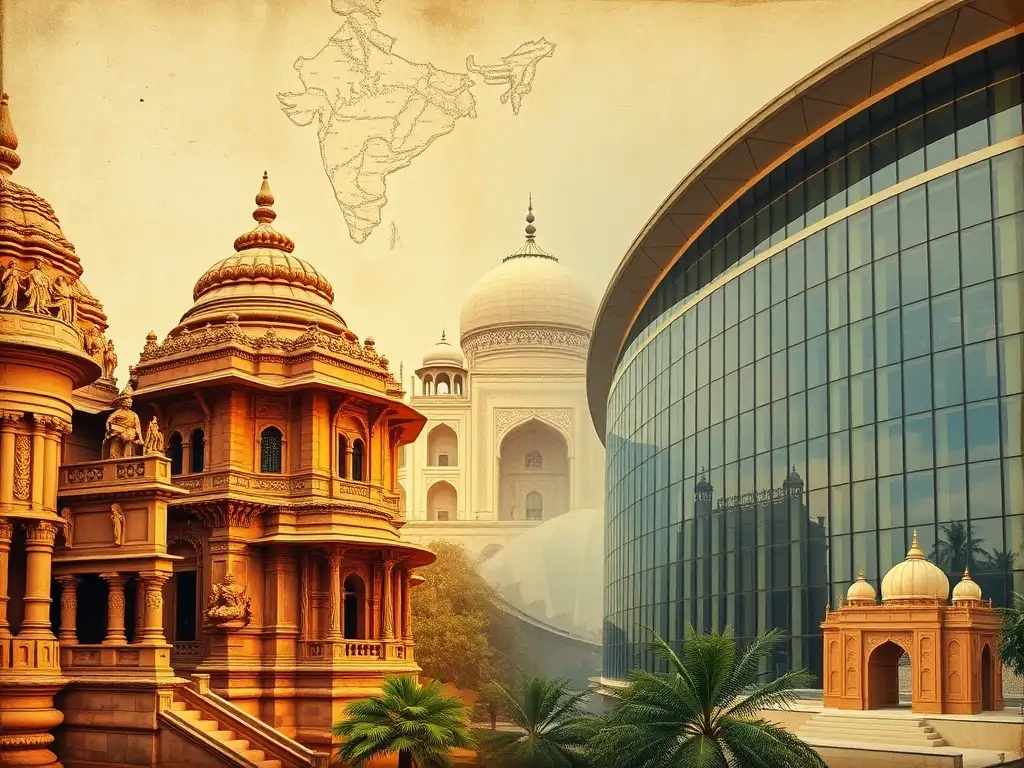
Contemporary Indian architecture is marked by several trends that reflect the dynamic socio-economic landscape of the country. Sustainability has become a cornerstone of modern design, with architects increasingly utilizing renewable materials and energy-efficient technologies. High-rise residential complexes and mixed-use developments often prioritize green spaces and communal areas to foster community interactions.
Urbanization has also influenced architectural practices. Rapid urban growth has led to innovative solutions for housing, infrastructure, and public amenities. Architects are exploring smart city concepts, integrating technology with urban design to enhance functionalities and improve the quality of life.
Additionally, the resurgence of cultural motifs and local craftsmanship in contemporary architecture pays tribute to India's artistic heritage. Projects like the Sabarmati Riverfront Development in Ahmedabad reflect this blend, showcasing modern design while preserving cultural identity.
The Future of Indian Architecture
The future of Indian architecture appears poised for exciting transformations, driven by both technological advancements and a renewed appreciation for tradition. As the country faces pressing challenges such as climate change and urbanization, architects are exploring innovative solutions that harmonize modern needs with historical contexts.
Reviving Ancient Techniques and Styles
An intriguing aspect of future Indian architecture is the revival of ancient techniques and styles. Builders are increasingly recognizing the benefits of traditional methods, such as rammed earth construction and jaali work, which promote natural ventilation and thermal comfort. These techniques not only enhance sustainability but also connect modern structures to India's rich architectural heritage.
Projects that incorporate ancient styles, like the use of courtyards and verandahs, are becoming more common, reflecting a desire to create spaces that foster social interaction and community living. By blending ancient wisdom with contemporary practices, architects aim to craft environments that resonate with the cultural and climatic realities of India.
The Role of Technology in Shaping Future Architectures
Technology is set to play a pivotal role in shaping the future of Indian architecture. The integration of Building Information Modeling (BIM), 3D printing, and smart materials is revolutionizing design and construction processes. These innovations allow for greater precision, efficiency, and customization, enabling architects to realize complex designs that were previously unattainable.
Moreover, the rise of smart home technologies and IoT (Internet of Things) devices is transforming how spaces are designed and utilized. Indian architects are beginning to incorporate these technologies into residential and commercial projects, promoting efficiency and sustainability. As these trends evolve, the future of Indian architecture promises to be an exciting fusion of tradition and modernity, reflecting the nation's unique identity and aspirations.
Conclusion: The Continuous Evolution of Indian Architecture
The evolution of Indian architecture is a testament to the rich and multifaceted history of the subcontinent. From the intricately planned cities of the Indus Valley Civilization to the monumental temples of the Gupta period, and beyond to the Mughal palaces and modern structures, Indian architecture has continually adapted, reflecting the cultural, religious, and societal changes throughout the ages. This continuous transformation underscores not just the aesthetic developments but also the technological advancements and philosophical shifts that have shaped the built environment in India.
As we look at the trajectory of Indian architecture, it becomes evident that each era contributed unique styles and forms. The fusion of indigenous techniques with influences from various invaders and traders has resulted in a tapestry of architectural expressions. This historical evolution serves as a mirror to the changes in lifestyle, governance, and spirituality of the Indian populace, showcasing how architecture is not merely about structures but about the narratives they encapsulate.
Reflection on Historical Significance
The historical significance of Indian architecture lies in its ability to convey the socio-cultural ethos of various periods. Each architectural style, whether it be the Buddhist stupas, Hindu temples, or Islamic mosques, embodies the values, beliefs, and artistic sensibilities of the time. For instance, the grandeur of the Brihadeeswarar Temple reflects the power and devotion of the Chola dynasty, while the intricate jali work of Mughal architecture symbolizes a blend of functionality and beauty, providing both ventilation and a sense of privacy.
Moreover, architecture in ancient India was not just about aesthetics; it was also deeply intertwined with cosmology and spirituality. Structures were often designed with astronomical alignments or symbolic motifs that connected the earthly realm with the divine. This illustrates how architecture served as a medium for expressing religious narratives and cultural identity, thereby playing a critical role in the daily lives of the people.
The Ongoing Journey of Indian Architectural Identity
Today, Indian architecture continues its journey of evolution, embracing contemporary styles while honoring its historical roots. As cities modernize and urbanization accelerates, architects are tasked with creating spaces that reflect both global influences and local traditions. This ongoing journey is characterized by a dynamic interplay between old and new, where traditional materials and techniques are integrated with modern design philosophies.
The rise of sustainable architecture in India also highlights the importance of ecological considerations in the design process. Architects are increasingly drawing inspiration from vernacular practices and indigenous knowledge systems, which not only promote sustainability but also celebrate the rich architectural heritage of the region. This blending of tradition with innovation ensures that Indian architecture remains relevant and resilient in the face of globalization and climate change.
The historical evolution of Indian architecture is a continuous narrative that not only reflects the past but also shapes the future. As we move forward, it is imperative to acknowledge and preserve the unique architectural identity of India, ensuring that it continues to inspire generations to come.
- Understanding Indian Architecture Historical Evolution
- Ancient Indian Architecture
- Medieval Indian Architecture
- Colonial Influence on Indian Architecture
- Modern Indian Architecture
- Post-Independence Architectural Movements
- Contemporary Trends in Indian Architecture
- The Future of Indian Architecture
- Conclusion: The Continuous Evolution of Indian Architecture
- What are the key periods in Indian architecture's historical evolution?
- How did the Indus Valley Civilization influence Indian architecture?
- What are some notable features of Gupta architecture?
- How did colonialism impact Indian architectural styles?
- What is the significance of modern architecture in India today?
Frequently Asked Questions
What are the key periods in Indian architecture's historical evolution?
The key periods include the Indus Valley Civilization, Mauryan Empire, Gupta Empire, and the medieval era, each showcasing distinct architectural styles and advancements.
How did the Indus Valley Civilization influence Indian architecture?
The Indus Valley Civilization is known for its well-planned cities, advanced drainage systems, and the use of burnt bricks, laying a foundational influence on subsequent architectural practices.
What are some notable features of Gupta architecture?
Gupta architecture is characterized by the use of intricate carvings, the introduction of temples with shikhara (spires), and the development of Buddhist stupas, reflecting a blend of religious and artistic expression.
How did colonialism impact Indian architectural styles?
Colonialism introduced European styles and elements, leading to a unique fusion of Indian and Western architecture, evident in structures like Victoria Terminus and government buildings in major cities.
What is the significance of modern architecture in India today?
Modern architecture in India reflects global influences while integrating traditional elements, showcasing the dynamic evolution of Indian architecture and its response to contemporary needs and aesthetics.
Final Reflection: Embracing the Evolution of Indian Architecture
The historical evolution of Indian architecture is not just a tale of bricks and mortar; it is a profound narrative that reflects the cultural, spiritual, and technological transformations of a civilization. Today, as we stand at the crossroads of tradition and modernity, the lessons drawn from this evolution resonate more than ever. The architectural marvels of ancient India serve as a reminder of our rich heritage and the enduring values that continue to shape our identity in an increasingly globalized world.
The impact of Indian architecture extends far beyond its physical structures; it influences our social fabric and cultural identity. From the intricate carvings of ancient temples to the sleek lines of contemporary buildings, each style tells a story of adaptation and resilience. As we navigate the complexities of modern life, we can draw inspiration from the words of renowned architect Charles Correa: Architecture is not just about buildings; it is about the people who inhabit them.
This perspective invites us to consider how our built environment can foster community, creativity, and a sense of belonging.
As you reflect on the transformation of Indian architecture, I encourage you to explore how these historical lessons can inform your own life and surroundings. Consider how you can incorporate elements of this rich architectural heritage into your daily experiences, whether through mindful design choices in your home, supporting local artisans, or advocating for sustainable practices in urban development. By embracing the wisdom of the past, we can create spaces that not only honor our history but also inspire future generations to continue this journey of transformation.
Unveil the Future of Indian Architecture
Thank you for joining us on this journey through the fascinating evolution of Indian architecture! You’ve gained valuable insights into how ancient traditions have shaped modern design, and now it’s time to take your interest to the next level.
Here are some actionable steps that you can take right now:
- Explore local architectural gems: Visit nearby historical sites or contemporary buildings that showcase the rich tapestry of Indian architecture, and appreciate their artistry and cultural significance.
- Join an architecture-focused community: Connect with fellow enthusiasts online or in-person to share ideas, insights, and experiences regarding architectural influences across the diverse landscape of India.
- Dive deeper: Read books or watch documentaries focused on specific architectural styles to expand your understanding and appreciation of this unique field.
Now, we’d love to hear from you! What aspect of Indian architecture inspires you the most, and how do you envision it influencing future designs? Share your thoughts in the comments below!