
Celebrating Festivals Through Art: How Culture Inspires Creativity

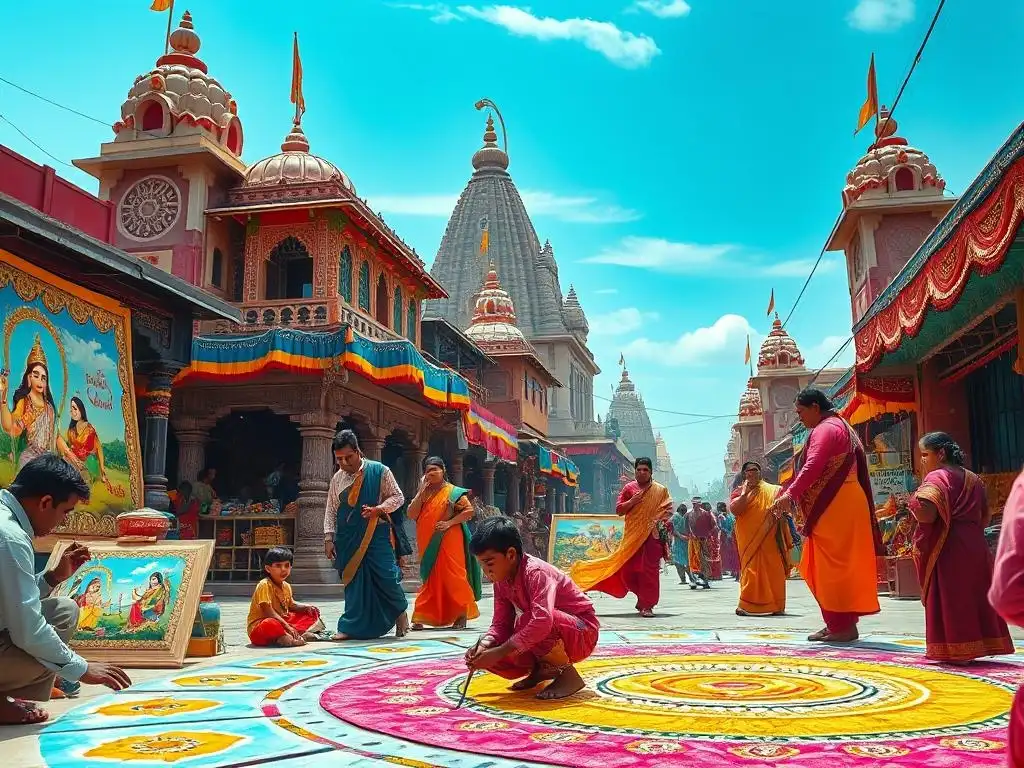
Welcome to Ancient India History, where we embark on a fascinating journey through the vibrant tapestry of ancient Indian civilizations. Here, you’ll uncover the profound connections between Ancient Indian festivals and art, revealing how these celebrations inspire creativity and reflect the rich cultural heritage that has shaped our world. From the intricate designs of festival motifs to the philosophical underpinnings of artistic expression, each element tells a story waiting to be explored. Dive in to discover how the spirit of ancient festivals continues to influence art today, and let your curiosity guide you through the wonders of India's past!
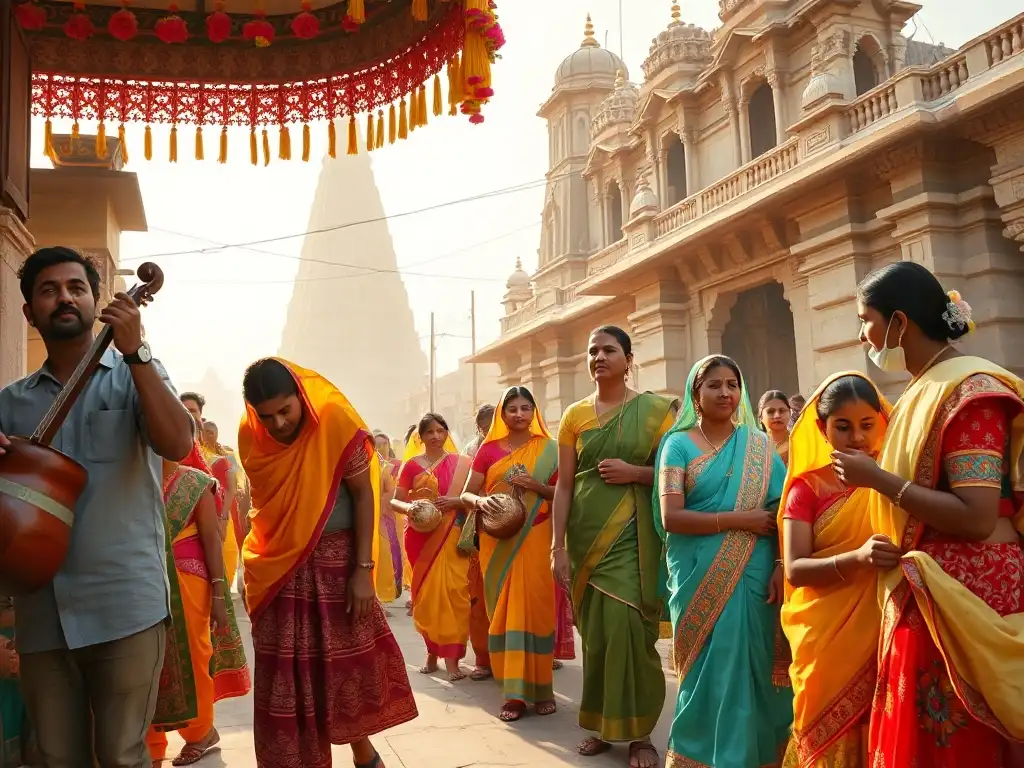
Introduction to Ancient Indian Festivals and Art
Ancient India is a tapestry woven from countless threads of culture, tradition, and artistic expression, where festivals serve as vibrant focal points that bring communities together in celebration. The multifaceted nature of ancient Indian festivals is not only a reflection of religious beliefs but also an embodiment of the rich artistic heritage that has flourished through millennia.
From the colorful festivities of Holi to the illuminating nights of Diwali, each festival presents a unique opportunity to witness the profound interplay between culture and creativity. As we delve into this exploration, we will uncover how these festivals have inspired various forms of art, ranging from intricate paintings and sculptures to traditional dance and music.
The Significance of Festivals in Ancient Indian Culture
Festivals in ancient India were pivotal to societal cohesion, offering a time for communal harmony and spiritual reflection. They played a significant role in:
- Religious Practices: Many festivals were rooted in mythology, celebrating the triumph of good over evil, the changing seasons, or agricultural cycles.
- Cultural Identity: Each festival contributed to the unique cultural identity of different regions, fostering a sense of belonging among communities.
- Artistic Expression: Festivals provided a platform for artistic expression, where various art forms flourished as expressions of devotion, joy, and creativity.
This rich tapestry of significance highlights how culture and festivals are interlinked, inspiring generations of artists throughout ancient history.
Overview of Art Forms Inspired by Festivals
The artistic expressions inspired by ancient Indian festivals are as diverse as the festivals themselves. Notable art forms include:
- Mural Painting: Many temples and homes were adorned with murals depicting scenes from festivals, capturing their vibrancy and significance.
- Dance and Music: Traditional dances, often performed during festivals, are accompanied by music that narrates the stories and myths related to the celebrations.
- Crafts and Decorations: Artisans create intricate crafts, such as rangoli (colorful floor decorations) and handcrafted idols, which are integral to the festive atmosphere.
These art forms not only celebrate the festivals but also preserve the cultural narratives that have been passed down through generations.
Major Ancient Indian Festivals and Their Artistic Expressions
Diwali: The Festival of Lights and Its Artistic Heritage
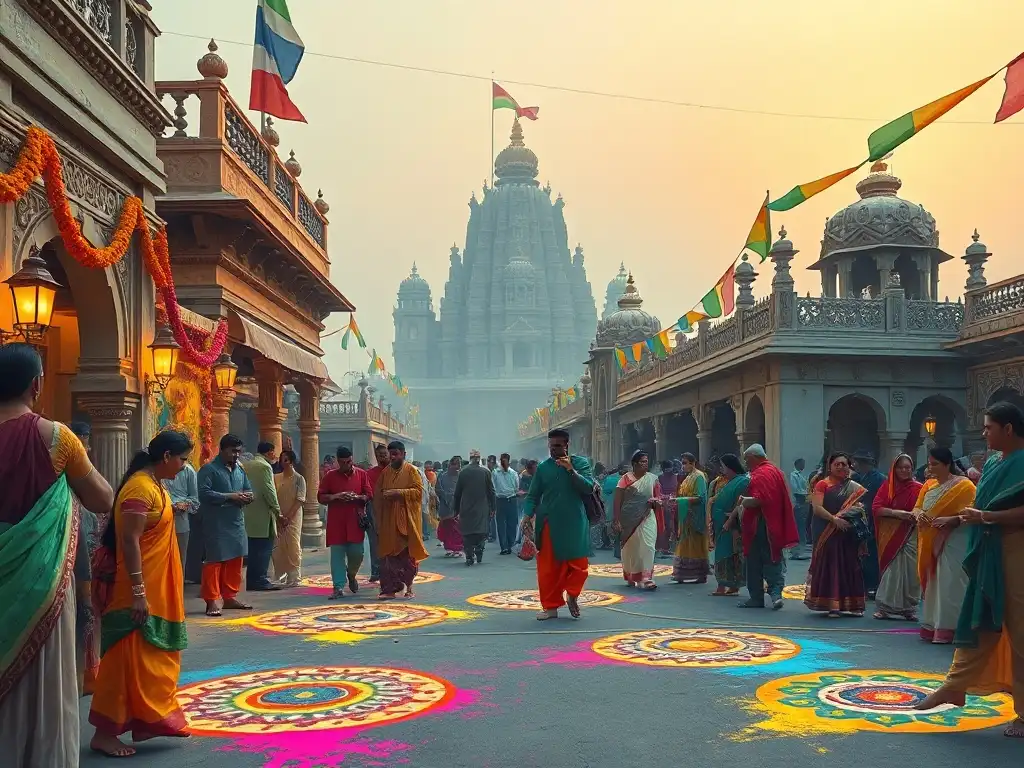
Diwali, known as the Festival of Lights, symbolizes the victory of light over darkness. This festival is marked by the creation of:
- Diyas: Small oil lamps that illuminate homes and public spaces.
- Rangoli: Elaborate floor designs made with colored powders, rice, and flowers, showcasing artistic creativity.
- Fireworks: Colorful displays that light up the night sky, representing joy and celebration.
The artistic heritage of Diwali reflects a deep connection to cultural beliefs and practices, making it a significant event in ancient Indian history.
Holi: Color and Creativity in Ancient Indian Art
Holi, the festival of colors, is celebrated with exuberance and enthusiasm, showcasing a wide array of artistic expressions:
- Colorful Powders: The vibrant powders used during Holi symbolize the arrival of spring and the joy of life.
- Traditional Songs and Dances: Folk songs and dances performed during the celebrations are infused with creativity, narrating the tales of divine love and friendship.
- Artistic Crafts: Decorative items and traditional attire often feature colorful motifs that reflect the spirit of the festival.
The artistic manifestations of Holi encapsulate the essence of joy, love, and togetherness in ancient Indian culture.
Navaratri: Dance, Music, and Visual Arts Celebration
Navaratri, a nine-night festival dedicated to the worship of the goddess Durga, showcases a rich array of artistic forms:
- Garba and Dandiya Raas: These traditional dance forms are performed in vibrant costumes, celebrating femininity and strength.
- Visual Arts: Temples and homes are adorned with intricate decorations and paintings dedicated to the goddess.
- Musical Performances: Folk music plays a crucial role, enhancing the festive spirit and encouraging community participation.
Navaratri represents a harmonious blend of devotion and artistic creativity, reflecting the values of ancient Indian society.
Raksha Bandhan: Artistic Traditions of Bonding and Protection
Raksha Bandhan is a festival celebrating the bond between brothers and sisters, rich in artistic traditions:
- Rakhi: The handwoven thread or bracelet symbolizes love and protection, often embellished with intricate designs.
- Decorative Thalis: The thali (plate) used for the ritual is beautifully decorated, showcasing the artistry of the region.
- Celebratory Gifts: Presents exchanged during Raksha Bandhan often include handmade crafts, reflecting the personal touch of art.
The artistic traditions associated with Raksha Bandhan highlight the significance of familial bonds and the cultural values embedded in ancient Indian society.
Art Forms Linked to Ancient Indian Festivals
Ancient Indian festivals are not just celebrations of cultural and religious significance; they are also vibrant expressions of art that reflect the rich tapestry of Indian civilization. Various art forms have evolved over the centuries, intertwining with the festivals and enhancing their cultural narratives. From painting to sculpture, and from music to dance, each art form contributes uniquely to the festive atmosphere, creating a holistic experience that encapsulates the essence of these celebrations.
These art forms serve as a medium for storytelling, embodying the values, beliefs, and traditions that define ancient Indian society. Through intricate designs, melodious tunes, and rhythmic movements, artists and performers convey deep spiritual meanings and social messages that resonate with the community. Understanding the interplay between festivals and art forms reveals not only the creativity of ancient Indian civilization but also its profound connection to cultural identity.
Traditional Painting Styles and Their Festival Themes
Traditional Indian paintings are rich in symbolism and often depict themes related to various festivals. Styles such as Madhubani, Warli, and Pattachitra are commonly associated with specific celebrations, showcasing the artistry and cultural narratives of the time.
- Madhubani Paintings: Originating from Bihar, these paintings are often created during festivals like Mithila and Teej. They depict scenes of nature, deities, and mythology, using vibrant colors and intricate patterns. The paintings serve as a visual representation of the stories behind the festivals, emphasizing the connection to fertility and the divine.
- Warli Art: This tribal art form from Maharashtra is characterized by its simple, monochromatic designs that depict daily life and rituals. Warli paintings often come alive during festivals like Diwali and Holi, where the community gathers to celebrate with traditional dances and feasts. The art reflects the harmony between humans and nature, celebrating the abundance of life.
- Pattachitra: Hailing from Odisha, Pattachitra paintings are known for their mythological narratives and intricate detailing. These artworks are prominently featured in festivals like Jagannath Puri Rath Yatra, where the stories of Lord Jagannath and his siblings are depicted through vibrant and elaborate designs.
These traditional painting styles not only beautify the surroundings during festivals but also serve as vessels of cultural heritage, preserving the stories and customs for future generations.
Sculpture and Architecture Inspired by Festivals
Sculpture and architecture are integral to the celebration of ancient Indian festivals, often serving as focal points for worship and communal gatherings. Temples and public spaces are adorned with sculptures that narrate mythological tales, creating a visual spectacle during festive occasions.
- Temple Sculptures: Many ancient Indian temples are adorned with intricate sculptures that depict scenes from Hindu epics like the Ramayana and Mahabharata. During festivals such as Navaratri and Dussehra, these temples become vibrant centers of worship, showcasing processions and rituals that honor the deities represented in the sculptures. The craftsmanship of the artisans not only reflects the technical skills of the time but also encapsulates the spiritual significance of the festivals.
- Architectural Styles: The architectural grandeur of ancient structures like the Brihadeeswarar Temple or the Khajuraho temples enhances the festive experience. During festivals, these places attract large gatherings, where the architectural beauty becomes a backdrop for various cultural performances, including music and dance. The interplay between architecture and festivity creates an immersive environment that deepens the communal experience.
Through their intricate details and thematic representations, sculptures and architecture celebrate the divine and the cultural ethos of ancient Indian festivals, inviting people to partake in their spiritual and artistic significance.
The Role of Music and Dance in Ancient Indian Festivals
Music and dance are vital components of ancient Indian festivals, serving as expressions of joy, devotion, and cultural identity. They create a vibrant atmosphere that enhances the festive spirit, drawing communities together in celebration. The rhythmic beats and melodic tunes often narrate stories and traditions, adding depth to the festival experience.
Classical Dance Forms and Their Festival Connections
Classical dance forms such as Bharatanatyam, Kathak, Odissi, and Kuchipudi are not only artistic expressions but also significant aspects of ancient Indian festivals. Each dance form is rich in storytelling, often conveying mythological themes that align with the festival's significance.
- Bharatanatyam: Originating from Tamil Nadu, Bharatanatyam is often performed during temple festivals. Dancers narrate mythological stories through intricate footwork and expressive gestures, embodying the divine characters of Hindu mythology. Festivals like Karthigai Deepam see grand performances that celebrate the triumph of light over darkness.
- Kathak: With its roots in North India, Kathak performances are common during festivals such as Holi and Diwali. The dance form's emphasis on storytelling and improvisation allows dancers to engage the audience, often depicting the playful interactions of Lord Krishna with his devotees.
- Odissi: This dance form from Odisha is frequently showcased during the Rath Yatra of Lord Jagannath. The movements are graceful and lyrical, reflecting the spiritual devotion associated with the festival.
These classical dance forms encapsulate the cultural narratives of ancient India, fostering a sense of community and reverence during festivals.
Folk Music and Instruments Associated with Festivals
Folk music plays an essential role in ancient Indian festivals, with regional variations reflecting the diversity of cultural traditions. Various instruments and vocal styles are employed to create a festive atmosphere that resonates with the spirit of celebration.
- Dhol and Tasha: These traditional percussion instruments are commonly used during festivals like Ganesh Chaturthi and Navratri. The rhythmic beats encourage community participation, with people dancing and celebrating together, fostering a sense of unity.
- Bhajans and Kirtans: Devotional songs sung during festivals often feature simple melodies that invite participation from all attendees. These musical forms are especially prominent during religious festivals, where the collective singing fosters a spiritual connection among participants.
- Regional Folk Songs: Each region of India has its unique folk traditions that come alive during festivals. For instance, the Garba dance and music are integral to Navratri celebrations in Gujarat. These vibrant performances not only entertain but also serve to pass down cultural stories and traditions.
Through their diversity and vibrancy, folk music and instruments play a pivotal role in enhancing the festive experience, promoting cultural continuity and community engagement during ancient Indian festivals.
Cultural Influence on Artistic Creativity
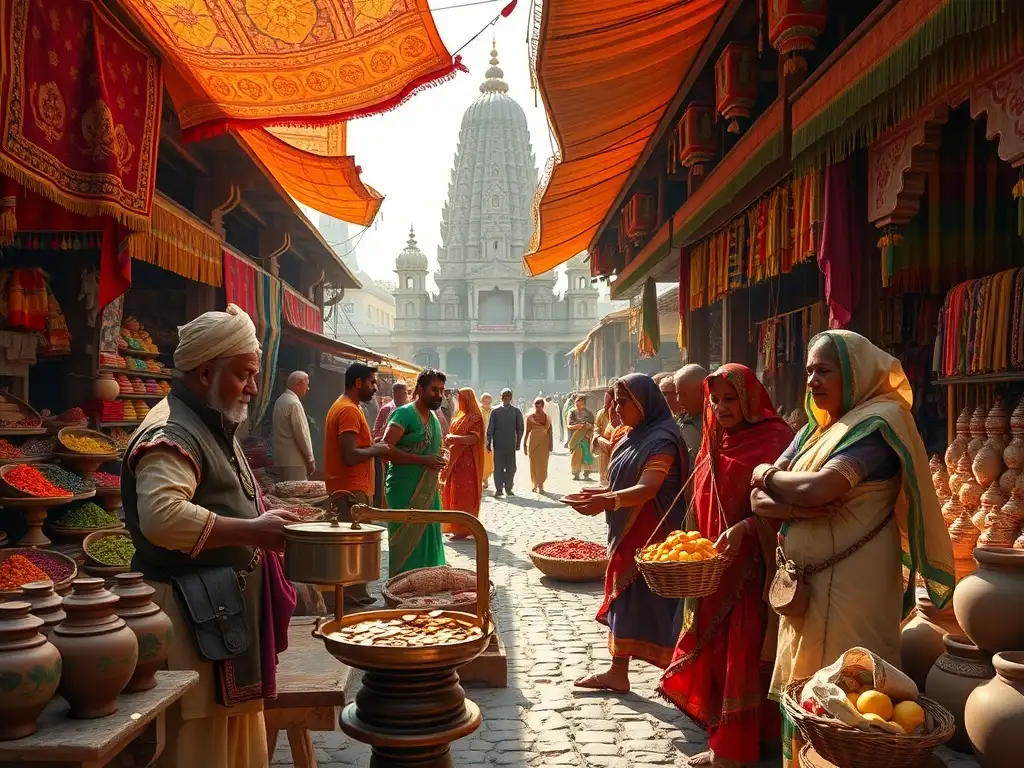
Ancient Indian festivals have played a pivotal role in inspiring and shaping artistic creativity throughout history. These celebrations, deeply rooted in cultural and religious beliefs, have provided a canvas for artists to express emotions, spirituality, and community values. The vibrant rituals and colorful ceremonies associated with festivals such as Diwali, Holi, and Navaratri have not only influenced traditional art forms but have also fostered a unique fusion of various artistic expressions.
Artists often draw from the rich symbolism and narratives embedded within these festivals, translating them into visual art, music, dance, and drama. The themes of renewal, joy, and community that characterize these festivals resonate across various mediums, allowing for a dynamic interplay between culture and creativity. This cultural influence is evident in the intricate designs of rangoli during Diwali, the vivid colors of Holi powder, and the elaborate attire worn during traditional dances.
How Ancient Indian Festivals Shaped Artistic Expression
Ancient Indian festivals have been instrumental in shaping artistic expression by serving as a source of inspiration for countless artists throughout the ages. Each festival encapsulates a wealth of stories, myths, and traditions that artists have translated into various art forms. For instance, the celebration of Durga Puja not only involves the creation of intricate clay idols but also inspires a multitude of visual arts, including paintings and sculptures that depict the narratives of the goddess Durga's triumph over evil.
The use of natural materials in festival decorations, such as flowers, leaves, and clay, has influenced traditional crafts like Madhubani and Warli painting. These art forms often incorporate motifs and symbols associated with the festivals themselves, creating a direct link between the celebration and the artistry. Furthermore, the performance arts, such as Kathak and Bharatanatyam, have evolved with the themes of these festivals, showcasing storytelling through movement and expressions that embody the spirit of the celebrations.
The Interplay Between Religion, Culture, and Art in Festivals
The interplay between religion, culture, and art in festivals is a defining aspect of ancient Indian civilization. Festivals often reflect the religious beliefs and cultural practices of the community, with art serving as a vital medium for expression. Temples, for instance, are adorned with exquisite carvings that depict stories from Hindu epics, merging spirituality with artistic talent. This artistic representation not only enhances the religious experience but also preserves the cultural heritage for future generations.
Moreover, the rituals performed during festivals often have artistic components, such as the singing of devotional songs and the recitation of sacred texts, which are integral to the celebrations. These performances require not only artistic skill but also a deep understanding of cultural context, blending spirituality with creativity. As a result, ancient Indian festivals have become a celebration of life, where art serves as a bridge connecting the divine with the earthly realm.
Modern Perspectives on Ancient Indian Festivals and Art
Ancient Indian festivals continue to inspire modern interpretations of art, reflecting both continuity and change in cultural expressions. Contemporary artists often revisit these traditional themes, reimagining them in innovative ways that resonate with current societal values and issues. This dialogue between the past and the present is vital in keeping the art forms alive and relevant.
Revival of Traditional Art Forms in Contemporary Celebrations
The revival of traditional art forms during contemporary celebrations of ancient Indian festivals is a testament to the enduring legacy of culture. Many artists and artisans are actively engaged in preserving age-old techniques, such as block printing, pottery, and textile weaving, often incorporating them into modern-day festive decor and attire. For example, during Diwali, contemporary designers may utilize traditional patterns and motifs in their clothing lines, merging ancient artistry with modern fashion trends.
Community initiatives and workshops aimed at educating the younger generation about these traditional art forms are also gaining momentum. By encouraging participation in the creation of festival decorations or artistic performances, these initiatives foster a sense of belonging and appreciation for cultural heritage.
The Influence of Ancient Festivals on Modern Indian Art
Modern Indian art is profoundly influenced by the themes and practices of ancient festivals. Artists often draw inspiration from the symbolism associated with these celebrations, embedding it within contemporary artworks. For instance, the use of vibrant colors and dynamic compositions in modern painting can often be traced back to the exuberance of festivals like Holi, where color symbolizes joy and unity.
Additionally, the fusion of traditional and contemporary art forms is evident in public art installations and performances that celebrate these festivals. Through this artistic dialogue, ancient festivals continue to shape the narrative of modern Indian art, ensuring that the cultural richness of the past remains an integral part of the contemporary artistic landscape. This evolution reflects the resilience of cultural heritage, showcasing how ancient traditions can inspire creativity in a modern context.
Conclusion
The interplay between ancient Indian festivals and art creates a vibrant tapestry that reflects the rich cultural heritage of the region. Festivals serve as a canvas for artistic expression, allowing communities to come together in celebration, remembrance, and creativity. Through various forms of art—be it painting, sculpture, dance, or music—these festivals have not only preserved traditions but have also adapted over time, demonstrating the dynamic nature of culture.
Art inspired by festivals offers insights into the beliefs, values, and social norms of ancient Indian civilizations. This continuous cycle of artistic expression during celebrations reinforces the importance of cultural identity and community cohesion. As we explore the legacy of these ancient practices, it becomes clear that they are not merely relics of the past but living traditions that continue to inspire contemporary artists and cultural enthusiasts alike.
The Enduring Legacy of Ancient Indian Festivals and Art
The legacy of ancient Indian festivals and art is profound, influencing not only the local communities but extending its reach to global audiences. Festivals such as Diwali, Holi, and Navratri are celebrated with great enthusiasm, and their associated art forms—like rangoli designs, intricate murals, and vibrant textiles—are a testament to the creativity that flourishes during these times.
These celebrations often incorporate storytelling through art, where myths and legends are depicted in various artistic styles. For instance, the depiction of divine figures in paintings or sculptures during festivals serves as both a form of worship and a means to educate the community about their cultural narratives. This fusion of spirituality and creativity is a hallmark of ancient Indian festivals, ensuring that the stories of the past remain relevant in the present.
Moreover, the influence of these festivals extends to various art forms, including dance, music, and theatre. Traditional performances often reenact mythological events, allowing participants and audiences to engage with their history in a meaningful way. The enduring nature of these practices highlights their role in fostering a sense of belonging and community, as they provide a platform for shared experiences and collective memory.
Encouraging Future Generations to Celebrate Culture Through Art
As we look to the future, it is vital to encourage younger generations to embrace their cultural heritage through the arts. Integrating art education that focuses on ancient Indian festivals can inspire creativity and a deeper understanding of one's roots. Schools and community programs can play a significant role in this by hosting workshops that teach traditional art forms tied to various celebrations.
Additionally, fostering an environment that appreciates cultural diversity can motivate children and young adults to explore and express their identities through art. By providing platforms for artistic expression, whether through local exhibitions or community festivals, we can spark interest in ancient traditions. This approach not only preserves heritage but also encourages innovation as new artists blend traditional motifs with contemporary styles.
Celebrating ancient Indian festivals through art is not just about preserving the past; it is about creating a vibrant future where cultural heritage continues to inspire and unite. By nurturing this connection, we can ensure that the beauty and significance of these ancient practices are celebrated for generations to come.
- Introduction to Ancient Indian Festivals and Art
- The Significance of Festivals in Ancient Indian Culture
- Overview of Art Forms Inspired by Festivals
- Major Ancient Indian Festivals and Their Artistic Expressions
- Art Forms Linked to Ancient Indian Festivals
- The Role of Music and Dance in Ancient Indian Festivals
- Cultural Influence on Artistic Creativity
- Modern Perspectives on Ancient Indian Festivals and Art
- Conclusion
Frequently Asked Questions
What are some major Ancient Indian festivals?
Major ancient Indian festivals include Diwali, Holi, and Navaratri, each celebrating different aspects of culture and spirituality through vibrant traditions and rituals.
How did art play a role in these festivals?
Art served as a medium to express devotion and celebrate themes of life, harvest, and mythology, with intricate paintings and sculptures often created to adorn places of worship during festivals.
What is the significance of artistic expressions in ancient festivals?
Artistic expressions during ancient festivals symbolize the rich cultural heritage of India, showcasing the creativity and spirituality of civilizations that shaped the social fabric of the time.
How did religion influence ancient Indian festivals and art?
Religion profoundly influenced ancient Indian festivals and art, as many festivals are rooted in mythological stories and deities, inspiring artistic representations in various forms like dance, music, and visual arts.
What contributions did the Gupta Empire make to festivals and art?
The Gupta Empire is often regarded as a golden age of art and culture, where festivals became more formalized, and literature, sculpture, and architecture flourished, enriching the celebration of traditions and beliefs.
Final Reflection: Embracing Culture Through Art in Ancient Indian Festivals
The vibrant tapestry of ancient Indian festivals and art continues to resonate powerfully in today's world. As we navigate a rapidly changing society, the timeless traditions and artistic expressions rooted in these festivals remind us of our shared humanity and cultural heritage. The interplay between celebration and creativity not only enriches our lives but also fosters a deeper understanding of our diverse backgrounds. In a time where cultural identity is often overshadowed, the revival of these ancient practices serves as a beacon of hope and inspiration.
Celebrating ancient Indian festivals through art has profoundly shaped our cultural landscape, influencing everything from modern art forms to community engagement. The rich symbolism and narratives embedded in these festivals encourage artists and creators to draw from their heritage, resulting in a dynamic fusion of tradition and innovation. Art is the most beautiful of all lies.
This quote encapsulates the essence of how art can transform our perception of reality, allowing us to connect with our roots while envisioning a brighter future.
As we reflect on the lessons of this article, I invite you to explore the festivals and artistic expressions that resonate with your own cultural identity. Consider how you can celebrate and share these traditions in your life, whether through creating art, participating in local festivals, or simply learning more about your heritage. By embracing and honoring the creativity inspired by ancient Indian festivals, we not only preserve our past but also cultivate a vibrant future filled with artistic expression and cultural appreciation.
Ignite Your Creativity Through Cultural Festivals!
Thank you for taking the time to explore how festivals spark creativity and enrich our cultural tapestry. Your interest in this vibrant connection lays the groundwork for exciting artistic expressions. Now, it’s time to embrace that inspiration and put it into action!
Here are some empowering steps you can take:
- Dive into a local festival this month and participate in the artistic activities—whether it's painting, dancing, or crafting, let your creativity flow!
- Share your creations online! Use social media to showcase how cultural elements inspire your work and connect with others who share your passion.
- Consider collaborating with artists or communities from diverse backgrounds to broaden your understanding and enhance your creativity through various cultural perspectives.
As you embark on this artistic journey, which festival or cultural tradition inspires you the most? Share your thoughts below!