
A Closer Look at the Frescoes of Ajanta and Ellora Caves

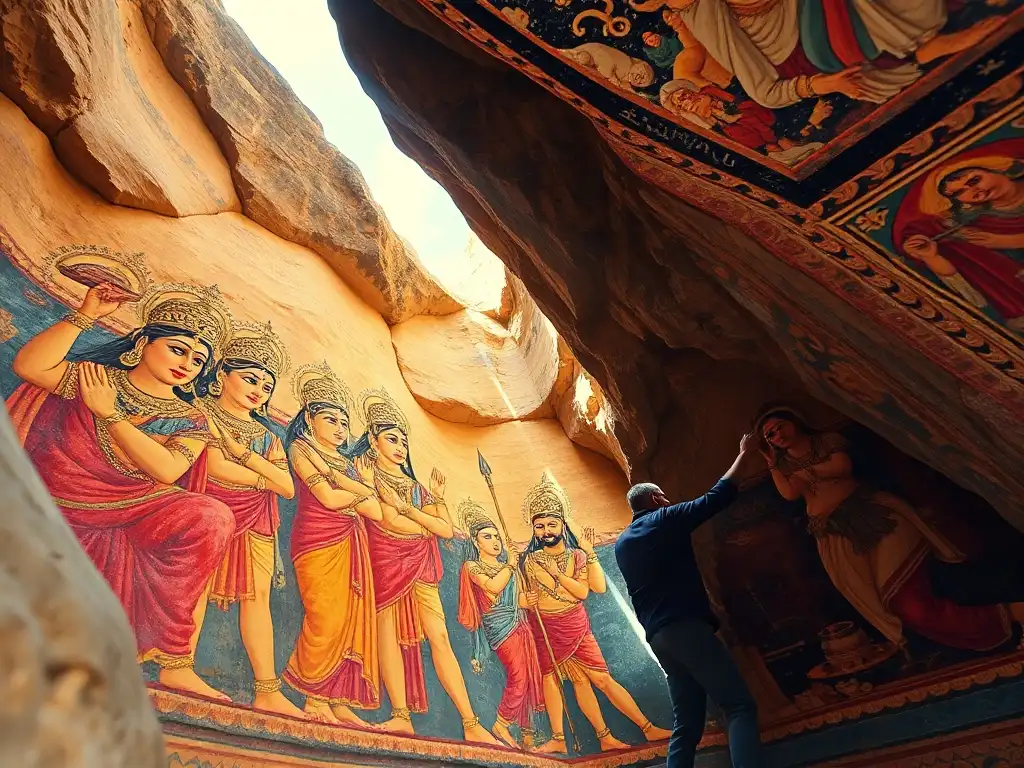
Welcome to Ancient India History, where we delve into the rich tapestry of India's past, celebrating the incredible legacies of its ancient civilizations. In this journey, we invite you to explore the captivating Ajanta Ellora cave frescoes history, masterpieces that not only showcase stunning artistry but also tell profound stories of culture and spirituality. As we uncover the layers of these magnificent caves, you'll discover how they reflect the philosophical and artistic evolution of ancient India. Join us as we embark on this enlightening exploration and unlock the secrets of a bygone era.
- Introduction to Ajanta and Ellora Caves
- Historical Context of Ajanta and Ellora Frescoes
- Detailed Analysis of Ajanta Cave Frescoes
- In-Depth Examination of Ellora Cave Frescoes
- Comparison of Ajanta and Ellora Frescoes
- Preservation and Conservation Efforts
- Conclusion: The Legacy of Ajanta and Ellora Cave Frescoes
- References and Further Reading
-
Frequently Asked Questions
- What are the Ajanta and Ellora caves known for?
- How do the frescoes in the Ajanta caves differ from those in the Ellora caves?
- What is the historical significance of the Ajanta Ellora frescoes?
- When were the Ajanta and Ellora caves discovered?
- Are the frescoes in the Ajanta and Ellora caves preserved well?
- Final Reflection: The Timeless Legacy of Ajanta and Ellora Cave Frescoes
- Unveil the Secrets of Ancient Frescoes!
Introduction to Ajanta and Ellora Caves
The Ajanta and Ellora Caves stand as monumental testaments to the artistic and architectural prowess of ancient Indian civilizations. Nestled in the scenic landscapes of Maharashtra, these UNESCO World Heritage Sites encompass a series of rock-cut caves that date back to between the 2nd century BCE and the 6th century CE. They are celebrated not only for their intricate architecture but also for the stunning frescoes that adorn their walls, depicting various aspects of life, spirituality, and mythology.
This article delves into the captivating history of the Ajanta and Ellora cave frescoes, exploring their artistic significance and the cultural context in which they were created. By understanding the Ajanta Ellora cave frescoes history, we can appreciate how these masterpieces reflect the rich tapestry of ancient Indian art forms and the enduring legacy they have left behind.
Overview of Ajanta and Ellora Caves
The Ajanta Caves, discovered in the early 19th century, consist of 29 caves carved into a horseshoe-shaped cliff, primarily used as Buddhist monastic quarters and prayer halls. The frescoes here are renowned for their vibrant colors and intricate designs, depicting scenes from the Jataka tales, which narrate the previous lives of the Buddha. The caves feature a blend of religious narratives and everyday life, showcasing the artistic finesse of the period.
In contrast, the Ellora Caves, which encompass 34 caves, represent a remarkable synthesis of Buddhist, Hindu, and Jain traditions. Dating from the 5th to the 10th century CE, the Ellora frescoes and sculptures highlight the coexistence and intermingling of diverse religious influences. Among these, the Kailash Temple (Cave 16) stands out as an architectural marvel, carved from a single rock, symbolizing the pinnacle of Indian rock-cut architecture.
Significance of Frescoes in Ancient Indian Art
The frescoes of Ajanta and Ellora are not mere decorations but are imbued with profound cultural and spiritual significance. They serve as visual narratives that convey religious teachings, moral values, and depict the lives of deities and historical figures. The use of vivid colors, intricate patterns, and dynamic compositions reflects the advanced artistic techniques of the time, including the use of natural pigments and complex brushwork.
Moreover, these frescoes provide invaluable insights into the socio-cultural contexts of ancient India. They illustrate the attire, customs, and daily life of people during that era, enabling historians to glean information about the socio-economic conditions and cultural exchanges that took place. The preservation of these artworks allows contemporary audiences to connect with the rich heritage of Indian art and spirituality, ensuring that their stories continue to inspire future generations.
Historical Context of Ajanta and Ellora Frescoes
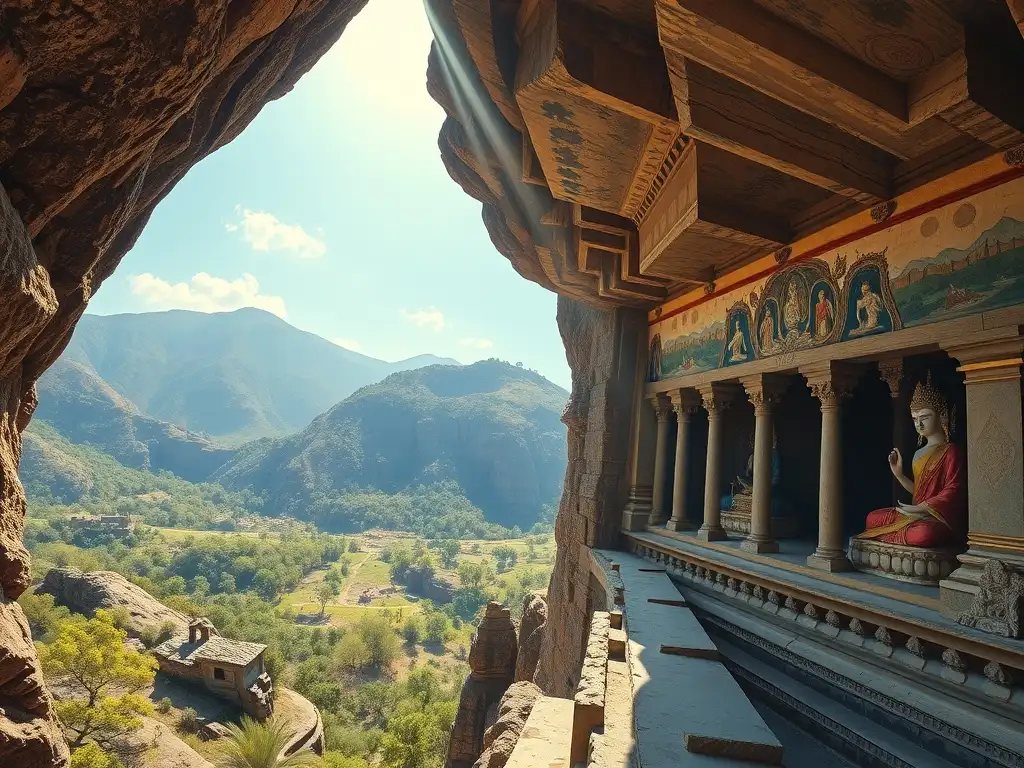
The Ajanta and Ellora caves are among the most significant artistic achievements of ancient India, providing a window into the cultural, religious, and artistic milieu of the time. These caves were created between the 2nd century BCE and the 8th century CE, serving as monastic shelters for Buddhist monks and later for Jain and Hindu patrons. The frescoes found in these caves are not merely decorative; they are rich narratives that depict both spiritual and secular themes, offering insights into the socio-political landscape of the period.
Timeline of Ajanta and Ellora Caves Development
The development of the Ajanta and Ellora caves can be segmented into distinct phases, reflecting their evolution over centuries:
- Early Phase (2nd century BCE - 1st century CE):
- The earliest caves at Ajanta were excavated during this period, primarily serving as viharas (monasteries) for Buddhist monks.
- The frescoes from this era exhibit a simple yet profound style, focusing on the life of the Buddha.
- Golden Age (5th - 7th century CE):
- This period marks the pinnacle of fresco artistry in Ajanta, characterized by vibrant colors and intricate designs.
- The creation of significant murals such as the famous "Jataka Tales," which depict the previous lives of the Buddha, occurs here.
- The Ellora caves, although developed concurrently, showcase a mix of Buddhist, Hindu, and Jain influences, with the Kailasa temple being a prime example.
- Decline (8th - 10th century CE):
- The artistic fervor begins to wane, and fewer caves are excavated. However, the existing frescoes continue to influence later Indian art.
- By this time, the focus shifts to the architectural magnificence of temples rather than mural painting.
Cultural Influences on Frescoes of Ajanta and Ellora
The frescoes of Ajanta and Ellora were not created in isolation; they were influenced by a variety of cultural interactions:
- Buddhist Themes: The primary influence on the Ajanta frescoes stemmed from Buddhist teachings, with numerous depictions of the Buddha and Bodhisattvas.
- Hindu Mythology: In contrast, the Ellora caves showcase a rich tapestry of Hindu deities and epics, reflecting the growing influence of Hindu philosophy during the later periods.
- Trade and Cultural Exchange: The strategic location of these caves along trade routes facilitated cultural exchanges. Merchants and travelers contributed to the blending of artistic styles, evident in the diverse motifs found in the frescoes.
- Regional Styles: Local artistic traditions also played a significant role, with regional styles merging into the fresco techniques. The use of natural pigments and intricate detailing can be traced back to indigenous practices.
Role of Religion in Fresco Artistry
Religion served as the primary catalyst for the creation of the frescoes in the Ajanta and Ellora caves:
- Buddhist Iconography: The Ajanta caves are rich in Buddhist iconography, including numerous depictions of the Buddha in various mudras (hand gestures) and scenes from his life. These frescoes were intended to inspire devotion and meditation among the monks and visitors.
- Hindu and Jain Elements: The Ellora caves represent a syncretism of religious art, with frescoes that depict Hindu gods like Shiva and Vishnu, as well as Jain Tirthankaras. This reflects the coexistence and mutual influence of these religions during the time.
- Patronage: The role of royal and affluent patrons cannot be overlooked. Kings and wealthy merchants supported the creation of these artworks as acts of devotion, and their influence can be seen in the grandeur and scale of the frescoes.
- Didactic Purpose: Many frescoes served a didactic purpose, illustrating moral tales and spiritual teachings, making them accessible to laypersons as well as the monastic community.
The frescoes of Ajanta and Ellora are not merely artistic expressions but are deeply embedded in the religious, cultural, and historical contexts of ancient India, reflecting the complexities of its civilizations.
Detailed Analysis of Ajanta Cave Frescoes
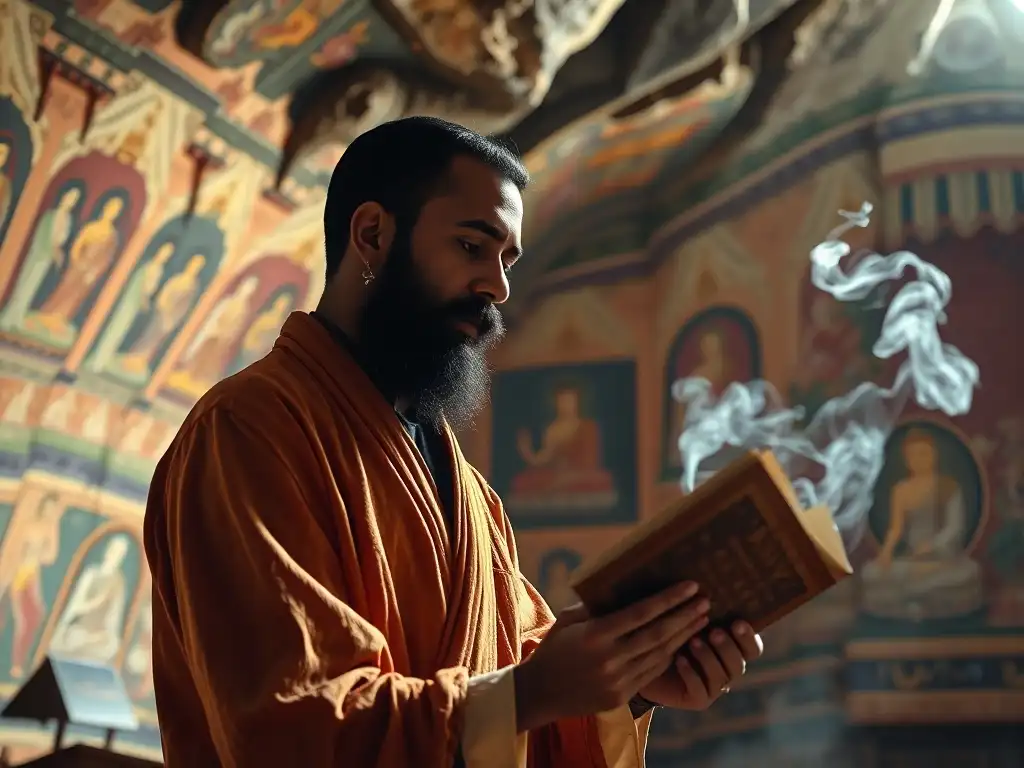
The Ajanta Caves, a UNESCO World Heritage Site, are renowned for their stunning frescoes that date back to the 2nd century BCE to about the 6th century CE. These artworks are not merely decorative; they serve as visual narratives that depict the life, culture, and religious beliefs of ancient India. The frescoes of Ajanta are a significant part of the larger Ajanta Ellora cave frescoes history, reflecting a profound understanding of color, form, and storytelling that has influenced generations.
Themes and Subjects in Ajanta Cave Frescoes
The themes represented in the Ajanta frescoes are diverse, often intertwining religious, historical, and social narratives. The primary subjects include:
- Buddhist Jataka Tales: These stories depict the previous lives of the Buddha, showcasing moral lessons through vivid imagery. Each fresco tells a unique story, such as the tale of the Tale of the Hungry Tigress, illustrating compassion and self-sacrifice.
- Buddha's Life Events: Significant events from the life of the Buddha, such as his birth, enlightenment, and teachings, are artistically represented. For example, the fresco illustrating the Buddha’s Enlightenment under the Bodhi tree is particularly notable for its serene expression and intricate detailing.
- Devotional Imagery: Many frescoes depict Bodhisattvas and celestial beings, emphasizing the devotional aspect of Buddhism. The presence of figures like Avalokiteshvara and Maitreya reflects the spiritual aspirations of the devotees.
- Social Life and Nature: Some frescoes capture everyday life, showcasing activities such as music, dance, and farming, alongside stunning depictions of flora and fauna. This blend of daily life with spiritual themes provides insight into the cultural context of the time.
Techniques Used in Ajanta Cave Frescoes
The artistic techniques employed in the Ajanta frescoes demonstrate a high level of skill and innovation. Key techniques include:
- Buon Fresco: This technique involves applying water-based pigments on freshly laid wet plaster, creating a durable and vibrant finish. The colors penetrate the plaster as it dries, allowing for longevity and richness.
- Natural Pigments: The artists utilized natural materials to create pigments, such as minerals and plant extracts. For example, reds were often derived from iron oxide, while yellows came from turmeric, resulting in a palette that remains vivid even after centuries.
- Layering and Shading: The use of layering added depth to the frescoes. Artists skillfully used shading techniques to create a three-dimensional effect, making figures appear lifelike and dynamic.
- Intricate Detailing: Attention to detail is evident in the intricate patterns of clothing, jewelry, and backgrounds. This meticulous work reflects not only artistic talent but also a deep understanding of narrative and emotion.
Notable Frescoes and Their Stories
Several frescoes stand out within the Ajanta complex, each telling a captivating story:
- The Bodhisattva Padmapani: This fresco depicts a serene Bodhisattva holding a lotus flower. The elegance and grace of the figure symbolize compassion and the aspiration to attain Buddhahood. Its intricate detailing and vibrant colors make it one of the most celebrated frescoes in Ajanta.
- The Dance of the Nymphs: Found in Cave 16, this fresco captures celestial nymphs in mid-dance, showcasing the joyful aspects of life. The fluidity of the figures and the exuberance of their movements symbolize the beauty of spiritual transcendence through art.
- The Jataka Tale of the Monkey King: This narrative fresco illustrates the story of a monkey king who sacrifices himself to save his subjects. The rich colors and dynamic composition effectively convey the themes of leadership and selflessness.
The Ajanta cave frescoes not only showcase the artistic prowess of ancient Indian civilization but also serve as a vital record of cultural and religious evolution. Each fresco invites viewers into a world of rich narratives, leaving a lasting impression on the history of Indian art.
In-Depth Examination of Ellora Cave Frescoes
Unique Characteristics of Ellora Cave Frescoes
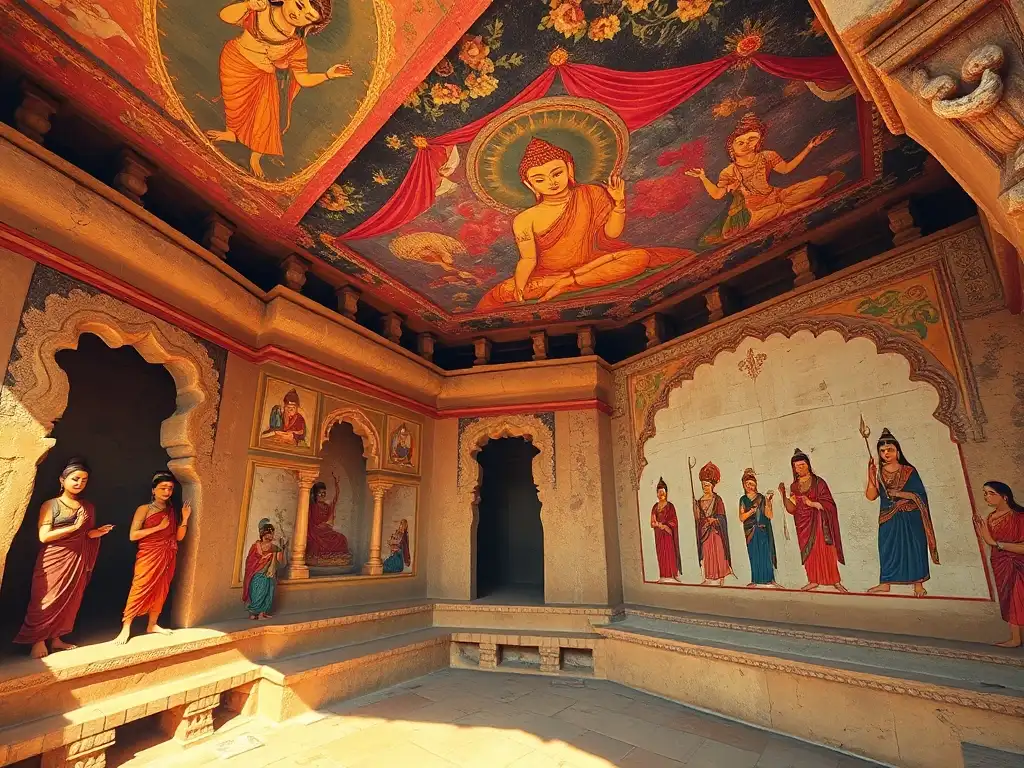
The Ellora Caves, a UNESCO World Heritage Site, are renowned for their extraordinary frescoes that showcase a unique blend of artistic styles and cultural influences. Created between the 5th and 10th centuries CE, these frescoes reflect the Buddhist, Hindu, and Jain traditions, representing a significant confluence of religious art in ancient India.
Distinctive Features
- Material and Technique: The frescoes were primarily executed using the fresco secco technique, which involves applying water-based pigments on dry plaster. This method allowed for vibrant colors and intricate detailing, although it made the artworks more susceptible to fading over time.
- Color Palette: The use of a diverse color palette is notable, with earthy tones dominating the background and vivid hues used for figures and deities. The application of natural pigments derived from minerals and plants contributed to the richness of the artwork.
- Scale and Composition: The frescoes in Ellora are often characterized by their large-scale compositions that cover entire walls. The artists employed a dynamic sense of movement and perspective, creating a three-dimensional effect that draws the viewer into the narrative.
Symbolism and Iconography in Ellora Frescoes
The frescoes of Ellora are not merely decorative; they are imbued with rich symbolism and iconography that convey profound spiritual and philosophical meanings.
Key Themes
- Buddhist Narratives: Many frescoes depict scenes from the Jataka tales, which recount the previous lives of the Buddha. These stories often serve moral lessons and illustrate the principles of compassion and wisdom.
- Hindu Deities: The presence of Hindu deities, such as Shiva and Vishnu, highlights the syncretism of the period. Iconographic elements, such as the trident of Shiva or the conch of Vishnu, are intricately detailed and serve to convey the divine attributes of these gods.
- Jain Influence: The Jain frescoes in Ellora emphasize non-violence and asceticism, often portraying Tirthankaras, the revered spiritual teachers. The use of serene expressions and meditative postures reflects the Jain philosophy of peace and introspection.
Famous Frescoes and Their Historical Context
Several frescoes within the Ellora Caves stand out due to their artistic excellence and historical significance.
Notable Examples
- The Bodhisattva Avalokiteshvara: This fresco, found in Cave 10, depicts the Bodhisattva in a compassionate pose, surrounded by celestial beings. It exemplifies the Mahayana Buddhist ideal of selfless benevolence. The detailed ornamentation and elaborate headdress signify the cultural influences from various regions, showcasing the interconnectedness of ancient Indian art.
- The Dasavatara: Located in Cave 16, this extensive mural illustrates the ten avatars of Vishnu, each representing a different aspect of divine intervention in the world. The fresco serves not only as a religious tribute but also as a historical narrative reflecting the socio-political landscape of the time, where Vishnu's avatars symbolized the struggle between good and evil.
- The Dance of Shiva: This dynamic fresco captures the cosmic dance of Lord Shiva, symbolizing creation, preservation, and destruction. The fluidity of movement and expression of energy within the artwork encapsulate the essence of the Shiva cult, which was significant during the time of the fresco's creation.
The frescoes of Ellora are a testament to the artistic prowess of ancient Indian civilizations and their ability to blend spirituality with aesthetics. Each artwork serves as a historical document, offering insights into the cultural, religious, and philosophical currents that shaped ancient India.
Comparison of Ajanta and Ellora Frescoes
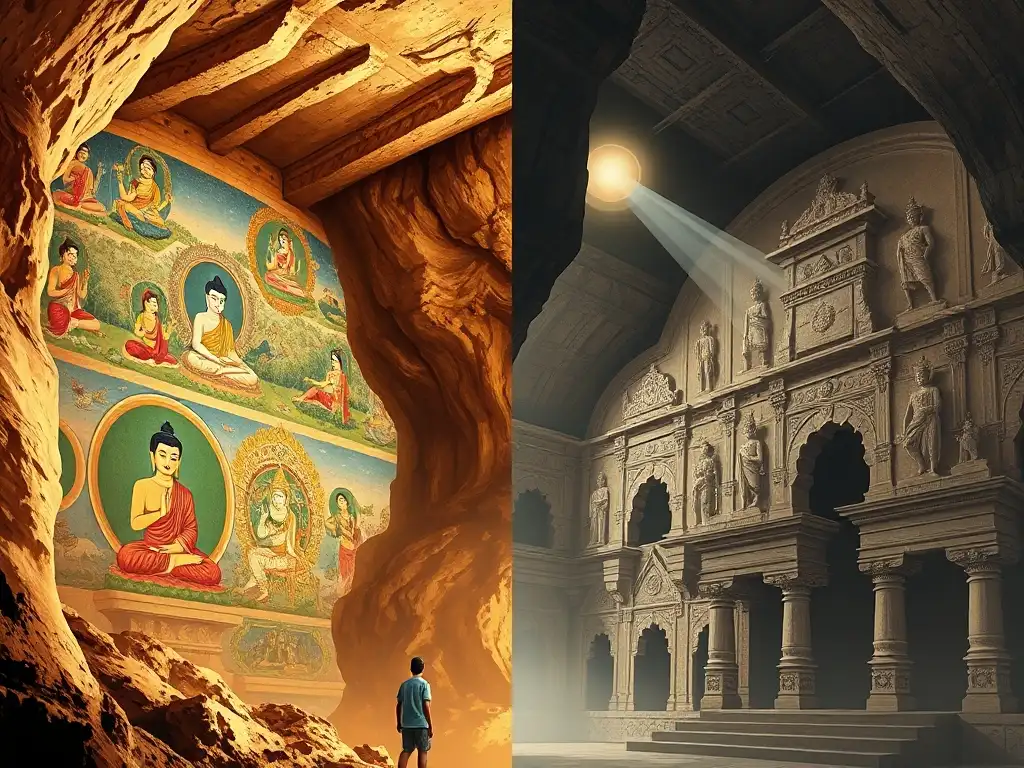
The Ajanta and Ellora Caves are two of the most significant archaeological sites in India, renowned for their breathtaking frescoes and intricate sculptures. Though both sites are celebrated for their artistry, they exhibit distinct styles and thematic elements that reflect the cultural and religious contexts of their respective periods.
Artistic Techniques in Ajanta vs. Ellora
The artistic techniques employed in the frescoes of Ajanta and Ellora vary significantly, showcasing the unique characteristics and methods of each site.
- Ajanta Frescoes:
- Medium: The frescoes at Ajanta are primarily done using the buon fresco technique, which involves applying pigments on wet plaster. This method allows the colors to become an integral part of the wall surface, ensuring their longevity.
- Color Palette: Ajanta artists utilized a vivid color palette, including earthy tones, vegetable dyes, and mineral pigments, which contributed to the rich visual experience of the narratives depicted.
- Detailing: The level of detail in Ajanta frescoes is remarkable, with intricate facial expressions and elaborate clothing patterns that reflect the sophistication of ancient Indian art.
- Ellora Frescoes:
- Medium: Unlike Ajanta, the Ellora caves feature paintings that are often executed using a dry plaster technique. This allows for intricate layering and the blending of colors, creating a different aesthetic.
- Color Palette: The frescoes of Ellora exhibit a more subdued color scheme, often highlighting browns and grays, reflecting the granite rock surfaces of the caves.
- Sculptural Integration: The frescoes at Ellora often coexist with sculptures, creating a more holistic artistic expression where painting and sculpture enhance each other.
Themes and Narratives: Ajanta vs. Ellora
The themes and narratives depicted in the frescoes of Ajanta and Ellora provide insight into the religious and cultural life of ancient India.
- Ajanta Themes:
- Buddhist Narratives: The majority of frescoes at Ajanta focus on the life of Buddha and Jataka tales, illustrating various incarnations and moral lessons. This reflects the Buddhist ethos and the emphasis on enlightenment and compassion.
- Symbolism: Many of the Ajanta frescoes incorporate symbolism, such as the lotus representing purity and the wheel symbolizing the cycle of life, which enrich the narrative depth of the artworks.
- Ellora Themes:
- Hindu and Jain Iconography: Ellora frescoes depict a blend of Hindu and Jain themes, showcasing deities, celestial beings, and mythological narratives. This reflects the syncretic nature of Indian spirituality during the period.
- Narrative Complexity: The frescoes often portray complex mythological scenes, such as the Ramaayana and Mahabharata, emphasizing the rich tapestry of Indian epics and their moral teachings.
Cultural Significance of Frescoes in Both Sites
The frescoes of Ajanta and Ellora hold immense cultural significance, serving as windows into the social, religious, and artistic life of ancient India.
- Preservation of Heritage: Both sites are crucial for understanding the evolution of Indian art forms and religious practices. The frescoes serve as historical documents that preserve the beliefs and traditions of the time.
- Tourism and Education: Today, the Ajanta and Ellora caves attract millions of visitors, contributing to the local economy and promoting awareness of India's rich cultural heritage. Educational programs and guided tours highlight the historical context and artistic techniques, fostering a deeper appreciation of these ancient masterpieces.
- UNESCO World Heritage Sites: Recognized as UNESCO World Heritage Sites, the frescoes of Ajanta and Ellora are celebrated not only for their beauty but also for their significance in showcasing the confluence of various cultural influences in ancient India.
The frescoes of Ajanta and Ellora are not just artistic wonders but also vital expressions of the historical and cultural narratives that shaped ancient Indian civilization. Their distinct techniques, themes, and cultural significance continue to inspire and educate generations, ensuring the legacy of these magnificent sites endures.
Preservation and Conservation Efforts

The frescoes of the Ajanta and Ellora Caves, dating back to the 2nd century BCE to the 6th century CE, are significant masterpieces of ancient Indian art. Given their historical and cultural importance, the preservation and conservation of these artworks are essential for future generations. Various efforts have been made to safeguard these intricate murals from the ravages of time, environmental factors, and human intervention.
Challenges in Preserving Ajanta and Ellora Frescoes
The preservation of the Ajanta and Ellora frescoes faces numerous challenges:
- Environmental Factors:
- Humidity and Moisture: The caves are naturally prone to moisture, which can lead to mold growth and deterioration of the pigments used in the frescoes.
- Temperature Fluctuations: Sudden changes in temperature can cause the rock surfaces to expand and contract, leading to cracks and peeling of the paint.
- Human Impact:
- Vandalism: Instances of vandalism and graffiti have been reported over the years, further damaging these ancient artworks.
- Tourism Pressure: The influx of tourists can contribute to wear and tear, as well as the introduction of pollutants that may harm the frescoes.
- Aging Materials:
- Pigment Degradation: Many of the natural pigments used in the frescoes are sensitive to light and air, leading to fading and discoloration over time.
- Surface Erosion: The rock surfaces can erode due to natural weathering processes, which impacts the integrity of the frescoes.
Methods of Conservation for Ancient Indian Frescoes
To combat these challenges, various conservation methods have been implemented:
- Regular Monitoring: Conservationists conduct regular assessments of the frescoes to identify areas needing immediate attention.
- Controlled Environment: Efforts are made to maintain a stable environment within the caves, such as controlling humidity and temperature levels through advanced ventilation systems.
- Use of Modern Techniques:
- Microbial Treatments: Biocides are used to combat mold and fungal growth without harming the original pigments.
- Digital Documentation: High-resolution imaging and 3D mapping technologies allow for detailed documentation of the frescoes, aiding in restoration efforts.
- Restoration Projects: Collaborations between the Archaeological Survey of India (ASI) and international conservation organizations have facilitated significant restoration projects, focusing on both structural and artistic integrity.
Importance of Conservation for Historical Heritage
The conservation of the Ajanta and Ellora frescoes is not merely an aesthetic endeavor; it holds profound significance for historical heritage:
- Cultural Identity: These frescoes are a vital part of India’s cultural identity, reflecting the artistic, religious, and social narratives of ancient civilizations.
- Educational Value: Preserving these artworks allows future generations to learn about ancient Indian art forms, techniques, and the historical context of the time.
- Tourism and Economy: The frescoes attract millions of visitors each year, contributing to local economies and promoting awareness of India’s rich heritage.
- Global Significance: As UNESCO World Heritage Sites, the Ajanta and Ellora Caves are recognized globally, enhancing international appreciation for the craftsmanship and cultural advancements of ancient India.
The preservation and conservation efforts dedicated to the Ajanta and Ellora frescoes are essential for maintaining the artistic legacy and historical significance of these ancient treasures.
Conclusion: The Legacy of Ajanta and Ellora Cave Frescoes
The Ajanta and Ellora cave frescoes are not merely artistic expressions; they represent a profound legacy that has shaped Indian art and culture for centuries. These masterpieces, created between the 2nd century BCE and the 6th century CE, reflect the rich tapestry of religious, cultural, and social life during ancient India. Their intricate details and vibrant colors have not only survived the test of time but also influenced generations of artists, scholars, and historians.
Impact on Indian Art and Culture
The frescoes of Ajanta and Ellora are pivotal in understanding the evolution of Indian art forms. They serve as a crucial link between different artistic traditions, showcasing a blend of Buddhist, Hindu, and Jain influences. This amalgamation is evident in the themes depicted in the frescoes, which often illustrate spiritual narratives, daily life, and nature.
- Buddhist Influence: The Ajanta caves, primarily Buddhist, display narratives from the Jataka tales, which recount the previous lives of the Buddha. This not only conveys moral lessons but also showcases the skillful techniques of painting and narrative storytelling prevalent during that period.
- Hindu and Jain Contributions: In contrast, the Ellora caves exhibit a mix of Hindu and Jain iconography, reflecting the religious plurality of ancient India. The frescoes here often depict deities and mythological scenes, emphasizing the cultural richness and diversity of the time.
The impact of these frescoes extends beyond mere aesthetics; they have significantly contributed to the understanding of ancient Indian philosophy, religious practices, and societal norms.
Continuing Influence on Modern Art Forms
The legacy of the Ajanta and Ellora cave frescoes continues to resonate in contemporary art forms. Modern artists draw inspiration from their intricate designs, vibrant color palettes, and spiritual themes.
- Revival of Traditional Techniques: Many artisans today are reviving ancient techniques used in fresco painting, such as the use of natural pigments and traditional materials. This revival not only preserves these techniques but also fosters a deeper appreciation for the craftsmanship involved.
- Art Exhibitions and Installations: The influence of Ajanta and Ellora can be seen in various art exhibitions and installations across India and the world. Artists often incorporate elements of these frescoes into their works, bridging the gap between ancient and modern artistic expressions.
- Educational Programs: Institutions dedicated to the study of art history frequently include Ajanta and Ellora in their curricula, highlighting their importance in understanding Indian art's evolution and its impact on global art movements.
Final Thoughts on the Importance of Ajanta and Ellora Frescoes in History
The Ajanta and Ellora cave frescoes are more than just artistic achievements; they are historical documents that provide insight into the socio-political, religious, and cultural dynamics of ancient India. Their continued relevance underscores the importance of preserving and studying these sites, not only for their artistic value but also for their role in shaping India's identity.
The Ajanta and Ellora frescoes stand as monumental testaments to the ingenuity and creativity of ancient Indian civilizations. As we delve deeper into their history, we uncover layers of meaning that enrich our understanding of the past and inspire future generations to explore the vast heritage of Indian art and culture.
References and Further Reading
Suggested Books on Ajanta and Ellora Frescoes
The Ajanta and Ellora caves, renowned for their stunning frescoes and intricate sculptures, have captivated scholars and art enthusiasts alike. To delve deeper into the history and significance of these masterpieces, consider the following essential readings:
-
"Ajanta: The Cave of the Forgotten" by Walter M. Spink
This book presents an in-depth analysis of the Ajanta caves, focusing on their artistic and historical context. Spink's meticulous research provides insights into the cultural significance of the frescoes.
-
"Ellora: The Forgotten Caves" by J. C. Harle
A comprehensive study of the Ellora caves, this book explores their architectural and sculptural elements, including a thorough examination of the frescoes that adorn the walls.
-
"The Art of Ajanta Caves" by R. S. Sharma
Sharma’s work offers a detailed exploration of the artistic techniques used in the Ajanta frescoes, along with discussions on the themes and narratives depicted.
-
"Indian Cave Temples: A Study of the Ajanta and Ellora Caves" by R. M. V. Dhananjay
This volume provides a comparative analysis of both cave complexes, highlighting their artistic styles and historical developments.
Academic Journals for In-Depth Study
For those seeking scholarly articles and research papers, the following academic journals can provide valuable insights into the Ajanta and Ellora caves' frescoes:
-
Journal of Indian Art History
This journal frequently publishes articles on various aspects of Indian art, including the frescoes of Ajanta and Ellora. It offers peer-reviewed research that is ideal for academic reference.
-
Artibus Asiae
Focused on Asian art, this journal includes studies on ancient Indian art, with contributions that delve into the frescoes' symbolism and stylistic elements.
-
Asian Art
This periodical presents a range of articles on Asian art forms, including studies specifically related to the frescoes of Ajanta and Ellora, examining their historical context and artistic significance.
-
The Journal of the Royal Asiatic Society
A prominent platform for research on Asian studies, this journal publishes scholarly articles that can enhance understanding of the cultural background of the frescoes.
Online Resources for Exploring Indian Art History
The digital landscape offers numerous resources for exploring the rich tapestry of Indian art history, especially the frescoes of Ajanta and Ellora. Here are some recommended online platforms:
-
Google Arts & Culture
This platform features virtual tours of the Ajanta and Ellora caves, allowing users to explore the frescoes in high resolution and gain insights through interactive content.
-
The British Museum's Collection Online
The British Museum houses various artifacts from Indian history, including studies and digital representations of Ajanta and Ellora frescoes. Their online collection provides educational resources and detailed descriptions.
-
Indira Gandhi National Centre for the Arts (IGNCA)
IGNCA offers a wealth of information on Indian art and culture, including articles and publications specifically focused on the frescoes of Ajanta and Ellora.
-
Cultural Heritage of India Online Resources
This website presents a compilation of research papers, articles, and multimedia related to the history and significance of Indian art forms, including the cave frescoes.
By exploring these books, journals, and online resources, enthusiasts and scholars alike can gain a comprehensive understanding of the Ajanta Ellora cave frescoes history, appreciating their artistic brilliance and historical context.
Frequently Asked Questions
What are the Ajanta and Ellora caves known for?
The Ajanta and Ellora caves are renowned for their exquisite frescoes and intricate rock-cut architecture, showcasing the artistic and cultural achievements of ancient Indian civilizations.
How do the frescoes in the Ajanta caves differ from those in the Ellora caves?
The frescoes in the Ajanta caves primarily depict Buddhist themes, while those in the Ellora caves include a broader range of Hindu, Buddhist, and Jain iconography, reflecting the diversity of religious practices.
What is the historical significance of the Ajanta Ellora frescoes?
The Ajanta Ellora frescoes are significant as they provide insight into the artistic techniques, cultural narratives, and spiritual beliefs of ancient Indian societies between the 2nd century BCE and 6th century CE.
When were the Ajanta and Ellora caves discovered?
The Ajanta caves were rediscovered in 1819, while the Ellora caves were known earlier but gained prominence in the 19th century, revealing their historical treasures to the world.
Are the frescoes in the Ajanta and Ellora caves preserved well?
Many of the frescoes are remarkably well-preserved, although some have suffered from natural degradation and human interference, making ongoing conservation efforts crucial to maintaining their historical integrity.
Final Reflection: The Timeless Legacy of Ajanta and Ellora Cave Frescoes
The Ajanta and Ellora cave frescoes stand as a testament to the rich tapestry of human creativity and spiritual expression, weaving together history, art, and culture in a way that resonates profoundly today. These masterpieces are not merely relics of the past; they are vibrant narratives that continue to inspire and educate us about the values, beliefs, and artistic endeavors of ancient civilizations. The enduring beauty of these frescoes serves as a powerful reminder of our shared heritage and the importance of preserving such cultural treasures for future generations.
The impact of the Ajanta and Ellora frescoes extends far beyond their historical context; they have become a vital part of our cultural consciousness. As we navigate the complexities of modern life, these artworks invite us to reflect on the spiritual and artistic journeys that define our existence. The intricate details and profound themes depicted in the frescoes encourage a deeper understanding of the human experience, transcending time and geography. Art is the most beautiful of all lies.
This quote encapsulates the essence of how these frescoes, while rooted in their time, continue to evoke emotions and provoke thoughts in the hearts of those who encounter them.
As we conclude our exploration of the Ajanta and Ellora cave frescoes, I invite you to take a moment to reflect on the lessons embedded within these ancient walls. Consider how the themes of devotion, creativity, and cultural identity resonate in your own life. Let the stories told through these frescoes inspire you to seek beauty and meaning in your surroundings, and to appreciate the rich history that shapes our present. Embrace the call to preserve and celebrate our cultural heritage, ensuring that the legacy of the Ajanta and Ellora caves continues to illuminate the path for future generations.
Unveil the Secrets of Ancient Frescoes!
Thank you for diving into the vibrant world of the Ajanta and Ellora caves with us! You've uncovered the rich tapestry of art and history that these masterpieces offer. Now, it’s time to let that inspiration flow into action—unlock your own journey of exploration!
Here are some steps you can take to delve deeper into this captivating subject:
- Visit the Caves: Plan a trip to the Ajanta and Ellora caves to experience the artistry and history firsthand. Feel the magic of these ancient sites!
- Explore Related Art Forms: Research other ancient Indian art forms, such as miniature paintings and traditional pottery, to broaden your understanding of the region's cultural heritage.
- Join a Discussion Group: Connect with fellow history enthusiasts online or in your local community to share insights and stories about your discoveries and impressions.
What aspect of the Ajanta and Ellora frescoes resonates with you the most, and how will you incorporate that into your personal exploration of ancient history?