
The Influence of Religion on Indian Art: Temples, Icons, and Rituals

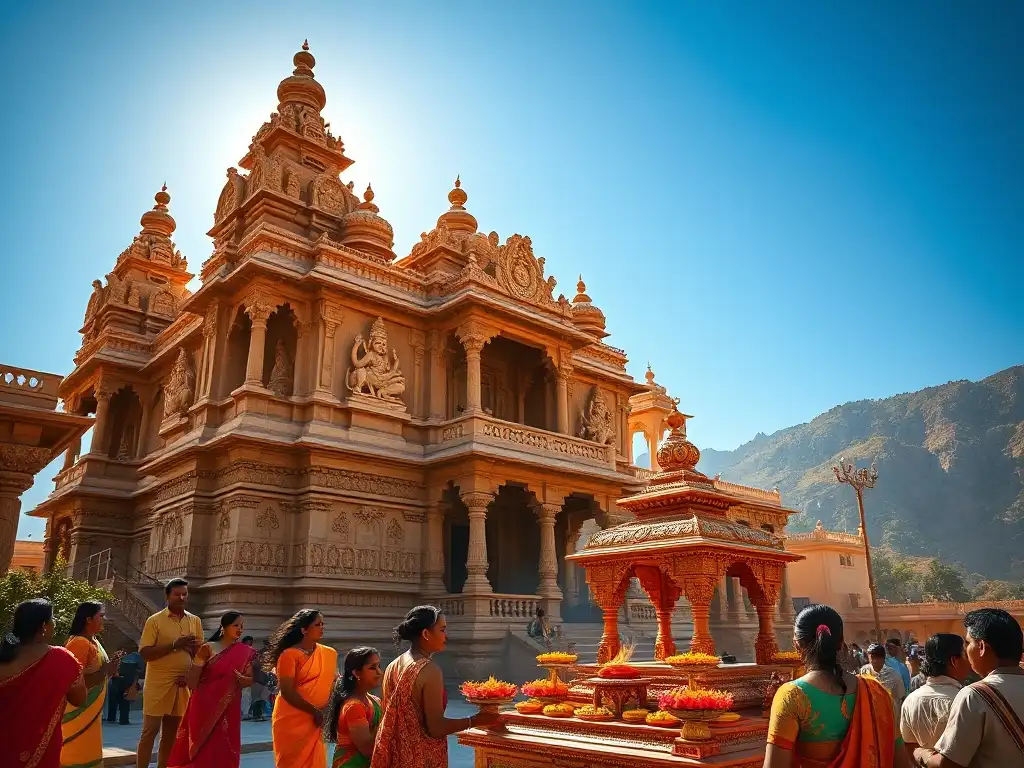
Welcome to Ancient India History, where we embark on a journey through the rich tapestry of India's past, illuminating the profound impact of religion on Indian art. From the intricate carvings of ancient temples to the vibrant icons that adorned rituals, each artifact tells a story of devotion and creativity.
As you delve into our featured article, "The Influence of Religion on Indian Art: Temples, Icons, and Rituals," prepare to uncover how spirituality shaped the artistic expressions of civilizations from the Indus Valley to the Gupta Empire. Join us in exploring how these sacred influences continue to resonate through time and inspire awe today!
Introduction to Religion's Impact on Indian Art
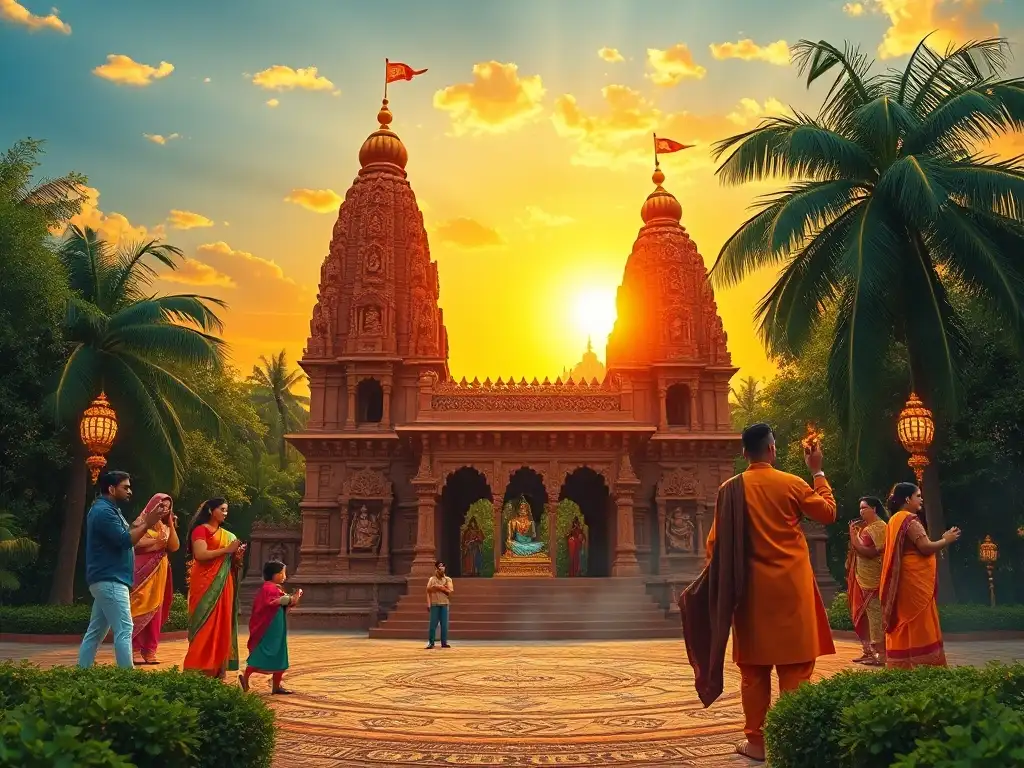
Religion has played a pivotal role in shaping the landscape of Indian art, profoundly influencing its forms, themes, and expressions. From the intricate carvings of ancient temples to the serene depictions of deities in sculptures and paintings, the essence of spirituality resonates deeply within the artistic heritage of India.
This relationship between religion and art is not merely incidental; it reflects the core beliefs, rituals, and cultural narratives that have evolved over millennia. By examining the synergy between these two realms, we can gain a clearer understanding of how religion's impact on Indian art manifests in various forms, including architectural marvels, iconography, and ritualistic practices.
Overview of Indian Art Forms Influenced by Religion
Indian art encompasses a diverse array of forms, each intricately linked to the spiritual traditions that have shaped them. Some key art forms influenced by religion include:
- Temple Architecture: The design and construction of temples, characterized by elaborate carvings and intricate sculptures, serve as a testament to religious devotion.
- Sculpture: Statues of deities and mythological figures are crafted with precision, often embodying the beliefs and stories central to various religious traditions.
- Painting: Religious themes dominate traditional Indian paintings, from the vibrant frescoes of ancient temples to the delicate miniatures depicting scenes from Hindu epics.
- Textiles: Fabrics adorned with religious motifs play a crucial role in ceremonial practices and everyday life.
These art forms not only reflect the aesthetic sensibilities of their times but also convey profound spiritual meanings and narratives.
Importance of Temples, Icons, and Rituals in Indian Culture
The significance of temples, icons, and rituals in Indian culture cannot be overstated. Temples serve as the focal points of community life, where individuals gather for worship, festivals, and cultural events. Icons, or images of deities, function as tangible representations of the divine, facilitating a connection between the spiritual and the material worlds. Rituals, ranging from daily prayers to grand festivals, breathe life into these icons and spaces, imbuing them with vibrancy and purpose.
- Temples: They function not only as places of worship but also as cultural hubs that foster artistic expression and community engagement.
- Icons: These serve as guides for devotees, offering a visual pathway to understanding complex theological concepts and stories.
- Rituals: They are essential for the transmission of cultural values and spiritual beliefs, often involving artistic practices such as dance, music, and offerings.
Together, these elements highlight the intertwined nature of religion and art in shaping the identity of Indian civilization.
Historical Context of Religion in India
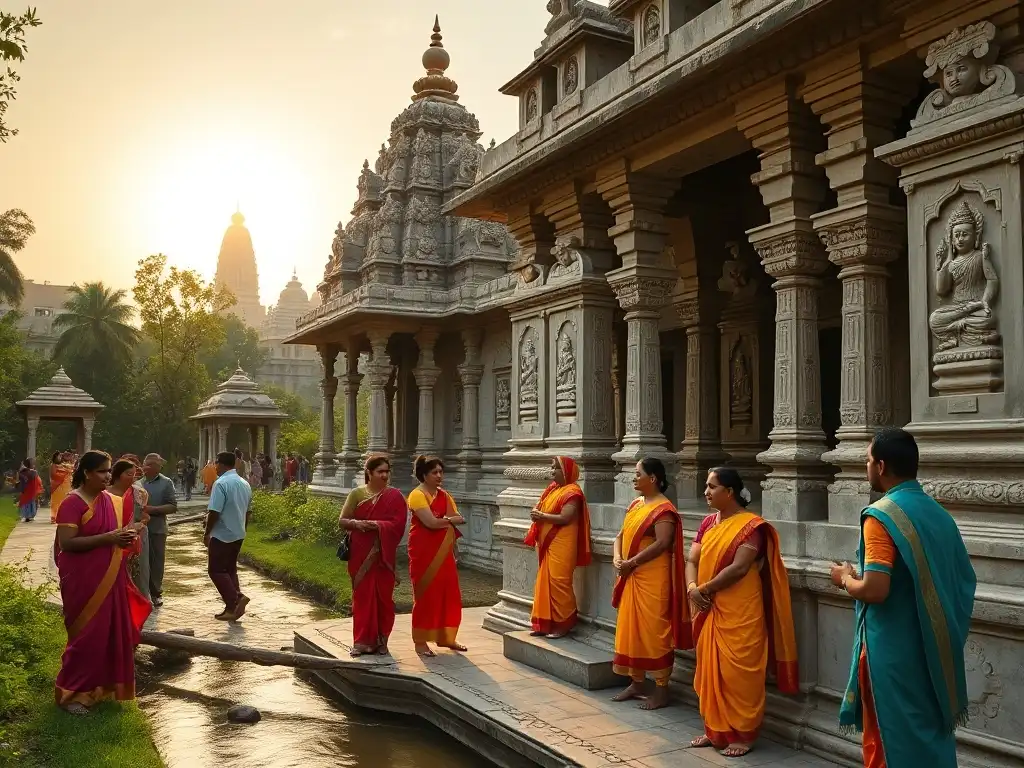
Understanding the influence of religion on Indian art necessitates a look at the historical context in which these beliefs emerged and evolved. India's spiritual landscape is marked by a rich tapestry of traditions, each contributing to the artistic expressions that followed.
Ancient Beliefs and Their Role in Art Development
The roots of Indian art can be traced back to the ancient civilizations of the Indus Valley, where early religious practices began to take shape. As various cultures and beliefs intermingled, the role of art in religious expression became increasingly prominent. Key aspects include:
- Animism and Nature Worship: Early inhabitants revered nature, leading to artistic representations of animals and natural elements in early art forms.
- Vedic Traditions: The advent of Vedic texts introduced complex rituals and deities, influencing the iconography and themes found in subsequent artistic endeavors.
- Buddhism and Jainism: The emergence of these religions brought new artistic styles, such as the serene depictions of Buddha and intricate Jain temple carvings, which emphasized spiritual enlightenment and non-violence.
These ancient beliefs laid the groundwork for a continuously evolving artistic tradition that would reflect the changing spiritual landscape of India.
Major Religious Traditions Influencing Indian Art
Throughout history, several major religious traditions have significantly influenced Indian art:
- Hinduism: The predominant faith in India, Hinduism's vast pantheon of deities and mythological narratives has inspired countless artistic works, from temple sculptures to classical dance forms.
- Buddhism: Originating in India, Buddhism's focus on enlightenment and compassion led to unique artistic expressions, particularly in stupas and monasteries.
- Jainism: Renowned for its intricate and detailed sculptures, Jain art emphasizes non-violence and ahimsa, evident in the depictions of revered Tirthankaras.
- Islam: The arrival of Islamic rule introduced new architectural styles, such as Mughal architecture, which blended indigenous and Persian elements, resulting in iconic structures like the Taj Mahal.
These diverse traditions have collectively enriched the artistic heritage of India, showcasing an enduring legacy that continues to inspire contemporary artists and scholars alike.
Temples as Artistic Expressions of Religion
Temples in ancient India serve not only as places of worship but also as remarkable artistic expressions that embody the spiritual and cultural ethos of their time. These sacred structures are a testament to the architectural ingenuity and artistic mastery of various Indian civilizations. The intricate designs, carvings, and overall architecture reflect the religious beliefs and practices that permeated society, showcasing the divine connection between the physical space and the spiritual realm.
The evolution of temple architecture can be traced through different dynasties, each leaving their unique mark on the style and construction techniques. From the early rock-cut caves of the Mauryan period to the monumental stone temples of the Gupta Empire, every temple encapsulates the prevailing religious ideologies and artistic trends. The grandeur of temples often symbolizes the power and devotion of the rulers who commissioned them, serving as a canvas for their faith and commitment to the divine.
Architectural Features of Religious Temples
The architectural features of religious temples in India are diverse and intricate, often reflecting the specific traditions and regional styles influenced by various religious practices. Key elements include:
- Shikharas and Vimana: The towering structures above the sanctum, known as shikharas in North India and vimanas in South India, symbolize the connection between the earthly and the divine.
- Mandapas: These pillared halls serve as spaces for congregational worship, rituals, and ceremonies, often adorned with exquisite carvings depicting mythological narratives.
- Garbhagriha: The innermost sanctum housing the deity's idol is a focal point of worship, emphasizing the sacredness of the space.
- Chhatris and Jagatis: Elevated platforms and domed pavilions enhance the visual appeal of temples, showcasing elaborate artistry.
These architectural elements are not merely functional; they also convey profound religious significance and aesthetic beauty, engaging devotees and visitors alike.
Symbolism in Temple Design and Structure
The design and structure of temples are laden with symbolism that conveys deeper spiritual meanings. Each aspect of a temple is carefully considered to evoke a sense of reverence and connection with the divine. For example:
- Orientation: Temples are often aligned with cardinal directions, symbolizing the cosmic order and the relationship between the universe and the divine.
- Sacred Geometry: The layout of temples frequently incorporates geometric patterns believed to represent the universe's structure, enhancing the spiritual ambiance.
- Carvings and Murals: The intricate carvings and murals found on temple walls often depict deities, celestial beings, and mythological narratives, serving as visual scriptures that educate devotees about their faith.
Such symbolism in temple design not only enhances the aesthetic experience but also reinforces the religious narratives and beliefs central to Indian spirituality.
Notable Temples and Their Artistic Contributions
Several temples across India stand out for their artistic contributions and historical significance. Notable examples include:
- Brihadeeswarar Temple, Thanjavur: A UNESCO World Heritage site, this temple is renowned for its grand architecture and intricate sculptures, showcasing the Chola dynasty's artistic prowess.
- Khajuraho Temples: Famous for their erotic sculptures and intricate carvings, these temples epitomize the sensuality and spirituality of the Chandela dynasty.
- Jagannath Temple, Puri: Known for its vibrant festivals and distinctive architecture, this temple represents the cultural and artistic synthesis of various influences over the centuries.
These temples not only reflect the artistic capabilities of their builders but also serve as vital cultural landmarks that continue to inspire and educate future generations.
Religious Icons: The Art of Representation
Religious icons play a crucial role in Indian art, representing deities, spiritual concepts, and narratives that are integral to religious practice. The creation and veneration of these icons are deeply rooted in the spiritual traditions of India, showcasing the intersection of art and faith. Icons serve as a medium for devotees to connect with the divine, embodying the qualities and attributes of the deities they represent.
The evolution of iconography in Indian art is marked by the adaptation of styles and techniques influenced by various religious movements, including Hinduism, Buddhism, and Jainism. Each tradition has its distinct iconographic conventions, enriching the diversity of religious representation in Indian culture.
The Significance of Icons in Indian Religion
Icons hold significant spiritual importance in Indian religions, serving as focal points for worship and meditation. They are believed to be imbued with the essence of the deities they represent, allowing devotees to establish a personal connection with the divine. The act of worshipping an icon involves rituals, offerings, and prayers, reinforcing the belief that the deity is present within the icon.
Moreover, icons often embody the philosophical and ethical teachings of the respective religions, providing a visual representation of complex spiritual concepts. This accessibility allows individuals to engage with their faith on a deeper level, fostering a sense of community and shared belief.
Types of Religious Icons in Indian Art
The diversity of religious icons in India mirrors the complexity of its spiritual landscape. Some common types include:
- Murti: Three-dimensional representations of deities, typically made from stone, metal, or wood, used in temples and homes for worship.
- Paintings: Iconic representations of deities found in various styles, such as Tanjore, Pahari, and Madhubani, each with its unique characteristics and techniques.
- Miniature Art: Small-scale paintings and illustrations that depict religious stories, often used in manuscripts and as decorative elements.
These icons are not only artistic creations but also serve functional roles in rituals and spiritual practices.
Techniques and Materials Used in Icon Creation
The creation of religious icons in India involves a variety of techniques and materials, each contributing to the final artwork's aesthetic and spiritual significance. Common materials include:
- Stone and Marble: Often used for larger murti, allowing for intricate carvings that capture the essence of the deity.
- Metal: Bronze and brass are frequently used for smaller icons, employing the lost-wax casting technique to achieve fine details.
- Fabric and Paper: Paintings and textiles are crafted using natural dyes and traditional techniques, enhancing their visual impact and durability.
Artisans employ a range of techniques, such as carving, casting, and painting, to produce icons that are both beautiful and spiritually resonant, reflecting the rich artistic heritage of India.
Iconography and Its Role in Spiritual Practice
Iconography in Indian art serves as a visual language that communicates deeper spiritual truths and narratives. Each icon is imbued with specific meanings, often associated with particular attributes, stories, or teachings of the deity depicted. Understanding iconography is essential for devotees, as it provides insights into the qualities and powers of the divine.
In spiritual practice, iconography enhances the experience of worship by providing a tangible representation of the abstract concepts associated with the divine. Through rituals and offerings, devotees interact with icons, participating in a sacred dialogue that fosters a sense of connection and devotion. This interplay between iconography, spirituality, and artistic expression underscores the profound impact of religion on Indian art, enriching the cultural tapestry of the nation.
Rituals and Their Artistic Manifestations
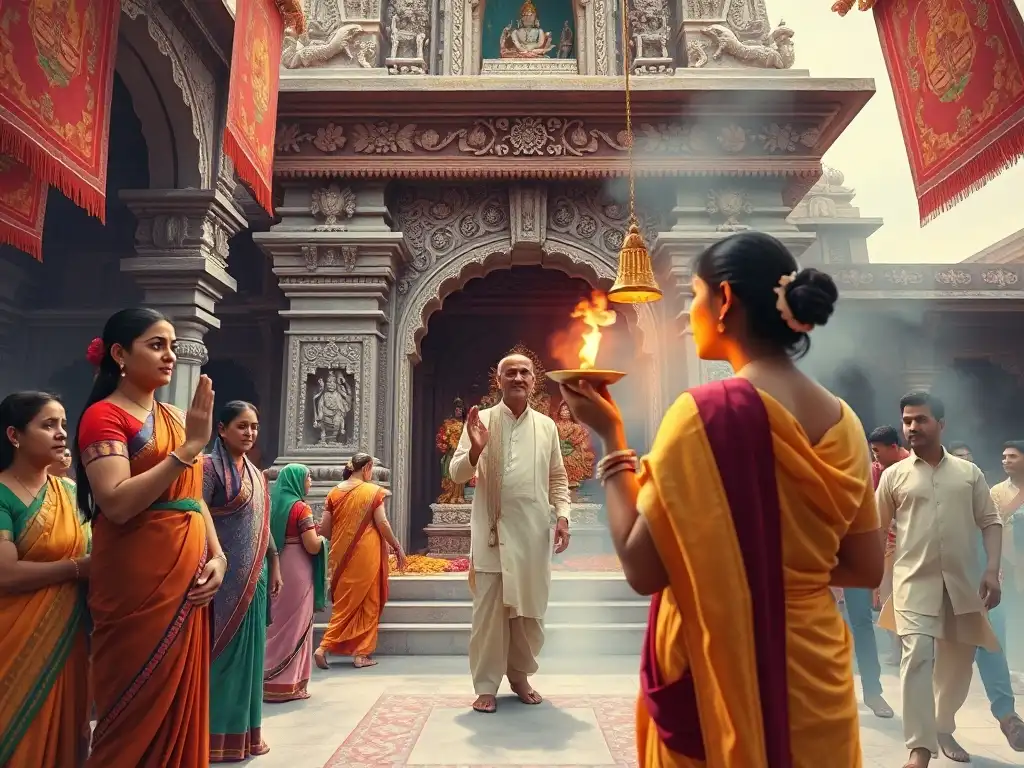
Rituals play a crucial role in the spiritual and cultural framework of Indian religions, manifesting in various artistic expressions that reflect the beliefs, traditions, and values of different communities. These rituals often serve as a bridge between the divine and the mortal, providing a structured way for individuals to connect with the spiritual realm. The artistic manifestations of these rituals can be seen in a myriad of forms, including temple architecture, sculptures, paintings, and performance arts, each contributing to a rich tapestry of religious expression across India.
Understanding Rituals in Indian Religion
Rituals in Indian religions encompass a wide range of practices, from daily worship (puja) to elaborate festivals and ceremonies that mark significant life events. These rituals are often steeped in symbolism and designed to invoke divine presence or seek blessings. Central to many Hindu rituals is the concept of shakti, or divine energy, which is believed to be present in nature and within oneself.
Similarly, in Buddhism and Jainism, rituals emphasize purity, mindfulness, and the interconnectedness of all beings. Understanding these rituals is essential to grasp the artistic expressions that arise from them, as they reflect the underlying spiritual beliefs and cultural narratives that shape Indian society.
The Relationship Between Rituals and Art Forms
The relationship between rituals and art forms in India is deeply intertwined. Artistic expressions often serve as visual representations of rituals, enhancing their significance and aiding in their performance. For instance, temple architecture is designed not only for structural purposes but also to facilitate the ritualistic practices that occur within.
The intricate carvings and sculptures found on temple walls depict scenes from religious texts, symbolizing the stories that are recited during rituals. Similarly, traditional art forms such as madhubani and warli painting often illustrate themes from spirituality and mythology, creating a visual language that resonates with the rituals they accompany. Thus, art becomes a powerful medium through which the essence of ritual is conveyed and experienced.
Case Studies of Ritualistic Art in Different Religions
To illustrate the impact of rituals on artistic expressions, several case studies highlight the diversity of ritualistic art across various Indian religions:
- Hinduism: The practice of puja involves the creation of beautiful altars adorned with flowers, fruits, and intricate rangoli designs, showcasing the artistic talent involved in ritual preparation. Temples like the Brihadeeswarar Temple in Thanjavur are adorned with exquisite sculptures that narrate mythological tales, reflecting the significance of rituals in worship.
- Buddhism: The creation of mandalas serves as both a meditative tool and an artistic expression. These geometric designs symbolize the universe and are used in rituals to facilitate spiritual journeys. The intricate sand mandalas created by Tibetan monks exemplify this blend of art and ritual.
- Jainism: Jain rituals, such as puja and samyak darshan, are accompanied by detailed iconography in their temples. The use of white marble and the depiction of Tirthankaras in various poses during rituals highlight the importance of purity and enlightenment in Jain beliefs.
These case studies illustrate how rituals inform artistic practices, creating a rich dialogue between spirituality and creativity.
The Impact of Religion on Modern Indian Art
The influence of religion on Indian art continues to evolve, shaping contemporary artistic expressions in diverse and innovative ways. Artists today draw from traditional practices while infusing modern themes and techniques, reflecting the dynamic nature of religious beliefs in a globalized world.
Evolution of Traditional Art Forms
Traditional art forms, such as Pattachitra, Madhubani, and Tanjore painting, have adapted to contemporary contexts while retaining their religious significance. Artists are experimenting with new materials and methods, incorporating modern themes like social issues, environmental concerns, and personal narratives into their works. This evolution is not merely a departure from tradition but rather a blending of the old and the new, allowing for a dialogue between historical practices and modern sensibilities.
Contemporary Expressions of Religion in Art
Contemporary Indian artists often explore religious themes through various mediums, including installations, performance art, and digital art. For instance, the works of artists like Subodh Gupta and Bharti Kher engage with traditional motifs while addressing contemporary societal issues. Gupta’s use of everyday objects and Kher’s incorporation of bindis reflect a deep connection to cultural identity and spirituality, inviting viewers to reconsider the role of religion in modern life. Furthermore, art festivals and exhibitions often showcase works that challenge conventional interpretations of religion, fostering dialogue between tradition and modernity.
Future Directions: Religion and Art in India
As India navigates the complexities of globalization and cultural exchange, the future of religious art is poised for further transformation. Artists are likely to continue exploring intersections between religion, identity, and contemporary issues, creating works that resonate with both local and global audiences. The integration of technology in art-making processes, such as virtual reality installations and interactive pieces, may also redefine how religious themes are expressed and experienced.
Additionally, a growing interest in environmental sustainability may inspire art that reflects a reverence for nature, echoing ancient Indian philosophies. Ultimately, the future of religion and art in India will be characterized by an ongoing dialogue that honors tradition while embracing innovation.
Conclusion: The Enduring Legacy of Religion's Impact on Indian Art
The intricate relationship between religion and art in India is a testament to the profound influence that spiritual beliefs have had on the country's artistic expressions. From the majestic temples of the ancient period to the exquisite icons crafted for worship, the interplay of faith and creativity has shaped a unique artistic landscape that continues to resonate through time. The legacy of religious art is not merely historical; it informs contemporary practices and inspires modern artists who draw from these rich traditions.
Throughout Indian history, various religious movements—Hinduism, Buddhism, and Jainism—have contributed to an enduring artistic vocabulary that reflects the philosophies and spiritual aims of these faiths. This legacy is evident in the diverse styles of temple architecture, the intricate carvings that adorn sacred spaces, and the symbolic use of colors and forms in religious iconography. Even rituals, which often incorporate art in their execution, reveal how deeply intertwined these elements are within the cultural framework of Indian society.
Summary of Key Points
- Interconnectedness of Religion and Art: The evolution of Indian art cannot be disentangled from its religious contexts. Temples served not only as places of worship but also as canvases for artistic expression, showcasing the divine through sculptures and frescoes.
- Diversity of Influences: Each major religion in India has left its mark on art—Hindu deities are portrayed in vibrant colors, Buddhist art emphasizes serenity and enlightenment, while Jain art highlights non-violence and asceticism. This diversity reflects the pluralistic nature of Indian society.
- Cultural Transmission: Artistic styles and techniques have been transmitted across generations, often adapting to changing religious narratives, resulting in a dynamic art form that continues to evolve while retaining its roots.
- Modern Relevance: The influence of religious themes in art persists today, with contemporary artists often referencing traditional motifs, demonstrating that the conversation between religion and art is ongoing.
The Importance of Preserving Religious Artistic Heritage
Preserving the artistic heritage that has emerged from India's religious traditions is vital for several reasons. Firstly, it contributes to the understanding of cultural identity. Each artwork, temple, and icon embodies the beliefs, practices, and historical contexts of the time, offering insight into the socio-religious dynamics that shaped ancient civilizations.
Moreover, as globalization and modernization influence contemporary society, there is a risk of losing these traditional forms of expression. Efforts to preserve religious art can foster a sense of continuity with the past, strengthening community ties and cultural pride. This preservation can take many forms, including the restoration of ancient temples, the safeguarding of artifacts in museums, and the encouragement of traditional crafting techniques among artisans.
Lastly, maintaining this heritage is essential for educational purposes. It allows future generations to appreciate and learn from the rich tapestry of Indian art and its religious underpinnings, ensuring that the values and narratives encapsulated in these works are not forgotten. As such, the preservation of religious artistic heritage isn't merely an act of conservation; it is a commitment to honoring the past while enriching the present and future.
- Introduction to Religion's Impact on Indian Art
- Overview of Indian Art Forms Influenced by Religion
- Importance of Temples, Icons, and Rituals in Indian Culture
- Historical Context of Religion in India
- Temples as Artistic Expressions of Religion
- Religious Icons: The Art of Representation
- Rituals and Their Artistic Manifestations
- The Impact of Religion on Modern Indian Art
- Conclusion: The Enduring Legacy of Religion's Impact on Indian Art
- What is the main focus of the article "The Influence of Religion on Indian Art"?
- How did religion contribute to the development of temples in ancient India?
- What role do icons play in Indian religious art?
- Can you explain the relationship between rituals and Indian art?
- How did the Gupta Empire influence Indian art and religion?
Frequently Asked Questions
What is the main focus of the article "The Influence of Religion on Indian Art"?
The article explores how religion has shaped Indian art, particularly through the construction of temples, the creation of icons, and the performance of rituals throughout history.
How did religion contribute to the development of temples in ancient India?
Temples served as centers of worship, reflecting the architectural brilliance of ancient civilizations, while also highlighting the spiritual significance of various deities and religious practices.
What role do icons play in Indian religious art?
Icons are crucial as they represent divine figures and are used in worship to help devotees connect with the spiritual realm, thereby enhancing the religious experience.
Can you explain the relationship between rituals and Indian art?
Rituals often influence the aesthetic elements of art, as they are expressed through decorations, sculptures, and performances that embody the spiritual beliefs and cultural practices of the time.
How did the Gupta Empire influence Indian art and religion?
The Gupta Empire is known for its golden age of art and culture, where religious themes flourished in sculptures and paintings, showcasing the harmonious blend of Hinduism, Buddhism, and Jainism in artistic expressions.
Final Reflection: The Enduring Legacy of Religion in Indian Art
The intricate relationship between religion and art in India is not merely a historical curiosity; it is a vibrant and living testament to the cultural identity of the nation. Today, as we navigate a rapidly changing world, the influence of religion on Indian art continues to resonate, shaping not only artistic expression but also community values and social cohesion. The temples, icons, and rituals discussed in this article serve as powerful reminders of how deeply intertwined these elements are, reflecting a rich tapestry of beliefs that have endured through centuries.
Culture is a reflection of our beliefs, and the impact of religion on Indian art is a profound example of this connection. The motifs, symbols, and narratives found in Indian art are not just aesthetic choices; they embody spiritual significance and communal identity. As we witness the resurgence of interest in traditional practices and the preservation of cultural heritage, we can see how these artistic expressions foster a sense of belonging and continuity. Art is the most beautiful of all lies.
– Claude Debussy. This quote encapsulates the essence of how art, influenced by religion, can convey deeper truths about our existence and our place in the world.
As we reflect on the insights gleaned from this exploration, I invite you to consider how the themes of religion and art manifest in your own life. Take a moment to appreciate the artistic expressions around you—be it in architecture, music, or visual arts—and recognize the stories they tell.
Engage with these works not just as spectators, but as participants in a larger narrative that connects us to our past and shapes our future. Let the lessons of this article inspire you to seek out and celebrate the diverse influences that enrich our cultural landscape, fostering a deeper understanding of the world we inhabit.
Unveil the Legacy of Indian Art: Take Action Today!
Thank you for exploring the intricate relationship between religion and Indian art. By delving into temples, icons, and rituals, you’ve taken a significant step toward understanding one of the richest cultural heritages in the world. Now, it’s time to transform that knowledge into meaningful action!
Here are a few ways you can deepen your connection to this captivating topic:
- Visit a local museum or cultural center that showcases Indian art and artifacts to experience the beauty firsthand.
- Join an online community or forum where you can share your insights and learn from others who are passionate about Indian art and history.
- Create a small art piece inspired by your experiences – whether it’s a painting, sculpture, or digital art project – and share it online using #IndianArtInfluence.
What aspect of Indian art inspires you the most, and how do you plan to incorporate it into your life or creative projects?