
Exploring the Influence of Buddhism on Indian Art Forms

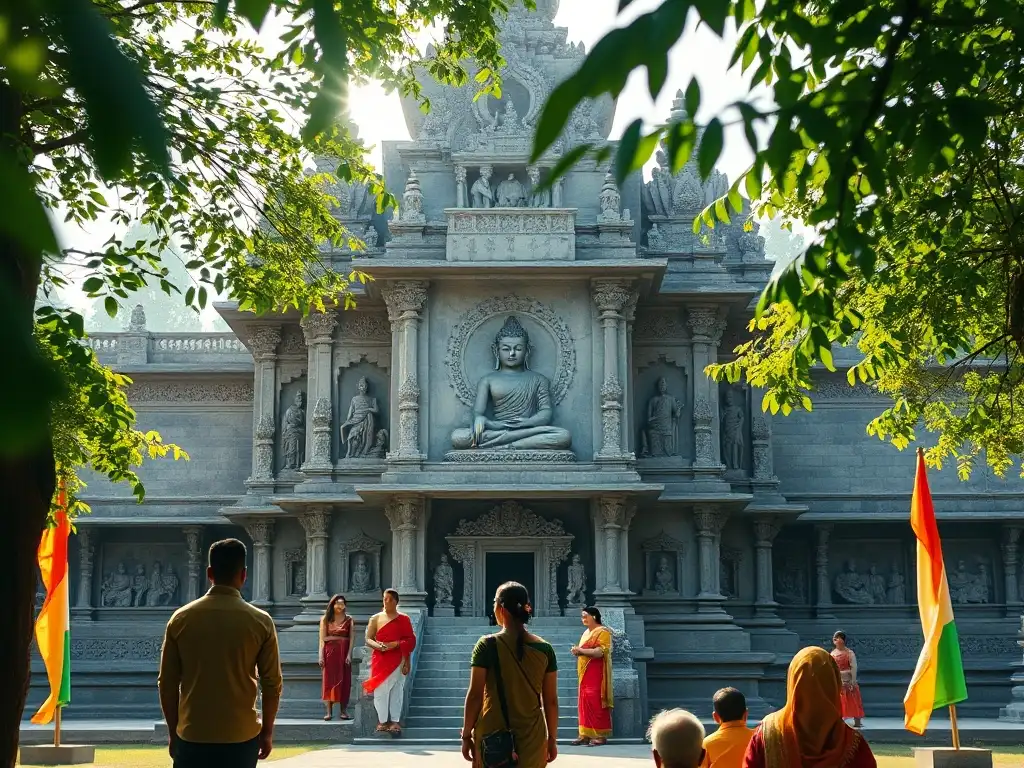
Welcome to Ancient India History, where we embark on a captivating journey through the rich tapestry of ancient civilizations. In this exploration, we delve into the profound influence of Buddhism on Indian art, unraveling how this spiritual tradition has shaped artistic expression across centuries. From intricately carved sculptures to breathtaking architecture, the impact of Buddhism resonates deeply in the cultural fabric of India. Are you ready to discover the fascinating connections between faith and creativity? Join us as we illuminate the artistic legacy that continues to inspire and intrigue!
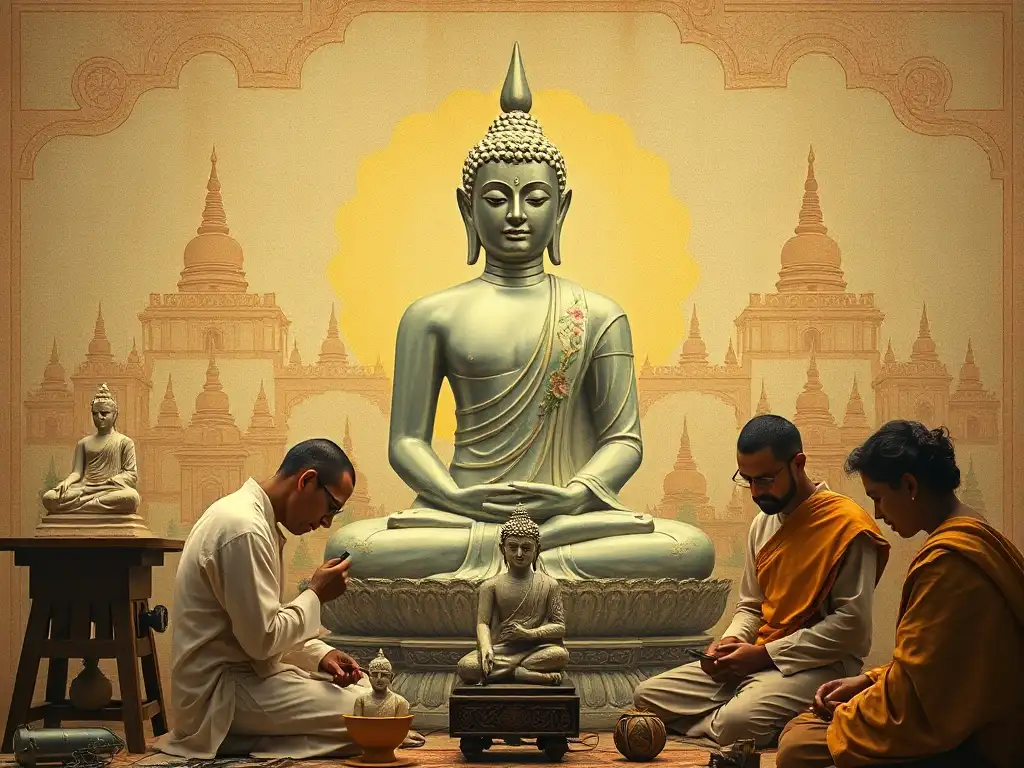
Introduction to Buddhism and Indian Art
Buddhism, originating in the 5th century BCE in India, has profoundly shaped the cultural and artistic landscape of the region. As a spiritual tradition that emphasizes enlightenment, compassion, and the path to nirvana, Buddhism's core tenets have inspired a remarkable array of artistic expressions throughout Indian history.
The influence of Buddhism on Indian art is not merely confined to religious motifs; it extends to diverse forms of sculpture, architecture, painting, and textiles, creating a rich tapestry that reflects the philosophical and ethical dimensions of Buddhist teachings. Understanding this influence allows us to appreciate the broader context of Indian art forms and the integral role Buddhism played in their evolution.
Overview of Buddhism's Origins in India
Buddhism was founded by Siddhartha Gautama, known as the Buddha, who sought to address the nature of suffering and the means to transcend it. Emerging from the rich philosophical traditions of ancient India, including Hinduism and Jainism, Buddhism brought forth a unique perspective on life and spirituality. The early followers of Buddha began to gather and share his teachings, leading to the establishment of monastic communities known as Sanghas. This foundation set the stage for the dissemination of Buddhist principles beyond India, influencing cultures and societies far and wide.
Significance of Art in Buddhist Practices
Art in Buddhism is not merely decorative; it serves a profound role in practice and devotion. Visual representations of the Buddha and various Bodhisattvas are created to facilitate meditation, inspire devotion, and convey the teachings of Buddhism. Iconography, such as the lotus flower symbolizing purity and enlightenment, is prevalent in Buddhist art. Moreover, the intricate carvings and frescoes found in stupas and monasteries are designed to educate the laity on Buddhist teachings and provide a visual narrative of the Buddha's life and his path to enlightenment.
Historical Context of Buddhism in India
To fully understand the influence of Buddhism on Indian art forms, it is essential to examine the historical backdrop against which this spiritual movement flourished. The rise of Buddhism coincided with significant socio-political changes in ancient India, creating fertile ground for the growth of its artistic expressions.
The Rise of Buddhism in Ancient India
Buddhism gained traction during the reign of Emperor Ashoka (c. 268–232 BCE), who embraced the faith and played a pivotal role in its promotion across the Indian subcontinent. Under his patronage, the construction of stupas and rock-cut caves, such as those at Sanchi and Ajanta, became prominent. These sites not only served as places of worship but also as centers of artistic innovation, where artisans created intricate sculptures and frescoes depicting key events from the Buddha's life, thereby cementing the relationship between Buddhism and art.
Key Historical Periods Influencing Buddhist Art
Buddhist art evolved through several key historical periods, each characterized by distinctive styles and techniques:
- Mauryan Period (c. 322–185 BCE): Marked by the introduction of stone sculptures and the creation of the first stupas.
- Sculptural Art of the Gandhara and Mathura Schools (1st century BCE - 5th century CE): Notable for their unique blending of Hellenistic influences and indigenous styles, leading to the emergence of realistic representations of the Buddha.
- Gupta Period (c. 320–550 CE): Often referred to as the "Golden Age" of Indian art, this era saw the refinement of Buddhist iconography and the proliferation of magnificent temple architecture.
Through these periods, the contributions of Buddhism to Indian art have left an indelible mark, shaping not only religious practices but also the cultural identity of the Indian subcontinent. Understanding these influences provides deeper insights into the intricate relationship between Buddhism and the rich tapestry of Indian art forms.
Major Artistic Expressions of Buddhism in India
Buddhism has profoundly influenced various art forms in India, manifesting through sculpture, painting, and architecture. These artistic expressions not only reflect the spiritual essence of Buddhism but also serve as historical documents of the socio-cultural contexts in which they were created. The major artistic expressions of Buddhism in India can be classified into several categories, each with its unique characteristics, styles, and techniques. From the intricate carvings of stupas to the vivid murals in monasteries, the influence of Buddhism on Indian art is both extensive and enduring.
Sculpture and Statuary in Buddhist Art
Sculpture and statuary are perhaps the most prominent manifestations of Buddhist art in India. The earliest examples can be traced back to the Mauryan period, particularly during the reign of Emperor Ashoka (circa 268-232 BCE). The Ashoka Pillars, featuring intricate carvings of the lion and other symbols, are remarkable examples of early Buddhist sculpture.
As Buddhism evolved, so did its artistic representations. The Gandhara school of art, flourishing in present-day Pakistan and Afghanistan between the 1st and 5th centuries CE, is renowned for its Greco-Buddhist style. Statues from this period depict the Buddha in human form, characterized by realistic features, drapery, and a serene expression.
In contrast, the Mathura school, active around the same time, emphasized indigenous styles, showcasing the Buddha with a more stylized and less naturalistic approach. The Buddha’s symbolic gestures (mudras), particularly the teaching (dharmachakra) and meditation (dhyana), are significant elements in these sculptures, conveying deep spiritual meanings.
The emergence of intricate relief sculptures on stupas and rock-cut caves, such as those found in Ajanta and Ellora, further exemplifies the rich tradition of Buddhist sculpture in India. These artworks often depict Jataka tales, illustrating the previous lives of the Buddha, which served both decorative and didactic purposes.
Painting and Mural Traditions
Painting, particularly in the form of murals, represents another essential aspect of Buddhist artistic expression in India. The Ajanta Caves, a UNESCO World Heritage Site, are famous for their stunning frescoes created between the 2nd century BCE and the 6th century CE. These murals depict the life of the Buddha and illustrate various Jataka tales, showcasing the vibrancy of colors and the sophistication of techniques used by ancient artists.
The Buddhist murals often employed a unique narrative style, with scenes flowing seamlessly from one to another, inviting viewers into a spiritual journey. The depiction of figures, emotions, and gestures in these paintings reveals not only the technical prowess of the artists but also the cultural and religious significance imbued within the artwork.
In addition to the Ajanta Caves, the Buddhist influences in the murals of the Bodhgaya and Kushinagar sites are notable as they reflect the syncretism of local styles with Buddhist themes. These paintings served as spiritual guides, enriching the viewer's understanding of Buddhist philosophy and teachings.
Architectural Contributions of Buddhism
Buddhism's influence on architecture in India is perhaps best exemplified through the construction of stupas, monasteries, and viharas, which served as important religious and educational centers. The architectural innovations introduced by Buddhism not only transformed the landscape of ancient India but also had lasting impacts on subsequent architectural styles.
Stupas and Their Significance in Buddhist Architecture
Stupas are monumental structures that serve as reliquaries, housing sacred relics of the Buddha and other significant figures in Buddhism. The most famous stupa, Sanchi Stupa, built during the reign of Emperor Ashoka, is a prime example of early Buddhist architecture.
The design of stupas typically includes a hemispherical dome (anda) symbolizing the universe, a square base (harmika) representing the sacred, and a spire (chhatra) symbolizing the path to enlightenment. These elements collectively reflect Buddhist cosmology and philosophy.
Stupas also played a crucial role in the practice of pilgrimage, as they were designed to be circumambulated by devotees, enhancing their spiritual experience. The intricate carvings and decorative motifs found on stupas, such as those at Sanchi and Bharhut, depict various scenes from the life of the Buddha and serve as important cultural artifacts.
Monasteries and Viharas: Centers of Art and Learning
Monasteries and viharas were essential components of Buddhist architecture, serving as residential quarters for monks and places for meditation, study, and community gatherings. These structures facilitated the spread of Buddhist teachings and arts throughout India and beyond.
The Nalanda University, established in the 5th century CE, is one of the most notable examples of a Buddhist monastery that functioned as a center of learning. It attracted scholars from various regions, fostering an environment of intellectual exchange and artistic creativity. The architectural layout of such monasteries typically included residential cells, prayer halls, and courtyards, reflecting both functionality and spiritual significance.
Additionally, monastic complexes often featured exquisite frescoes and sculptures, serving as not only places of worship but also as repositories of artistic expression. The architectural style of these viharas influenced later architectural developments in other regions, contributing to the rich tapestry of Indian art and culture.
The influence of Buddhism on Indian art is profound and multifaceted, manifesting through various forms that continue to inspire and educate generations about the spiritual and cultural heritage of ancient India.
Thematic Elements in Buddhist Art
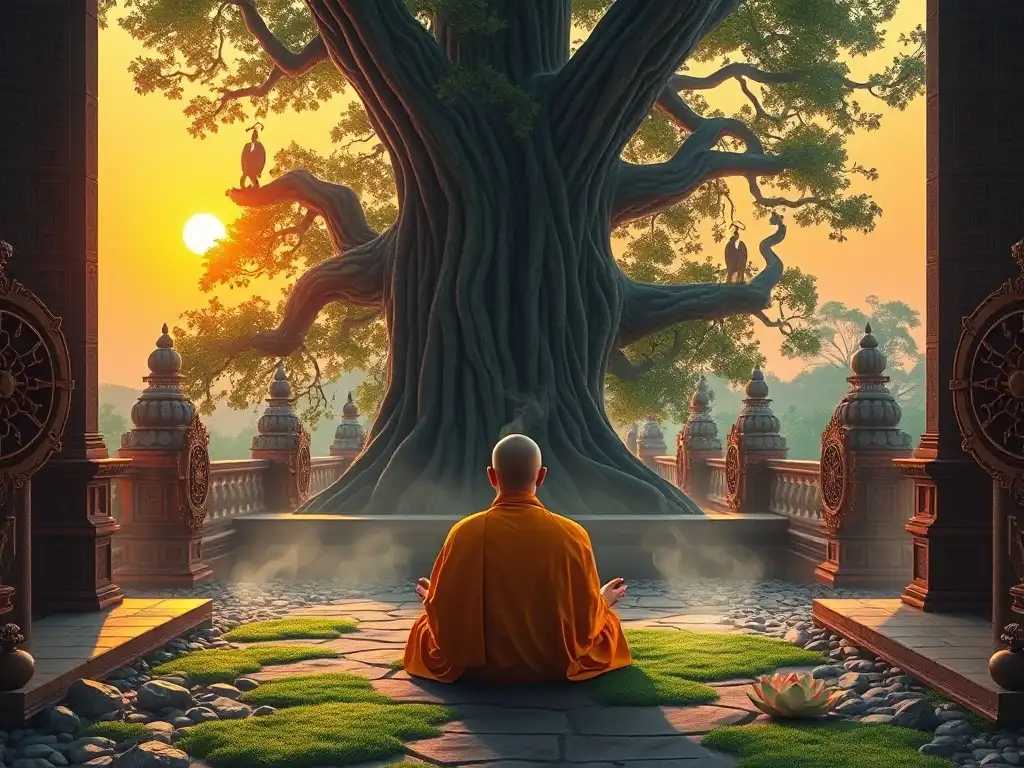
Buddhist art is replete with thematic elements that articulate the core tenets of Buddhism. This art form serves not merely as decoration but as a vehicle for conveying philosophical ideas and spiritual teachings. The themes often revolve around the life of the Buddha, the concept of enlightenment, and the impermanence of life.
Common motifs include the lotus flower, symbolizing purity and spiritual awakening, and the wheel of Dharma, representing the path to enlightenment. These elements are not only visually appealing but also imbue the artwork with deeper meanings that resonate with the principles of Buddhism.
Additionally, the use of vibrant colors and intricate designs in Buddhist art reflects the transcendental nature of reality, inviting viewers to reflect on their own spiritual journeys. In essence, these thematic elements work together to create a cohesive narrative that transcends time and culture, allowing for a universal appreciation of Buddhist philosophy.
Representation of Buddhist Philosophy in Art
Buddhist philosophy is manifest in various forms of artistic expression, with the representation of the Buddha himself being paramount. Statues and images of the Buddha vary in style and posture, each conveying different aspects of his teachings. For instance, the serene smile of the Buddha signifies inner peace, while the mudras (hand gestures) communicate specific messages about meditation, teaching, and protection.
Moreover, the artistic portrayal of Jataka tales—stories of the Buddha's previous lives—serves to illustrate moral lessons and the importance of compassion and altruism. These narratives are intricately woven into the fabric of Buddhist art, often depicted in frescoes, sculptures, and manuscripts, enriching the viewer's understanding of Buddhist ethics.
Beyond the physical representation, the spatial layout of Buddhist temples and stupas is designed to reflect the cosmos and the journey towards enlightenment. The mandala, a spiritual symbol representing the universe, often serves as a guiding framework in these architectural designs, further emphasizing the integration of philosophy into art.
Influence of Nature in Buddhist Art
Nature plays a significant role in Buddhist art, often serving as a backdrop that enhances the spiritual themes depicted. The representation of natural elements, such as trees, water, and mountains, symbolizes the interconnectedness of life and the environment, which is a key aspect of Buddhist teachings.
For instance, the Bodhi tree, under which the Buddha attained enlightenment, is a recurring motif that signifies wisdom and spiritual growth. Similarly, water is often depicted as a symbol of purity and the fluidity of life, reflecting the Buddhist understanding of impermanence.
Additionally, the depiction of animals in Buddhist art conveys moral teachings about compassion and respect for all living beings. The portrayal of serene landscapes invites contemplation and meditation, encouraging viewers to connect with the tranquility and beauty of the natural world. This interplay between nature and spirituality in Buddhist art not only enhances its aesthetic appeal but also deepens its philosophical significance.
The Cultural Exchange: Buddhism and Other Indian Art Forms
Buddhism did not exist in isolation; rather, it interacted extensively with other cultural and artistic traditions in India, leading to a rich tapestry of artistic expression. This cultural exchange significantly influenced the evolution of various Indian art forms, resulting in a synthesis of styles and themes.
Interactions Between Buddhism and Hindu Art
The interactions between Buddhist and Hindu art forms are particularly noteworthy. As Buddhism emerged in a predominantly Hindu context, there was a reciprocal exchange that enriched both traditions. For instance, the early Buddhist sculptures often adopted stylistic elements from Hindu art, such as the use of intricate ornamentation and iconographic motifs.
One notable example is the representation of divine figures, where Buddhist art began to incorporate aspects of Hindu deities, adapting their iconography to convey Buddhist themes. The use of similar architectural styles in stupas and temples further exemplifies this synthesis, as both traditions sought to express their spiritual narratives through monumental structures.
Moreover, the philosophical concepts of karma and dharma shared by both religions led to a convergence of ideas, which is reflected in the artworks of the period. This mutual influence resulted in a unique and diverse artistic landscape that continues to be celebrated for its depth and complexity.
Influence of Jainism on Buddhist Artistic Expressions
Jainism, another ancient Indian religion, has also significantly influenced Buddhist artistic expressions. The emphasis on non-violence and the reverence for all forms of life found in Jain philosophy can be seen in the delicate portrayal of figures and motifs in Buddhist art.
The intricate carvings and attention to detail in Jain art inspired similar techniques in Buddhist sculptures, leading to a higher level of craftsmanship. This influence is particularly evident in the depiction of celestial beings and the elaborate ornamentation of statues, where Jain aesthetics are harmoniously integrated with Buddhist themes.
Furthermore, the shared cultural and philosophical heritage of Jainism and Buddhism facilitated a collaborative environment that fostered artistic innovation. This synergy not only enriched the visual language of Buddhist art but also highlighted the shared values of compassion and respect for life that underpin both traditions.
The influence of Buddhism on Indian art is profound and multifaceted, shaped by thematic elements, cultural exchanges, and interactions with other religious traditions. Through its rich artistic expressions, Buddhism has left an indelible mark on the cultural fabric of India, inviting ongoing exploration and appreciation.
Modern Interpretations of Buddhism in Indian Art
The influence of Buddhism on Indian art has evolved significantly over the centuries, adapting to changing cultural landscapes and artistic practices. Modern interpretations of Buddhism in Indian art often reflect a blend of traditional motifs with contemporary themes, showcasing the relevance of Buddhist philosophies in today's society. Artists draw inspiration from Buddhist teachings, focusing on concepts like compassion, mindfulness, and the interconnectedness of all beings. This synthesis not only revives ancient styles but also recontextualizes them within a modern framework, allowing for a fresh exploration of spiritual themes through various mediums, including painting, sculpture, and digital art.
Contemporary art movements in India have seen a resurgence of interest in Buddhist aesthetics, often characterized by minimalist designs, earthy color palettes, and intricate details that echo the serene essence of Buddhist practices. Artists are increasingly exploring how these elements can be incorporated into mixed media installations, performance art, and public art, creating dialogues that resonate with both historical and modern audiences. The use of traditional iconography, such as stupas and mandalas, in contemporary works serves as a bridge connecting the past with the present, inviting viewers to engage with the spiritual dimensions of art.
Contemporary Artists Inspired by Buddhism
Several contemporary Indian artists stand out for their engagement with Buddhist themes. For instance, Subodh Gupta incorporates elements of Buddhist philosophy into his installations, using everyday materials to create thought-provoking works that reflect on the transient nature of life. His art often features motifs related to emptiness and abundance, echoing the core Buddhist concept of impermanence.
Bharti Kher, another notable artist, infuses her work with spiritual symbolism, using traditional techniques like bindis to create complex narratives that explore identity, religion, and the human experience. Kher’s art often reflects a dialogue between the personal and the universal, embodying Buddhist principles through vibrant colors and intricate forms.
Additionally, artists like Gitanjali Guru and Rameshwar Broota have also drawn upon Buddhist imagery and philosophy, weaving these elements into their respective artistic practices. Through their work, they not only honor the rich heritage of Buddhist art but also challenge conventional interpretations, inviting audiences to reflect on the relevance of these ancient teachings in contemporary life.
Revival of Traditional Buddhist Art Forms in Modern India
In recent years, there has been a notable revival of traditional Buddhist art forms in India, characterized by a renewed interest in ancient techniques and styles. This revival is evident in various regions, particularly in areas with historical ties to Buddhism, such as Bihar and Uttar Pradesh. Artisans and craftspeople are revisiting ancient methods, such as thangka painting, sculpture, and woodblock printing, to create works that resonate with both spiritual significance and artistic excellence.
Organizations dedicated to preserving and promoting traditional art forms are playing a crucial role in this revival. Workshops, exhibitions, and cultural programs are being organized to educate younger generations about Buddhist art techniques and their historical context. This has led to an increase in the production of authentic, handcrafted Buddhist art, which not only supports local artisans but also helps sustain the cultural heritage associated with Buddhism.
Moreover, the incorporation of traditional Buddhist themes into contemporary art spaces has provided a platform for dialogue and exploration. Artists are collaborating with craftsmen to create hybrid forms that honor the past while still appealing to modern sensibilities. This fusion of old and new exemplifies how traditional Buddhist art forms can thrive in contemporary contexts, ensuring their preservation for future generations.
Conclusion
The influence of Buddhism on Indian art is profound and multifaceted, deeply embedded in the cultural fabric of the nation. From ancient sculptures and frescoes to modern installations and paintings, the essence of Buddhist philosophy continues to inspire artistic expression. This enduring legacy not only reflects the historical significance of Buddhism in India but also highlights its capacity to adapt and resonate with contemporary audiences.
The Lasting Impact of Buddhism on Indian Art Forms
Buddhism's impact on Indian art forms has been lasting, shaping not only visual aesthetics but also conceptual frameworks within which art is created and understood. The principles of compassion, mindfulness, and the quest for enlightenment permeate various artistic expressions, allowing artists to convey complex emotional and spiritual narratives. This impact is evident in the continuing use of Buddhist symbols, narratives, and themes in contemporary artworks, demonstrating the religion's relevance to modern society.
Moreover, the dialogue between traditional Buddhist art forms and contemporary practices enriches the artistic landscape of India. This ongoing interaction fosters a deeper understanding of cultural identity and spirituality, inviting new interpretations and explorations that keep the essence of Buddhism alive in the artistic realm.
Future Directions for the Study of Buddhism and Art in India
As the study of Buddhism and its influence on Indian art continues to evolve, several future directions can be envisaged. Researchers and scholars can explore the intersections of Buddhism with other cultural and artistic movements, examining how these interactions shape contemporary practices. Additionally, there is a growing need to document and analyze the works of lesser-known artists who draw inspiration from Buddhism, as their contributions often go unnoticed in mainstream narratives.
Furthermore, interdisciplinary approaches that combine art history, anthropology, and religious studies can provide a more comprehensive understanding of how Buddhism informs artistic expression in India. Engaging with digital platforms and new media can also facilitate broader discussions and collaborations, ensuring that the dialogue surrounding Buddhism and art remains dynamic and inclusive.
Ultimately, the future of Buddhism's influence on Indian art lies in its ability to inspire creativity, provoke thought, and foster connections across cultures and generations. By continuing to explore and celebrate this rich heritage, we can ensure that the teachings and aesthetic principles of Buddhism endure and flourish in the artistic landscape of India.
- Introduction to Buddhism and Indian Art
- Historical Context of Buddhism in India
- Major Artistic Expressions of Buddhism in India
- Architectural Contributions of Buddhism
- Thematic Elements in Buddhist Art
- The Cultural Exchange: Buddhism and Other Indian Art Forms
- Modern Interpretations of Buddhism in Indian Art
- Conclusion
- What are the main features of Buddhism influence on Indian art?
- How did the Indus Valley Civilization contribute to the evolution of Buddhist art?
- What role did the Gupta Empire play in the propagation of Buddhist art?
- How did the spread of Buddhism affect regional art styles in India?
- In what ways did Buddhism influence the themes of Indian art beyond religious representation?
Frequently Asked Questions
What are the main features of Buddhism influence on Indian art?
Buddhism significantly shaped Indian art through the development of iconography, sculpture, and painting, particularly in the depiction of the Buddha and various Buddhist symbols.
How did the Indus Valley Civilization contribute to the evolution of Buddhist art?
The Indus Valley Civilization laid the groundwork for later artistic expressions by introducing early iconographic motifs and techniques that evolved through subsequent periods, including Buddhism.
What role did the Gupta Empire play in the propagation of Buddhist art?
The Gupta Empire is often referred to as a golden age of Indian art, where Buddhist art forms flourished, showcasing intricate sculptures, cave paintings, and architecture that conveyed Buddhist teachings.
How did the spread of Buddhism affect regional art styles in India?
As Buddhism spread, it influenced various regional art styles, leading to the integration of Buddhist themes into local traditions and the emergence of unique forms of temple architecture and sculpture.
In what ways did Buddhism influence the themes of Indian art beyond religious representation?
Beyond religious representation, Buddhism influenced themes of compassion, peace, and meditation, which permeated various art forms, inspiring artists to convey deeper philosophical concepts in their work.
Final Reflection: The Enduring Legacy of Buddhism's Influence on Indian Art
The profound impact of Buddhism on Indian art is not merely a historical footnote; it is a vibrant thread woven into the very fabric of contemporary culture. As we explore the intricate relationship between Buddhism and various art forms, we uncover a timeless dialogue that continues to resonate in today's artistic expressions. The fusion of spiritual philosophy and creative endeavor has shaped not only the aesthetics of art but also the deeper meanings behind it, reminding us that art is a powerful vehicle for conveying profound truths and emotions.
The influence of Buddhism on Indian art transcends mere visual representation; it has fostered a cultural landscape rich in symbolism and spiritual depth. From the serene sculptures of the Buddha to the intricate mandalas that invite contemplation, these artistic expressions serve as a testament to the enduring relevance of Buddhist teachings in our lives. As the renowned artist Ananda Coomaraswamy once said, The artist is not a special kind of person; every person is a special kind of artist.
This notion encourages us to recognize the artistic potential within ourselves, inspired by the wisdom and beauty that Buddhism has imparted to Indian art.
As we reflect on the lessons drawn from the intersection of Buddhism and Indian art, let us embrace the call to cultivate mindfulness and creativity in our own lives. Consider how you can incorporate the principles of compassion, harmony, and introspection into your daily practices, whether through artistic endeavors or simply by appreciating the beauty around you. In doing so, we not only honor the legacy of Buddhism but also contribute to a world that values art as a means of connection and understanding.
Uncover the Beauty: Dive Deeper into Buddhism and Art!
Thank you for taking the time to explore the profound influence of Buddhism on Indian art forms with us. Your interest in this rich tradition is the first step towards a greater understanding and appreciation of its impact on culture and creativity. Now, let’s transform that curiosity into action!
- Join a local art workshop focused on techniques inspired by Buddhist art to experience this captivating style firsthand.
- Share your thoughts on how Buddhism has influenced modern art in the comments below; your insights can enrich our community’s understanding!
- Explore virtual exhibitions or documentaries to discover how this ancient tradition continues to inspire contemporary artists.
What aspect of Buddhist art resonates with you the most, and how does it inspire your own creative journey?