
From Folk to Fine Art: The Diversity of Indian Art Forms

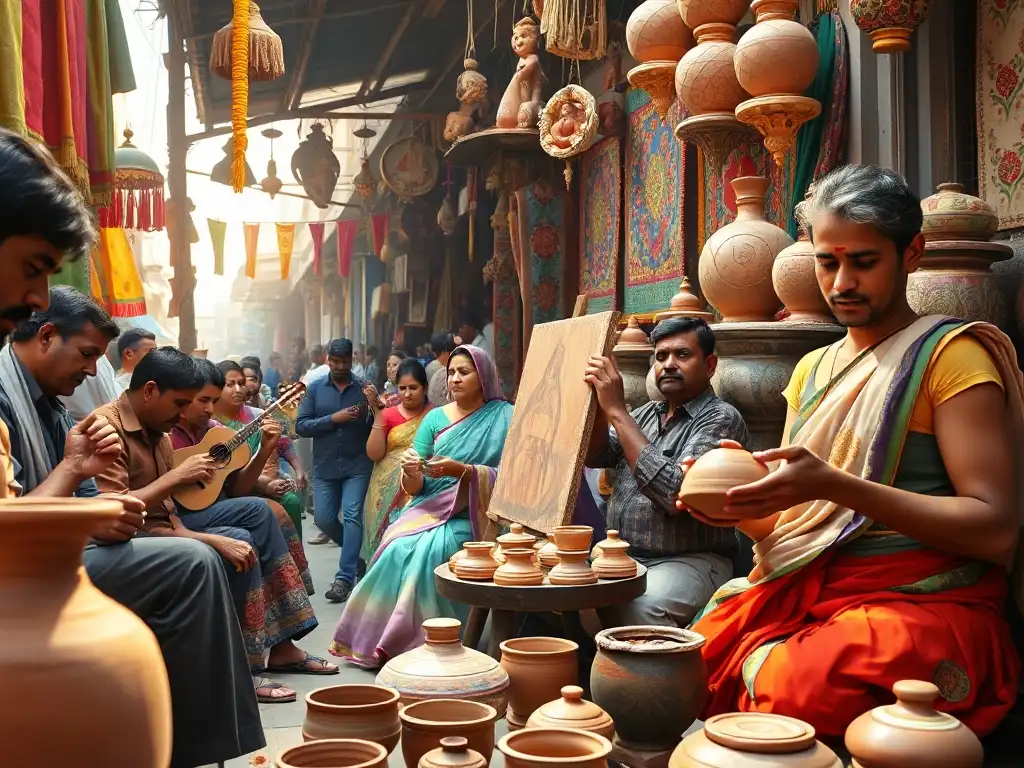
Welcome to Ancient India History, where we embark on an enchanting journey through time to uncover the rich and diverse heritage of one of the world's oldest civilizations. In our featured article, "From Folk to Fine Art: The Diversity of Indian Art Forms," we delve into the myriad artistic expressions that have flourished throughout the ages, showcasing the vibrant tapestry of diverse Indian art forms that reflect the soul of this grand culture.
As you explore the intricate patterns, vivid colors, and profound philosophies behind these masterpieces, prepare to be captivated by the stories they tell and the legacies they leave behind. Join us as we unveil the artistic treasures of ancient India—your adventure awaits!
India, a land steeped in history and tradition, boasts a remarkable variety of artistic expressions that span countless centuries. The journey of Indian art forms is a testament to the rich cultural tapestry woven by diverse civilizations, from the ancient Indus Valley to the grand eras of the Maurya and Gupta Empires. These diverse Indian art forms reflect not only the aesthetic sensibilities of their time but also the intricate social, religious, and regional influences that have shaped them.
As we delve into the world of Indian art, we uncover a spectrum ranging from folk art — often vibrant and community-oriented — to fine art, which encompasses classical painting, sculpture, and architecture revered for their sophistication and technical prowess. Each form tells its own story, echoing the values, beliefs, and histories of the people who created it. This exploration will illuminate the evolution and significance of these art forms, highlighting their enduring legacy and the ways they continue to inspire contemporary artists today.
Join us in this captivating journey as we unravel the complexities and beauty of Indian art, celebrating the unique contributions of various regions and communities to this living heritage. Whether you're a seasoned art aficionado or a curious newcomer, there's much to discover in the colorful world of Indian artistic traditions.
- Introduction to Diverse Indian Art Forms
- Historical Context of Indian Art Forms
- Categories of Indian Art
- Techniques and Mediums in Indian Art
- Cultural Significance of Diverse Indian Art Forms
- Challenges Facing Indian Art Forms Today
- Conclusion: The Future of Diverse Indian Art Forms
- Frequently Asked Questions
- Final Reflection: Celebrating the Diversity of Indian Art Forms
- Unveil Your Artistic Journey Today!
Introduction to Diverse Indian Art Forms
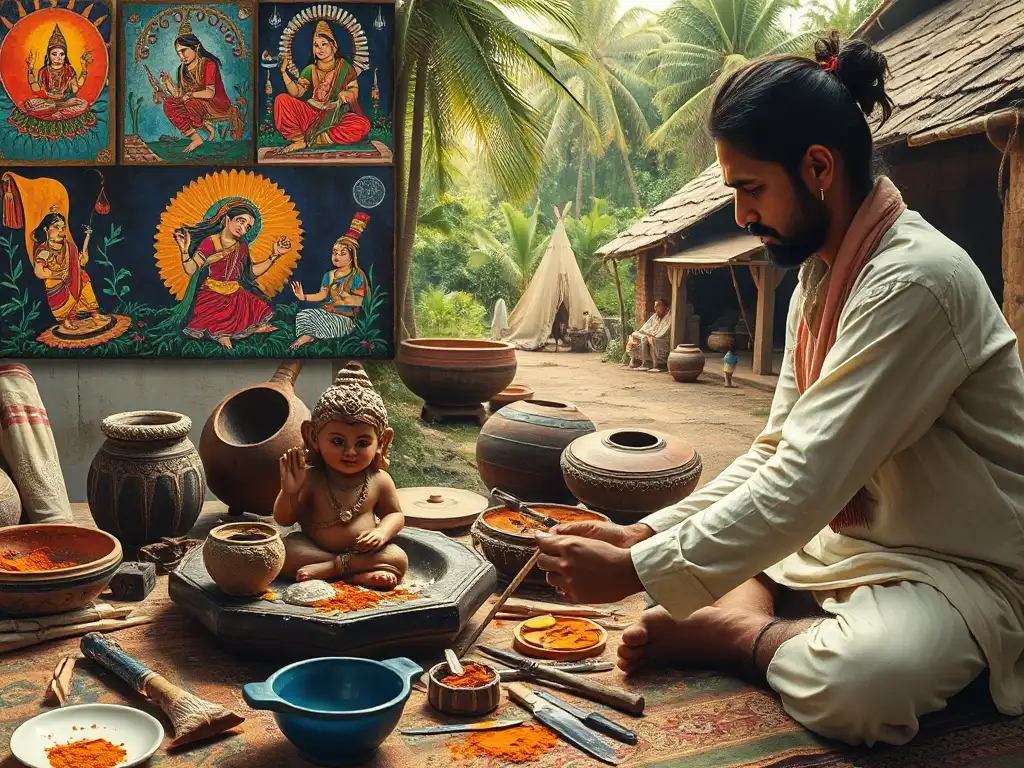
Indian art forms encompass a vast and intricate tapestry that reflects the rich history, culture, and spirituality of the subcontinent. This diversity is not merely aesthetic; it is deeply intertwined with the various regional traditions, local materials, and historical contexts that have shaped artistic expression over millennia. From the intricate carvings of ancient temples to the vibrant colors of folk paintings, the spectrum of Indian art forms illustrates the creativity and ingenuity of its people.
In this section, we will explore the significance and evolution of these diverse Indian art forms, highlighting their roles in cultural identity and community life.
Understanding the Significance of Indian Art
Indian art serves as a vital conduit for cultural expression and preservation. The significance of these art forms can be categorized into several key aspects:
- Cultural Identity:
- Art reflects the identity of various communities and regions. Each art form, whether classical, folk, or tribal, carries the essence of the culture from which it originates.
- For example, Madhubani painting from Bihar is not just an art form; it embodies the traditions, stories, and beliefs of the Mithila region.
- Spiritual and Religious Expression:
- Many Indian art forms are intrinsically linked to spirituality and religion. Temples across India feature intricate sculptures and frescoes depicting deities, which serve both decorative and devotional purposes.
- The tradition of painting on cloth in Rajasthan often features themes from Hindu epics, providing a visual narrative of spiritual beliefs.
- Social Commentary:
- Art has historically been a medium for social commentary and resistance. Contemporary artists often use their work to address social issues, such as gender inequality and environmental degradation.
- The folk art form of Warli painting, originating from Maharashtra, often depicts the harmony between humans and nature, conveying messages about sustainability.
- Cultural Transmission:
- Art forms act as a bridge between generations, facilitating the transmission of stories, values, and customs.
- The practice of traditional crafts, such as pottery and weaving, not only showcases skills but also narrates the history of communities.
Overview of the Evolution of Indian Art
The evolution of Indian art can be traced through various historical phases, each contributing to the rich diversity we see today. Here’s a brief overview:
- Indus Valley Civilization (c. 3300–1300 BCE):
- The earliest evidence of Indian art comes from the Indus Valley, characterized by seals, terracotta figurines, and urban planning.
- Artifacts such as the dancing girl statue highlight the sophistication of this ancient civilization.
- Buddhist Art (c. 3rd century BCE – 1st century CE):
- The Mauryan period saw the emergence of Buddhist art, with stupas and sculptures symbolizing the teachings of Buddha.
- Notable examples include the Sanchi Stupa and the rock-cut caves of Ajanta and Ellora, showcasing intricate carvings and frescoes.
- Hindu Art and Temple Architecture (c. 1st – 12th century CE):
- The Gupta Empire marked a golden age in Indian art, particularly in temple architecture and sculpture.
- Temples like those at Khajuraho and Hampi illustrate the stylistic advancements and religious devotion of the period.
- Medieval and Mughal Period (c. 13th – 18th century):
- The arrival of the Mughals introduced Persian influences into Indian art, leading to the creation of exquisite miniature paintings and architecture, like the Taj Mahal.
- This era also saw the fusion of various regional styles, enriching the artistic landscape.
- Modern and Contemporary Art (19th century – present):
- The British colonial period led to the emergence of new artistic movements, combining traditional techniques with Western styles.
- Contemporary Indian artists explore diverse themes, often blending traditional motifs with modern sensibilities, creating a dynamic art scene that continues to evolve.
The evolution of diverse Indian art forms not only reflects historical changes but also the continuous interplay of tradition and innovation. As we delve deeper into specific art forms, we can appreciate the unique narratives and cultural significance embedded within each piece.
Historical Context of Indian Art Forms
Ancient Indian Art: Roots in the Indus Valley Civilization
The origins of diverse Indian art forms can be traced back to the Indus Valley Civilization (IVC), one of the world's earliest urban cultures that flourished around 3300 to 1300 BCE. This civilization, known for its sophisticated urban planning and advanced drainage systems, also left behind a rich legacy of artistic expression.
Key Features of Indus Valley Art:
- Terracotta Figurines: Small terracotta sculptures representing animals, deities, and human figures were commonly found in archaeological sites such as Mohenjo-Daro and Harappa. These figurines reflect the craftsmanship and artistic sensibilities of the time.
- Seals: The IVC is renowned for its intricate seals, often made of steatite, that featured engravings of animals, scripts, and symbols. These seals served not only as commercial tools but also as a means of artistic expression.
- Pottery: The pottery of the Indus Valley, particularly painted pottery, showcased geometric patterns and motifs, displaying a high level of aesthetic sophistication and creativity.
The art of the Indus Valley laid the foundation for subsequent Indian art forms, influencing the regional styles that emerged in later periods. This early artistic expression reflects the cultural diversity and social complexity of ancient Indian civilization, marking the beginning of a rich artistic tradition that would evolve over millennia.
Influence of Religion on Indian Art Forms
Religion has played a pivotal role in shaping the diverse Indian art forms throughout history. As various religions flourished in India—such as Hinduism, Buddhism, and Jainism—they inspired a multitude of artistic expressions that conveyed spiritual themes and narratives.
Major Religious Influences:
- Hinduism:
- Hindu art is characterized by its intricate sculptures, temple architecture, and vibrant paintings. Deities such as Vishnu, Shiva, and Durga have been depicted in various forms across different regions, showcasing the diversity within Hindu art.
- The Chola and Gupta dynasties are notable for their temple architecture, which features detailed carvings and sculptures that narrate mythological stories.
- Buddhism:
- The emergence of Buddhism in the 6th century BCE led to the creation of stupas, monasteries, and a unique form of sculpture. The Buddha's life stories were illustrated through art, particularly in the Ajanta and Ellora Caves.
- The use of symbolism, such as the lotus and the Bodhi tree, became prevalent in Buddhist art, reflecting the spiritual teachings of the religion.
- Jainism:
- Jain art is distinguished by its emphasis on non-violence and asceticism. The Jain Tirthankaras, or spiritual teachers, are depicted in exquisite sculptures and temple architecture, often adorned with intricate details.
- The Ranakpur Temple and the Delwara Temples are prime examples of Jain architectural grandeur, showcasing the deep connection between art and spirituality.
Through these religious lenses, diverse Indian art forms flourished, intertwining spirituality with creativity. The artistic expressions became a means to communicate religious beliefs, cultural values, and philosophical ideas, contributing to the rich tapestry of India's artistic heritage.
The interplay of ancient roots and religious influences has undeniably shaped the diverse Indian art forms, creating a vibrant and multifaceted artistic landscape that continues to inspire and captivate audiences today.
Categories of Indian Art
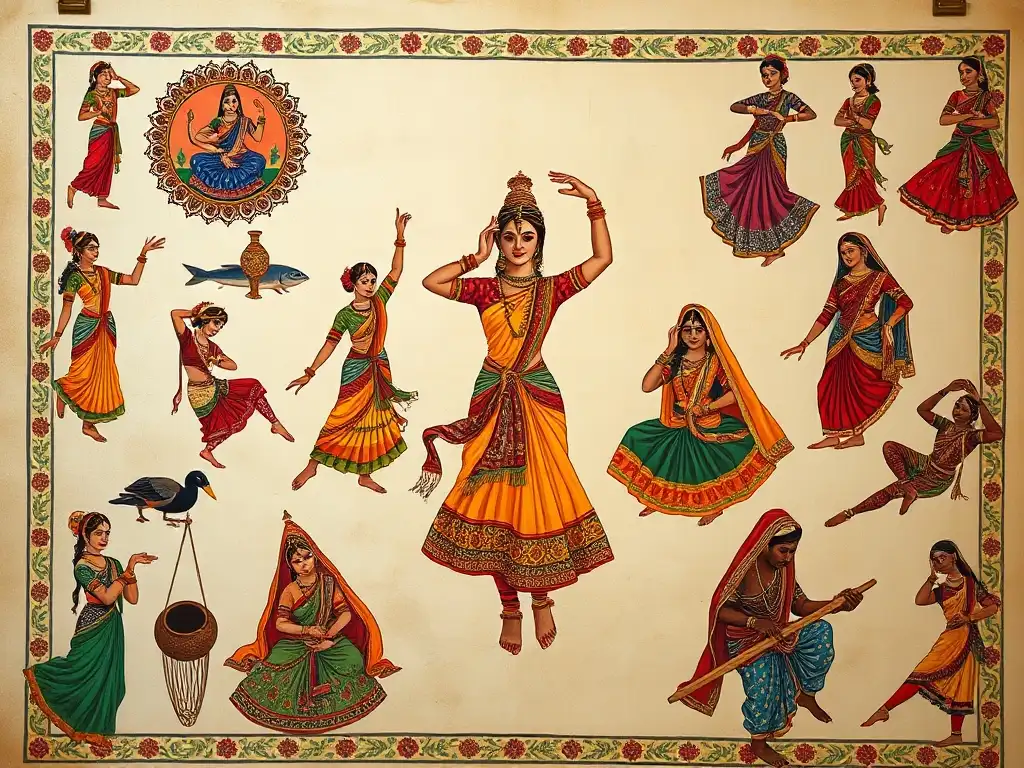
India's artistic heritage is a splendid tapestry woven from diverse Indian art forms that reflect its rich cultural history. The categories of Indian art can be broadly divided into traditional folk art forms and classical art forms, each showcasing distinct characteristics and techniques that contribute to the cultural fabric of the nation.
Traditional Folk Art Forms
Traditional folk art forms in India are deeply rooted in the customs, traditions, and daily lives of its people. These art forms often serve functional purposes, conveying stories, beliefs, and rituals through visual expression. Typically created by local artisans, folk art is characterized by its vibrant colors, intricate designs, and themes that are reflective of the community's social and cultural environment.
Characteristics of Folk Art in India
Folk art in India is marked by several defining characteristics:
- Community-Centric: Folk art is often created collaboratively and reflects the values, stories, and traditions of the community.
- Use of Natural Materials: Artisans frequently use locally sourced materials like clay, wood, and natural dyes, emphasizing sustainability and cultural relevance.
- Symbolism: Many folk art forms incorporate symbolic motifs, often connected to nature, mythology, and spirituality, which convey deeper meanings.
- Vibrant Colors: The use of bright, bold colors is a hallmark of Indian folk art, representing joy, festivity, and cultural identity.
- Functional Aspects: Folk art often has practical applications, such as pottery, textiles, and wall paintings that serve both decorative and utilitarian purposes.
Notable Folk Art Forms: Warli, Madhubani, and Pattachitra
Several traditional folk art forms stand out for their unique styles and cultural significance:
- Warli Art: Originating from the Warli tribe in Maharashtra, Warli art is characterized by its simple geometric shapes and depiction of daily life, nature, and social rituals. The use of white pigment on earthy backgrounds creates a striking contrast.
- Madhubani Art: Hailing from the Mithila region of Bihar, Madhubani art is known for its intricate patterns and vibrant colors. Traditionally created by women, this art form often portrays mythological themes and nature, using natural dyes and pigments.
- Pattachitra: This traditional painting style from Odisha is known for its intricate details and mythological narratives. Pattachitra artists use a unique technique that involves painting on cloth with natural colors, often depicting stories from Hindu epics.
Classical Indian Art Forms
Classical Indian art forms represent the pinnacle of artistic achievement in the country's history, showcasing refined techniques and a deep understanding of aesthetics. These art forms are often associated with royal patronage and have evolved over centuries, reflecting the cultural and spiritual ethos of the time.
Overview of Classical Art in India
Classical Indian art encompasses a range of styles and mediums, including painting, sculpture, and architecture. It is characterized by its adherence to traditional techniques, use of symbolism, and profound spiritual themes. The classical art forms often convey philosophical ideas and religious beliefs through meticulous craftsmanship and attention to detail.
Key Classical Styles: Mughal, Rajput, and Tanjore
Among the various classical styles, several have made significant contributions to the artistic landscape of India:
- Mughal Art: Emerging during the Mughal Empire, this style blends Persian influences with Indian traditions. Mughal paintings are known for their rich colors, intricate details, and depictions of court life, nature, and historical events.
- Rajput Art: Originating in the royal courts of Rajasthan, Rajput art is characterized by its bold colors and elaborate compositions. This style often features themes of valor, love, and folklore, with a focus on intricate details and decorative elements.
- Tanjore Art: Hailing from Tamil Nadu, Tanjore painting is renowned for its use of gold foil and vibrant colors. This classical art form often depicts Hindu deities and religious themes, showcasing a blend of painting and sculpture techniques.
The exploration of these diverse Indian art forms not only highlights the artistic skills of ancient civilizations but also reflects the intricate cultural narratives that have shaped India's history.
Contemporary Indian Art
Contemporary Indian art represents a dynamic intersection of traditional practices and modern sensibilities, reflecting India's diverse cultural landscape. This art form emerged prominently in the late 20th century and has continued to evolve, incorporating global influences while maintaining its native roots. Artists are increasingly exploring themes such as identity, globalization, and social issues, often utilizing a variety of mediums ranging from painting and sculpture to installations and digital art. The vibrant and multifaceted nature of contemporary Indian art showcases the country's rich heritage while also engaging with contemporary dialogues.
Contemporary Indian art is characterized by its diversity, with artists drawing from various traditions, styles, and techniques. There is a notable blend of Western influences and indigenous practices, resulting in innovative expressions that resonate on both local and international stages. Art exhibitions, galleries, and art fairs have proliferated, providing platforms for artists to showcase their work and engage with a broader audience. This has led to a burgeoning art market, with Indian artists gaining recognition and acclaim globally.
Transition from Traditional to Contemporary Art
The transition from traditional to contemporary Indian art reflects a profound shift in cultural narratives and artistic expression. Traditional art forms, such as Mughal paintings, Tanjore art, and Warli paintings, were deeply rooted in religious and cultural contexts, often conveying spiritual themes and local folklore. However, as India underwent significant social and political changes, artists began to challenge these conventions and explore new themes that mirrored contemporary realities.
In the post-independence era, the rise of modernism in art saw Indian artists experimenting with abstraction and minimalism, breaking away from the constraints of traditional techniques. Influential movements, such as the Progressive Artists' Group established in 1947, encouraged artists to explore personal expression and contemporary themes while still acknowledging their cultural heritage. This era marked a crucial turning point in Indian art, as artists began to fuse traditional motifs with modern techniques, leading to a unique form of expression that resonated with the evolving identity of the nation.
The globalization of art further accelerated this transition, as Indian artists gained exposure to international trends and dialogues. This cross-pollination of ideas has fostered a vibrant contemporary art scene, where artists are increasingly tackling issues related to gender, politics, and the environment. The integration of new media and technology into art-making processes has also transformed the landscape, allowing for innovative approaches to storytelling and artistic expression.
Prominent Contemporary Artists and Their Works
Numerous artists have emerged as key figures in the contemporary Indian art scene, each contributing to the rich tapestry of diverse Indian art forms. Here are some prominent contemporary artists and a glimpse into their significant works:
-
Bharti Kher
- Notable Work: The Skin Speaks a Language Not Its Own
Kher is known for her intricate installations that often incorporate bindi, a traditional decorative element, to explore themes of identity, gender, and culture.
-
Subodh Gupta
- Notable Work: Supermarket
Gupta's work often utilizes found objects and materials, creating thought-provoking installations that comment on consumerism and urban life in India.
-
Yayoi Kusama (though Japanese, her influence has reached India)
- Notable Work: Infinity Mirrors
Kusama's work has inspired many Indian artists to explore concepts of infinity and perception, showcasing the global influence on Indian contemporary art.
-
Raqs Media Collective
- Notable Work: The Eternal Return
This trio of artists engages with contemporary issues through installations and media art, often reflecting on history, technology, and the human experience.
-
Anish Kapoor
- Notable Work: Cloud Gate
Kapoor's monumental sculptures fuse traditional Indian aesthetics with contemporary forms, illustrating the global dialogue within the art world.
The contributions of these artists and many others have not only enriched the contemporary Indian art scene but have also established a dialogue that transcends cultural boundaries, making Indian art a significant player on the global stage.
Techniques and Mediums in Indian Art
Traditional Techniques in Indian Art Forms
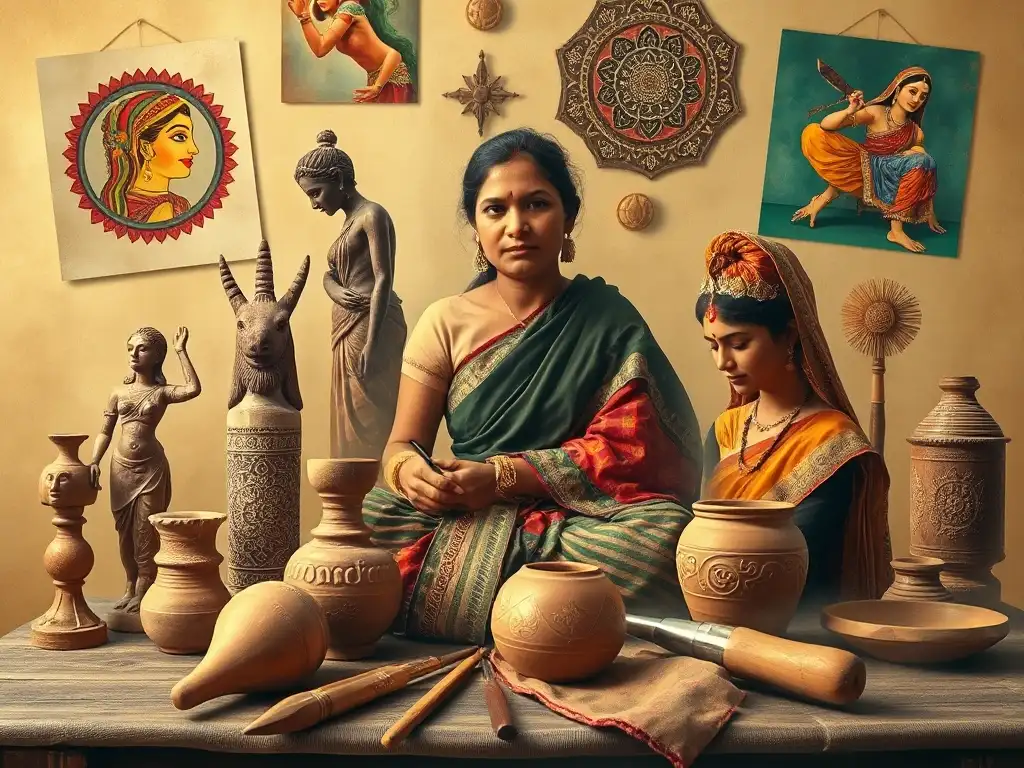
Indian art is characterized by a rich tapestry of techniques and mediums, each contributing to the diverse Indian art forms that have evolved over millennia. The traditional approaches showcase the ingenuity and creativity of ancient artisans, reflecting the culture and values of their times.
Painting Techniques: Miniature, Fresco, and Mural
-
Miniature Painting
Miniature paintings are intricate artworks that often depict historical events, court scenes, and religious themes. Originating in the 16th century, these paintings are characterized by their small size and detailed brushwork. Artists employed natural pigments and gold leaf on materials such as paper and cloth. Notable styles include:
- Mughal Miniatures: Rich colors and elaborate compositions.
- Rajput Miniatures: Vibrant hues and emotional expressions.
- Pahari Miniatures: Characterized by their landscapes and romance themes.
-
Fresco
Frescoes are murals painted on freshly laid wet plaster, allowing the colors to become an integral part of the wall. This technique was widely used in temples and palaces, creating stunning visual narratives. Key examples can be found in:
- Ajanta Caves: Depicting Buddhist themes with exquisite detail.
- Rani ki Vav: Showcasing intricate narratives through vibrant frescoes.
-
Mural
Murals differ from frescoes in that they can be painted on dry walls and include a broader range of styles. Indian murals often illustrate religious texts and daily life. Some prominent examples include:
- Tanjore Murals: Known for their gold foil and vibrant colors.
- Kalamkari: A traditional form that uses natural dyes to create elaborate designs.
Sculpture Techniques: Stone Carving, Bronze Casting, and Terracotta
-
Stone Carving
Stone carving is one of the oldest forms of sculpture in India, with techniques ranging from chipping to polishing. This method has produced iconic statues, often found in temples. Important styles include:
- Chola Bronze Statues: Renowned for their dynamic poses and intricate details.
- Khajuraho Temples: Famous for their erotic sculptures and detailed artistry.
-
Bronze Casting
The lost-wax casting technique is a hallmark of Indian metalwork, allowing for the creation of complex figures. Bronze sculptures are particularly significant in religious contexts. Notable examples include:
- Nataraja: Representing the cosmic dance of Shiva, showcasing fluidity and grace.
- Vishnu Statues: Highlighting divine attributes and intricate detailing.
-
Terracotta
Terracotta sculptures are made from clay and often depict everyday life or deities. This medium has been used since the Indus Valley Civilization and continues to hold cultural significance. Examples include:
- Hindu Deity Figurines: Used in rituals and domestic worship.
- Terracotta Toys: Reflecting the craftsmanship of ancient artisans.
Influence of Modern Techniques on Indian Art
The evolution of Indian art has been significantly influenced by modern techniques, leading to a fusion of traditional and contemporary styles that define the current landscape of diverse Indian art forms.
Use of Mixed Media in Contemporary Indian Art
Mixed media has emerged as a popular technique among contemporary Indian artists, allowing for experimentation with different materials and forms. This approach combines traditional methods with modern elements, creating unique expressions. Artists often incorporate:
- Photographs: Blending reality with artistic interpretation.
- Collage: Using various materials such as fabric, paper, and found objects to create layered narratives.
- Installation Art: Engaging viewers through immersive experiences that challenge conventional boundaries.
Prominent artists, like Subodh Gupta, utilize mixed media to explore themes of identity, culture, and globalization, making their works relevant in a rapidly changing world.
Digital Art and Its Rise in India
The rise of digital art in India marks a significant shift in the artistic paradigm, democratizing the creation and distribution of art. Artists are leveraging technology to push the boundaries of creativity, leading to:
- Digital Illustrations: Combining traditional motifs with modern techniques, creating a new visual language.
- Animation and Multimedia: Engaging audiences through storytelling that blends technology and art.
- Social Media Platforms: Providing a platform for artists to showcase their work and connect with a global audience.
The proliferation of digital art has resulted in a vibrant community of artists who are redefining the landscape of diverse Indian art forms, making it more accessible and dynamic than ever before.
Cultural Significance of Diverse Indian Art Forms
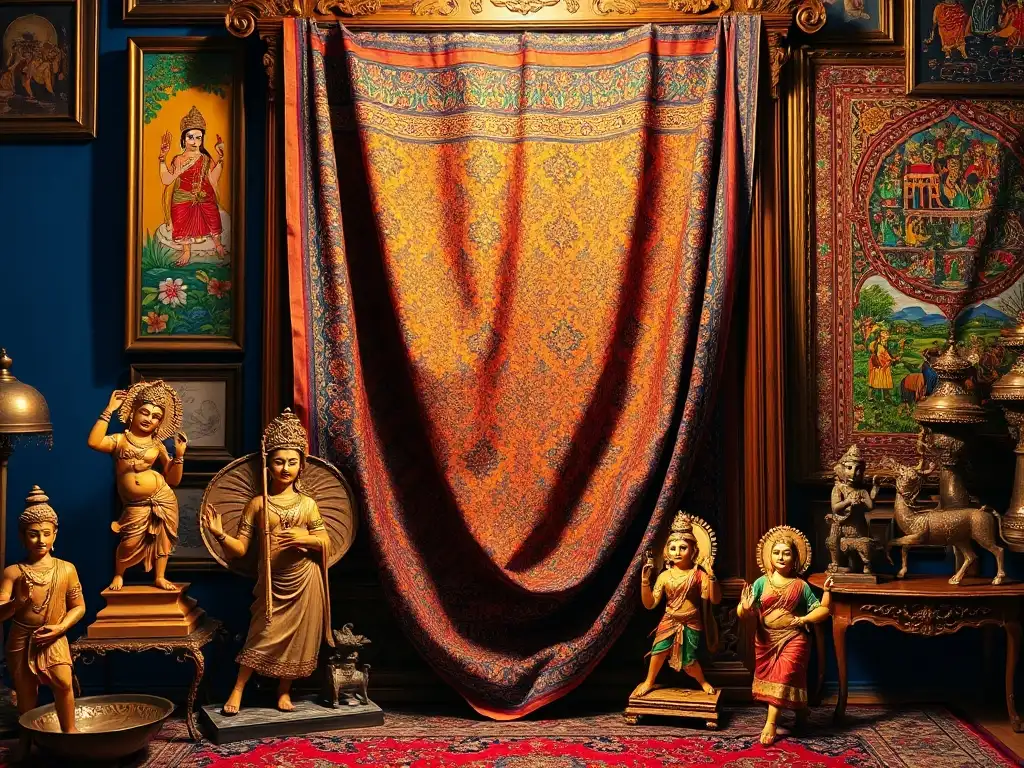
The diverse Indian art forms, ranging from folk traditions to classical expressions, play a pivotal role in the cultural fabric of the subcontinent. They are not merely aesthetic expressions but serve as a medium of communication, bridging various aspects of life, beliefs, and traditions. Each art form encapsulates the values, narratives, and history of the communities it originates from, highlighting the rich tapestry of India's past and present.
The Role of Art in Indian Festivals and Rituals
Art in India is deeply intertwined with festivals and rituals, often serving as a vehicle for expressing spirituality and cultural identity. Various art forms come to the forefront during these celebrations, showcasing not only the aesthetic beauty but also the underlying significance of each festival.
- Visual Arts: Traditional paintings, such as Madhubani and Warli, are often created during festivals. These artworks depict mythological stories and natural elements, embodying the essence of the celebrations.
- Performing Arts: Dance forms like Kathak, Odissi, and Bharatanatyam are integral to festivals, with performances that narrate tales from epics like the Ramayana and Mahabharata. These dances often incorporate intricate movements and storytelling, connecting the audience to their cultural heritage.
- Crafts: Festivals are also a time for artisans to showcase their skills through various crafts. For instance, the creation of intricate rangolis (floor designs made with colored powders) during Diwali symbolizes welcoming prosperity and happiness into homes.
In essence, art during festivals serves multiple purposes:
- Celebration: It enhances the festive experience, making it vibrant and memorable.
- Community Bonding: Art fosters unity among community members, as people come together to create and appreciate these forms.
- Preservation of Tradition: Through these expressions, traditional practices are passed down through generations, ensuring cultural continuity.
Indian art has historically mirrored the social and political landscape of its time. From ancient inscriptions to contemporary works, art has been a powerful commentary on societal norms, governance, and cultural shifts.
- Historical Context: The evolution of art forms can often be traced back to significant historical events. For instance, the Mauryan period saw the emergence of stone carvings that depicted the reign of Emperor Ashoka, promoting messages of peace and dharma.
- Social Commentary: Folk art, such as Pattachitra, often reflects the lives and struggles of common people, addressing themes of labor, love, and social justice. These artworks serve as a voice for the marginalized, highlighting issues that resonate within society.
- Political Influence: During the freedom struggle, artists used their work to inspire patriotism and dissent. The use of national symbols in various art forms galvanized public sentiment against colonial rule, demonstrating art’s power as a tool for political expression.
The interplay between art and society showcases how diverse Indian art forms are not just decorative but are deeply embedded in the historical and political narratives of the country. They provide insight into the values, aspirations, and challenges faced by people throughout history, making them crucial for understanding India’s multifaceted identity.
Challenges Facing Indian Art Forms Today
The landscape of Indian art forms, rich in diversity and history, is currently facing a myriad of challenges that threaten their survival and evolution. From traditional folk practices to sophisticated classical styles, these art forms are at a crossroads, influenced by modernity and globalization. Understanding these challenges is crucial for the preservation and promotion of India's artistic heritage.
Preservation of Traditional Art Techniques
One of the foremost challenges in preserving traditional art techniques is the decline in skilled artisans. Many crafts, such as Pattachitra, Madhubani, and Kalamkari, require years of training and practice. However, with the younger generation increasingly drawn to urban jobs and modern careers, the ranks of skilled artisans are dwindling. This loss of traditional knowledge poses a significant threat to the authenticity and continuity of these art forms.
Additionally, the lack of institutional support plays a critical role in the preservation of these techniques. Many artisans operate in isolation, without access to resources or platforms that can help them showcase their work. In response, several organizations and NGOs are stepping in to provide training, funding, and exposure. For example, initiatives like the Crafts Council of India and Dastkar aim to uplift artisans by offering workshops and market access, but these efforts need to be scaled up.
Furthermore, the demand for mass-produced goods has led to a decline in the market for handmade products. The proliferation of cheaper, machine-made alternatives has made it difficult for traditional artisans to compete. Consequently, many are forced to abandon their craft in search of more stable income sources. To combat this, there is a growing movement advocating for ethical consumerism, encouraging consumers to choose handmade products that support local artisans.
Lastly, the documentation and archiving of traditional techniques remain inadequate. Many art forms are passed down orally, which makes them vulnerable to extinction. Establishing comprehensive databases and recording methods can help preserve these techniques for future generations. Moreover, partnerships with academic institutions can facilitate research and documentation efforts.
The Impact of Globalization on Indian Art
Globalization has had a profound impact on diverse Indian art forms, acting as both a catalyst for exposure and a source of dilution. On one hand, the internet and social media platforms have allowed Indian artists to reach global audiences, showcasing their work beyond geographical boundaries. This exposure can lead to new opportunities, collaborations, and a broader appreciation for Indian art.
However, this increased visibility also brings challenges. The commercialization of art often prioritizes marketability over authenticity, leading to the creation of works that may not accurately represent traditional techniques or cultural significance. For instance, some artists may blend traditional styles with contemporary themes in an effort to appeal to a global market, which can result in a dilution of cultural identity.
Moreover, the influence of Western art movements has led to a shift in aesthetic values, with some artists feeling pressured to conform to international trends rather than maintain their cultural roots. This can create a sense of conflict for artists who wish to honor their heritage while also exploring modern expressions.
The art market itself is changing, with increasing demand for contemporary art forms that may overshadow traditional practices. This shift can create a perception that traditional art forms are outdated or irrelevant, which undermines their value and importance.
To mitigate these impacts, it is essential to foster a dialogue between traditional and contemporary art forms, encouraging a fusion of ideas that respects heritage while embracing innovation. Initiatives that promote cultural exchange can help maintain this balance, ensuring that diverse Indian art forms continue to thrive in the global arena.
While challenges abound for Indian art forms in the face of modernization and globalization, concerted efforts towards preservation, documentation, and ethical consumerism can help safeguard the rich tapestry of India's artistic heritage for future generations.
Conclusion: The Future of Diverse Indian Art Forms
The future of diverse Indian art forms hinges on both revitalization efforts and the sustainability of traditional practices. As globalization continues to influence cultural expressions, Indian art faces both challenges and opportunities. By fostering a deeper appreciation for these art forms, society can ensure they not only survive but thrive.
Revitalizing and Sustaining Indian Art Traditions
Revitalization of diverse Indian art forms is crucial in an era where modernity often overshadows traditional practices. This can be achieved through various initiatives:
- Community Engagement: Local communities play a vital role in sustaining art forms like Madhubani and Warli painting. Workshops and festivals can be organized to encourage participation and preserve traditional techniques.
- Government Support: Policies that promote artisan welfare, such as fair trade practices and financial incentives, are essential. For instance, the Indian government has launched schemes that provide financial assistance to artisans, helping them sustain their crafts.
- Collaboration with Designers: Integrating traditional art forms into contemporary design can create new markets. Collaborations between artisans and modern designers can result in innovative products that appeal to a broader audience.
In addition, it is essential to document and archive these art forms to ensure their techniques, stories, and cultural significance are preserved for future generations.
The Role of Education and Awareness in Art Preservation
Education and awareness are integral to preserving the diverse Indian art forms. Several strategies can be implemented to enhance public understanding and appreciation:
- Curriculum Integration: Introducing art history into school curricula can foster an appreciation for traditional art forms from a young age. By learning about the cultural context and significance of these art forms, students can develop a deeper respect for their heritage.
- Workshops and Seminars: Organizing workshops led by master artisans can provide hands-on experience for participants. This not only educates the public but also creates a direct link between modern audiences and traditional practices.
- Digital Platforms: Leveraging technology to showcase diverse Indian art forms can reach wider audiences. Virtual exhibits, online courses, and social media campaigns can raise awareness and appreciation for these art forms globally.
- Art Festivals and Exhibitions: Hosting events that celebrate Indian art can draw attention to its diversity. Festivals that include live demonstrations, interactive sessions, and exhibitions help engage the community and promote artistic traditions.
By combining these efforts, the preservation of diverse Indian art forms can be ensured for generations to come, enriching both cultural heritage and contemporary society. Through education, community engagement, and innovative practices, the legacy of Indian art will continue to flourish.
Frequently Asked Questions
What are the key characteristics of diverse Indian art forms?
Diverse Indian art forms are marked by rich traditions, regional variations, and a blend of cultural influences that reflect India's historical heritage and spiritual beliefs.
How did the Indus Valley Civilization contribute to Indian art?
The Indus Valley Civilization is known for its advanced urban planning and intricate craftsmanship, including pottery, jewelry, and seals, which laid the foundation for subsequent artistic expressions in India.
What role did the Gupta Empire play in the evolution of art?
Under the Gupta Empire, there was a renaissance in Indian art, characterized by fine sculptures and cave paintings that emphasized religious themes and natural beauty, influencing later generations.
Can you name some traditional folk art forms in India?
Yes, traditional folk art forms include Madhubani, Warli, and Pattachitra, each representing unique cultural narratives and local traditions that showcase the diverse artistic heritage of India.
How do modern influences impact Indian art today?
Modern influences have led to a fusion of styles, incorporating contemporary themes and techniques, while still honoring traditional methods, thus enriching the diversity of Indian art forms.
Final Reflection: Celebrating the Diversity of Indian Art Forms
The rich tapestry of Indian art forms is a testament to the country's cultural heritage and its ability to adapt and evolve over time. Today, as we navigate a rapidly globalizing world, the significance of preserving and promoting these diverse Indian art forms becomes increasingly paramount.
The intricate patterns of Madhubani, the vibrant colors of Warli, and the soulful melodies of classical music not only reflect the creativity of their creators but also serve as a bridge connecting generations and communities. In a time when cultural identities are often overshadowed, embracing these art forms is a powerful statement of pride and resilience.
The influence of Indian art extends far beyond its borders, shaping global artistic expressions and inspiring countless artists worldwide. The ongoing revival of traditional crafts and the fusion of folk and contemporary styles highlight the importance of these art forms in contemporary society. As we witness this evolution, we are reminded of the words of the renowned artist, Rabindranath Tagore: Art is the most beautiful of all lies.
This sentiment encapsulates the essence of Indian art, where every brushstroke and note tells a story, preserving the past while inviting innovation and dialogue.
As we reflect on the diverse Indian art forms, let us take a moment to appreciate their profound impact on our lives and communities. I invite you to explore these art forms, engage with local artists, and support initiatives that celebrate this vibrant heritage. By doing so, we not only honor the legacy of our ancestors but also contribute to a future where art continues to thrive as a vital expression of our shared humanity. Embrace the beauty of diversity in Indian art, and let it inspire your own creative journey.
Unveil Your Artistic Journey Today!
Thank you for diving into the vibrant world of Indian art with us! You've explored the rich tapestry of diverse art forms, and now it’s time to transform that inspiration into action. Here are some simple yet impactful steps to embark on your own artistic journey:
- Start creating! Choose an Indian art form that resonates with you and dedicate time to practice. Whether it's painting, sculpting, or pottery, let your creativity flow!
- Share your passion. Connect with friends or family by showcasing your creations on social media or within your local community. You never know—you might inspire someone else!
- Discover more. Explore local galleries or online exhibitions that feature Indian art to deepen your appreciation and understanding of these captivating forms.
What new art form will you explore first, and how do you see it reflecting your own cultural experience? Share your thoughts in the comments below!