
The History and Architecture of the Golden Temple in Amritsar

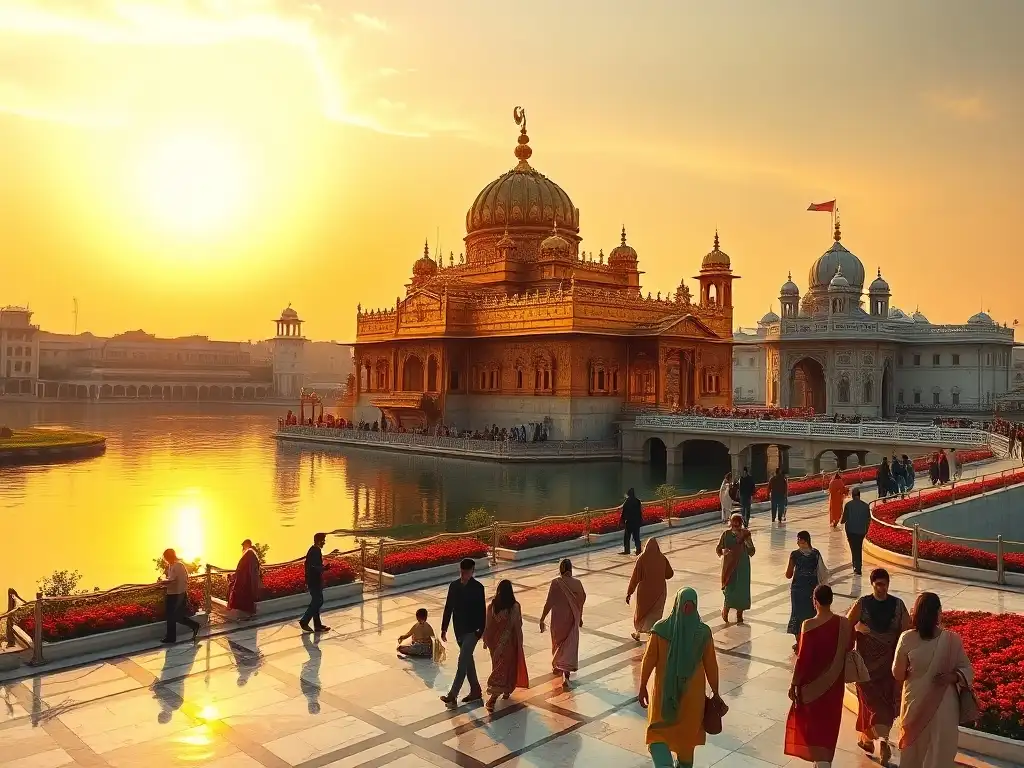
Welcome to Ancient India History, where we delve into the rich tapestry of India's past, celebrating the remarkable civilizations that shaped its cultural landscape. Today, we invite you to explore the fascinating journey of the Golden Temple architecture—a symbol of spiritual harmony and artistic excellence. Join us as we unravel the intricate stories behind its design and significance, and discover how this architectural marvel has stood the test of time. Prepare to embark on an enlightening adventure through the corridors of history, where every stone has a tale to tell!
Introduction to the Golden Temple
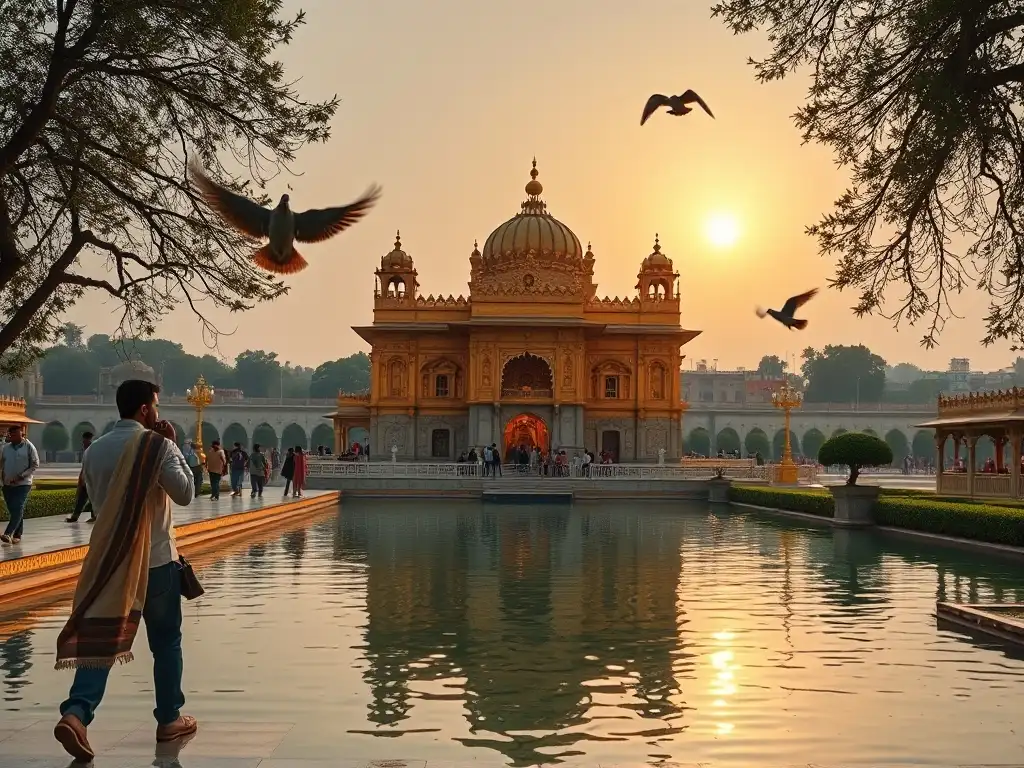
The Golden Temple, also known as Harmandir Sahib, stands as a magnificent testament to the rich tapestry of history, culture, and spirituality that defines not only Amritsar but also the broader narrative of Indian civilization. This architectural marvel, known for its stunning golden facade and serene waters, serves as a pilgrimage site for millions of devotees and a symbol of peace and equality.
The Golden Temple architecture history reveals a blend of various architectural styles, showcasing the ingenuity and artistry of ancient Indian craftsmen. It reflects the ethos of Sikhism, emphasizing humility and community service, making it not just a place of worship but also a cultural hub that embodies the values of inclusivity and harmony.
Overview of the Golden Temple's Significance
The Golden Temple is more than a religious site; it is the heart of Sikh faith and an emblem of resilience and devotion. Built in the 16th century, it holds profound significance for Sikhs and stands as a symbol of their spiritual and cultural identity. The temple's architecture features intricate designs and a harmonious layout, drawing visitors from around the world. The sacredness of the site is complemented by the surrounding Amrit Sarovar (Pool of Nectar), which adds to its tranquil ambiance.
The Golden Temple is a reminder of the importance of selfless service and the quest for truth.
Importance in Sikhism and Indian Culture
In Sikhism, the Golden Temple holds a unique place as it houses the Guru Granth Sahib, the holy scripture of the Sikhs. It serves as a spiritual guide, providing inspiration and teachings to its adherents. The temple's architecture is designed to reflect humility, with its low entrance symbolizing that everyone is welcome, regardless of caste or background. This inclusive philosophy resonates deeply within the fabric of Indian culture, making the Golden Temple a vital part of the nation's heritage and a beacon of hope for unity in diversity.
The Historical Background of the Golden Temple
The historical narrative of the Golden Temple is rich and layered, marked by significant events that have shaped its identity over centuries. Understanding its origins and the key moments in its history is essential to appreciate its current stature.
Origins of the Golden Temple: Founding and Early Years
The foundation of the Golden Temple was laid in 1581 by Guru Ram Das, the fourth Sikh Guru, who envisioned a central place of worship for the Sikh community. The architecture was designed by Guru Arjan Dev, the fifth Guru, who completed the construction in 1604. The temple was built with the intention of creating a space that embodied the principles of openness and acceptance, allowing people from all walks of life to come together in spiritual communion.
Key Historical Events that Shaped the Temple's Legacy
Throughout its history, the Golden Temple has witnessed numerous events that have influenced its legacy. From the siege of 1762, where it faced destruction, to the later rebuilding efforts that restored its grandeur, each chapter has contributed to its resilience. The temple has also served as a focal point during pivotal moments in Sikh history, including the struggles against imperial forces and the fight for religious freedom.
The Role of Guru Ram Das in Establishing the Temple
Guru Ram Das's vision and leadership were instrumental in establishing the Golden Temple as a spiritual center. His teachings emphasized the importance of community, equality, and devotion, principles that are deeply embedded in the architecture and function of the temple. As the founder, he not only laid the groundwork for the temple but also for a community that would thrive on the ideals of service and spirituality, making the Golden Temple a lasting symbol of Sikh identity and heritage.
Through this exploration of the Golden Temple's history and architecture, we gain insight into the profound impact it has on both Sikhism and the cultural landscape of India, ensuring its place as a cherished marvel in the annals of ancient history.
The Architectural Marvel of the Golden Temple
The Golden Temple, also known as Harmandir Sahib, is not just a place of worship but an architectural masterpiece that represents the spiritual ethos of Sikhism. Located in Amritsar, Punjab, this iconic temple is renowned for its stunning golden façade and intricate design. Its architecture harmoniously blends various styles, reflecting the cultural diversity and historical context of the region. The temple stands as a symbol of unity and inclusivity, attracting millions of visitors from around the world who come to witness its beauty and spiritual significance.
The temple's architectural layout is unique, featuring a square-shaped sanctum surrounded by a sacred pool called the Amrit Sarovar. This design not only serves a religious purpose but also enhances the aesthetic appeal of the site. The Golden Temple is a prime example of how architecture can be used to convey philosophical and spiritual messages, making it an enduring symbol of Sikh heritage.
Overview of Golden Temple Architecture
The architecture of the Golden Temple is a remarkable blend of Hindu and Islamic styles, characterized by its grand entrance, domed structure, and intricate ornamentation. The temple was designed by Guru Arjan Dev, the fifth Sikh Guru, in the late 16th century. The main sanctum is topped with an impressive dome made of gold, symbolizing the divine and the quest for spiritual enlightenment.
The walls of the temple are adorned with exquisite marble inlays, intricate carvings, and reflective surfaces that enhance its visual grandeur. The use of precious metals, particularly gold, signifies the wealth of spiritual wisdom and the richness of the Sikh faith. The temple’s architectural layout promotes a sense of serenity and tranquility, inviting visitors to engage in meditation and reflection.
Key Features of the Golden Temple Design
The Golden Temple boasts several key architectural features that contribute to its status as an architectural marvel:
- The Golden Dome: The temple's most iconic feature, the dome is covered in pure gold leaf, symbolizing the divine presence. Its shape resembles an inverted lotus, which is a common motif in Indian architecture, representing purity and beauty.
- The Four Entrances: The temple has four entrances, symbolizing openness and inclusivity, welcoming people from all walks of life and faiths. This design reflects the Sikh principle of equality and community service.
- Marble Work: The lower levels of the temple are constructed from white marble, intricately inlaid with semi-precious stones in floral patterns and geometric designs. This detailed craftsmanship is a significant aspect of its beauty.
- The Amrit Sarovar: The sacred pool surrounding the temple is not only a spiritual symbol but also enhances the temple’s aesthetic by reflecting its grandeur. Pilgrims often bathe in the waters, believing it purifies the soul.
The Evolution of Golden Temple Architecture
Over the centuries, the architecture of the Golden Temple has evolved, shaped by various factors including cultural influences, historical events, and the contributions of different architects. Each phase of development has left a distinct mark on its architectural identity.
Changes and Renovations Over the Centuries
The Golden Temple has undergone numerous renovations since its inception. The most significant occurred in the 19th century when Maharaja Ranjit Singh commissioned extensive restoration work, enhancing its beauty and grandeur. His efforts included the gilding of the dome and the construction of a marble pathway leading to the temple.
In the years that followed, the temple has continued to evolve, with periodic maintenance and restorations to preserve its structural integrity and artistry. Modern technologies have also been employed to ensure the longevity of the temple's features while maintaining the authenticity of its design.
Influence of Historical Events on Architectural Modifications
The architectural modifications of the Golden Temple have often mirrored the historical context of the time. For instance, during periods of conflict, such as the brutal attacks in the 18th and 19th centuries, the temple faced significant damage, leading to reconstruction efforts that incorporated both traditional and contemporary architectural elements.
Historical events, including the partition of India and subsequent political turmoil, have also influenced the temple's architecture. These events prompted a renewed focus on preserving the temple as a symbol of resilience and faith, leading to enhancements that reflect the Sikh community's enduring spirit.
The Role of Various Architects in the Temple's Design
Throughout its history, several architects have played pivotal roles in shaping the Golden Temple's design. Initially, Guru Arjan Dev, the fifth Sikh Guru, laid the foundation with a vision that combined spirituality and architectural beauty.
Later, prominent architects such as Maharaja Ranjit Singh's court architects contributed to its transformation in the 19th century, infusing elements of Persian and Mughal architecture into the temple's design. Each architect's influence is evident in the intricate details, materials used, and overall layout, making the Golden Temple a collaborative masterpiece that reflects the rich artistic heritage of India.
The Golden Temple continues to be a living testament to the evolution of architecture, embodying the spirit of Sikhism while showcasing the diverse cultural influences that have shaped its design over the centuries.
Symbolism in the Architecture of the Golden Temple
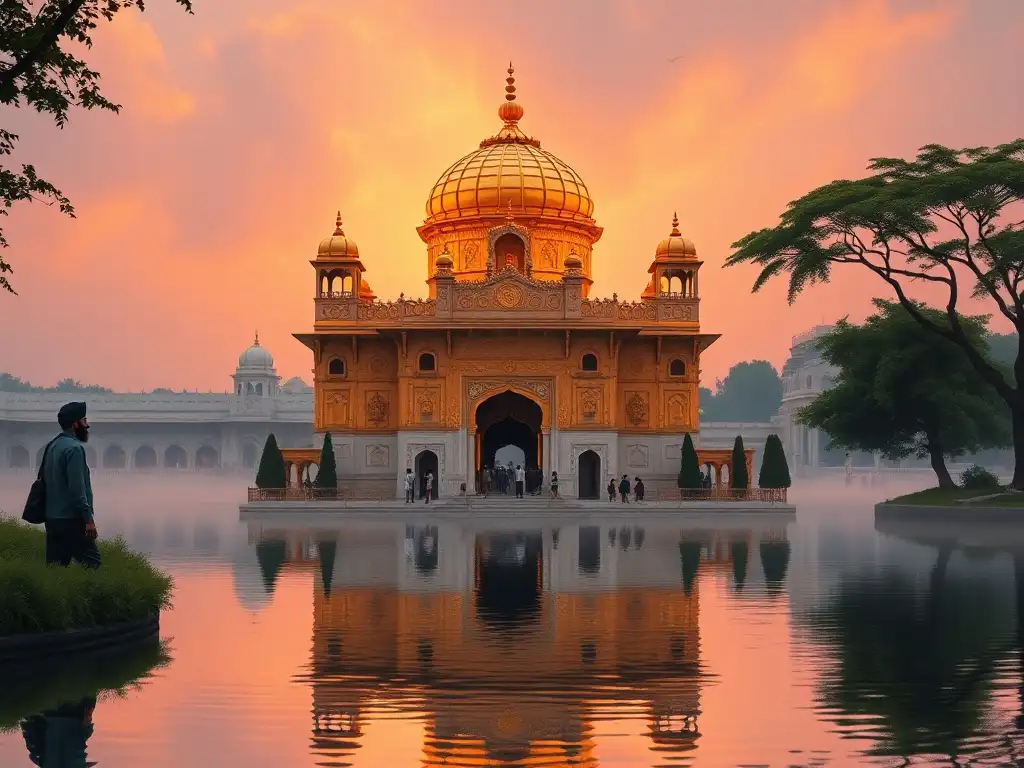
The Golden Temple, also known as Harmandir Sahib, stands as a prominent symbol of Sikhism and reflects a confluence of spiritual and architectural elements that capture the essence of its teachings. The intricate design of the temple is not merely aesthetic; it embodies profound meanings that resonate with the core values of the Sikh faith. From its location to its materials, every aspect of the Golden Temple's architecture is laden with symbolism that encourages reflection and spiritual growth.
The Spiritual and Cultural Symbols Embedded in the Structure
The architecture of the Golden Temple is rich with spiritual symbols that reflect the teachings of Sikhism. The square shape of the temple represents the idea of equality and inclusiveness, as it invites all individuals, regardless of caste, creed, or religion, to enter and seek solace. The four entrances, one on each side, symbolize openness and acceptance, ensuring that everyone can access the divine presence within.
Moreover, the use of gold leaf on the dome signifies the divine light of God, illuminating the path of righteousness. The lotus flower, a recurring motif in the temple’s design, symbolizes purity and spiritual awakening, echoing the Sikh belief in rising above worldly attachments. Each of these elements serves to remind visitors of the core values of love, compassion, and unity central to Sikh philosophy.
The Significance of the Amrit Sarovar (Pool of Nectar)
The Amrit Sarovar, or Pool of Nectar, surrounding the Golden Temple is a crucial component of its architecture and spiritual significance. This sacred water body is believed to have healing properties, both physical and spiritual, serving as a symbol of purity and tranquility. Pilgrims and visitors often take a ritual dip in the pool, which represents a cleansing of the soul and an opportunity for introspection.
Architecturally, the Amrit Sarovar enhances the aesthetic beauty of the temple, reflecting its golden domes and intricate marble work. The water also plays a practical role in cooling the environment around the temple, making it a serene haven for reflection and prayer. The design of the Sarovar encourages visitors to engage with the space on a deeper level, fostering a sense of community and shared spiritual purpose.
Architectural Elements Reflecting Sikh Philosophy
The architectural elements of the Golden Temple are intricately linked to Sikh philosophy. The temple's use of both Hindu and Islamic architectural styles signifies the syncretic nature of Sikhism, promoting the idea of unity in diversity. The combination of marble and gold not only enhances its visual appeal but also signifies the balance between material wealth and spiritual richness.
The central focus of the temple is the Guru Granth Sahib, the holy scripture of Sikhism, housed within the sanctum sanctorum. The design of the sanctum emphasizes the importance of the scripture as the spiritual guide for the community. The elevated platform on which the Guru Granth Sahib rests symbolizes the elevated status of spiritual knowledge, encouraging devotees to seek wisdom and guidance through its teachings.
The Golden Temple in Modern Times
The Golden Temple continues to be a vital center for spirituality and culture in modern India, adapting to contemporary challenges while preserving its historical integrity. The temple not only serves as a pilgrimage site but also as a symbol of resilience and unity among diverse communities.
Preservation Efforts and Restoration of the Temple
Preservation efforts for the Golden Temple have been ongoing since its inception, with numerous restoration projects aimed at maintaining its architectural grandeur. After suffering significant damage during the 1984 anti-Sikh riots, comprehensive restoration initiatives were launched to restore the temple to its former glory. These efforts involved skilled artisans and craftsmen who employed traditional techniques and materials to ensure authenticity.
Today, organizations work diligently to preserve the structural integrity of the temple while enhancing facilities for visitors, including improved access and educational resources. Regular maintenance ensures that the temple remains a safe and welcoming space for all who seek solace within its walls.
The Impact of Tourism on the Golden Temple's Architecture
Tourism plays a pivotal role in the ongoing story of the Golden Temple, with millions of visitors flocking to experience its spiritual ambiance and architectural beauty each year. While this influx of tourists contributes significantly to the local economy, it also poses challenges in terms of preservation and maintenance.
To accommodate the growing number of visitors, there have been adaptations in and around the temple, including the development of infrastructure and visitor facilities. This evolution must be carefully balanced with the preservation of the temple’s integrity, ensuring that the architectural marvel remains a genuine representation of Sikh heritage and spirituality amid modern influences.
Ongoing Cultural and Spiritual Relevance
The Golden Temple's cultural and spiritual relevance endures in modern society, serving as a beacon of hope and a place of refuge for countless individuals. It stands not only as a monument of architectural brilliance but also as a focal point for community service, spirituality, and intercultural dialogue.
The temple's commitment to providing free meals through the langar service exemplifies the Sikh principle of selfless service and equality, attracting people from all walks of life. This ongoing tradition reinforces the temple’s role as a space for community building and social cohesion, ensuring that its significance transcends time, continuing to inspire generations with its profound message of love, compassion, and harmony.
Conclusion: The Enduring Legacy of the Golden Temple Architecture
The Golden Temple in Amritsar stands as a testament to the rich architectural heritage and spiritual significance of India. Its intricate design, which harmoniously blends elements from various architectural styles, reflects the cultural diversity of the region. The temple's golden façade, adorned with exquisite carvings and inlaid work, not only showcases the craftsmanship of artisans but also symbolizes the divine light of spirituality that attracts millions of visitors each year.
Beyond its physical beauty, the Golden Temple represents a legacy of tolerance, peace, and unity among diverse communities. Its history, rooted in the teachings of Guru Nanak, emphasizes equality and service, making it a sanctuary for all, regardless of faith or background. This enduring legacy continues to inspire generations, serving as a beacon of hope and a reminder of the importance of harmony in an increasingly fragmented world.
Summary of Key Architectural Features and Historical Significance
The architectural features of the Golden Temple are remarkable and serve as a significant part of its historical narrative:
- Harmandir Sahib: The central sanctum, known as Harmandir Sahib, is constructed at a lower level than the surrounding land, symbolizing humility and the importance of being grounded in spirituality.
- Golden Dome: The gilded dome, covered in pure gold leaf, represents the celestial abode of God, and its shimmering surface reflects the sunlight, creating a mesmerizing sight.
- Marble Walkways: The use of white marble for the walkways and the intricate inlay work with precious stones exemplifies the exquisite craftsmanship of the artisans during the 16th century.
- Amrit Sarovar: The sacred pool surrounding the temple, known as Amrit Sarovar, is not just a physical feature but also holds spiritual significance, symbolizing the nectar of immortality.
Historically, the Golden Temple has witnessed various transformations, from its initial construction in the late 16th century to its subsequent renovations, reflecting the resilience and enduring faith of the Sikh community.
The Golden Temple as a Beacon of Faith and Unity in India
The Golden Temple transcends its role as a mere architectural marvel; it serves as a crucial symbol of faith and unity in India. As the holiest shrine of Sikhism, it attracts millions of pilgrims and tourists from all walks of life. This inclusivity is a core tenet of Sikh philosophy, where the temple is often referred to as "Darbar Sahib," meaning the "Court of the Lord," welcoming everyone irrespective of caste, creed, or religion.
The temple's practices, such as the community kitchen (Langar), embody the spirit of equality and service, providing free meals to thousands daily. This gesture reinforces the idea of shared humanity, fostering a sense of community among diverse groups. Thus, the Golden Temple not only stands as a spiritual center but also as a powerful reminder of the importance of unity and compassion in a multi-religious society.
References for Further Reading on Golden Temple Architecture History
For those interested in delving deeper into the architectural history and significance of the Golden Temple, the following resources provide a wealth of information:
Recommended Books on Sikh Architecture
- The Golden Temple: An Architectural Marvel by Author Name
- Sikh Architecture: The Legacy of the Golden Temple by Author Name
- Amritsar: The City of the Golden Temple by Author Name
These books explore the rich architectural features of the Golden Temple and its impact on Sikh culture and identity.
Articles and Journals on Indian Architectural Heritage
- "The Symbolism of the Golden Temple" - Journal of Indian Architecture
- "Architectural Influences in Sikh Temples" - Journal of South Asian Studies
- "Heritage Conservation of the Golden Temple" - International Journal of Architectural Heritage
These scholarly articles provide insights into the architectural techniques, historical context, and preservation efforts surrounding the Golden Temple, contributing to a deeper understanding of its significance in Indian architectural heritage.
- Introduction to the Golden Temple
- The Historical Background of the Golden Temple
- The Architectural Marvel of the Golden Temple
- The Evolution of Golden Temple Architecture
- Symbolism in the Architecture of the Golden Temple
- The Golden Temple in Modern Times
- Conclusion: The Enduring Legacy of the Golden Temple Architecture
- References for Further Reading on Golden Temple Architecture History
Frequently Asked Questions
What is the historical significance of the Golden Temple?
The Golden Temple, located in Amritsar, is a symbol of spirituality and diversity in India. Its construction began in the late 16th century, making it a significant site for the Sikh community.
What architectural styles influence the Golden Temple?
The architecture of the Golden Temple exhibits a blend of Hindu and Islamic styles, showcasing features like domes and jalis (lattice work), which highlight the cultural fusion of ancient India.
How has the Golden Temple evolved over time?
Over the centuries, the Golden Temple has undergone numerous renovations and expansions, especially after the destruction during the Sikh Wars, reflecting the resilience and dedication of the Sikh community.
What materials were used in the construction of the Golden Temple?
The temple is primarily constructed from marble and gold, giving it its iconic appearance. The use of gold leaf on the upper dome symbolizes spiritual wealth and divine presence.
Why is the Golden Temple considered a masterpiece of architecture?
The Golden Temple's intricate design, harmonious blend of different styles, and its reflective pool contribute to its status as a masterpiece, representing a symbol of peace and unity for people of all faiths.
Final Reflection: The Timeless Essence of Golden Temple Architecture
The Golden Temple stands as a testament to the rich tapestry of history and architectural brilliance, embodying a spiritual sanctuary that transcends time and culture. Today, as we navigate a world increasingly divided, the values of unity and peace that the Golden Temple represents resonate more than ever. Its architectural grandeur is not merely a feast for the eyes but a powerful reminder of the harmony that can exist among diverse communities.
The influence of the Golden Temple's architecture extends far beyond its physical structure; it has woven itself into the cultural and social fabric of society. As we reflect on its significance, we recognize that this sacred site is not just a place of worship but a symbol of resilience and hope. The Golden Temple is a beacon of light, illuminating the path of spirituality and inclusivity.
This ongoing influence encourages us to embrace our differences and find common ground, fostering a sense of belonging in an increasingly fragmented world.
As we conclude our exploration of the Golden Temple's architecture and history, I invite you to reflect on the lessons it imparts. Consider how you can embody the spirit of inclusivity and peace in your own life. Whether through acts of kindness, understanding, or simply sharing stories that celebrate our shared humanity, let the essence of the Golden Temple inspire you to create a ripple effect of positivity in your community. Embrace the call to action and become a part of the legacy that this magnificent structure represents.
Discover the Beauty of the Golden Temple – Take Action Now!
Thank you for exploring the captivating history and architecture of the Golden Temple in Amritsar! You’ve uncovered the essence of a symbol that represents **spiritual richness** and **architectural brilliance**. Now, let's take your newfound knowledge a step further!
Here’s how you can immerse yourself deeper into this remarkable journey:
- Plan a Visit: Experience the serene beauty of the Golden Temple in person. Whether you are currently in India or planning a future trip, start crafting your itinerary today!
- Capture & Share Your Experience: Take photos and share your insights on social media. Your unique perspective could inspire others to discover this incredible site!
- Join a Local Discussion Group: Connect with fellow history enthusiasts. Engage in conversations about ancient architecture and its cultural significance.
What aspect of the Golden Temple’s history intrigues you the most, and how do you believe it shapes our understanding of spirituality today?