
The Use of Art in Ancient Indian Politics: Propaganda and Power

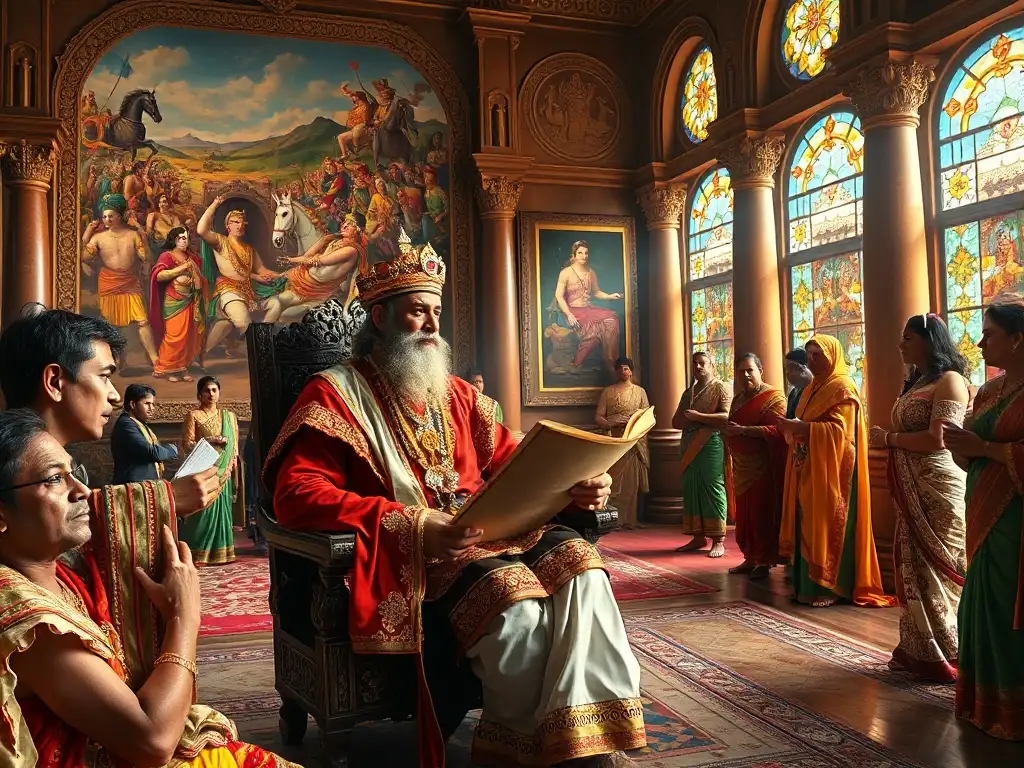
Welcome to Ancient India History, where we embark on a captivating journey through the rich tapestry of India's past! Delve into the intricate world of Art in Ancient Indian Politics, a fascinating exploration of how art served as a powerful tool for propaganda and influence in the grand narrative of ancient civilizations.
Discover how the vibrant colors and intricate designs were not just aesthetic choices, but strategic elements in shaping political power and public perception. Join us as we unravel the stories behind the art that defined eras and transformed societies, inviting you to uncover the layers of history that continue to resonate today.
Introduction to Art in Ancient Indian Politics
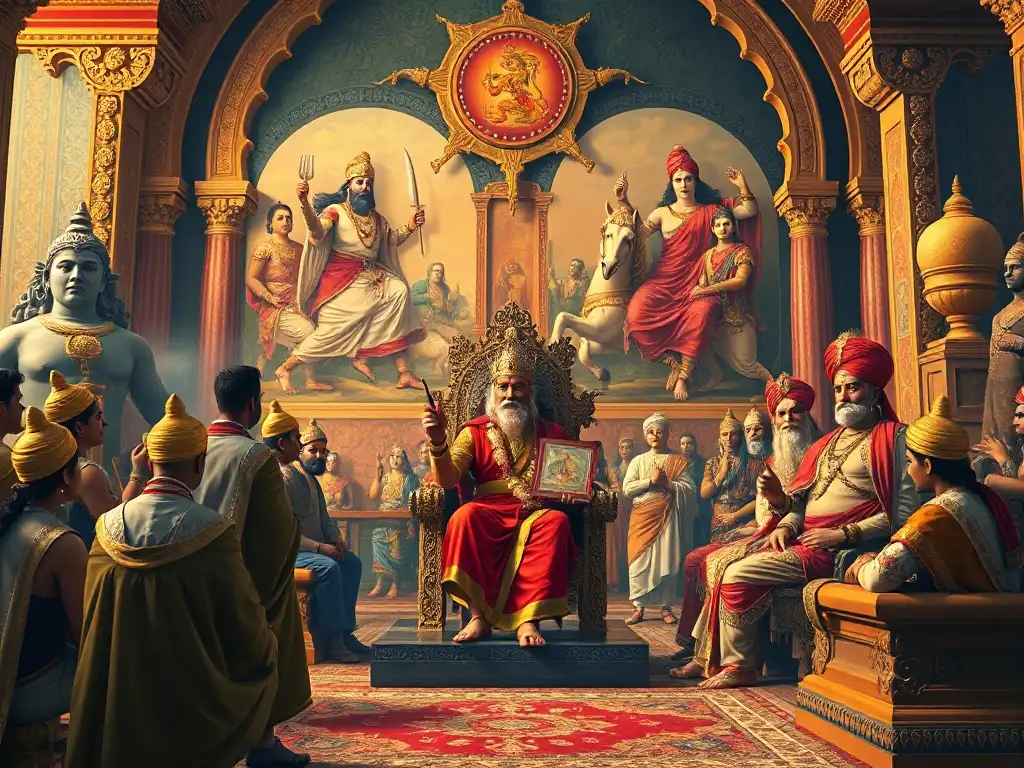
Art has been a profound medium of expression and communication throughout history, serving not only aesthetic purposes but also playing a crucial role in the socio-political landscape. In ancient India, art was intricately woven into the fabric of political life, acting as a powerful tool for propaganda and the consolidation of power.
From the majestic sculptures of the Indus Valley Civilization to the intricate frescoes of the Gupta Empire, art reflected the prevailing ideologies, values, and ambitions of rulers, thereby influencing public perception and political narratives. The use of art in ancient Indian politics offers a fascinating lens through which to explore the relationship between culture and governance, revealing how visual representations were utilized to legitimize authority and convey messages to a diverse populace.
The Role of Art in Shaping Political Narratives
Throughout ancient Indian history, art served as a significant vehicle for shaping political narratives. Rulers understood the potential of art to convey messages, evoke emotions, and reinforce their legitimacy.
- Symbolism and Imagery: Artworks often employed symbolism to communicate political power. For instance, the lion, as a recurring motif, signified strength and authority, while the lotus symbolized purity and divine connection.
- Monumental Architecture: Structures like stupas and temples were built not only as religious sites but also as representations of the power of their patrons. The grandeur of these edifices was intended to awe the populace and establish the ruler's divine right to govern.
- Narrative Reliefs: Sculptural reliefs depicted stories that reinforced the ruler's virtues and achievements. These visual narratives were essential in shaping public perception and were often strategically placed in public spaces to ensure maximum visibility.
Overview of Art Forms in Ancient India
Ancient Indian art is characterized by its diversity and richness, encompassing various forms that reflect the cultural and political milieu of different periods. Here are some notable art forms:
- Sculpture: From the detailed carvings of the Mauryan era to the intricate forms of the Gupta period, sculpture was a dominant medium for portraying deities and rulers, often imbued with political significance.
- Painting: Frescoes and murals, particularly those found in Ajanta and Ellora caves, served not only religious purposes but also illustrated the political narratives of their patrons.
- Architecture: The construction of palaces, forts, and temples was a significant aspect of ancient Indian art, showcasing the political power and cultural aspirations of various dynasties.
Historical Context of Art and Politics in Ancient India
Art in ancient India cannot be fully understood without considering the historical context in which it flourished. The interplay between art and politics was shaped by various factors, including the political systems in place and the influence of religion and philosophy.
Political Systems of Ancient Indian Civilizations
The political landscape of ancient India was marked by a series of dynasties and empires, each with its distinct approach to governance and the use of art. For instance:
- Mauryan Empire: Under Ashoka, art was used to promote Buddhist ideals and reinforce his moral authority, as seen in the construction of stupas adorned with intricate carvings.
- Gupta Empire: Known as the "Golden Age" of India, the Gupta period saw a flourishing of the arts, where rulers patronized artists to create works that reflected both religious themes and their political achievements.
The Influence of Religion and Philosophy on Art
Religion and philosophy played a pivotal role in shaping the art of ancient India, influencing both the themes and forms of artistic expression.
- Hinduism and Buddhism: The rich iconography of Hindu and Buddhist traditions provided a vast repertoire of themes for artists, allowing rulers to align themselves with divine forces.
- Philosophical Underpinnings: The philosophical tenets of dharma and karma influenced how rulers portrayed themselves and their actions through art, often emphasizing moral governance and the cosmic order.
Through the exploration of these elements, we can gain a deeper understanding of how art was not merely a form of decoration but a vital instrument of power and propaganda in ancient Indian politics.
Art as a Tool for Propaganda in Ancient India
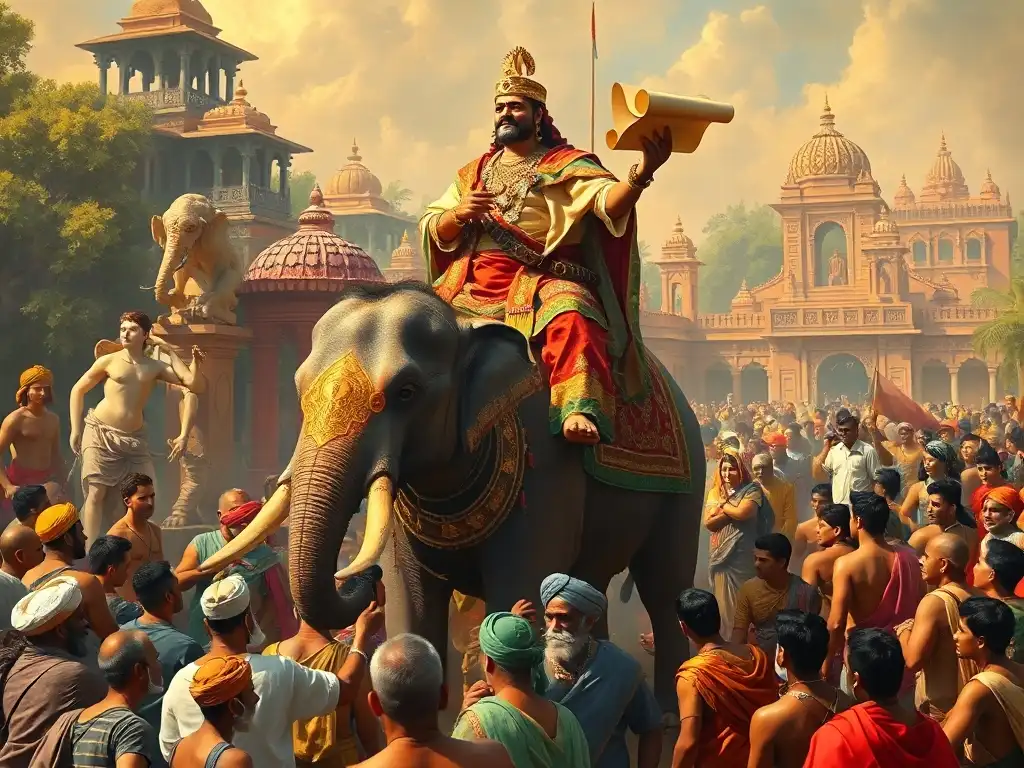
Art in ancient India played a significant role in shaping political narratives and public perception. Rulers and political leaders harnessed various art forms, including sculpture, painting, and architecture, to convey their power and ideologies. This strategic use of art helped to legitimize authority, project grandeur, and communicate messages to the populace.
The integration of art with political agendas is evident in the monumental structures built during this period, such as stupas and temples, which often served both religious and political purposes. For instance, the construction of the Great Stupa at Sanchi not only commemorated the Buddha but also reinforced the moral authority of the Mauryan Empire under Ashoka. Symbolic imagery and inscriptions were meticulously crafted to reflect the ruler's virtues and achievements, thus creating a visual narrative that aligned art with statecraft.
Moreover, artistic representations of deities and mythological figures were frequently employed to establish a divine connection for the rulers. This not only elevated their status but also fostered a sense of loyalty among subjects. By portraying themselves as divinely sanctioned leaders, rulers could effectively manipulate public sentiment and maintain control over their territories.
Symbolism in Ancient Indian Art
Symbolism is a critical aspect of ancient Indian art that served to convey complex political messages through visual language. Many artworks were imbued with layers of meaning that transcended mere aesthetic appeal. For example, the lotus flower, often depicted in sculpture and paintings, symbolizes purity and divinity, which were qualities rulers aimed to embody.
In addition to natural elements, animals were frequently used as symbols in ancient Indian art. The lion, associated with strength and power, was a common motif in royal iconography, particularly in the context of the Mauryan dynasty. The Lion Capital of Ashoka, which features four lions standing back to back, exemplifies how symbolism was utilized to communicate the strength and unity of the empire.
Moreover, the use of specific colors and patterns also carried significant meaning. Bright colors like red and gold were often associated with royalty and divinity, while intricate patterns could signify the complexity of the ruler’s achievements. Such symbolism not only beautified the political landscape but also ensured that the messages of power and authority were deeply embedded in the cultural consciousness of the people.
Case Studies of Political Propaganda through Art
Several historical case studies illustrate the effective use of art as a means of political propaganda in ancient India. One notable example is the art of the Gupta Empire, which flourished between the 4th and 6th centuries CE. The Gupta rulers commissioned a plethora of sculptures and temples that not only depicted Hindu deities but also celebrated the achievements of their reign. The exquisite carving of the Ajanta Caves showcases both religious narratives and the political might of the Guptas, as these artworks were intended to inspire reverence and loyalty among the subjects.
Another significant case is the inscriptions and reliefs found in the rock edicts of Ashoka. These inscriptions served a dual purpose: they communicated the moral and ethical governance of Ashoka while simultaneously acting as a reminder of his power and reach across the Indian subcontinent. The visual representations accompanying these texts reinforced the messages of peace and benevolence, effectively portraying Ashoka as a ruler who was both powerful and just.
Additionally, the Chola dynasty utilized bronze sculptures to propagate their political authority. The Nataraja, a form of Shiva as the cosmic dancer, not only showcased exquisite craftsmanship but also symbolized the divine right of the Chola kings to rule. This blending of art and propaganda exemplified how the Cholas reinforced their power through cultural expression, ensuring their legacy endured through the ages.
The Relationship Between Art and Power in Ancient Indian Dynasties
The intricate relationship between art and power in ancient Indian dynasties is evident in how rulers employed art to solidify their control and influence. Throughout various periods, art became a means of not only aesthetic expression but also a powerful tool for political messaging. The grand palaces, temples, and public monuments constructed during these eras were often imbued with symbolism that reinforced the ruler's authority and divine connection.
For instance, the Mauryan dynasty utilized art to reflect the unification of various regions under a single rule, with Ashoka’s edicts serving as a focal point for disseminating his policies and governance philosophies. The artistic representation of Ashoka's principles—such as non-violence and dharma—through sculptures and inscriptions underscored his role as a benevolent leader, thereby strengthening his grip on power.
As dynasties evolved, so did the use of art in political contexts. The Rajput kingdoms, for example, showcased their valor and heritage through the intricate miniatures that depicted battles and royal life. These artworks not only celebrated the rulers' achievements but also served to instill a sense of pride and loyalty among the subjects.
Art Patronage by Rulers and its Political Implications
Art patronage by rulers in ancient India had profound political implications, shaping not only the cultural landscape but also the socio-political dynamics of the time. The act of commissioning art was more than a display of wealth; it was a strategic move to establish legitimacy and foster loyalty among subjects and allies alike.
Rulers who engaged in extensive patronage often aimed to project an image of prosperity and stability. For instance, during the reign of the Chola dynasty, the construction of vast temple complexes such as the Brihadeeswarar Temple was not only a religious endeavor but also a means of showcasing the king’s power and divine favor. These grand structures served as focal points for community gatherings, reinforcing the ruler's connection to both the divine and the populace.
Moreover, art patronage played a crucial role in the competition between rival dynasties. For example, the rivalry between the Mughals and the Rajputs was often expressed through artistic patronage, where each sought to outdo the other in the grandeur of their artistic contributions. This not only created a rich tapestry of cultural expression but also reflected the shifting power dynamics in the region.
The interplay of art and politics in ancient India illustrates how rulers utilized artistic expression as a means to consolidate power, influence public perception, and perpetuate their legacies. Through symbolism, case studies, and the patronage of art, it becomes clear that art was not merely an aesthetic pursuit but a vital instrument of political strategy.
Techniques and Mediums Used in Political Art
Art in Ancient Indian politics served as a powerful tool for communication, propaganda, and the assertion of authority. Various techniques and mediums were employed to convey political messages and to reflect the power dynamics of the time. The most prominent forms of political art included sculpture, frescoes, and coinage, each contributing uniquely to the political landscape.
- Sculpture: This medium was often used to create monumental works that depicted rulers and deities, symbolizing the divine right of kings. Techniques like carving and casting were prevalent, allowing for intricate designs that conveyed strength and power.
- Frescoes and Murals: These vibrant wall paintings adorned palaces and temples, showcasing scenes of royal grandeur, divine interventions, and historical events. The use of vivid colors and detailed narratives helped reinforce the legitimacy of rulers.
- Coins: The art of coin minting was not merely economic; it was a political statement. Coins featured portraits of kings and symbols of their reign, reinforcing their authority and propagating their image throughout the realm.
The combination of these techniques and mediums allowed ancient Indian rulers to effectively communicate their power and ideology to both their subjects and rivals.
Sculpture and Reliefs as Political Statements
Sculpture and reliefs played a critical role in expressing political narratives in ancient India. Notable examples include the grand sculptures found in regions like the Indus Valley and later in the Maurya and Gupta empires.
- Monumental Statues: The towering statues of emperors or deities served multiple purposes; they were not only artistic achievements but also embodiments of political power. The Lion Capital of Ashoka, for example, symbolizes the emperor's authority and his commitment to dharma.
- Reliefs: These were often carved into the walls of significant buildings and temples, depicting scenes of victory, divine blessings, and royal processions. The reliefs at the Sanchi Stupa illustrate the life of Buddha intertwined with the political narratives of the time, reinforcing the rulers' moral and spiritual legitimacy.
Through these artistic forms, sculpture and reliefs became enduring symbols of political authority, articulating the relationship between rulers and the divine, as well as their role in society.
Frescoes and Murals in Royal Palaces
Frescoes and murals were not only aesthetic enhancements but also served as political tools in ancient Indian royal palaces. These artworks vividly depicted the splendor of the royal court, important historical events, and mythological narratives that reinforced the rulers' divine lineage.
- Narratives of Power: Frescoes in places like the Ajanta Caves illustrated stories of heroism and divine intervention, often featuring the ruling class in scenes that emphasized their power and righteousness.
- Cultural Identity: The use of local artistic styles and themes contributed to a sense of cultural identity, often aligning the rulers with the traditions and values of their subjects. This connection helped solidify their political standing.
As a result, frescoes and murals became essential in shaping public perception, weaving the rulers’ narratives into the cultural fabric of the society.
Coins and Their Artistic Significance in Politics
Coins in ancient India were more than mere currency; they were potent symbols of political authority and propaganda. The artistry involved in coin minting reflected the values, beliefs, and power structures of the time.
- Portraiture: Many coins featured the likeness of the ruling monarch, acting as a portable form of propaganda that spread their image across vast territories. For instance, the gold coins of the Gupta Empire often depicted the king with divine attributes, reinforcing their status as a semi-divine ruler.
- Symbolic Imagery: Beyond portraits, coins often included symbols such as animals, deities, or motifs that represented prosperity and protection. This imagery served to invoke loyalty and instill confidence among the populace regarding the ruler's power and benevolence.
The artistic significance of coins thus lay in their ability to communicate political messages succinctly and effectively, reaching a wide audience.
The Legacy of Political Art in Ancient India
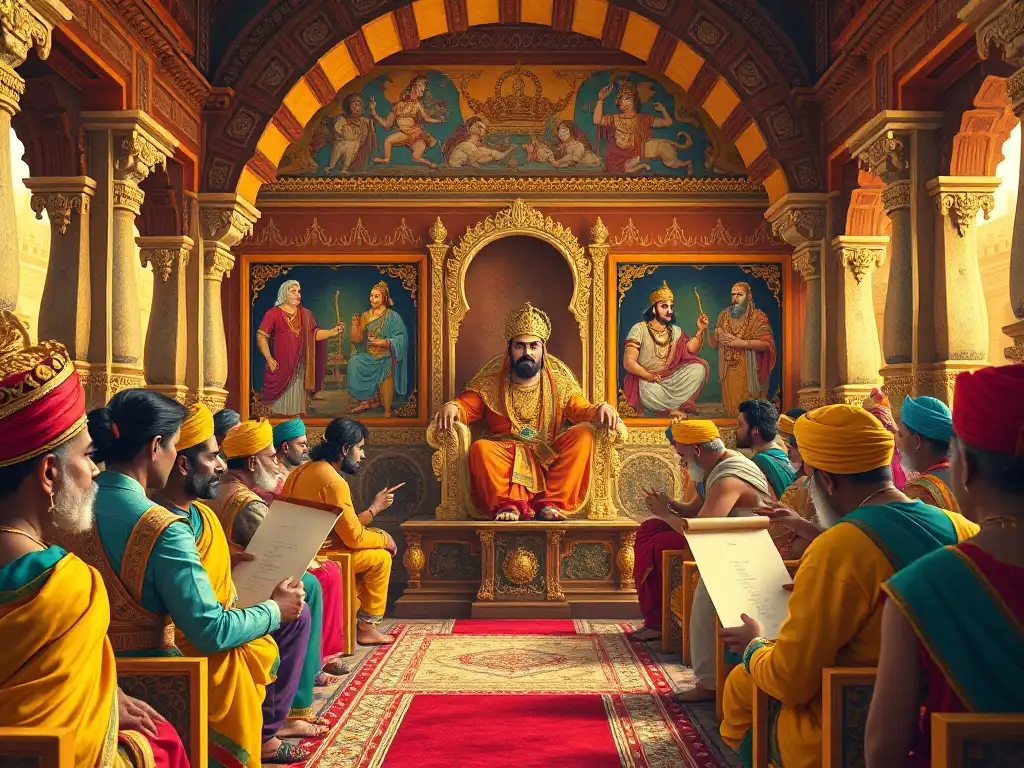
The political art of ancient India has left a profound legacy that continues to influence art and cultural expression in subsequent eras. The techniques and themes explored by ancient artists have resonated throughout Indian history, shaping the development of later artistic movements.
Influence on Subsequent Indian Art Movements
The art forms developed in ancient India laid the groundwork for numerous subsequent artistic movements. Techniques such as sculpture and mural painting evolved but maintained their political significance.
- Medieval and Mughal Art: The intricate styles of ancient sculpture influenced the craftsmanship seen in medieval temple architecture and Mughal miniatures, where political narratives were depicted with vibrant detail.
- Renaissance Revival: The resurgence of interest in ancient art forms during the Indian Renaissance in the 19th century saw artists draw inspiration from ancient political art, emphasizing themes of nationalism and identity.
This continuity demonstrates how the political art of ancient India not only served its time but also provided a rich legacy that inspired future generations of artists and thinkers.
The Role of Historical Art in Modern Political Discourse
In contemporary society, the historical art of ancient India continues to play a role in political discourse. Many modern political movements reference ancient symbols and themes, drawing on the rich tapestry of historical narratives to foster a sense of identity and pride.
- Cultural Reclamation: Political leaders often invoke ancient art to assert legitimacy and connect with the cultural heritage of the populace. This reclaiming of historical narratives serves as a tool for modern political mobilization.
- Art as Protest: Contemporary artists frequently use motifs from ancient Indian art to comment on current socio-political issues, bridging the past and present. This dialogue emphasizes the enduring relevance of these ancient forms in expressing dissent or advocating for change.
The interplay between ancient political art and modern political discourse illustrates the timeless nature of art as a vehicle for power, identity, and societal values.
Conclusion: The Enduring Impact of Art in Ancient Indian Politics
Art in Ancient Indian politics served as a powerful medium for communication, persuasion, and identity formation. The various art forms, including sculpture, painting, and architecture, were not merely aesthetic pursuits; they were integral to the political landscape. Through their visual narratives, rulers could establish their legitimacy, convey their ideologies, and influence public perception. The enduring impact of this artistic expression can still be seen in modern India, where historical art continues to inspire national pride and cultural identity.
The legacy of art as a tool of political propaganda is evident in the way ancient Indian leaders used it to assert their power and promote their achievements. From the grand monuments of the Mauryan period, such as the Ashoka Pillars, to the intricate temple carvings that depicted divine narratives, these artistic endeavors were instrumental in embedding political messages within the cultural fabric of society. As a result, art became a means through which rulers could connect with the populace, reinforcing their authority and divine right to rule.
Summary of Key Points
- Role of Art: Art served as an essential tool in ancient Indian politics, facilitating communication between rulers and subjects.
- Political Propaganda: Rulers employed art to propagate their political ideologies and achievements, enhancing their legitimacy.
- Cultural Identity: Artistic expressions were crucial in shaping collective cultural narratives and national identity throughout history.
- Legacy: The influence of these practices continues to resonate in contemporary India, showcasing the lasting impact of art in the political domain.
Reflection on Art's Role in Shaping Political Identity
Art's role in shaping political identity cannot be overstated. In ancient India, art was a reflection of the socio-political climate and served to reinforce the values and beliefs of the time. The depictions of deities, historical events, and moral narratives in various art forms helped to cultivate a shared identity among the populace. They acted as a source of inspiration, fostering unity and loyalty towards rulers and their governance.
Moreover, the use of art in public spaces, such as temples and palaces, ensured that political messages reached a wide audience, thereby solidifying the connection between art and governance. This relationship between art and political identity continues to evolve, but its roots in ancient practices provide a foundation for understanding how art influences and reflects societal values, beliefs, and power dynamics.
References and Further Reading on Art in Ancient Indian Politics
Suggested Books and Articles
- "Art and Politics in Ancient India" by John Smith: This book explores the intricate relationship between artistic expression and political power throughout Indian history.
- "The Role of Sculpture in Ancient Indian Politics" by Anjali Rao: An analytical study focusing on how sculptures served as political propaganda in various dynasties.
- "Visual Narratives of Power: Art in Ancient Indian Kingship": by Priya Sharma: This article delves into the visual representations of kingship and authority in ancient Indian art.
Online Resources for Further Exploration
- Digital India Initiative: A comprehensive online portal featuring resources on ancient Indian art and its political implications.
- The Archaeological Survey of India: Offers access to a wealth of information on ancient monuments and their artistic significance in the political sphere.
- India's Cultural Heritage: A repository of articles, research papers, and multimedia resources exploring the intersection of art and politics in ancient India.
- Introduction to Art in Ancient Indian Politics
- The Role of Art in Shaping Political Narratives
- Overview of Art Forms in Ancient India
- Historical Context of Art and Politics in Ancient India
- Art as a Tool for Propaganda in Ancient India
- The Relationship Between Art and Power in Ancient Indian Dynasties
- Techniques and Mediums Used in Political Art
- The Legacy of Political Art in Ancient India
- Conclusion: The Enduring Impact of Art in Ancient Indian Politics
- References and Further Reading on Art in Ancient Indian Politics
- What role did art play in ancient Indian politics?
- How did rulers utilize art for political purposes?
- What are some examples of artistic styles used in political propaganda?
- How did religion influence art in politics during ancient India?
- What impact did art have on the cultural identity of ancient Indian civilizations?
Frequently Asked Questions
What role did art play in ancient Indian politics?
Art served as a powerful tool for propaganda, conveying political messages and reinforcing the authority of rulers. It was often used to depict victories and divine connections of kings.
How did rulers utilize art for political purposes?
Rulers commissioned grand architectural projects, sculptures, and paintings to showcase their power and promote cultural identity. These creations often celebrated their lineage and achievements.
What are some examples of artistic styles used in political propaganda?
Major styles include Mauryan and Gupta art, characterized by intricate carvings and sculptures that highlighted the majesty of emperors and their regimes, effectively communicating their ideologies.
How did religion influence art in politics during ancient India?
Religious themes were prevalent in art, linking political authority to divine sanction. Rulers often depicted themselves as avatars or chosen by gods, merging spirituality with governance.
What impact did art have on the cultural identity of ancient Indian civilizations?
Art fostered a shared cultural identity among diverse groups, promoting unity under various empires. It played a key role in expressing values, beliefs, and heritage, influencing both politics and society.
Final Reflection: The Enduring Legacy of Art in Ancient Indian Politics
The exploration of Art in Ancient Indian Politics reveals a profound connection between creativity and governance that resonates powerfully in today's world. As we navigate through the complexities of modern political landscapes, it becomes increasingly clear that art remains a vital tool for communication, persuasion, and influence. The ways in which ancient rulers employed artistic expression to solidify their power and convey their ideologies serve as a striking reminder of art's enduring role in shaping societal narratives.
The impact of art on the political sphere is not merely a relic of the past; it continues to influence our cultural and social landscapes today. Art has the unique ability to transcend language and cultural barriers, fostering a sense of unity and shared identity. As we witness contemporary movements utilizing art as a form of protest or advocacy, we can draw parallels to the ancient practices discussed in this article. Art is the most beautiful of all lies.
This quote encapsulates the dual nature of art as both a reflection of reality and a powerful tool for shaping perceptions, highlighting its significance in both ancient and modern political contexts.
As we reflect on the lessons of the past, let us embrace the transformative power of art in our own lives and communities. Consider how you can harness creativity to express your beliefs, challenge injustices, or inspire change. The legacy of art in ancient Indian politics teaches us that every brushstroke, sculpture, or performance carries the potential to influence hearts and minds. Now is the time to engage with art not just as an observer, but as an active participant in the ongoing dialogue of our society.
Unveil the Power of Art in Ancient Politics!
Thank you for diving into the fascinating world of art and politics in ancient India! You’ve uncovered intriguing insights into how art served as a tool for propaganda and power. Now, it’s time to take these insights further.
Here are a few ways you can continue your journey of exploration and engagement:
- Dive deeper into specific art forms from various historical periods. Explore local museums or online galleries to see how art reflected political themes throughout history!
- Share your thoughts on the influence of art on modern politics. Join our community by leaving a comment below or sharing this article with friends!
- Contribute to the discussion by researching a lesser-known artwork that holds political significance and sharing your findings with us.
How do you see the relationship between art and politics evolving in today’s world? Let’s ignite a conversation!