
The Spiritual Journey of Dance: Exploring Indian Classical Dance Forms

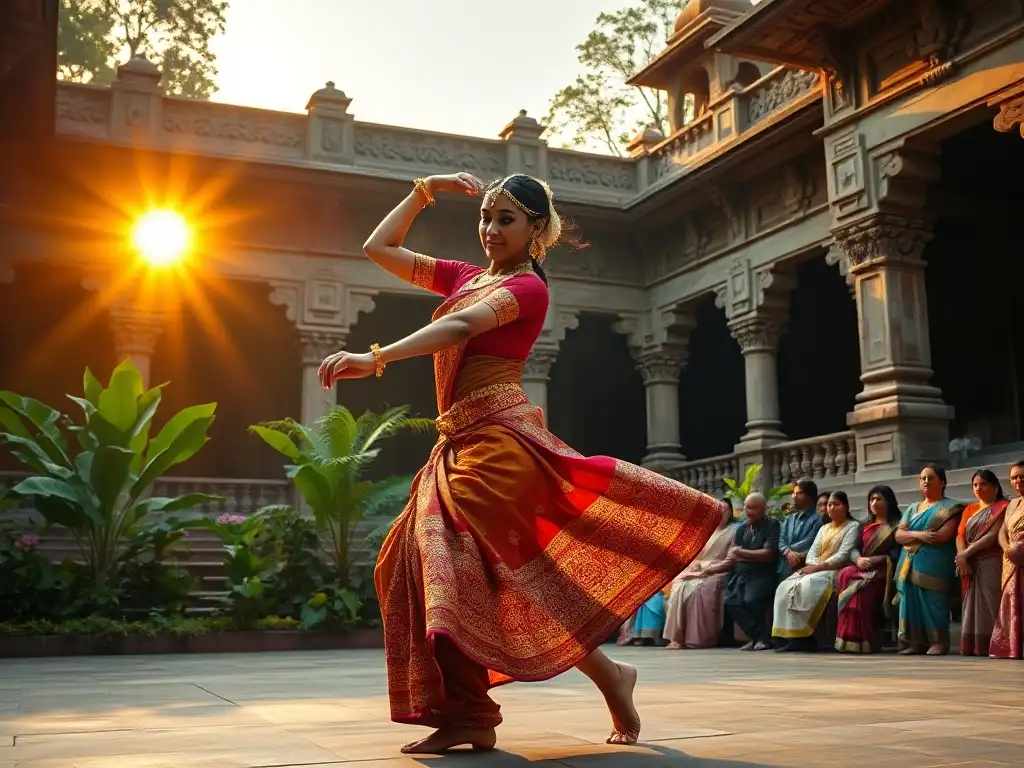
Welcome to Ancient India History, where we embark on a captivating journey through the vibrant tapestry of India's past. Here, the echoes of time reveal the rich cultural heritage and profound contributions of ancient civilizations, from the iconic Indus Valley to the illustrious Gupta Empire. In our featured article, “The Spiritual Journey of Dance: Exploring Indian Classical Dance Forms,” we delve into the enchanting world of Indian classical dance history—a realm where art intertwines with spirituality.
Prepare to be inspired as we uncover the intricate narratives behind these timeless dance forms, inviting you to explore further and discover how they reflect the soul of a civilization. Your adventure into the mesmerizing world of ancient Indian art and philosophy begins now!
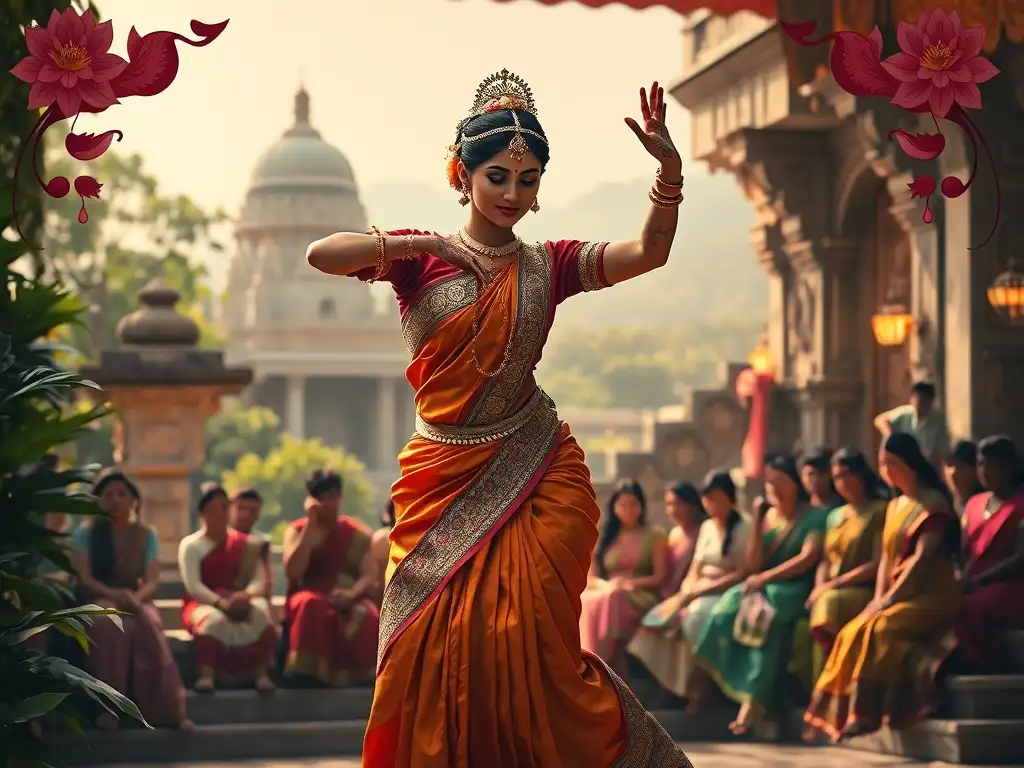
Introduction to Indian Classical Dance History
The rich tapestry of Indian classical dance forms is not merely an artistic expression but a profound reflection of the spiritual and cultural ethos of ancient India. Each dance style serves as a vital repository of stories, emotions, and philosophies that have evolved over millennia.
From the intricate footwork of Bharatanatyam to the graceful movements of Odissi, these classical dances are deeply intertwined with the religious and spiritual traditions that shaped the subcontinent. Understanding the history of Indian classical dance provides invaluable insights into the cultural fabric and historical contexts that influenced these art forms, allowing us to appreciate their significance not just as performances but as spiritual journeys expressing devotion, mythology, and the human experience.
Overview of Indian Classical Dance as an Art Form
Indian classical dance encompasses a variety of traditional styles, each with its own unique characteristics, techniques, and cultural significance. The major dance forms include:
- Bharatanatyam: Originating from Tamil Nadu, this dance is characterized by its fixed upper torso, bent legs, intricate footwork, hand gestures, and facial expressions.
- Kathak: Hailing from North India, Kathak is distinguished by its storytelling, rapid footwork, and spins, often accompanied by classical music.
- Odissi: This dance form from Odisha is noted for its fluid movements and sculpturesque poses, often depicting religious narratives.
- Kuchipudi: A dance-drama style from Andhra Pradesh, blending storytelling with expressive dance and dialogue.
- Manipuri: Originating from Manipur, this form is known for its graceful, flowing movements and emphasis on the spiritual aspects of dance.
These styles not only showcase technical proficiency but also embody the rich narratives of Indian mythology and philosophy, making them essential to the understanding of Indian art and culture.
Importance of Dance in Ancient Indian Culture
In ancient India, dance was considered a vital aspect of cultural expression and social interaction. It played a significant role in various religious and ceremonial contexts, often serving as a medium to convey spiritual messages and divine stories. Dance was used in:
- Rituals and Festivals: Many classical dance forms were performed during religious festivals, serving as a form of worship and connection to the divine.
- Court Performances: Royal courts patronized dance, where dancers were revered artists who entertained and educated through performance.
- Cultural Narratives: Dance forms preserved local folklore and historical events, passing down stories through generations.
This intrinsic connection between dance and culture underscores its role in shaping societal values and collective identity throughout ancient Indian history.
The Role of Spirituality in Dance Practices
Spirituality is at the core of Indian classical dance, often viewed as a means of connecting with the divine. Dancers undertake rigorous training, focusing not only on physical skills but also on the spiritual aspect of their art. Key elements include:
- Invocation of Deities: Many performances begin with an invocation to the gods, reflecting the belief that dance is a sacred offering.
- Expression of Bhakti: Dance serves as a vehicle for expressing devotion (bhakti) to deities, with movements symbolizing various aspects of divinity.
- Meditative Practices: The discipline of classical dance requires deep concentration and mindfulness, allowing performers to experience a meditative state that transcends mere physical movement.
This spiritual dimension enriches the practice of Indian classical dance, transforming it into a sacred journey for both performer and audience.
Evolution of Indian Classical Dance Forms
The evolution of Indian classical dance is a dynamic process that has been influenced by historical, cultural, and religious shifts. Understanding this evolution is crucial for appreciating the diversity and richness of these art forms.
Historical Timeline of Indian Dance Forms
The history of Indian classical dance can be traced back to ancient texts and archaeological findings, providing a timeline of development:
- Vedic Period (1500-500 BCE): Early references to dance in the Vedas indicate its importance in rituals and ceremonies.
- Natyashastra (circa 200 BCE - 200 CE): This ancient text by Bharata Muni codified dance, drama, and music, laying the foundation for classical dance forms.
- Medieval Period (500-1500 CE): Various regional styles began to flourish, influenced by temple traditions and royal patronage.
- Colonial Era (1800-1947): The revival of interest in classical arts led to the preservation and formalization of dance forms.
- Post-Independence (1947 onwards): Indian classical dance gained international recognition, leading to the establishment of institutions and a global audience.
This timeline illustrates how Indian classical dance has adapted and transformed while retaining its core spiritual and cultural significance.
Influence of Ancient Texts on Dance Development
Ancient texts have played a pivotal role in shaping the forms and practices of Indian classical dance. Key texts include:
- Natyashastra: A comprehensive treatise on the performing arts, detailing aspects of dance, music, and drama, and establishing the theoretical framework for classical dance.
- Abhinaya Darpana: Focused on the art of expression in dance, this text emphasizes the importance of conveying emotions and stories through body language.
- Shilpa Shastras: These texts provide guidelines on the sculptural and aesthetic aspects of dance, influencing the visual presentation of performances.
The teachings from these ancient texts continue to inform the techniques and philosophies underlying contemporary classical dance practices.
Regional Variations in Dance Styles
India's vast cultural diversity has given rise to a multitude of regional dance styles, each reflecting local traditions, languages, and histories. Some notable regional variations include:
- Kathakali: Originating from Kerala, this dance-drama is known for its elaborate makeup and costumes, portraying epic narratives.
- Mohiniyattam: Also from Kerala, it is characterized by graceful movements and feminine expression.
- Sattriya: A classical dance form from Assam, it integrates elements of dance, drama, and music, often associated with Vaishnavism.
These regional styles highlight the adaptability of Indian classical dance, showcasing how local cultures influence its evolution while maintaining a connection to the overarching spiritual and artistic traditions of India.
Major Indian Classical Dance Forms
Indian classical dance forms are not just artistic expressions but are deeply rooted in the spiritual traditions and cultural narratives of the country. Each dance form brings with it a unique history, themes, and styles that reflect the diverse cultural heritage of India. Below are some of the most prominent classical dance forms that have evolved over centuries.
Bharatanatyam: The Dance of Tamil Nadu
Bharatanatyam is one of the oldest classical dance forms originating from Tamil Nadu, with roots tracing back over 2,000 years. Initially performed by Devadasis, it was a temple dance that conveyed religious themes and spiritual narratives. The dance form is characterized by intricate footwork, expressive hand gestures (mudras), and facial expressions (abhinaya) that tell stories from Hindu mythology.
The Bharatanatyam repertoire includes items such as Alarippu, Varnam, and Tillana, showcasing both the dancer's technical prowess and emotive storytelling. The use of Carnatic music complements the choreography, creating an immersive experience. Today, Bharatanatyam continues to be celebrated worldwide, symbolizing the rich cultural heritage of South India.
Kathak: The Storytelling Dance of North India
Kathak, which translates to "the art of storytelling," is a classical dance form that originated in North India, particularly in the regions of Uttar Pradesh. Initially performed by traveling bards, or Kathakars, it evolved into a sophisticated dance form in the Mughal courts, blending Persian influences with Indian traditions.
Kathak is known for its intricate footwork, spins, and expressive hand gestures, along with a strong emphasis on storytelling through dance. The performance often narrates tales from Hindu epics such as the Ramayana and Mahabharata. The music accompanying Kathak typically includes Hindustani classical music, enhancing the narrative and emotional depth of the performance.
Kathakali: The Dramatic Dance of Kerala
Kathakali is a highly stylized classical dance-drama that emerged in Kerala during the 17th century. Known for its elaborate costumes, vibrant makeup, and intricate facial expressions, Kathakali combines drama with dance, presenting stories derived from Hindu epics, particularly the Ramayana and Mahabharata.
The performances are characterized by their use of exaggerated gestures and movements, where the dancers portray various characters, including gods, demons, and heroes. The music in Kathakali is a blend of vocals, percussion, and traditional instruments, creating a rich auditory experience that complements the visual storytelling. This dance form not only entertains but also serves as a medium for spiritual expression and moral teachings.
Odissi: The Dance of Orissa
Odissi, originating from the eastern state of Orissa, is known for its graceful movements and sculpturesque poses. With historical references dating back to 2nd century BCE, it was originally performed in temples as a form of worship dedicated to the deities.
The dance is characterized by its unique 'tribhangi' posture, where the dancer's body is divided into three bends, representing grace and beauty. Odissi performances often depict themes from Hindu mythology, especially those related to Lord Krishna. Accompanied by traditional Odissi music, the dance form emphasizes both the physicality of movement and the spirituality of devotion, making it a profound art form.
Manipuri: The Dance of Manipur
Manipuri is a classical dance form from the northeastern state of Manipur, known for its fluid movements and devotional themes. It is deeply rooted in the traditions of the region, often associated with the worship of the Lord Krishna and the celebration of the Ras Leela, a dance-drama depicting divine love.
The dance is characterized by graceful, gentle movements and elaborate costumes that reflect the region's cultural aesthetics. Manipuri dancers often perform in circular formations, embodying a sense of unity and harmony. The use of traditional Manipuri music, played with instruments like the pena and the dhol, enhances the spiritual experience of the performance.
The Connection Between Indian Classical Dance and Spirituality
Indian classical dance forms are profoundly intertwined with spirituality, serving as a medium for expressing devotion, storytelling, and cultural narratives. These dances are often seen as a way to connect the physical body with the divine, making the spiritual journey of dance a vital aspect of Indian culture.
Dance as a Form of Worship in Ancient India
In ancient India, dance was not merely a performance art but a sacred act of worship. Many classical dance forms were performed in temples and during religious festivals as an offering to deities. The movements and gestures were believed to invoke divine blessings and create a spiritual atmosphere conducive to worship.
In this context, dance transcended entertainment; it became a form of prayer, where the dancer's body acted as a medium to express devotion and reverence. The rhythmic patterns and expressions in dance were symbolic gestures of surrender and connection to the divine, highlighting the integral role of dance in ancient spiritual practices.
Meditation and Movement: The Spiritual Practice of Dance
Dance, particularly in classical forms, has often been associated with meditation and mindfulness. The repetitive movements, rhythmic footwork, and controlled breathing involved in dance create a meditative state, allowing dancers to connect with their inner selves and the universe.
This spiritual practice fosters a sense of peace and tranquility, enabling dancers to transcend the physical realm and enter a state of spiritual ecstasy. The concentration required to execute intricate movements and express emotions cultivates a focused mind, which is akin to the practices found in meditation.
Ritualistic Significance of Dance in Temples
The ritualistic significance of dance in temples cannot be overstated. In many Indian temples, dance is an integral part of religious rituals and ceremonies. Classical dance performances are often dedicated to deities during festivals, marking important events in the Hindu calendar.
These performances serve not only to entertain but also to educate devotees about religious stories and values. The visual and auditory elements of dance create a multisensory experience that enhances the spiritual atmosphere of temple worship. Through the enactment of divine narratives, dance reinforces the connection between the earthly realm and the divine, making it a sacred ritual within the spiritual landscape of ancient India.
Contemporary Relevance of Indian Classical Dance
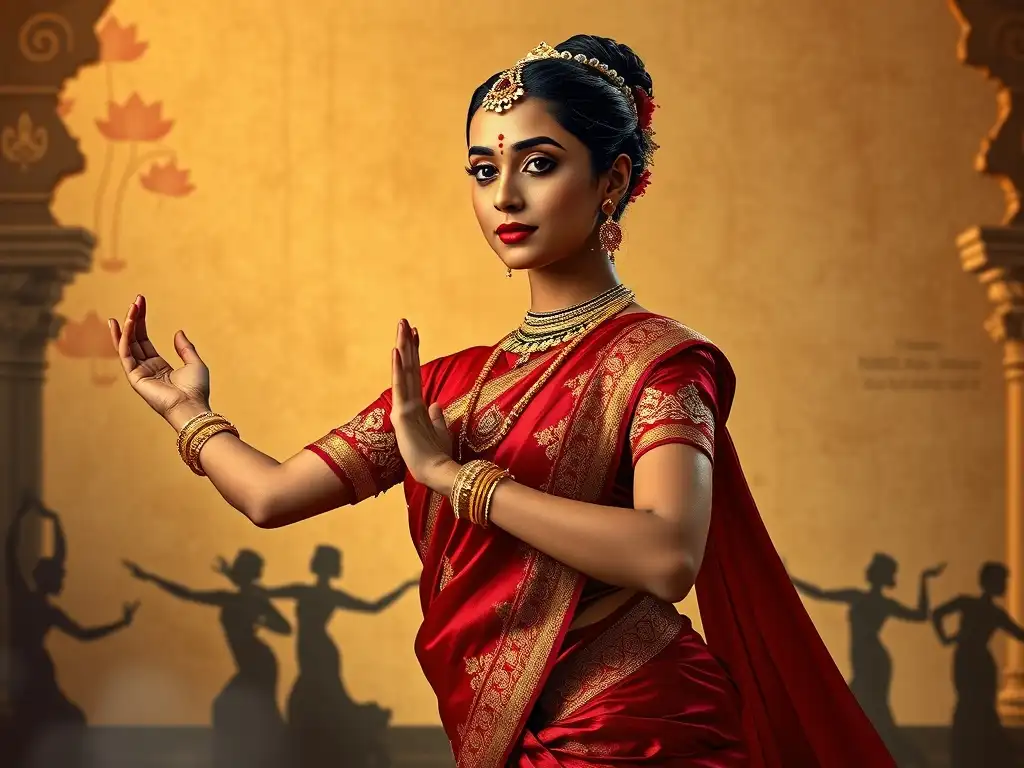
Indian classical dance forms, steeped in history and tradition, continue to hold significant relevance in contemporary society. As India navigates its modern identity, these dance forms serve not only as a means of artistic expression but also as a bridge connecting past and present. The intricate movements, stories, and spiritual elements embedded in these dances resonate with audiences today, providing insight into Indian culture and philosophy.
Moreover, Indian classical dance has found its place in various contemporary platforms, including films, television, and social media. This adaptability ensures that these traditional art forms are not only preserved but also evolve to engage younger generations. Dance festivals, workshops, and competitions promote these classical styles, ensuring that they remain dynamic and relevant in a rapidly changing world.
Preservation of Traditional Techniques
The preservation of traditional techniques in Indian classical dance is paramount for maintaining the authenticity and integrity of these art forms. Renowned gurus and institutions play a crucial role in this preservation effort, often passing down knowledge through rigorous training and mentorship. This transmission of techniques is not merely about physical movements; it encompasses the philosophy, aesthetics, and cultural narratives associated with the dance forms.
In addition to formal training, various initiatives have emerged to document and archive traditional performances. This includes video recordings, written literature, and digital platforms that serve as resources for both scholars and practitioners. By maintaining a rich repository of traditional techniques, these efforts ensure that future generations can learn and appreciate the depth of Indian classical dance.
Modern Interpretations and Innovations
While rooted in tradition, Indian classical dance has also embraced modern interpretations and innovations. Contemporary choreographers are increasingly blending classical movements with modern themes, storytelling methods, and even other dance forms. This fusion allows for a fresh perspective on traditional dances, making them more accessible and relatable to today’s audiences.
Innovations in costume design, music, and staging further enhance these performances. By integrating contemporary elements, artists can explore new narratives and express current social issues, thus expanding the dialogue around Indian classical dance. This evolution not only keeps the dance forms alive but also reflects the vibrant spirit of contemporary Indian culture.
The Global Influence of Indian Classical Dance
The global influence of Indian classical dance is evident in its growing popularity beyond the borders of India. Dance festivals, workshops, and performances are held worldwide, attracting diverse audiences eager to engage with this rich art form. Collaborations between Indian classical dancers and artists from various disciplines have introduced these dance forms to new contexts, fostering cross-cultural understanding and appreciation.
Furthermore, educational institutions around the world have started incorporating Indian classical dance into their curricula, recognizing its artistic and cultural significance. This global engagement not only enriches the global dance community but also promotes a greater understanding of Indian heritage and philosophy.
Conclusion: The Legacy of Indian Classical Dance
The legacy of Indian classical dance is a testament to its enduring significance in the tapestry of Indian culture. As a living tradition, it continues to thrive and adapt while staying rooted in its historical context. Its ability to resonate across generations speaks to its rich spiritual and artistic heritage.
Summary of Indian Classical Dance History
The history of Indian classical dance is marked by its evolution through various dynasties and cultural influences. From the ancient temple dances of the Indus Valley civilization to the refined forms of Bharatanatyam, Kathak, Odissi, and others, each style has a unique narrative shaped by regional traditions and historical events. The patronage of royal courts and religious institutions played a pivotal role in nurturing these art forms, ensuring their development and preservation.
Throughout history, dance has been intertwined with spirituality and community, serving as a medium for storytelling and religious expression. Today, the rich history of these dance forms is celebrated and honored by practitioners who strive to keep the traditions alive.
The Continuing Spiritual Journey of Dance in India
The spiritual journey of dance in India is an ongoing narrative that reflects the country’s diverse cultural landscape. Each classical dance form embodies specific spiritual, philosophical, and emotional themes, allowing performers to connect with deeper aspects of human experience. This connection fosters a sense of community and continuity, as dancers engage with their heritage while expressing contemporary realities.
As Indian classical dance continues to evolve, its spiritual essence remains intact, guiding practitioners in their artistic endeavors. The ongoing exploration of spirituality through dance not only enriches the performers but also resonates deeply with audiences, ensuring that the legacy of Indian classical dance endures for generations to come.
References and Further Reading
The exploration of Indian classical dance forms is enriched by a plethora of resources that provide deeper insights into their history, techniques, and cultural significance. Below are some recommended books and online resources that serve as valuable tools for anyone interested in understanding the intricate relationship between dance and spirituality in Indian tradition.
Suggested Books on Indian Classical Dance History
-
"The Art of Indian Classical Dance" by Sunil Kothari
This comprehensive book delves into the evolution of various Indian classical dance forms, offering rich illustrations and insights into the cultural contexts that shaped these art forms.
-
"Indian Classical Dance: A History" by Dr. Suman Sharma
This book provides an analytical look at the historical development of Indian classical dance, tracing its roots from ancient scriptures to modern interpretations.
-
"Bharatanatyam: An Introduction" by Dr. Padma Subrahmanyam
A focused exploration of Bharatanatyam, this book provides not only historical context but also insights into its techniques and spiritual significance.
-
"Dance of India: A Historical Survey" by Dr. Mohan Khokar
This work offers a broad overview of various dance styles across India, blending historical analysis with personal narratives from practitioners.
-
"The Sacred Dance of India" by Dr. Ananda K. Coomaraswamy
This book connects the spiritual aspects of Indian classical dance with its artistic expression, drawing on ancient texts and philosophies.
Online Resources for Exploring Dance Forms
-
Nartanam
An online journal that focuses on Indian classical dance, featuring articles, interviews, and reviews that highlight its history and contemporary practice.
-
India Dance Network
A platform dedicated to promoting Indian dance forms, offering resources, event listings, and a community for practitioners and enthusiasts.
-
Sangeet Natak Akademi
The official website of India’s National Academy for Music, Dance, and Drama, providing information on Indian classical dance forms, grants, and research publications.
-
YouTube Channels:
- Sanskriti Arts: Features performances, tutorials, and discussions on various classical dance forms.
- Nrityagram: Showcases the rich heritage of Indian dance through performances, documentaries, and artist interviews.
-
Dance Archives
Digital archives dedicated to preserving and sharing resources related to Indian classical dance, including performances, scholarly articles, and historical documents.
These resources not only enhance our understanding of the rich tapestry of Indian classical dance history but also serve as gateways to experiencing the spiritual journey that this art form embodies.
- Introduction to Indian Classical Dance History
- Evolution of Indian Classical Dance Forms
- Major Indian Classical Dance Forms
- The Connection Between Indian Classical Dance and Spirituality
- Contemporary Relevance of Indian Classical Dance
- Conclusion: The Legacy of Indian Classical Dance
- References and Further Reading
Frequently Asked Questions
What are the main types of Indian classical dance forms?
Indian classical dance forms include Bharatanatyam, Kathak, Odissi, Kuchipudi, Manipuri, and Mohiniyattam. Each dance style has its own unique techniques, music, and cultural significance.
How did Indian classical dance evolve over time?
Indian classical dance has evolved through various historical periods, influenced by religion, regional cultures, and social changes. The roots can be traced back to ancient texts like the Natya Shastra, which laid the foundation for these art forms.
What role does spirituality play in Indian classical dance?
Spirituality is a central theme in Indian classical dance, often depicting mythological stories and devotional expressions. Dancers aim to connect with the divine, using movement and gesture to convey spiritual messages.
How does Indian classical dance reflect cultural diversity?
Indian classical dance showcases the richness of India's cultural heritage, with each style representing a specific region, tradition, and language. This diversity highlights the unity within the cultural fabric of India.
What are some key contributions of ancient Indian civilizations to dance?
Ancient Indian civilizations contributed significantly to the development of dance through the establishment of theoretical frameworks, dance schools, and the integration of dance into temple rituals and festivals, enriching the overall cultural landscape.
Final Reflection: The Enduring Essence of Indian Classical Dance
The spiritual journey of dance is not merely a historical exploration but a vibrant tapestry that continues to resonate in today's world. The rich heritage of Indian classical dance forms, deeply rooted in tradition and spirituality, serves as a reminder of the profound connection between art and the human experience. As we navigate the complexities of modern life, the timeless narratives and expressive movements of these dance forms offer solace and inspiration, urging us to reconnect with our inner selves and the world around us.
Cultural expressions like Indian classical dance shape our social landscape, fostering a sense of identity and community. The intricate footwork, emotive gestures, and soulful rhythms are not just performances; they are a celebration of life, spirituality, and storytelling. As the renowned dancer Rukmini Devi Arundale once said, Dance is the hidden language of the soul.
This quote encapsulates the essence of how these art forms transcend mere entertainment, becoming a powerful medium for personal and collective expression. The ongoing revival and appreciation of Indian classical dance highlight its relevance, as it continues to inspire new generations to explore their roots and embrace their cultural heritage.
As you reflect on the spiritual journey of dance, consider how you can incorporate the lessons of Indian classical dance into your own life. Embrace the rhythm of your existence, find joy in movement, and allow art to be a conduit for your spiritual growth. Whether through dance, music, or any other form of creative expression, let the stories and emotions conveyed through these art forms guide you on your personal journey. Take a moment to explore your own connection to art and spirituality, and allow it to enrich your life in ways that resonate deeply within you.
Embrace the Rhythm of Your Spiritual Journey!
Thank you for joining us on this enlightening exploration of Indian classical dance forms! We hope the insights you've gained inspire you to dive deeper into the rich spiritual heritage and expressive beauty that dance offers. Now, let’s take some tangible steps to connect even more with this vibrant art form.
- Start your own journey: Choose an Indian classical dance style that resonates with you and enroll in a beginner's class, either online or in your community.
- Share your experience: Discuss what you’ve learned with friends or on social media to inspire others in their exploration of dance!
- Attend local performances: Look for nearby dance recitals or workshops to experience the art form live and appreciate its cultural significance.
Which elements of Indian classical dance align with your personal journey?