
The Role of Performance Arts in Ancient Indian Society

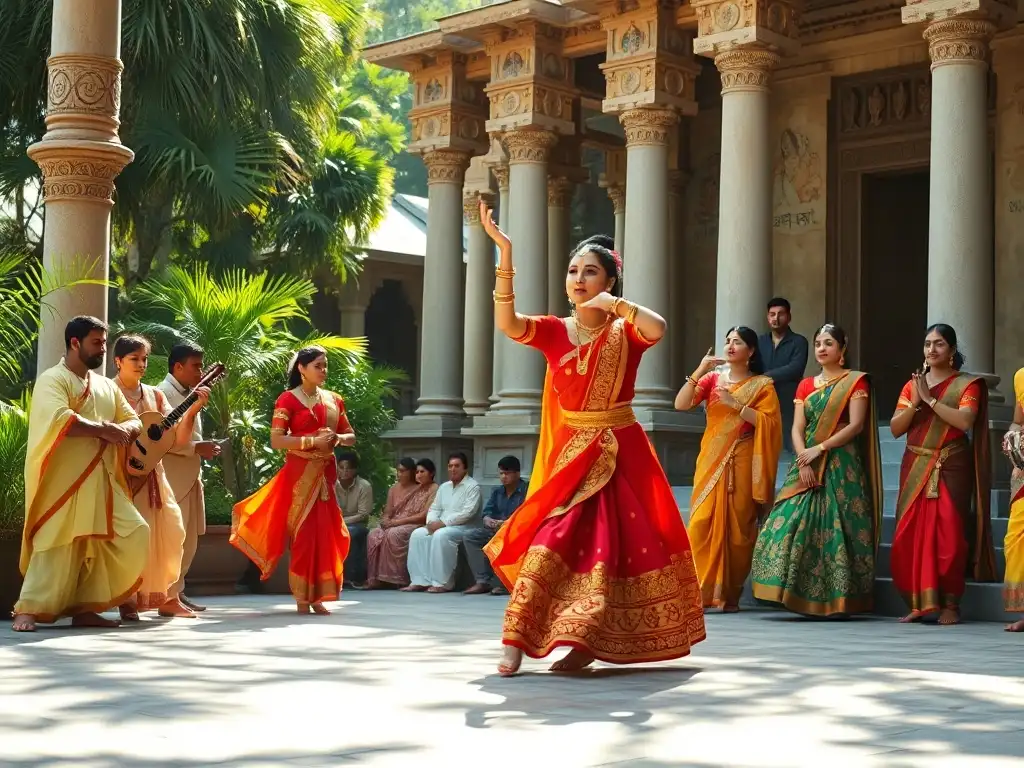
Welcome to Ancient India History, where we embark on a fascinating journey through the myriad layers of India's rich and diverse past. Here, we delve into the enchanting world of performance arts, uncovering the profound role they played in shaping ancient Indian society.
From mesmerizing dance forms to evocative theatrical expressions, the history of Ancient Indian performance arts reveals not just entertainment, but a vibrant tapestry of culture, spirituality, and community life. Join us as we explore the intricate connections between art, architecture, and philosophy that define this remarkable era—your adventure into the depths of ancient Indian civilization begins now!
Introduction to Ancient Indian Performance Arts History
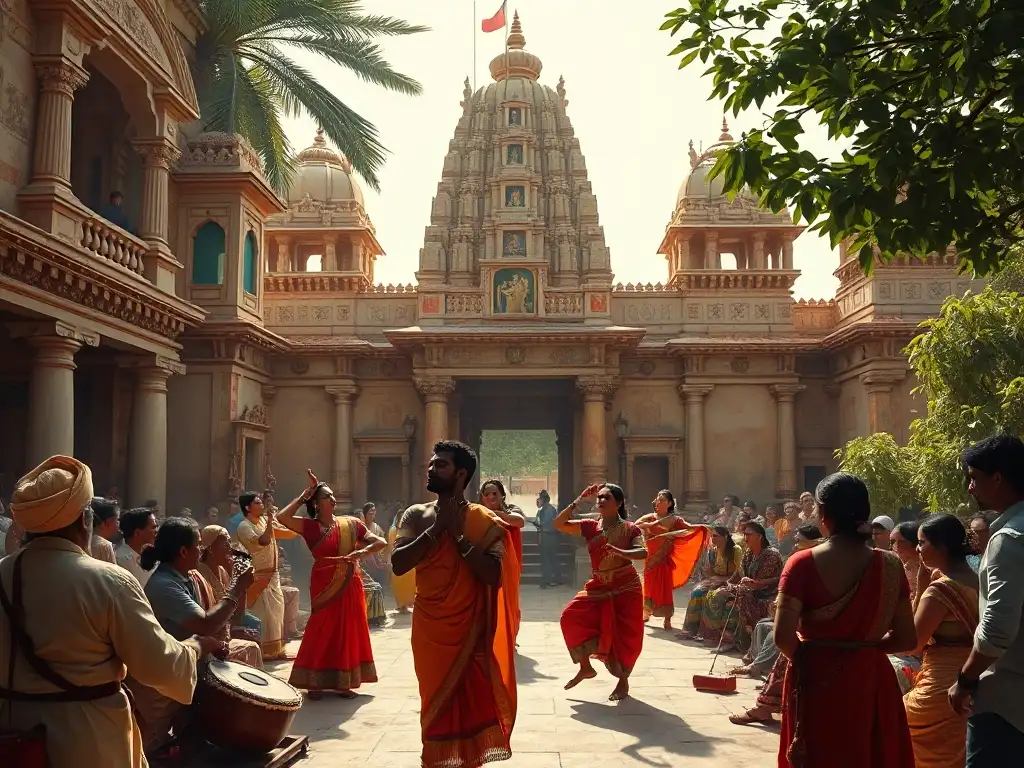
The history of ancient Indian performance arts is a vibrant tapestry interwoven with the cultural, spiritual, and social fabric of the civilization. From the mesmerizing dance forms of classical traditions to the theatrical expressions found in folk performances, performance arts played a pivotal role in shaping the identity of ancient Indian society. This article delves into the ancient Indian performance arts history, exploring its evolution, significance, and the multifaceted influences that shaped these art forms across different periods.
Understanding Performance Arts in Ancient India
Performance arts in ancient India encompassed a wide array of expressions, including dance, music, drama, and storytelling. These art forms were not merely entertainment; they served as crucial mediums for communication, education, and preservation of cultural narratives.
- Dance: Classical dance forms like Bharatanatyam, Kathak, Odissi, and Mohiniyattam emerged from deeply rooted traditions, often linked to temple rituals and spiritual practices.
- Music: The rich tradition of Indian music, both vocal and instrumental, played a significant role in ceremonies and festivals, often conveying philosophical and spiritual messages.
- Drama: Theater, influenced by texts like the Natya Shastra, showcased the dramatic arts and provided insights into social norms and moral dilemmas of the time.
The diversity in these performance arts reflects the myriad influences of regional customs, languages, and beliefs, thus enriching the cultural landscape of ancient India.
Importance of Performance Arts in Cultural Expression
Performance arts were integral to cultural expression in ancient India, serving both to entertain and to educate. They acted as conduits for storytelling, conveying moral lessons, historical events, and spiritual teachings. The impact of performance arts can be summarized in the following points:
- Community Building: Festivals and performances fostered community bonds, as they were often communal events where individuals from various backgrounds came together.
- Cultural Preservation: Through oral traditions and performances, ancient Indian societies preserved their histories, myths, and values, ensuring continuity across generations.
- Spiritual Connection: Many performance arts were intrinsically linked to religious rituals, providing devotees with a means to connect with the divine.
Historical Context of Performance Arts in Ancient India
The historical context of performance arts in ancient India reveals a dynamic evolution influenced by various social, political, and cultural factors.
The Evolution of Performance Arts from the Indus Valley Civilization
The roots of performance arts can be traced back to the Indus Valley Civilization, where archaeological findings suggest the presence of dance and music as part of daily life. Artifacts such as terracotta figurines depict dancers in various poses, indicating the significance of movement and rhythm even during this early period. As societies progressed, the art forms evolved, absorbing influences from neighboring cultures and adapting to changing societal norms.
Influence of Religion and Mythology on Performance Arts
Religion and mythology have played a profound role in shaping the landscape of ancient Indian performance arts. The narratives from Hindu epics like the Mahabharata and Ramayana provided rich content for theatrical performances, while deities and mythological figures became central to dance forms.
- Sacred Narratives: Performance arts often depicted sacred stories, making them accessible to the masses and enriching their understanding of spiritual teachings.
- Ritualistic Practices: Many performances were conducted as part of religious rituals, intertwining the sacred with the artistic and deepening the cultural significance of the arts.
Ancient Indian performance arts reflect a rich legacy shaped by history, religion, and cultural exchange, making them an essential study for understanding the broader narrative of India's past.
Major Forms of Performance Arts in Ancient India
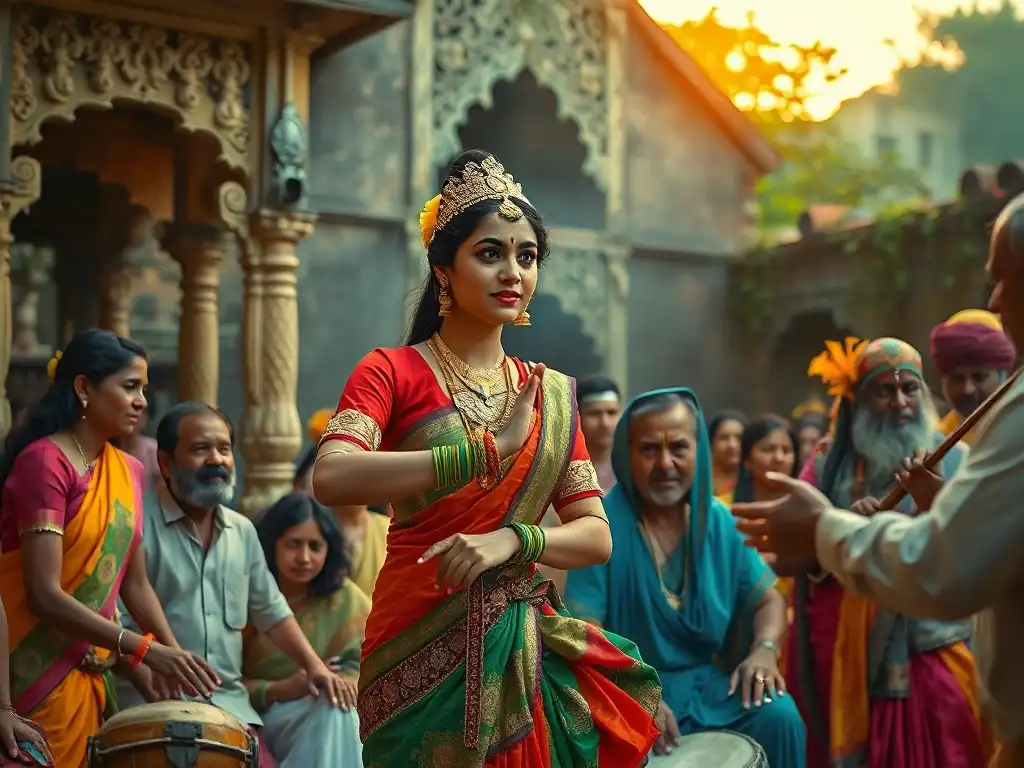
Ancient India was a vibrant tapestry of performance arts that encompassed a variety of forms, each contributing uniquely to the cultural landscape. These arts were not merely entertainment; they were deeply intertwined with social, religious, and educational practices. The major forms of performance arts included dance, theatre, and music, each with its own distinct characteristics and historical significance.
Dance Forms: Bharatanatyam, Kathak, and Odissi
Dance in ancient India was a divine expression that celebrated mythology, spirituality, and cultural narratives. Among the prominent classical dance forms, Bharatanatyam, Kathak, and Odissi stand out:
- Bharatanatyam originated in Tamil Nadu and is characterized by intricate footwork, expressive hand gestures (mudras), and facial expressions (abhinaya). It often depicts stories from Hindu mythology, particularly those relating to gods and goddesses.
- Kathak, with its roots in northern India, is known for its storytelling through dance. It incorporates fast footwork, spins, and expressive gestures, often narrating tales from the epics like the Ramayana and Mahabharata.
- Odissi is one of the oldest dance forms, hailing from Odisha. It is distinguished by its lyrical movements and a focus on the feminine aspect of the divine, portraying themes of love and devotion.
These dance forms not only served as entertainment but also played a crucial role in religious ceremonies and festivals, thereby reinforcing the cultural identity of the regions from which they emerged.
Theatre and Dramatic Arts: Nataka and Natyashastra
Theatre in ancient India was an essential platform for storytelling, moral lessons, and social commentary. The Natyashastra, attributed to the sage Bharata, is a foundational text that outlines the principles of drama, music, and dance. It describes various genres of theatre, including:
- Nataka, which refers to a full-length play that often combines elements of music, dance, and dialogue. These plays typically revolve around mythological stories or historical events, showcasing the complexities of human emotions and relationships.
The performance of Nataka was not confined to the elite; it was a communal activity that brought together people from various strata of society, fostering a shared cultural experience. The dramatic arts served as a mirror to society, addressing issues of morality, ethics, and social norms.
Music Traditions: Classical Music and Folk Music
Ancient Indian music is broadly categorized into classical and folk traditions, each reflecting the diverse cultural influences across the subcontinent.
- Classical music, represented by two main traditions— Hindustani and Carnatic—is characterized by its complex ragas and talas. It was often performed in temples and royal courts, serving spiritual and entertainment purposes.
- Folk music, on the other hand, represents the traditions of various communities and regions, often revolving around everyday life, labor, and local myths. Instruments like the dhol, flute, and harmonium were commonly used, and the songs played a vital role in social gatherings and celebrations.
Both classical and folk music not only enriched the cultural fabric of ancient India but also facilitated the transmission of historical narratives, values, and communal bonds.
The performance arts of ancient India were not merely forms of entertainment; they were integral to the social and cultural life of the society. They played significant roles in shaping identities, fostering community bonds, and preserving cultural heritage.
Role of Performance Arts in Religious Rituals and Festivals
Performance arts were heavily embedded in religious rituals and festivals in ancient India. Dance, music, and theatre were used to celebrate deities, enact myths, and invoke blessings. Major festivals like Diwali and Holi featured performances that symbolized the triumph of good over evil and the arrival of spring, respectively.
These performances served to educate the populace about religious stories and principles, reinforcing community ties and collective identity. Temples often hosted classical dance recitals and musical performances as offerings to the deities, establishing a sacred connection through the arts.
Performance Arts as a Medium for Storytelling and Education
In ancient India, storytelling was an essential method of education. Performance arts provided a dynamic platform for conveying moral lessons, historical events, and cultural values. Through dramatic enactments and dance, performers engaged audiences, making complex narratives accessible and memorable.
The oral traditions of storytelling, combined with dramatic performance, allowed for the preservation and transmission of knowledge across generations. This not only entertained but also educated the younger population about their cultural heritage and societal norms.
The Influence of Performance Arts on Social Cohesion and Identity
Performance arts played a crucial role in fostering social cohesion and shaping individual and collective identities in ancient Indian society. Through communal gatherings for performances, people from diverse backgrounds came together, sharing experiences and building relationships.
Art forms such as dance and theatre transcended social barriers, allowing for the expression of shared values and aspirations. They also served as a means of political commentary and social critique, reflecting the sentiments and struggles of the time. This active engagement with performance arts helped strengthen community bonds and foster a sense of belonging among participants and audiences alike.
Patronage and Support for Performance Arts in Ancient Indian Society
The development and sustenance of performance arts in ancient India were significantly influenced by various forms of patronage and support systems. These arts encompassed a diverse range of expressions, including music, dance, drama, and storytelling, which were integral to the cultural fabric of ancient Indian society. The backing from both royal patrons and organized guilds played a crucial role in the flourishing of these art forms, enabling them to thrive and evolve over centuries.
Royal Patronage: Influence of Kings and Empires
Royal patronage was a cornerstone of the performance arts in ancient India. Kings and emperors recognized the cultural significance of the arts as tools for both entertainment and moral instruction. They often employed artists and performers in their courts, providing them with financial support and resources. This patronage was not merely an act of charity; it was a means to showcase the power and sophistication of the ruler.
For instance, during the Maurya Empire, the patronage of Emperor Ashoka led to the flourishing of various arts, including dance and theatre. Similarly, the Gupta Empire, often referred to as the Golden Age of India, saw significant advancements in performance arts, with kings commissioning grand productions that included elaborate dance dramas and musical performances. These royal endorsements helped to elevate the status of artists, ensuring that their work was both respected and celebrated within society.
Guilds and Troupes: The Support System for Artists
In addition to royal patronage, artists often found support through guilds and troupes, which functioned as collective networks for performers. These guilds provided a structured environment where artists could collaborate, share resources, and promote their work. They also offered training and apprenticeship opportunities, ensuring the transmission of skills and traditions across generations.
The presence of such organizations fostered a sense of community among artists, which was essential for the survival of performance arts. For example, the Natya Shastra, an ancient treatise on the performing arts attributed to Bharata Muni, highlights the importance of these guilds in maintaining artistic standards and practices. The guilds not only contributed to the artistic training of performers but also organized public performances, thereby creating a steady demand for the arts within society.
Challenges Faced by Performance Arts in Ancient India
Despite the robust support systems in place, performance arts in ancient India faced numerous challenges that threatened their continuity and evolution. These challenges arose from political, social, and cultural shifts that altered the landscape of artistic expression.
Political and Social Changes Impacting Performance Traditions
The political landscape of ancient India was often tumultuous, with the rise and fall of empires leading to significant changes in patronage and support for the arts. As new dynasties emerged, the focus of power often shifted, causing previous artistic traditions to be neglected or forgotten. For instance, the decline of the Gupta Empire led to a fragmentation of artistic support, as local rulers prioritized their own interests over the preservation of established art forms.
Social changes, including shifts in religious beliefs and cultural practices, also impacted performance traditions. The rise of Bhakti and Sufi movements brought new themes and styles into the artistic sphere, sometimes overshadowing traditional forms. While this diversification enriched the cultural landscape, it also created competition for resources and audience attention, leading to the decline of certain performance practices.
Preservation of Performance Arts amidst Cultural Shifts
In the face of these challenges, the preservation of performance arts became a critical concern. Artists and scholars worked diligently to document and transmit their knowledge, often adapting to new cultural contexts while striving to maintain the essence of their traditions. For example, oral traditions played a crucial role in preserving ancient narratives and performance styles, even as new influences emerged.
Moreover, many artists sought refuge in smaller, local communities where traditional forms could be sustained away from the pressures of larger political changes. This grassroots approach ensured that despite the broader cultural shifts, many performance arts remained vibrant and relevant. The resilience of these art forms is a testament to the dedication of the artists and their communities, who recognized the importance of preserving their cultural heritage for future generations.
Conclusion: The Legacy of Ancient Indian Performance Arts
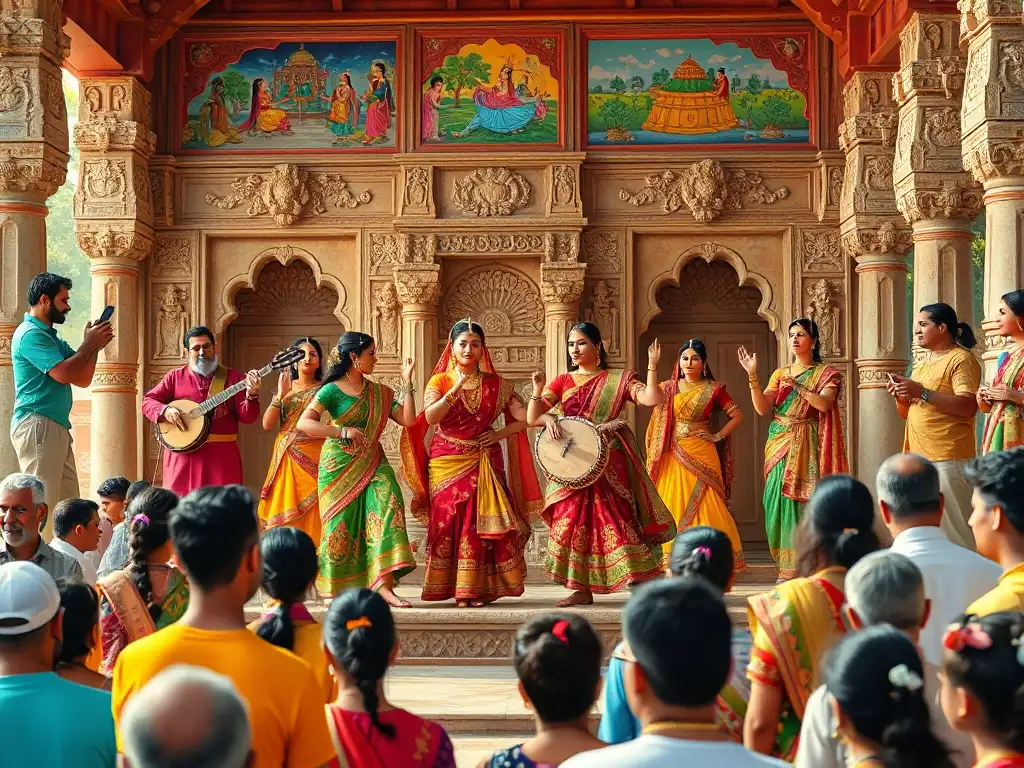
The legacy of ancient Indian performance arts is a testament to the rich cultural tapestry that has shaped the subcontinent's identity over millennia. Performance arts, including dance, music, and theater, were not merely forms of entertainment; they played a pivotal role in religious rituals, communal gatherings, and the storytelling traditions that conveyed moral and philosophical lessons. From the intricate stylings of Bharatanatyam to the evocative narratives of Kathakali, these art forms have preserved and transmitted the values, beliefs, and histories of ancient Indian civilizations.
The enduring nature of these performance arts can be seen in how they have evolved while retaining their core principles. They have adapted to changing times, yet their essence remains rooted in the traditions of the past. This remarkable adaptability underscores the resilience of Indian culture and its capacity to integrate new influences while honoring its historical foundations.
Continuing Influence on Modern Indian Arts
The influence of ancient Indian performance arts extends far beyond their historical context; they continue to shape modern Indian arts in profound ways. Contemporary dance forms, theater productions, and musical compositions often draw inspiration from the rich repertoire of ancient styles and themes. For instance, modern choreographers incorporate elements of classical dances into fusion performances, creating a dynamic dialogue between the past and present.
Moreover, the narratives and mythologies that were central to ancient performance arts continue to resonate with today's audiences. Films, television dramas, and stage plays frequently revisit these themes, highlighting the relevance of ancient stories in contemporary society. This continuity not only preserves ancient art forms but also reinvigorates them, ensuring that they remain vibrant and accessible to new generations.
Reflection on the Importance of Preserving Ancient Indian Performance Arts History
Preserving the history of ancient Indian performance arts is crucial for a multitude of reasons. Firstly, it helps maintain the cultural heritage that defines the identity of various communities across India. As globalization poses challenges to traditional practices, the documentation and promotion of performance arts become vital to safeguarding these unique expressions.
Secondly, understanding ancient performance arts provides valuable insights into the social, political, and religious contexts of the time. They serve as windows into the past, revealing how ancient Indians perceived the world around them and interacted with one another. This historical perspective enriches our understanding of the evolution of Indian culture and thought.
Efforts to preserve these traditions can take various forms, including academic research, community workshops, and digital archiving. Engaging both practitioners and audiences in this preservation process ensures that ancient Indian performance arts history remains alive and relevant, fostering appreciation and respect for the rich legacy it represents.
- Introduction to Ancient Indian Performance Arts History
- Understanding Performance Arts in Ancient India
- Importance of Performance Arts in Cultural Expression
- Historical Context of Performance Arts in Ancient India
- Major Forms of Performance Arts in Ancient India
- Social and Cultural Significance of Performance Arts
- Patronage and Support for Performance Arts in Ancient Indian Society
- Challenges Faced by Performance Arts in Ancient India
- Conclusion: The Legacy of Ancient Indian Performance Arts
- Continuing Influence on Modern Indian Arts
- Reflection on the Importance of Preserving Ancient Indian Performance Arts History
- What are the main types of performance arts in ancient India?
- How did performance arts influence ancient Indian society?
- Who were the key figures in ancient Indian performance arts?
- What role did performance arts play in religious practices?
- How have ancient performance arts influenced modern Indian culture?
Frequently Asked Questions
What are the main types of performance arts in ancient India?
Ancient Indian performance arts primarily included dance, music, and theater. Notable forms like Kathak, Bharatanatyam, and Natya Shastra played significant roles in cultural expression.
How did performance arts influence ancient Indian society?
Performance arts served as a means of spiritual expression and social commentary. They were integral to religious rituals, festivals, and the transmission of cultural values across generations.
Who were the key figures in ancient Indian performance arts?
Prominent figures included Bharata Muni, who authored the Natya Shastra, and various court musicians and dancers who contributed to the evolution of these arts under different kingdoms.
What role did performance arts play in religious practices?
Performance arts were often used in temple rituals and festivals, helping to convey mythological stories and spiritual teachings, thus enhancing the devotional experience for participants.
How have ancient performance arts influenced modern Indian culture?
Ancient performance arts laid the foundation for contemporary Indian classical arts, influencing modern dance forms, music genres, and theatrical performances, thus preserving the rich heritage of ancient traditions.
Final Reflection: The Enduring Legacy of Ancient Indian Performance Arts
**The exploration of ancient Indian performance arts reveals their profound impact on society, culture, and identity, emphasizing that these art forms were not merely entertainment but vital expressions of communal values and spiritual beliefs. Today, as we navigate a world increasingly disconnected from its cultural roots, the significance of these performance arts resonates more than ever, reminding us of the power of storytelling and artistic expression in shaping human experience.
Diving into the rich tapestry of ancient Indian performance arts, we see how they have influenced contemporary cultural practices and social dynamics. The vibrant traditions of dance, drama, and music continue to inspire modern artists and audiences alike, fostering a sense of belonging and continuity. As the renowned Indian classical dancer, Alarmel Valli, once said, Dance is the hidden language of the soul.
This sentiment encapsulates the essence of performance arts as a bridge connecting generations, allowing us to reflect on our shared heritage and collective identity.
As we conclude this exploration, I invite you to reflect on your own relationship with performance arts, whether through participation or appreciation. Consider how these ancient traditions can enrich your life and community today. Engage with local performances, learn about the stories behind the art, and recognize the beauty in the cultural expressions that have shaped our world. By embracing the lessons of ancient Indian performance arts, we can cultivate a deeper understanding of ourselves and the diverse tapestry of humanity.
Unveil the Magic of Ancient Indian Performance Arts!
Thank you for diving into the fascinating world of performance arts in ancient India! We hope you’ve gained valuable insights into how these art forms shaped society and culture. Now, it's time to take your interest further and engage with this vibrant heritage.
Here’s how you can explore and celebrate the legacy of ancient Indian performance arts:
- Dive Deeper: Research and attend local performances or workshops that bring ancient traditions to life. Experience the captivating tales, music, and dance that have resonated through generations!
- Share Your Knowledge: Discuss what you've learned with friends or join online forums to exchange thoughts about the influence of performance arts on contemporary society.
- Get Creative: Channel your inspiration into creating your own artistic piece, whether it's a short play, dance, or visual art inspired by ancient styles.
What aspect of ancient performance arts intrigues you the most—its historical significance, cultural impact, or its ability to inspire modern creatives?