
Stepwells of India: Ingenious Water Conservation and Architectural Wonders

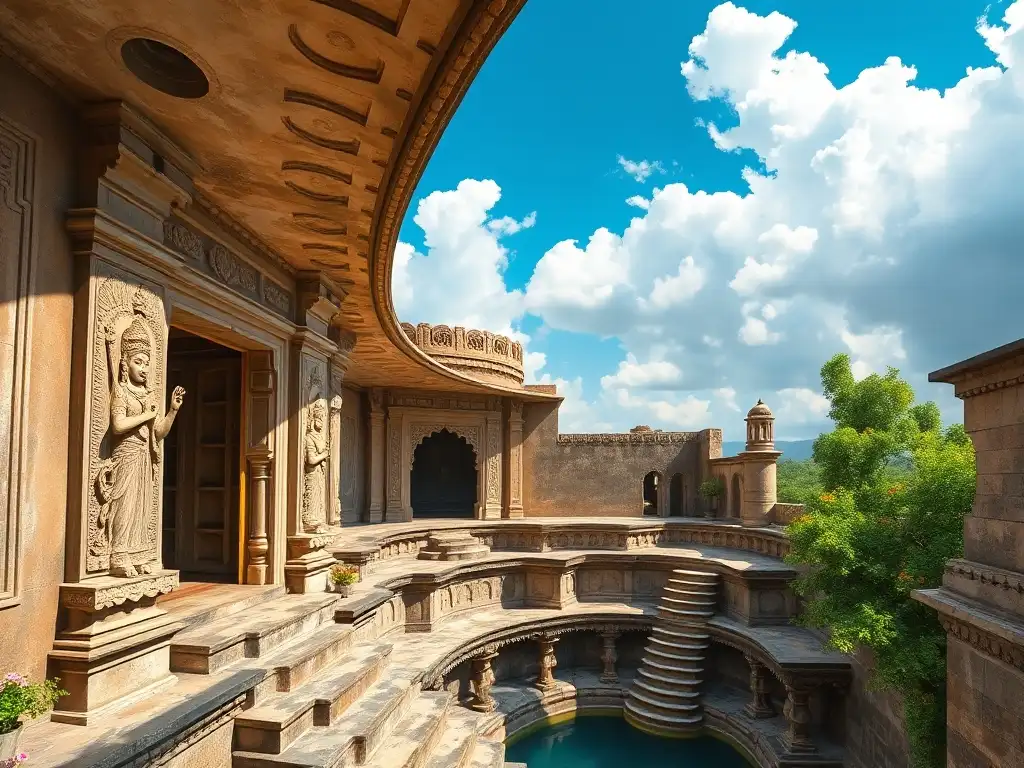
Welcome to Ancient India History, where we delve into the rich tapestry of ancient Indian civilizations that have shaped our world today. In this article, we invite you to explore the fascinating realm of ancient Indian stepwell architecture—a stunning testament to ingenuity and sustainability. Discover how these architectural wonders not only served as vital water conservation systems but also as cultural hubs that reflect the artistry and philosophy of their time. Join us on this journey through history, and unlock the secrets of these remarkable structures that have stood the test of time!
- Introduction to Ancient Indian Stepwell Architecture
- Historical Context of Stepwell Architecture
- Types of Stepwells in India
- Engineering and Construction Techniques
- Notable Examples of Stepwells in India
- The Decline of Stepwells and Modern Restoration Efforts
- Conclusion
- Frequently Asked Questions
- Final Reflection: The Timeless Legacy of Ancient Indian Stepwell Architecture
- Unveil the Wonders of India's Stepwells!
Introduction to Ancient Indian Stepwell Architecture
The architectural heritage of India is a testament to the ingenuity and adaptability of its ancient civilizations. Among the most fascinating elements of this heritage are the stepwells, a unique and functional design that served as a crucial resource for water conservation and community gathering.
Dating back to ancient times, these structures not only reflect the advanced engineering capabilities of their creators but also embody the cultural and societal values of the communities they served. This article delves into the rich history of ancient Indian stepwell architecture, exploring their design, significance, and the remarkable role they played in the sustenance of life in arid regions.
Overview of Stepwells in India
Stepwells, known as "baolis" or "vav" in local dialects, are deep, vertical wells with a series of steps leading down to the water level. These structures were primarily constructed in the arid regions of India, such as Gujarat and Rajasthan, where water scarcity posed significant challenges to agriculture and daily living.
- Historical Context:
- The origins of stepwells can be traced back to the 3rd century BCE, with notable examples emerging during the medieval period.
- They were not only functional but also served as social and cultural hubs where communities would gather.
- Design Features:
- Stepwells typically feature intricate carvings and architectural embellishments, showcasing the artistic skills of craftsmen.
- The design includes multiple levels of steps, allowing access to water even during dry seasons.
Significance of Water Conservation in Ancient Civilizations
Water conservation was paramount in ancient Indian civilizations, especially in regions prone to drought. Stepwells played a vital role in ensuring a sustainable water supply for communities, leading to several key developments:
- Agricultural Expansion:
- The availability of water facilitated agricultural practices, enabling the cultivation of diverse crops.
- Social Cohesion:
- Stepwells served as gathering places, fostering community bonds and cultural activities.
- Economic Growth:
- Access to water sources aided trade and commerce, enhancing the economic stability of regions.
Architectural Marvels of India
The stepwells of India stand as remarkable examples of architectural innovation, reflecting the artistic and engineering prowess of their time. Some notable features include:
- Intricate Carvings:
- Many stepwells boast exquisite stone carvings, depicting mythological figures and floral designs, adding a sense of grandeur to these functional structures.
- Innovative Engineering:
- The design of stepwells often incorporates principles of hydrology, allowing for efficient water storage and retrieval.
- Cultural Symbolism:
- Stepwells are not merely utilitarian; they are also imbued with cultural significance, often linked to rituals and festivals.
Ancient Indian stepwell architecture is a profound reflection of the ingenuity and resourcefulness of India's civilizations. As we explore these architectural marvels further, we uncover the intricate connection between water conservation, community life, and cultural expression in ancient India.
Historical Context of Stepwell Architecture
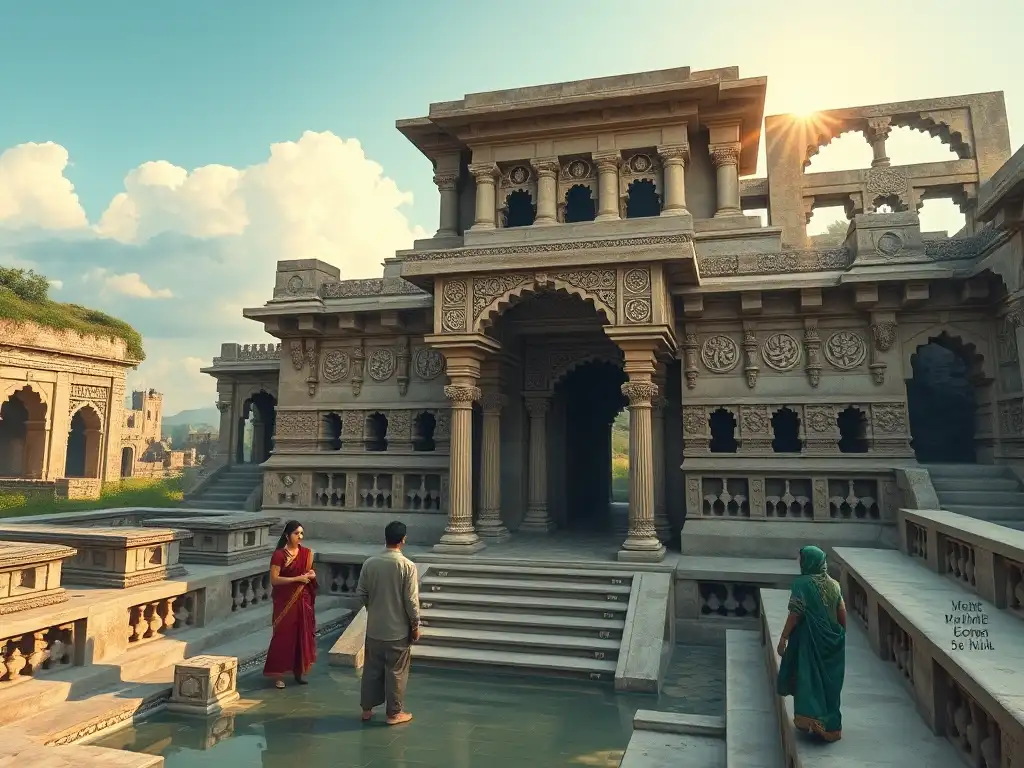
Origins of Stepwells in Ancient India
The origins of stepwells in ancient India can be traced back to the Indus Valley Civilization (circa 3300-1300 BCE), where advanced water management systems were first established. Archaeological evidence from sites like Mohenjo-Daro and Harappa reveals sophisticated drainage and bathing facilities that hinted at the importance of water conservation. However, the specific architectural form of stepwells emerged later, around the 6th century CE, primarily in the regions of Gujarat and Rajasthan.
Stepwells were constructed as a response to the arid climate of these regions, where surface water sources were scarce. The necessity to access groundwater led to the creation of these remarkable structures, allowing communities to tap into underground aquifers. Their design typically included a deep vertical shaft with a series of steps leading down to the water level, which not only facilitated easy access to water but also provided a cool respite from the scorching heat.
Evolution of Stepwell Design Through the Ages
As the centuries progressed, the design of stepwells saw significant evolution, influenced by regional styles, cultural practices, and technological advancements.
- Early Designs: The earliest stepwells were simple in structure, often just a vertical shaft dug into the ground with minimal ornamentation. The focus was primarily on functionality rather than aesthetics.
- Medieval Innovations: By the medieval period, particularly during the Chalukya and Solanki dynasties, stepwells began to exhibit intricate carvings and architectural embellishments. Notable examples include the Rani ki Vav in Patan, which showcases elaborate sculptures depicting gods, goddesses, and mythological scenes.
- Regional Variations: Different regions developed their unique styles. For instance, stepwells in Gujarat often featured ornate pillars and balconies, while those in Rajasthan might include larger platforms for community gatherings.
- Modern Adaptations: In contemporary times, the revival of interest in traditional water conservation methods has led to restorations of ancient stepwells, transforming them into tourist attractions and public spaces. This resurgence reflects a growing awareness of sustainable practices and heritage conservation.
Cultural Importance of Stepwells in Indian Society
Stepwells held profound cultural significance in ancient Indian society, serving as more than just functional water sources. They were social hubs, community gathering spaces, and venues for various religious and cultural activities.
- Social Gathering Spaces: Stepwells provided a communal area where villagers could meet, socialize, and conduct business. The shaded steps offered a respite from the heat, encouraging prolonged gatherings.
- Religious and Ritual Practices: Many stepwells are associated with local deities and rituals. Pilgrimages and festivals often took place near these water bodies, reinforcing their spiritual significance. Ritual bathing in stepwells was believed to purify the soul.
- Architectural Heritage: The artistry and craftsmanship displayed in stepwell architecture reflect the socio-economic conditions of the time, showcasing the skills of artisans and the aesthetic values of the society.
- Symbol of Resilience: In many ways, stepwells symbolize the resilience of ancient Indian civilizations in adapting to their environment. They represent innovative solutions to water scarcity and highlight the importance of sustainable practices, a lesson that remains relevant today.
Ancient Indian stepwell architecture is a testament to the ingenuity of past civilizations in addressing water needs while fostering community life and cultural practices. Their rich history and intricate designs continue to inspire and educate future generations about the significance of water conservation and architectural innovation in India.
Types of Stepwells in India
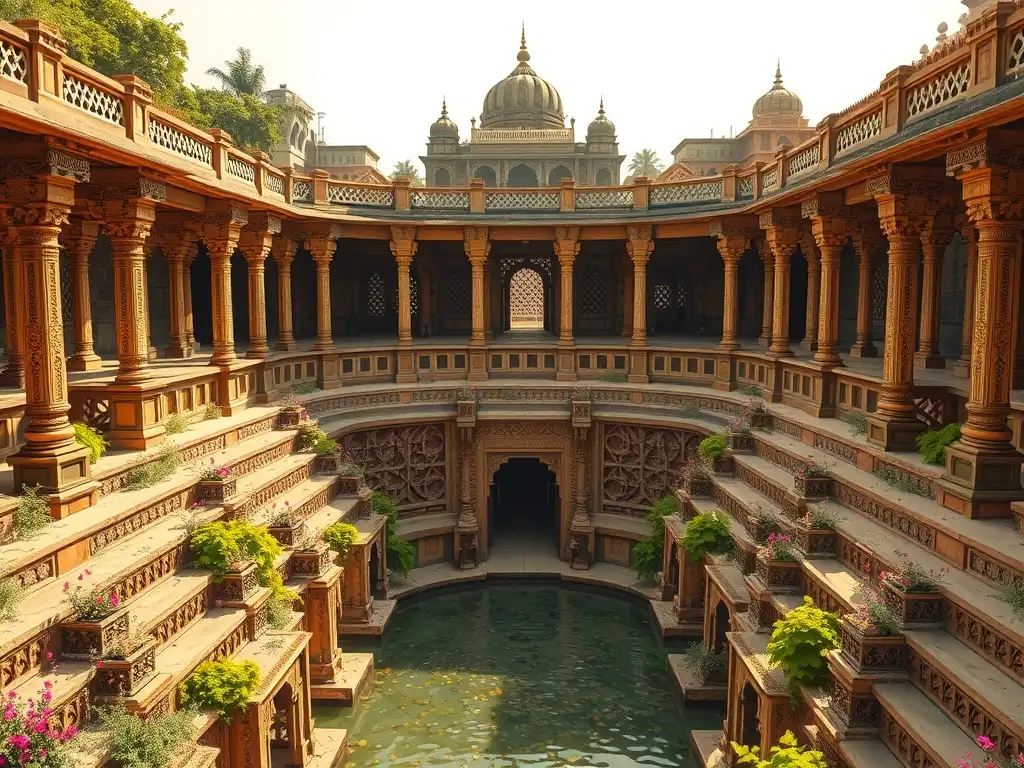
India's stepwells are remarkable structures that not only served the practical purpose of water conservation but also exemplified the architectural ingenuity of ancient Indian civilizations. These wells, often intricately designed, come in various forms and styles, each reflecting the cultural and environmental contexts of their regions. Here, we explore the diverse types of stepwells found across India.
Inverted Temple Stepwells: A Unique Design
Inverted temple stepwells, also known as "baolis," are characterized by their temple-like structures that descend into the earth. These wells are often adorned with intricate carvings and sculptures that depict deities, mythological scenes, and intricate floral patterns. The design mimics the shape of a temple inverted into the ground, creating a spiritual ambiance.
- Example: The Rani ki Vav in Patan, Gujarat, is a prime illustration of this architectural form. Built in the 11th century, it features a series of stairs leading down to a deep reservoir, flanked by intricately carved pillars and sculptures.
- Cultural Significance: These stepwells were not merely functional; they served as social and religious gathering places, where communities would congregate for festivals and rituals.
Multi-Story Stepwells: Architectural Complexity
Multi-story stepwells represent a more complex architectural endeavor, showcasing the engineering prowess of ancient Indian builders. These stepwells can have several stories, with staircases that spiral downwards, often leading to a central water reservoir.
- Structural Features: The walls of multi-story stepwells are often reinforced with stone and feature multiple landings, allowing users to reach different depths depending on the water level. The stairs are designed to facilitate access during the dry season when the water level may recede.
- Example: The Adalaj Stepwell near Ahmedabad, constructed in 1499, is a quintessential multi-story stepwell known for its ornate carvings and three levels of stairs leading down to the water. The stepwell is an architectural marvel, showcasing intricate jali work (lattice screens) and elegant pillars.
- Cultural Context: Multi-story stepwells often served as cool retreats during the scorching summer months, providing a space for relaxation and community interaction.
Regional Variations in Stepwell Architecture
The architectural style of stepwells varies significantly across different regions of India, influenced by local climate, materials, and cultural practices.
- Gujarat: Known for its elaborate and intricately carved stepwells, such as the Rani ki Vav and Adalaj, Gujarat's stepwells often showcase rich iconography and artistic detail, reflecting the region's historical wealth and patronage of the arts.
- Rajasthan: In Rajasthan, stepwells such as the Baori feature more austere designs, with simpler lines and structures that blend harmoniously with the arid landscape. The Chand Baori in Abhaneri is one of the deepest and largest stepwells, designed to capture and store rainwater efficiently.
- Maharashtra: The stepwells in Maharashtra, particularly around Mumbai and Pune, are often less ornate but exhibit robust construction techniques. The Surya Kund in the village of Maharashtra features a unique circular design, showcasing the diversity in stepwell architecture.
- Southern India: Though less common, stepwells in the southern states often feature rounded wells and a focus on community space, reflecting the region's agricultural heritage.
The types of stepwells found in India are a testament to the ingenuity and adaptability of ancient Indian architecture. From inverted temple designs to multi-story complexes, each stepwell tells a story of the region’s cultural identity, environmental challenges, and architectural achievements.
Engineering and Construction Techniques
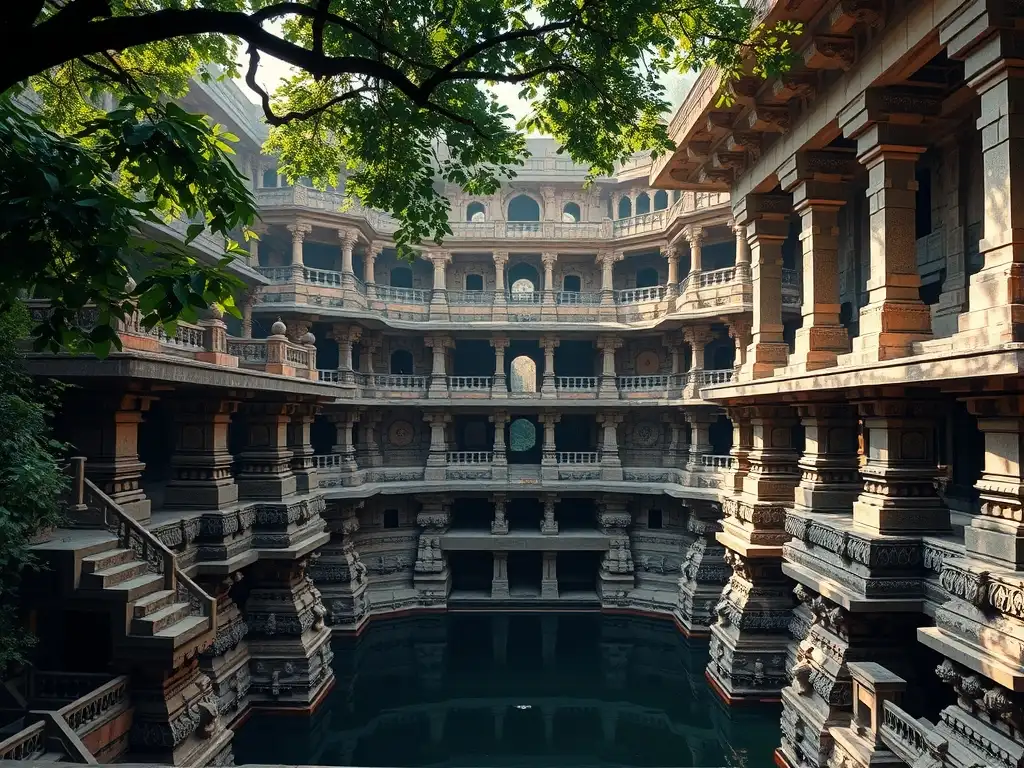
The construction of ancient Indian stepwells showcases remarkable engineering and architectural ingenuity. These structures were not merely functional; they embodied complex design principles that harmonized with local environmental conditions. The techniques employed in their construction reveal a deep understanding of materials, water management, and geography.
Materials Used in Ancient Stepwell Construction
The selection of materials for stepwell construction was crucial for their durability and functionality. Ancient builders predominantly utilized the following materials:
- Stone:
- Sandstone and limestone were commonly used due to their availability and ease of carving. For instance, the famous Adalaj Stepwell in Gujarat features intricately carved sandstone, reflecting the artistry of its era.
- Granite was also employed in regions where it was accessible, providing enhanced strength and longevity.
- Brick:
- Burnt bricks were utilized in many stepwells, particularly in regions where stone was scarce. The use of bricks allowed for a variety of architectural styles and designs.
- Notably, the stepwells of Rajasthan frequently incorporated bricks, showcasing unique patterns and decorative elements.
- Mortar:
- A mixture of lime and sand served as the binding agent in stepwell construction. This mortar was essential for ensuring the structural integrity and water-tightness of the wells.
The combination of these materials not only contributed to the aesthetic appeal of the stepwells but also ensured their functionality for centuries.
Innovative Techniques in Ancient Water Management
Ancient Indian stepwell architecture featured innovative techniques that addressed the challenges of water conservation and management. Some notable methods include:
- Multi-Level Design:
- Stepwells were often constructed with multiple levels, allowing users to access water at various depths depending on the season. This design maximized water retrieval efficiency and facilitated storage during dry periods.
- Chambers and Filtration Systems:
- Many stepwells incorporated chambers that allowed for sedimentation and filtration of water, ensuring cleaner supply. This innovative approach not only improved water quality but also extended the usability of the wells.
- Rainwater Harvesting:
- Some stepwells were strategically designed to capture and store rainwater runoff, enhancing their water supply during the monsoon season. Features such as sloped pavements directed rainwater toward the well, demonstrating advanced hydraulic engineering.
These techniques exemplify the ingenuity of ancient Indian engineers in creating sustainable water management systems that catered to the needs of their communities.
The Role of Local Geography in Stepwell Design
The geographical context significantly influenced the design and construction of stepwells in ancient India. Key factors included:
- Topography:
- The elevation and slope of the land dictated the depth and shape of the stepwells. In hilly regions, stepwells were often built deeper to reach the water table, while in flatter areas, they could be shallower with broader steps.
- Soil Type:
- The nature of the soil played a vital role in determining the construction techniques. For instance, in areas with loose soil, builders would reinforce the walls of stepwells to prevent collapse, while in rocky terrains, they would exploit natural formations to support the structure.
- Climate:
- The arid and semi-arid regions of India saw a proliferation of stepwells as a response to the scarcity of surface water. The design often incorporated features to minimize evaporation, such as shaded steps and overhanging structures.
Understanding the interplay between local geography and stepwell design not only highlights the adaptability of ancient Indian architecture but also underscores the significance of environmental factors in engineering practices.
Notable Examples of Stepwells in India
Rani Ki Vav: A UNESCO World Heritage Site
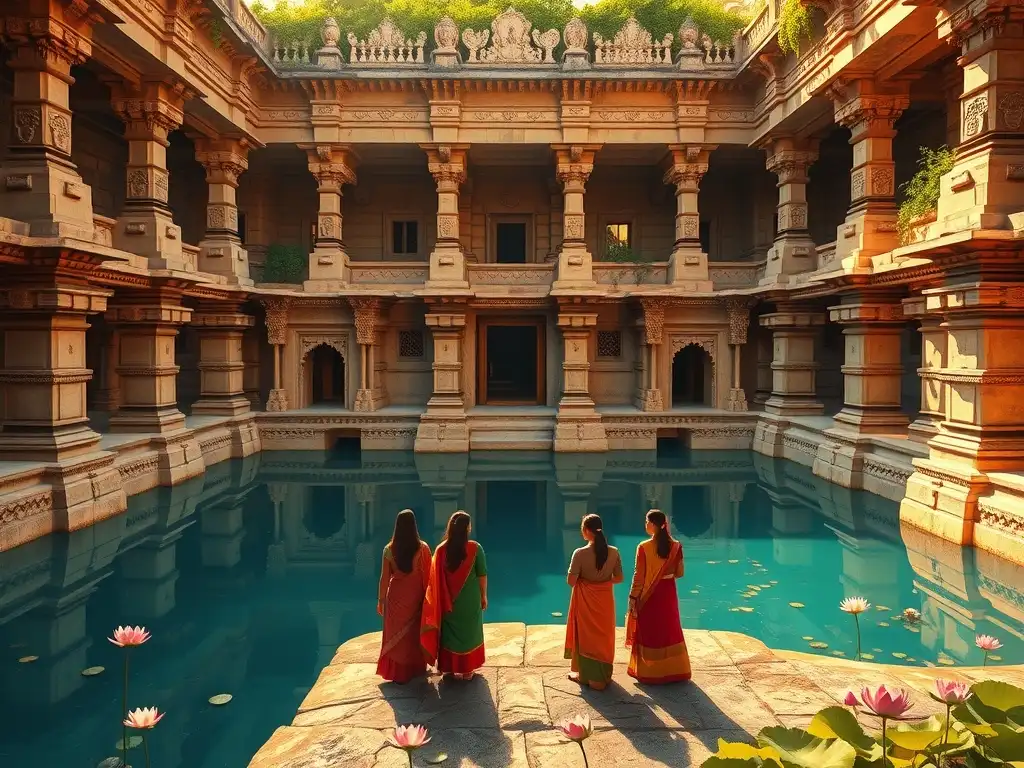
Rani Ki Vav, located in Patan, Gujarat, is one of the most remarkable examples of ancient Indian stepwell architecture. Constructed in the 11th century during the reign of the Solanki dynasty, this stepwell is not only a feat of engineering but also an exquisite showcase of artistry.
- Architectural Features: Rani Ki Vav features seven levels of stairs, intricately adorned with more than 1,000 sculptures. These carvings depict various deities, celestial nymphs, and mythological figures, illustrating the rich iconography of the time. The central shaft of the stepwell is a marvel in itself, designed to draw groundwater from great depths, making it an essential resource during the dry season.
- UNESCO Recognition: In 2014, Rani Ki Vav was designated as a UNESCO World Heritage Site, recognized for its outstanding universal value. The site exemplifies the zenith of stepwell architecture and reflects the historical significance of water conservation practices in ancient India.
Adalaj Stepwell: Blending Functionality and Art
Adalaj Stepwell, located near Ahmedabad in Gujarat, is another fascinating example of ancient Indian stepwell architecture. Built in the 15th century by Queen Rudabai, this five-story stepwell serves as an exquisite fusion of utility and artistry.
- Design and Structure: Adalaj Stepwell is characterized by its elaborate carvings and intricate filigree work, representing the Indo-Islamic architectural style. The stepwell features beautifully crafted pillars, with geometric patterns and floral motifs that create a harmonious aesthetic.
- Historical Significance: The stepwell was constructed to provide water for the local community, particularly during the scorching summer months. It also served as a cool retreat for travelers and locals, showcasing how stepwells were not merely functional but also social spaces for interaction.
The Stepwells of Gujarat: A Case Study in Design
The state of Gujarat is home to numerous stepwells that exemplify the ingenuity of ancient Indian stepwell architecture. These structures are not only vital for water conservation but also serve as cultural landmarks.
- Design Variations:
- Gujarat's stepwells vary in design, from the simple, utilitarian structures to the highly ornate ones like Rani Ki Vav and Adalaj Stepwell. Each reflects the local architectural style and cultural influences of the region.
- Cultural Significance:
- Stepwells in Gujarat often feature inscriptions and carvings that provide insights into the social, religious, and economic life of the time. These inscriptions can include dedications to deities, commemorations of patrons, and even poetic verses, adding a layer of cultural depth to these architectural marvels.
- Conservation Efforts:
- With many stepwells facing neglect, conservation efforts are essential to preserve these historical structures. Initiatives by the Archaeological Survey of India and local heritage organizations aim to restore and maintain these sites, ensuring that they continue to serve as vital links to India’s rich architectural heritage.
The stepwells of India, particularly those in Gujarat, exemplify the brilliance of ancient Indian stepwell architecture. They reflect a deep understanding of water management and an appreciation for artistic expression, making them invaluable treasures of India’s architectural history.
The Decline of Stepwells and Modern Restoration Efforts
Factors Leading to the Decline of Stepwell Usage
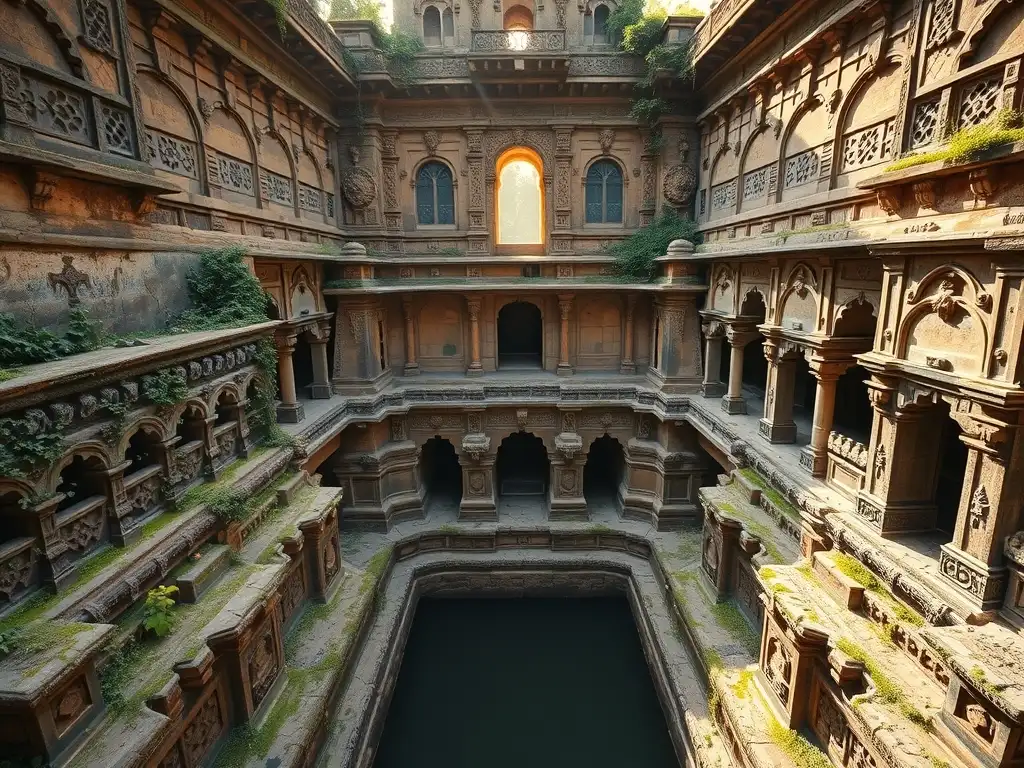
The decline of stepwells in India can be attributed to several interrelated factors that emerged over the centuries. Urbanization is one of the primary reasons, as rapid development led to the construction of modern water supply systems that rendered traditional stepwells less necessary. As cities expanded and populations grew, the demand for immediate water access shifted towards piped supply networks, often neglecting these historical structures.
Another significant factor is climate change, which has altered rainfall patterns and reduced the groundwater levels that stepwells relied upon. With less water available underground, many stepwells fell into disuse. Additionally, cultural shifts contributed to their decline. As society moved towards more contemporary living standards, the communal nature of stepwells, which were once vibrant social hubs, diminished. This change in lifestyle has led to many stepwells being abandoned and neglected.
Moreover, poor maintenance and lack of funding for historical preservation have exacerbated the deterioration of these structures. Many stepwells became filled with debris, leading to a loss of their architectural integrity. As a result, much of the intricate craftsmanship and engineering that characterizes ancient Indian stepwell architecture has been lost or severely compromised.
Recent Restoration Projects: Reviving Ancient Techniques
In recent years, a renewed interest in preserving stepwells has led to various restoration projects across India. These initiatives aim to revive not only the physical structures but also the traditional techniques used in their construction. Organizations and governments are increasingly recognizing the cultural and historical significance of these architectural marvels.
One notable project is the restoration of the Agrasen ki Baoli in Delhi, which has been carefully renovated to restore its original grandeur while ensuring structural stability. This project has involved meticulous cleaning and repair, allowing visitors to appreciate the intricate carvings and engineering genius that went into its creation.
Another exemplary initiative is the stepwell restoration in Gujarat, where local craftsmen have been engaged to apply traditional methods of masonry and stonework. These efforts not only preserve the historical essence of the structures but also provide employment opportunities for local artisans, fostering a sense of community ownership.
Furthermore, the introduction of eco-tourism around restored stepwells has helped raise awareness about their importance. By promoting these sites as tourist attractions, communities are motivated to maintain and protect their heritage, ensuring that future generations can appreciate the ingenuity of ancient Indian stepwell architecture.
The Role of Stepwells in Sustainable Water Management Today
Stepwells are being re-evaluated in the context of modern sustainable water management practices. With increasing concerns over water scarcity and the need for efficient conservation strategies, ancient Indian stepwell architecture offers valuable lessons. These structures were engineered to collect and store rainwater, making them vital for communities in arid regions.
Today, stepwells can serve as a model for rainwater harvesting techniques. By integrating modern technology with traditional designs, communities can create sustainable water sources that mimic the functionality of stepwells. For instance, some cities are exploring the use of percolation tanks and recharge wells that utilize similar principles as stepwells to replenish groundwater levels.
Moreover, the revival of stepwells can enhance biodiversity in urban areas. These structures often support diverse ecosystems, providing habitats for various species of flora and fauna. By restoring stepwells, cities can promote ecological balance while addressing water management challenges.
As communities grapple with contemporary water issues, the ingenious designs and sustainable practices inherent in ancient Indian stepwell architecture provide a rich source of inspiration for future solutions in water conservation. The revival and appreciation of these historical structures not only honor India's past but also pave the way for a more sustainable future.
Conclusion
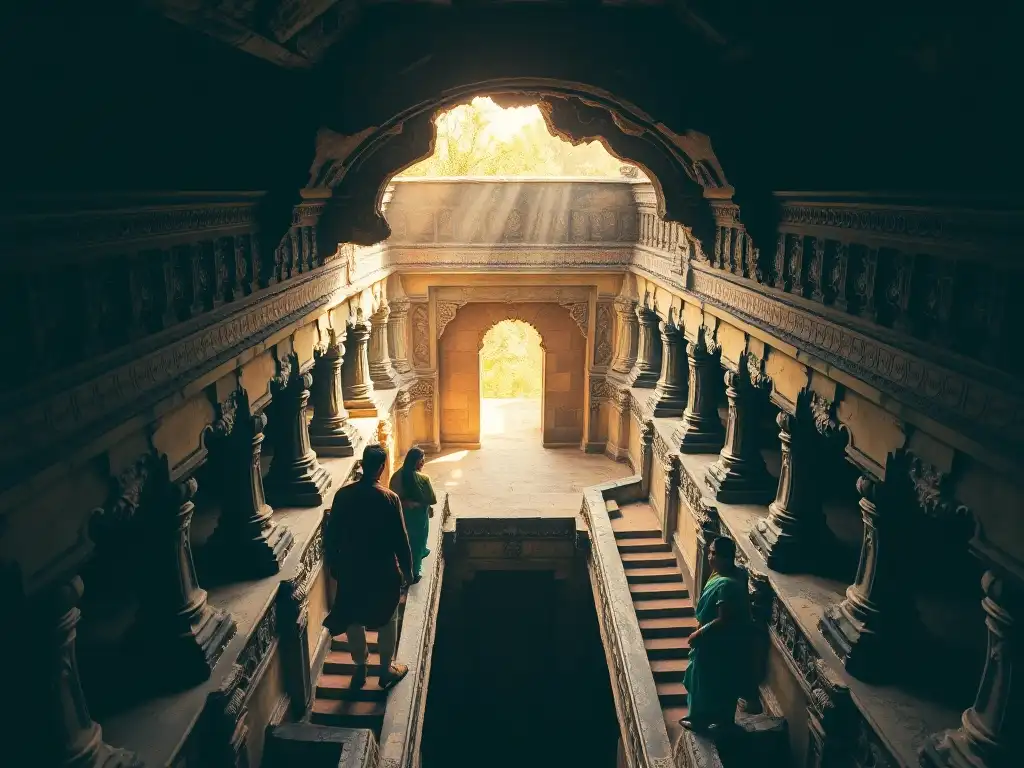
The journey through the intricate world of ancient Indian stepwell architecture reveals a profound understanding of water conservation and architectural ingenuity. These structures, often adorned with intricate carvings and artistic designs, serve as a testament to the advanced engineering skills and cultural values of ancient Indian civilizations. Stepwells not only fulfilled the essential need for water in arid regions but also acted as social hubs where communities gathered, celebrated, and engaged in various activities.
From the stunningly designed Rani Ki Vav in Gujarat to the lesser-known yet equally fascinating stepwells scattered across the country, each site tells a unique story of the past. As we reflect on the legacy of these architectural wonders, it becomes evident that ancient Indian stepwell architecture is more than just a method of water storage; it embodies the spirit of innovation and communal harmony that characterized ancient Indian society.
The Legacy of Ancient Indian Stepwell Architecture
The legacy of ancient Indian stepwell architecture is deeply entrenched in the cultural and historical fabric of the subcontinent. These structures represent a harmonious blend of functionality and artistry:
- Cultural Significance: Stepwells were not only practical solutions to water scarcity but also served as places of worship and community gatherings. Many of them were constructed near temples, highlighting their spiritual significance.
- Architectural Styles: The diverse architectural styles of stepwells, from the ornate carvings of Gujarat to the simple yet elegant designs found in Rajasthan, showcase the regional variations in ancient Indian craftsmanship. Each stepwell reflects the local culture and the environmental context in which it was built.
- Engineering Marvels: The engineering techniques employed in the construction of stepwells are noteworthy. The ability to create multi-storied structures that accessed groundwater through a series of steps and chambers is a remarkable achievement that highlights the ingenuity of ancient Indian builders.
- Preservation Efforts: In recent years, there has been a growing awareness and appreciation for the need to preserve these historical structures. Initiatives aimed at restoration and conservation are crucial to ensure that future generations can appreciate the art and science behind ancient Indian stepwell architecture.
Future Perspectives on Stepwells and Water Conservation in India
Looking ahead, the relevance of stepwells as a model for sustainable water management in India cannot be overstated. With the increasing challenges posed by climate change and urbanization, revisiting the principles behind stepwell architecture offers valuable insights for contemporary water conservation efforts:
- Water Scarcity Solutions: As many regions in India face acute water shortages, the revival of stepwell construction could provide effective solutions. These structures can serve as rainwater harvesting systems, capturing and storing water for use during dry periods.
- Educational Opportunities: Incorporating the study of ancient stepwell architecture into educational curricula can foster a greater understanding of sustainable practices. Schools and universities can explore the intersection of history, architecture, and environmental science through field trips to stepwell sites.
- Tourism and Cultural Heritage: Promoting stepwells as tourist attractions can generate revenue for local communities while raising awareness about their historical and architectural significance. Efforts to create heritage trails that include stepwells can enhance cultural tourism.
- Community Involvement: Engaging local communities in the restoration and maintenance of stepwells is essential. By fostering a sense of ownership and pride in these structures, communities can play a pivotal role in their preservation and continued relevance.
The exploration of ancient Indian stepwell architecture not only highlights the ingenuity of past civilizations but also provides a blueprint for addressing modern water management challenges. As we embrace the wisdom of our ancestors, we can work towards a sustainable future that values both heritage and innovation.
Frequently Asked Questions
What are ancient Indian stepwells?
Ancient Indian stepwells are architectural structures designed for water storage and conservation, featuring a series of steps leading down to the water level, facilitating easy access.
How did stepwells contribute to water conservation in ancient India?
Stepwells played a crucial role in water conservation by collecting and storing rainwater, helping communities manage water scarcity during dry seasons.
Where can I find the most famous stepwells in India?
Some of the most famous stepwells, like the Adalaj Stepwell and Rani Ki Vav, are located in Gujarat, showcasing the intricate craftsmanship of ancient Indian architecture.
What architectural features make stepwells unique?
Stepwells are characterized by their multi-tiered structures, elaborate carvings, and cool underground chambers, reflecting the artistic and engineering skills of ancient Indian civilizations.
How have stepwells influenced modern architecture in India?
The design of stepwells has inspired contemporary architects to incorporate sustainable water management practices, emphasizing the importance of historical techniques in modern architecture.
Final Reflection: The Timeless Legacy of Ancient Indian Stepwell Architecture
The ingenuity of ancient Indian stepwell architecture stands as a testament to the remarkable ability of past civilizations to harmonize functionality with beauty. In an era where water scarcity is becoming increasingly prevalent, the significance of these architectural wonders is more relevant than ever. They remind us of the innovative solutions our ancestors devised to address environmental challenges, showcasing a profound understanding of sustainable practices that we can learn from today.
The cultural and social impact of stepwells extends beyond their physical structure; they are symbols of community resilience and ingenuity. These architectural marvels not only served as vital water sources but also as social hubs where people gathered, shared stories, and celebrated life. As we navigate the complexities of modern water management, we can draw inspiration from these historical sites. The past is not dead; it is living in us, and we are its future.
This quote encapsulates the ongoing influence of stepwells, reminding us that the lessons from our history can guide us in creating sustainable futures.
As we reflect on the legacy of ancient Indian stepwell architecture, I invite you to consider how these principles of water conservation and community engagement can be applied in your own life. Take a moment to appreciate the resources you have and think about how you can contribute to sustainable practices in your community. Whether it's advocating for water conservation, participating in local initiatives, or simply sharing the story of these architectural wonders, every action counts. Together, we can honor the wisdom of the past while paving the way for a more sustainable future.
Unveil the Wonders of India's Stepwells!
Thank you for taking the time to explore the fascinating world of India's stepwells with us! You’ve gained insight into these incredible architectural feats and their vital role in water conservation. Now, it’s time to put that knowledge into action!
Here’s how you can engage further and make a difference:
- Visit a stepwell in your area or plan a trip to India to experience these wonders firsthand—immerse yourself in the historical significance they hold.
- Share your discoveries by writing a blog post or creating a social media update about your favorite stepwell and its architectural features to inspire others.
- Join a local conservation group focused on protecting historical sites or water resources in your community—every little effort helps!
Which stepwell or water conservation method has inspired you, and how do you plan to explore or promote it further? 🌊✨