
The Art of Storytelling: How Dance Narratives Transcend Time in Ancient India

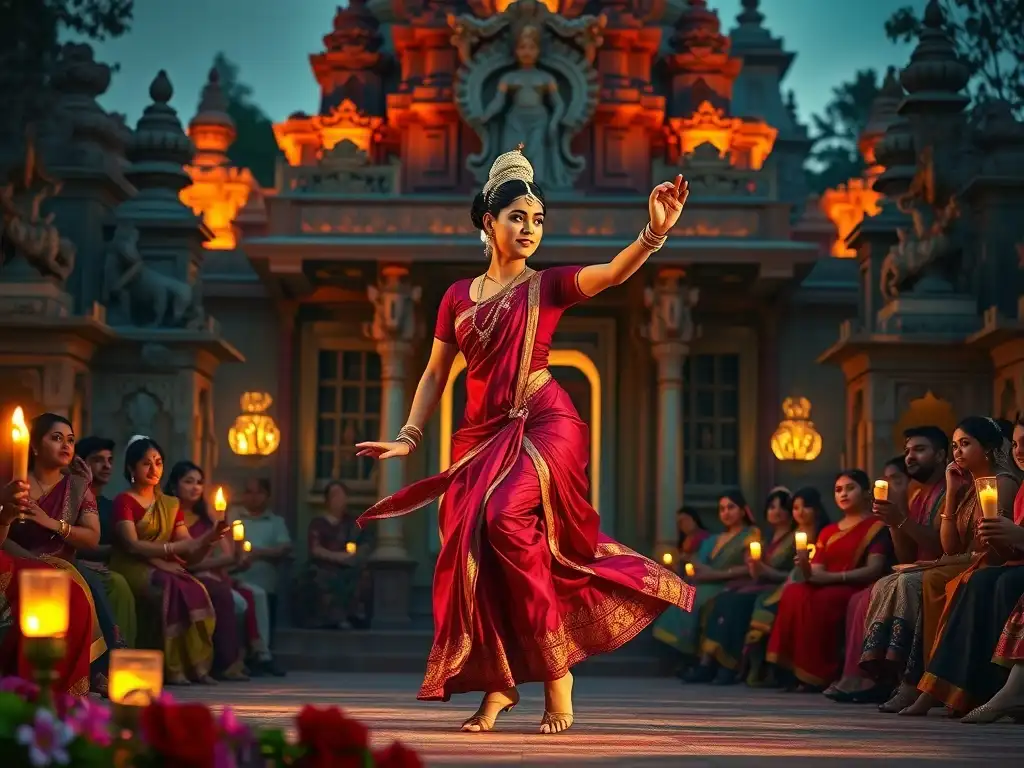
Welcome to Ancient India History, where we embark on a fascinating journey through the rich tapestry of ancient Indian civilizations! Discover how the intricate art of storytelling through dance not only entertained but also preserved the cultural heritage of a bygone era. In our featured article, "The Art of Storytelling: How Dance Narratives Transcend Time in Ancient India," we delve into the captivating world of ancient Indian dance storytelling that bridges the past and present. Join us as we unveil the timeless narratives that continue to inspire and resonate, igniting your curiosity and passion for this vibrant art form.
The rich tapestry of ancient Indian civilizations is woven with intricate threads of art, culture, and storytelling. Among these, the art of dance stands out not merely as a form of entertainment but as a profound narrative medium that transcends time and connects generations. Ancient Indian dance storytelling serves as a vital vehicle for conveying myths, legends, and moral lessons, embedding cultural values into the very fabric of society.
This article delves into how these dance narratives have evolved and their enduring significance in the context of ancient Indian history. By exploring various dance forms that embody storytelling, we will uncover the intricate relationship between movement, emotion, and narrative in ancient India.
Introduction to Ancient Indian Dance Storytelling
Ancient Indian dance storytelling, often referred to as “Nritta” and “Natya,” is an art form that integrates movement, expression, and music to narrate tales from mythology, history, and folklore. These performances were not just artistic displays; they were a means of preserving and transmitting the cultural heritage and spiritual beliefs of the time.
- Key Elements of Dance Storytelling:
- Mudras (Hand Gestures): Each gesture conveys specific meanings and emotions, allowing dancers to express complex narratives.
- Abhinaya (Expressive Acting): This facet involves facial expressions and body language to portray characters and emotions vividly.
- Rhythm and Music: Integral to the performance, rhythm enhances the storytelling, guiding the audience through the narrative journey.
Historically, dance storytelling flourished in various regional styles across India, each with its unique flair, yet all sharing a common purpose: to narrate stories that resonate with audiences, both past and present.
Importance of Dance as a Narrative Art Form in Ancient India
Dance has played a pivotal role in ancient Indian society, serving as a conduit for storytelling that reflects cultural values, social norms, and spiritual beliefs. This artistic expression was deeply intertwined with religious rituals, festivals, and royal courts, making it an essential aspect of public and private life.
- Cultural Significance:
- Preservation of Myths and Legends: Through dance, ancient stories were kept alive, allowing each generation to connect with their heritage.
- Moral and Ethical Lessons: Many dance narratives conveyed important life lessons, reinforcing societal values and ethics.
- Social and Religious Context:
- Temple Dances: Often performed as offerings to deities, these dances were believed to invoke divine blessings and spiritual enlightenment.
- Court Dances: Royal patronage of dance forms showcased power and prestige while also serving as entertainment for the elite.
The significance of dance as a narrative art form in ancient India is profound, illustrating how movement and rhythm can transcend the boundaries of time, culture, and language. Through the lens of ancient Indian dance storytelling, we can gain insights into the civilization's values, beliefs, and artistic expressions.
- Introduction to Ancient Indian Dance Storytelling
- Importance of Dance as a Narrative Art Form in Ancient India
- What is the significance of ancient Indian dance storytelling?
- How did dance narratives evolve in ancient India?
- What are some prominent styles of dance storytelling in ancient India?
- How did the Gupta Empire contribute to the art of storytelling through dance?
- In what ways does ancient Indian dance storytelling remain relevant today?
Historical Context of Dance in Ancient India
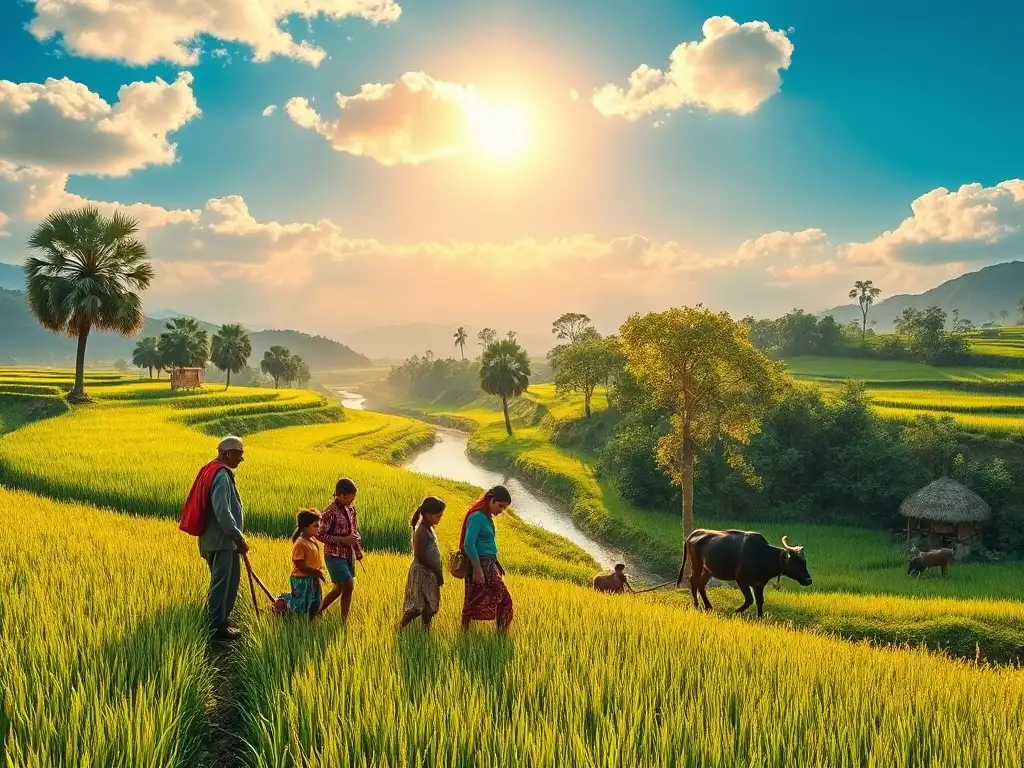
Evolution of Dance Forms in Ancient Indian Civilizations
The evolution of dance forms in ancient Indian civilizations is a rich tapestry that reflects the cultural, spiritual, and social dynamics of the time. Dance in ancient India was not merely a form of entertainment; it served as a vital medium for storytelling, ritualistic expression, and community cohesion. The origins of dance can be traced back to prehistoric times, where archaeological findings suggest that dance was an integral part of religious and cultural practices.
Key Aspects of Dance Evolution:
- Ritualistic Beginnings:
- Early dance forms were often linked to religious rituals and ceremonies. These dances were performed to appease deities and seek blessings for bountiful harvests.
- Cultural Integration:
- As civilizations expanded, dance forms began to incorporate elements from various cultures, leading to a fusion of styles that enriched the artistic landscape.
- Physical Expression:
- The use of mudras (hand gestures) and abhinaya (expression) became prominent, allowing dancers to convey complex narratives and emotions through their movements, thus laying the groundwork for dance storytelling.
Key Historical Periods Influencing Dance Narratives
Dance narratives in ancient India were significantly shaped by various historical periods, each contributing unique elements to the art form. Understanding these periods provides insight into how storytelling through dance evolved and flourished.
Indus Valley Civilization and Early Dance Practices
The Indus Valley Civilization (circa 3300–1300 BCE) is one of the earliest known urban cultures in the Indian subcontinent. While direct evidence of dance practices remains scarce, archaeological artifacts such as terracotta figurines depicting figures in dance postures suggest that dance was an integral part of their social and religious life.
- Figurative Evidence:
- Terracotta statuettes, notably the "Dancing Girl" from Mohenjo-Daro, illustrate the significance of dance in everyday life and possibly in ritualistic contexts.
- Cultural Significance:
- Early dance likely served as a form of storytelling that communicated community values, myths, and spiritual beliefs, laying the groundwork for more structured dance forms in later periods.
Vedic and Post-Vedic Periods: Spiritual and Cultural Influences
The Vedic period (circa 1500–500 BCE) marked a significant transition in Indian culture, with the emergence of the Vedas—sacred texts that emphasized the importance of rituals, including dance.
- Ritualistic Dance:
- Dance was often incorporated into yajnas (sacrificial rituals), where movements were believed to invoke divine presence and blessings.
- Philosophical Underpinnings:
- The connection between dance and spirituality became more pronounced, with texts like the Natya Shastra emerging to codify dance as a divine art form, merging aesthetic beauty with spiritual significance.
- Cultural Narratives:
- The storytelling aspect of dance began to evolve, using mythological themes from epics like the Mahabharata and Ramayana, which were performed in various dance styles, further enriching the narrative depth.
Gupta Empire: The Golden Age of Dance and Art
The Gupta Empire (circa 320–550 CE) is often referred to as the "Golden Age" of India, marked by significant advancements in arts, science, and culture. This period saw the blossoming of dance forms that are foundational to classical Indian dance today.
- Integration of Styles:
- Different regional styles began to formalize, with influences from local traditions and royal patronage, leading to more sophisticated narratives in dance.
- Natya Shastra Influence:
- The codification of dance through Bharata Muni's Natya Shastra provided a comprehensive framework for performance, emphasizing the role of storytelling through dance, music, and drama.
- Cultural Patronage:
- The Gupta rulers were known for their patronage of the arts, leading to the flourishing of temple dance, where dancers would narrate divine stories, thus intertwining the art of storytelling with spirituality and devotion.
Ancient Indian dance storytelling evolved through a complex interplay of historical contexts, religious influences, and cultural practices, creating a vibrant and enduring legacy that continues to inspire contemporary forms of dance.
Elements of Dance Storytelling in Ancient India
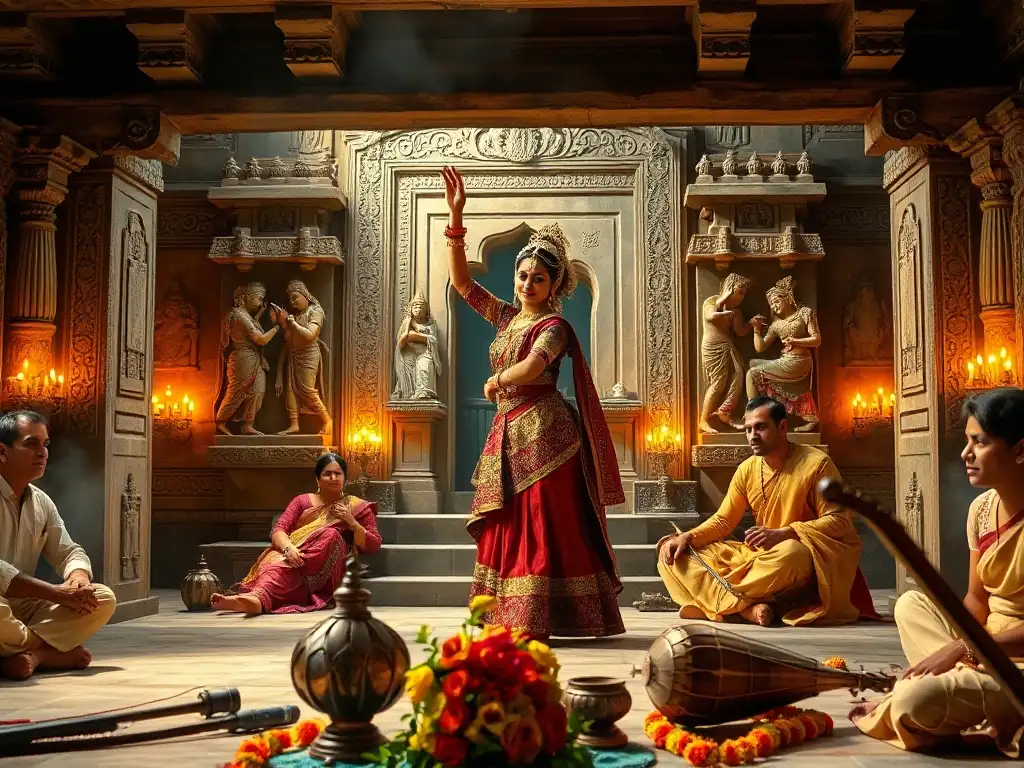
The Role of Movement in Conveying Stories
In ancient Indian dance, movement is not merely a form of expression; it is the very essence of storytelling. Each dance form, whether it be Bharatanatyam, Kathak, or Odissi, employs specific movements that portray distinct narratives. The use of mudras (hand gestures) and abhinaya (expression) allows dancers to communicate complex tales and emotions without uttering a word.
- Fluidity and Precision: The fluidity of movements in classical dance forms plays a crucial role in conveying the subtleties of the narrative. For instance, in Bharatanatyam, the dancer’s ability to switch between sharp, staccato movements and smooth transitions can illustrate a character's emotional journey.
- Spatial Dynamics: Dancers utilize space to enhance the storytelling aspect. Circular movements might symbolize wholeness or the cyclical nature of life, while linear movements can represent a journey or a quest. This spatial awareness adds depth to the narrative experience.
- Character Representation: Dancers often embody various characters through their movements. For instance, a dancer portraying a divine figure might exhibit graceful, elevated movements, whereas a portrayal of a demon could involve more grounded and aggressive postures. This differentiation allows the audience to connect with the characters on an emotional level.
Symbolism in Dance: Gestures and Expressions
The intricate use of mudras and facial expressions in ancient Indian dance is pivotal in conveying stories and emotions. Each gesture has a specific meaning and can represent various elements of nature, emotions, or deities.
- Mudras: Over 100 classical mudras exist, each with a unique narrative significance. For example, the Pataka mudra signifies a flag, which can represent victory or alertness, while the Anjali mudra, a gesture of prayer, conveys devotion and respect. These gestures allow dancers to encapsulate complex ideas succinctly.
- Facial Expressions (Abhinaya): The art of abhinaya focuses on conveying emotions through facial expressions. Dancers use their eyes, eyebrows, and lips to evoke feelings such as love (Shringara), anger (Raudra), or compassion (Karuna). This emotional engagement is essential in drawing the audience into the narrative.
- Symbolic Costumes: The costumes worn by dancers also contribute to storytelling. Colors, patterns, and accessories often symbolize particular characters or themes. For instance, the use of vibrant red may symbolize love or passion, while blue might represent divinity.
Music and Rhythm: Enhancing the Narrative Experience
Music and rhythm are fundamental components of dance storytelling in ancient India, providing an aural backdrop that enhances the visual narrative. The interplay between dance and music creates a harmonious experience that captivates the audience.
- Rhythmic Patterns (Tala): The intricate rhythmic patterns, or tala, used in classical Indian music are integral to the storytelling process. Each tala has a specific set of beats that dictate the pace of the dance. For example, the Teentaal, a 16-beat cycle, allows for dynamic expression and varied storytelling, while the slower Ektal (12 beats) might be used for more poignant narratives.
- Melodic Structures (Raga): The use of raga (melodic frameworks) is crucial in setting the emotional tone of the performance. Different ragas evoke distinct moods and can influence the interpretation of the story being told. For instance, Yaman may evoke feelings of longing, making it suitable for romantic narratives.
- Collaborative Performance: The synergy between the dancer and the musicians is vital for a compelling narrative experience. Musicians often respond intuitively to the dancer's movements, creating a dynamic dialogue that enhances the storytelling. This collaboration highlights the significance of music in elevating the overall performance.
The art of storytelling in ancient Indian dance is a multifaceted experience that transcends time through its intricate elements. The combination of movement, symbolism, and music creates a rich tapestry of narratives that continue to resonate with audiences today.
Major Dance Forms as Storytelling Mediums
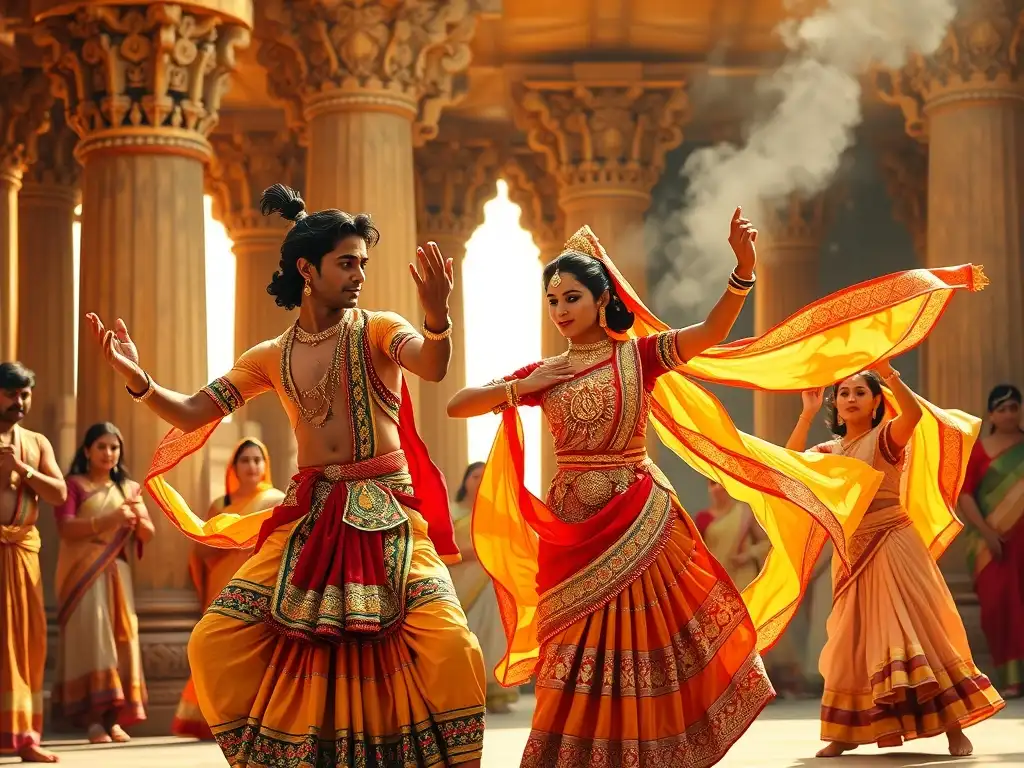
Throughout ancient India, dance has served as a profound medium for storytelling, weaving together narratives from mythology, folklore, and spirituality. The intricate movements, gestures, and expressions found in various dance forms create an immersive experience that transcends time, allowing audiences to connect with the stories being told. Among the most significant dance forms that embody this storytelling tradition are Bharatanatyam and Kathak, each with its unique style and cultural influences.
Bharatanatyam: Classical Dance Narratives
Bharatanatyam, one of the oldest classical dance forms of India, hails from Tamil Nadu and has been performed for centuries as a temple dance. This dance form is characterized by its expressive hand gestures (mudras), intricate footwork, and facial expressions (abhinaya), which collectively convey complex narratives steeped in religious devotion and mythological themes.
Themes in Bharatanatyam Storytelling
Bharatanatyam storytelling often revolves around themes of divine love, devotion, and the relationship between the human and the divine. The narratives are primarily drawn from Hindu epics, particularly the Ramayana and the Mahabharata, as well as the Puranas.
- Devotional Themes: Many performances depict the life of deities like Krishna, Shiva, and Durga, showcasing their exploits, virtues, and divine love stories.
- Historical and Mythical Figures: Dancers may also portray legendary figures, using their movements to express the emotional depth of these characters.
- Nature and Love: Nature is frequently interwoven into Bharatanatyam narratives, with stories reflecting seasonal changes and romantic themes, highlighting the interconnectedness of the natural world and human emotions.
The use of narrative structures within Bharatanatyam performances often includes:
- Alarippu: An invocatory piece, setting the stage for storytelling.
- Varnam: A central piece that combines pure dance and expressive storytelling, where the dancer explores a character's emotions.
- Tillana: A rhythmic composition that concludes the performance, often celebrating the divine through exuberant movements.
Kathak: The Dance of the Storyteller
Kathak, originating from North India, is known as the dance of the storyteller. This form blends intricate footwork, spins, and expressive gestures, allowing the dancer to narrate tales vividly. Kathak's evolution has led to a rich tapestry of storytelling that reflects both its ancient roots and the influences of various cultures over time.
The Influence of Mughal Culture on Kathak Narratives
The Mughal period had a significant impact on the development of Kathak, transforming it into a more expressive and lyrical art form. This influence is evident in several aspects:
- Themes of Love and Romance: Mughal poetry and aesthetics introduced romantic themes, particularly the depiction of love stories between divine and mortal beings.
- Integration of Persian Elements: Elements such as the use of intricate footwork, graceful movements, and elaborate costumes were borrowed from Persian dance, giving Kathak a unique flavor.
- Narrative Techniques: Kathak storytelling employs the use of ghungroo (ankle bells) that enhance the rhythmic aspect of narratives, allowing dancers to convey emotions through sound and movement.
The storytelling in Kathak often includes:
- Ghazals and Thumris: These poetic forms are used to express romantic and devotional themes, allowing for deep emotional connection with the audience.
- Mythological Narratives: Dancers frequently portray stories from Hindu mythology, illustrating the adventures of deities and heroes.
Both Bharatanatyam and Kathak exemplify the art of storytelling through dance in ancient India. Their rich narratives, influenced by culture, history, and spirituality, continue to inspire and captivate audiences, ensuring that the tradition of ancient Indian dance storytelling endures across generations.
Odissi: Sacred Dance and Spiritual Narratives
Odissi, one of the oldest classical dance forms of India, hails from the eastern state of Odisha. This dance is not merely a performance but a sacred expression that intertwines spirituality with storytelling, often depicting themes from Hindu mythology and sacred texts. The origins of Odissi can be traced back to the temples of Odisha, where it was performed as part of the worship rituals dedicated to deities such as Lord Jagannath and Lord Shiva.
The storytelling aspect of Odissi is enriched through its intricate movements and expressive gestures known as mudras. Dancers narrate tales from epics such as the Mahabharata and Ramayana, bringing characters and their emotions to life. The slow and graceful movements, combined with the powerful tribhangi posture, create a visual language that conveys deep spiritual meanings and narratives.
The music accompanying Odissi is equally significant, featuring traditional instruments like the mardala (a type of drum) and flute, which enhance the storytelling experience. The lyrics of the songs often draw from ancient texts, allowing the dancers to connect with the audience on a spiritual level. The rhythm and beats invite the audience into a transformative experience, where the divine is celebrated through dance.
Odissi's performance is often structured around a sequence of item presentations, including Mangalacharan (invocation), Pallavi (pure dance), and Abhinaya (expressive storytelling). Each segment allows the dancer to explore different narratives, making Odissi a dynamic medium for storytelling that transcends time and resonates with spirituality and devotion.
Kuchipudi: Theatrical Storytelling through Dance
Kuchipudi, originating from the Krishna district of Andhra Pradesh, is a vibrant classical dance form known for its theatricality and narrative style. Unlike other Indian dance forms, Kuchipudi often incorporates dialogue, acting, and an array of dramatic expressions, making it a unique storytelling medium.
One of the hallmark features of Kuchipudi is its ability to transform a solo dancer into multiple characters, allowing for diverse narratives to unfold within a single performance. The dance typically revolves around tales from Hindu scriptures, particularly those related to Lord Krishna. Stories like Krishna Leela, which depict the playful antics of Lord Krishna, are frequently portrayed, showcasing the dancer's ability to embody various personas through expressive gestures and facial expressions.
The intricate footwork and rhythmic patterns in Kuchipudi are complemented by a rich musical background, which includes classical Carnatic music. This combination not only enhances the storytelling aspect but also engages the audience through a multisensory experience. The use of natyam (acting) alongside dance allows for a deeper connection with the audience, drawing them into the narrative being presented.
Kuchipudi performances often begin with an invocation, followed by a series of dance sequences that alternate between pure dance and emotive storytelling. The Satyabhama Samvada, for instance, is a popular piece where the dancer portrays Satyabhama, a consort of Lord Krishna, expressing her feelings through dance and dialogue. This blend of drama and dance enables Kuchipudi to encapsulate the essence of storytelling in a way that captivates and entertains, ensuring its relevance through the ages.
Both Odissi and Kuchipudi exemplify how ancient Indian dance serves as a powerful storytelling medium, preserving and transmitting cultural narratives across generations.
Thematic Exploration in Ancient Indian Dance Narratives
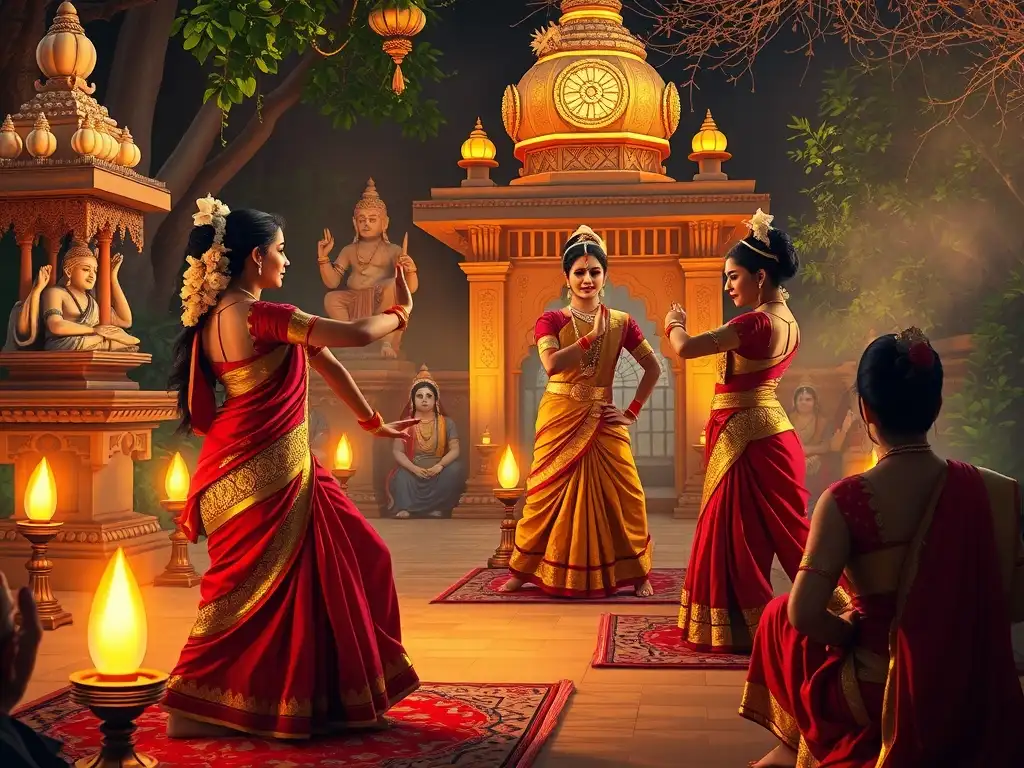
Mythological Stories and Legends in Dance
Ancient Indian dance storytelling is deeply intertwined with mythology and legends, serving as a vibrant medium through which epic tales come to life. The narratives often draw from revered texts such as the Mahabharata and the Ramayana, presenting characters and incidents that resonate with audiences across generations.
For example, the classical dance form of Bharatanatyam frequently showcases stories of deities like Lord Krishna and Goddess Durga. Performers use intricate hand gestures, known as mudras, to convey emotions and actions, allowing the audience to grasp the essence of the narrative. The significance of these mythological stories lies not only in their entertainment value but also in their ability to impart moral lessons and cultural values.
In addition to Bharatanatyam, other dance forms like Kathakali and Kathak also emphasize mythological themes. Kathakali, originating from Kerala, often involves elaborate costumes and makeup that represent various characters from Hindu epics. The interplay of music, dance, and dramatic expression creates a captivating storytelling experience that transcends time and cultural barriers.
Historical Events Portrayed through Dance Forms
Dance in ancient India also served as a reflection of historical events, encapsulating significant moments in the subcontinent's past. These performances often depicted heroic deeds, battles, and the struggles faced by various kingdoms. For instance, Odissi, a classical dance form from Odisha, includes sequences that narrate the tales of historical figures like King Kharavela, showcasing their valor and contributions to society.
Furthermore, Chhau, a tribal dance form, often dramatizes historical events and folk tales, engaging audiences with its energetic movements and expressive storytelling. The integration of martial arts into Chhau dance not only adds a dynamic visual element but also highlights the historical context of warfare and heroism.
Through the depiction of historical narratives in dance, performers preserve the memories of ancient dynasties and their legacies. This form of storytelling serves as an educational tool, allowing new generations to connect with their rich heritage.
Ancient Indian dance storytelling extends beyond the realms of mythology and history, delving into the everyday lives and social issues of the time. Many traditional dance forms encapsulate the daily routines, struggles, and aspirations of common people, providing a window into their lives.
For instance, Kuchipudi, a dance form that originated in Andhra Pradesh, often portrays scenes from village life, such as farming, festivals, and communal gatherings. The narratives in Kuchipudi reflect the joys and challenges faced by rural communities, fostering a sense of connection between the performers and the audience.
Additionally, dance has been a medium for addressing social issues, including caste dynamics, gender roles, and moral dilemmas. The Mohiniyattam dance, primarily performed by women, often explores themes of femininity and societal expectations, challenging traditional norms through its expressive storytelling.
By highlighting everyday life through dance, ancient Indian dance storytelling not only entertains but also provokes thought and encourages dialogue about cultural and social realities. This multifaceted approach ensures that dance remains a significant aspect of India's artistic expression, bridging the past with contemporary concerns.
Cultural Significance of Dance Storytelling
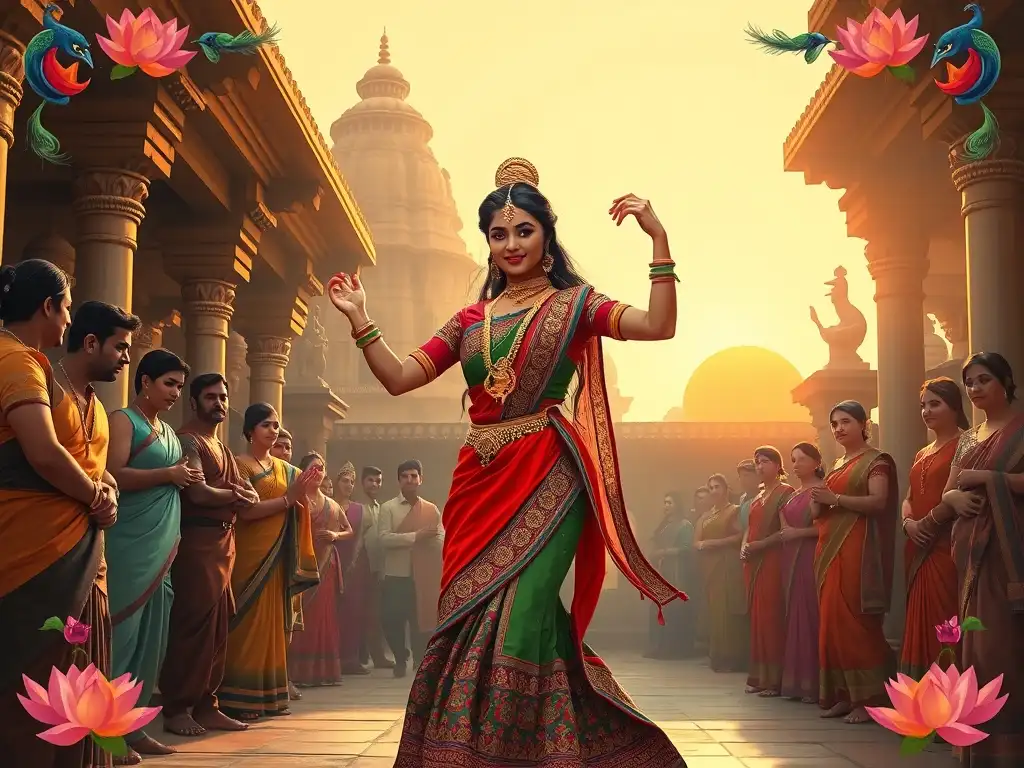
Dance storytelling in ancient India was not merely an art form but a profound cultural practice that served multiple purposes. It was a medium through which myths, legends, and historical events were conveyed, ensuring the preservation and transmission of knowledge across generations. The intricate relationship between dance and storytelling reflects the values, beliefs, and social structures of ancient Indian society.
Dance as a Tool for Preserving History and Culture
Ancient Indian dance storytelling acted as a vessel for preserving cultural heritage. Dances such as Bharatanatyam, Kathak, and Odissi encapsulated narratives from religious texts, folklore, and historical events. Each movement, gesture, and expression was meticulously choreographed to convey specific tales and emotions.
Here are some ways in which dance served as a tool for preserving history and culture:
- Mythological Narratives: Dances often depicted stories from epics like the Ramayana and Mahabharata. For instance, Bharatanatyam performances frequently showcased episodes from these texts, bringing ancient narratives to life and keeping them relevant for contemporary audiences.
- Ritualistic Importance: Many dances were performed during religious rituals and ceremonies, reinforcing the spiritual and cultural beliefs of the community. The storytelling aspect made these rituals more engaging and memorable for participants and spectators alike.
- Oral Tradition: Dance became an extension of oral traditions, where performers would narrate stories through movement. This not only preserved the tales but also enhanced the performers’ skills in communication and expression.
- Cultural Identity: Different regions in India developed unique dance forms that reflected their local history and culture. This diversity in dance storytelling promoted a sense of identity among communities, allowing them to celebrate their heritage through artistic expression.
Ancient Indian dance storytelling served as a crucial mechanism for preserving and promoting the rich tapestry of history and culture, ensuring that these narratives were not lost to time.
The Impact of Dance Narratives on Society and Religion
The influence of dance narratives in ancient India extended beyond mere entertainment; they played a significant role in shaping societal norms and religious practices. The dynamic interplay between dance, society, and religion can be observed through various aspects:
- Social Commentary: Dance performances often provided a platform for critiquing social issues and norms. Through storytelling, dancers could express dissent or reflect societal changes, making their performances a form of social commentary.
- Religious Education: Dance narratives served as an educational tool, teaching audiences about religious tenets and moral values. By dramatizing divine stories and principles, dancers were able to impart spiritual lessons effectively.
- Community Engagement: Dance storytelling fostered a sense of community. Festivals and gatherings featuring dance performances brought people together, strengthening social bonds and promoting collective cultural experiences.
- Ritualistic Functions: In many instances, dance was intertwined with religious worship, where performances became a form of offering to deities. This sacred connection between dance and religion reinforced the spiritual significance of storytelling in ancient Indian culture.
The impact of ancient Indian dance storytelling on society and religion underscores its multifaceted role in shaping cultural identity, promoting moral values, and fostering community cohesion. By intertwining narratives with movement, ancient Indian dance became a powerful medium for communicating and preserving the complexities of human experience.
Conclusion: The Legacy of Ancient Indian Dance Storytelling
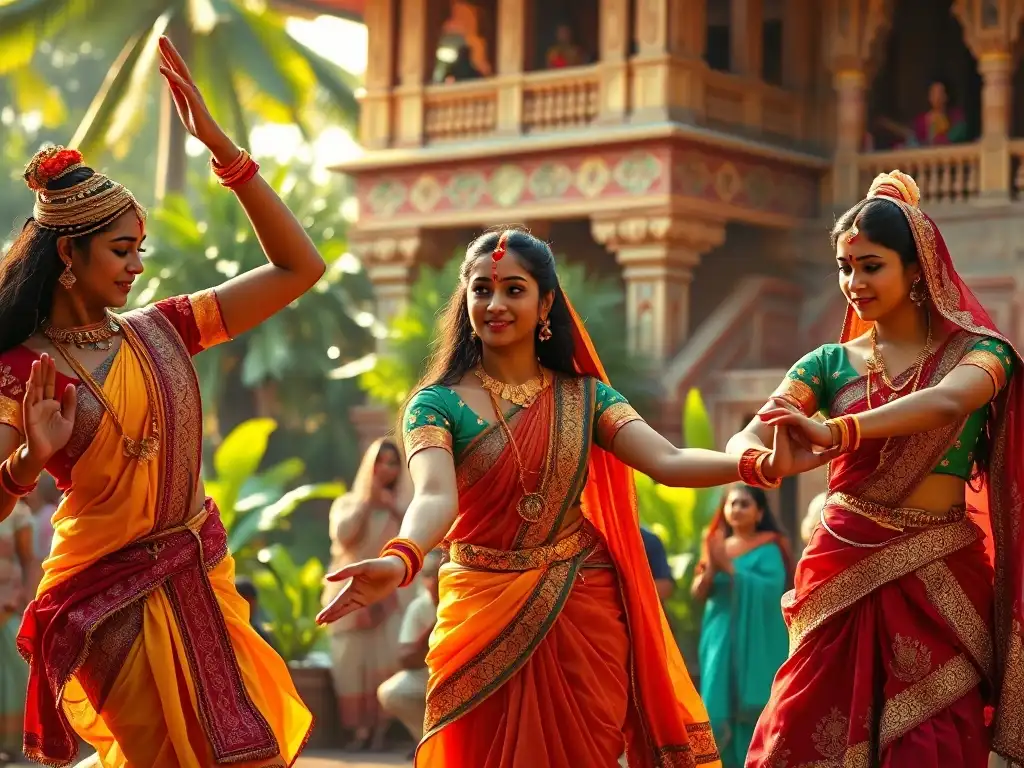
The art of storytelling through dance in ancient India has woven a rich tapestry that continues to influence and inspire various forms of artistic expression to this day. This legacy, rooted in the cultural practices of civilizations such as the Indus Valley and flourishing through the ages to the Gupta Empire, highlights the profound connection between narrative and movement.
The intricate narratives conveyed through dance not only served religious and ceremonial purposes but also acted as a powerful medium for social commentary. Dancers utilized gestures, facial expressions, and body movements to share stories that encapsulated the ethos of their time. This unique form of storytelling has transcended the limitations of language and time, captivating audiences with its emotive power and symbolic depth.
Lasting Influence on Contemporary Dance Forms
The influence of ancient Indian dance storytelling is evident in various contemporary dance forms, both within India and internationally. Modern interpretations often draw from classical styles such as Bharatanatyam, Kathak, and Odissi, which have preserved the essence of narrative expression while incorporating innovative techniques and themes.
- Fusion of Styles: Contemporary dancers frequently blend ancient techniques with modern styles, creating performances that resonate with diverse audiences. For instance, the integration of hip-hop with Bharatanatyam has led to groundbreaking works that maintain the storytelling aspect while appealing to younger generations.
- Global Appreciation: The global rise of interest in world dance forms has prompted many artists to explore ancient Indian dance narratives. Workshops, performances, and dance festivals celebrating these traditions are becoming increasingly popular, fostering cross-cultural exchanges and awareness.
- Choreographic Innovations: Contemporary choreographers often revisit ancient stories, reinterpreting them through a modern lens. This not only keeps the narratives alive but also invites dialogue about their relevance in contemporary society.
The Importance of Preserving Dance Narratives for Future Generations
Preserving the narratives embedded in ancient Indian dance is crucial for maintaining cultural heritage and identity. As these storytelling traditions face challenges from globalization and modernization, there are several reasons why their preservation is essential:
- Cultural Heritage: Dance narratives serve as a repository of history, mythology, and cultural practices. By preserving these stories, we safeguard the rich heritage that defines various Indian communities.
- Educational Value: Dance storytelling offers profound educational opportunities, teaching values, morals, and historical contexts. Engaging younger generations in these narratives fosters a sense of identity and continuity.
- Artistic Expression: Maintaining traditional dance forms allows artists to explore and innovate within established frameworks. This not only enriches the artistic landscape but also encourages a deeper understanding of the cultural narratives that inform their work.
- Community Engagement: Dance storytelling fosters community bonds through shared experiences in performance and learning. Communities can come together to celebrate their stories, ensuring that they remain vibrant and relevant in modern times.
The legacy of ancient Indian dance storytelling is a vital component of the region's cultural landscape. Its lasting influence on contemporary art forms and the importance of preserving these narratives for future generations underscore the need for continued exploration and appreciation of this timeless art. By honoring and sharing these traditions, we ensure that the stories of our ancestors continue to resonate in the hearts and minds of people around the world.
Frequently Asked Questions
What is the significance of ancient Indian dance storytelling?
Ancient Indian dance storytelling plays a crucial role in preserving and conveying cultural heritage through narrative forms that blend movement, music, and expression.
How did dance narratives evolve in ancient India?
Dance narratives evolved in ancient India through the integration of mythology, folklore, and spiritual themes, often performed in temples and royal courts to narrate stories of gods and heroes.
What are some prominent styles of dance storytelling in ancient India?
Prominent styles include Bharatanatyam, Kathak, and Odissi, each characterized by unique techniques, expressions, and storytelling methods that reflect regional diversity and historical influences.
How did the Gupta Empire contribute to the art of storytelling through dance?
The Gupta Empire is known for its patronage of the arts, leading to the flourishing of dance forms that incorporated literature and drama, solidifying the connection between storytelling and dance.
In what ways does ancient Indian dance storytelling remain relevant today?
Today, ancient Indian dance storytelling continues to thrive through cultural festivals, performances, and educational programs, ensuring the transmission of rich traditions to future generations while adapting to modern contexts.
Final Reflection: The Timeless Dance of Storytelling
The art of storytelling through ancient Indian dance remains profoundly relevant today, as it serves as a bridge connecting generations and cultures. In a world increasingly dominated by technology and fleeting digital narratives, the rich tradition of ancient Indian dance storytelling invites us to pause and appreciate the depth of human expression and connection. These narratives, woven through intricate movements and emotive expressions, remind us that stories are not just told; they are felt and experienced, transcending the barriers of time and space.
The influence of ancient Indian dance storytelling continues to resonate in contemporary culture, shaping our understanding of narrative and performance. The vibrant tales told through dance not only preserve history but also inspire modern artists and storytellers to explore the emotional and cultural depths of their own narratives. As the renowned dancer and choreographer Uday Shankar once said, Dance is the hidden language of the soul.
This sentiment encapsulates the essence of storytelling in dance, emphasizing its power to convey profound truths and emotions that words alone may fail to express.
As we reflect on the lessons embedded in ancient Indian dance storytelling, let us embrace the call to weave our own narratives with intention and creativity. Consider how you can incorporate the art of storytelling into your life, whether through movement, writing, or other forms of expression. By honoring the traditions of the past while forging our own paths, we can contribute to the ongoing tapestry of human experience, ensuring that the stories we tell resonate with future generations.
Unleash Your Inner Storyteller Through Dance!
Thank you for taking the time to explore the enchanting world of storytelling through dance in ancient India! You've uncovered the intricate ways in which movement and narrative intertwine, allowing cultures to pass on their rich histories. Now, it's time to take this knowledge and make it your own!
Here are some empowering actions you can embark on:
- Start your journey by finding a local dance class that emphasizes storytelling—allow your body to express the tales you wish to convey!
- Spread the word about what you’ve learned! Discuss the art of dance narratives with friends or share on social media to inspire others to appreciate this beautiful tradition.
- Explore further: Delve into historical texts or documentaries about dance in India, and consider writing about how these narratives connect with contemporary stories.
What story would you love to tell through your own movements? Share your insights and ideas below!