
Gender Roles in Ancient Indian Theater: The Influence of Female Performers

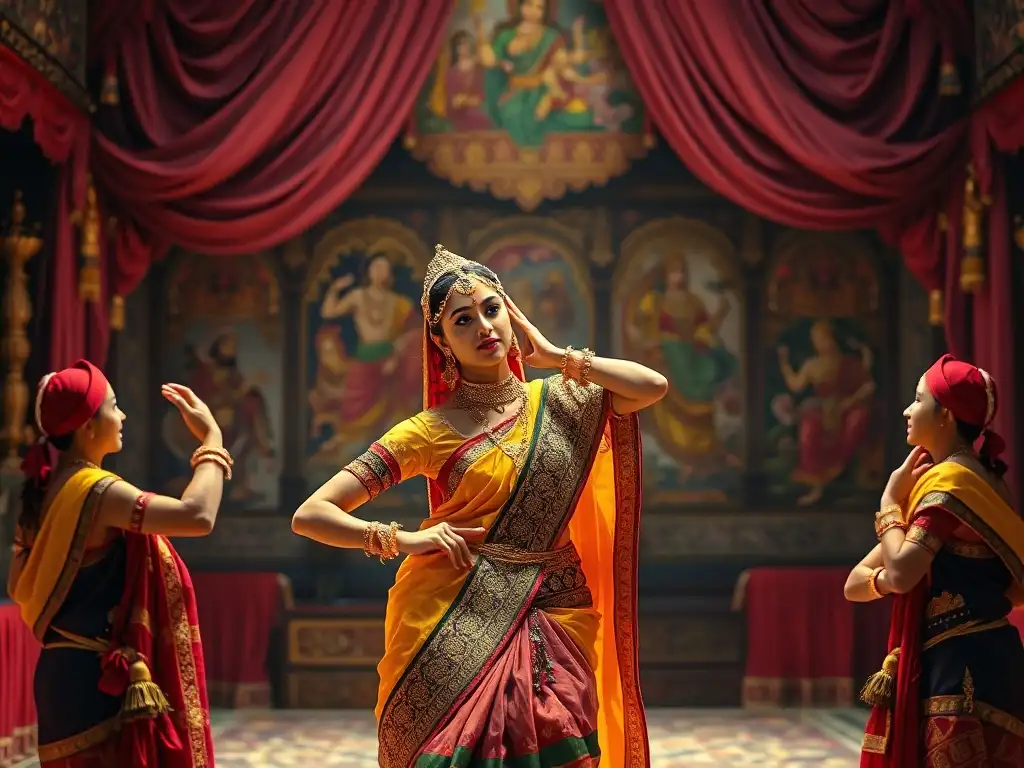
Welcome to Ancient India History, where we embark on a captivating journey through the rich tapestry of India's past. As we delve into the fascinating realm of art forms, our spotlight today shines on the influential female performers in ancient India. Discover how these remarkable women shaped the theatrical landscape, breaking barriers and leaving an indelible mark on cultural expressions. What roles did they play, and how did their contributions resonate through time? Join us as we explore the intricate connections between gender roles and the vibrant world of ancient Indian theater—your adventure into history begins here!
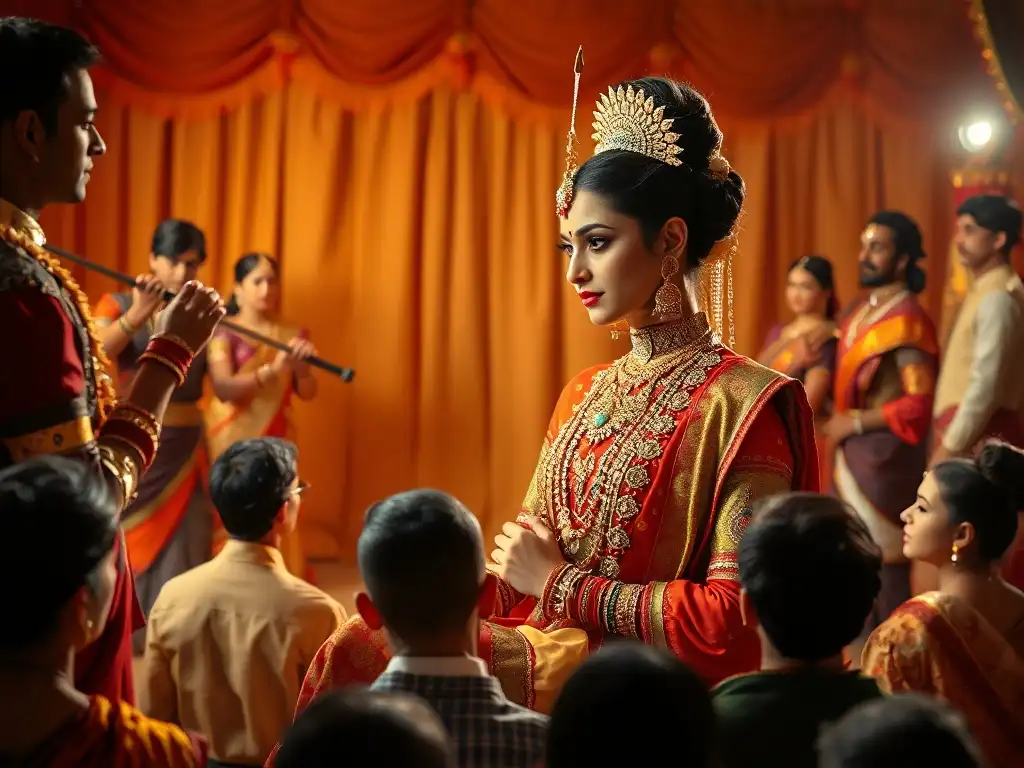
Introduction to Female Performers in Ancient Indian Theater
The exploration of gender roles in ancient Indian theater reveals a fascinating tapestry of cultural norms, artistic expression, and societal values. Female performers in ancient India played a pivotal role in shaping the theatrical landscape, challenging the conventions of their time while contributing to the rich heritage of performing arts.
This article delves into the significance of these women, examining their roles, contributions, and the broader implications of their performances in the context of ancient Indian society. Understanding the influence of female performers allows us to appreciate the nuanced dynamics of gender and artistry that flourished in ancient Indian civilization, from the vibrant narratives of the Indus Valley to the sophisticated dramas of the Gupta Empire.
Overview of Theater in Ancient India
Ancient Indian theater, steeped in a tradition that spans millennia, was not merely a form of entertainment; it was a reflection of societal values, spiritual beliefs, and artistic endeavors. The roots of Indian theater can be traced back to the Vedic period, evolving through various forms such as Natya Shastra, the foundational text attributed to Bharata Muni, which codified the principles of drama, music, and dance.
- Key Characteristics of Ancient Indian Theater:
- Integration of the Arts: Theater in ancient India encompassed a blend of dance, music, and storytelling, creating a multidimensional experience for audiences.
- Religious and Mythological Themes: Many performances were centered around epics like the Mahabharata and Ramayana, showcasing divine narratives and moral lessons.
- Regional Variations: Diverse cultural influences led to various forms of theater, such as Koodiyattam in Kerala and Tamasha in Maharashtra, each reflecting local traditions and languages.
The evolution of these theatrical forms set the stage for the emergence of female performers, who began to carve out significant roles within this vibrant artistic milieu.
Significance of Female Performers in Historical Context
The presence of female performers in ancient Indian theater is not just a reflection of artistic expression; it also highlights the shifting perceptions of women's roles in society. Historically, women navigated a complex landscape where they were often relegated to domestic spheres, yet those who ventured into the performing arts were able to challenge these boundaries.
- Cultural Perception:
- Sacred vs. Secular: Female performers often occupied dual spaces; they were revered in religious contexts while simultaneously facing societal stigmas in secular performances.
- Breaking Stereotypes: Women in theater were instrumental in breaking stereotypes, using their performances to portray diverse characters, from goddesses to heroines, thus expanding the narrative scope of theatrical productions.
The impact of female performers resonated not only within the theater but also influenced societal attitudes towards women in broader cultural contexts.
The Role of Female Performers in Ancient Indian Theater
The role of female performers in ancient Indian theater was multifaceted, encompassing various types of performances and character portrayals. They were not just passive entertainers; they were integral to the storytelling process, embodying complex characters and emotions that enriched the theatrical experience.
Types of Female Roles in Ancient Indian Plays
Female roles in ancient Indian plays were diverse, ranging from virtuous heroines to cunning antagonists, each representing different facets of femininity.
- Categories of Female Roles:
- Divine Figures: Goddesses and celestial beings often took center stage, symbolizing strength and moral virtue.
- Heroine Archetypes: Characters like Sita from the Ramayana embodied ideals of devotion and sacrifice.
- Comedic Roles: Women also performed in comedic roles, showcasing wit and humor, which provided a contrasting perspective to traditional narratives.
These roles not only entertained but also served as a commentary on the societal norms of the time, highlighting both the strengths and struggles of women.
Contribution of Women to Performance Arts in Ancient India
The contributions of female performers to the performance arts in ancient India were profound and transformative. They not only enriched the theatrical narrative but also played a crucial role in preserving cultural heritage.
- Artistic Innovations:
- Dance and Music Integration: Female performers often blended dance with drama, introducing unique styles that enhanced storytelling.
- Preservation of Tradition: Through their performances, women were key to the transmission of cultural stories and practices across generations.
The influence of female performers in ancient Indian theater is an essential aspect of understanding the broader themes of gender and culture in this rich historical context. Their legacy continues to resonate, offering invaluable insights into the dynamics of performance arts in ancient India.
Historical Perspectives on Gender Roles in Theater
The historical context of gender roles in ancient Indian theater reveals a complex tapestry of cultural values and societal norms. Traditionally, performance arts in ancient India were deeply intertwined with religious and social practices, where gender roles were often dictated by prevailing cultural attitudes. Initially, female performers were an integral part of theatrical traditions, particularly in temple ceremonies and folk performances. As the centuries progressed, however, societal changes led to a gradual marginalization of women in these artistic spaces.
During the Vedic period, women participated in various cultural activities, including music and dance. Texts from this era, such as the Natyashastra by Bharata Muni, highlight the importance of female artists in performances. Yet, as the influence of patriarchal structures solidified, the roles of women in theater began to diminish. The shift was particularly pronounced during the medieval period, where the advent of courtly patronage often relegated women to the background, emphasizing male dominance in performance roles.
Gender Dynamics in Ancient Indian Society
The dynamics of gender in ancient Indian society were multifaceted, influenced by factors such as caste, class, and regional customs. Women were often seen as guardians of cultural traditions but were also subject to strict societal constraints. In many cases, their participation in theater was celebrated within certain contexts, such as religious rituals, where their performances were viewed as auspicious and necessary.
However, the transition to more formalized theater in royal courts often sidelined female performers. The idealization of womanhood in literature and art created a dichotomy between the revered goddess and the subjugated woman, limiting the scope of female representation. Despite these restrictions, records indicate that some women found ways to assert their presence and contribute to the evolving landscape of Indian theater.
Evolution of Female Representation in Theater
The evolution of female representation in ancient Indian theater is marked by notable transformations. From the vibrant performances of courtesans in the classical period to the emergence of female troupes in folk theater, women's roles have undergone significant changes over the centuries. Initially, women were celebrated for their artistic prowess, often embodying divine figures or representing key narratives within the performances.
However, as theatrical forms evolved, particularly with the rise of the Kathakali and Bharatanatyam traditions, the portrayal of women began to reflect societal attitudes of the time. The integration of female roles often mirrored the challenges faced by women in society, with themes of sacrifice, devotion, and moral dilemmas prevalent in performances. The 19th and early 20th centuries saw a resurgence of interest in female performers, leading to a reevaluation of their contributions to the art form.
Notable Female Performers in Ancient Indian Theater
The landscape of ancient Indian theater is dotted with remarkable female performers who left an indelible mark on its history. These women not only excelled in their craft but also broke societal barriers, paving the way for future generations of artists. Their performances were often celebrated for their expressiveness, technical skill, and ability to convey deep emotional narratives.
Profiles of Influential Female Artists
- Vasavadatta - A celebrated courtesan from the 5th century, Vasavadatta was renowned for her captivating performances in courtly gatherings, showcasing classical dance forms that combined elegance with storytelling.
- Madhurima - A prominent actress during the medieval period, Madhurima was instrumental in the revival of female roles in theater, often portraying strong female characters who defied societal norms.
- Rukmini Devi Arundale - Although she emerged in the 20th century, Rukmini Devi's influence on ancient traditions is profound. She revived Bharatanatyam, emphasizing its import as a classical art form, and paved the way for women in performance.
- Kamaladevi Chattopadhyay - A pivotal figure in the Indian independence movement, Kamaladevi also played a significant role in promoting traditional arts, including theater, where she highlighted female contributions.
Impact of Female Performers on Theater Traditions
The impact of female performers on theater traditions in ancient India cannot be overstated. Their contributions helped shape the narratives and aesthetics of performance arts, introducing themes of female agency and complexity. By embodying diverse characters, female performers expanded the scope of storytelling, allowing for a richer exploration of human experiences.
Moreover, the presence of women in theater challenged existing gender norms, paving the way for increased recognition of female artists in society. The resurgence of female participation in the 19th and 20th centuries inspired a new generation of performers, reaffirming the importance of women's voices in the cultural dialogue of ancient India. Through their artistry, these women not only entertained but also educated audiences, leaving a legacy that continues to influence contemporary theater practices.
Cultural Significance of Female Performers
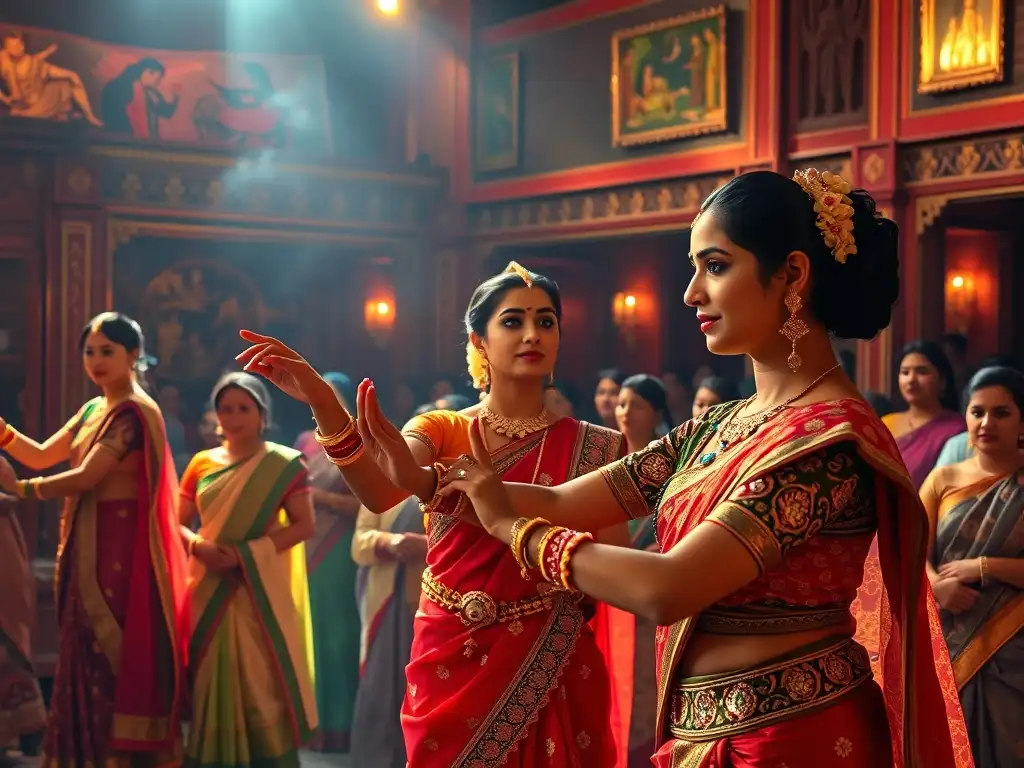
In ancient India, female performers held a unique and significant position within the theater landscape, contributing richly to the cultural tapestry of the time. Their involvement in performance arts was not merely a reflection of entertainment; it was a profound expression of societal values, religious beliefs, and cultural narratives. Female performers were often seen as embodiments of various feminine ideals, invoking themes of devotion, sacrifice, and empowerment.
The presence of women in theater served to challenge and redefine prevailing gender norms. They brought to life stories from epics, folklore, and classical texts, often portraying powerful figures such as goddesses and heroic women. This artistic representation allowed audiences to witness the multifaceted nature of femininity, encouraging a broader understanding of women's roles in both myth and reality. Furthermore, the performance of women contributed to the ritualistic aspects of theater, intertwining with religious ceremonies and festivals, thereby elevating their status within the cultural hierarchy.
Female Performers and Their Influence on Audience Perception
Female performers played a crucial role in shaping audience perceptions of gender roles and femininity. Through their portrayals, they not only entertained but also educated the public on the nuances of womanhood. The emotional depth and complexity that women brought to their performances often resonated deeply with audiences, fostering empathy and a greater appreciation for women's experiences.
Moreover, the narratives presented by female performers could subtly challenge societal norms. For instance, when women depicted characters that defied traditional expectations—such as strong, independent figures or those who questioned authority—they inspired audiences to rethink their understanding of gender roles. This influence was particularly important in a society where women often faced limitations in their personal and public lives, as it provided a platform to voice their struggles and aspirations.
Gender Roles and Cultural Narratives in Ancient Indian Theater
The narratives depicted in ancient Indian theater often reflected the prevailing gender roles of the time, yet they also provided a space for critique and reflection. Female performers were central to these narratives, embodying idealized versions of womanhood while also showcasing the complexities of their characters. Through various forms of theater, such as Natya Shastra and folk performances, women represented a spectrum of experiences, from the submissive to the rebellious.
These stories were not merely fictional; they served as cultural mirrors, reflecting and shaping societal attitudes towards gender. For example, the portrayal of women in the Ramayana and Mahabharata illuminated the virtues and vices attributed to femininity, influencing how society viewed women in real life. By engaging with these cultural narratives, female performers became key players in the ongoing dialogue about gender, power, and identity in ancient India.
Challenges Faced by Female Performers
Despite their significant contributions, female performers in ancient India faced numerous challenges that hindered their recognition and acceptance in the arts. These obstacles were deeply rooted in societal norms and cultural expectations, which often dictated the parameters of women’s involvement in public life.
Societal Constraints on Women in Performance Arts
The societal constraints surrounding women in ancient India were profound. Many women were expected to adhere strictly to domestic roles, limiting their opportunities for participation in the arts. The stigma associated with female performers often relegated them to the margins of society. Female actors were sometimes viewed as courtesans or associated with immoral behavior, leading to a paradox where their artistic contributions were both celebrated and criticized.
Moreover, the patriarchal structure of society imposed restrictions on women's autonomy. While some women broke through these barriers, their struggles for acceptance and respect were often immense. The expectation to conform to traditional gender roles meant that many talented female performers remained unrecognized, their contributions overshadowed by those of their male counterparts.
Historical Barriers to Recognition and Acceptance
Historically, female performers faced significant barriers to gaining recognition in the theater world. The dominance of male playwrights and directors often sidelined women's voices, resulting in their narratives being filtered through a male gaze. This created a cycle where the contributions of female performers were minimized, and their achievements went largely unacknowledged.
Additionally, the lack of formal education and training opportunities for women in the performing arts further impeded their progress. Many talented women were forced to rely on familial connections or informal training, which did not provide them with the same opportunities for growth and recognition as their male peers. As a result, the historical record is replete with the names of male performers and creators, while the stories of their female counterparts remain largely untold, emphasizing the need for continued exploration and acknowledgment of female performers in ancient Indian theater.
The Legacy of Female Performers in Ancient Indian Theater
The legacy of female performers in ancient Indian theater is both profound and multifaceted, reflecting a rich tapestry of cultural narratives and artistic expression. From the early days of the Indus Valley civilization, where dance and music played a pivotal role in societal rituals, to the flourishing of classical theater forms like Natya Shastra during the Gupta period, women have been at the forefront of performance arts.
In ancient texts such as the Natya Shastra by Bharata Muni, female performers are celebrated not just as entertainers but as integral contributors to the storytelling tradition. They were often depicted as embodiments of divine qualities, and their performances were essential in conveying moral and ethical lessons. This established a precedent for women's active participation in the arts, which was both respected and revered.
Moreover, female performers often defied societal norms, engaging in roles traditionally reserved for men, thereby challenging the rigid gender roles of their time. For instance, the courtesans of ancient India, known as devadasis, were not only skilled in dance and music but also acted as cultural custodians, preserving ancient traditions and stories. Their influence extended beyond the stage, impacting social norms and perceptions of women's roles in society.
Continued Influence on Modern Indian Theater
The impact of female performers from ancient times resonates strongly in modern Indian theater. Today, many contemporary plays and performances draw inspiration from the narratives and styles established by their ancient counterparts. The vibrant traditions of classical dance forms, such as Bharatanatyam, Kathak, and Odissi, continue to showcase the skills and talents of female artists, who often reinterpret ancient stories through a modern lens.
Moreover, modern playwrights and directors frequently incorporate themes of gender equality and female empowerment, reflecting a conscious effort to honor the legacy of female performers. The portrayal of strong, complex female characters in contemporary plays can be traced back to the rich history of women in theater, who broke barriers and created space for diverse narratives.
As theater evolves, the contributions of female performers are increasingly recognized, leading to a resurgence of interest in historical figures and stories from ancient India. This acknowledgment not only celebrates women's roles in the arts but also reinforces the idea that the theater is a platform for exploring and challenging societal norms.
Preservation of Female Roles in Contemporary Performance Arts
The preservation of female roles in contemporary performance arts is a testament to the enduring influence of ancient Indian theater. Today, various initiatives and organizations work tirelessly to ensure that the rich heritage of female performers is not only remembered but also actively celebrated.
Workshops, festivals, and academic courses focused on traditional performance arts encourage new generations of women to engage with their cultural heritage. This has led to a revival of interest in traditional forms, where young female artists are trained in classical dance and theater, ensuring the transmission of skills and stories across generations.
Furthermore, contemporary female playwrights and directors are increasingly taking the reins, creating works that reflect women's experiences and perspectives. This shift not only preserves the essence of female performance but also enriches the narrative landscape of Indian theater, allowing for a broader representation of gender roles and identities.
Conclusion
Summary of the Impact of Female Performers in Ancient Indian Theater
Female performers in ancient Indian theater played a crucial role in shaping cultural narratives and artistic expression. Their contributions laid the groundwork for future generations, influencing modern performance arts and fostering a rich tradition of storytelling that continues to resonate today. The legacy of these women is evident in the ongoing celebration of their artistry, which serves as both a reminder of their historical significance and an inspiration for contemporary performers.
Reflection on Gender Roles and Their Evolution in Performance Arts
Reflecting on the evolution of gender roles in performance arts, it is clear that the journey has been complex and transformative. While ancient female performers navigated societal constraints, they also carved out spaces for themselves, challenging norms and redefining expectations. Today, the conversation around gender in theater is more dynamic than ever, with an increasing emphasis on inclusivity and representation.
As we move forward, it is essential to honor the legacy of female performers while advocating for a theater landscape that continues to evolve, embracing diverse narratives and voices. The rich history of women in ancient Indian theater not only informs our understanding of the past but also shapes the future of performance arts, highlighting the ongoing struggle for gender equality and representation in all forms of artistic expression.
- Introduction to Female Performers in Ancient Indian Theater
- The Role of Female Performers in Ancient Indian Theater
- Historical Perspectives on Gender Roles in Theater
- Notable Female Performers in Ancient Indian Theater
- Cultural Significance of Female Performers
- Challenges Faced by Female Performers
- The Legacy of Female Performers in Ancient Indian Theater
- Conclusion
- What was the role of female performers in ancient Indian theater?
- How did societal norms impact female performers in ancient India?
- What types of performances were female performers involved in?
- Were there any notable female performers in ancient Indian history?
- How did the influence of female performers evolve over time?
Frequently Asked Questions
What was the role of female performers in ancient Indian theater?
Female performers played a crucial role in ancient Indian theater, often engaging in various forms of drama and dance. They contributed significantly to the artistic expression and cultural narratives of their time.
How did societal norms impact female performers in ancient India?
Societal norms often restricted women's roles, yet many female performers defied these limitations, gaining respect and recognition within the theatrical landscape. Their presence challenged traditional gender roles and opened avenues for future generations.
What types of performances were female performers involved in?
Female performers participated in a variety of theatrical forms, including classical dance, musicals, and epic dramas. These performances often depicted mythological stories and reflected the rich cultural tapestry of ancient India.
Were there any notable female performers in ancient Indian history?
Yes, several female performers gained prominence, such as Devadasis and Natyashastra artists. Their contributions not only enriched the performance arts but also left a lasting legacy in Indian culture.
How did the influence of female performers evolve over time?
Over time, the influence of female performers evolved as societal attitudes shifted, allowing for greater recognition and appreciation of women's contributions in the arts. This evolution laid the groundwork for modern interpretations of gender roles in performance.
Final Reflection: The Enduring Legacy of Female Performers in Ancient Indian Theater
The exploration of gender roles in ancient Indian theater reveals a profound truth: the contributions of female performers have shaped not only the art form itself but also the cultural fabric of society. Today, as we navigate discussions around gender equality and representation, the historical significance of these women becomes increasingly relevant. Their stories remind us that the fight for recognition and respect is not new; it has roots that stretch deep into our past, challenging us to acknowledge and celebrate the voices that have long been silenced.
Clearly, the influence of female performers in ancient India extends beyond the stage, impacting societal norms and perceptions of women in the arts. Their resilience and talent paved the way for future generations, inspiring a cultural shift that continues to resonate today. Art is the most beautiful of all lies,
said Pablo Picasso, and indeed, the narratives crafted by these women were not merely performances but powerful statements that challenged the status quo. Their legacy serves as a reminder of the transformative power of art and the essential role women play in its evolution.
As we reflect on the lessons drawn from the lives of these remarkable female performers, let us commit to honoring their legacy by advocating for gender equality in all spheres of life. Consider how you can contribute to this ongoing dialogue—whether through supporting female artists today, engaging in discussions about representation, or simply educating yourself and others about the rich history of women in the arts. The past is not just a series of events; it is a foundation upon which we can build a more inclusive and equitable future.
Unveil the Legacy of Female Performers in Ancient Indian Theater!
Thank you for exploring the fascinating world of gender roles in ancient Indian theater! By delving into the influence of female performers, you've gained valuable insights into how their contributions shaped both the arts and society of their time.
Now, it's your turn to take action and deepen your understanding of this captivating topic:
- Dive deeper: Consider researching notable female performers or specific plays from ancient India and their impacts on cultural norms.
- Join the conversation: Share your thoughts and any intriguing discoveries with fellow history enthusiasts on social media or in the comments section below.
- Expand your knowledge: Explore related articles on our website to see the broader context of gender roles across various cultural epochs.
What insights have you uncovered about the impact of female performers in shaping not only theater but also the social fabric of ancient India? Let's discuss!