
Rediscovering Ancient Indian Dance Forms: Revivals and Modern Interpretations

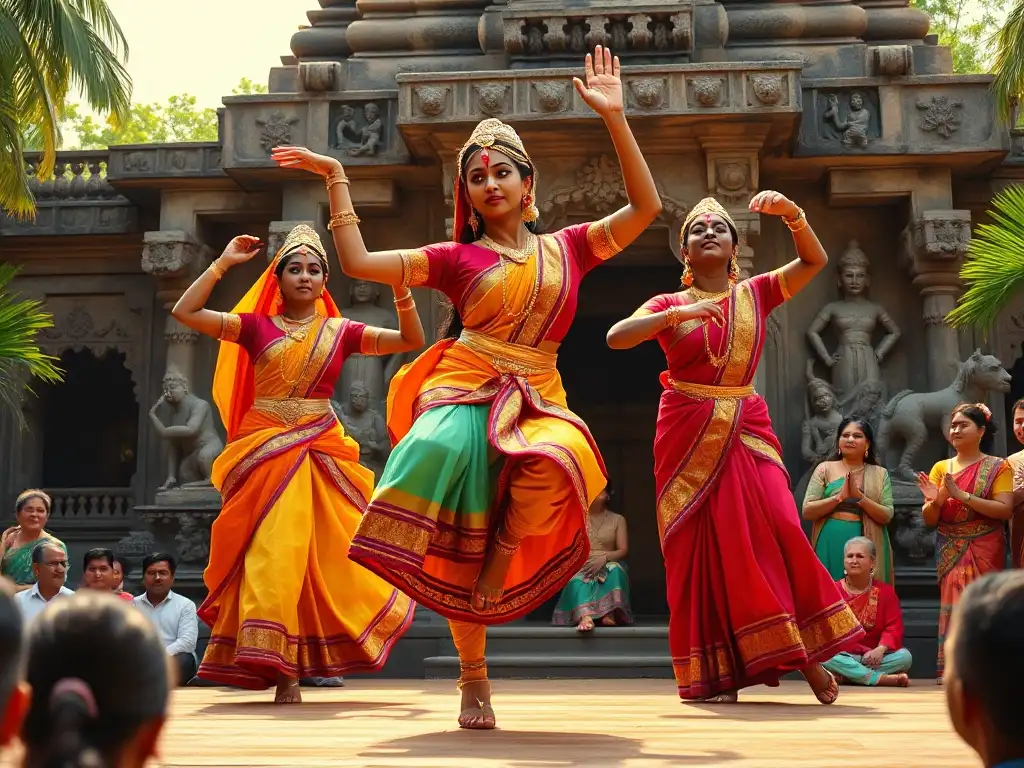
Welcome to Ancient India History, where we embark on a captivating journey through the vibrant tapestry of India's past. Here, you'll uncover the enchanting world of ancient Indian dance forms, a rich tradition that has evolved through centuries, reflecting the spirit and creativity of its people. In our feature article, "Rediscovering Ancient Indian Dance Forms: Revivals and Modern Interpretations," we delve into how these timeless art forms have not only survived the tides of history but have also found new expressions in contemporary culture.
Are you ready to explore the intricate rhythms and movements that have danced their way through time? Let’s dive deeper into this fascinating realm!
Ancient Indian dance forms are not merely a reflection of artistic expression; they embody the essence of the rich cultural tapestry that has evolved over millennia in India. From the graceful movements of Bharatanatyam to the expressive storytelling of Kathak, these dance forms have roots deeply entrenched in religious, social, and historical contexts.
As we embark on a journey to rediscover these mesmerizing art forms, it is essential to explore their origins, the revivals they have undergone, and the modern interpretations that continue to breathe life into them today. This exploration sheds light on how ancient traditions adapt and thrive in contemporary settings, ensuring their relevance and resonance in the modern world.
The Historical Context of Ancient Indian Dance Forms
Ancient Indian dance forms can be traced back to the Vedic period, where rituals and ceremonies incorporated movement as a means of connecting with the divine. The Natya Shastra, an ancient treatise on performing arts attributed to Bharata Muni, serves as a foundational text for understanding the intricacies of these dance forms. The treatise outlines various aspects of dance, including:
- Bhava (emotion): The expression of feelings through gestures and facial expressions.
- Raga (melody): The musical framework that guides the rhythm and mood of the performance.
- Tala (rhythm): The rhythmic cycle that structures the dance.
As civilizations flourished in different regions, diverse dance styles emerged, influenced by local traditions, religious beliefs, and cultural narratives.
The Revival of Ancient Dance Forms
The 20th century marked a significant revival of interest in ancient Indian dance forms, as artists, scholars, and enthusiasts sought to preserve these traditions that risked fading into obscurity. This revival was driven by several factors:
- Cultural Nationalism: In the wake of Indian independence, there was a renewed sense of pride in indigenous art forms, prompting efforts to revive traditional dance.
- Institutional Support: Organizations and institutions dedicated to the arts played a crucial role in promoting dance forms through workshops, performances, and training programs.
- Global Interest: The growing fascination with Indian culture on the global stage encouraged practitioners to present their art forms beyond Indian borders, leading to cross-cultural exchanges.
Prominent figures like Rukmini Devi Arundale and Uday Shankar were instrumental in bringing ancient dance forms back into the limelight, blending traditional elements with contemporary aesthetics.
Modern Interpretations and Innovations
Today, ancient Indian dance forms are experiencing a renaissance, as artists explore innovative approaches while respecting the core traditions. This modern interpretation involves:
- Fusion Styles: Collaborations between traditional dancers and artists from various genres, such as contemporary dance, theater, and even ballet, are creating exciting new forms of expression.
- Thematic Adaptations: Dancers are reinterpreting ancient narratives to address contemporary issues, making the performances relatable to today's audience.
- Digital Platforms: The rise of social media and digital platforms has allowed dancers to reach wider audiences, showcasing their art to enthusiasts worldwide and fostering a global community.
As ancient Indian dance forms continue to evolve, they remain a vital link to India's cultural heritage and an inspiring testimony to the dynamic nature of art. Through revivals and modern interpretations, these dance forms are not just preserved but reinvigorated, inviting new generations to participate in and appreciate their beauty.
- The Historical Context of Ancient Indian Dance Forms
- The Revival of Ancient Dance Forms
- Modern Interpretations and Innovations
- What are some notable ancient Indian dance forms?
- How have ancient Indian dance forms been revived in modern times?
- What role did dance play in ancient Indian culture?
- Are there any contemporary styles influenced by ancient Indian dance forms?
- How can one learn more about ancient Indian dance forms?
Introduction to Ancient Indian Dance Forms
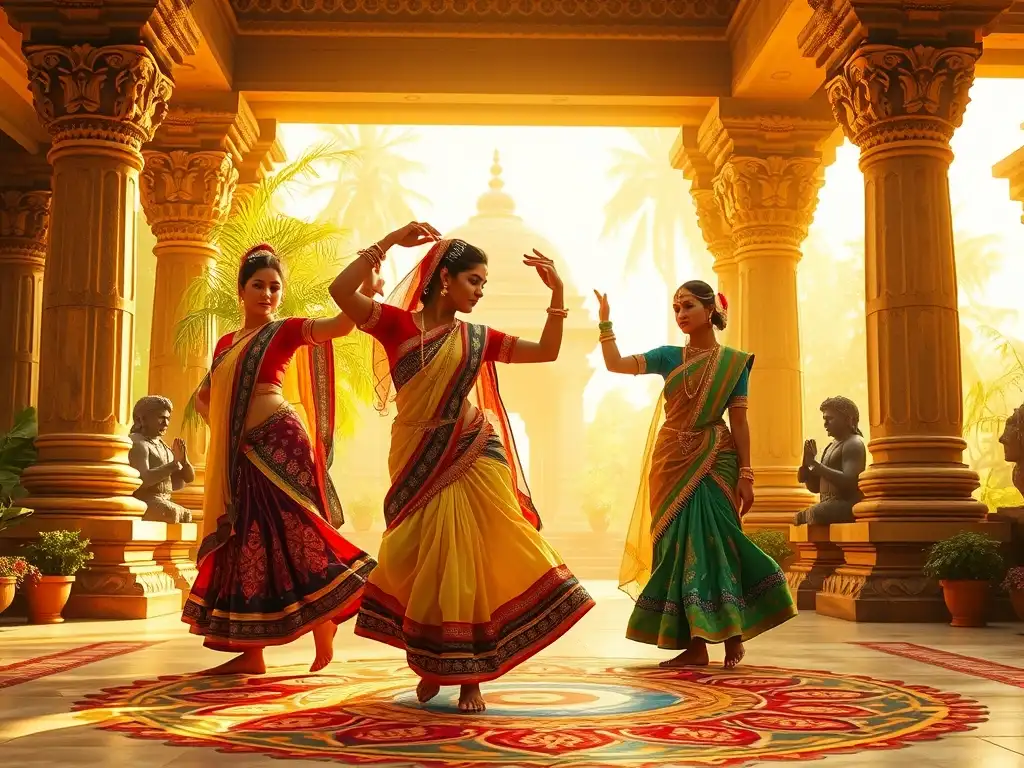
Ancient Indian dance forms are a captivating reflection of the rich cultural tapestry woven throughout India's history. These dance styles, with their intricate movements and expressive storytelling, are not just performance art; they embody the spiritual, social, and historical narratives of ancient Indian civilizations. From the temple halls of the Indus Valley to the royal courts of the Gupta Empire, dance played a crucial role in worship, celebration, and community bonding.
In this exploration, we will delve into the diverse traditions of ancient Indian dance, examining their origins, evolution, and the modern interpretations that have arisen in recent years. Understanding these art forms offers deeper insights into the values, beliefs, and aesthetics of ancient Indian societies.
Overview of Ancient Indian Dance Traditions
Ancient Indian dance forms can be broadly categorized into classical and folk traditions. Each category encapsulates unique styles, techniques, and cultural significance.
Classical Dance Forms
- Bharatanatyam: Originating in Tamil Nadu, Bharatanatyam is one of the oldest classical dance forms. It combines expressive hand gestures (mudras), intricate footwork, and emotive facial expressions (abhinaya) to tell stories, often derived from Hindu mythology.
- Kathak: With roots in Northern India, Kathak is characterized by its swift footwork and intricate spins. Originally performed by storytellers (kathakars), this dance form has evolved to include both devotional and theatrical elements.
- Odissi: Hailing from Odisha, Odissi is distinguished by its fluid movements and graceful poses. It often showcases themes of devotion and spirituality, particularly towards Lord Krishna.
- Kuchipudi: This dance form from Andhra Pradesh is known for its dramatic storytelling and vibrant costumes. It integrates elements of dance, music, and drama, often performed in temple settings.
- Manipuri: Originating from Manipur, this dance is noted for its graceful and lyrical movements, reflecting the culture and traditions of the region, particularly through the portrayal of themes related to Lord Krishna.
Folk Dance Forms
Folk dances vary significantly across different regions of India, reflecting local traditions, festivals, and community life. Some notable folk dances include:
- Garba: A vibrant dance from Gujarat, performed during the festival of Navratri, featuring rhythmic clapping and circular movements.
- Bhangra: A lively dance from Punjab, celebrated during harvest festivals, characterized by energetic movements and colorful attire.
- Lavani: Originating from Maharashtra, Lavani is known for its powerful rhythm and seductive lyrics, often performed by women to narrate stories of love and life.
Significance of Dance in Ancient Indian Culture
Dance in ancient India served several vital purposes that transcended mere entertainment:
- Spiritual Expression: Dance was often a form of worship, used in rituals and temple ceremonies to honor deities. The movements and mudras were believed to convey devotion and connect dancers with the divine.
- Storytelling: Many dance forms were employed to narrate stories from epics like the Mahabharata and Ramayana. Through expressive movements and gestures, dancers conveyed complex narratives, making them accessible to audiences.
- Social Cohesion: Dance acted as a medium for community bonding, bringing people together during festivals and celebrations. Folk dances, in particular, played a crucial role in fostering a sense of identity and belonging.
- Cultural Transmission: Ancient Indian dance forms have been instrumental in passing down cultural values, traditions, and aesthetics from one generation to the next. They serve as living archives of history, reflecting the evolution of societal norms and artistic expressions.
Ancient Indian dance forms are not merely art; they are a profound reflection of the civilization's essence, encapsulating spirituality, storytelling, social interaction, and cultural continuity. The revival and modern interpretations of these dances continue to keep this rich heritage alive, ensuring that the legacy of ancient Indian dance remains vibrant for future generations.
Historical Context of Ancient Indian Dance Forms
Evolution of Dance in Ancient India
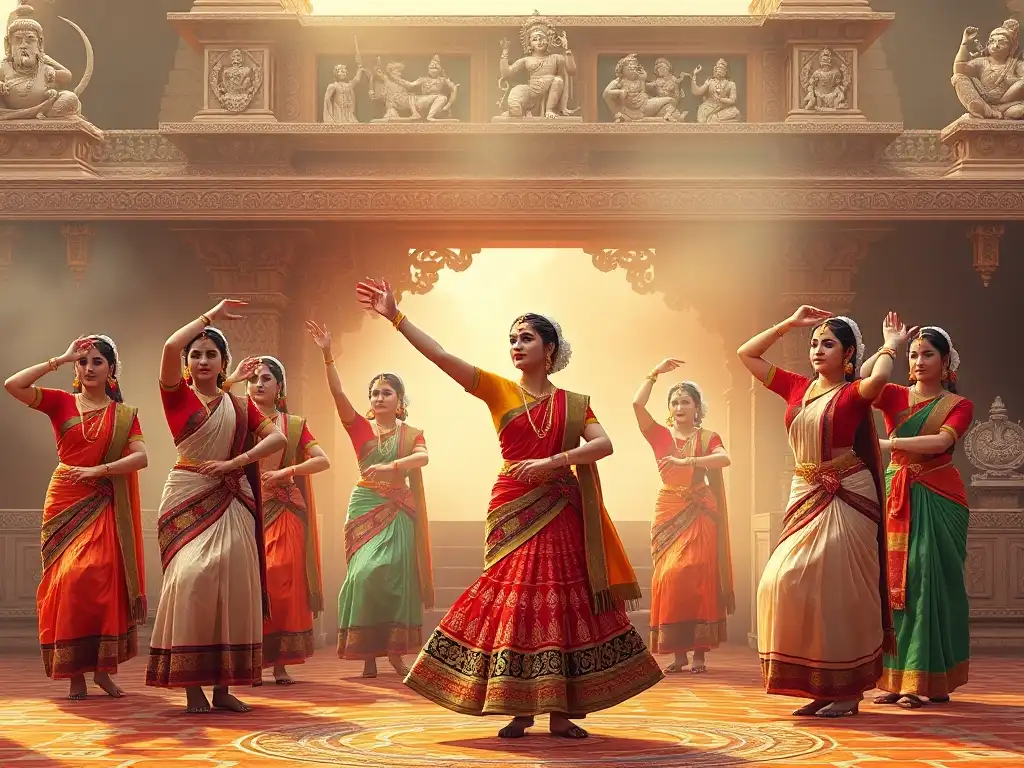
The evolution of ancient Indian dance forms can be traced back to over 2000 years, intertwining with the cultural, religious, and social fabric of the time. Dance in ancient India served multiple purposes: it was a means of worship, a form of storytelling, and a celebration of life and nature. The earliest references to dance can be found in the Vedas, particularly the Rigveda, where dance is mentioned as an integral part of rituals and celebrations.
As time progressed, the Natyashastra, an ancient Indian treatise on performing arts attributed to Bharata Muni, emerged around the 2nd century BCE to the 2nd century CE. This text laid the foundational principles of dance, drama, and music, categorizing different dance forms and their significance. It emphasized the importance of Bhava (emotion), Raga (melody), and Tala (rhythm), which continue to be vital elements in ancient Indian dance forms today.
Furthermore, during the Gupta Empire (circa 240-550 CE), dance flourished significantly, with royal patronage leading to the development of various styles. Temples became important centers for dance, where dancers would perform in honor of deities. This period also saw the blending of local folk traditions with classical dance, giving rise to diverse regional styles.
Key Ancient Indian Dance Styles and Their Origins
Ancient Indian dance forms are not just art; they are narratives of culture, spirituality, and tradition. Here are some of the key styles that have emerged through the ages:
Bharatanatyam
Bharatanatyam, originating from the Tamil Nadu region, is one of the oldest classical dance forms in India, with roots tracing back to the 2nd century BCE. Initially performed in temples by Devadasis (temple dancers), it combines intricate footwork, expressive gestures, and vibrant costumes. The dance is characterized by its Natya Shastra principles, focusing on storytelling through facial expressions (Abhinaya) and hand gestures (Mudras). Bharatanatyam has undergone significant revival since the 20th century, transitioning from a temple art to a respected stage performance.
Kathak
Kathak, which means "to tell a story," has its origins in Northern India and is heavily influenced by the Mughal era. This dance form blends storytelling with intricate footwork and spins. Kathak is known for its graceful movements and expressive facial gestures, often depicting tales from Hindu epics like the Ramayana and Mahabharata. The dance style is characterized by its emphasis on rhythm and beat, making it a visually captivating performance. Kathak was traditionally performed by traveling bards and has been revived through modern interpretations, maintaining its cultural essence.
Odissi
Odissi hails from the eastern state of Odisha and is one of the oldest surviving dance forms in India, with historical references dating back to the 2nd century BCE. It is unique in its portrayal of feminine grace and spirituality, often depicting themes of devotion to Lord Krishna. The dance incorporates tribhangi (three bends of the body) posture, intricate footwork, and expressive hand movements. The revival of Odissi in the late 20th century has brought it to the global stage, showcasing its rich heritage and intricate choreography.
Manipuri
Manipuri dance is a classical dance form from the northeastern state of Manipur, known for its graceful and fluid movements. It is deeply rooted in the traditions of Vaishnavism and often portrays themes of love and devotion, particularly focusing on the divine love of Radha and Krishna. Manipuri is characterized by its unique costumes, gentle movements, and the use of Pung (a traditional drum) that adds to its rhythmic charm. The dance form has seen a resurgence in contemporary performances, emphasizing its cultural significance.
Kathakali
Kathakali, originating from Kerala, is a highly stylized classical dance-drama known for its elaborate costumes and makeup. It combines dance, drama, music, and poetry, often depicting stories from the Mahabharata and Ramayana. The performers undergo rigorous training in Mudras and facial expressions to convey emotions effectively. Kathakali has gained international acclaim for its vibrant storytelling and intricate choreography, making it a prominent representation of Indian cultural heritage. The revival of Kathakali in modern times has led to innovative interpretations while preserving its traditional roots.
By understanding the historical context and evolution of these ancient Indian dance forms, we can appreciate their cultural significance and ongoing relevance in contemporary society.
The Revival of Ancient Indian Dance Forms
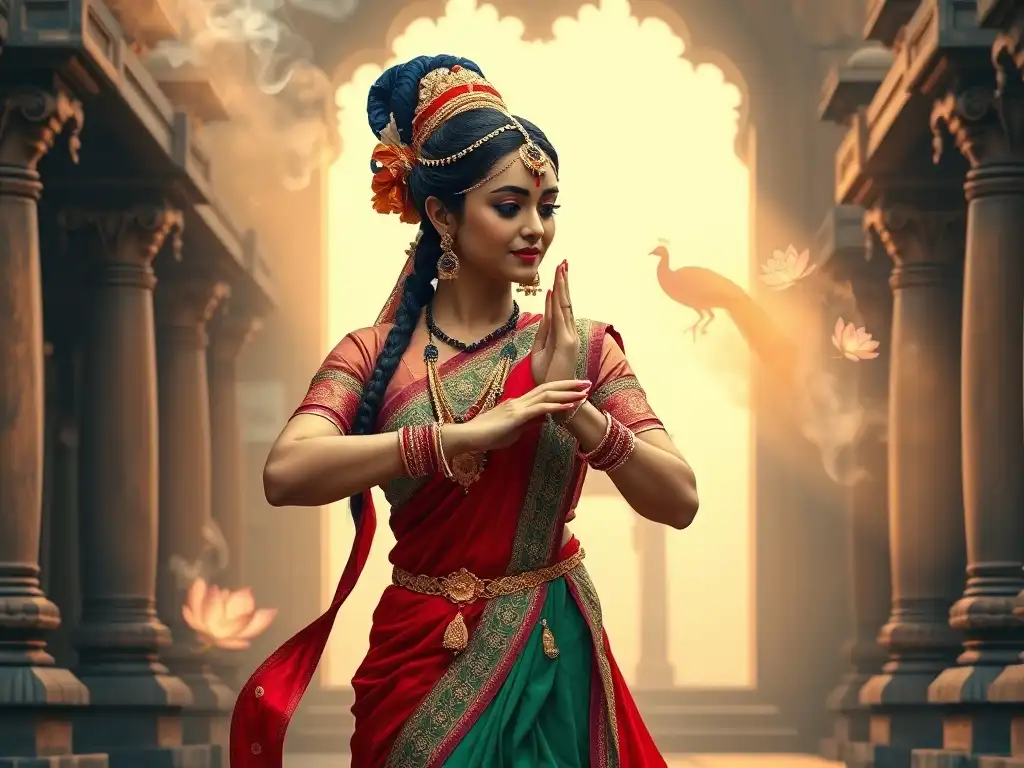
The revival of ancient Indian dance forms has been a significant cultural movement that reflects a broader interest in preserving and promoting traditional art forms. This resurgence began in the early 20th century and has continued to evolve, influencing contemporary performances and educational initiatives. Several factors have contributed to this revival, which not only aims to restore lost traditions but also reinterprets them for modern audiences.
Factors Leading to the Revival of Dance Traditions
-
Cultural Nationalism:
The early 20th century witnessed a surge in cultural nationalism in India, particularly during the struggle for independence. Artists and intellectuals sought to reconnect with India's rich heritage, viewing ancient dance forms as a means to assert cultural identity. This movement motivated many to explore and revive traditional practices that had been overshadowed by colonial influences.
-
Support from Institutions:
Various cultural institutions and organizations played a pivotal role in the revival of ancient Indian dance forms. Establishments like the Sangeet Natak Akademi and regional cultural bodies provided platforms for artists to showcase their work, conduct workshops, and engage in research. These initiatives not only fostered talent but also encouraged the documentation of traditional dances that were at risk of being forgotten.
-
Academic Interest:
The scholarly interest in ancient Indian dance forms has surged, with numerous research papers, books, and conferences dedicated to the study of these art forms. This academic focus has led to a better understanding of the historical context, techniques, and aesthetics of various dances, facilitating their revival and adaptation in modern settings.
-
Influence of Globalization:
As the world has become more interconnected, there has been a growing appreciation for diverse cultural expressions. This globalization has allowed ancient Indian dance forms to gain international recognition, leading to collaborations between Indian artists and global performers. Such interactions have enriched the traditional dances and introduced them to wider audiences.
-
Media and Technology:
The advent of digital media has revolutionized the way ancient Indian dance forms are disseminated and perceived. Online platforms, social media, and streaming services have made it easier for artists to reach audiences beyond geographical boundaries. This accessibility has fueled interest in learning and performing these dance styles, further contributing to their revival.
Prominent Figures in the Revival Movement
The revival of ancient Indian dance forms has been significantly shaped by the efforts of various artists and cultural leaders. Among them, two prominent figures stand out for their contributions.
Rukmini Devi Arundale
Rukmini Devi Arundale (1904-1986) is often regarded as a pivotal figure in the revival of Bharatanatyam, one of the oldest classical dance forms in India. She was instrumental in transforming Bharatanatyam from a temple dance performed by devadasis into a respected art form suitable for the stage.
-
Innovative Approach:
Rukmini Devi introduced new themes and narratives that appealed to contemporary audiences while remaining rooted in tradition. Her emphasis on aesthetics, spirituality, and storytelling helped elevate Bharatanatyam's status in the world of performing arts.
-
Institutional Contributions:
She founded the Kalakshetra Foundation in 1936, which became a leading institution for the training of Bharatanatyam dancers. Her vision for Kalakshetra was to create a space where traditional art forms could thrive and adapt to modern sensibilities.
-
Global Outreach:
Rukmini Devi's efforts extended beyond India, as she toured internationally to showcase Bharatanatyam, thus fostering a global appreciation for ancient Indian dance forms.
Ustad Alla Rakha's Influence on Dance Festivals
Ustad Alla Rakha (1919-2000), although primarily known as a maestro of tabla, played a crucial role in the revival and popularization of Indian classical music and dance through his involvement in various dance festivals.
-
Cultural Collaborations:
His collaborations with renowned dancers and musicians helped create a vibrant atmosphere for the performing arts. He was key in integrating dance with live music, enhancing the overall experience of dance festivals.
-
Promotion of Festivals:
Ustad Alla Rakha was instrumental in organizing and promoting dance festivals that celebrated ancient Indian dance forms. These festivals provided a platform for emerging and established artists, fostering a sense of community and continuity within the art form.
-
Legacy:
His dedication to nurturing talent and promoting traditional music and dance has left an indelible mark on the performing arts landscape in India, encouraging future generations to engage with and celebrate their cultural heritage.
Through the efforts of figures like Rukmini Devi Arundale and Ustad Alla Rakha, ancient Indian dance forms have not only been revived but have also found new expressions that resonate with contemporary audiences, ensuring their survival and relevance in today's cultural milieu.
Modern Interpretations of Ancient Indian Dance
The evolution of ancient Indian dance forms into modern interpretations has been a significant aspect of preserving and promoting the rich cultural heritage of India. These modern adaptations not only keep the traditional elements alive but also introduce new dimensions that resonate with contemporary audiences. As a result, ancient Indian dance forms are experiencing a renaissance, blending traditional techniques with modern aesthetics, themes, and technologies. This section explores the various dimensions of this transformation, highlighting the fusion of styles, the impact of globalization, and specific case studies that exemplify these modern interpretations.
Fusion of Traditional and Contemporary Dance Styles
The fusion of ancient Indian dance forms with contemporary styles has led to innovative and exciting performances that appeal to a broader audience. This blending often involves integrating elements from various global dance genres, such as ballet, jazz, and hip-hop, into traditional frameworks.
- Collaborative Performances: Many modern dance troupes collaborate with international artists, allowing for a cross-pollination of ideas. For instance, Bharatanatyam, a classical dance form, might incorporate contemporary choreography or narrative techniques from Western dance forms, creating a unique performance experience.
- Thematic Innovations: Modern interpretations often address contemporary issues such as gender equality, environmental concerns, and social justice, making the performances relevant to today's audience. This thematic shift helps bridge the gap between ancient traditions and modern sensibilities.
- Innovative Use of Technology: The incorporation of multimedia elements—such as projections, soundscapes, and interactive installations—further enhances the dance experience, allowing for a dynamic representation of ancient narratives. This use of technology not only captivates audiences but also brings ancient stories to life in fresh and engaging ways.
Impact of Globalization on Ancient Indian Dance Forms
Globalization has significantly influenced the dissemination and transformation of ancient Indian dance forms. As cultural exchanges become more frequent, traditional dances are not only being showcased on international platforms but are also adapting to new contexts.
- Increased Visibility: The global stage has provided ancient Indian dance forms with unprecedented visibility, attracting international audiences and performers. Festivals, workshops, and dance competitions worldwide often feature these traditional forms, leading to a wider appreciation and understanding.
- Cross-Cultural Collaborations: Dancers from different cultural backgrounds are increasingly exploring Indian dance styles, leading to unique fusions that respect both the traditional elements and contemporary influences. This cross-cultural interaction fosters innovation while preserving the essence of ancient practices.
- Commercialization and Adaptation: While globalization has opened new avenues for ancient Indian dance forms, it has also introduced the challenge of commercialization. Traditional dances are sometimes adapted to fit market demands, which can dilute their cultural significance. Striking a balance between authenticity and audience engagement is crucial for the sustainability of these art forms.
Case Studies of Successful Modern Interpretations
Nrityagram Dance Village
Nrityagram, founded by the renowned dancer Protima Gauri in 1990, is a unique dance village located near Bangalore. It serves as a hub for the revival and promotion of ancient Indian dance forms, primarily Odissi.
- Community and Training: Nrityagram fosters a community of dancers who are trained in traditional techniques while also exploring modern interpretations. The village emphasizes the importance of cultural immersion, allowing dancers to live and breathe the art form.
- Innovative Productions: The ensemble regularly presents performances that blend traditional Odissi with contemporary themes and movements. Their productions often incorporate narrative storytelling, innovative choreography, and collaborations with artists from different disciplines, creating a captivating experience for audiences.
Akram Khan Company
The Akram Khan Company, founded by British-Bangladeshi dancer and choreographer Akram Khan, is acclaimed for its innovative approach to dance that merges classical Indian dance forms with contemporary techniques.
- Crossover Works: The company’s productions, such as "Kaash" and "Desh," showcase a seamless integration of Kathak with modern dance elements. These works explore complex themes of identity, culture, and the human experience, resonating with diverse audiences globally.
- Global Collaborations: Akram Khan’s work often features collaborations with artists from various backgrounds, enhancing the narrative and aesthetic depth of the performances. This approach not only revitalizes ancient Indian dance forms but also introduces them to new audiences in dynamic ways.
The modern interpretations of ancient Indian dance forms reflect a vibrant dialogue between tradition and innovation. Through fusion, globalization, and influential case studies, these dances continue to thrive, adapting to the changing cultural landscape while honoring their rich heritage. As we explore these modern interpretations, it becomes evident that ancient Indian dance forms are not merely relics of the past; they are living, evolving art forms that inspire and connect people across time and space.
Challenges Facing Ancient Indian Dance Forms Today
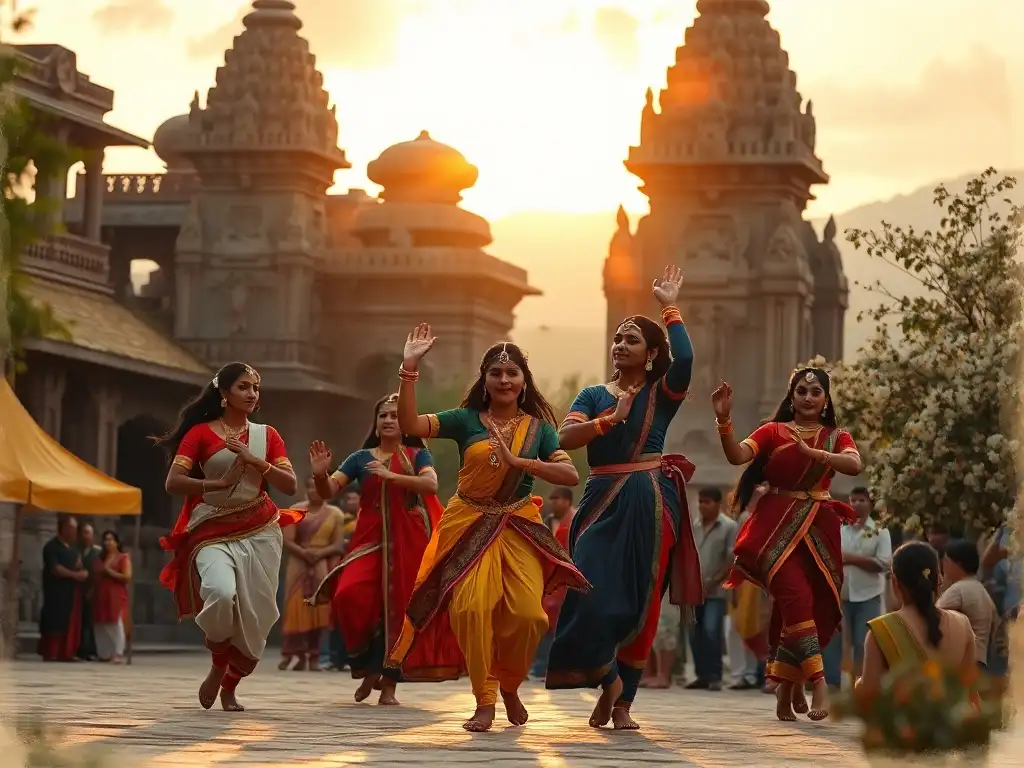
Preservation of Authenticity in Modern Adaptations
As ancient Indian dance forms evolve, one of the most pressing challenges is the preservation of authenticity while adapting to contemporary contexts. With the rise of fusion styles and modern interpretations, traditional dancers and choreographers face the dilemma of maintaining the core elements of ancient dance forms such as Bharatanatyam, Kathak, and Odissi, while also appealing to modern audiences.
- Balancing Tradition and Innovation:
- Dancers often grapple with the need to innovate their performances to keep them relevant. This innovation can lead to significant changes in technique, costumes, and music, which may dilute the original essence of the dance form.
- For instance, traditional Bharatanatyam performances are deeply rooted in religious and spiritual themes. Introducing contemporary themes might alienate purists who value the historical and cultural significance of the dance.
- Training and Education:
- The current educational landscape for dance often prioritizes modern dance techniques. This shift can lead to a lack of emphasis on the rigorous training required for mastering ancient Indian dance forms.
- Institutions and gurus play a critical role in ensuring that students receive authentic training while also encouraging them to explore creative expressions. This dual approach can help bridge the gap between tradition and modernity.
- Audience Reception:
- The modern audience’s expectations can also pose challenges. Many viewers may prefer visually spectacular performances that prioritize entertainment over the intricate storytelling and nuances inherent in ancient dance forms.
- It is essential for dancers to educate their audiences about the historical and cultural significance of the dance, fostering a deeper appreciation for its intricate details.
Cultural Appropriation vs. Cultural Appreciation
The discourse surrounding cultural appropriation and appreciation in the context of ancient Indian dance forms highlights another significant challenge. As these dance styles gain recognition globally, it becomes imperative to navigate the fine line between honoring their origins and exploiting them.
- Understanding Cultural Appropriation:
- Cultural appropriation refers to the adoption of elements from one culture by members of another culture, often without understanding or respecting the original context. In the realm of dance, this can manifest when non-Indian practitioners adopt Indian dance forms without acknowledging their rich history and significance.
- Instances of appropriation can lead to the commodification of dance, stripping it of its spiritual and cultural meanings, which can be particularly troubling for communities that have historically preserved these art forms.
- Promoting Cultural Appreciation:
- In contrast, cultural appreciation involves a respectful understanding and honoring of the culture from which the art form originates. This can include studying the dance's history, attending performances, and supporting artists who are dedicated to maintaining the authenticity of their traditions.
- Workshops and interactive sessions can play a vital role in promoting appreciation. They create opportunities for individuals to learn about the historical context, the philosophical underpinnings of the movements, and the stories conveyed through the dance.
- The Role of Social Media:
- Social media platforms have amplified discussions around cultural appropriation and appreciation. They serve as both a tool for artists to share their work and a space for critical dialogue about the ethical implications of performing ancient Indian dance forms.
- Artists and practitioners must navigate this digital landscape carefully, ensuring they represent their art forms accurately and respectfully, while also engaging with a global audience.
The challenges facing ancient Indian dance forms today are multifaceted, involving the delicate balance between preserving authenticity, navigating cultural dynamics, and appealing to contemporary audiences. Addressing these issues requires a concerted effort from artists, educators, and enthusiasts alike to foster an environment that honors the rich heritage of ancient Indian dance while embracing its potential for innovation and growth.
The Future of Ancient Indian Dance Forms
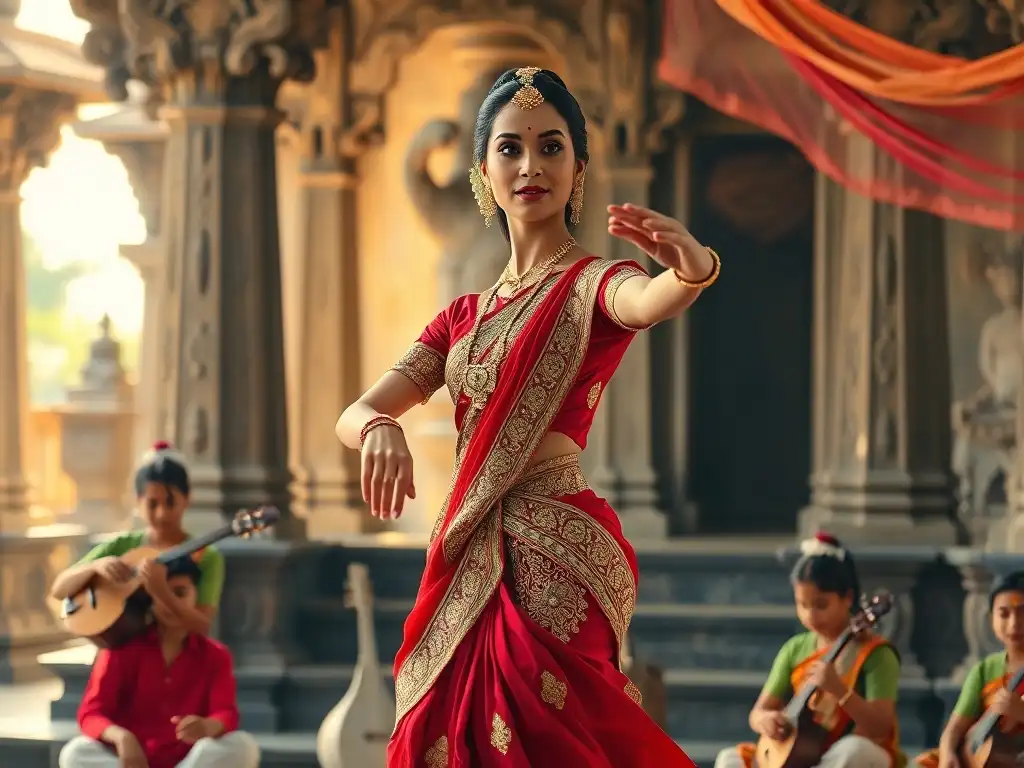
As the appreciation for ancient Indian dance forms continues to evolve, the future holds exciting possibilities for these rich cultural expressions. Modern interpretations, educational initiatives, and the incorporation of technology are key factors shaping the trajectory of these art forms.
Trends in Dance Education and Performance
The revival of ancient Indian dance forms is increasingly being supported by innovative trends in education and performance. Institutions across India and the world are recognizing the importance of these traditional dances and are integrating them into their curricula.
- Inclusive Workshops and Classes:
- Many dance schools now offer workshops that focus on specific ancient dance styles such as Bharatanatyam, Kathak, Odissi, and Kuchipudi. These workshops not only aim to teach the techniques but also delve into the historical and cultural contexts of the dances.
- Collaborations with cultural organizations are fostering a broader understanding of ancient Indian dance forms, making them accessible to diverse audiences.
- Interdisciplinary Approaches:
- Combining dance with other art forms such as theater, music, and visual arts is becoming increasingly popular. For instance, performances that incorporate storytelling elements or live music can enhance the viewer's experience, providing a richer context for the dance.
- Educational institutions are beginning to offer interdisciplinary programs that encourage students to explore the connections between ancient dance forms and other cultural expressions.
- Focus on Authenticity and Innovation:
- While preserving the authenticity of ancient dance forms is crucial, there is also a growing emphasis on innovation. Choreographers are experimenting with contemporary themes and narratives while respecting traditional techniques, thus attracting younger audiences.
- This balance between tradition and modernity allows ancient Indian dance forms to remain relevant and appealing in today's cultural landscape.
Role of Technology in Reviving Ancient Dance Forms
Technology plays a pivotal role in the revival and dissemination of ancient Indian dance forms, bridging gaps and creating new opportunities for engagement.
- Digital Platforms for Learning and Sharing:
- Online platforms such as YouTube, Instagram, and dedicated dance websites enable dancers and educators to share performances, tutorials, and workshops with a global audience.
- Virtual classes and webinars have made it possible for students to learn ancient dance forms from the comfort of their homes, breaking geographical barriers.
- Augmented Reality and Virtual Reality:
- Emerging technologies like augmented reality (AR) and virtual reality (VR) are being explored as tools to create immersive experiences. These technologies can transport viewers to historical contexts or allow them to interact with dance performances in unique ways.
- For instance, a VR experience could simulate a traditional Indian temple setting while showcasing a Bharatanatyam performance, offering viewers a deeper understanding of the dance's significance.
- Documenting and Archiving:
- Advances in technology also facilitate the documentation and preservation of ancient dance forms. High-definition video recordings, digital archiving, and online databases are essential for keeping traditions alive and accessible to future generations.
- Institutions are now creating digital repositories that house historical videos, photographs, and written materials related to ancient Indian dance forms, ensuring that these cultural treasures are preserved for years to come.
The future of ancient Indian dance forms is bright, driven by educational trends and technological advancements that promise to keep these vibrant traditions alive while allowing them to flourish in contemporary contexts. As these art forms continue to evolve, they will undoubtedly inspire new generations of dancers and audiences alike.
Conclusion
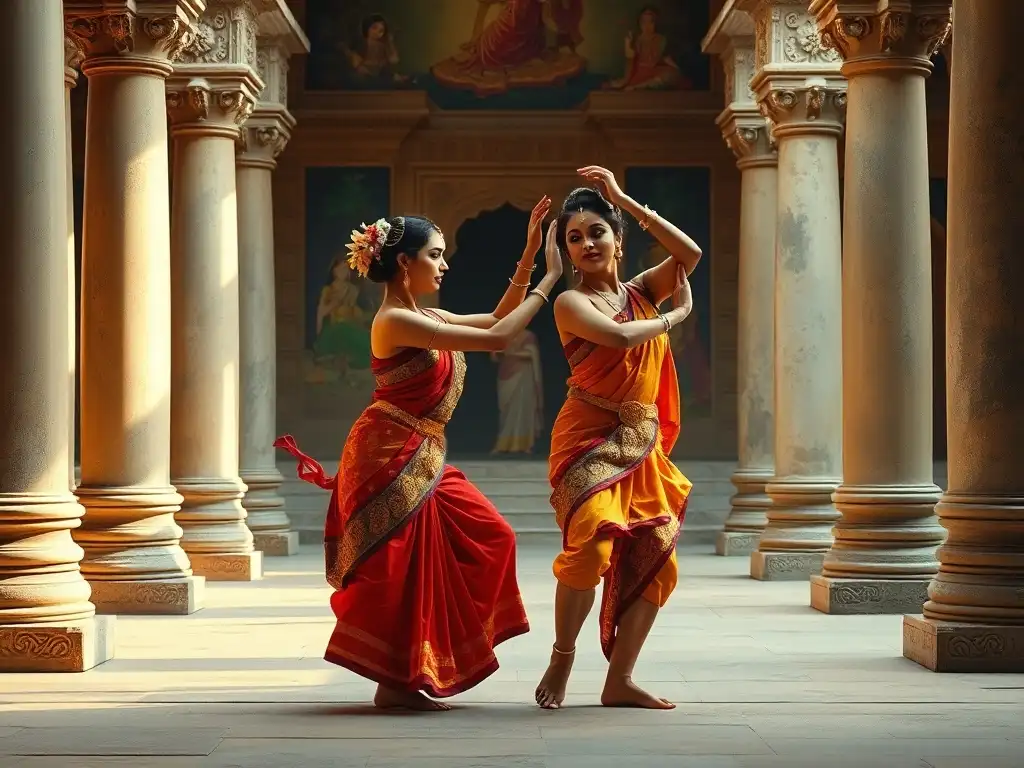
The Importance of Keeping Ancient Indian Dance Forms Alive
The preservation and revitalization of ancient Indian dance forms hold immense cultural significance, reflecting the rich tapestry of India's historical heritage. These dance forms, such as Bharatanatyam, Kathak, Odissi, and Kathakali, are not merely artistic expressions; they serve as vessels carrying stories, traditions, and spiritual practices that have evolved over centuries.
Cultural Preservation
- Historical Context: Each dance form encapsulates the socio-political conditions of its time, providing insight into ancient Indian society. For instance, Bharatanatyam, originating from Tamil Nadu, was historically performed in temples as a form of worship, emphasizing the link between spirituality and art.
- Transmission of Tradition: Keeping these dance forms alive ensures that the intricate techniques, footwork, and expressions are passed down through generations. This transmission maintains the integrity of the art form while allowing for subtle adaptations that make them relevant in contemporary settings.
Educational Value
- Inspiring Future Generations: Engaging with ancient Indian dance forms fosters a sense of pride in one's heritage among young practitioners. Schools and institutions that offer classes in these dance forms not only teach techniques but also instill respect for cultural roots.
- Cross-Cultural Learning: As these dance forms gain international recognition, they provide an opportunity for cross-cultural dialogue. Workshops and performances abroad introduce global audiences to the depth of Indian traditions, promoting cultural exchange and understanding.
Call to Action for Enthusiasts and Practitioners
For enthusiasts and practitioners of ancient Indian dance forms, there are numerous ways to contribute to the preservation and evolution of these art forms:
Get Involved
- Join Local Classes: Participate in workshops or classes offered by experienced dancers. Learning from seasoned practitioners helps in understanding the nuances of each dance form.
- Support Cultural Events: Attend performances, festivals, and competitions that celebrate ancient Indian dance. Your presence not only supports artists but also promotes the visibility of these art forms.
Share Knowledge
- Conduct Workshops: If you are a practitioner, consider organizing workshops to share your knowledge with others. This can help in training new dancers and expanding the community.
- Utilize Social Media: Use platforms like Instagram and YouTube to showcase performances, tutorials, or discussions about ancient Indian dance forms. This can inspire a wider audience and engage younger generations.
Collaborate
- Interdisciplinary Projects: Collaborate with musicians, visual artists, and filmmakers to create interdisciplinary works that fuse ancient dance with modern expressions. Such innovations can breathe new life into traditional forms while keeping their essence intact.
By actively participating in these practices, enthusiasts and practitioners can play a pivotal role in ensuring that ancient Indian dance forms are not only preserved but also thrive in the contemporary world, enriching the cultural landscape for future generations.
References
Recommended Readings on Ancient Indian Dance Forms
-
"The Dance of India" by K. Moti Shankar
This comprehensive book explores various ancient Indian dance forms, their historical context, and their evolution over time. It delves into the cultural significance of dance in ancient Indian society.
-
"Indian Classical Dance: A Complete Handbook" by S. M. Shakuntala
A detailed guide that covers the technical aspects of various classical dance forms, alongside historical anecdotes that highlight their roots in ancient traditions.
-
"The Art of Indian Dance" by K. Satyanarayana
This book provides an in-depth analysis of the different styles of ancient Indian dance, including their symbolic meanings and the influence of regional cultures on these art forms.
-
"Dance and the Music of India" by Dr. S. Bhattacharya
This work examines the intrinsic relationship between dance and music in ancient India, offering insights into how rhythm and movement were integral to cultural expression.
-
"Natyashastra" by Bharata Muni
An ancient treatise on performing arts, this classical text is considered foundational for understanding the principles of dance, drama, and aesthetics in ancient India.
Relevant Resources for Further Exploration
- Online Archives and Databases
- The Digital South Asia Library offers a rich collection of texts and images related to ancient Indian dance forms.
- The National Digital Library of India provides access to a variety of resources, including manuscripts and research papers on traditional Indian arts.
- Documentaries and Lectures
- "The Heritage of Indian Classical Dance" - This documentary provides a visual journey through the history of classical dance forms in India.
- YouTube Channels such as "Natyashastra Insights" feature lectures and performances that highlight the significance of ancient dance forms.
- Cultural Institutions
- Sankalp Dance Academy regularly hosts workshops and seminars focusing on the revival of ancient Indian dance forms and their modern adaptations.
- The Kalakshetra Foundation is renowned for its dedication to preserving traditional Indian dance and music, making it a valuable resource for enthusiasts and scholars alike.
By engaging with these readings and resources, individuals can deepen their understanding of the rich tapestry of ancient Indian dance forms and their lasting impact on contemporary performance art.
Frequently Asked Questions
What are some notable ancient Indian dance forms?
Some notable ancient Indian dance forms include Bharatanatyam, Kathak, Odissi, and Kuchipudi, each with unique styles and cultural significance.
How have ancient Indian dance forms been revived in modern times?
Revival efforts include workshops, festivals, and educational programs that aim to preserve traditional techniques while allowing for contemporary interpretations.
What role did dance play in ancient Indian culture?
In ancient India, dance was integral to religious rituals, storytelling, and social celebrations, often viewed as a form of spiritual expression.
Are there any contemporary styles influenced by ancient Indian dance forms?
Yes, many contemporary dance styles draw inspiration from ancient Indian dance forms, blending traditional techniques with modern themes and choreography.
How can one learn more about ancient Indian dance forms?
To learn more, one can explore online courses, attend dance workshops, or visit cultural festivals that showcase the rich heritage of ancient Indian dance.
Final Reflection: Embracing the Legacy of Ancient Indian Dance Forms
In a world where cultural identities are often overshadowed by globalization, the revival of ancient Indian dance forms serves as a powerful reminder of our rich heritage and the importance of preserving it. These dance forms, steeped in history and tradition, not only showcase the artistic brilliance of our ancestors but also resonate with contemporary audiences, bridging the gap between the past and the present.
As we witness a resurgence of interest in these art forms, it becomes clear that they are more than mere performances; they are vital expressions of cultural identity that continue to inspire and unite us today.
The influence of ancient Indian dance forms extends far beyond the stage, shaping our cultural landscape and fostering a deeper appreciation for our roots. In an age where individualism often takes precedence, these dances remind us of the collective stories and shared experiences that bind us together. As noted by renowned dancer and choreographer, "Dance is the hidden language of the soul," > Martha Graham. This sentiment encapsulates the essence of ancient Indian dance forms, which convey profound emotions and narratives that transcend time, inviting us to reflect on our own journeys and connections to our heritage.
As we move forward, I invite you to take a moment to reflect on the ancient Indian dance forms and their significance in your life. Consider how these vibrant expressions of culture can inspire you to explore your own roots and embrace the stories that shape your identity. Whether through participation, appreciation, or advocacy, let us commit to keeping these traditions alive, ensuring that they continue to flourish for generations to come. Together, we can honor the past while paving the way for a future that celebrates the beauty and diversity of our cultural tapestry.
Embrace the Rhythm: Join the Dance Revolution!
Thank you for diving into the fascinating world of ancient Indian dance forms! By exploring their revivals and modern interpretations, you've gained insights into a rich cultural heritage that continues to inspire and evolve today. Now, it's time to take action and become a part of this vibrant journey!
- Participate in a Local Dance Workshop: Immerse yourself in the rhythm by finding classes in your area that focus on ancient Indian dance forms. Experience the beauty and grace firsthand!
- Share Your Discoveries: Connect with fellow enthusiasts on social media. Post about your learnings, favorite dance styles, or even your own interpretations using the hashtag #AncientDanceRevival.
- Explore Historical Context: Read books or watch documentaries that delve deeper into the history of these dance forms. Understanding their background will enhance your appreciation and engagement.
Which ancient dance form resonates with you the most, and how do you envision incorporating it into your daily life?