
The Influence of Ancient Indian Dance on Modern Global Dance Forms

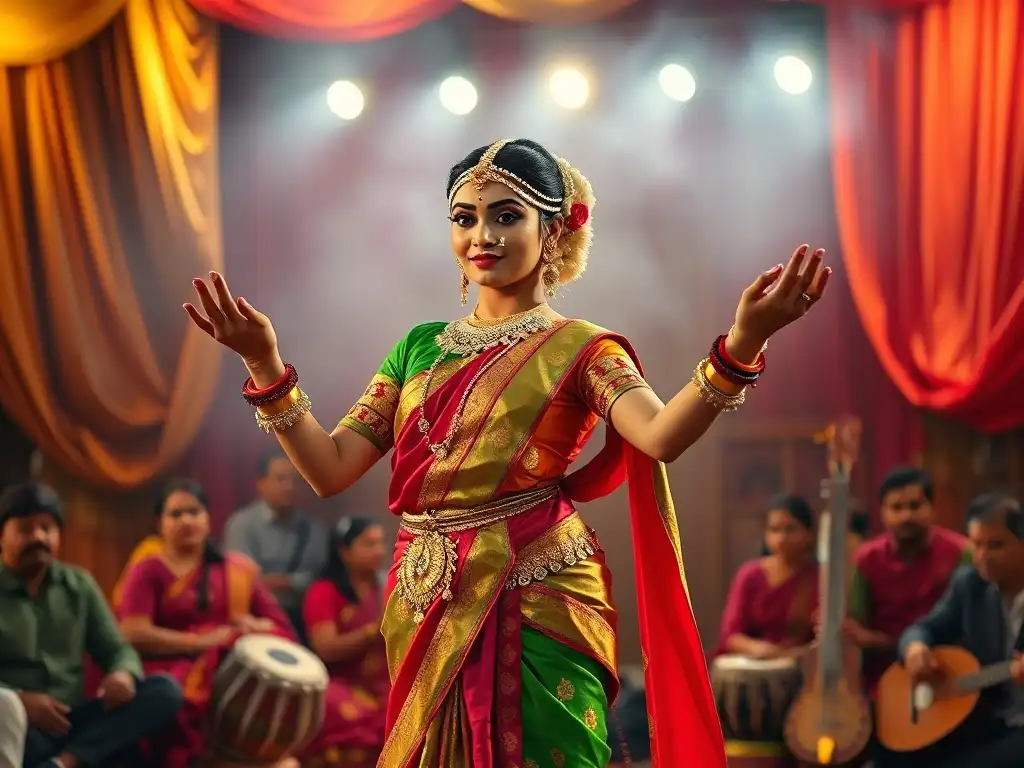
Welcome to Ancient India History, where we dive deep into the captivating tapestry of India's past! Explore the rich and diverse history, culture, and contributions of ancient Indian civilizations, from the remarkable Indus Valley to the illustrious Gupta Empire. In this illuminating article, we unravel the fascinating Ancient Indian dance traditions and their profound influence on modern global dance forms. What secrets do these age-old practices hold, and how have they shaped the rhythms of contemporary movement? Join us on this journey to discover the artistic legacy that continues to inspire dancers around the world today!
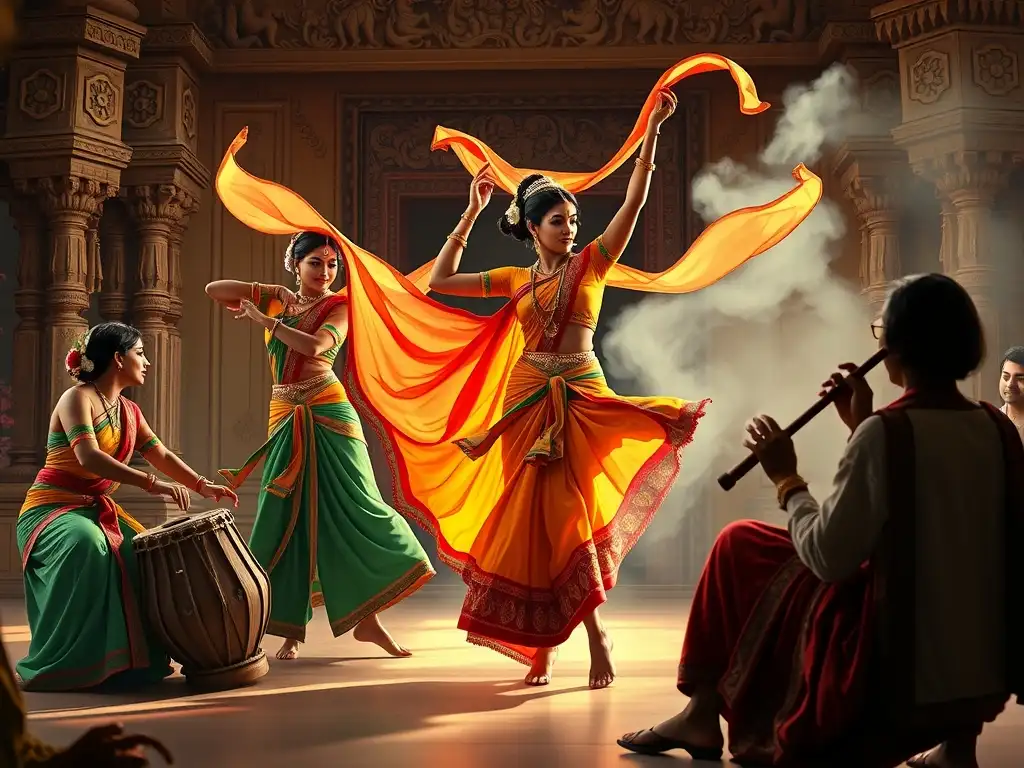
Introduction to Ancient Indian Dance Traditions
Ancient Indian dance traditions are a profound aspect of India's cultural heritage, reflecting the rich tapestry of its history, spirituality, and artistry. From the intricate movements of the Bharatanatyam to the expressive storytelling of Kathak, these dance forms are not merely artistic expressions but also carry deep philosophical and spiritual significance. This article delves into the intricate influence that ancient Indian dance has had on modern global dance forms, showcasing how these traditions have transcended time and geography to find their place on the world stage.
Overview of Ancient Indian Dance
The roots of ancient Indian dance can be traced back to the Vedic period, where dance was often intertwined with rituals and worship. Over the centuries, these traditions evolved, incorporating various regional styles and influences. The Natyashastra, an ancient treatise on performing arts written by Bharata Muni, serves as a foundational text that outlines the principles of dance, music, and theatre, offering insights into the techniques and aesthetics of Indian dance.
- Key Components:
- Mudras (Hand Gestures): Integral to conveying emotions and narratives.
- Abhinaya (Expression): The art of expression through facial and bodily movements.
- Rhythm and Music: Dance is often accompanied by traditional instruments, enhancing the performance's emotional depth.
Historical Significance of Dance in Indian Culture
Dance has played a pivotal role in the cultural and spiritual life of ancient India. It served as a means of storytelling, often depicting mythological tales and historical events. The connection between dance and religion is particularly significant, as many classical dance forms were developed in temples and performed as offerings to deities.
- Cultural Preservation: Dance traditions helped preserve stories, beliefs, and values across generations.
- Social Cohesion: Community dances fostered unity and celebration during festivals and rituals.
Key Features of Ancient Indian Dance Traditions
Ancient Indian dance traditions are characterized by their unique features that distinguish them from other global dance forms. These characteristics not only highlight the artistry involved but also the cultural narratives that they convey.
Classical Dance Styles of Ancient India
There are several classical dance styles that have emerged from ancient Indian traditions, each with its own distinctive techniques and thematic content. Some of the most prominent styles include:
| Dance Style | Origin | Key Characteristics |
|---|---|---|
| Bharatanatyam | Tamil Nadu | Expressive hand gestures and footwork |
| Kathak | North India | Storytelling through facial expressions and spins |
| Odissi | Odisha | Fluid movements and sculptural poses |
| Manipuri | Manipur | Graceful and delicate movements |
| Kuchipudi | Andhra Pradesh | Combination of dance and drama |
The Role of Dance in Religious and Social Contexts
In ancient India, dance was not only an art form but also a medium for spiritual expression and social interaction. The performances often took place during religious festivals, temple ceremonies, and royal courts, serving various purposes:
- Religious Rituals: Dance was used to honor deities and seek blessings.
- Social Gatherings: Folk dances were performed during celebrations and communal events, promoting social bonds.
Through these intricate traditions, ancient Indian dance has left an indelible mark on the modern global dance landscape, influencing contemporary styles and practices across the world. As we explore the evolution and impact of these dance forms, it becomes evident that their legacy is a testament to the enduring spirit of cultural exchange and creativity.
The Global Spread of Ancient Indian Dance Influences
The influence of ancient Indian dance traditions has transcended geographical boundaries, permeating various cultures and modern dance forms worldwide. This global spread can be traced through historical trade routes, cultural exchanges, and colonial interactions that allowed for the dissemination and adaptation of these rich dance traditions.
As ancient Indian dance forms like Bharatanatyam, Kathak, and Odissi gained recognition, they began to inspire not only dancers but also choreographers and artists from diverse backgrounds. Elements such as intricate footwork, expressive storytelling, and the incorporation of spiritual themes have resonated with many, creating a cross-cultural dialogue that continues to evolve today.
How Ancient Indian Dance Traditions Reached the World
Ancient Indian dance traditions reached the world through several key avenues:
- Trade Routes: The Silk Road and maritime trade routes connected India with various regions, facilitating cultural exchanges. Merchants, travelers, and artists would share their art, including dance, during their journeys.
- Colonial Influence: British colonialism in India during the 19th and 20th centuries brought attention to Indian culture in the West. This exposure led to a fascination with Indian dance, resulting in performances that showcased its beauty and intricacies.
- Diaspora Communities: The Indian diaspora, particularly in places like the Caribbean, Africa, and Southeast Asia, played a pivotal role in preserving and adapting ancient dance traditions. These communities have blended traditional forms with local styles, creating unique fusions that reflect their heritage.
Fusion of Ancient Indian Dance with Other Global Dance Forms
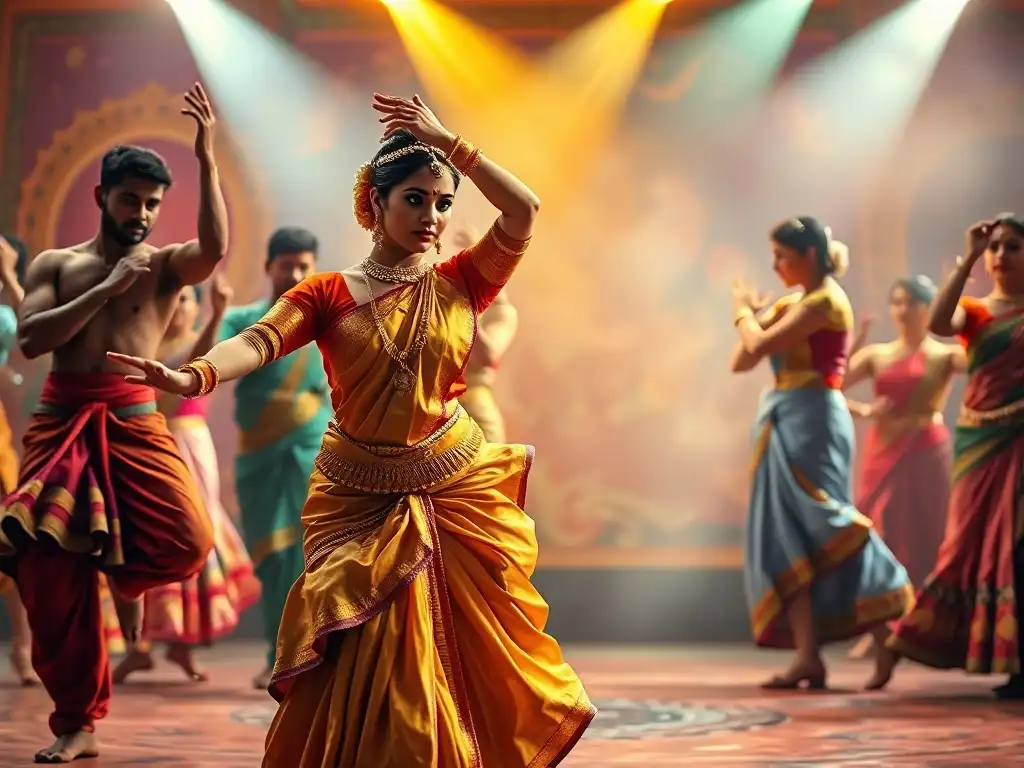
The fusion of ancient Indian dance with other global dance forms has been a significant trend, resulting in innovative and hybrid styles. This cross-pollination often occurs through collaborations between artists from different backgrounds, leading to exciting new performances. Some notable examples include:
- Bharatanatyam and Flamenco: The rhythmic footwork and expressive hand gestures of Bharatanatyam have inspired Flamenco dancers, creating performances that blend the grace of Indian dance with the passion of Spanish dance.
- Kathak and Contemporary Dance: Choreographers have increasingly incorporated elements of Kathak into contemporary dance, enhancing the narrative quality and adding a layer of spiritual depth to modern performances.
- Bollywood Dance: The global phenomenon of Bollywood dance showcases an amalgamation of various dance styles, which often includes traditional Indian dance forms, hip-hop, jazz, and even ballet, illustrating the versatility and adaptability of ancient traditions.
Impact of Ancient Indian Dance on Modern Dance Forms
Ancient Indian dance traditions have significantly impacted modern dance forms, influencing both the aesthetic and technical aspects of choreography. The intricate movements, rich symbolism, and storytelling techniques inherent in these traditions have provided a wealth of inspiration for contemporary dancers and choreographers.
Influence on Contemporary Dance Techniques
Contemporary dance techniques have integrated elements of ancient Indian dance, particularly in the realm of expression and storytelling. Key influences include:
- Movement Vocabulary: The use of mudras (hand gestures) and abhinaya (expression) from ancient Indian dance has enriched modern choreography, allowing for a more profound emotional connection with the audience.
- Rhythm and Timing: The complex rhythmic patterns of traditional Indian dance have inspired contemporary choreographers to explore new possibilities in timing and musicality, creating a unique blend of styles.
- Spiritual Themes: The incorporation of spiritual and philosophical themes from ancient Indian dance has encouraged modern artists to delve into deeper narratives, fostering a greater understanding of cultural heritage.
Preservation and Revival of Ancient Indian Dance Traditions in Modern Contexts
The preservation and revival of ancient Indian dance traditions have gained momentum in modern contexts, ensuring that these art forms continue to thrive:
- Dance Festivals and Workshops: Numerous festivals and workshops dedicated to ancient Indian dance are held globally, promoting awareness and appreciation of these traditions. They provide platforms for both seasoned and novice dancers to learn and perform.
- Academic Institutions: Universities and institutions worldwide have incorporated ancient Indian dance into their curricula, offering courses that explore its history, techniques, and cultural significance.
- Digital Platforms: The rise of digital media has allowed dancers to showcase ancient Indian dance through online platforms, reaching a broader audience and fostering a global community of enthusiasts.
Through these efforts, ancient Indian dance traditions not only survive but also adapt, influencing and enriching modern dance forms across the globe.
Conclusion: The Lasting Legacy of Ancient Indian Dance Traditions
Ancient Indian dance traditions have left an indelible mark on the global dance landscape. Their intricate movements, expressive storytelling, and spiritual depth have transcended geographical boundaries, influencing various modern dance forms around the world. From classical styles like Bharatanatyam and Kathak to contemporary interpretations, the essence of these ancient practices continues to resonate with dancers and audiences alike. This enduring legacy highlights not only the aesthetic appeal of ancient Indian dance but also its ability to convey complex emotions and cultural narratives that remain relevant today.
Moreover, the fusion of ancient techniques with contemporary styles has led to innovative expressions that celebrate the rich heritage of Indian dance while adapting to modern sensibilities. As we explore the influence of these traditions, it becomes clear that they are not just relics of the past but vibrant art forms that continue to evolve and inspire.
The Importance of Preserving Ancient Dance Forms
Preserving ancient dance forms is crucial for maintaining cultural heritage and identity. These traditions encapsulate the values, stories, and philosophies of past civilizations, serving as a bridge between generations. By safeguarding these practices, we ensure that future generations have the opportunity to experience and learn from the rich tapestry of ancient Indian culture.
Efforts to preserve these dance forms involve documentation, teaching, and performance. Institutions and educators play a vital role in imparting knowledge to students, ensuring that the techniques and philosophies of ancient Indian dance are not lost. Additionally, performances and festivals celebrating these traditions help raise awareness and appreciation among wider audiences, fostering a deeper connection to cultural roots.
Future Trends: Ancient Indian Dance in the Modern World
As the world becomes increasingly interconnected, the future of ancient Indian dance traditions appears promising. Contemporary choreographers are embracing these classical styles, blending them with modern aesthetics and themes. This fusion not only revitalizes ancient dance forms but also makes them more accessible to a global audience.
Digital platforms and social media have also transformed how these traditions are shared and experienced. Online tutorials, workshops, and performances allow enthusiasts from diverse backgrounds to engage with ancient Indian dance, broadening its reach and influence. Furthermore, collaborations between traditional dancers and artists from other genres—such as ballet, hip-hop, and contemporary dance—are setting the stage for innovative cross-cultural expressions.
References and Further Reading on Ancient Indian Dance Traditions
Exploring the rich heritage of ancient Indian dance traditions requires delving into a variety of resources. Below is a selection of recommended materials for those interested in gaining a deeper understanding of this fascinating subject.
Recommended Books and Articles
- "Indian Classical Dance: The Definitive Guide": by Aditi Mangaldas – This book provides an insightful overview of various classical dance forms and their historical contexts.
- "The Dance of Shiva: Fourteen Indian Dance Forms": by Dr. Sunil Kothari – A comprehensive exploration of Indian dance traditions, highlighting their cultural significance and evolution.
- "Bharatanatyam: A Classical Dance of India": by V. R. Narayana Rao – This text delves into the origins, techniques, and performance aspects of Bharatanatyam, one of the oldest dance forms in India.
- Academic Journals: Articles in journals such as Dance Research and The Journal of Asian Studies often feature research on the historical and contemporary developments of Indian dance.
Notable Dance Institutions and Programs
- Kalakshetra Foundation, Chennai – A premier institution that promotes Bharatanatyam and other Indian classical dance forms through education and performance.
- Sankalpam School of Dance, Pune – Offers training in various Indian classical dance styles while also focusing on the preservation of traditional techniques.
- Nrityagram, Hesaraghatta – A unique dance village dedicated to nurturing Indian classical dance, where artists live and train in a collaborative environment.
- The National School of Drama, New Delhi – Provides programs that integrate dance, drama, and music, highlighting the performing arts' interconnectedness in Indian culture.
These resources and institutions not only celebrate the legacy of ancient Indian dance traditions but also play a vital role in their preservation and promotion in the modern world.
- Introduction to Ancient Indian Dance Traditions
- Key Features of Ancient Indian Dance Traditions
- The Global Spread of Ancient Indian Dance Influences
- How Ancient Indian Dance Traditions Reached the World
- Fusion of Ancient Indian Dance with Other Global Dance Forms
- Impact of Ancient Indian Dance on Modern Dance Forms
- Conclusion: The Lasting Legacy of Ancient Indian Dance Traditions
- References and Further Reading on Ancient Indian Dance Traditions
- What are the major Ancient Indian dance traditions?
- How did ancient Indian dance influence modern dance forms?
- What role did religion play in ancient Indian dance?
- Are there any specific historical texts that mention ancient Indian dance?
- How has ancient Indian dance been preserved over the centuries?
Frequently Asked Questions
What are the major Ancient Indian dance traditions?
Ancient Indian dance traditions include Bharatanatyam, Kathak, Odissi, and Kuchipudi, each with its own unique style and cultural significance.
How did ancient Indian dance influence modern dance forms?
Ancient Indian dance has contributed to global dance through its intricate movements, storytelling, and expressive techniques, inspiring various contemporary dance styles worldwide.
What role did religion play in ancient Indian dance?
Religion was central to ancient Indian dance, often serving as a medium for spiritual expression and rituals, particularly in temples and religious festivals.
Are there any specific historical texts that mention ancient Indian dance?
Yes, texts like the Natya Shastra by Bharata Muni provide detailed descriptions of dance techniques, performance guidelines, and the significance of dance in ancient Indian culture.
How has ancient Indian dance been preserved over the centuries?
Ancient Indian dance has been preserved through traditional schools, gurukula systems, and cultural festivals that continue to promote and teach these art forms to new generations.
Final Reflection: Embracing the Legacy of Ancient Indian Dance Traditions
The profound impact of ancient Indian dance traditions on modern global dance forms is undeniable; these age-old practices continue to resonate in contemporary choreography and performance. As we explore the intricate movements and rich narratives of these dances, we realize that they are not merely relics of the past but vibrant expressions that shape our current artistic landscape. The fusion of tradition and innovation highlights the timelessness of these art forms, reminding us that the roots of creativity often lie in the wisdom of our ancestors.
Cultural exchange and adaptation are at the heart of our global dance community, and ancient Indian dance traditions serve as a vital thread in this tapestry. The rhythms, gestures, and storytelling techniques have transcended borders, influencing diverse styles and inspiring countless artists worldwide. As the renowned choreographer Martha Graham once said, Dance is the hidden language of the soul.
This encapsulates the essence of how these ancient practices continue to speak to us, urging us to explore our own identities and connections through movement.
As we reflect on the lessons imparted by ancient Indian dance traditions, let us take a moment to consider how we can incorporate these influences into our own lives. I invite you to explore the beauty of these dances, whether through participation, study, or appreciation. By embracing the legacy of these traditions, we not only honor their history but also enrich our own artistic journeys and foster a deeper understanding of the cultural narratives that unite us all. Let us dance with intention, celebrating the past while paving the way for a vibrant future.
Unleash the Rhythm of Ancient Wisdom!
Thank you for diving into the fascinating world of ancient Indian dance and its profound influence on modern global dance forms! We hope you feel inspired by the historical richness and cultural significance that continues to shape movement across the globe. Now, let's take that inspiration and turn it into action!
Here are some exciting ways you can engage further with the vibrant legacy of dance:
- Explore a local dance class that showcases traditional Indian styles— experience the beauty firsthand!
- Share your favorite dance videos or performances that highlight this connection on social media, and tag friends to invite them on this exciting journey.
- Join online forums or local meetups focused on dance history— connect with fellow enthusiasts and learn together!
How can you infuse a piece of ancient dance into your everyday movement or creativity today?