
The Indus Valley Civilization: Pioneers of Early Visual Arts

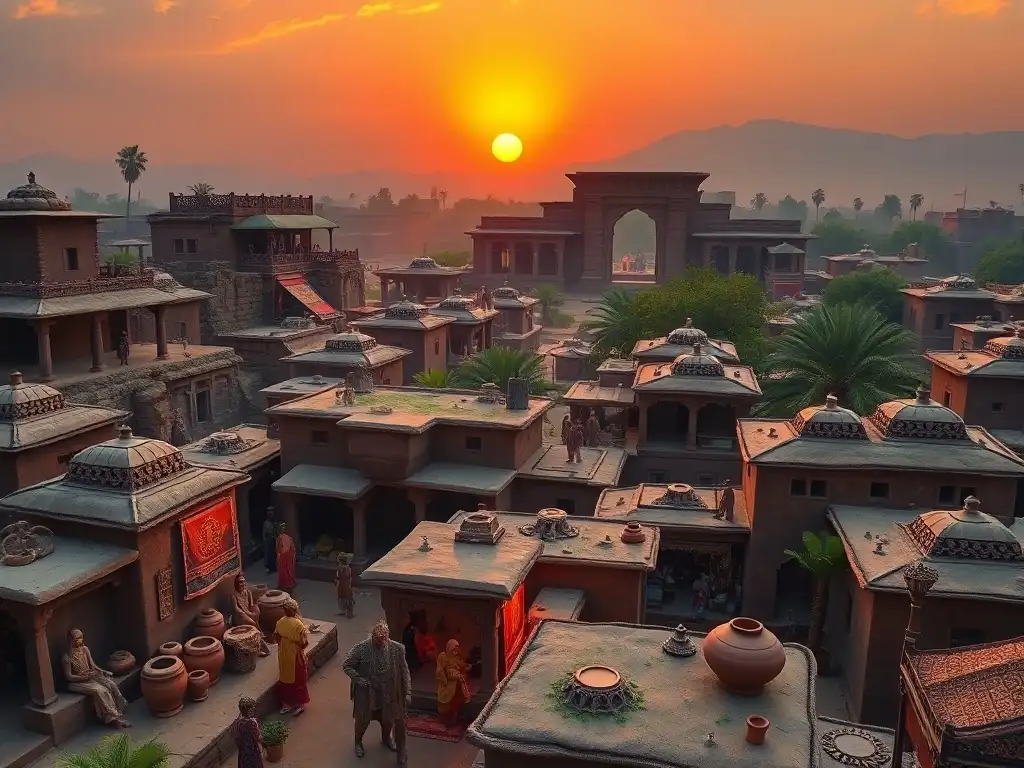
Welcome to Ancient India History, where we embark on a fascinating journey through time to uncover the rich tapestry of ancient Indian civilizations. Delve into the extraordinary world of the Indus Valley, where the seeds of early visual arts took root and flourished. In our featured article, "The Indus Valley Civilization: Pioneers of Early Visual Arts," we invite you to explore how these ancient artists crafted captivating works that continue to inspire and influence today.
Join us as we unravel the stories and secrets of this remarkable era, igniting your curiosity about the profound cultural contributions that shaped the course of history. Ready to dive deeper? Your adventure awaits!
Introduction to Indus Valley Civilization
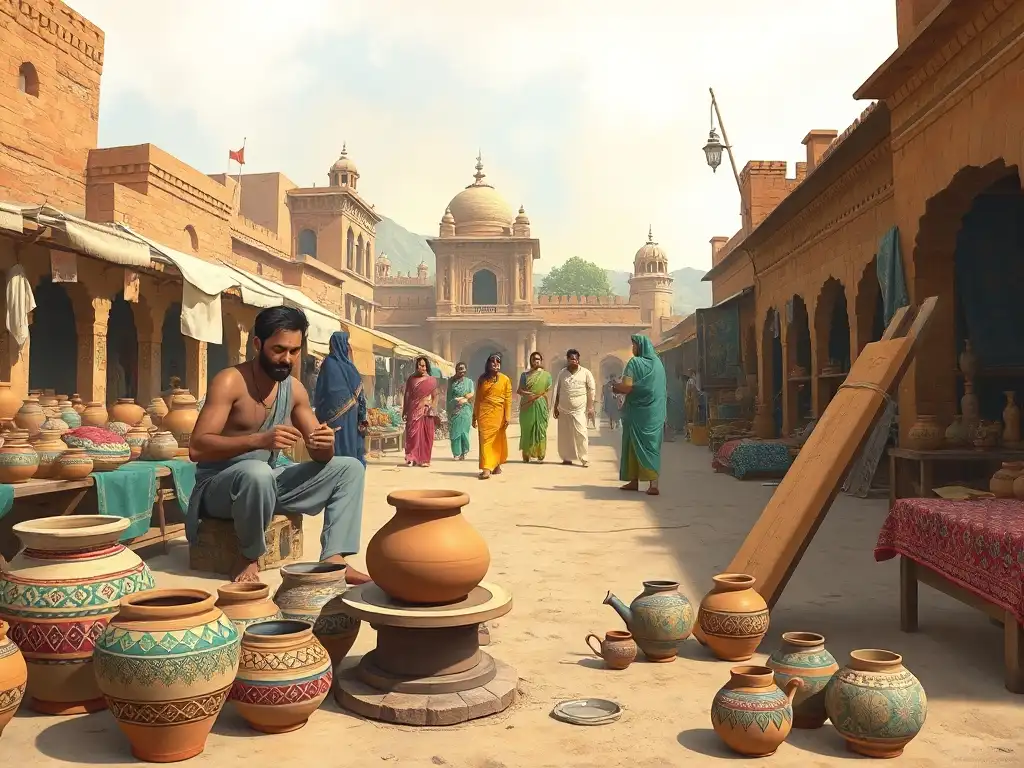
The Indus Valley Civilization, flourishing between approximately 3300 BCE and 1300 BCE, stands as one of the most remarkable early civilizations in human history. This ancient society, primarily located in what is now Pakistan and northwest India, is revered not only for its advanced urban planning and engineering but also for its rich contributions to visual arts.
The artistic legacy of the Indus Valley is a testament to the ingenuity and creativity of its people, showcasing a diverse range of artistic expressions that include pottery, sculpture, and intricate beadwork. In this article, we will explore the history of visual arts in the Indus Valley civilization, focusing on its significance and the cultural context that fostered such creativity.
Overview of the Indus Valley Civilization
The Indus Valley Civilization, also known as the Harappan Civilization, emerged around 3300 BCE, marked by the establishment of sophisticated urban centers such as Harappa and Mohenjo-Daro. These cities were characterized by their well-planned streets, advanced drainage systems, and impressive public buildings, reflecting a high degree of organizational skill and architectural knowledge.
Key features of the Indus Valley Civilization include:
- Urban Planning: Grid layout of cities, with divided residential and commercial areas.
- Trade Networks: Extensive trade routes connecting the civilization with Mesopotamia and Egypt.
- Agricultural Innovation: Advanced irrigation techniques supported a thriving agrarian society.
The civilization reached its peak around 2500 BCE, and its influence extended over large portions of South Asia. The decline of the Indus Valley Civilization around 1900 BCE remains a subject of scholarly debate, with theories ranging from climate change to invasion.
Importance of Visual Arts in Ancient Cultures
Visual arts play a crucial role in understanding ancient cultures, as they provide insights into the values, beliefs, and daily lives of the people who created them. In the case of the Indus Valley Civilization, visual arts served several important functions:
- Cultural Identity: Artistic expressions helped to establish a sense of identity and community among the people.
- Religious Significance: Many artifacts reflect spiritual beliefs and practices, showcasing deities and ritual objects.
- Economic Value: Artworks often served as trade items, facilitating economic exchanges with neighboring regions.
The visual arts of the Indus Valley not only highlight the aesthetic sensibilities of the time but also serve as vital historical records that inform our understanding of this ancient civilization.
The Historical Context of Indus Valley Visual Arts
Timeline of the Indus Valley Civilization
To appreciate the evolution of visual arts within the Indus Valley Civilization, it is essential to consider its historical timeline:
- 3300 BCE: Emergence of the Indus Valley Civilization.
- 2600-1900 BCE: Peak period of urban development and artistic production.
- 1900 BCE: Decline of major urban centers, leading to the eventual disappearance of the civilization.
This timeline underscores the flourishing of visual arts during the peak period, indicating a vibrant cultural milieu that fostered artistic creativity.
Major Cities and Their Influence on Visual Arts
The major cities of the Indus Valley Civilization, particularly Harappa and Mohenjo-Daro, were instrumental in shaping the region's artistic heritage. Each city contributed uniquely to the development of visual arts:
- Harappa: Known for its distinctive terracotta figurines and seals, which often featured intricate designs and motifs. These artifacts reveal a sophisticated understanding of form and material.
- Mohenjo-Daro: Famous for its large-scale sculptures, including the iconic "Dancing Girl" statue, which exemplifies the artistry and skill of Harappan craftsmen.
The artistic expressions found in these cities not only reflect local styles but also indicate interactions with other cultures, enriching the visual arts landscape of the ancient world.
The exploration of the Indus Valley visual arts history reveals a civilization that was remarkably advanced in both its artistic endeavors and cultural expressions, laying the groundwork for future artistic traditions in South Asia.
Key Features of Indus Valley Visual Arts
The Indus Valley Civilization, flourishing from approximately 3300 to 1300 BCE, is renowned for its advanced urban planning, architecture, and most notably, its visual arts. The key features of Indus Valley visual arts reflect a sophisticated understanding of aesthetics, functionality, and symbolism.
One of the most distinguishing attributes is the use of intricate designs and motifs in various art forms, ranging from seals to pottery. The artistry often exhibits a high degree of realism, particularly in the representation of animals and human figures. Additionally, the craftsmanship is evident in the precision of techniques used, showcasing the artisans' skills in creating detailed sculptures and carvings.
Moreover, the incorporation of natural elements, such as flora and fauna, into artistic expressions indicates a deep connection with the environment. This harmonious blend of functionality and beauty marks the Indus Valley visual arts as a precursor to later Indian artistic traditions.
Materials and Techniques Used in Art
The artisans of the Indus Valley Civilization employed a diverse range of materials and techniques to produce their art. Key materials included clay, terracotta, stone, and metal, each chosen for its unique properties and suitability for different art forms.
- Clay: Widely used for pottery and sculptures, clay was often molded and fired to create durable and functional items. Pottery from the Indus Valley is characterized by its painted designs and geometric patterns.
- Terracotta: This material was extensively used for making figurines, seals, and toys. Terracotta sculptures often displayed elaborate details, highlighting the skill of the craftsmen.
- Stone: Artists utilized various types of stone to create sculptures and architectural elements. The use of soft stones like limestone and soapstone allowed for intricate carvings.
- Metals: Bronze and copper were employed in crafting tools and decorative items, showcasing advanced metallurgical techniques. The lost-wax casting method was one notable technique that allowed for detailed metal sculptures.
These materials and techniques not only reflect the artisans' creativity but also their innovative approaches to utilizing local resources.
Common Themes and Motifs in Indus Valley Art
Indus Valley visual arts are characterized by a rich tapestry of themes and motifs that provide insight into the culture and beliefs of the civilization. Common themes include:
- Nature: Animals, particularly bulls, elephants, and birds, frequently appear in art. These motifs often symbolize strength, fertility, and auspiciousness.
- Human Figures: Representations of humans, often depicted in a stylized manner, suggest a society that valued both individuality and community.
- Geometric Patterns: The use of geometric shapes and intricate patterns is prevalent in pottery and textiles, indicating an appreciation for symmetry and order.
- Cultural and Ritual Symbols: Artifacts often feature symbols that may have had religious or cultural significance, such as the swastika, which is found in various forms across ancient Indian art.
These themes and motifs contribute to the understanding of the social structure, religious beliefs, and daily life of the Indus Valley people.
Iconography and Symbolism in Visual Arts
Iconography in the Indus Valley Civilization's visual arts serves as a vital window into the civilization's spiritual and cultural life. The use of symbols transcends mere decoration, often carrying deeper meanings that resonate with the beliefs and values of the society.
- Seals: The seals, often inscribed with animal motifs and script, are perhaps the most iconic artifacts of the Indus Valley. They are believed to have been used for trade and may have held religious significance, acting as identifiers of ownership or status.
- Figurines: Many terracotta figurines depict female forms, sometimes adorned with jewelry, suggesting reverence for femininity and possibly fertility deities. The prevalence of such figures indicates the importance of gender roles and social norms.
- Religious Symbols: The presence of certain symbols, such as the horned deity, suggests a complex belief system that may have included elements of animism and polytheism. These symbols offer clues to the spiritual practices that were integral to the civilization.
Through these iconographic elements, the visual arts of the Indus Valley provide a narrative of the civilization’s identity, beliefs, and relationships with their environment and each other.
Sculpture in the Indus Valley Civilization
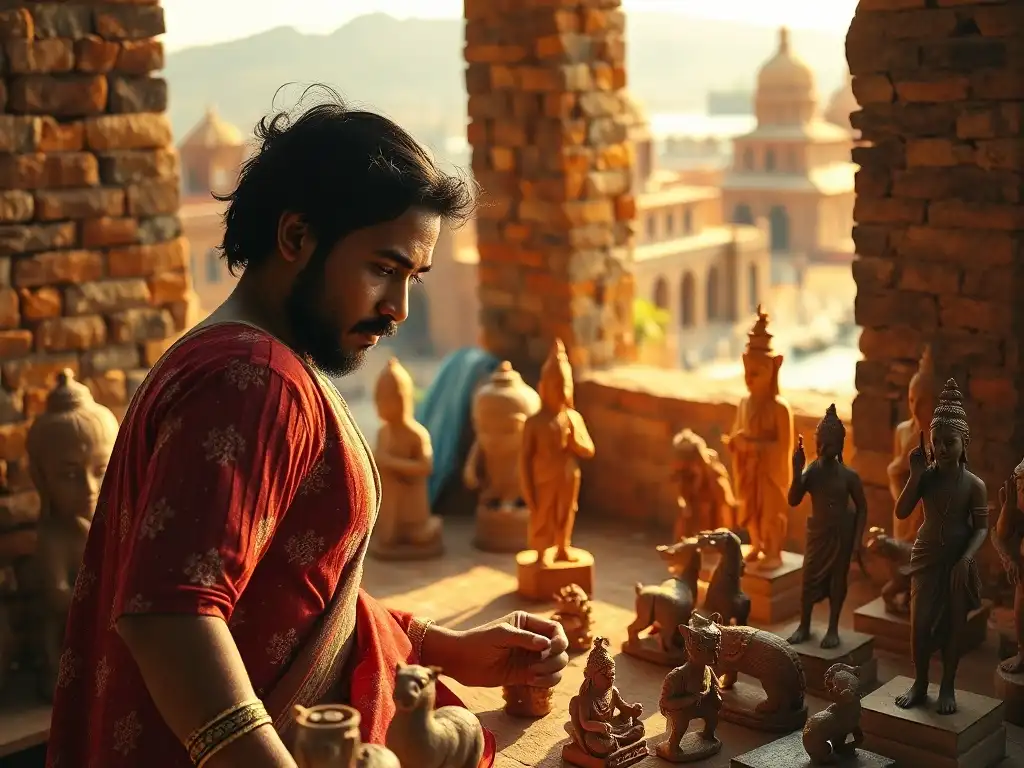
Sculpture during the Indus Valley Civilization demonstrates a remarkable level of artistic achievement and reflects the society's values and norms. The sculptural works were not merely decorative but also served functional and symbolic purposes, linking them closely to the daily lives of the people.
Prominent Sculptural Works and Their Significance
Among the most notable sculptural works of the Indus Valley are the famous "Dancing Girl" and the "Priest-King" statuette, both of which highlight the sophistication of their creators.
- Dancing Girl: This bronze figure, approximately 4.1 inches tall, is emblematic of the artistic finesse of the civilization. It portrays a young girl in a dynamic pose, showcasing both movement and grace, and is often interpreted as a representation of vitality and cultural expression.
- Priest-King Statuette: Found in the city of Mohenjo-Daro, this figure is thought to represent a ruler or high-status individual. The intricate details of the attire suggest a society with a structured hierarchy and possibly religious undertones.
These prominent works underscore the artistic innovation and cultural richness of the Indus Valley, serving as essential artifacts for understanding their historical context.
Techniques in Sculpting: Tools and Materials
The techniques employed in the sculpting of the Indus Valley artworks reveal a high degree of skill and craftsmanship. Artisans used various tools and methods, adapting their practices to the materials available.
- Tools: The primary tools likely included chisels, hammers, and other hand tools made from harder materials. Evidence suggests that artisans were adept at using these tools to create detailed carvings and smooth surfaces.
- Casting Techniques: The lost-wax casting technique was prominently used for metal sculptures, enabling artisans to create intricate designs that showcased a mastery of bronze working.
- Carving: For stone sculptures, artisans employed techniques such as direct carving, where they would work directly on the stone to achieve the desired form. This method required both precision and an understanding of the material’s properties.
The diverse techniques employed highlight the ingenuity and adaptability of the Indus Valley artisans in their approach to sculpture.
Comparison of Sculpture Styles within the Civilization
The sculpture styles of the Indus Valley Civilization exhibit a variety of influences and techniques that reflect the diversity within the culture. While there are commonalities in style, such as realism and attention to detail, distinct regional variations are evident.
- Urban Centers: Sculptures from major urban centers like Harappa and Mohenjo-Daro often display a higher level of sophistication and complexity compared to those from smaller settlements. This difference may be attributed to the availability of resources and the presence of skilled artisans in urban areas.
- Thematic Differences: Some regions favored animal figures, while others emphasized human forms, indicating varied cultural priorities. For example, the prevalence of animal motifs in certain artifacts reflects local beliefs and practices, while human figures may denote social or religious significance.
- Material Choices: The choice of materials also varied by region, with some areas favoring clay and terracotta, while others utilized stone or metal. This variation not only influenced the stylistic outcomes but also the durability and functionality of the sculptures.
The comparative analysis of sculpture styles within the Indus Valley Civilization reveals a rich tapestry of artistic expression, reflecting the complexity of its cultural landscape.
Pottery and Ceramics: A Reflection of Indus Valley Culture
The pottery and ceramics of the Indus Valley Civilization represent not only functional objects but also significant artistic expressions that reflect the culture and lifestyle of its people. Dating back to around 2500 BCE, the Indus Valley potters exhibited remarkable craftsmanship and creativity, showcasing a wide variety of shapes, sizes, and decorative motifs. Pottery served various purposes, including storage, cooking, and ceremonial uses, highlighting its integral role in daily life. The materials used, primarily clay, were abundant in the region, allowing artisans to experiment with different techniques and styles.
The designs found on Indus Valley pottery often depict intricate patterns, geometric shapes, and motifs inspired by the natural environment, such as plants and animals. This artistic expression is indicative of the civilization's connection to their surroundings, as well as their advanced understanding of aesthetics and symbolism. The study of pottery from this era provides valuable insight into the social, economic, and spiritual aspects of Indus Valley society, making it a crucial area of exploration in understanding their visual arts history.
Types of Pottery in the Indus Valley
The Indus Valley Civilization is renowned for its diverse pottery types, each serving specific functions and demonstrating varying degrees of sophistication. Key types include:
- Red and Black Ware: Characterized by its distinctive red body and black slip, this pottery was often used for both daily activities and rituals. The contrast in colors made it visually striking, showcasing the potters' skill.
- Painted Pottery: Many vessels were adorned with intricate painted designs, often featuring geometric patterns, animal figures, and human motifs. The use of natural pigments indicates a developed understanding of color and decoration.
- Terracotta Figurines: These small sculptures often depict animals, humans, and deities, reflecting the spiritual beliefs and daily life of the Indus people. Figurines were used in both domestic and religious contexts.
- Storage Jars and Containers: Large jars were essential for storing grains, water, and other commodities. Their shapes varied from large, round bodies to narrow-necked containers, illustrating functional design.
These diverse pottery types not only served utilitarian purposes but also conveyed messages about the social status and cultural identity of the individuals and communities that used them.
Decorative Techniques and Their Cultural Meaning
The decorative techniques employed by Indus Valley potters were diverse and rich in cultural significance. Among the prominent techniques were:
- Incising: This method involved carving designs into the clay before firing. The incised patterns often had symbolic meanings, possibly linked to beliefs or social status.
- Painting: Pottery was frequently painted with natural pigments. The use of colors and patterns could signify various aspects of life, such as fertility, prosperity, or protection.
- Glazing: Although less common in the Indus Valley, some ceramics featured glazing techniques that enhanced their appearance and durability, showcasing technological advancements in pottery.
- Molding and Shaping: The use of molds allowed potters to create uniform shapes and sizes, reflecting an organized approach to production and trade.
These decorative techniques not only enhanced the aesthetic appeal of the pottery but also served as a means of cultural expression. They provided a visual language through which artisans could communicate their values, beliefs, and social structures.
The Role of Pottery in Daily Life and Trade
Pottery played a fundamental role in the daily life of the Indus Valley people, facilitating various domestic activities. Cooking pots, storage jars, and drinking vessels were essential in households, indicating the importance of pottery in sustenance and community gatherings. The craftsmanship involved in creating these items also suggests a level of specialization among potters, highlighting the existence of skilled artisans within the society.
In terms of trade, pottery served as a significant commodity. The unique styles and quality of Indus Valley ceramics made them highly sought after, both within the civilization and in trade with neighboring regions. Archaeological findings reveal that pottery was often exchanged for goods such as metals, textiles, and food items, indicating the interconnectedness of the Indus Valley with other contemporary cultures. This trade not only contributed to the economy but also facilitated the exchange of ideas and artistic techniques.
The Influence of Indus Valley Visual Arts on Later Cultures
The artistic legacy of the Indus Valley Civilization extended beyond its time, influencing subsequent cultures and artistic practices in the region. The sophistication of their visual arts set a precedent for future civilizations, particularly in the realms of pottery and sculpture. The techniques and styles developed during this period laid the foundation for various artistic movements, echoing through history.
Transmission of Artistic Techniques to Successor Civilizations
As the Indus Valley Civilization transitioned into the post-Harappan period, many of its artistic techniques and motifs were adopted and adapted by successor cultures. The use of pottery techniques, such as glazing and incising, can be traced in the artifacts of later civilizations, including the Maurya and Gupta Empires. The continuity of these practices suggests a cultural transmission that occurred through trade, migration, and interaction among communities.
Moreover, the thematic elements present in Indus Valley visual arts—such as depictions of animals, human figures, and natural motifs—found their way into the artistic expressions of later cultures. This blending of styles contributed to a rich tapestry of artistic innovation that characterized ancient Indian art.
Impact on Regional Art Forms and Practices
The impact of Indus Valley visual arts is evident not only in the direct continuation of pottery techniques but also in the broader regional art forms that emerged in the Indian subcontinent. The emphasis on intricate designs and symbolic representations influenced various art forms, including sculpture, textile design, and architecture.
For example, the terracotta figurines of the Indus Valley inspired later sculptural traditions, which often reflected similar themes of religion and daily life. Additionally, the geometric patterns commonly found in Indus pottery can be seen in the decorative arts of later periods, showcasing a lasting legacy.
The visual arts of the Indus Valley Civilization were not merely products of their time; they were pioneering expressions that shaped the artistic landscape of ancient India and beyond. The techniques, styles, and themes developed during this period remain a crucial part of the region's cultural heritage.
Preservation and Legacy of Indus Valley Visual Arts
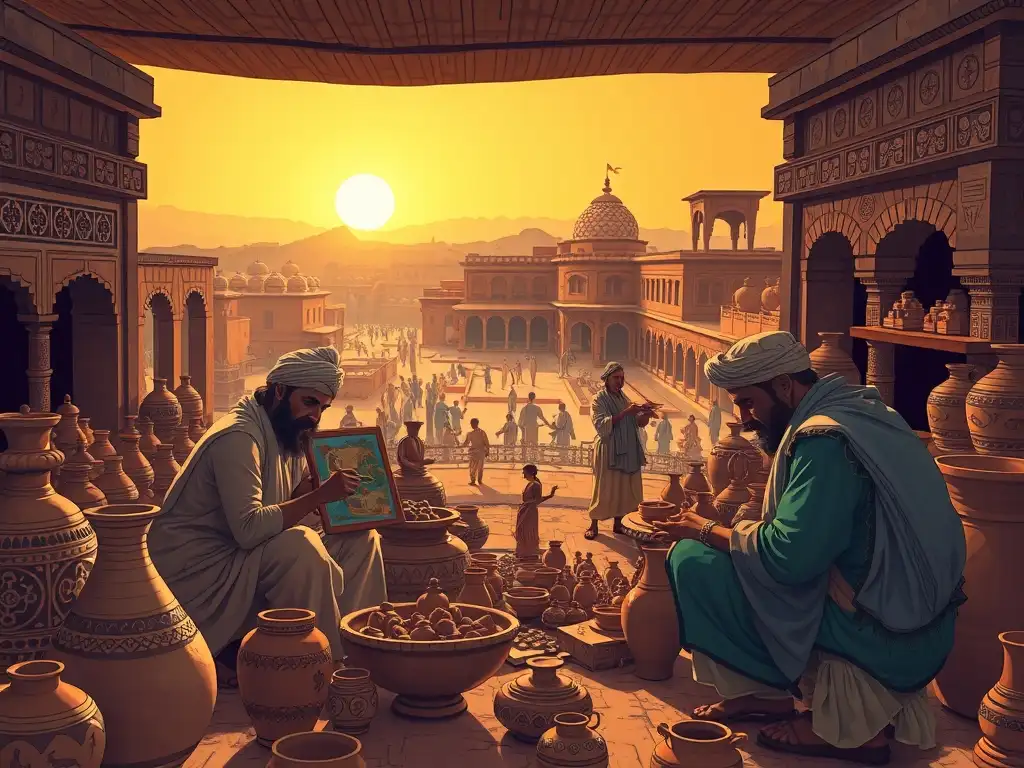
The preservation and legacy of Indus Valley visual arts are crucial to understanding the cultural and artistic achievements of one of the world's earliest urban civilizations. The remnants of their artistic expression, including pottery, seals, and sculptures, provide invaluable insights into the daily life, religious practices, and social structures of the Indus Valley people. These artifacts, which have survived for millennia, serve as a testament to the sophistication and creativity of this ancient civilization.
Despite the passage of time, the visual arts of the Indus Valley continue to influence modern art and design, highlighting the importance of their aesthetic principles and techniques. The legacy of this civilization can be seen in contemporary art forms that draw inspiration from its motifs and styles, ensuring that the creative spirit of the Indus Valley endures.
Archaeological Discoveries and Their Importance
Archaeological discoveries have played a pivotal role in uncovering the visual arts of the Indus Valley Civilization, which thrived between 3300 and 1300 BCE. Excavations at significant sites like Harappa and Mohenjo-Daro have revealed a wealth of artifacts, including intricate pottery adorned with geometric patterns, terracotta figurines, and meticulously carved seals that depict various motifs.
These discoveries are essential not only for understanding the artistic techniques employed by the Indus Valley artisans but also for providing insights into their cultural beliefs and societal norms. For instance, the recurring themes of animals and fertility in their art suggest a strong connection to nature and possibly religious practices. Furthermore, the craftsmanship displayed in these artifacts indicates a high level of skill and artistic innovation, contributing to our appreciation of ancient art forms.
Current Efforts in Preserving Indus Valley Art
Preservation efforts for Indus Valley visual arts involve a combination of archaeological, educational, and conservation initiatives aimed at safeguarding these invaluable artifacts. Museums housing Indus Valley collections are implementing best practices in conservation techniques to ensure the longevity of materials such as clay, terracotta, and metal.
Additionally, ongoing archaeological excavations and surveys are crucial in discovering new sites and artifacts that can expand our understanding of the civilization's artistic heritage. Collaborative efforts between local governments, international organizations, and academic institutions are also promoting awareness and appreciation of these ancient arts, ensuring that future generations can explore and learn from the rich visual culture of the Indus Valley.
Conclusion: The Enduring Impact of Indus Valley Visual Arts
The visual arts of the Indus Valley Civilization have left an indelible mark on the history of art, influencing not only contemporaneous cultures but also subsequent artistic traditions in the Indian subcontinent and beyond. The intricate designs and motifs found in their artifacts continue to resonate with modern artists and designers, proving the timeless nature of their creativity.
Summary of Contributions to Art History
In the broader context of art history, the contributions of the Indus Valley Civilization are significant. Their sophisticated use of form, color, and symbolism laid the groundwork for later artistic developments in the region. The civilization's emphasis on harmony and balance in design can be traced through various art forms that emerged in India, showcasing a continuity of aesthetic values that transcend time.
Reflection on the Importance of Understanding Ancient Visual Arts
Understanding ancient visual arts, particularly those from the Indus Valley, enriches our knowledge of human expression and cultural identity. It allows us to appreciate the complexity of past societies and their artistic endeavors, fostering a deeper connection to our shared heritage. By studying these ancient art forms, we gain insights into the values, beliefs, and daily lives of the people who created them, ensuring that their stories and contributions are not forgotten.
References and Further Reading
The study of Indus Valley visual arts history is enriched by a variety of scholarly works, articles, and online resources. These materials provide in-depth insights into the artistic expressions, techniques, and cultural significance of the artifacts from this ancient civilization. Below, we highlight suggested books, articles, and online resources that are invaluable for anyone looking to explore the visual arts of the Indus Valley Civilization in greater detail.
Suggested Books and Articles on Indus Valley Visual Arts
-
"The Indus Civilization: A Contemporary Perspective" by Jane McIntosh
This book offers a comprehensive overview of the Indus Valley Civilization, including its art and culture, with specific sections dedicated to visual arts and their evolution.
-
"The Art of the Indus Valley Civilization" by J. C. Harle
This scholarly article delves into the various forms of art produced during the Indus Valley period, analyzing the techniques and materials used by artists of the time.
-
"Indus Valley Civilization: A Historical Overview" by R. S. Sharma
This historical account explores the broader context of the Indus Valley Civilization, including a dedicated chapter on its artistic achievements and visual culture.
-
"Sculpture of the Indus Valley Civilization" by R. K. Sharma
This book focuses specifically on the sculpture of the Indus Valley, examining notable pieces and their significance within the framework of ancient Indian art.
-
"The Seals of the Indus Valley Civilization" by Jonathan Mark Kenoyer
This article investigates the unique seals created by the Indus Valley artisans, highlighting their intricate designs and implications for understanding the civilization's trade and communication.
Online Resources for Further Exploration of Ancient Indian Art
-
Archaeological Survey of India
The official website provides access to a wealth of resources, including reports, excavations, and findings related to the Indus Valley Civilization and its artistic contributions.
-
The British Museum: Indus Valley Collection
The British Museum features an online collection of artifacts from the Indus Valley, complete with detailed descriptions and historical context, making it a valuable resource for visual arts enthusiasts.
-
Digital Himalaya
This online repository focuses on the cultural heritage of the Himalayan region, including materials related to the Indus Valley Civilization. It offers digital access to various documents and visual resources.
-
SAP Project: The South Asian Archaeology Project
This initiative hosts a range of articles, images, and research papers on South Asian archaeology, with sections dedicated to the visual arts of the Indus Valley.
-
National Museum, New Delhi
The museum's website includes virtual exhibitions and information about its collection of Indus Valley artifacts, providing insights into the art forms that flourished during this period.
By exploring these suggested books, articles, and online resources, readers can significantly enhance their understanding of the rich visual arts history of the Indus Valley Civilization and its lasting impact on ancient Indian culture.
- Introduction to Indus Valley Civilization
- The Historical Context of Indus Valley Visual Arts
- Key Features of Indus Valley Visual Arts
- Sculpture in the Indus Valley Civilization
- Pottery and Ceramics: A Reflection of Indus Valley Culture
- The Influence of Indus Valley Visual Arts on Later Cultures
- Preservation and Legacy of Indus Valley Visual Arts
- Conclusion: The Enduring Impact of Indus Valley Visual Arts
- References and Further Reading
- What is the significance of the Indus Valley Civilization in visual arts history?
- What types of art were prevalent in the Indus Valley?
- How did the visual arts of the Indus Valley influence later civilizations?
- What materials were commonly used in Indus Valley art?
- Are there any notable artworks from the Indus Valley Civilization?
Frequently Asked Questions
What is the significance of the Indus Valley Civilization in visual arts history?
The Indus Valley Civilization is considered a pioneer in early visual arts, showcasing advanced techniques in pottery, sculpting, and urban design that laid the groundwork for future artistic achievements.
What types of art were prevalent in the Indus Valley?
The Indus Valley was known for its terracotta figurines, intricate seals, and stone sculptures, reflecting a rich tradition of craftsmanship and artistic expression.
How did the visual arts of the Indus Valley influence later civilizations?
The visual arts of the Indus Valley served as a foundation for subsequent Indian cultures, influencing styles and techniques that emerged during the Mauryan and Gupta Empires.
What materials were commonly used in Indus Valley art?
Artists in the Indus Valley primarily used materials such as clay, stone, and metals to create their artworks, indicating a high level of resourcefulness and skill in material handling.
Are there any notable artworks from the Indus Valley Civilization?
Yes, one of the most notable artworks is the Dancing Girl statuette, which exemplifies the artistic sophistication and cultural significance of the Indus Valley Civilization.
Final Reflection: The Enduring Legacy of Indus Valley Visual Arts
The exploration of Indus Valley visual arts history reveals a profound connection between ancient creativity and contemporary cultural identity. As we delve into the intricate craftsmanship and artistic innovations of this remarkable civilization, we uncover not only their aesthetic achievements but also their influence on modern artistic expressions. The legacy of the Indus Valley Civilization continues to resonate today, reminding us of the power of creativity in shaping societies and cultures.
The impact of Indus Valley visual arts is evident in the way it has inspired generations of artists and historians alike. The intricate seals, pottery, and sculptures serve as a testament to the ingenuity of a society that thrived thousands of years ago. Their artistry reflects a deep understanding of form, function, and symbolism, which continues to inform our appreciation of art today. Art is the most beautiful of all lies.
This quote encapsulates the essence of how the visual arts transcend time, allowing us to connect with the past while enriching our present.
As we reflect on the significance of the Indus Valley visual arts, I invite you to consider how these ancient expressions of creativity can inspire your own artistic journey. Let the stories of these pioneers encourage you to explore your own creative potential, to embrace the beauty of self-expression, and to recognize the timeless nature of art in bridging cultures and generations. By engaging with the lessons of the past, we can cultivate a deeper appreciation for the arts and contribute to a vibrant cultural tapestry that honors our shared human experience.
Unravel the Wonders of Early Visual Arts!
Thank you for exploring the fascinating world of the Indus Valley Civilization with us! You’ve uncovered the roots of early visual arts and the innovative spirit of a remarkable society. Now, let’s take your journey further by taking action and connecting deeper with this incredible history.
- Dive deeper: Explore related ancient art forms by visiting your local museum or an online collection showcasing artifacts from the Indus Valley.
- Share your insights: Discuss your discoveries with friends or on social media to inspire others to appreciate our shared heritage.
- Join a community: Connect with fellow history enthusiasts on forums or social media groups dedicated to ancient civilizations.
How do you think the creative expressions of the Indus Valley influenced art developments in later cultures? We would love to hear your thoughts!