
The Influence of Religion on Ancient Indian Visual Arts: A Cultural Exploration

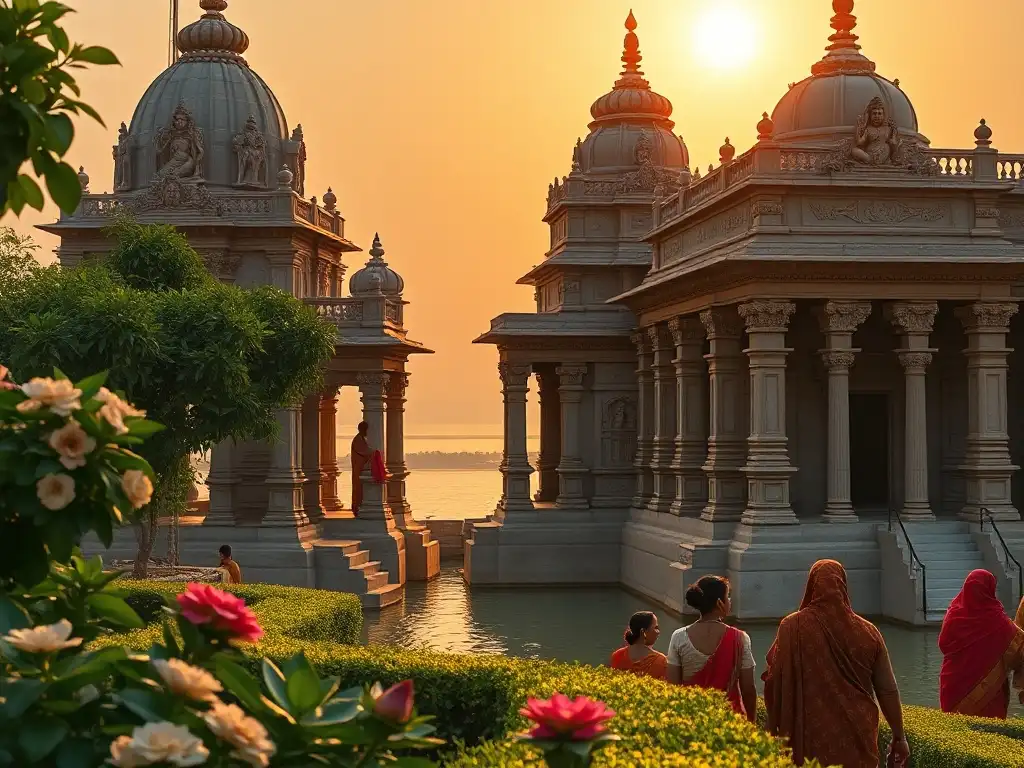
Welcome to Ancient India History, where we embark on a captivating journey through the rich tapestry of ancient Indian civilizations. In this exploration, we delve into the profound interplay between religion and art, illuminating how spiritual beliefs have shaped visual expressions throughout history.
Our featured article, "The Influence of Religion on Ancient Indian Visual Arts: A Cultural Exploration," invites you to uncover the intricate connections between devotion and creativity that flourished from the Indus Valley to the Gupta Empire. Prepare to be inspired as we unveil the sacred narratives embedded in the vibrant art forms of this remarkable era—your adventure into the heart of ancient India's artistic legacy starts here!
Introduction to Religion in Ancient Indian Art
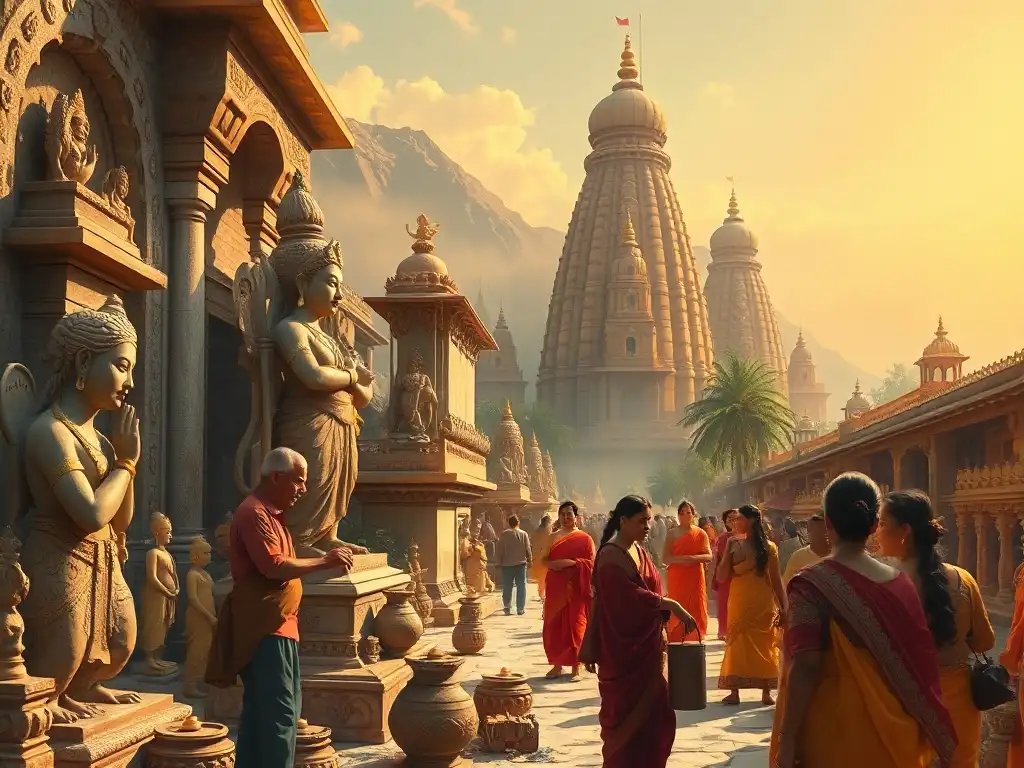
The intricate tapestry of ancient Indian visual arts is deeply interwoven with the religious beliefs and practices that flourished across the subcontinent. From the majestic sculptures of temple deities to the vibrant frescoes depicting divine narratives, religion in ancient Indian art served not only as a medium of expression but also as a vehicle for spiritual and cultural communication.
This article delves into how religion shaped artistic endeavors in ancient India, highlighting the profound impact it had on various art forms and the legacy it left behind. Through an exploration of historical contexts and religious influences, we aim to understand the essence of sacred art in ancient Indian civilization, spanning from the early Indus Valley period to the heights of the Gupta Empire.
Overview of Ancient Indian Visual Arts
Ancient Indian visual arts encompass a wide array of styles and techniques that reflect the rich cultural heritage of the region. These arts include:
- Sculpture: Often created for temples and monuments, sculptures depicted deities, mythological figures, and everyday life, each piece telling a story through intricate details and symbolism.
- Painting: From the vibrant murals of Ajanta to the exquisite miniatures of later periods, painting in ancient India was characterized by bold colors and intricate designs, often illustrating religious themes.
- Architectural Designs: Temples and stupas were not only places of worship but also masterpieces of architectural innovation, incorporating religious motifs and symbols into their layouts and facades.
The artistic expressions of ancient India were not merely decorative; they encapsulated spiritual beliefs and societal values, making religion a central theme in the evolution of visual arts.
Significance of Religion in Cultural Expression
Religion played a pivotal role in shaping the cultural landscape of ancient India. Art was often a reflection of the prevailing religious ideologies, serving to:
- Communicate Beliefs: Artistic works conveyed complex theological concepts, making them accessible to a broader audience, and fostering a shared understanding of spiritual narratives.
- Facilitate Worship: Visual arts were integral to devotional practices, with sculptures and paintings acting as focal points for meditation and prayer, thereby enhancing the worship experience.
- Preserve Traditions: Through the depiction of religious stories and figures, artists preserved cultural narratives and traditions, ensuring their transmission across generations.
By examining the interplay between religion and art, we uncover the ways in which ancient Indian cultures expressed their spirituality and values through creative endeavors.
Historical Context of Religion in Ancient India
Understanding the influence of religion on ancient Indian art necessitates a look back at the historical context in which these beliefs developed. Ancient India was a melting pot of various religious traditions, each contributing to the rich artistic heritage.
Major Religions Influencing Art: Hinduism, Buddhism, and Jainism
The primary religions that shaped ancient Indian art include:
- Hinduism: The dominant faith, with its pantheon of deities and epic narratives, inspired countless sculptures and temple designs. Iconography in Hindu art is rich with symbolism, often depicting gods and goddesses in elaborate forms.
- Buddhism: Emerging in the 6th century BCE, Buddhism introduced unique artistic expressions, such as stupas and monastic architecture. The depiction of the Buddha in various postures and mudras became a defining characteristic of Buddhist art.
- Jainism: Known for its emphasis on non-violence and asceticism, Jain art is characterized by intricately carved temples and detailed depictions of tirthankaras (spiritual teachers), reflecting its spiritual ideals.
Each of these religions not only influenced the themes and styles of visual arts but also contributed to the diverse cultural heritage of ancient India.
Timeline of Religious Development and Artistic Expression
The evolution of religion in ancient India can be traced through significant historical milestones that coincide with artistic advancements. Here is a brief timeline highlighting key developments:
| Period | Religious Development | Artistic Expression |
|---|---|---|
| Indus Valley (c. 2500–1500 BCE) | Early religious practices, possibly proto-Hinduism | Seals and terracotta figurines with ritual significance |
| Vedic Period (c. 1500–500 BCE) | Rise of Vedic traditions and early Hinduism | Limited artistic expression, focus on oral traditions |
| Mauryan Empire (c. 322–185 BCE) | Emergence of Buddhism under Ashoka | Introduction of stone-carved stupas and edicts |
| Gupta Period (c. 320–550 CE) | Flourishing of Hinduism and classical art | Development of intricate temple art and sculptures |
This timeline encapsulates the dynamic interplay between religious evolution and artistic expression, illustrating how the spiritual beliefs of the time were reflected in the visual arts, creating a rich cultural heritage that continues to inspire and inform contemporary understanding of ancient India.
Key Themes in Ancient Indian Religious Art
Ancient Indian religious art is deeply intertwined with the spiritual beliefs and practices of its time. The key themes prevalent in this art reflect the diverse religious traditions that flourished in the subcontinent, including Hinduism, Buddhism, and Jainism. Each of these religions contributed uniquely to the visual arts, shaping the overall aesthetic and thematic representations found in sculptures, paintings, and architecture.
Prominent themes include the glorification of deities, the representation of significant religious narratives, and the creation of sacred spaces. These elements not only served as a means of worship but also as a method of communicating complex philosophical ideas and moral teachings. The interplay of these themes often reveals the socio-cultural contexts of the periods in which they were created, providing insight into how religion influenced daily life and societal values.
Depictions of Deities: Symbolism and Iconography
In ancient Indian art, the depiction of deities is marked by rich symbolism and intricate iconography. Each deity is represented with specific attributes that embody their powers and characteristics. For example, the goddess Durga is often depicted riding a tiger or lion, symbolizing her strength and ferocity, while holding various weapons that signify her ability to combat evil.
The use of color, posture, and facial expressions in these artworks carries significant meaning. A serene expression may denote peace and compassion, while a fierce demeanor could indicate a protective stance. The arrangement of figures within the composition also plays a crucial role, often conveying hierarchical relationships among deities and their devotees. The consistent use of these symbols throughout different time periods helped to establish a recognizable visual language that transcended regional differences.
Religious Narratives in Visual Arts: Myths and Legends
The visual arts of ancient India are replete with narratives derived from religious texts, myths, and legends. These stories, often depicted through frescoes and sculptures, serve both educational and devotional purposes. For instance, the Ramayana and Mahabharata epics are frequently illustrated, bringing to life the adventures of key figures like Rama, Sita, Arjuna, and Krishna.
Artists employed narrative sequences to guide the viewer through significant episodes, allowing for a deeper engagement with the story. This approach not only enhanced the viewer's understanding of religious teachings but also reinforced the moral and ethical lessons embedded within these narratives. The ability to visualize these stories helped in the preservation and transmission of cultural heritage across generations.
Sacred Spaces: Temples as Artistic Expressions
Temples in ancient India stand as monumental examples of religious art, illustrating the convergence of architecture, sculpture, and painting. These sacred spaces were not merely places of worship but were designed to embody the cosmos and serve as a microcosm of the universe. The intricate carvings, elaborate gateways (toranas), and towering spires (shikharas) reflect the spiritual aspirations of the devotees.
The layout of temples often follows a prescribed geometry, symbolizing harmony and order. Inside, the sanctum sanctorum houses the main deity, surrounded by various other figures that enhance the spiritual atmosphere. The artistic expressions found in temple architecture also reveal regional variations, showcasing the unique cultural identities of different communities while adhering to the underlying religious principles.
Techniques and Materials in Ancient Indian Religious Art
The techniques and materials used in ancient Indian religious art were as diverse as the themes and subjects they portrayed. Over centuries, artisans developed sophisticated methods to create enduring works of art that expressed their devotion and artistic skill.
Common Materials Used in Religious Art
Ancient Indian artists utilized a variety of materials to craft their religious art, each chosen for its aesthetic and durable qualities. Stone was the most prominent material for sculptures, with sandstone and granite being particularly favored for their workability and longevity. Wood was also commonly used, especially for temple carvings and smaller statuettes, allowing for intricate detailing.
In addition to stone and wood, metals like bronze played a crucial role in producing ritual objects and idols. The lost-wax casting technique enabled artisans to create detailed and expressive figures, often used in temple rituals. Paintings, on the other hand, frequently employed natural pigments derived from minerals, plants, and animal sources, providing vibrant colors that have withstood the test of time.
Artistic Techniques: Sculpting, Painting, and Architecture
The artistic techniques employed in ancient Indian religious art varied widely, reflecting the skill and creativity of the artisans. Sculpting was a predominant method, with techniques such as carving, chiseling, and modeling utilized to bring deities and narratives to life in three dimensions. The precision and attention to detail in these sculptures often conveyed a sense of movement and emotion, enhancing the viewer's connection to the divine.
Painting techniques also flourished, particularly in the form of frescoes and manuscript illustrations. Artists developed methods for applying colors that adhered well to surfaces, allowing for vibrant depictions of religious themes. Additionally, architectural techniques, such as the use of corbel arches and intricate stone joinery, contributed to the grandeur of temple structures, showcasing the artistic and engineering capabilities of ancient Indian civilization.
Through these varied techniques and materials, ancient Indian religious art continues to inspire admiration and study, providing a window into the spiritual and artistic legacy of the region.
Regional Variations in Religious Art
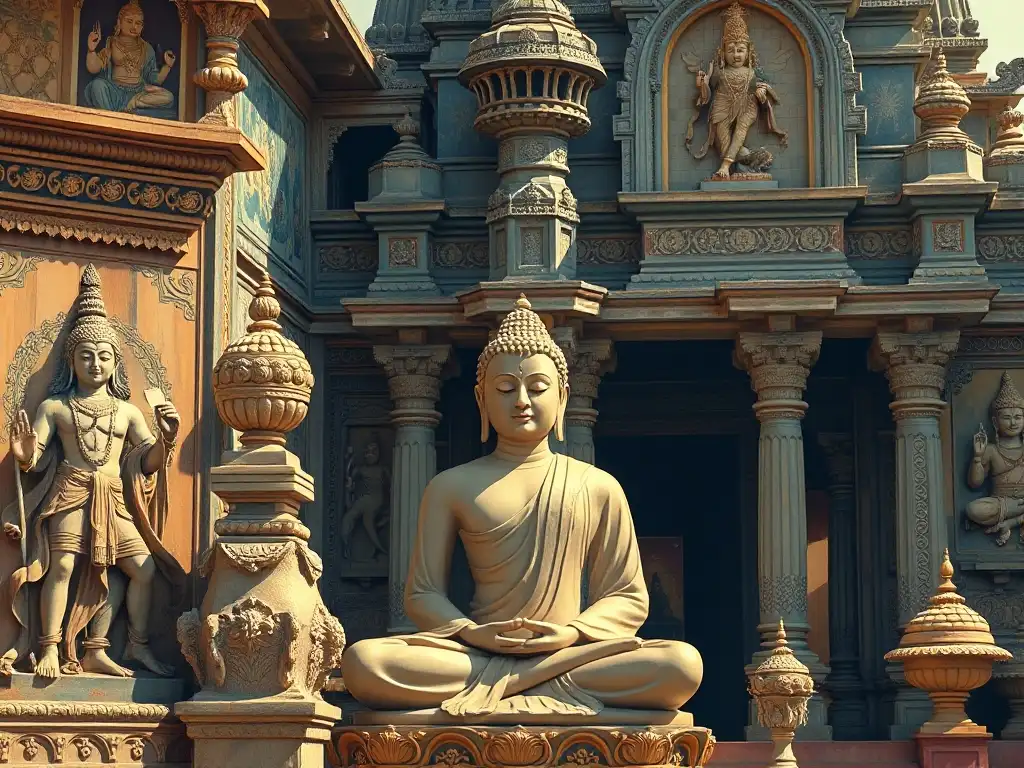
The vast expanse of ancient India showcased a multitude of regional variations in religious art, each reflecting the unique cultural, spiritual, and historical contexts of the area. These variations can be observed in the distinct styles, materials, and iconography that define religious art across different regions. While the core themes often revolve around the major religions of the time—Hinduism, Buddhism, and Jainism—the interpretation and expression of these themes varied significantly from one region to another. This diversity not only highlights the rich tapestry of beliefs but also the local influences that shaped the artistic output of ancient Indian civilization.
North Indian Religious Art: Styles and Influences
North Indian religious art is characterized by its intricate and ornate styles, heavily influenced by the socio-political milieu of the time. The emergence of powerful dynasties such as the Mauryas and Guptas played a pivotal role in the evolution of artistic expressions.
Key features of North Indian religious art include:
- Sculptural Excellence: The period saw the rise of highly detailed sculptures, particularly in the Buddhist context. The Sarnath Lion Capital and the stupas at Sanchi are prime examples showcasing the finesse of stone carving.
- Temple Architecture: The Nagara style of temple architecture flourished, characterized by its curvilinear shikhara (spire) and intricate carvings depicting deities and mythological scenes.
- Mural Paintings: Frescoes in temples, particularly in places like Khajuraho, displayed vibrant colors and dynamic compositions, illustrating various aspects of spirituality and daily life.
The influence of Buddhism in this region is particularly notable, with monasteries and stupas becoming significant centers for artistic development, which influenced subsequent Hindu temple art.
South Indian Visual Arts: Distinctive Characteristics
In contrast to the North, South Indian religious art is renowned for its grandeur and monumental scale, particularly in temple architecture. The Dravidian style, prevalent in this region, is marked by specific characteristics that distinguish it from its northern counterpart.
Prominent features include:
- Gopurams: The towering gateway towers of temples, adorned with a plethora of colorful sculptures depicting deities, mythological stories, and floral motifs, embody the vibrancy of South Indian culture.
- Carvings and Reliefs: The intricate stone carvings found in temples like Brihadeeswarar Temple in Thanjavur demonstrate exceptional craftsmanship, often narrating stories from the epics.
- Bronze Sculptures: The Chola dynasty is particularly famous for its bronze sculptures, especially the Nataraja (dancing Shiva), which symbolizes cosmic energy and divine rhythm.
The South's emphasis on ritual and the divine also influenced the use of art as a medium for worship, with every sculpture and painting serving a religious purpose.
East and West Indian Art Forms: A Comparative Analysis
East and West Indian art forms present a fascinating juxtaposition of themes and techniques, each influenced by local traditions and religious practices.
In Eastern India, particularly in Bengal and Odisha, art forms like Pattachitra painting and the intricate stone carvings of the Konark Sun Temple reflect a deep-rooted connection to the region's Hindu traditions. The focus on storytelling and mythological themes is prevalent, with art serving as a vehicle for cultural transmission.
Conversely, Western India, notably Gujarat and Rajasthan, showcases a blend of Hindu and Jain artistic expressions, characterized by:
- Mithila and Warli Art: These forms emphasize folk narratives, vibrant colors, and community life, often incorporating religious themes.
- Marble and Sandstone Carvings: The intricate jali work and detailed reliefs found in Jain temples in Gujarat highlight the region's unique approach to religious art.
Overall, while both regions share common religious themes, their artistic expressions diverge significantly, influenced by local customs, materials, and historical developments.
The Role of Religion in the Patronage of Art
Religion played a fundamental role in the patronage of art throughout ancient India, shaping not only the subject matter but also the scale and style of artistic endeavors. The intertwining of religious beliefs and artistic expression created a fertile ground for the flourishing of visual arts, with temples and religious institutions acting as significant patrons.
Influence of Royal Patronage on Religious Art
The support from royal dynasties was crucial in the development of religious art in ancient India. Rulers often commissioned artworks to demonstrate their devotion, legitimize their power, and leave a lasting legacy. This patronage manifested in several ways:
- Temples as Artistic Hubs: Kings and emperors financed the construction of grand temples that served as both places of worship and centers for artistic innovation. The monumental architecture and intricate sculptures often reflected the ruler's aspirations and religious affiliations.
- Sponsorship of Artists: Royal courts became patronage centers for artists, providing them with resources and support. This led to the emergence of distinct artistic styles that were often associated with specific dynasties, such as the Gupta and Chola styles.
- Cultural Exchange: The patronage of art facilitated cultural exchanges between regions, as artists traveled to showcase their skills and learn from one another. This cross-pollination of ideas enriched the overall artistic landscape of ancient India.
Temples as Centers of Artistic Innovation
Temples in ancient India were not merely places of worship; they served as vibrant centers of artistic innovation. The confluence of religion, community, and artistry within these sacred spaces fostered an environment conducive to creativity and experimentation.
Key aspects include:
- Architectural Innovations: Temples were sites for architectural experimentation, leading to the development of unique styles and construction techniques that reflected the spiritual ethos of the time.
- Artistic Workshops: Many temples housed workshops where artisans crafted sculptures, paintings, and textiles, allowing for a collaborative environment that propelled artistic excellence.
- Ritualistic Art: The art created for temples was often imbued with religious significance, serving specific ritualistic purposes that reinforced the connection between art and spirituality.
In essence, temples functioned as dynamic cultural institutions where art flourished under the auspices of religious devotion, leaving a lasting impact on the visual narrative of ancient India.
Case Studies of Notable Religious Artworks
The exploration of religion in ancient Indian art reveals a treasure trove of masterpieces that embody the spiritual beliefs of their time. These artworks not only reflect the religious sentiments of various communities but also showcase the evolution of artistic techniques and styles. Among the most prominent examples are the Ajanta Caves and the Brihadeeswarar Temple, which stand as testaments to the profound relationship between faith and creativity in ancient India.
The Ajanta Caves: A Fusion of Religion and Art
The Ajanta Caves, located in Maharashtra, are a group of rock-cut Buddhist cave monuments that date back to the 2nd century BCE to the 6th century CE. These caves are renowned for their exquisite frescoes and sculptures that vividly illustrate the life of the Buddha and various Jataka tales, which recount the previous lives of the Buddha. The intricate artistry of the murals demonstrates a sophisticated understanding of perspective and proportion, revealing the artists' deep engagement with religious themes.
The caves served not only as monastic retreats for Buddhist monks but also as centers of learning and meditation. The narratives depicted in the art are imbued with spiritual teachings, emphasizing compassion, morality, and the path to enlightenment. The use of vibrant colors and detailed iconography invites viewers to reflect on the teachings of Buddhism, making the Ajanta Caves a pivotal site for understanding the intersection of religion and art in ancient India.
The Brihadeeswarar Temple: Architectural Marvel and Religious Significance
The Brihadeeswarar Temple, also known as the Peruvudaiyar Kovil, is an exemplary masterpiece of Tamil architecture built during the Chola dynasty in the 11th century. This temple is dedicated to Lord Shiva and showcases the grandeur of Dravidian architecture, featuring towering gopurams (gateway towers) and intricate carvings that narrate religious stories.
The temple's design is not merely aesthetic; it symbolizes the cosmic universe through its layout and orientation. The primary deity, housed in a sanctum, is surrounded by beautifully sculpted figures of deities and mythological beings. The artistry extends to the temple’s massive stone blocks, which are adorned with reliefs that illustrate stories from Hindu scriptures, fostering a sense of devotion and reverence among worshippers.
Moreover, the Brihadeeswarar Temple serves as a focal point of cultural activities, festivals, and rituals, intertwining the spiritual and social lives of the community. Its architectural brilliance and religious significance make it a vital case study in understanding the influence of religion on ancient Indian visual arts.
The Legacy of Religion in Ancient Indian Visual Arts
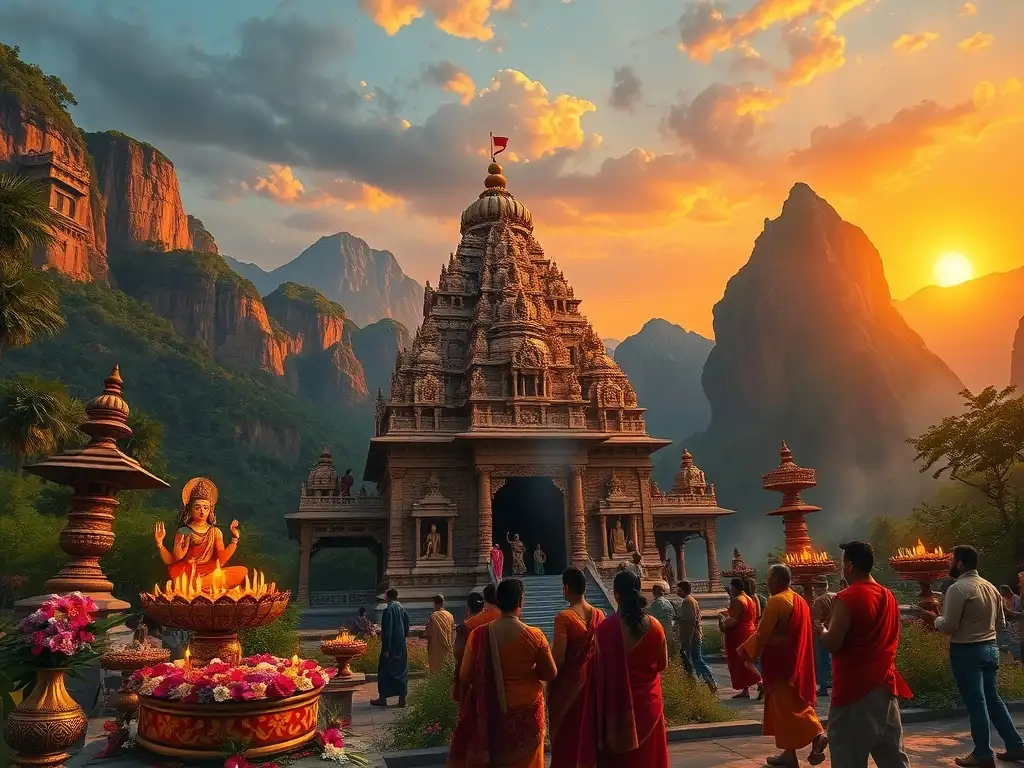
The impact of religion on ancient Indian visual arts extends far beyond the specific artworks of the past; it has left an indelible legacy that continues to shape artistic practices in India today. This legacy can be observed in the influence on subsequent art movements and the preservation of religious themes in modern Indian art.
Influence on Subsequent Art Movements
The foundational principles of religious art in ancient India have influenced various art movements throughout the centuries. From the Mughal miniatures, which incorporated Persian and Indian styles, to the modernist movements that embraced traditional motifs, the spiritual themes rooted in ancient artworks remain prevalent. Artists like Raja Ravi Varma and modern painters have drawn inspiration from the iconography and narratives of ancient Indian art, creating a dialogue between the past and present.
Moreover, the philosophy embedded in these artworks has inspired various contemporary artists to explore themes of spirituality and cultural identity. The revival of traditional techniques, such as Madhubani and Warli painting, reflects a conscious effort to reconnect with the rich heritage of religious art, emphasizing its enduring relevance in contemporary society.
Preservation of Religious Themes in Modern Indian Art
In modern Indian art, the themes of religion continue to hold significant value. Artists often incorporate elements from mythology, spirituality, and rituals into their work, bridging the gap between ancient traditions and modern expressions. The use of vibrant colors, intricate patterns, and symbolic representations reflects a deep respect for the cultural narratives passed down through generations.
Institutions and galleries dedicated to preserving Indian art also play a crucial role in showcasing religious artworks, ensuring that the spiritual essence of ancient art is not lost. Exhibitions focusing on traditional religious art forms educate the public and foster appreciation for the cultural richness of India's artistic legacy. This ongoing preservation and adaptation of religious themes affirm the vital role of religion in shaping the visual arts of ancient India and its continued influence on contemporary artistic practices.
Conclusion: The Lasting Impact of Religion on Ancient Indian Art
The influence of religion on ancient Indian visual arts is a profound testament to the intertwined nature of spirituality and creativity within the region's historical context. From the intricate sculptures of the Indus Valley Civilization to the majestic frescoes of the Gupta period, religious themes have consistently served as a primary source of inspiration for artists. The representation of deities, narratives from sacred texts, and the depiction of ritualistic practices reflect not only the religious beliefs of the time but also the societal values and cultural dynamics that shaped ancient Indian civilizations.
As we explore the evolution of religious motifs in art, it becomes evident that these artistic expressions were not merely decorative but served a larger purpose of communicating spiritual ideas and connecting individuals with the divine. The artistry found in temples, stupas, and other sacred spaces acted as a bridge between the material and spiritual worlds, inviting devotees to engage in a deeper understanding of their faith.
Summary of Key Points
- Integral Role of Religion: Religion acted as a foundational pillar for the development of various art forms in ancient India, influencing styles, themes, and techniques.
- Diverse Representations: Different religions, including Hinduism, Buddhism, and Jainism, contributed unique iconographies and narratives, enriching the visual arts landscape.
- Cultural Syncretism: The amalgamation of different religious beliefs fostered a diverse artistic expression, leading to innovative forms and styles that transcended regional boundaries.
- Art as a Medium of Devotion: Artworks were created not just for aesthetic appreciation but as acts of devotion, serving to enhance the spiritual experience of the worshippers.
Reflection on the Cultural Importance of Religion in Art
The cultural significance of religion in ancient Indian art extends beyond mere aesthetics; it encapsulates the values and philosophies of the society. Religious art served as a vehicle for storytelling, allowing viewers to engage with complex spiritual concepts and moral lessons. Furthermore, these artworks were instrumental in preserving cultural heritage and transmitting religious beliefs across generations.
The impact of religious themes in art is still evident today, as modern artists continue to draw inspiration from ancient traditions. This enduring legacy highlights the importance of understanding the historical context of religious influences in art as a means of appreciating the richness of ancient Indian civilization. The visual arts not only document religious practices but also reflect the societal shifts and transformations that occurred throughout different epochs.
References
Suggested Reading on Religion in Ancient Indian Art
- "The Art of Ancient India: Buddhist, Hindu, Jain": by John Guy - A comprehensive exploration of the major religious influences on ancient Indian art forms.
- "Indian Art" by Vidya Dehejia - This book provides insights into the intersection of religion and art in India, showcasing various timelines and styles.
Academic Sources for Further Exploration
- "Sculpture in Ancient India: A Study of Themes and Styles": by Naman P. Ahuja - An academic examination of the thematic elements in ancient Indian sculpture, focusing on religious iconography.
- "The Influence of Religion on Art in Ancient India" - A collection of essays analyzing the various ways religion shaped artistic practices and expressions throughout ancient Indian history.
- Introduction to Religion in Ancient Indian Art
- Historical Context of Religion in Ancient India
- Key Themes in Ancient Indian Religious Art
- Techniques and Materials in Ancient Indian Religious Art
- Regional Variations in Religious Art
- The Role of Religion in the Patronage of Art
- Case Studies of Notable Religious Artworks
- The Legacy of Religion in Ancient Indian Visual Arts
- Conclusion: The Lasting Impact of Religion on Ancient Indian Art
- References
- What role did religion play in ancient Indian art?
- How did the Indus Valley civilization influence religious art?
- What are some key religious themes found in ancient Indian visual arts?
- How did the Gupta Empire contribute to the development of religious art?
- What impact did religion have on the techniques used in ancient Indian art?
Frequently Asked Questions
What role did religion play in ancient Indian art?
Religion was a central theme in ancient Indian art, often reflecting spiritual beliefs and mythological narratives. Temples, sculptures, and paintings were created to honor deities and depict religious stories.
How did the Indus Valley civilization influence religious art?
The Indus Valley civilization showcased early examples of ritualistic art and symbolism. Artifacts such as seals and figurines suggest a spiritual connection to their environment and possibly influenced later religious expressions.
What are some key religious themes found in ancient Indian visual arts?
Key themes include Buddhism, Hinduism, and Jainism, often depicted through iconography, mandalas, and narrative scenes. These themes convey deep spiritual messages and cultural values.
How did the Gupta Empire contribute to the development of religious art?
The Gupta Empire is known for its golden age of art, where religious sculptures and cave paintings flourished. This period saw the refinement of styles and techniques that profoundly influenced later Indian art.
What impact did religion have on the techniques used in ancient Indian art?
Religious patronage often determined the techniques and materials used in art. Artists employed methods like fresco painting and stone carving to create intricate, lasting works that served religious purposes.
Final Reflection: The Enduring Legacy of Religion in Ancient Indian Art
The intricate relationship between religion and art in ancient India continues to resonate in today's cultural landscape. The vibrant visual expressions of spirituality not only shaped the artistic endeavors of their time but also laid the foundation for contemporary interpretations of faith and identity. As we explore the depths of ancient Indian art, we uncover a profound narrative that speaks to the universal human experience of seeking meaning and connection through creative expression.
The influence of religion on ancient Indian visual arts has left an indelible mark on our cultural heritage, shaping not just artistic styles but also societal values and beliefs. The stories told through sculptures, paintings, and architecture reflect a rich tapestry of spiritual devotion and philosophical inquiry that transcends time. Art is the most beautiful of all lies.
This quote encapsulates the idea that art, deeply intertwined with religion, serves as a medium through which we can explore and understand the complexities of existence and the divine.
As we reflect on the lessons derived from the interplay of religion and art in ancient India, let us consider how these insights can inspire our own lives. I invite you to explore your personal connection to art and spirituality, recognizing that each brushstroke and carving carries the weight of history and belief. Embrace the opportunity to create, reflect, and engage with the world around you, allowing the legacy of ancient Indian art to guide your journey toward understanding and expression in your own unique way.
Uncover the Rich Tapestry of Ancient Indian Visual Arts!
Thank you for exploring the fascinating interplay between religion and visual arts in ancient India. Your interest in this rich cultural legacy is invaluable! Now, it's time to dive deeper into your own journey of discovery and appreciation.
- Start your own art collection: Seek out local artists who draw inspiration from ancient Indian themes, and bring a piece of this incredible history into your home.
- Share your insights! Discuss this article with friends or family—explore their perspectives on how religion continues to shape our understanding of art today.
- Experiment with creative expression: Try your hand at sketching or painting based on ancient Indian iconography; let the spiritual essence guide your creativity.
Which piece of ancient Indian art resonates most with you, and how does it reflect your understanding of spirituality?