
The Resonance of Ancient Instruments: Discovering the Sounds of India

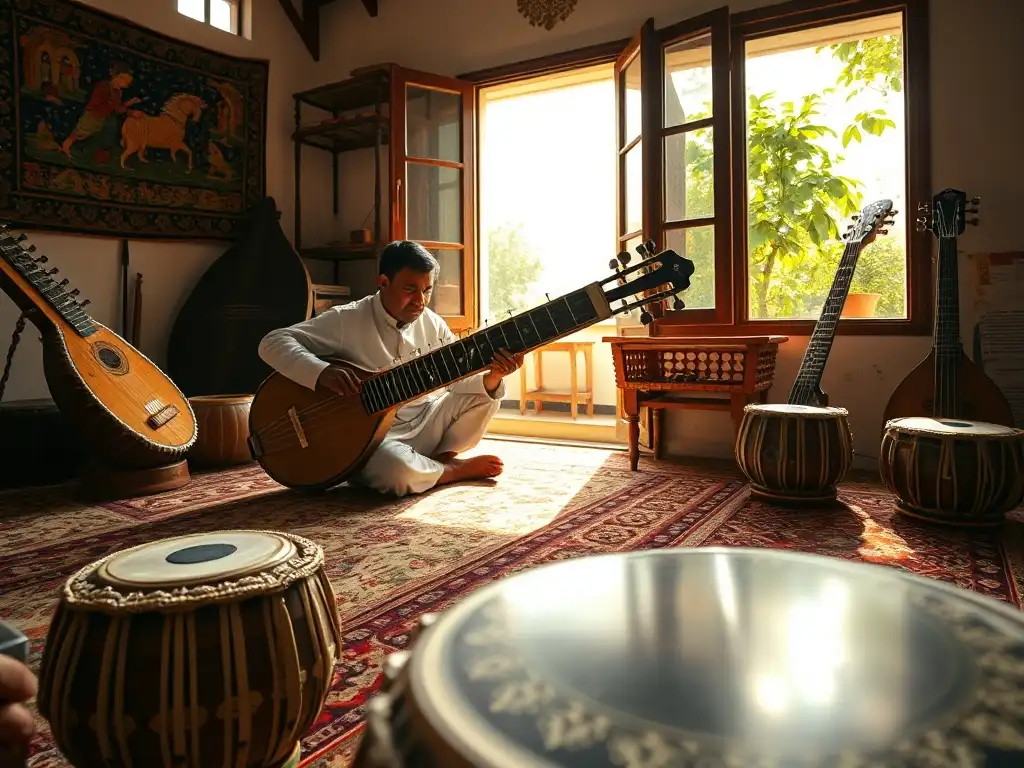
Welcome to Ancient India History, where we embark on a journey through the vibrant tapestry of ancient Indian civilization. In this captivating realm, we delve into the rich and diverse history, culture, and contributions that have shaped the subcontinent. Today, we invite you to explore The Resonance of Ancient Instruments: Discovering the Sounds of India.
Unearth the unique stories behind ancient Indian musical instruments, and let the echoes of the past inspire your curiosity. What melodies have traversed time, and how have they influenced the art forms we cherish today? Join us as we unveil the enchanting world of sound that once resonated through the heart of India.
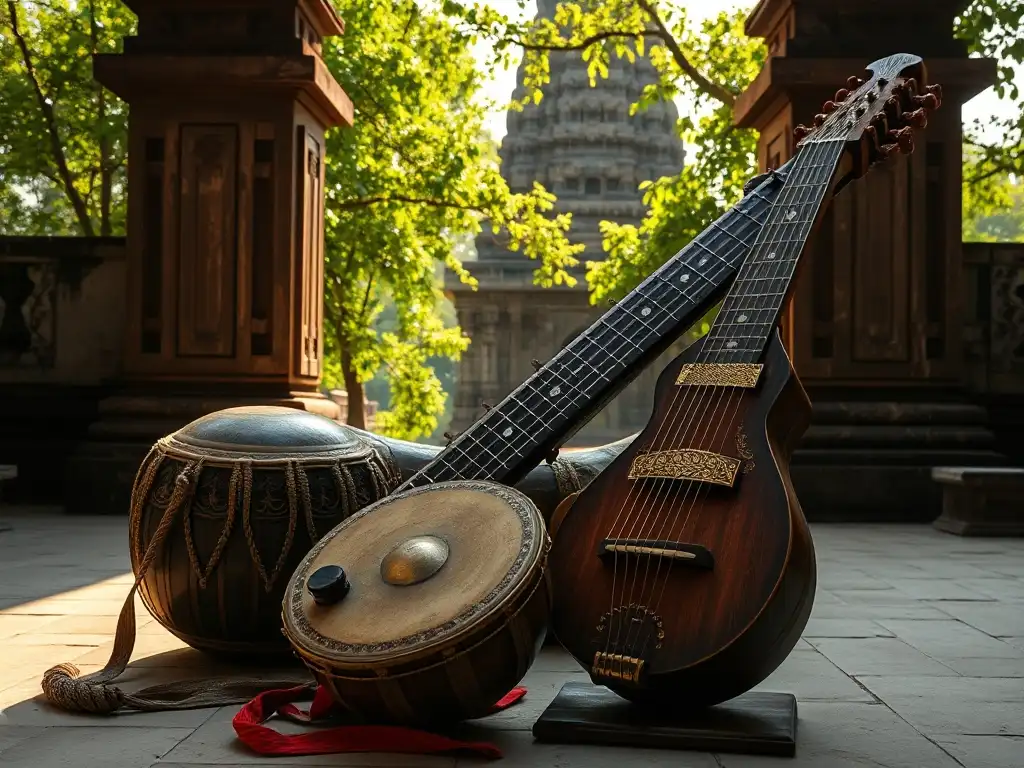
Introduction to Ancient Indian Musical Instruments
The history of ancient Indian musical instruments is a fascinating journey that encapsulates the rich tapestry of culture, spirituality, and artistry that has defined the subcontinent for millennia. From the early days of the Indus Valley Civilization to the sophisticated courts of the Gupta Empire, music has played a pivotal role in Indian society, serving as a medium for expression, storytelling, and religious devotion. This exploration not only highlights the diverse array of instruments used in ancient music but also sheds light on how these instruments have shaped the musical landscape of modern India.
The Importance of Music in Ancient Indian Culture
Music in ancient India was not merely an art form; it was deeply intertwined with philosophy, religion, and daily life. It served several significant functions:
- Spiritual Connection: Music was often used in religious rituals and ceremonies, believed to invoke the presence of deities and facilitate a connection between the earthly and the divine.
- Cultural Identity: Different regions of India developed unique musical traditions that reflected their local customs, languages, and histories, fostering a sense of belonging and identity among communities.
- Historical Documentation: Through music and lyrics, stories of ancient kings, battles, and moral lessons were preserved and passed down generations, serving as a historical record of sorts.
The vibrancy and depth of ancient Indian music illustrate its importance as a cultural cornerstone, influencing not only artistic expressions but also social structures and religious practices.
Overview of Ancient Indian Musical Heritage
The heritage of ancient Indian music is characterized by its variety and complexity. It encompasses a wide range of instruments, each with its unique sound, construction, and cultural significance. Some key aspects of this heritage include:
- Diversity of Styles: Ancient Indian music varied significantly across regions, with North Indian (Hindustani) and South Indian (Carnatic) traditions developing distinct characteristics and forms.
- Evolution of Instruments: Over time, many ancient instruments evolved, giving rise to modern counterparts while retaining their traditional significance.
- Influence of Religion and Philosophy: The philosophical texts of ancient India, such as the Vedas and Upanishads, often discussed music's role in spiritual fulfillment, further embedding it into the fabric of Indian culture.
Understanding this musical heritage provides essential context for appreciating the instruments that have shaped its soundscape.
Types of Ancient Indian Musical Instruments
Ancient Indian musical instruments can be broadly categorized into three main types, each contributing to the rich auditory experience of the time.
String Instruments in Ancient India
String instruments have a significant place in the history of Indian music. They were primarily used in both classical and folk traditions, providing melodic foundations for many compositions. Key examples include:
- Veena: A plucked string instrument that has been integral to classical music, known for its intricate design and rich tonal quality.
- Rabab: A lute-like instrument that originated from Central Asia, it played a vital role in both devotional and folk music.
These instruments not only showcased the craftsmanship of ancient artisans but also reflected the spiritual and emotional expressions of their music.
Wind Instruments in Ancient Indian Traditions
Wind instruments played a crucial role in ancient Indian ensembles, often accompanying dance and theatrical performances. Some prominent examples include:
- Bansuri: The bamboo flute, revered for its simple yet enchanting sound, is often associated with pastoral themes and spiritual melodies.
- Shehnai: A double-reed instrument that has been traditionally played at weddings and festive occasions, known for its auspicious sound.
These instruments were celebrated for their ability to convey a range of emotions, from joy to sorrow, and were often featured in both solo and ensemble performances.
Percussion Instruments in Ancient Indian Music
Percussion instruments are the backbone of rhythm in ancient Indian music, providing the necessary tempo and dynamic range. Important percussion instruments include:
- Mridangam: A double-headed drum integral to Carnatic music, known for its versatility and complex rhythmic patterns.
- Tabla: Though it gained prominence later, its ancestors can be traced back to ancient times, serving as a key element in various musical styles.
These instruments were not only essential for maintaining rhythm but also played a vital role in enhancing the overall musical experience, ensuring that the sounds of ancient India resonated through time.
The Evolution of Ancient Indian Musical Instruments
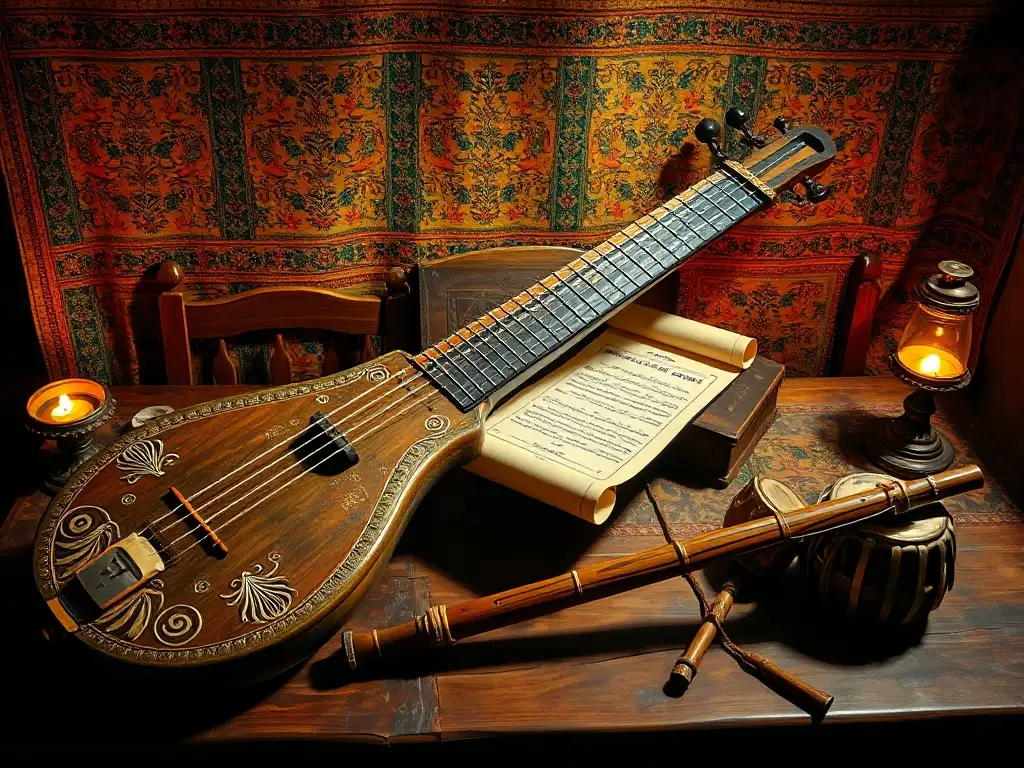
The evolution of ancient Indian musical instruments reflects the rich tapestry of cultural and historical influences that shaped the subcontinent. From the sophisticated sounds of the Indus Valley civilization to the refined melodies of the Gupta Empire, each era contributed unique elements to the musical landscape. The instruments developed were not merely tools for entertainment; they played integral roles in rituals, storytelling, and social gatherings, embodying the spirit of the age.
Historical Development from the Indus Valley to the Gupta Empire
The story of ancient Indian musical instruments begins with the Indus Valley Civilization (circa 2500-1900 BCE), where archaeological findings suggest the existence of early stringed instruments, such as the veena, depicted in seals and figurines. This civilization laid the groundwork for the development of music as a pivotal element of cultural expression.
As India transitioned through various kingdoms and empires, including the Vedic period and the Mauryan Empire, musical instruments underwent significant transformations. The Vedic texts, dating back to around 1500 BCE, reference instruments like the ekatantri veena and bheri, which were used in rituals and ceremonies. The subsequent rise of the Gupta Empire (circa 320-550 CE) marked a golden age for music, where instruments such as the sitar and tablas emerged, showcasing advancements in construction and technique.
The Gupta period emphasized the importance of music in courtly life, leading to the establishment of music schools and the patronage of skilled musicians, further enriching the musical heritage of ancient India.
Changes in Instrument Construction and Usage Over Time
Over the centuries, the construction of musical instruments in India evolved significantly, influenced by technological advancements and cultural exchanges. Early instruments were often made from natural materials such as wood, clay, and animal skins. As artisans honed their skills, they began to experiment with new materials and designs.
For example, the veena transitioned from simple, plucked string instruments to more complex versions with multiple strings and resonators. Similarly, the dholak, a double-headed drum, evolved in shape and sound, adapting to various musical styles and regional preferences.
The usage of these instruments also transformed; while many were initially sacred and used in religious ceremonies, they gradually became integral to folk traditions and classical performances. The interplay between different musical styles led to the emergence of regional variations, each with its unique instruments and performance practices, reflecting the diversity of ancient Indian culture.
Cultural Context of Ancient Indian Music
Music in ancient India was more than a form of entertainment; it was deeply intertwined with the cultural and spiritual fabric of society. It played a critical role in rituals, storytelling, and communal gatherings, serving as a means of connection between individuals and the divine.
The Role of Music in Religious Practices
In ancient Indian civilization, music was often linked to spirituality and religion. Vedic hymns, chanted during rituals, were believed to invoke the presence of deities, and the samaveda outlined melodic patterns for these sacred chants. Instruments such as the udukkai (a type of drum) and tampura (a drone instrument) were essential in temple music, enhancing the atmosphere during worship.
Furthermore, music was a vital part of festivals and religious ceremonies, where it served to celebrate and reinforce community bonds. The use of instruments in these contexts highlighted their importance in facilitating spiritual experiences and cultural continuity.
Music and Dance: A Synergistic Relationship in Ancient India
The relationship between music and dance in ancient India was profoundly synergistic. Dance forms such as Bharatanatyam, Kathak, and Odissi were often accompanied by live music, which provided rhythm and emotional depth to the performances. Ancient texts, including the Natya Shastra by Bharata Muni, emphasized the interplay between these art forms, outlining how music could enhance the storytelling aspect of dance.
In many cases, the same instruments were utilized in both musical and dance contexts. For instance, the mridangam and ghungroo (ankle bells) not only provided the rhythmic foundation for music but also accentuated the movements of dancers, making performances visually and aurally captivating. This intrinsic connection between music and dance exemplified the holistic approach to art in ancient India, where these forms coexisted and flourished together, enriching the cultural heritage of the civilization.
Rediscovering Ancient Indian Musical Instruments Today
The exploration of ancient Indian musical instruments has gained momentum in recent years, with scholars, musicians, and enthusiasts showing renewed interest in these historical artifacts. Instruments such as the veena, bansuri, and mridangam are not only celebrated for their unique sounds but also for their rich cultural and historical significance. Researchers are delving into ancient texts, artworks, and archaeological findings to understand the evolution of these instruments and their roles in various musical traditions across different Indian civilizations.
Furthermore, an increasing number of festivals and cultural events dedicated to traditional music serve as platforms for showcasing these instruments. Workshops and seminars are being organized to educate both musicians and the general public about the craftsmanship and techniques involved in playing these instruments. This revival is not merely academic; it involves practical engagement, allowing individuals to experience the resonance of these ancient sounds firsthand.
Preservation Efforts for Ancient Instruments
Preservation efforts for ancient Indian musical instruments involve a multifaceted approach that includes both physical conservation and cultural advocacy. Institutions such as museums and cultural heritage organizations are playing a vital role in safeguarding these instruments. For instance, the National Museum in New Delhi houses a variety of ancient musical instruments and provides insights into their historical context.
In addition to physical preservation, there are initiatives aimed at documenting the traditional knowledge associated with these instruments. Oral histories, traditional playing techniques, and the cultural significance of various instruments are being recorded to ensure that this knowledge is not lost to future generations. Collaborations between musicians and academics are crucial in this regard, as they help bridge the gap between traditional practices and contemporary understanding.
Modern Interpretations and Adaptations of Ancient Sounds
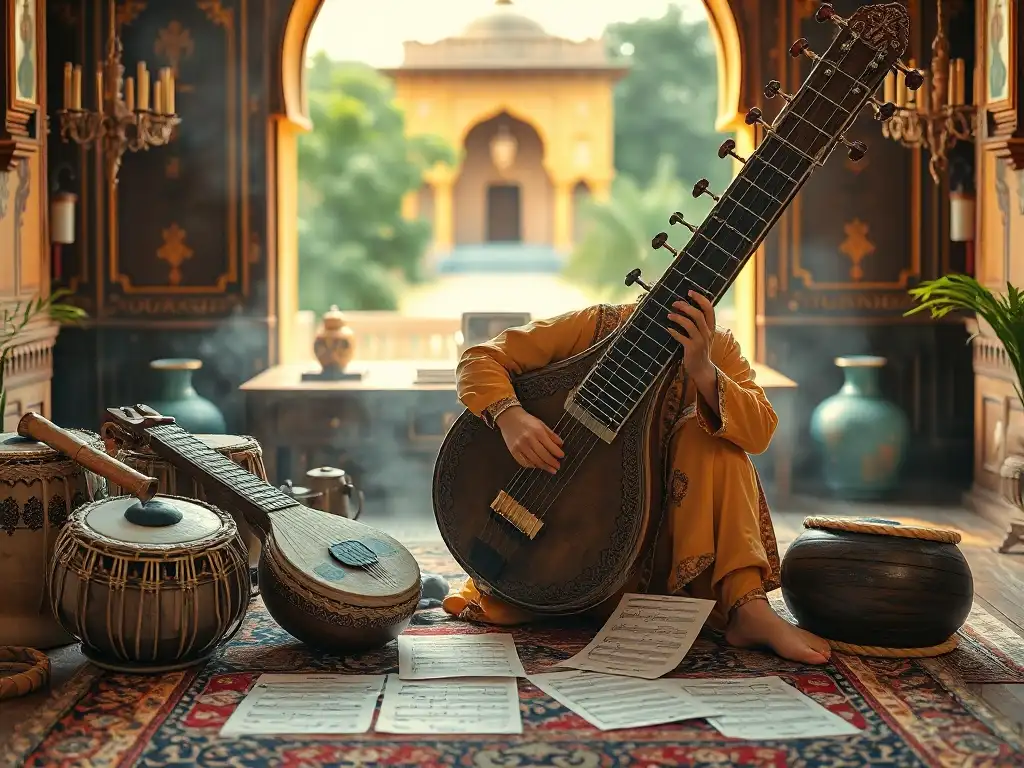
Modern musicians are increasingly incorporating ancient Indian musical instruments into contemporary music genres, creating innovative soundscapes that resonate with diverse audiences. This blending of traditional and modern elements has resulted in unique musical fusions that maintain the essence of ancient sounds while appealing to current tastes. Artists like Anoushka Shankar and Vijay Iyer are notable examples, using instruments such as the sitar and tabla to create music that transcends cultural boundaries.
Moreover, the resurgence of interest in world music has led to collaborations between Indian musicians and artists from various backgrounds. This has opened new avenues for experimentation, where ancient techniques and sounds are reinterpreted through modern lenses. By experimenting with rhythm, melody, and instrumentation, artists are redefining the significance of ancient instruments in today's music scene.
Conclusion: The Lasting Impact of Ancient Indian Musical Instruments
Ancient Indian musical instruments have left a profound impact on the cultural and musical landscape of India and beyond. Their sounds and techniques have not only shaped traditional music but have also influenced various global music genres. This resonance of ancient sounds continues to inspire contemporary musicians and composers, fostering an appreciation for the depth and richness of India's musical heritage.
The Legacy of Ancient Indian Music in Contemporary Culture
The legacy of ancient Indian music is evident in contemporary culture, where elements of traditional music are woven into modern performances, films, and popular music. The use of instruments like the dholak and flute in Bollywood music, for example, highlights the enduring appeal of these ancient sounds. Additionally, traditional music festivals showcase a blend of ancient styles and modern trends, attracting diverse audiences and celebrating India's rich musical heritage.
Educational institutions are also recognizing the importance of incorporating ancient music into their curricula. Music schools are offering courses that focus on traditional instruments and their historical context, thus ensuring that future generations remain connected to their cultural roots.
Encouraging a Deeper Appreciation for Ancient Indian Musical Heritage
To encourage a deeper appreciation for ancient Indian musical heritage, it is essential to promote awareness and access to these instruments. Community programs, workshops, and performances can play a significant role in making ancient music more accessible. Engaging young audiences through interactive sessions can spark interest and foster a sense of pride in India's musical traditions.
Furthermore, leveraging digital platforms to share knowledge about ancient instruments and their sounds can reach a wider audience. Online tutorials, documentaries, and virtual performances can help demystify these instruments, allowing people to appreciate their beauty and cultural significance. By emphasizing the importance of preserving and celebrating ancient Indian musical heritage, we can ensure that these sounds continue to resonate for generations to come.
- Introduction to Ancient Indian Musical Instruments
- The Importance of Music in Ancient Indian Culture
- Overview of Ancient Indian Musical Heritage
- Types of Ancient Indian Musical Instruments
- The Evolution of Ancient Indian Musical Instruments
- Cultural Context of Ancient Indian Music
- Rediscovering Ancient Indian Musical Instruments Today
- Preservation Efforts for Ancient Instruments
- Modern Interpretations and Adaptations of Ancient Sounds
- Conclusion: The Lasting Impact of Ancient Indian Musical Instruments
- The Legacy of Ancient Indian Music in Contemporary Culture
- Encouraging a Deeper Appreciation for Ancient Indian Musical Heritage
- What are some examples of ancient Indian musical instruments?
- How did ancient Indian musical instruments influence contemporary music?
- What role did music play in ancient Indian culture?
- Are there any notable ancient texts that reference musical instruments?
- How were musical instruments crafted in ancient India?
Frequently Asked Questions
What are some examples of ancient Indian musical instruments?
Ancient Indian musical instruments include the veena, tabla, and bansuri, each playing a significant role in the musical traditions of various regions.
How did ancient Indian musical instruments influence contemporary music?
Many modern instruments can trace their origins to ancient Indian musical instruments, which have shaped the melodic and rhythmic structures of Indian music today.
What role did music play in ancient Indian culture?
Music was integral to spiritual practices, social gatherings, and storytelling, serving as a means of cultural expression and community bonding.
Are there any notable ancient texts that reference musical instruments?
Yes, texts like the Natya Shastra and Samveda provide detailed descriptions of musical instruments and their significance in Indian music theory.
How were musical instruments crafted in ancient India?
Ancient artisans used local materials such as wood, metal, and clay, employing traditional techniques passed down through generations to create their instruments.
Final Reflection: The Timeless Echoes of Ancient Indian Musical Instruments
The exploration of ancient Indian musical instruments is not merely a journey into the past; it is a vibrant connection to the cultural tapestry that continues to shape our world today. As we delve into the rich history and significance of these instruments, we uncover the profound ways they resonate within contemporary music, art, and spirituality. The sounds of India, steeped in tradition, remind us that music is a universal language that transcends time and space, inviting us to experience the world through a different lens.
Cultural heritage is a living entity, constantly evolving while retaining its core essence. The influence of ancient Indian musical instruments can be seen in modern compositions, fusion genres, and even in the spiritual practices that many still hold dear. As we embrace these sounds, we are reminded of the words of the great musician Ravi Shankar: Music is the universal language of mankind.
This sentiment underscores the importance of preserving and celebrating these instruments, as they not only tell the stories of our ancestors but also inspire future generations to create and innovate.
As you reflect on the melodies and rhythms that have shaped the Indian subcontinent, I invite you to consider how you can incorporate this rich heritage into your own life. Explore the sounds that resonate with you, whether through learning an instrument, attending a concert, or simply listening to the music that speaks to your soul.
By engaging with these ancient traditions, you not only honor the past but also contribute to a future where the echoes of history continue to inspire and uplift. Let the resonance of ancient Indian musical instruments guide you on your own journey of discovery and creativity.
Unveil the Melodies of Ancient India!
Thank you for diving into the enchanting world of ancient instruments and their unique sounds! You've uncovered the beauty of India's rich musical heritage and how it resonates through history. Now, let’s take your journey further and immerse yourself in this captivating experience.
Here are a few empowering steps you can take right now:
- Explore local music events: Look for performances or workshops that focus on traditional Indian instruments in your community. Engage with musicians and experience the sounds firsthand!
- Share your newfound knowledge: Discuss what you learned with friends or family, or create a post on social media to inspire others about the magic of ancient sounds.
- Listen to playlists that feature traditional Indian music. Discover the emotions and stories behind these timeless melodies.
Which ancient instrument or sound are you most excited to experience? Share your thoughts below!