
Theatrical Techniques in Ancient India: From Improvisation to Scripted Plays

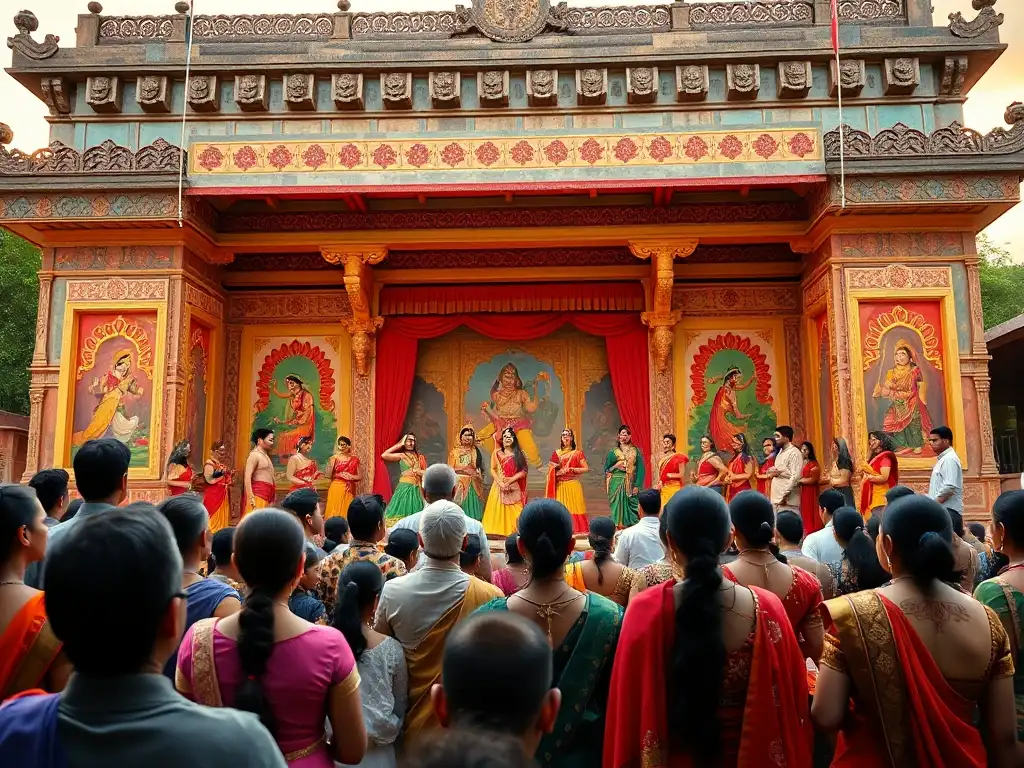
Welcome to Ancient India History, where we invite you to embark on a captivating journey through the rich tapestry of ancient Indian civilizations. Dive deep into the fascinating world of theatrical techniques in ancient India, where improvisation blossomed into the art of scripted plays, reflecting the vibrant culture and creativity of the times. What secrets lie within the performances that shaped societal norms and entertained countless generations? Join us as we unravel these artistic expressions and uncover their lasting impact on the world of drama. Explore further to discover the stunning legacy of ancient Indian theater!
- Introduction to Theatrical Techniques in Ancient India
- Origins of Theatrical Techniques in Ancient India
- Development of Scripted Plays in Ancient India
- Major Theatrical Techniques Utilized in Ancient Indian Plays
- The Influence of Religion and Mythology on Theatrical Techniques
- Regional Variations in Theatrical Techniques Across Ancient India
- The Legacy of Ancient Indian Theatrical Techniques
- Conclusion: The Enduring Significance of Theatrical Techniques in Ancient India
- Frequently Asked Questions
- Final Reflection: The Enduring Legacy of Theatrical Techniques in Ancient India
- Unveil the Magic of Ancient Indian Theatre!
Introduction to Theatrical Techniques in Ancient India
The theatrical techniques of ancient India represent a fascinating fusion of artistry, storytelling, and cultural expression that has left a lasting impact on the performing arts. From the improvisational forms that captivated audiences to the more structured scripted plays that followed, these techniques reflect the rich tapestry of Indian civilization, spanning from the early Indus Valley settlements to the sophisticated Gupta Empire.
In this exploration, we will delve into the evolution of these theatrical practices, examining their significance in historical context and their influence on contemporary performance arts. By understanding the foundations laid by ancient Indian theater, we can appreciate the intricate blend of drama, dance, and music that characterized this vibrant cultural heritage.
Overview of Theater in Ancient Indian Culture
Theater in ancient India was not merely a form of entertainment; it was a vital component of social and religious life. Dating back to Vedic times, performances were often intertwined with rituals and ceremonies, serving as a medium to convey spiritual narratives and moral teachings. The earliest references to theatrical forms can be found in texts such as the Natyashastra, attributed to Bharata Muni, which provides comprehensive guidelines on performance, including acting techniques, stagecraft, and the role of music and dance.
Key elements of ancient Indian theater include:
- Improvisation: Early performances were largely spontaneous, relying on the actors' creativity and ability to engage the audience.
- Scripted Plays: With the advent of playwrights like Kalidasa and Bhasa, scripted dramas became prevalent, introducing structured narratives and character development.
- Dance and Music: Integral components of performances, these elements enhanced the emotional and aesthetic appeal, creating a multisensory experience for the audience.
Theatrical performances often took place in open-air venues, with elaborate sets and costumes that reflected the cultural ethos of the time. The use of symbolism and allegory allowed for deeper interpretations of social issues, human emotions, and divine themes.
Importance of Theatrical Techniques in Historical Context
Understanding the theatrical techniques of ancient India is essential for several reasons:
- Cultural Preservation: These techniques serve as a repository of the values, beliefs, and narratives of ancient Indian society. They provide insight into the social dynamics, religious practices, and philosophical thought of the time.
- Influence on Modern Theater: Ancient Indian theater has significantly influenced contemporary performing arts, both within India and globally. Elements such as Natya Shastra principles and traditional dance forms continue to shape modern theatrical practices.
- Historical Documentation: The plays and performances of ancient India acted as a form of historical documentation, reflecting the political and social climate of their eras. They offer a lens through which we can examine historical events and cultural shifts.
- Community and Identity: Theater served as a communal activity that fostered social cohesion and cultural identity. It brought people together, allowing for shared experiences and collective storytelling.
The theatrical techniques in ancient India encapsulate a wealth of knowledge and creativity that highlights the civilization's artistic achievements. By exploring these techniques, we gain a deeper appreciation for the role of theater in shaping cultural narratives and its enduring legacy in the arts.
Origins of Theatrical Techniques in Ancient India
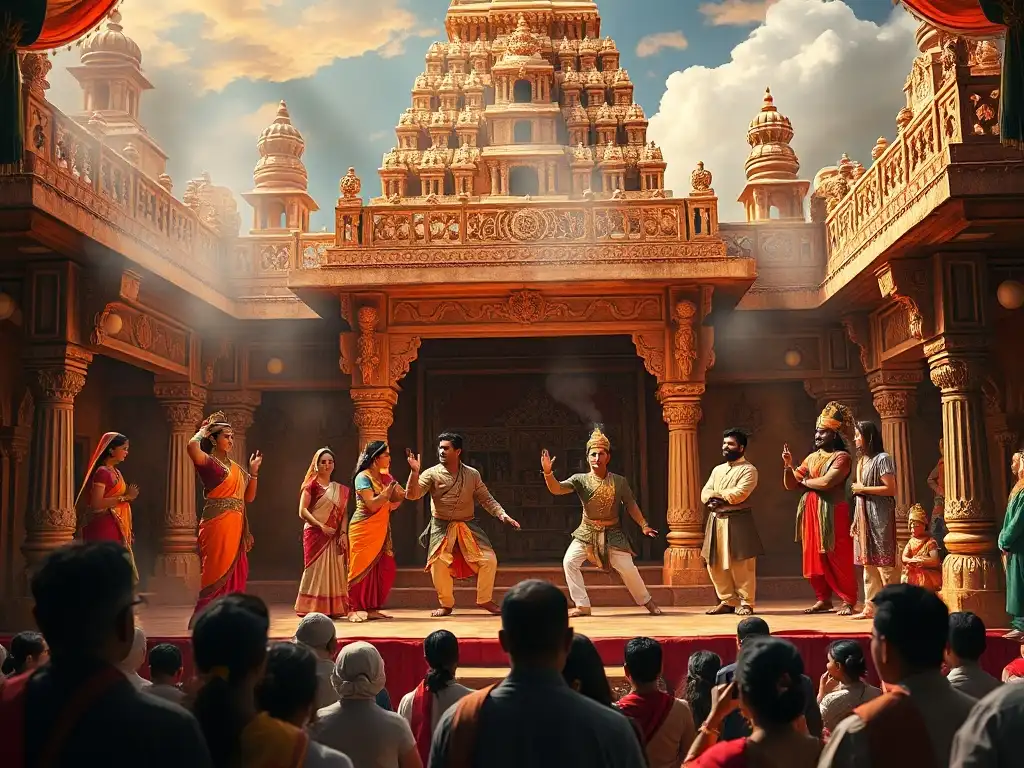
Theatrical techniques in ancient India have roots that extend back thousands of years, with origins interwoven with the cultural, spiritual, and social fabric of the time. The earliest forms of theater were not merely entertainment; they were integral components of religious rituals and communal gatherings. The tradition of storytelling, along with the use of music and dance, laid the foundations for what would evolve into more structured forms of performance.
The earliest evidence of theatrical practices can be traced to the Vedic texts and the performance of rituals. These rituals often included dramatic reenactments of mythological tales, which were essential for both spiritual and educational purposes. As society developed, so too did the complexity of these performances, leading to a blending of various art forms, including dance, music, and storytelling, creating a rich tapestry of theatrical expression.
The Role of Improvisation in Early Performances
Improvisation played a crucial role in the early theatrical techniques in ancient India. Performers would often draw upon their surroundings, current events, and the audience's reactions to create dynamic and engaging performances. This spontaneous aspect allowed for a connection between the performers and the audience, fostering a communal experience that was both entertaining and educative.
- Flexibility of Content: Performers would adapt their narratives based on the audience's responses, allowing for a unique experience at each performance. This adaptability kept the performances fresh and relevant.
- Cultural Reflection: Improvisation enabled performers to reflect contemporary societal issues and local traditions, making the performances relatable to the audience. This is evident in the folk theater traditions that still thrive today, where performers often engage with local stories and themes.
- Skill Development: The ability to improvise required a high level of skill among performers. They needed to be quick-witted, knowledgeable about various topics, and able to engage with audiences, which cultivated a rich community of artists.
Overall, improvisation in early Indian theater was not just a technique; it was a vital form of cultural expression that encouraged creativity, community involvement, and the preservation of oral traditions.
Influence of Oral Traditions on Theatrical Practices
Oral traditions significantly influenced the theatrical techniques in ancient India, serving as a primary means of storytelling long before written texts became commonplace. Through oral transmission, stories, folklore, and historical narratives were shared across generations, providing a rich source of material for performances.
- Storytelling Techniques: Oral traditions emphasized the art of storytelling, where narrators would use gestures, expressions, and vocal variations to bring tales to life. This skill evolved into more formalized theatrical techniques that would be seen in later scripted plays.
- Cultural Transmission: The reliance on oral traditions ensured that local myths, legends, and values were preserved and transmitted through performances. Each performance acted as a vessel for cultural education, reinforcing community identity and shared heritage.
- Integration of Music and Dance: Oral traditions often included musical elements and dance, which became integral to theatrical performances. Instruments such as the tabla and harmonium, along with traditional dance forms, enriched the storytelling experience and added layered meanings to the narratives.
In essence, the influence of oral traditions on theatrical practices in ancient India cannot be overstated. These traditions shaped the way stories were told, preserved, and performed, and laid the groundwork for the rich theatrical heritage that would flourish throughout India's history. The interplay between improvisation and oral storytelling techniques created a vibrant theatrical culture that continues to inspire modern performances.
Development of Scripted Plays in Ancient India
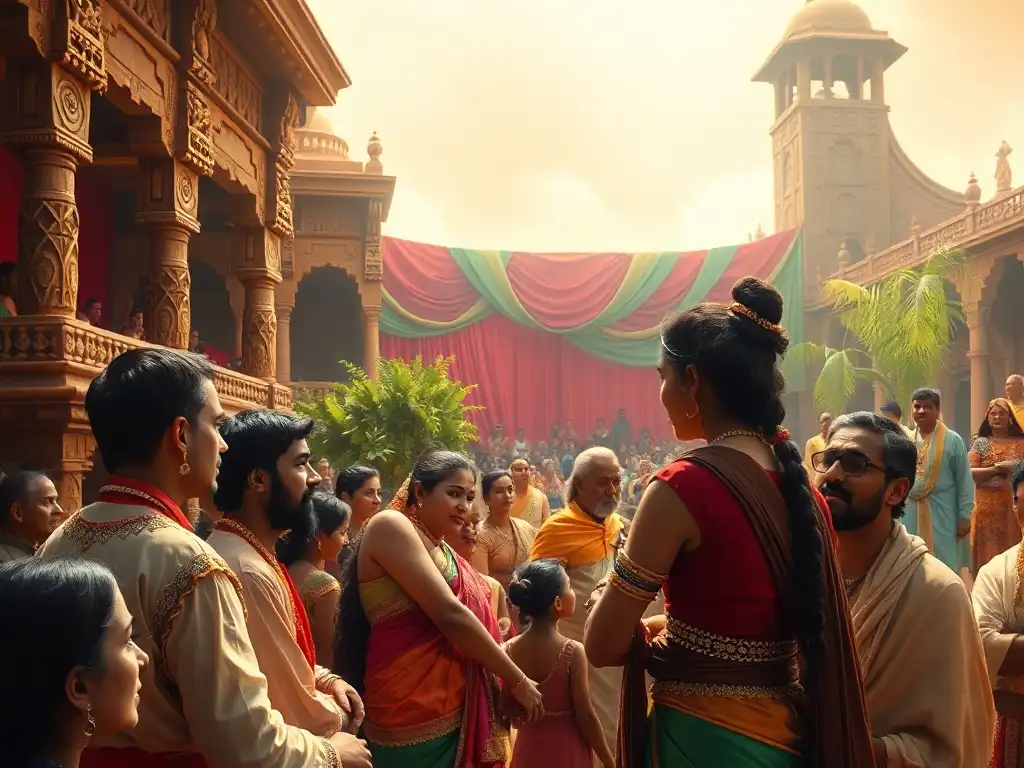
The evolution of scripted plays in ancient India marks a significant milestone in the realm of theatrical techniques in ancient India. This transition from oral traditions to written texts not only enriched the performance arts but also laid the groundwork for future theatrical expressions.
The Emergence of Written Texts and Scripts
The shift towards scripted plays can be traced back to the influence of various cultural and religious practices that encouraged the documentation of performances. Initially, theatrical performances were largely improvisational, relying heavily on oral storytelling traditions. However, as societies became more complex, there was a growing need to codify these stories, leading to the development of written texts.
- Historical Context: The period around 200 BCE to 400 CE was pivotal, as it witnessed the rise of various kingdoms that patronized the arts, leading to a flourishing of literature and performance.
- Scripts and Performance: Early scripts were often written in Sanskrit, the liturgical language of Hinduism, which became a dominant medium for theatrical works. This led to the emergence of a structured format for plays, incorporating dialogues, stage directions, and character descriptions.
The introduction of written texts not only standardized performance techniques but also allowed for the preservation of cultural narratives and philosophies. As a result, these texts became crucial for the training of actors and playwrights, ensuring that performances adhered to established conventions.
Key Texts: Natyashastra and Other Influential Works
Among the most significant texts in the realm of ancient Indian theater is the Natyashastra, attributed to the sage Bharata Muni. This comprehensive treatise is considered the foundational text of Indian dramaturgy and is essential for understanding theatrical techniques in ancient India.
- Natyashastra:
- Content: Comprising 36 chapters, the Natyashastra covers various aspects of theater, including acting, stage design, music, and aesthetics. It presents a detailed analysis of the performance, emphasizing the importance of rasa (emotional essence) and bhava (mood).
- Impact: The Natyashastra set forth the principles of drama and performance, influencing countless playwrights and actors throughout the centuries. Its guidelines on character development and emotional expression continue to resonate in contemporary Indian theater.
In addition to the Natyashastra, other texts played crucial roles in shaping scripted plays:
- Kālidāsa's Works: The playwright Kālidāsa, often regarded as one of the greatest poets in Sanskrit literature, produced iconic plays such as Shakuntala and Malavikagnimitram. His integration of emotional depth and poetic language elevated theatrical narratives.
- Bhāsa's Dramas: Bhāsa, a contemporary of Kālidāsa, is known for his innovative storytelling and character development in plays like Svapnavasavadattam. His works often reflect themes of love, duty, and the supernatural.
The combination of the Natyashastra and the works of prominent playwrights encapsulates the richness of scripted plays in ancient India. Together, they established a legacy of theatrical techniques that continue to influence modern Indian performing arts, showcasing the enduring impact of ancient traditions on contemporary culture.
Major Theatrical Techniques Utilized in Ancient Indian Plays
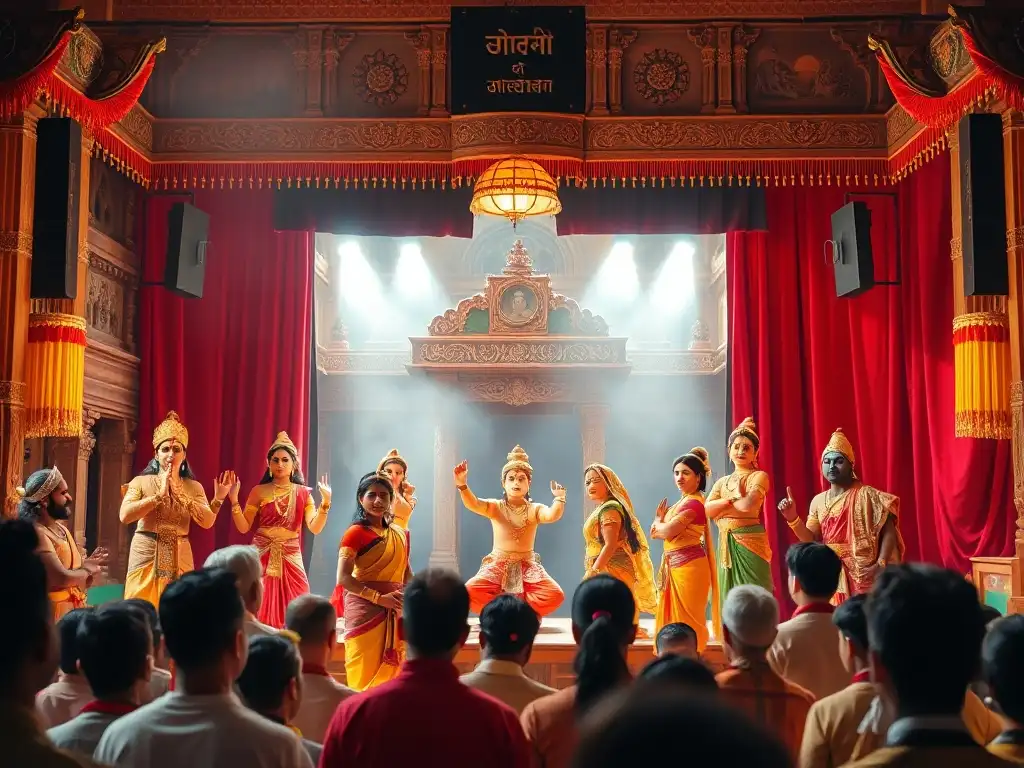
Use of Dance and Movement in Performance
In ancient Indian theater, dance and movement were not merely embellishments; they were integral to the storytelling process. The incorporation of dance in theatrical performances can be traced back to texts like the Natya Shastra, attributed to Bharata Muni, which provides extensive guidelines on how dance should be harmonized with drama.
- Types of Dance Forms: Various classical dance forms, such as Bharatanatyam, Kathak, and Odissi, were utilized to convey emotions and narratives. Each dance form brings its own stylistic elements and gestures, known as mudras, that enhance character portrayal and plot development.
- Physical Expressions: The use of body language, facial expressions (known as abhinaya), and gestures plays a crucial role in conveying the underlying emotions of the characters. This physicality in performance creates a rich tapestry of visual storytelling that resonates deeply with the audience.
The synergy between dance and drama in ancient Indian performances not only captivated audiences but also provided a spiritual dimension, as many performances were tied to religious and cultural rituals.
Vocal Techniques: Chanting, Singing, and Dialogue Delivery
Vocal techniques in ancient Indian theater were multifaceted, incorporating elements of chanting, singing, and dialogue delivery that enhanced the overall experience of the performance. The Natya Shastra emphasizes the importance of voice modulation and clarity in delivering dialogues to evoke the desired emotional response from the audience.
- Chanting and Recitation: Chanting was often employed to set the tone of the play, with specific rhythms and pitches used to evoke particular moods. For instance, shlokas (verses) from sacred texts were recited to add depth to the narrative.
- Singing: Melodious singing was integral to many performances, allowing actors to express their characters' emotions more vividly. The use of ragas (melodic frameworks) and talas (rhythmic cycles) created a musical backdrop that complemented the action on stage.
- Dialogue Delivery: The art of delivering dialogues in a dramatic context required skillful variation in pitch, pace, and emotion. Actors trained in these techniques could convey complex feelings and nuances, making the characters more relatable and engaging.
These vocal techniques enriched the theatrical experience, allowing audiences to connect more profoundly with the stories being told.
Costume and Makeup: Symbolism and Significance
Costumes and makeup in ancient Indian theater were not just about aesthetics; they were laden with symbolism and significance. Each aspect of an actor’s appearance was carefully crafted to convey the essence of the character and the narrative.
- Symbolic Costumes: Costumes were often color-coded and designed to reflect the character’s status, personality, and emotions. For example, bright colors were used for heroic characters, while darker shades signified antagonists. The types of fabric and embellishments also indicated the socio-economic background of the characters.
- Makeup Techniques: The application of makeup followed strict codes that defined character traits. For instance, the use of bold eye makeup and facial markings (known as tilaka) helped in portraying deities or mythological figures, enhancing their divine presence on stage.
- Cultural Significance: Costumes and makeup also served a broader cultural purpose, often reflecting the prevailing social norms, religious beliefs, and artistic traditions of the time. They tied the performance to the cultural identity of ancient Indian civilizations, making the theater a medium of both entertainment and cultural expression.
The theatrical techniques in ancient India—encompassing dance, vocal performance, and visual presentation—formed a cohesive artistic expression that transcended mere storytelling. They were a reflection of the rich cultural tapestry of ancient Indian civilization, making theater a vital part of its heritage.
The Influence of Religion and Mythology on Theatrical Techniques
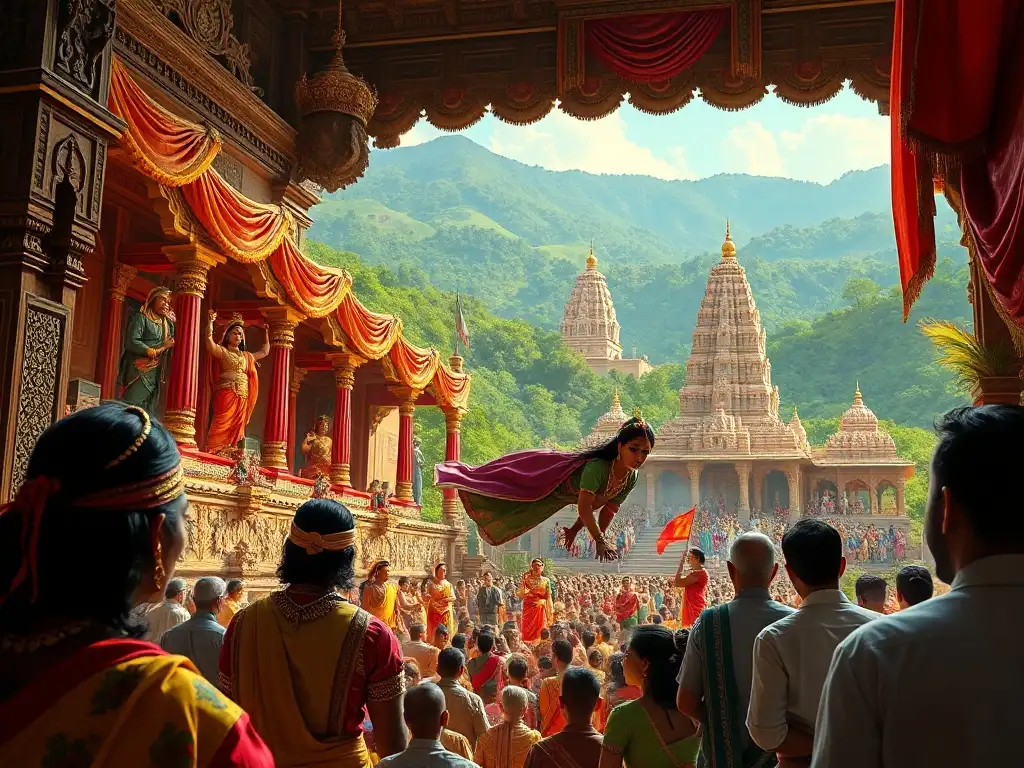
The theatrical techniques in ancient India were deeply intertwined with the region's rich religious and mythological traditions. These influences shaped not only the content of performances but also the styles, modes of expression, and techniques employed by artists. The sacred nature of many performances meant they served not just as entertainment but also as a means to connect with the divine and convey spiritual teachings.
Incorporating Spiritual Themes in Performances
Spirituality was at the core of many theatrical performances in ancient India. Theatrical techniques often included elements that reflected the values and teachings of various religions, particularly Hinduism, Buddhism, and Jainism. Performances frequently depicted stories from sacred texts such as the Vedas, Upanishads, and epics like the Mahabharata and Ramayana.
Key Aspects of Spiritual Themes:
- Narrative Structure: The narratives often revolved around moral dilemmas, cosmic battles, and the triumph of good over evil, which were integral to the spiritual lessons imparted through the arts.
- Symbolism: Various symbols were used to represent deeper spiritual concepts. For instance, the use of colors, costumes, and props often reflected the divine qualities of the characters being portrayed.
- Ritualistic Elements: Many performances began with rituals that invoked divine blessings, aligning the performance with traditional religious practices. This connection to spirituality enriched the audience's experience, creating an atmosphere of reverence.
Through these techniques, the performers not only entertained but also educated their audiences on spiritual matters, fostering a deeper understanding of their cultural heritage and religious beliefs.
Role of Deities and Mythological Characters in Plays
The portrayal of deities and mythological characters was central to the theatrical techniques employed in ancient Indian performances. These characters served as conduits for exploring human emotions, ethical dilemmas, and cosmic truths.
Features of Mythological Character Portrayals:
- Character Archetypes: Deities such as Vishnu, Shiva, and Durga were often depicted as archetypal figures representing various aspects of life and morality. Their stories provided a framework for exploring complex human experiences.
- Dance and Movement: Theatrical performances frequently combined drama with dance, reflecting the characters’ divine attributes through specific movements and gestures (mudras). This fusion not only enhanced the storytelling but also brought a spiritual dimension to the performance.
- Music and Chanting: Accompanying performances with music, including traditional instruments and vocal chants, helped create an immersive experience. The melodies and rhythms used often had specific religious significance, enhancing the sacred atmosphere of the play.
The integration of deities and mythological characters into theatrical techniques allowed ancient Indian theater to transcend mere entertainment, evolving into a profound medium for cultural expression, moral education, and spiritual exploration. This legacy continues to influence contemporary Indian theater, highlighting the timeless connection between performance and spirituality.
Regional Variations in Theatrical Techniques Across Ancient India
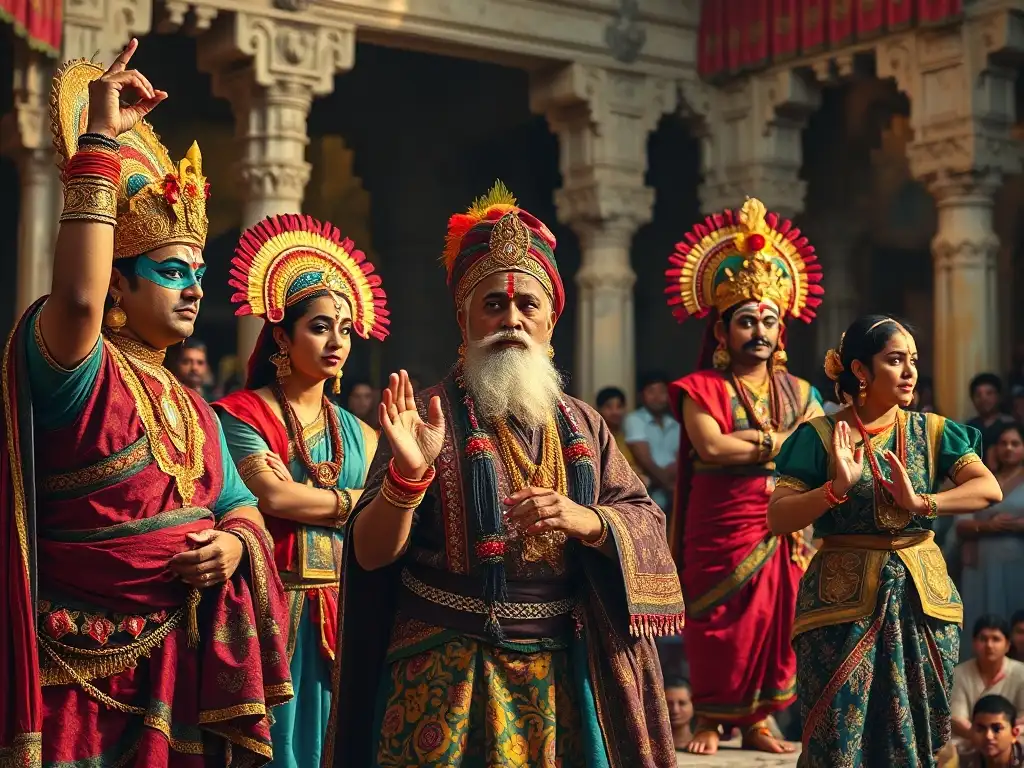
Theatrical techniques in ancient India were not monolithic; instead, they flourished in diverse regional settings, each contributing unique elements to the rich tapestry of Indian theater. These regional variations were influenced by local culture, language, and traditions, giving rise to distinctive styles and forms. Below, we explore the theatrical traditions from different parts of ancient India.
North Indian Theater: Traditions and Styles
North Indian theater is characterized by its blend of traditional folk forms and classical influences. One of the most significant contributions to this region's theatrical landscape is Natyashastra, an ancient treatise on performing arts attributed to the sage Bharata Muni. This text laid down the foundational principles of drama, including:
- Rasa: The emotional essence of a play, which is crucial for engaging the audience.
- Bhava: The emotive states that actors express on stage.
Key Forms in North Indian Theater
- Kathakali: Although primarily associated with Kerala, it has roots in North Indian theatrical traditions. This form incorporates elaborate costumes and intricate facial makeup, creating a powerful visual spectacle.
- Nautanki: This folk theater form combines music, dance, and dialogue, often portraying stories from mythology and folklore. Nautanki performances are known for their improvisational style, allowing actors to engage directly with the audience.
- Ramlila: A traditional performance depicting the life of Lord Rama, particularly popular during the festival of Dussehra. Ramlila integrates various theatrical techniques, including dialogue, music, and dance, making it a holistic art form.
South Indian Theater: Diverse Forms and Techniques
In contrast to the North, South Indian theater exhibits a wealth of distinct styles, deeply rooted in cultural and religious traditions. The region is known for its classical forms, which emphasize storytelling through intricate movements and rhythms.
Notable South Indian Theatrical Styles
- Koodiyattam: Recognized by UNESCO as a Masterpiece of the Oral and Intangible Heritage of Humanity, Koodiyattam is a highly stylized form of Sanskrit theater. It combines elaborate gestures, facial expressions, and intricate dialogue, often performed in temples.
- Bharatanatyam: While primarily a dance form, Bharatanatyam incorporates dramatic storytelling through expressive movements (abhinaya). The theatrical techniques in Bharatanatyam are crucial for conveying narratives from Hindu mythology.
- Villupattu: A folk art form characterized by the use of a bow (villupattu) to produce sound, it involves singing stories that engage the audience in a participatory experience.
East and West Indian Contributions to Theater
The eastern and western regions of India also have their own unique theatrical techniques that enrich the overall landscape of ancient Indian theater.
Eastern Contributions
- Jatra: A popular folk theater form in Bengal, Jatra performances often depict historical and mythological narratives. The performances are known for their vibrant costumes and elaborate makeup, which enhance the dramatic storytelling.
- Ankia Naat: Originating from Assam, this form blends dance, music, and drama, primarily focusing on stories from the Bhagavata Purana. The use of improvisation allows performers to engage dynamically with the audience.
Western Contributions
- Tamasha: A traditional folk theater from Maharashtra that incorporates music, dance, and drama, often revolving around themes of romance and social issues. The theatrical techniques employed in Tamasha emphasize audience interaction and humor.
- Raas Leela: A traditional dance-drama based on the life and exploits of Lord Krishna, particularly popular in Gujarat. Raas Leela performances are marked by their rhythmic dance and emotive storytelling techniques.
The diverse regional variations in theatrical techniques across ancient India underscore the rich cultural heritage of the subcontinent. These forms not only entertained but also served as a means of preserving and propagating cultural narratives, making them an integral part of India's artistic legacy.
The Legacy of Ancient Indian Theatrical Techniques
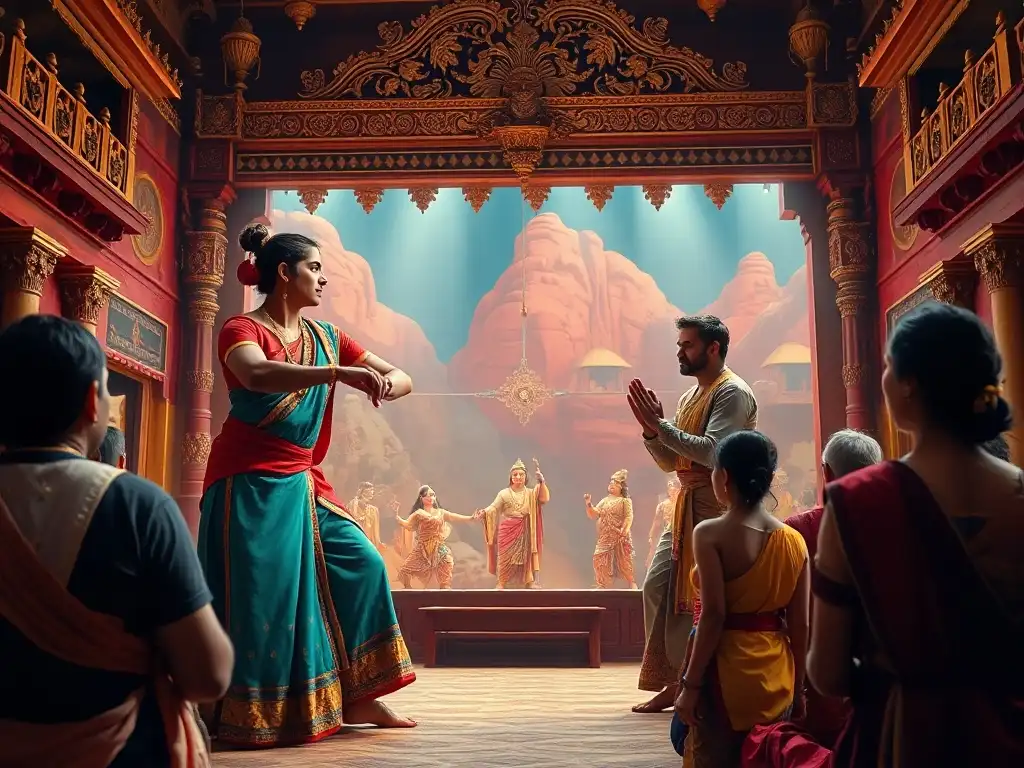
Impact on Modern Indian Theater and Performance Arts
The theatrical techniques that flourished in ancient India have left a profound legacy on modern Indian theater and performance arts. Many contemporary forms, such as Natya Shastra, continue to draw inspiration from the rich traditions established in ancient times. This foundational text, attributed to Bharata Muni, not only outlines the principles of drama but also emphasizes the importance of Bhavas (emotions) and Ragas (musical modes), which are integral to performance today.
Modern Indian theater often incorporates a variety of ancient techniques, including:
- Improvisation: Borrowing from the spontaneous aspects of ancient performances, contemporary actors frequently engage in improvisational exercises to enhance creativity and adaptability on stage.
- Use of Masks and Costumes: The elaborate costumes and masks used in ancient theater, such as in Kathakali and Koodiyattam, continue to influence modern theatrical productions, adding layers of meaning and visual appeal.
- Physical Expression and Movement: The emphasis on body language and gesture in ancient performances is mirrored in modern dance forms like Bharatanatyam and Odissi, demonstrating the continued importance of physicality in storytelling.
Moreover, many modern playwrights and directors seek to revive and reinterpret ancient plays, bringing historical narratives and traditional themes into contemporary contexts. This fusion not only honors the past but also enriches the modern theatrical landscape, making it more diverse and relevant to current audiences.
Global Influence of Ancient Indian Theater Techniques
The influence of ancient Indian theatrical techniques extends beyond the borders of India, impacting global theater and performance arts. Aspects of Indian drama and storytelling have been integrated into various international artistic expressions, showcasing the universality of its themes and techniques.
Key areas of global influence include:
- Cross-Cultural Collaborations: Theater practitioners worldwide have drawn from Indian traditions, leading to innovative cross-cultural productions. For instance, the incorporation of Kathakali movements in Western dance performances has enriched the narrative style of contemporary dance.
- Storytelling Techniques: The narrative structures found in ancient Indian plays, such as the use of flashbacks and non-linear storytelling, have inspired playwrights and directors around the world. These techniques enhance the complexity and depth of modern storytelling.
- Theatrical Festivals: International festivals often showcase Indian theatrical forms, allowing for cultural exchange and appreciation. Events like the International Theatre Festival of Kerala attract global attention, highlighting the relevance of ancient techniques in today's artistic landscape.
The rich heritage of theatrical techniques in ancient India continues to resonate across cultures, influencing both modern Indian theater and the global performance arts scene. The adaptability and enduring nature of these techniques underscore their significance in the evolution of theater, ensuring that the legacy of ancient Indian theater remains vibrant and impactful.
Conclusion: The Enduring Significance of Theatrical Techniques in Ancient India
The theatrical techniques in ancient India have left an indelible mark on the cultural landscape, shaping not only the art of theater but also influencing various forms of storytelling and performance across generations. The rich tapestry of improvisation, storytelling, and scripted plays reveals the depth of artistic expression that flourished in ancient civilizations, particularly during the Vedic period and beyond.
These techniques were not merely forms of entertainment; they served as vital conduits for cultural identity, social commentary, and spiritual exploration. The enduring legacy of these practices continues to resonate in contemporary Indian theater, attesting to the profound impact of ancient traditions on modern artistic expressions.
Reflection on Cultural Heritage and Artistic Contributions
Ancient Indian theater was characterized by a unique blend of religious beliefs, philosophical concepts, and social values. The Natya Shastra, attributed to the sage Bharata Muni, stands as a foundational text that codified various elements of performance, including dance, music, and drama. This treatise not only outlines the technical aspects of theatrical performance but also emphasizes the importance of emotional expression and audience engagement.
- Cultural Significance: Theatrical techniques in ancient India were intertwined with rituals and festivals, serving both religious and social purposes. For instance, the performances of Ramayana and Mahabharata not only entertained but also educated audiences about moral values and dharma (duty).
- Artistic Contributions: The development of various regional forms of theater, such as Kathakali, Yakshagana, and Nautanki, showcases the diversity of artistic expression influenced by local traditions and languages. These forms incorporated unique storytelling techniques, costumes, and music, enriching the overall experience for audiences.
The impact of these theatrical techniques extends beyond the realm of performance, as they have influenced other art forms, including literature, visual arts, and dance. The emphasis on improvisation and audience interaction has given rise to a vibrant performance culture that continues to thrive in modern India.
Future Directions for the Study of Ancient Indian Theater
As we look to the future, the study of theatrical techniques in ancient India offers a wealth of opportunities for exploration and scholarship. Scholars and practitioners alike can delve into various aspects that remain under-explored:
- Interdisciplinary Approaches: Integrating insights from anthropology, history, and cultural studies can provide a more holistic understanding of how ancient theatrical techniques evolved and influenced various communities.
- Comparative Studies: Examining ancient Indian theater in relation to other global theatrical traditions can reveal shared themes and techniques, enhancing our understanding of the universal nature of human expression.
- Preservation and Revival: Efforts to document and revive traditional forms of theater can help keep these cultural practices alive. Engaging younger generations through workshops and performances can foster a renewed interest in ancient techniques.
- Digital Humanities: Utilizing technology to create digital archives and platforms for ancient texts, performances, and visual materials can facilitate greater access and appreciation of India’s theatrical heritage.
The theatrical techniques in ancient India not only reflect the artistic prowess of their time but also serve as a crucial link to understanding the complexities of Indian culture and history. As we continue to study and celebrate these techniques, we ensure that the rich legacy of ancient Indian theater remains vibrant and relevant in our contemporary world.
Frequently Asked Questions
What are some key theatrical techniques used in ancient India?
Ancient India employed various theatrical techniques, including improvisation, storytelling, and the use of musical elements to engage audiences. These techniques laid the foundation for future performance arts.
How did improvisation influence ancient Indian theater?
Improvisation played a crucial role in ancient Indian theater, allowing performers to adapt to audience reactions and incorporate spontaneity into their performances, making each show unique and engaging.
What impact did the Gupta Empire have on theatrical arts?
The Gupta Empire marked a golden age of cultural development, including theater. It saw the rise of scripted plays and the establishment of performance traditions that emphasized storytelling and character development.
Were there any famous playwrights in ancient India?
Yes, ancient India was home to renowned playwrights like Bhasa and Kalidasa, who contributed significantly to the theatrical landscape with their innovative scripts and poetic dialogues.
How did religion influence theatrical practices in ancient India?
Religion deeply influenced theatrical practices, as many performances were tied to rituals and festivals, using drama as a means to convey spiritual themes and moral lessons to the audience.
Final Reflection: The Enduring Legacy of Theatrical Techniques in Ancient India
The exploration of theatrical techniques in ancient India reveals not only the rich cultural tapestry of the past but also their profound relevance in today's artistic expressions. As we navigate a world increasingly shaped by technology and rapid change, the foundational elements of improvisation, storytelling, and performance established in ancient Indian theater continue to resonate powerfully, reminding us of the timeless nature of human creativity and expression.
The theatrical techniques developed in ancient India have significantly influenced contemporary performance arts, shaping narratives and styles across cultures. From the intricate dance forms of Bharatanatyam to the vibrant storytelling of Kathakali, these traditions are a testament to the enduring impact of ancient practices. Art is the most beautiful of all lies.
This quote encapsulates the essence of theater, where the blend of reality and imagination creates a space for reflection and connection, bridging the past with the present.
As we reflect on the lessons from ancient Indian theatrical techniques, let us embrace the call to weave our own stories into the fabric of modern performance. Consider how you can incorporate elements of improvisation and authenticity in your life, whether through art, communication, or personal expression. By doing so, we not only honor the legacy of our ancestors but also contribute to the ongoing narrative of human creativity, ensuring that the spirit of ancient theater continues to thrive in our contemporary world.
Unveil the Magic of Ancient Indian Theatre!
Thank you for immersing yourself in the captivating world of theatrical techniques from ancient India! We hope you’ve uncovered valuable insights into the evolution from improvisation to scripted plays that not only entertain but also convey rich cultural narratives. Now, it's time to take your newfound knowledge further.
Here’s how you can dive deeper into this fascinating realm:
- Explore classic Indian plays: Grab a copy of a renowned ancient script like Kalidasa’s Shakuntala and witness the brilliance of storytelling firsthand.
- Join a local theatre group: Participate in a workshop to experience the art of performance, blending ancient techniques with modern creativity.
- Share your thoughts: Start a conversation on social media about how ancient techniques influence contemporary theater and connect with others who share your passion!
What ancient theatrical technique do you find most intriguing, and how do you think it impacts modern storytelling?