
Understanding the Aesthetics of Ancient Indian Performance Arts

Welcome to Ancient India History, where we embark on a fascinating journey through the intricate tapestry of ancient Indian civilizations. From the innovative marvels of the Indus Valley to the artistic brilliance of the Gupta Empire, our mission is to explore the rich and diverse heritage that has shaped modern India. In this article, we delve into the captivating world of Ancient Indian performance arts aesthetics—a realm where creativity and tradition intertwine beautifully.
What makes these art forms so mesmerizing? Join us as we uncover the layers of meaning, expression, and cultural significance behind these timeless performances, and prepare to be inspired by the artistic legacy of ancient India.
Introduction to Ancient Indian Performance Arts Aesthetics
Ancient Indian performance arts encompass a vibrant tapestry of artistic expressions that reflect the rich cultural heritage of the subcontinent. The aesthetics of these art forms are not merely superficial embellishments; they are deeply intertwined with spiritual, philosophical, and social dimensions of life in ancient India.
From the rhythmic beats of classical dance to the intricate storytelling of theater, the aesthetic principles governing these performances serve as a window into the values, beliefs, and traditions of Indian civilization. This article seeks to explore the unique characteristics and significance of ancient Indian performance arts aesthetics, shedding light on how these artistic expressions have evolved and influenced contemporary practices.
Definition of Aesthetics in Performance Arts
Aesthetics in performance arts refers to the set of principles that govern the nature of beauty and artistic expression within a specific cultural context. In ancient India, aesthetics was closely linked to the concept of Rasa, which denotes the emotional flavors experienced by the audience during a performance. The pursuit of Rasa was not merely about entertainment; it aimed to elevate the viewer's consciousness and connect them with profound spiritual truths.
In this context, aesthetics manifests through various elements, including:
- Movement: The grace and precision of dance forms such as Bharatanatyam and Kathak.
- Music: The melodic structures and rhythmic patterns that enhance the performance.
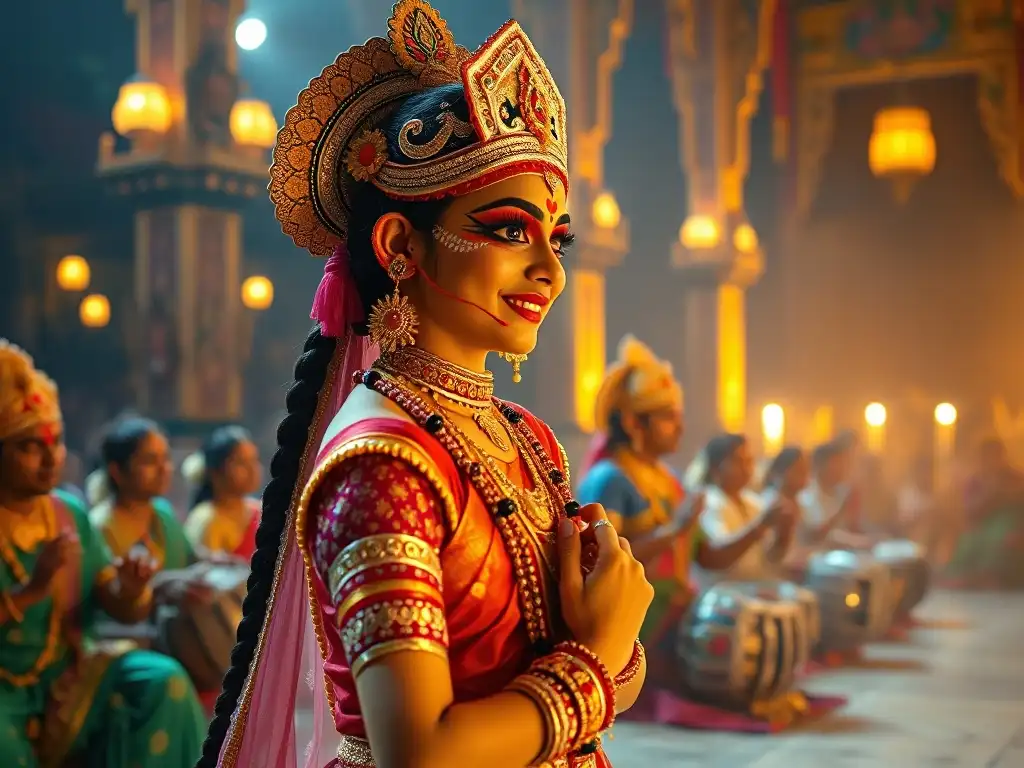
- Costume and Makeup: The visual appeal created through elaborate attire and face painting, which adds layers of meaning to characters.
- Choreography: The arrangement of movements that tells a story or conveys an emotion.
Importance of Aesthetics in Ancient Indian Culture
The aesthetics of ancient Indian performance arts played a pivotal role in shaping cultural identity and societal values. These art forms served as vital mediums for storytelling, often drawing from religious texts, folklore, and historical events. The emphasis on aesthetic experience facilitated a shared communal bond, fostering a sense of belonging and continuity within society.
Moreover, the aesthetic elements were not only appreciated for their beauty but also for their ability to convey moral and philosophical messages. This dual purpose of aesthetics—entertainment and education—underscored the integral role of performance arts in ancient Indian culture, making them essential to rituals, festivals, and celebrations.
Historical Context of Ancient Indian Performance Arts
To fully understand the aesthetics of ancient Indian performance arts, one must consider the historical evolution of these art forms. Rooted in a rich tradition, performance arts have undergone significant transformations influenced by various cultural and historical factors throughout India's past.
Evolution of Performance Arts in Ancient India
The evolution of ancient Indian performance arts can be traced back to the Vedic period, where rituals and chants laid the foundation for more structured forms of performance. As civilization progressed, the influence of regional traditions and the development of languages contributed to a diversification of art forms.
By the time of the Natyashastra, attributed to the sage Bharata Muni around the 2nd century BCE, a codified theory of performance was established. This text systematically addressed the elements of drama, dance, and music, formalizing the aesthetics of performance arts. The classical dance forms and theater traditions that emerged during this period reflect a sophisticated understanding of aesthetics that integrated various artistic disciplines.
Key Periods Influencing Performance Arts Aesthetics
Several key periods significantly influenced the aesthetics of ancient Indian performance arts:
- Mauryan Period (322-185 BCE): The patronage of Emperor Ashoka led to the flourishing of theater and dance, integrating Buddhist themes into performances.
- Gupta Empire (c. 320-550 CE): Often regarded as the Golden Age of India, this era saw the refinement of classical dance forms and the emergence of Natya Shastra's principles in practice.
- Medieval Period (c. 600-1200 CE): The rise of regional kingdoms saw the development of distinct local performance traditions, each with its unique aesthetic sensibilities, such as Kathakali and Manipuri.
These historical milestones highlight the dynamic interplay between culture and performance, shaping a rich legacy that continues to resonate in contemporary Indian performing arts.
By examining the aesthetics of ancient Indian performance arts, we gain insights not only into the artistic expressions of the past but also into the enduring cultural narratives that continue to inspire and engage audiences today.
Elements of Aesthetics in Ancient Indian Performance Arts
The aesthetics of ancient Indian performance arts encompass a myriad of elements that combine to create a rich tapestry of sensory experiences. These elements are integral to understanding how performance arts functioned not just as entertainment but as profound expressions of culture and spirituality. By exploring the visual, auditory, and narrative components, we can appreciate the depth and complexity of these art forms.
Visual Aesthetics: Costumes and Makeup
Costumes and makeup are pivotal in establishing the visual aesthetics of ancient Indian performance arts. Costumes were often designed with intricate patterns, vibrant colors, and elaborate embellishments that reflected the character's social status, personality, and emotional state. For instance, in classical dance forms like Bharatanatyam, dancers wear traditional silk sarees adorned with gold borders, which enhance the visual spectacle.
Makeup, or "makeup art," played a crucial role in transforming performers into their characters. The use of natural pigments to create elaborate facial designs served not only aesthetic purposes but also conveyed deeper meanings. The distinct makeup styles in different performance traditions—such as the "Kathakali" face paint—indicate various moods and traits, enhancing the audience's understanding of the narrative.
Auditory Aesthetics: Music and Instruments
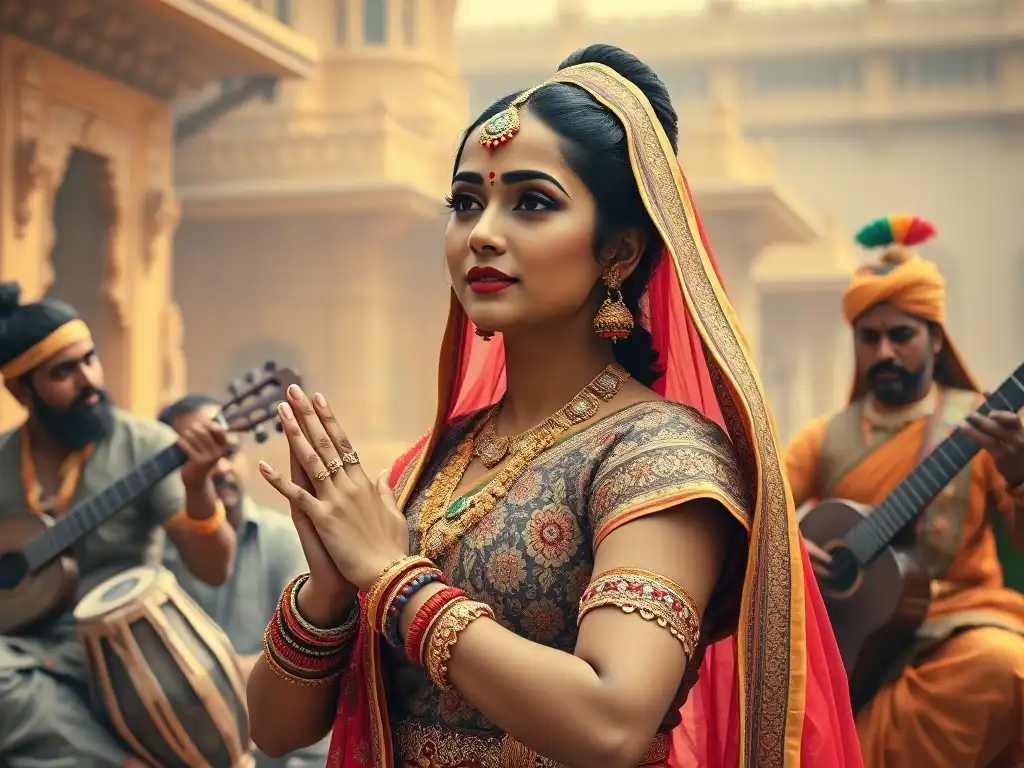
Music forms the backbone of ancient Indian performance arts, providing both a rhythmic and melodic foundation. The auditory aesthetics are characterized by the use of traditional instruments such as the tabla, mridangam, and veena, which complement the performances' emotional landscape. Each instrument brings a unique sound that resonates with specific themes, enhancing the storytelling aspect of the performance.
Vocal music also plays an essential role, with ragas (melodic frameworks) carefully chosen to evoke particular emotions at different times of day or seasons. This intricate relationship between music and performance underscores the significance of auditory aesthetics in creating an immersive experience for the audience.
The Role of Dance in Aesthetic Expression
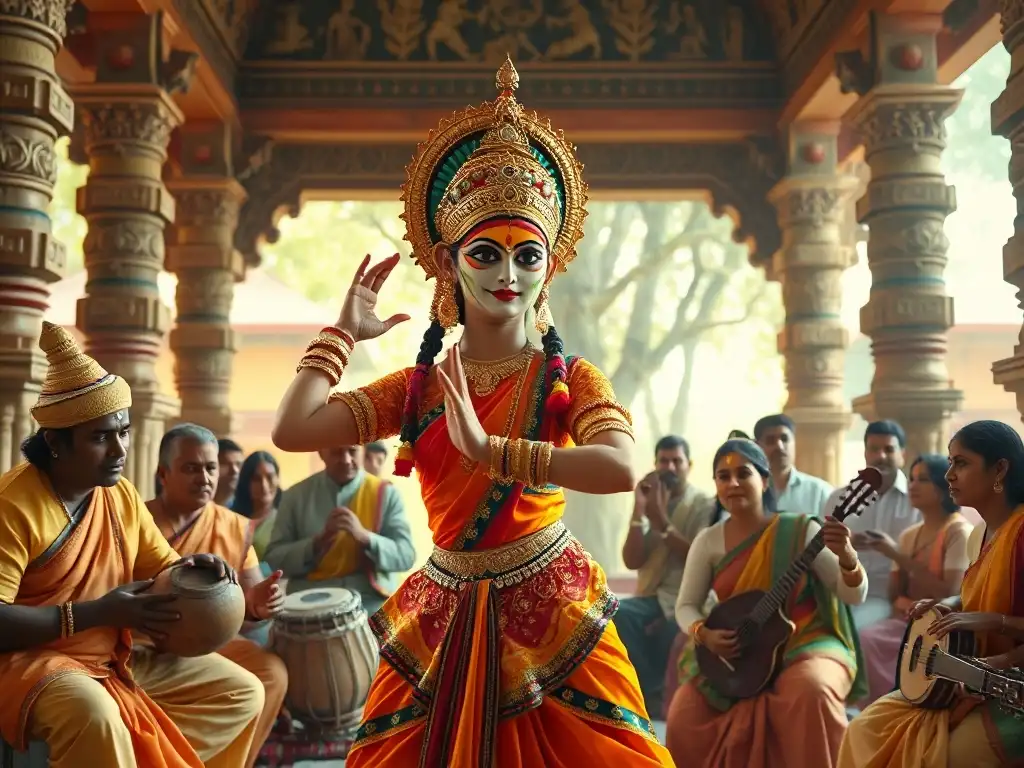
Dance is a fundamental aspect of ancient Indian performance arts, serving as a primary mode of aesthetic expression. Each classical dance form—be it Kathak, Odissi, or Kuchipudi—has its own set of gestures (mudras) and postures (asanas) that convey specific emotions and stories. The choreographed movements are not merely for visual pleasure; they embody philosophical and spiritual themes deeply rooted in Indian culture.
The integration of dance with music and drama creates a holistic aesthetic experience, where the body becomes a medium for storytelling. This synthesis of elements allows performers to express complex narratives and emotions, engaging the audience on multiple sensory levels.
Narrative Structures and Their Aesthetic Appeal
The narrative structures in ancient Indian performance arts are rich and varied, often derived from mythological and historical texts. These narratives are not linear but are layered, allowing for multiple interpretations. The interplay of dialogue, music, and dance creates a dynamic storytelling experience that captivates audiences.
The aesthetic appeal of these narratives lies in their ability to connect with the audience emotionally while also imparting moral lessons and cultural values. For instance, performances based on epics like the Ramayana and Mahabharata are rich in symbolism and thematic depth, which resonate across generations.
Major Forms of Ancient Indian Performance Arts
Ancient Indian performance arts manifest in various forms, each with its own aesthetic qualities and cultural significance. Understanding these forms helps to appreciate the diverse expressions of creativity and tradition in ancient India.
Classical Dance Forms and Their Aesthetic Qualities
Classical dance forms in ancient India are not just artistic expressions; they are also spiritual practices. Each form embodies unique aesthetic qualities that reflect the cultural milieu of its origin. For example, Bharatanatyam, originating from Tamil Nadu, emphasizes intricate footwork, expressive hand gestures, and facial expressions that communicate complex narratives.
The aesthetic experience is heightened through the use of traditional music, elaborate costumes, and dramatic lighting, which together create a captivating visual and auditory spectacle. Similarly, Kathak, with its emphasis on storytelling through rhythmic footwork and spins, engages the audience's imagination, making them participants in the narrative journey.
Theatre Traditions and Their Aesthetic Elements
Theatre traditions in ancient India, such as "Natya Shastra" and "Yakshagana," incorporate a blend of dance, music, and dramatic performance. These forms are characterized by their elaborate staging, vibrant costumes, and expressive acting, which are crucial to their aesthetic appeal.
The aesthetics of these theatrical performances are not only about visual and auditory elements but also involve the audience's engagement with the story. The use of improvisation and audience interaction in certain traditions creates a unique experience, allowing for a dynamic exchange between performers and spectators. This interactive component enhances the overall aesthetic quality, making each performance a unique event.
The aesthetics of ancient Indian performance arts are multifaceted, weaving together visual, auditory, and narrative elements to create a rich cultural tapestry that continues to captivate audiences today.
Philosophical Foundations of Aesthetics in Performance Arts
The aesthetics of ancient Indian performance arts is deeply rooted in philosophical traditions that emphasize the interplay between emotion, artistic expression, and the audience's experience. Central to this understanding is the idea that art should evoke emotional responses, which is articulated through various philosophical lenses, including those found in Hindu texts, Buddhism, and Jainism. These philosophies explore the nature of beauty, the purpose of art, and its impact on the human soul.
A key aspect of the aesthetic philosophy in ancient India is the concept of Bhāva, which refers to the emotional states expressed through performance. This aligns closely with the notion of Rasa, where the audience is not merely a passive observer but an active participant in experiencing and interpreting these emotions. The performance art is thus viewed as a means of achieving Ananda (bliss), allowing performers and spectators to transcend their everyday realities.
Furthermore, the philosophical underpinnings also emphasize the moral and ethical dimensions of performance arts, advocating that the representation of virtues and vices can lead to a deeper understanding of life’s complexities. The amalgamation of these philosophical elements creates a rich tapestry that informs the aesthetics of ancient Indian performance arts.
The Concept of Rasa in Ancient Indian Arts
The concept of Rasa is fundamental to the aesthetics of ancient Indian performance arts, serving as a cornerstone for understanding emotional experiences conveyed through artistic mediums. Rasa translates to "essence" or "flavor," representing the emotional states that a performance seeks to evoke in its audience. The Natya Shastra, an ancient treatise attributed to Bharata Muni, outlines the nine primary Rasas: Sringara (love), Hasya (laughter), Karuna (sorrow), Raudra (anger), Veera (heroism), Bhayanaka (fear), Bibhatsa (disgust), Adbhuta (wonder), and Shanta (peace).
Each Rasa is intricately linked to specific emotions, gestures (Mudras), and facial expressions (Abhinaya), which performers utilize to communicate and evoke feelings in their audiences. The interplay of these elements allows for a multifaceted experience, where the audience can engage with the performance on both emotional and intellectual levels.
Moreover, the experience of Rasa is not solely reliant on the performance but also on the cultural context and the individual backgrounds of the audience members, which adds layers of meaning to the aesthetic experience.
Influence of Natya Shastra on Aesthetic Principles
The Natya Shastra is pivotal in shaping the aesthetic principles of ancient Indian performance arts. This comprehensive text serves as a guide to the theory and practice of drama, dance, and music, laying the groundwork for aesthetics in these forms. It elaborates on the elements of performance, including the use of Rasa, Bhāva, Abhinaya, and Sahitya (literature), creating a framework that has influenced generations of artists.
One of the key contributions of the Natya Shastra is its systematic categorization of various performance techniques and aesthetics. The treatise describes how to effectively blend narrative, music, and dance to create a cohesive artistic experience. This integration is crucial for conveying the intended emotional impact and thematic depth of the performance.
The Natya Shastra also emphasizes the importance of the audience’s role in experiencing the Rasa, proposing that the ultimate goal of performance is to evoke a profound emotional response. This text has not only influenced classical arts but also has left an indelible mark on folk traditions, thereby enriching the overall aesthetic landscape of ancient Indian performance arts.
Spiritual and Cultural Significance of Aesthetics
The aesthetics of ancient Indian performance arts is not merely about artistic expression; it is also deeply interwoven with spiritual and cultural dimensions. Performance arts have historically been viewed as a means of connecting with the divine, reflecting the belief that art serves as a bridge between humanity and spirituality. This is evident in various traditional forms, such as Kathakali and Bharatanatyam, where narratives often draw from Hindu mythology and spiritual teachings.
Through performance, artists seek to embody and communicate divine principles, thus elevating the aesthetic experience to a spiritual encounter. The rituals associated with these performances often include offerings and prayers, reinforcing the connection between art and spirituality.
Culturally, ancient Indian performance arts reflect the values, beliefs, and social norms of the time. They serve as a repository of collective memory, preserving stories and teachings that resonate through generations. This cultural significance is evident in the way performances are often community-oriented events, fostering social cohesion and shared identity.
Comparative Analysis of Aesthetics in Different Performance Arts
The aesthetics of ancient Indian performance arts can be analyzed through a comparative lens, revealing distinct characteristics and shared elements across various forms. This analysis highlights how different genres, such as classical and folk performances, approach aesthetics uniquely while also drawing from common philosophical foundations.
Comparison Between Classical and Folk Performance Arts
Classical and folk performance arts represent two pillars of ancient Indian aesthetics, each with its own distinct characteristics yet intertwined in many ways.
- Classical Performance Arts: Forms like Kathak, Odissi, and Kuchipudi are characterized by their structured techniques, elaborate storytelling, and adherence to established theories like the Natya Shastra. They often focus on sophisticated aesthetics, intricate movements, and the expression of Rasa through refined gestures and facial expressions.
- Folk Performance Arts: In contrast, folk performance arts such as Tamasha and Bhangra tend to be more spontaneous and community-oriented, reflecting the daily lives and emotions of the common people. The aesthetics here are often simpler but rich in cultural significance, emphasizing rhythm, music, and relatable narratives.
While classical arts may prioritize technical precision and adherence to tradition, folk arts often embrace improvisation and adaptability, showcasing the dynamic nature of cultural expression. Both forms contribute to the broader landscape of ancient Indian performance arts, enriching the aesthetic experience of audiences.
Cross-Cultural Influences on Ancient Indian Aesthetics
The aesthetics of ancient Indian performance arts have been significantly shaped by cross-cultural influences throughout history. Trade routes, conquests, and cultural exchanges facilitated interactions with diverse civilizations, leading to a rich tapestry of artistic expression that transcends regional boundaries.
For example, the influence of Persian art on Indian classical music is evident in the incorporation of new instruments and styles during the Mughal era. Similarly, interactions with Southeast Asian cultures contributed to the evolution of dance forms and theatrical practices in ancient India.
These cross-cultural exchanges not only introduced new techniques and styles but also enriched the thematic content of performances, allowing for a broader exploration of universal human experiences. As a result, ancient Indian performance arts became a melting pot of ideas, reflecting a diverse aesthetic landscape that continues to inspire artists today.
The aesthetics of ancient Indian performance arts are an intricate blend of philosophical foundations, emotional expression, and cultural significance, enriched by both classical traditions and folk practices, as well as cross-cultural interactions. This complexity continues to captivate and inspire audiences, ensuring that the legacy of these art forms endures through time.
Contemporary Relevance of Ancient Indian Performance Arts Aesthetics
The aesthetics of ancient Indian performance arts continue to hold significant relevance in contemporary society, not merely as relics of the past but as vibrant expressions that inform and enrich modern artistic practices. These ancient art forms, encompassing theater, dance, and music, offer a wealth of aesthetic principles that resonate with current artistic explorations. They provide a framework for understanding the interplay of emotion, rhythm, and narrative, which are essential elements in performance today.
Moreover, the philosophical underpinnings of ancient Indian aesthetics, particularly concepts such as Rasa (the emotional flavor), remain influential in how performances are conceptualized and executed. By blending traditional motifs with modern themes, artists today can create performances that are both reflective of their heritage and relevant to contemporary audiences.
Preservation of Ancient Aesthetic Principles in Modern Contexts
The preservation of ancient aesthetic principles is evident in various forms of contemporary performance arts. Many modern practitioners consciously draw inspiration from ancient texts, such as the Natya Shastra, which outlines the foundational elements of performance, including gestures, expressions, and stagecraft. These texts emphasize the importance of Bhava (mood) and Raga (melody), elements that are still integral to modern dance forms like Bharatanatyam and Kathak.
In addition to classical dance and theater, the aesthetics of ancient Indian performance are also preserved in folk traditions. Local communities continue to engage in performance practices that reflect their historical narratives and cultural identities, ensuring that the aesthetics remain alive and dynamic. Festivals and cultural events often feature these traditional performances, creating a bridge between the past and present.
Influence on Contemporary Indian Performance Arts
The influence of ancient Indian performance arts aesthetics is profoundly visible in contemporary Indian cinema and theatrical productions. Filmmakers and theater directors often incorporate traditional storytelling techniques and visual styles that echo ancient practices. For example, the use of elaborate costumes, symbolic gestures, and vibrant music in films like Baahubali and Lagaan showcases how ancient aesthetics can enhance narrative depth and visual storytelling.
In addition, choreographers are increasingly blending classical dance forms with modern styles, creating innovative performances that pay homage to ancient traditions while appealing to contemporary sensibilities. Collaborations between traditional artists and modern creators foster a dialogue that enriches the performance landscape, allowing for a fusion that respects historical roots while pushing creative boundaries.
Conclusion
Summary of Key Aesthetic Features of Ancient Indian Performance Arts
The key aesthetic features of ancient Indian performance arts include the emphasis on Rasa, the exploration of Bhava, and the intricate use of Mudras (hand gestures) and Abhinaya (expressive storytelling). These elements work together to create a rich tapestry of emotional and sensory experiences for the audience. The aesthetic principles also prioritize harmony between the performer and the audience, fostering a communal experience that transcends individual interpretation.
Final Thoughts on the Legacy and Importance of Aesthetics in Ancient Indian Culture
The legacy of aesthetics in ancient Indian performance arts is not only a testament to the richness of Indian culture but also a source of inspiration for future generations. The ability to convey complex emotions and narratives through performance remains vital in today's fast-paced world. As artists continue to explore and reinterpret these ancient aesthetics, they not only honor their heritage but also contribute to the ongoing evolution of performance arts. The aesthetics of ancient Indian performance arts serve as a reminder of the power of art to connect, communicate, and inspire across time and culture.
- Introduction to Ancient Indian Performance Arts Aesthetics
- Historical Context of Ancient Indian Performance Arts
- Elements of Aesthetics in Ancient Indian Performance Arts
- Major Forms of Ancient Indian Performance Arts
- Philosophical Foundations of Aesthetics in Performance Arts
- Comparative Analysis of Aesthetics in Different Performance Arts
- Contemporary Relevance of Ancient Indian Performance Arts Aesthetics
- Conclusion
- What are the main characteristics of ancient Indian performance arts aesthetics?
- How did the Indus Valley Civilization influence performance arts?
- What role did the Gupta Empire play in the development of performance arts?
- How are religion and spirituality reflected in ancient Indian performance arts?
- What types of performance arts were prevalent in ancient India?
Frequently Asked Questions
What are the main characteristics of ancient Indian performance arts aesthetics?
The aesthetics of ancient Indian performance arts are defined by their emphasis on expression, spiritual themes, and intricate storytelling using dramatic elements, dance, and music.
How did the Indus Valley Civilization influence performance arts?
The Indus Valley Civilization laid the groundwork for early cultural expressions, showcasing the significance of rituals and community gatherings that later influenced performance arts.
What role did the Gupta Empire play in the development of performance arts?
The Gupta Empire is often referred to as the Golden Age of India, where theatrical arts flourished, leading to the creation of classic texts such as Natya Shastra that codified performance techniques.
How are religion and spirituality reflected in ancient Indian performance arts?
Ancient Indian performance arts heavily incorporate religious themes, often depicting mythological stories that convey moral lessons, reflecting the spiritual beliefs of the culture.
What types of performance arts were prevalent in ancient India?
Ancient India showcased a variety of performance arts, including classical dance forms, theater, and music, each with distinct regional styles and cultural significance.
Final Reflection: Embracing the Timeless Aesthetics of Ancient Indian Performance Arts
The exploration of ancient Indian performance arts aesthetics is not just a journey into the past; it is a vibrant tapestry that continues to influence contemporary culture. In a world increasingly disconnected from its roots, understanding these aesthetics allows us to reconnect with the profound narratives, emotions, and philosophies that have shaped human expression for centuries. The beauty of these art forms lies in their ability to transcend time, reminding us that the essence of storytelling and performance remains as relevant today as it was in ancient times.
The impact of ancient Indian performance arts aesthetics is woven deeply into the fabric of modern society, influencing everything from cinema to dance and theater. These art forms serve as a bridge between generations, fostering a sense of identity and continuity. As we witness a resurgence of interest in traditional practices, we are reminded of the words of the renowned dancer and choreographer, Rukmini Devi Arundale: Art is the most beautiful of all lies; it speaks the truth of the human experience.
This sentiment encapsulates the ongoing relevance of these aesthetics, highlighting their ability to articulate the complexities of life and culture in a manner that resonates universally.
As we reflect on the lessons embedded in the aesthetics of ancient Indian performance arts, let us invite ourselves to engage with these rich traditions in our own lives. Take a moment to appreciate the art forms around you, whether through dance, music, or theater, and consider how they reflect the stories and values of our shared humanity.
By embracing and celebrating these ancient aesthetics, we not only honor our cultural heritage but also enrich our own lives with the wisdom and beauty that they offer. The journey of understanding and appreciating these art forms is ongoing, and it is one that invites each of us to participate actively in the unfolding narrative of human creativity.
Unveil the Magic of Ancient Indian Performance Arts!
Thank you for diving into the captivating world of ancient Indian performance arts! Your interest not only enriches your understanding but also helps keep these vibrant traditions alive. Now, let’s take the next steps to deepen your connection and appreciation.
- Explore a local performance: Attend cultural festivals or workshops in your area to experience these art forms firsthand.
- Share your insights: Discuss what you learned with friends or family to inspire them to explore further.
- Join an online community: Connect with enthusiasts on social media or forums dedicated to ancient arts.
What aspect of ancient performance arts resonates with you the most, and how do you envision incorporating it into your life or hobbies?