
The Cultural Significance of Folk Art in Ancient Indian Society

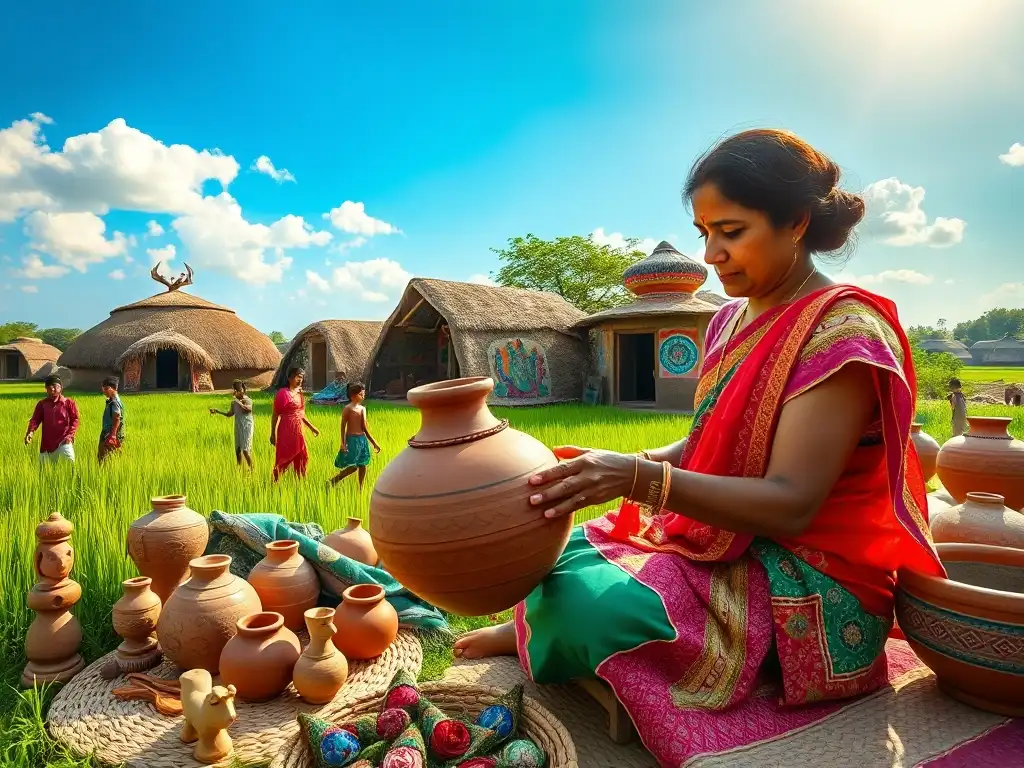
Welcome to Ancient India History, where we embark on a captivating journey through the vibrant tapestry of ancient Indian civilizations. Discover the cultural significance of Indian folk art, a reflection of the soul and heritage that shaped societies from the Indus Valley to the Gupta Empire. As you delve deeper into this article, you'll uncover the stories, traditions, and artistic expressions that not only defined communities but also preserved their legacies for generations. Prepare to be inspired and intrigued as we unravel the timeless beauty and meaning behind these exquisite art forms!
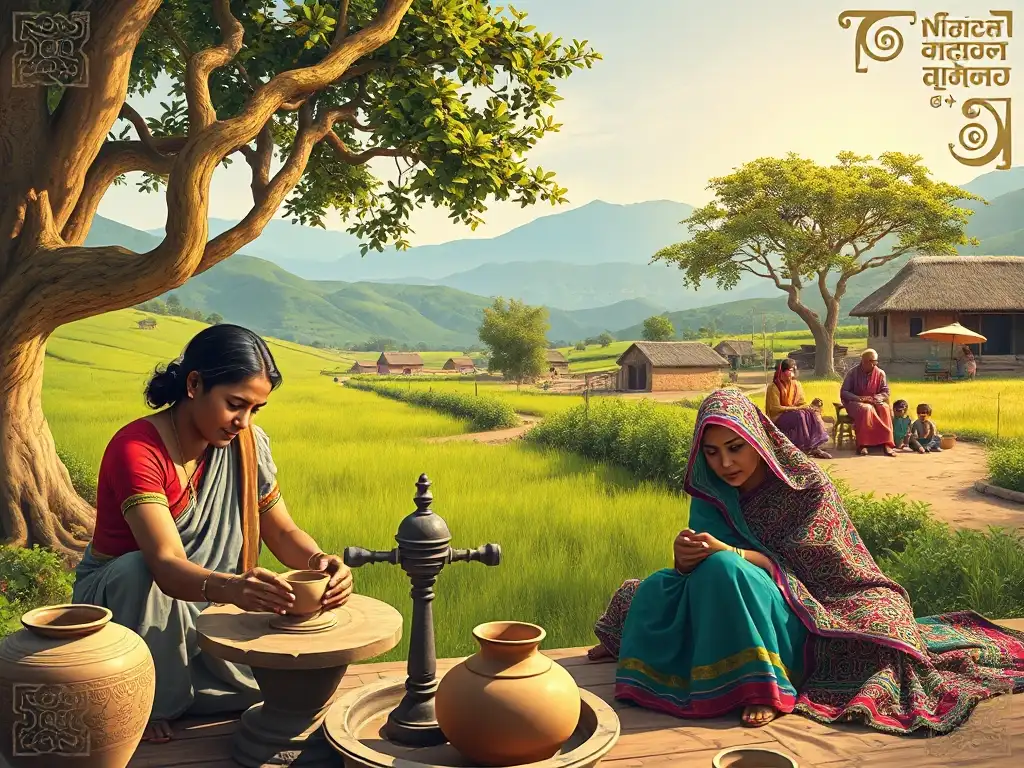
Introduction to Indian Folk Art
Indian folk art is a vibrant and essential component of the country's rich cultural tapestry, encapsulating the values, beliefs, and traditions of its diverse communities. This art form has been passed down through generations, often reflecting the unique narratives of the people who create it. Understanding the cultural significance of Indian folk art offers insights into not only the aesthetic expressions of ancient societies but also their social structures, religious beliefs, and communal bonds. From intricate paintings and sculptures to textiles and pottery, folk art serves as a mirror, illuminating the lives and ethos of ancient Indian civilizations.
Definition and Overview of Folk Art
Folk art can be defined as the artistic expressions created by the common people of a region, reflecting their everyday lives, traditions, and cultural heritage. Unlike fine art, which is often created for commercial purposes and follows specific artistic standards, folk art is rooted in community practices and is typically functional, serving both aesthetic and practical purposes. Various forms of folk art in India include:
- Madhubani Paintings: Originating from Bihar, known for their vibrant colors and intricate motifs.
- Warli Art: A tribal art form from Maharashtra that utilizes simple geometric shapes to depict daily life.
- Pattachitra: Traditional scroll paintings from Odisha, often narrating mythological tales.
- Rajasthani Miniature Paintings: Detailed artworks capturing royal life, nature, and folklore.
Folk art not only showcases the unique creativity of local artisans but also serves as a vital means of cultural preservation, ensuring that the stories and traditions of the past remain alive.
Historical Context of Folk Art in Ancient India
The roots of Indian folk art can be traced back to the early civilizations of the Indus Valley, where evidence of decorative pottery and terracotta figurines has been found. Over centuries, as various dynasties rose and fell, the influences of regional cultures contributed to the evolution of folk art across different states. Ancient texts and scriptures often reference artistic practices, illustrating the importance of visual expression in rituals and festivals.
The advent of Bhakti and Sufi movements further enriched folk art, as these spiritual awakenings encouraged the creation of art that was accessible to the masses, transcending social barriers. Thus, folk art became a medium for expressing devotion, community values, and social commentary, deeply embedded in the historical narrative of India.
The Role of Folk Art in Ancient Indian Society
Folk art played a multifaceted role in ancient Indian society, serving as a significant cultural vehicle that promoted identity, unity, and spiritual expression. Its impact can be observed in various aspects of community life, from festivals to daily practices.
Folk Art as a Reflection of Cultural Identity
Each region of India has its distinct folk art styles, which represent the cultural identities of the communities that create them. For instance, the vibrant colors and themes of Kondapalli toys from Andhra Pradesh tell stories of local legends and lifestyles. This regional variation not only enriches the artistic landscape of India but also fosters a sense of pride among communities, reinforcing their unique identities. The use of specific motifs, patterns, and colors often holds symbolic meanings, allowing folk art to act as a narrative tool that encapsulates the collective memory of a people.
Community and Folk Art: Creating Bonds
Folk art functions as a communal activity, often involving the collective participation of community members in its creation and appreciation. Festivals and local gatherings frequently showcase folk art, providing opportunities for community bonding and cultural exchange. This participatory nature of folk art fosters social cohesion, as individuals come together to celebrate their shared heritage and artistic expressions. Such interactions not only strengthen communal ties but also encourage the younger generations to engage with their cultural roots.
The Influence of Religion and Spirituality on Folk Art
Religion and spirituality have profoundly influenced the development of folk art in ancient India. Many folk art forms are intertwined with religious practices, serving as offerings or adornments in temples and during rituals. For example, Kolam designs created with rice flour are often drawn at the entrances of homes as a form of welcome to deities.
The themes depicted in folk art often revolve around mythological narratives, deities, and spiritual beliefs, reflecting the intrinsic connection between art and faith. Thus, folk art not only transcends mere aesthetics; it embodies the spiritual and moral values that have shaped ancient Indian societies.
Key Characteristics of Indian Folk Art
Indian folk art is a vibrant representation of the cultural and social fabric of various communities across the subcontinent. It is characterized by its distinct styles, vivid colors, and a deep-rooted connection to local traditions and practices. Unlike classical art forms that are often influenced by formal training and established techniques, folk art is typically created by untrained artisans who draw inspiration from their surroundings, customs, and beliefs. This results in a unique blend of creativity and authenticity that reflects the community’s identity and heritage.
The use of symbolism is another vital characteristic of Indian folk art. Each piece often tells a story or conveys a message through intricate designs and motifs. These symbols are deeply embedded in the cultural context of the region, making them significant not only aesthetically but also culturally. Folk art serves as a medium through which the values, beliefs, and historical narratives of the community are preserved and passed down through generations.
Diverse Styles and Techniques in Folk Art
India's folk art is remarkably diverse, with each region showcasing its unique styles and techniques. From the vibrant Madhubani paintings of Bihar, characterized by intricate patterns and mythological themes, to the Warli art of Maharashtra, which employs simple geometric shapes to depict daily life and nature, the variety is immense. Other notable styles include Pattachitra from Odisha, which uses bold colors and narrative illustrations, and the Phad paintings from Rajasthan, known for their storytelling through large scrolls.
The techniques employed in these art forms often reflect the local environment and resources. For instance, the use of natural dyes and materials like clay, leaves, and textiles is common. Additionally, many folk artists utilize techniques passed down through generations, ensuring that their methods remain true to their cultural origins. This diversity not only enriches the artistic landscape but also highlights the adaptability and resilience of local traditions.
Materials and Tools Used in Ancient Folk Art
The materials and tools used in ancient Indian folk art are as varied as the art forms themselves. Artists often rely on locally sourced materials that are readily available in their environment. Commonly used materials include natural pigments derived from plants, minerals, and even insects, which are mixed with binders like gum or starch to create vibrant colors.
In terms of tools, artisans typically use simple instruments such as brushes made from animal hair, bamboo sticks, or even their fingers to apply paint. For textile arts, tools like needles, looms, and dyes are employed. The choice of materials and tools not only reflects the local resources but also the ingenuity of the artists in utilizing what is available to them, making each piece of folk art a testament to their skill and creativity.
Themes and Motifs Commonly Found in Folk Art
Folk art in ancient India is rich with themes and motifs that often draw from nature, mythology, and daily life. Common motifs include animals, plants, and celestial bodies, which symbolize various aspects of life and spirituality. For instance, peacocks often represent beauty and grace, while elephants symbolize strength and wisdom.
Mythological themes are prevalent as well, with many artworks illustrating tales from Hindu epics like the Ramayana and Mahabharata, or the stories of local deities and legends. Additionally, folk art frequently reflects the seasonal changes and agricultural practices of the region, showcasing the deep connection between art and the rhythms of life in ancient communities. These themes provide insight into the values and beliefs of the cultures that produced them, making the study of folk art an essential aspect of understanding ancient Indian society.
The Cultural Significance of Indian Folk Art
The cultural significance of Indian folk art extends far beyond mere aesthetics; it serves as a crucial element of community identity and continuity. Folk art embodies the traditions, values, and social structures of various communities, allowing them to express their unique heritage and cultural narratives. It plays a vital role in rituals, festivals, and daily life, reinforcing a sense of belonging and shared history among community members.
Moreover, folk art often acts as a bridge between generations, with older artisans teaching younger individuals the techniques and stories behind their creations. This transmission of knowledge not only preserves the art form but also fosters a collective cultural memory, ensuring that the essence of the community's identity is maintained.
Preservation of Traditions Through Folk Art
Folk art is instrumental in preserving the traditions and customs of communities throughout ancient India. Each piece of art serves as a record of the community's history, values, and beliefs, encapsulating the essence of their way of life. Through various forms of folk art, such as paintings, sculptures, and textiles, ancient artisans documented their experiences, significant events, and cultural practices, creating a visual narrative that continues to resonate today.
In many instances, folk art is tied to specific rituals and festivals, making it a living tradition that evolves yet remains rooted in its origins. The active participation of the community in creating and celebrating folk art helps to reinforce these traditions, ensuring that they are not only remembered but also practiced by future generations.
Folk Art as a Medium for Storytelling
Folk art serves as a powerful medium for storytelling, allowing communities to convey their histories, myths, and moral lessons through visual narratives. The intricate designs and motifs found in various forms of folk art often depict scenes from local folklore or significant historical events, providing insight into the community’s values and beliefs.
Storytelling through folk art is not merely about entertainment; it also plays an educational role, imparting wisdom and cultural teachings to both young and old. These narratives often serve as a reminder of the community's identity, challenges, and triumphs, fostering a deeper understanding of their heritage and inspiring pride in their cultural legacy.
The Educational Role of Folk Art in Ancient Communities
Folk art has historically played an educational role in ancient Indian communities, serving as a means of imparting knowledge and skills. Through the creation of art, individuals learned not only technical skills but also the cultural narratives and values that shaped their society. Artisans often passed down their knowledge through apprenticeships, ensuring that younger generations were educated in both the craft and the cultural significance of their work.
Furthermore, folk art was often used in communal settings to teach moral lessons and cultural norms. Festivals and gatherings provided opportunities for storytelling and artistic expression, reinforcing social cohesion and shared values among community members. In this way, folk art became an integral component of the educational landscape, facilitating both individual and communal growth.
Regional Variations of Folk Art in Ancient India
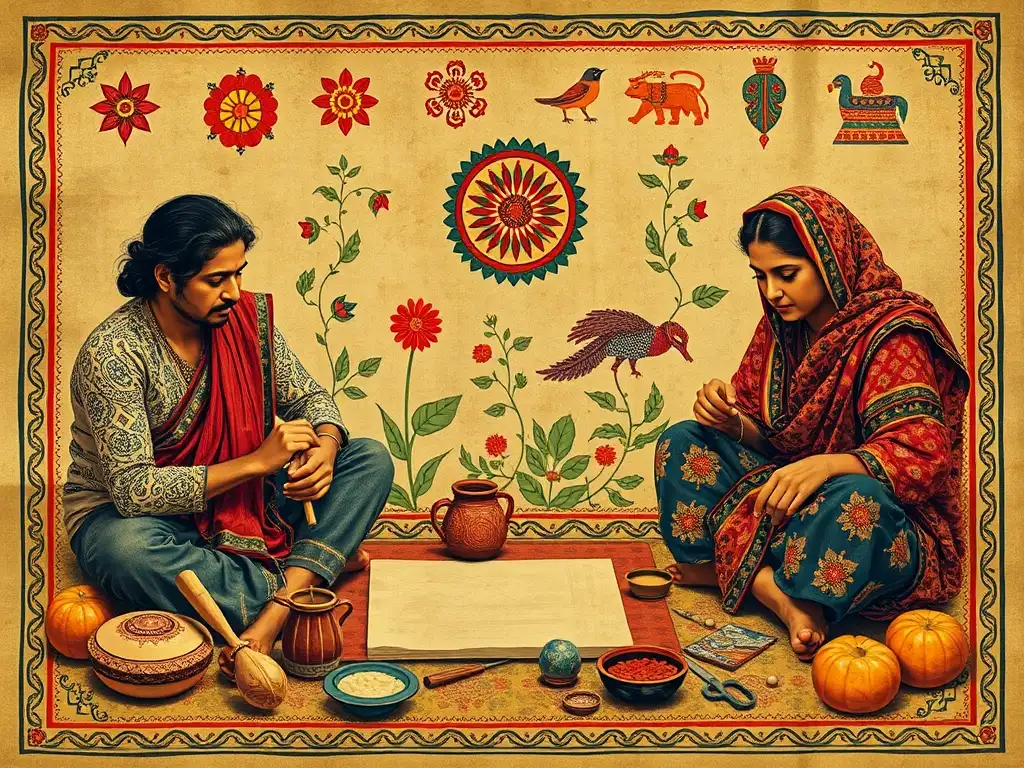
Folk art in ancient India is a vibrant tapestry that reflects the diverse regional cultures, traditions, and lifestyles of its people. Each region developed its unique styles, techniques, and themes, influenced by local customs, religious beliefs, and the natural environment. This regional variation not only showcases the artistic creativity of ancient Indian society but also serves as a historical record of the social fabric of the time. From intricate paintings to elaborate crafts, the richness of Indian folk art lies in its ability to adapt and evolve while retaining its cultural essence.
North Indian Folk Art: Styles and Influences
North India is renowned for its diverse folk art forms, including Madhubani, Pahari, and Phad paintings. Madhubani art, originating from Bihar, is characterized by vibrant colors and intricate patterns, often depicting mythological themes and nature. Pahari paintings from the Himalayan region are distinguished by their delicate brushwork and romantic themes, often illustrating tales from Hindu epics. Phad art, a narrative scroll painting from Rajasthan, is notable for its storytelling aspect, where each scroll unfolds tales of local deities through vivid imagery.
The influences on North Indian folk art are multifaceted, stemming from historical interactions with various cultures, including Mughal and Persian influences. These interactions enriched the visual vocabulary of local artists, allowing them to incorporate new techniques and motifs into their traditional practices. The result is a unique blend of indigenous styles and external influences, creating a dynamic artistic landscape that continues to inspire modern artists.
South Indian Folk Art: Unique Characteristics
South Indian folk art is distinguished by its intricate craftsmanship and spiritual themes, with notable forms such as Kolam, Tanjore paintings, and Kalamkari. Kolam, a traditional art form, involves creating intricate patterns on the ground using rice flour, symbolizing prosperity and auspiciousness. Tanjore paintings, originating from Tamil Nadu, are known for their rich colors, gold foil embellishments, and religious themes, often depicting gods and goddesses.
Kalamkari, a textile art form, combines painting and block printing techniques to create elaborate designs, typically with mythological narratives. The unique characteristics of South Indian folk art are deeply rooted in the region's religious practices and agricultural cycles, reflecting the spiritual connection between art and daily life. The use of natural dyes and locally sourced materials further emphasizes the sustainable practices that were prevalent in ancient times.
East and West Indian Folk Art Traditions
The folk art traditions of East and West India showcase distinct styles and cultural narratives. In East India, Warli and Pattachitra paintings are notable. Warli art, originating from tribal communities in Maharashtra, uses simple geometric shapes to depict daily life and nature, emphasizing harmony with the environment. Pattachitra, from Odisha, is characterized by intricate narratives painted on cloth, showcasing mythological stories with vibrant colors and detailed borders.
In West India, Gujarat and Maharashtra contribute significantly to the folk art landscape with forms such as Bandhani textiles and Lippan art. Bandhani, a tie-dye technique, produces colorful, patterned fabrics that are often used in traditional attire. Lippan art involves the application of mud and mirror work to walls, creating reflective and textured surfaces that enhance the aesthetic appeal of homes.
The folk art of both regions serves as a cultural repository, preserving the stories, traditions, and beliefs of the communities. These artistic expressions not only reflect the socio-economic conditions of their respective regions but also foster a sense of identity and belonging among the people.
The Impact of Folk Art on Contemporary Society
Folk art has transcended its historical roots and continues to play a significant role in contemporary society. Its impact is felt in various spheres, from cultural preservation to economic development, highlighting the relevance of traditional art forms in today’s globalized world.
Revival of Interest in Indian Folk Art
In recent years, there has been a resurgence of interest in Indian folk art, driven by a growing appreciation for traditional craftsmanship and cultural heritage. This revival is fueled by initiatives from artists, NGOs, and government programs aimed at promoting folk art forms. Workshops, exhibitions, and cultural festivals have provided platforms for folk artists to showcase their work, attracting both domestic and international audiences.
The revival is also evident in the incorporation of folk art motifs in modern designs, fashion, and home decor. As more people seek authentic and sustainable products, the demand for folk art has increased, encouraging artisans to innovate while preserving their traditional techniques. This renewed interest not only helps sustain the livelihoods of folk artists but also fosters a deeper understanding of India's diverse cultural landscape.
Folk Art in Modern Indian Culture: A Bridge to the Past
Folk art serves as a bridge connecting contemporary society with its ancient roots. It provides a tangible link to India’s rich cultural history, allowing individuals to explore and appreciate the narratives embedded in these art forms. Through folk art, modern audiences can engage with the stories of their ancestors, gaining insights into their beliefs, values, and ways of life.
Moreover, contemporary artists are increasingly drawing inspiration from folk art, blending traditional techniques with modern aesthetics. This fusion not only revitalizes folk art but also creates new art forms that resonate with younger generations. By embracing their cultural heritage, artists contribute to a broader cultural dialogue that honors the past while looking towards the future.
Economic Significance: Folk Art in the Craft Marketplace
The economic significance of folk art cannot be overstated, as it plays a crucial role in the craft marketplace. Folk artists contribute to the local economy by producing handmade goods that attract consumers seeking unique, artisanal products. The sale of folk art, whether in local markets or through online platforms, provides sustainable livelihoods for artisans and their families.
Furthermore, the promotion of folk art through tourism has become a vital sector, with many regions capitalizing on their artistic heritage to attract visitors. Cultural tourism, centered around folk art, allows travelers to engage with local traditions, enhancing their understanding of the region's history and culture. This economic model not only supports artisans but also fosters cultural exchange and appreciation among diverse communities.
The cultural significance of Indian folk art extends beyond mere aesthetics, deeply influencing contemporary society, preserving heritage, and contributing to economic vitality.
Conclusion: The Enduring Legacy of Folk Art in Indian Culture
The cultural significance of Indian folk art is profound and multifaceted, representing a rich tapestry of traditions that have been passed down through generations. Folk art is not merely a form of aesthetic expression; it is a vital means of communication, embodying the values, beliefs, and experiences of diverse communities across India. From vibrant paintings and intricate textiles to lively performances and craftsmanship, folk art serves as a testament to the ingenuity and creativity of ancient Indian societies.
This enduring legacy is evident in the way folk art continues to inspire contemporary artists and artisans, bridging the gap between past and present. By integrating traditional techniques with modern themes, artists are revitalizing folk art, ensuring its relevance in today’s world. The resilience of these art forms showcases the adaptability and continuity of cultural practices, keeping the spirit of ancient Indian heritage alive.
Summary of Cultural Significance
Folk art in ancient India played a crucial role in shaping the cultural landscape of the subcontinent. It was deeply intertwined with various aspects of daily life, including rituals, celebrations, and social gatherings. Each piece of folk art carries significant meanings and stories, often rooted in local mythology and folklore, which serve to educate and unite communities.
Key aspects of the cultural significance of Indian folk art include:
- Representation of Identity: Folk art reflects the diverse identities of various ethnic groups and regions, showcasing their unique customs, traditions, and lifestyles.
- Preservation of Heritage: Through folk art, ancient narratives and historical events are preserved, providing insights into the societal values and practices of the time.
- Community Engagement: Folk art often involves communal participation, fostering a sense of belonging and strengthening social bonds among community members.
- Spiritual Connection: Many folk art forms are tied to religious practices and beliefs, serving as a medium for devotion and spiritual expression.
By understanding the cultural significance of Indian folk art, we can appreciate its role in shaping the socio-cultural dynamics of ancient Indian society and its lasting impact on contemporary culture.
Future of Folk Art in Preserving Ancient Indian Heritage
As the world becomes increasingly globalized, the future of folk art in preserving ancient Indian heritage faces both challenges and opportunities. While the pressures of modernization and commercialization threaten the authenticity of traditional practices, there is a growing movement to revive and promote folk art as a vital component of cultural identity.
Several factors contribute to the optimistic future of folk art:
- Educational Initiatives: Schools and cultural organizations are beginning to incorporate folk art into their curriculums, educating younger generations about its importance and encouraging them to engage with these art forms.
- Digital Platforms: The rise of digital media has provided artists with new avenues to showcase their work, reach broader audiences, and educate others about the significance of folk art.
- Sustainable Practices: There is an increasing awareness of the need for sustainable practices in the production and promotion of folk art, ensuring that traditional methods and materials are preserved for future generations.
The future of folk art in India hinges on a collective effort to value and nurture its rich heritage. By fostering an appreciation for these art forms, we can ensure that the stories, traditions, and identities encapsulated within them continue to thrive and inspire future generations.
- Introduction to Indian Folk Art
- The Role of Folk Art in Ancient Indian Society
- Key Characteristics of Indian Folk Art
- The Cultural Significance of Indian Folk Art
- Regional Variations of Folk Art in Ancient India
- The Impact of Folk Art on Contemporary Society
- Conclusion: The Enduring Legacy of Folk Art in Indian Culture
Frequently Asked Questions
What is the cultural significance of Indian folk art?
The cultural significance of Indian folk art lies in its ability to reflect the traditions, beliefs, and daily lives of ancient communities, serving as a visual narrative of their history and values.
How did folk art contribute to ancient Indian society?
Folk art played a crucial role in community bonding, often used in rituals, festivals, and social gatherings, thereby fostering a sense of identity and belonging among people.
What materials were commonly used in ancient Indian folk art?
Artists typically utilized natural materials such as clay, wood, and textiles, which were readily available in their environment, showcasing the resourcefulness and creativity of ancient artisans.
How is folk art preserved in modern times?
Today, many organizations and communities are dedicated to preserving and reviving traditional folk art forms, recognizing their importance in maintaining cultural heritage and promoting artistic expression.
What impact did regional diversity have on folk art?
The regional diversity of India resulted in a rich tapestry of folk art styles, each influenced by local customs, languages, and geographical features, making it a unique representation of Indian culture.
Final Reflection: The Enduring Legacy of Indian Folk Art
The cultural significance of Indian folk art resonates powerfully in today's society, reminding us of the rich tapestry of traditions that shape our identities. As we navigate a rapidly changing world, the values and narratives embedded in folk art serve as a bridge to our past, illuminating the ways in which art can foster community, preserve history, and express the collective spirit of a people. The vibrant colors and intricate designs of folk art are not just aesthetic choices; they are profound statements about who we are and where we come from.
The influence of Indian folk art extends far beyond its historical roots, continuing to inspire contemporary artists and cultural movements. In a time when globalization often threatens to dilute local traditions, folk art stands as a testament to resilience and creativity. It invites us to engage with our heritage and encourages a dialogue between the past and the present.
As Mahatma Gandhi once said, "> The best way to find yourself is to lose yourself in the service of others." This sentiment echoes through the practice of folk art, where the act of creation is often a communal effort that strengthens bonds and fosters understanding.
As we reflect on the cultural significance of Indian folk art, I encourage you to explore its depths in your own life. Consider how these art forms can inspire your creativity, connect you with your roots, and enrich your understanding of community. Take a moment to appreciate the stories woven into each piece of art, and think about how you can contribute to preserving and promoting this invaluable heritage. Let the spirit of folk art guide you in celebrating diversity, fostering connections, and nurturing the cultural narratives that define us all.
Celebrate and Preserve Ancient Indian Folk Art Today!
Thank you for exploring the rich tapestry of folk art and its cultural significance in ancient Indian society. Your interest in this topic underscores the importance of preserving our heritage and discovering the stories that have shaped our past. Now, let’s transform that inspiration into meaningful action!
- Visit a local museum or cultural center dedicated to Indian art to experience folk art pieces up close.
- Share your newfound insights with friends or on social media to ignite conversations about the beauty of folk traditions.
- Join or establish a community group centered on folk art appreciation—exchange resources, attend exhibitions together, or even organize workshops!
What aspect of folk art captivates you the most: the intricate patterns, the stories behind the craftsmanship, or its significance in cultural rituals? We’d love to hear your thoughts!