
From India to the World: Strategies for Marketing Your Exported Goods

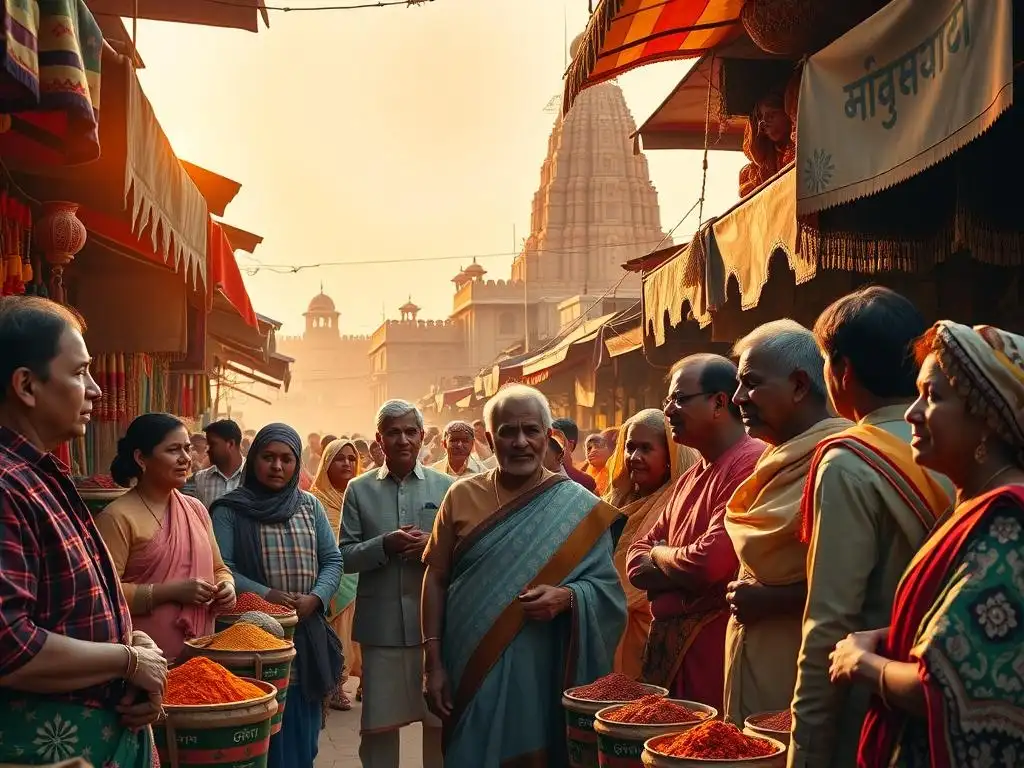
Welcome to Ancient India History, where we embark on a fascinating journey through the rich tapestry of ancient Indian civilizations. Here, we delve into the remarkable contributions of ancient Indian civilization that have shaped not only the subcontinent but also the broader world. As you explore our insights, you will discover the innovative strategies that emerged from these historic societies, paving the way for modern business practices, including effective marketing for exported goods. Get ready to uncover the secrets of a culture that continues to influence us today—your adventure into the depths of history starts now!
Introduction to Ancient Indian Civilization Contributions
The history of ancient India is a tapestry woven with remarkable achievements and cultural richness that have significantly influenced not only the subcontinent but the entire world. From the sophisticated urban planning of the Indus Valley Civilization to the philosophical advancements of the Gupta Empire, the contributions of ancient Indian civilizations serve as a testament to their innovation and creativity. These contributions include advancements in science, mathematics, literature, art, and architecture, which have laid the groundwork for various modern disciplines.
Understanding the legacy of ancient Indian civilizations is essential for businesses looking to export goods that resonate with global markets. By tapping into this rich heritage, exporters can craft compelling narratives around their products, showcasing the historical significance and cultural value that ancient Indian craftsmanship embodies. As we explore marketing strategies for exported goods, it becomes crucial to highlight how ancient Indian civilization contributions can enhance brand identity and appeal to consumers seeking authenticity and cultural depth.
The journey of Indian goods from local markets to global audiences requires a nuanced understanding of both the historical context and contemporary market dynamics. This article will delve into effective strategies to leverage the rich history and contributions of ancient Indian civilizations in marketing exported products, ensuring that businesses not only thrive but also honor the legacy that has shaped India's cultural identity over millennia. The merging of tradition with modern marketing techniques can create a distinct advantage for exporters, enabling them to stand out in a competitive landscape.
- What are the main contributions of ancient Indian civilizations to the world?
- How did the Indus Valley civilization contribute to urban planning?
- What role did ancient Indian philosophy play in global thought?
- How did the Gupta Empire influence science and technology?
- In what ways did ancient Indian art impact other cultures?
Understanding the Global Market for Indian Exports
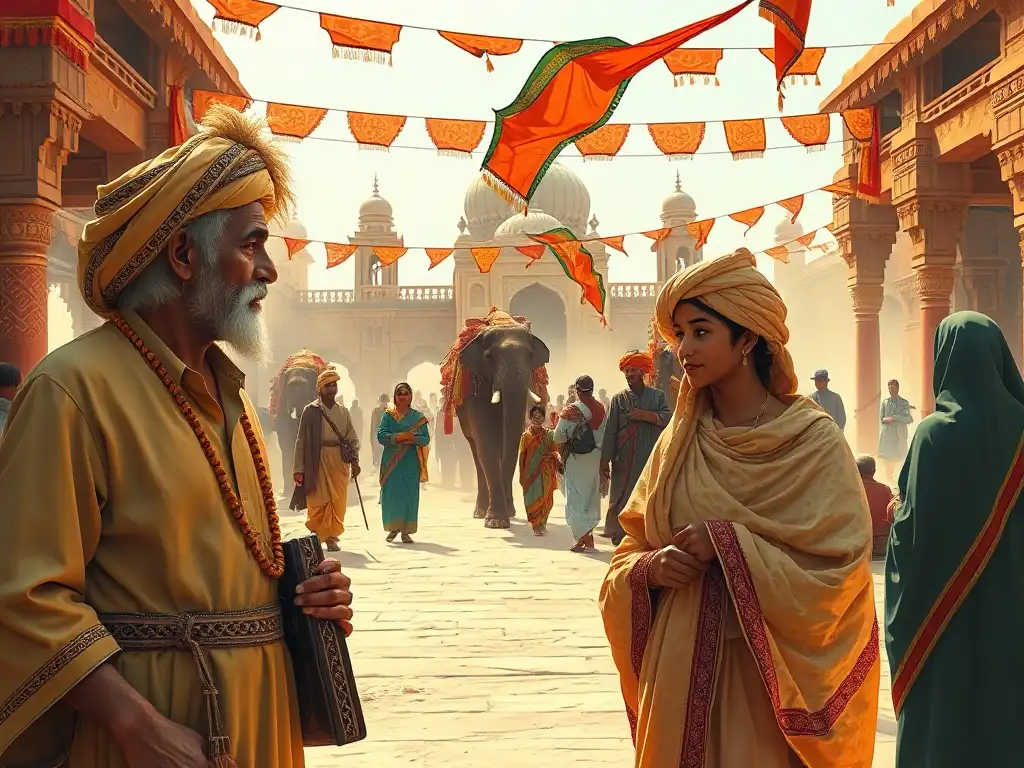
Historical Significance of Indian Goods in International Trade
The historical significance of Indian goods in international trade can be traced back thousands of years, during which ancient Indian civilizations made substantial contributions to global commerce. The trade routes established during the Indus Valley Civilization (circa 2500–1900 BCE) laid the groundwork for economic exchanges that would flourish over centuries. Archaeological findings indicate that the Indus people traded with regions as far as Mesopotamia, exchanging goods such as cotton textiles, pottery, and semi-precious stones.
Key Contributions of Ancient Indian Civilizations to Trade:
- Silk and Textiles: Ancient India was renowned for its fine silk and intricate textiles. The art of weaving, especially in regions like Varanasi and Kanchipuram, produced fabrics that were highly sought after in global markets.
- Spices: Indian spices, such as black pepper, cardamom, and turmeric, were indispensable in ancient trade. They not only enhanced culinary experiences but also played a role in preservation and medicinal practices. The spice trade significantly boosted India's economy and established its reputation as a culinary epicenter.
- Metals and Minerals: The extraction and crafting of metals like iron, copper, and gold were advanced in ancient India. The Indian subcontinent contributed significantly to the trade of high-quality metal goods, which were exported to various parts of the world.
The maritime trade routes, particularly during the Gupta Empire (circa 320–550 CE), further expanded the reach of Indian products. Indian merchants navigated the seas, establishing trade links with Southeast Asia, Africa, and the Middle East. The flourishing trade during this period demonstrates the global impact of ancient Indian civilization contributions, as Indian goods became integral to international markets, influencing cultures and economies worldwide.
Current Trends in Exporting Indian Products
In the contemporary landscape, India's exports reflect the rich heritage and craftsmanship of its ancient civilizations. The global market for Indian products continues to evolve, with several notable trends shaping the exporting strategies of Indian businesses today.
Emerging Trends in Indian Exports:
- Sustainable and Ethical Products:
- There is a growing demand for sustainable and ethically produced goods. Indian exporters are increasingly focusing on organic textiles, handicrafts, and food products, aligning with global consumer preferences for environmentally friendly options.
- Digital Transformation:
- The rise of e-commerce platforms has revolutionized the way Indian exporters reach international markets. Digital marketing strategies, including social media promotion and online marketplaces, allow businesses to showcase their products to a global audience.
- Cultural and Traditional Goods:
- Products that reflect India's rich cultural heritage, such as handicrafts, pottery, and traditional clothing, are gaining popularity. Exporters are leveraging the unique stories and craftsmanship behind these goods to create a niche in the global market.
- Diversification of Markets:
- Indian exporters are increasingly looking beyond traditional markets. Countries in Africa, Latin America, and the Middle East are becoming key destinations for Indian goods, driven by rising demand and favorable trade agreements.
- Quality and Certification:
- Quality assurance and certification have become critical in gaining trust among international buyers. Indian exporters are focusing on obtaining certifications like ISO, Organic, and Fair Trade to enhance the credibility of their products.
The contributions of ancient Indian civilizations to global trade set the foundation for India's current export strategies. By embracing innovation while honoring traditional craftsmanship, Indian exporters are well-positioned to thrive in the global market, continuing to share the rich legacy of their ancestors with the world.
Key Strategies for Marketing Your Exported Goods

When it comes to exporting goods from India, understanding the unique aspects of the Indian market and its historical context can provide a competitive edge. Ancient Indian civilizations have laid the groundwork for various cultural and economic practices that can be leveraged in modern marketing strategies. Here, we will explore effective strategies for marketing exported goods, focusing on how the contributions of ancient Indian civilization can be utilized in this process.
Leveraging the Rich Heritage of Ancient Indian Civilizations
Ancient Indian civilizations, from the Indus Valley to the Gupta Empire, have made significant contributions to various fields, including trade, art, science, and philosophy. These contributions can be effectively integrated into marketing strategies for exported goods.
- Highlighting Craftsmanship and Artistry:
- Handcrafted Goods: Emphasize the traditional craftsmanship that dates back to ancient times. For example, the intricate designs of textiles, pottery, and jewelry can attract buyers interested in authentic and culturally rich products.
- Sustainable Practices: Ancient Indian civilizations practiced sustainable agriculture and artisanal manufacturing. Highlighting these practices can appeal to eco-conscious consumers.
- Cultural Storytelling:
- Narratives: Develop marketing campaigns that tell the story of ancient Indian civilizations and their innovations. For instance, the invention of zero in mathematics or advancements in metallurgy can be woven into the narrative of the products.
- Cultural Festivals: Align products with cultural festivals that celebrate ancient traditions, such as Diwali or Makar Sankranti, to enhance their appeal and relevance.
- Utilizing Symbolism and Heritage:
- Branding: Incorporate ancient Indian symbols and motifs into product design and branding. This can create a connection with consumers who appreciate cultural heritage.
- Certifications: Obtain certifications that verify the authenticity of traditional goods, such as Geographical Indication (GI) tags for specific products like Darjeeling tea or Kanchipuram silk.
- Educational Marketing:
- Workshops and Demonstrations: Organize events that educate consumers about the historical significance of products. For example, a workshop on the art of block printing can enhance appreciation for handmade textiles.
- Content Creation: Develop blogs, videos, and social media content that inform audiences about the history and significance of ancient Indian contributions to craft and commerce.
Identifying Target Audiences for Indian Exports
Understanding the target audience is crucial for the successful marketing of exported goods. Different demographics may respond to various aspects of ancient Indian civilization contributions.
- Cultural Enthusiasts:
- Profile: Individuals interested in history, culture, and traditions. They are likely to value products with rich stories and heritage.
- Marketing Approach: Use storytelling and cultural narratives to connect with this audience. Highlight the historical context of the products.
- Eco-conscious Consumers:
- Profile: Buyers who prioritize sustainability and ethical sourcing in their purchasing decisions. They appreciate products that are environmentally friendly and made using traditional methods.
- Marketing Approach: Emphasize sustainable practices and the use of natural materials in product manufacturing.
- Luxury Market:
- Profile: Consumers looking for high-quality, unique products. They often seek artisanal and handcrafted items that reflect cultural richness.
- Marketing Approach: Focus on the exclusivity and artisanal craftsmanship of products, leveraging the legacy of ancient Indian artisans.
- Niche Markets:
- Profile: Specific groups interested in particular items, such as Ayurvedic products, traditional textiles, or ancient art forms.
- Marketing Approach: Tailor marketing strategies to highlight the unique features and historical significance of these goods.
By understanding these target audiences and leveraging the rich heritage of ancient Indian civilizations, exporters can create effective marketing strategies that resonate with diverse consumer bases, ultimately enhancing the visibility and appeal of their goods in the global market.
Digital Marketing Strategies for Exporting Indian Goods
In the modern marketplace, effective digital marketing strategies are essential for exporting Indian goods. These strategies not only help businesses reach a broader audience but also emphasize the unique aspects of ancient Indian civilization contributions, making products more appealing to global consumers. Here are some key digital marketing strategies to consider:
- Content Marketing: Develop informative and engaging content that highlights the historical significance and cultural heritage of the products. Blog posts, videos, and infographics can illustrate the craftsmanship and stories behind ancient Indian arts and crafts, attracting potential buyers' attention.
- Email Marketing: Use targeted email campaigns to communicate with potential international clients. Share success stories of how ancient Indian craftsmanship influences modern designs, thereby educating recipients about the value of Indian goods.
- Website Optimization: Ensure that your website is user-friendly and optimized for mobile devices. Incorporate relevant keywords related to ancient Indian civilization contributions to enhance search engine visibility.
SEO Techniques for Promoting Indian Export Products
Search Engine Optimization (SEO) plays a crucial role in increasing the visibility of Indian export products online. Here are some effective SEO techniques tailored for this purpose:
- Keyword Research: Identify keywords that potential customers are likely to use when searching for Indian goods. Phrases like "ancient Indian crafts," "Indian textiles," or "Ayurvedic products" can be effective. Use tools like Google Keyword Planner to refine your list.
- On-Page SEO: Optimize product descriptions, titles, and meta tags with relevant keywords. For instance, when marketing handmade pottery, include phrases such as "handcrafted pottery inspired by ancient Indian civilization contributions."
- Quality Backlinks: Build relationships with bloggers, influencers, and industry experts to gain backlinks. A blog post about the significance of Indian art in ancient culture can link back to your products, improving your site's authority.
- Local SEO: If your primary market includes specific regions, leverage local SEO strategies. Ensure that your business is listed on Google My Business and other local directories, emphasizing your unique products inspired by ancient traditions.
- User-Generated Content: Encourage satisfied customers to share their experiences online. This can be in the form of reviews or social media posts that highlight how your products embody the rich heritage of ancient India.
Social media platforms are powerful tools for showcasing Indian heritage and promoting exported goods. Here are some strategies to harness the potential of social media:
- Visual Storytelling: Use platforms like Instagram and Pinterest to share visually appealing images and videos of your products. Highlight their craftsmanship and the ancient techniques used in their creation. Posts can include captions that narrate the historical context, enhancing the connection between the product and ancient Indian civilization contributions.
- Engagement Campaigns: Run contests or interactive sessions that encourage users to share their own stories related to Indian culture and heritage. This can foster a sense of community and increase brand loyalty.
- Influencer Collaborations: Partner with influencers who appreciate and understand ancient Indian culture. Their endorsement can provide credibility and reach a larger audience interested in authentic Indian products.
- Educational Content: Create posts that educate your audience about ancient Indian traditions, crafts, and their relevance today. This not only informs but also builds appreciation and respect for the culture behind the products.
- Hashtag Strategy: Develop a unique hashtag that encapsulates your brand and its connection to ancient India. This can help in tracking engagement and creating a community around your products.
By implementing these digital marketing strategies, businesses can effectively promote their exported goods while shining a light on the rich contributions of ancient Indian civilization, ultimately enhancing their market reach and impact.
Building Partnerships and Networks
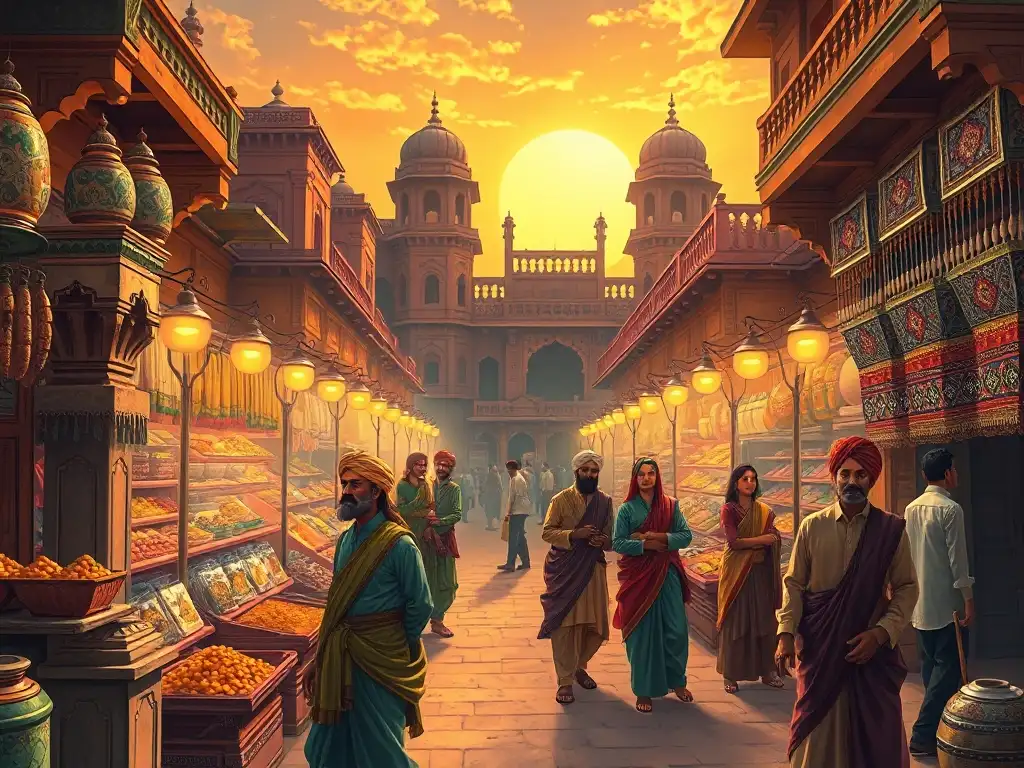
Building strong partnerships and networks is crucial for effectively marketing exported goods, particularly those that carry the rich heritage of ancient Indian civilization contributions. Establishing connections with local artisans, businesses, and cultural organizations can significantly enhance the visibility and appeal of your products in international markets. This section delves into two key strategies: collaborating with local artisans and exporters, and utilizing trade shows and cultural exhibitions.
Collaborating with Local Artisans and Exporters
Collaborating with local artisans and exporters not only fosters community development but also helps in preserving the traditional crafts that are emblematic of ancient Indian civilization contributions. Here are several ways to effectively collaborate:
- Identify Unique Crafts: Focus on specific crafts that reflect the historical significance of ancient Indian civilizations, such as:
- Handwoven textiles from the Indus Valley
- Terracotta pottery reminiscent of early Indian societies
- Metalwork and jewelry that showcase Gupta artistry
- Create Value Chains: Establish partnerships that create a seamless value chain. This can involve:
- Sourcing raw materials locally
- Collaborating with artisans for product development
- Engaging logistics partners for efficient distribution
- Cultural Storytelling: Leverage the rich narratives behind each product. Artisans can share stories about the techniques used and their historical significance, enhancing consumer connection. For example, a handwoven textile can be marketed with a narrative about its origins in ancient Indian trade routes.
- Training and Development: Invest in skill development programs for artisans to ensure that traditional skills are preserved while meeting modern market demands. This might include:
- Workshops on contemporary design trends
- Training in quality control and packaging
- Sustainable Practices: Emphasize the sustainability of ancient crafts. Many traditional practices are eco-friendly, appealing to environmentally conscious consumers. Highlighting these aspects can create a stronger market position.
By fostering these collaborations, not only do you support local economies, but you also enrich your product offerings with authentic cultural significance.
Utilizing Trade Shows and Cultural Exhibitions
Participating in trade shows and cultural exhibitions provides an excellent platform for showcasing the contributions of ancient Indian civilizations to a global audience. Here’s how to maximize these opportunities:
- Select Relevant Events: Choose trade shows and exhibitions that align with your products and target audience. Look for:
- International fairs focused on handicrafts
- Cultural festivals celebrating Indian heritage
- Engage Visitors with Interactive Displays: Create engaging presentations that capture the essence of ancient Indian civilization contributions. This could include:
- Live demonstrations of traditional crafting techniques
- Interactive storytelling sessions that explain the historical context of the products
- Networking Opportunities: Utilize these events to forge connections with:
- International buyers and distributors
- Industry influencers and media representatives
- Other artisans and businesses for potential collaborations
- Educational Workshops: Host workshops that educate attendees about the significance of ancient Indian crafts. Topics can include:
- The evolution of Indian art forms
- The impact of trade on ancient civilizations
- Leverage Digital Marketing: Enhance your presence at these events through digital marketing strategies, such as:
- Social media promotions leading up to the event
- Live streaming sessions to reach a broader audience
- Follow-up and Relationship Building: After the event, maintain contact with leads and partners. Employ tools like email newsletters to keep them informed about new products and initiatives related to ancient Indian civilization contributions.
By actively participating in trade shows and cultural exhibitions, businesses can not only market their products but also educate the world about the enduring legacy of ancient Indian civilizations. These strategies collectively contribute to building a robust network that supports the promotion of India’s rich cultural heritage.
Challenges in Exporting Goods and Solutions
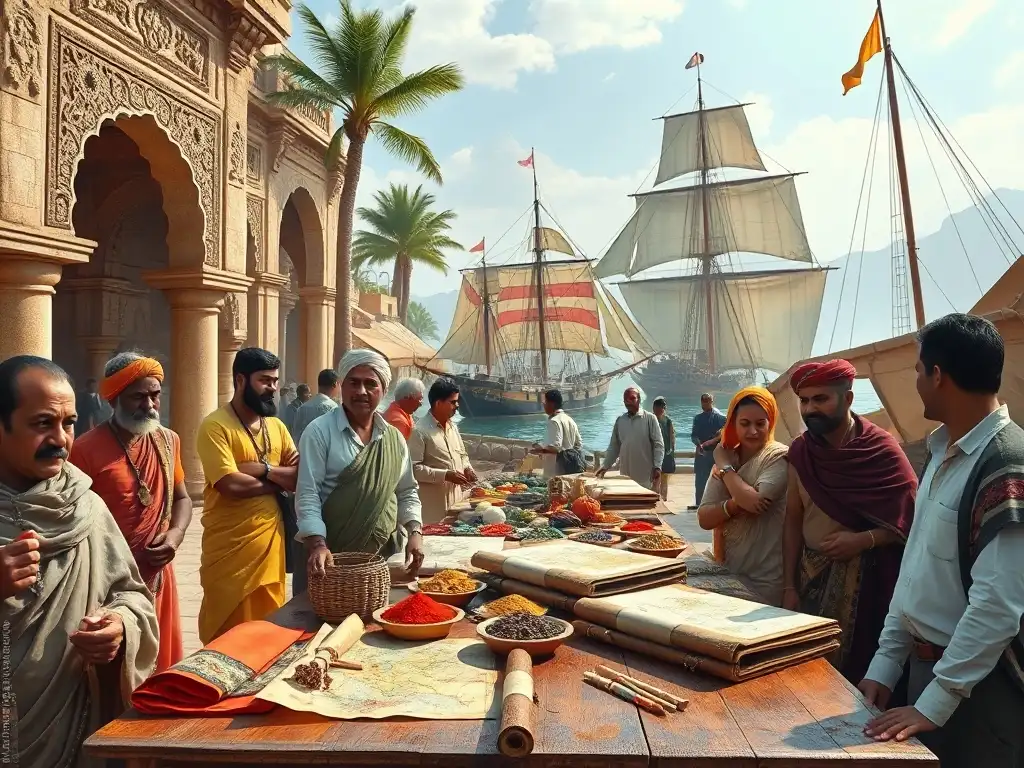
Exporting goods from India involves navigating a complex landscape of challenges. Understanding these hurdles is crucial for businesses aiming to tap into international markets.
Some of the common challenges include:
- Legal and Regulatory Hurdles: Compliance with both Indian export regulations and the importing country's laws can be daunting.
- Cultural Barriers: Differences in language, customs, and consumer behavior can impact marketing strategies.
- Logistics and Supply Chain Issues: Efficiently managing the logistics of transporting goods can be complicated by factors such as infrastructure and transportation costs.
- Quality Control: Ensuring that products meet international standards is essential for successful exports.
Here, we will explore solutions to two specific challenges: navigating legal requirements and overcoming cultural barriers.
Exporting goods from India requires adherence to various legal frameworks, including:
- Export Documentation: Essential documents such as the Export Invoice, Bill of Lading, and Certificate of Origin must be meticulously prepared. These documents ensure compliance with both Indian law and the regulations of the importing country.
- Customs Regulations: Familiarity with customs regulations is crucial. This includes understanding tariffs, duties, and any potential trade agreements that may affect costs. Utilizing customs brokers can ease this process.
- Licenses and Permits: Certain goods may require specific licenses or permits before export. For instance, agricultural products often need phytosanitary certificates, while some technology products might be subject to export controls.
- Regulatory Compliance: Adhering to international standards, such as ISO certifications, can enhance marketability and acceptance in foreign markets. Businesses should invest in understanding the regulatory landscape of their target markets.
- Legal Consultation: Engaging with legal experts in international trade can provide valuable insights and help avoid potential pitfalls.
Overcoming Cultural Barriers in Marketing
Successfully marketing exported goods to diverse cultures involves understanding and adapting to different consumer behaviors and preferences. Here are strategies to navigate these cultural barriers:
- Market Research: Conducting thorough market research to understand local customs, values, and purchasing behaviors can inform marketing strategies. This may involve surveys, focus groups, and studying local competition.
- Localized Marketing Strategies: Tailoring marketing messages and branding to resonate with local audiences is key. For example, using local languages in advertisements or adapting product offerings to align with cultural tastes can significantly enhance acceptance.
- Building Relationships: Establishing strong relationships with local distributors and partners can facilitate market entry. These allies can provide insights into cultural nuances and assist in navigating local business practices.
- Cultural Sensitivity Training: Providing training for staff on cultural awareness can improve communication and customer relations. Understanding cultural etiquette can prevent misunderstandings and foster positive interactions.
- Feedback Mechanisms: Implementing feedback systems to gather insights from customers can help refine marketing strategies and product offerings. This approach fosters an adaptive business model that responds to market needs.
By addressing these challenges through strategic planning and cultural awareness, businesses can successfully export goods while highlighting the rich contributions of Ancient Indian civilization—from textiles to spices—enhancing their market presence globally.
Conclusion
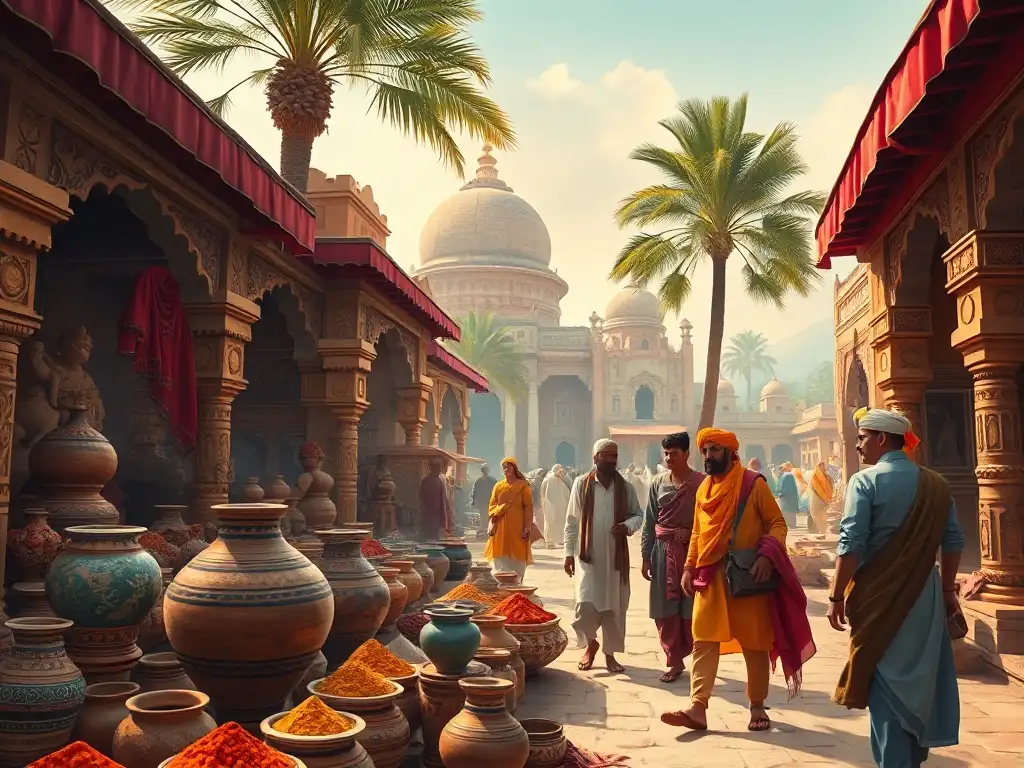
The conclusion of our exploration into the intersection of ancient Indian civilization contributions and modern export strategies highlights the invaluable lessons that can be drawn from India’s rich historical tapestry. Ancient Indian civilizations were not just pioneers of trade but also innovators in various fields such as agriculture, textiles, metallurgy, and medicine. This multifaceted legacy provides a wealth of inspiration for contemporary businesses looking to market their exported goods effectively.
By understanding and leveraging these historical contributions, exporters can create narratives that resonate with global audiences. For instance, the traditional techniques of handloom weaving and natural dyeing, which date back thousands of years, can be emphasized in marketing campaigns to attract consumers seeking authenticity and sustainability. The story of ancient Indian trade routes, such as the Silk Road and maritime pathways, can be woven into branding strategies that highlight the deep-rooted heritage and global connectivity of Indian products.
The Future of Exporting Indian Goods: Embracing Ancient Wisdom
As we look to the future of exporting Indian goods, it becomes essential to embrace the wisdom imparted by ancient Indian civilizations. This involves not only acknowledging the contributions of the past but also integrating those principles into modern business practices. Here are some strategies to consider:
- Sustainability: Ancient Indian practices often emphasized harmony with nature. Modern exporters can adopt eco-friendly practices inspired by traditional methods, appealing to environmentally conscious consumers around the world.
- Cultural Authenticity: By highlighting ancient craftsmanship and techniques, businesses can differentiate their products in a crowded market. This can include promoting artisanal goods, organic spices, and traditional Ayurvedic products that celebrate the cultural heritage of India.
- Storytelling: Utilize the rich narratives surrounding ancient Indian civilization contributions in marketing strategies. Crafting stories that connect products to historical events or cultural significance can create a deeper emotional connection with consumers.
- Global Partnerships: Just as ancient trade networks facilitated the exchange of goods and ideas, modern exporters should seek collaborations with international partners. This can enhance market reach and foster cultural exchange, further enriching the narrative of Indian goods.
Incorporating these strategies not only honors the legacy of ancient Indian civilizations but also positions modern exporters to thrive in a competitive global market. The journey of exporting Indian goods is not just about commerce; it is also about sharing the enduring values and contributions of a civilization that has profoundly shaped the world. By embracing this ancient wisdom, businesses can forge a path that is both innovative and respectful of India's rich heritage.
Frequently Asked Questions
What are the main contributions of ancient Indian civilizations to the world?
Ancient Indian civilizations made significant contributions in various fields, including mathematics, medicine, philosophy, and art. These innovations laid foundational principles that influenced later cultures globally.
How did the Indus Valley civilization contribute to urban planning?
The Indus Valley civilization is known for its advanced urban planning, with well-structured cities featuring drainage systems, grid layouts, and standardized brick sizes, showcasing a high level of engineering and organization.
What role did ancient Indian philosophy play in global thought?
Ancient Indian philosophy introduced concepts like karma and dharma, which have shaped both spiritual and ethical discussions worldwide. Schools of thought such as Buddhism and Jainism emerged from these philosophical foundations.
How did the Gupta Empire influence science and technology?
The Gupta Empire is often referred to as the Golden Age of India, with advancements in astronomy, mathematics, and medicine. This period saw the introduction of the decimal system and significant medical practices that influenced subsequent civilizations.
In what ways did ancient Indian art impact other cultures?
Ancient Indian art, characterized by intricate sculptures and cave paintings, influenced the artistic traditions of neighboring regions. The Buddhist art spread throughout Asia, contributing to the visual language of various cultures.
Final Reflection: Embracing the Legacy of Ancient Indian Civilization in Global Marketing
In an era where the global marketplace is more interconnected than ever, the contributions of ancient Indian civilization serve as a powerful reminder of the rich heritage that can inform modern strategies. The techniques and philosophies that emerged from India thousands of years ago—ranging from trade routes to innovative marketing practices—continue to resonate today. As we navigate the complexities of exporting goods, we must recognize that our historical roots provide invaluable insights that can enhance our approach to global commerce.
The influence of ancient Indian civilization extends far beyond its historical context; it shapes our cultural and social landscapes today. By understanding the principles of trade and exchange that were established centuries ago, we can foster a deeper connection with our international partners and consumers. The wisdom of our ancestors reminds us that marketing is not just about transactions; it is about building relationships and sharing stories. The greatest gift of the ancient world is the wisdom it imparts to us in our modern endeavors.
As we move forward, I invite you to reflect on how the lessons from ancient Indian civilization can be woven into your own marketing strategies. Consider how you can honor this legacy by embracing authenticity, storytelling, and cultural appreciation in your approach to exporting goods. Let us not only aim for success in the global market but also strive to celebrate and share the rich tapestry of our heritage with the world. Your journey in marketing is not just about business; it is about connecting with a legacy that has the power to inspire and transform.
Unleash Your Export Potential Today!
Thank you for exploring the exciting world of marketing your exported goods! We hope you discovered valuable strategies to help elevate your business on the global stage. Now, it’s time to put that knowledge into action!
Here are some steps you can take immediately:
- Identify your unique selling points and craft a compelling message around them.
- Connect with online export communities to share experiences and learn from fellow entrepreneurs.
- Participate in trade shows or local fairs to showcase your products and expand your network.
Which of these actions will you take first to kickstart your export journey? We would love to hear your thoughts in the comments!