
Global Appeal: Why Indian Artifacts Attract Buyers Worldwide

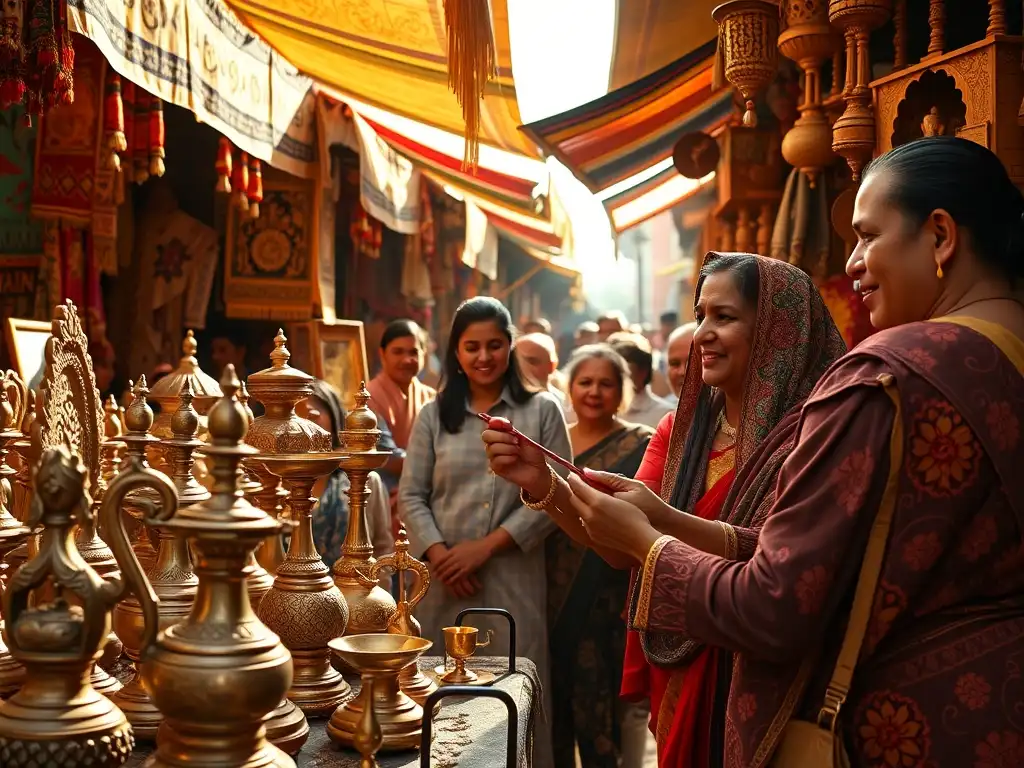
Welcome to Ancient India History, where we delve into the rich tapestry of ancient Indian civilizations that have shaped our world. In our featured article, "Global Appeal: Why Indian Artifacts Attract Buyers Worldwide," we explore the fascinating intersection of history and commerce, revealing how the allure of Indian artifacts captivates collectors and investors across the globe. Discover the stories behind these treasures and the cultural significance that fuels their demand. Join us on this journey to uncover how the past continues to influence the present, and prepare to be inspired by the timeless legacy of ancient India!
- Introduction to Indian Artifacts and Global Market Appeal
- Historical Significance of Indian Artifacts
- Factors Driving the Global Market Appeal of Indian Artifacts
- Popular Types of Indian Artifacts in the Global Market
- The Economic Impact of Indian Artifacts on Global Markets
- Challenges in the Indian Artifacts Global Market
- How to Invest in Indian Artifacts for Global Appeal
- Conclusion: Embracing the Global Appeal of Indian Artifacts
- Frequently Asked Questions
- Final Reflection: The Timeless Allure of Indian Artifacts
- Unleash the Beauty of Indian Artifacts Today!
Introduction to Indian Artifacts and Global Market Appeal
Indian artifacts are not merely objects; they are vessels of history, culture, and artistry that encapsulate the rich heritage of ancient civilizations in India. From the intricate sculptures of the Indus Valley to the exquisite textiles from the Gupta Empire, these artifacts tell stories that transcend time and geography. Their global market appeal is driven by a combination of factors, including aesthetic beauty, historical significance, and the growing interest in diverse cultural expressions.
As collectors, historians, and enthusiasts increasingly seek to own a piece of this heritage, the allure of Indian artifacts has become a prominent phenomenon in the international art and antiques market. This article delves into the reasons behind this global appeal, exploring the cultural treasures that Indian artifacts represent and the rising interest they garner worldwide.
Understanding Indian Artifacts: A Cultural Treasure
Indian artifacts encompass a wide range of items, each reflecting the intricate tapestry of India's historical and cultural identity. These artifacts can be broadly categorized into:
- Sculptures and Statues:
- Stone Carvings: Often depicting deities, historical figures, and everyday life.
- Bronze Statues: Famous for their detailed craftsmanship, particularly from the Chola dynasty.
- Textiles:
- Handwoven Fabrics: Such as silk and cotton, showcasing traditional techniques and dyes.
- Embroidered Pieces: Reflecting regional styles like Kantha and Phulkari.
- Pottery and Ceramics:
- Indus Valley Pottery: Known for its geometric designs and utility.
- Terracotta Figures: Often used in rituals and as decorative items.
- Jewelry and Ornaments:
- Gold and Silver Artifacts: Highlighting the metallurgical skills of ancient artisans.
- Beaded Jewelry: Featuring semi-precious stones and intricate designs.
Each category not only serves aesthetic purposes but also provides insights into the socio-economic and religious contexts of their time. Collectors and scholars value these artifacts for their authenticity and the stories they tell, which add layers of meaning to their cultural significance.
The Growing Interest in Indian Artifacts Worldwide
The global interest in Indian artifacts has surged in recent years, driven by several key factors:
- Cultural Appreciation:
- As globalization fosters a greater appreciation for diversity, many people are drawn to Indian art and culture. The unique aesthetics and craftsmanship resonate with collectors who seek to celebrate this heritage.
- Investment Potential:
- Indian artifacts are increasingly seen as valuable investments. With the art market expanding, discerning buyers recognize the potential for appreciation in value over time.
- Increased Accessibility:
- The rise of online platforms and auctions has made it easier for international buyers to access Indian artifacts, leading to a surge in global sales.
- Curation and Exhibitions:
- Major museums and galleries around the world are showcasing Indian artifacts, which not only educates the public but also stimulates interest and demand in the global market.
- Cultural Diplomacy:
- India’s efforts to promote its cultural heritage on the world stage have contributed to heightened interest in its artifacts, fostering a sense of connection and appreciation among global audiences.
Overall, the growing interest in Indian artifacts is a testament to their timeless appeal and the rich cultural narratives they embody. As this trend continues to evolve, understanding the dynamics of the global market for Indian artifacts becomes increasingly important for collectors, investors, and enthusiasts alike.
Historical Significance of Indian Artifacts
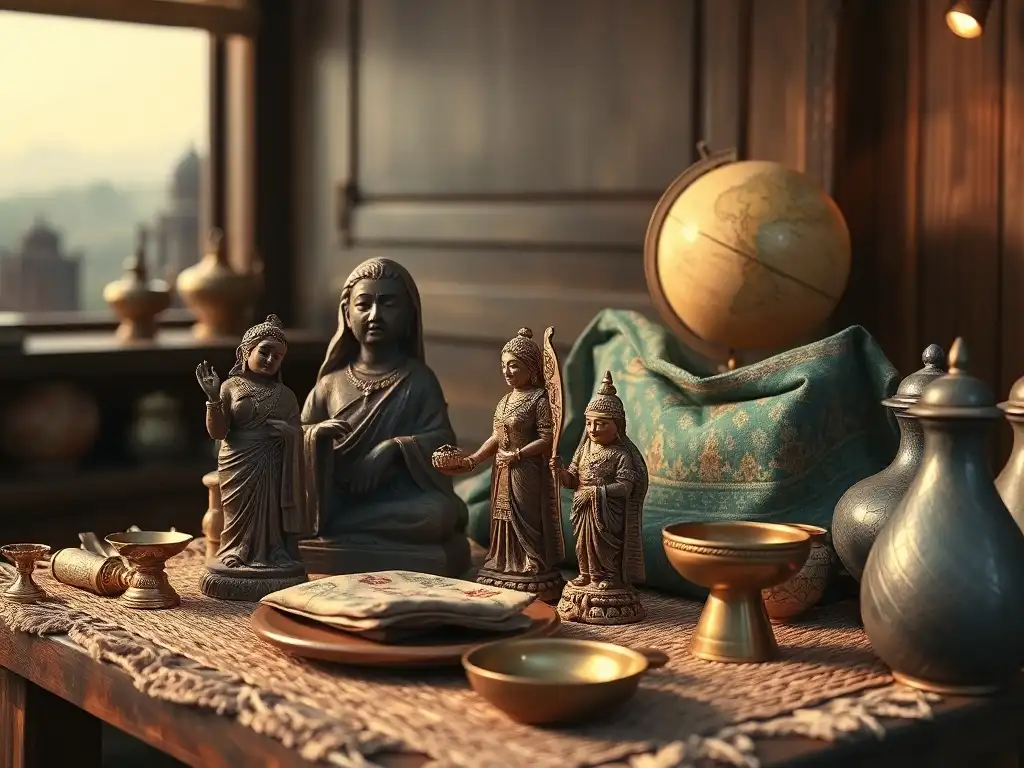
The Rich Heritage of Ancient Indian Civilizations
The allure of Indian artifacts in the global market is deeply rooted in the rich heritage of ancient Indian civilizations. These artifacts not only represent the artistic and technological advancements of their time but also offer insights into the cultural, spiritual, and social dynamics of ancient India. From intricately designed pottery to exquisite sculptures, each piece tells a story that resonates with collectors and enthusiasts worldwide.
Indian artifacts reflect a unique blend of indigenous creativity and influences from various cultural interactions over centuries. This diversity enhances their appeal, as buyers seek items that embody the essence of ancient craftsmanship. Moreover, the use of natural materials such as terracotta, bronze, and stone showcases the sustainable practices that were part of ancient Indian society, which is a growing consideration in today's market.
Key Periods Influencing the Appeal of Indian Artifacts
The historical richness of Indian artifacts can be categorized into several key periods, each contributing distinct styles and techniques that continue to captivate the global audience.
Indus Valley Civilization: Early Innovations
The Indus Valley Civilization (circa 3300–1300 BCE) is often credited with some of the earliest examples of urban planning and craftsmanship in ancient India. Artifacts from this period, such as terracotta figurines, seals, and pottery, highlight the sophistication of their society.
- Terracotta Figurines: These small sculptures depict animals and humans, often used in religious or ritualistic contexts. Their intricate designs offer a glimpse into the artistic expressions of the time.
- Seals: The seals, often inscribed with symbols and animals, served as identifiers for trade and ownership, reflecting the economic complexity of the civilization.
- Pottery: The distinctive painted pottery of the Indus Valley showcases a variety of motifs, including geometric patterns and naturalistic themes, illustrating the aesthetic sensibilities of the era.
The innovative techniques and artistic qualities of Indus Valley artifacts lay the foundation for future artistic developments in India, making them highly sought after in the global market.
Gupta Empire: The Golden Age of Art and Culture
The Gupta Empire (circa 320–550 CE) is often referred to as the "Golden Age" of Indian civilization, characterized by remarkable achievements in art, science, and philosophy. Artifacts from this period are particularly revered for their intricate craftsmanship and thematic depth.
- Sculptures: Gupta sculptures, often depicting Hindu deities, are known for their grace and attention to detail. The use of sandstone and metalworking techniques from this period exemplifies the high level of artistry achieved.
- Paintings: The frescoes found in places like Ajanta and Ellora reflect the vibrant cultural life during the Gupta period, showcasing themes of spirituality, love, and nature. These artworks not only add to the aesthetic value but also serve as historical documents of the time.
- Literature and Philosophy: The Gupta era saw the flourishing of literature, with texts like Kalidasa's plays and the writings of Aryabhata in mathematics and astronomy. Artifacts related to these intellectual pursuits enhance the cultural significance of the period.
The combination of artistic brilliance and cultural richness during the Gupta Empire continues to attract global buyers, as they seek to own pieces that embody an era of unparalleled creativity and thought.
The historical significance of Indian artifacts, stemming from the rich heritage of ancient civilizations, plays a pivotal role in their global market appeal. The distinct innovations from the Indus Valley and the artistic achievements of the Gupta Empire create a compelling narrative that resonates with collectors and investors alike, ensuring the continued fascination with Indian artifacts on the world stage.
Factors Driving the Global Market Appeal of Indian Artifacts
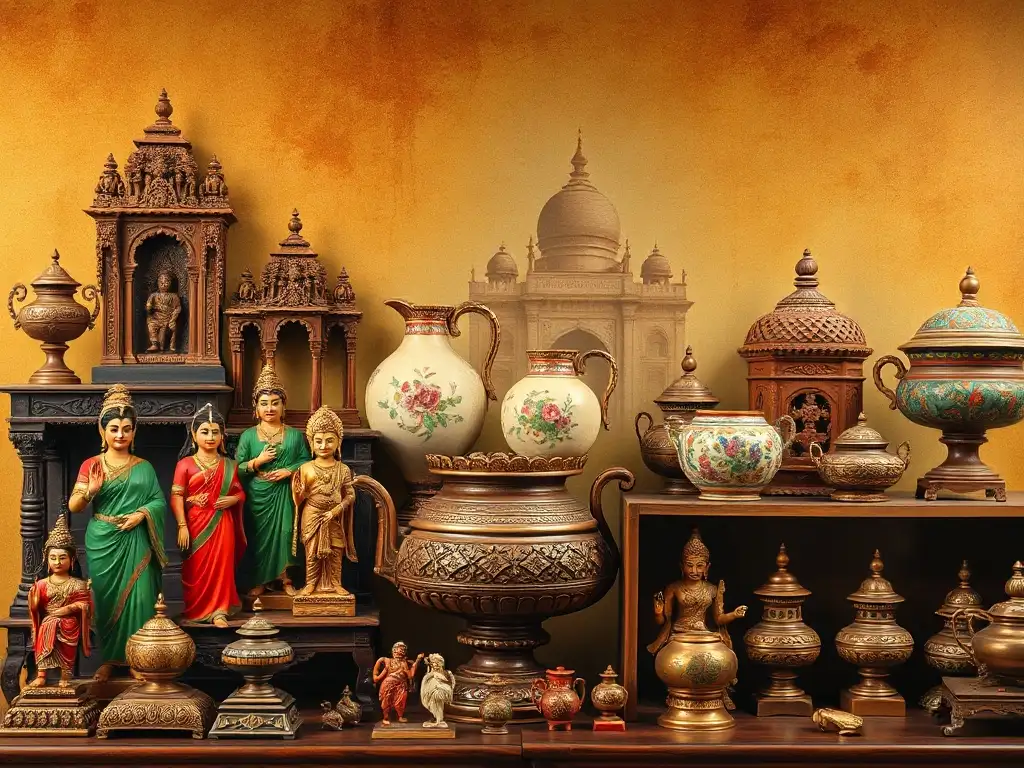
Cultural Significance and Authenticity of Indian Artifacts
Indian artifacts carry a profound cultural significance that resonates deeply with collectors and enthusiasts worldwide. The rich heritage of India, characterized by its ancient civilizations such as the Indus Valley and the Maurya Empire, provides a treasure trove of artifacts that reflect the country’s diverse history, art, and spirituality. Collectors are drawn to items like terracotta sculptures, intricate textiles, and handcrafted pottery, which represent not just artistic proficiency but also religious and cultural narratives that have withstood the test of time.
The authenticity of these artifacts is a critical factor in their global market appeal. Buyers are increasingly looking for items with verifiable provenance, ensuring they are acquiring genuine pieces rather than replicas. Artifacts accompanied by documentation of their history or archaeological significance command higher prices in the market. For instance, a well-documented bronze statue from the Chola dynasty can fetch substantial sums, as it not only serves as an artistic piece but also as a historical narrative encapsulating the socio-political dynamics of its time.
Moreover, the appeal of Indian artifacts is amplified by their representation of unity in diversity. With various regions in India producing distinct art forms—be it the ornate woodwork of Kerala or the vibrant textiles of Rajasthan—each artifact tells a unique story, making them attractive to a broad range of collectors who appreciate cultural narratives. The emotional connection that buyers establish with these artifacts often leads to a willingness to invest significantly in acquiring them.
The Role of Globalization in Art and Antiquities
Globalization has significantly transformed the landscape of the art and antiquities market, particularly for Indian artifacts. The increased connectivity and communication across the globe have enabled collectors to access a wider array of artifacts than ever before. Online platforms and auctions have made it easier for buyers from different countries to engage with Indian art, leading to a surge in interest and investment from international collectors.
The rise of art fairs and exhibitions showcasing Indian artifacts globally has also played a pivotal role. Events such as the India Art Fair and various international exhibitions allow collectors to experience the richness of Indian art firsthand, fostering a deeper appreciation and understanding of its value. These platforms not only enhance visibility but also facilitate networking among buyers, sellers, and curators, creating a robust ecosystem for Indian artifacts in the global market.
Additionally, the influence of cultural diplomacy cannot be overlooked. Countries are increasingly recognizing the importance of their cultural heritage in fostering international relations. Initiatives that promote Indian art and artifacts abroad contribute to enhancing their global appeal. For instance, exhibitions organized by the Indian government in collaboration with foreign institutions often attract significant attention, leading to heightened interest in purchasing Indian artifacts.
The Influence of Indian Art on Global Art Trends
Indian art has a long-standing influence on global art trends, which significantly enhances the appeal of Indian artifacts in the international market. The intricate designs, vibrant colors, and symbolic meanings of Indian art have inspired countless artists and movements worldwide. For instance, the use of mandalas and paisley patterns, rooted in Indian tradition, can be seen in contemporary fashion and interior design trends across various cultures.
Furthermore, the fusion of Indian art with Western styles has given rise to unique art forms that attract a diverse audience. Artists who incorporate traditional Indian techniques or motifs into their work often find a receptive market. This blend of cultures not only elevates the status of Indian artifacts but also encourages collectors to invest in pieces that represent this cultural amalgamation.
Moreover, as global art markets become more inclusive, the appreciation for non-Western art forms, including Indian artifacts, has grown substantially. The recognition of Indian art in prestigious galleries and museums worldwide has contributed to its legitimacy and desirability among collectors. The portrayal of Indian artifacts in popular media, such as films and television, also sparks interest and curiosity, further driving their demand in the global market.
The combination of cultural significance, the impact of globalization, and the influence of Indian art on global trends collectively enhances the market appeal of Indian artifacts. As collectors seek to acquire pieces that not only hold aesthetic value but also embody rich historical narratives, the global market for Indian artifacts is poised for continued growth and interest.
Popular Types of Indian Artifacts in the Global Market
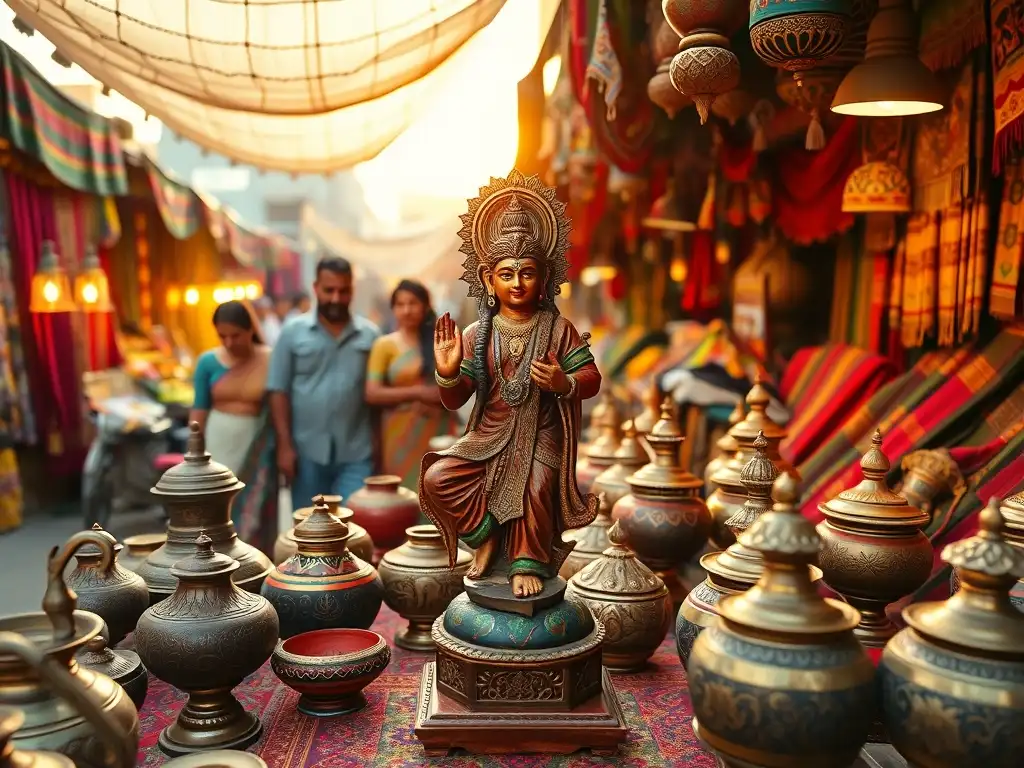
The global market for Indian artifacts is vibrant and diverse, showcasing a wide range of items that reflect the rich cultural heritage of India. This section explores some of the most popular types of Indian artifacts that have captured the attention of buyers around the world.
Traditional Handicrafts: A Blend of Art and Utility
Indian traditional handicrafts are renowned for their intricate designs and craftsmanship. These artifacts not only serve practical purposes but also reflect the artistic traditions of various regions in India. The following are notable examples of traditional handicrafts that hold significant appeal in the global market.
Madhubani Paintings
Madhubani paintings, originating from the Mithila region of Bihar, are characterized by their vibrant colors and intricate patterns. These paintings often depict mythological themes, nature, and social events.
- Characteristics:
- Use of natural dyes and pigments
- Detailed patterns that tell a story
- Application on various surfaces, including paper and cloth
Madhubani art has gained international recognition and is sought after for its unique aesthetic and cultural significance. Collectors and art enthusiasts appreciate these paintings not only for their beauty but also for the craftsmanship that goes into creating them.
Warli Art
Warli art, a tribal art form from Maharashtra, features simple yet striking designs. Traditionally painted on mud walls, Warli art uses geometric shapes to depict daily life and nature.
- Key Features:
- Use of white pigment on a mud base
- Themes centered around community life and nature
- A minimalist approach that conveys deep meanings
As awareness of indigenous art forms grows, Warli art has found its way into galleries and homes worldwide, appealing to buyers who seek authenticity and simplicity in their decor.
Antique Furniture and Home Decor: Timeless Elegance
Antique furniture and home decor items from India are prized for their craftsmanship and historical value. These artifacts often feature exquisite carvings and are made from high-quality materials, making them attractive options for collectors and interior designers.
Indian Teak Wood Carvings
Indian teak wood carvings are renowned for their durability and intricate designs. Teak wood, known for its resistance to decay and pests, is often used in the production of furniture and decorative items.
- Distinctive Characteristics:
- Intricate carvings that reflect cultural motifs
- Long-lasting and sustainable material
- Versatility in various furniture styles, from traditional to contemporary
The demand for Indian teak wood carvings has surged in the global market, as buyers seek unique pieces that add character and sophistication to their spaces. The combination of craftsmanship and functional design makes these artifacts a valuable investment.
The diverse range of Indian artifacts, from traditional handicrafts to antique furniture, showcases the rich cultural heritage of India. As these items gain global appeal, they not only serve as decorative pieces but also as meaningful connections to the history and traditions of ancient Indian civilizations.
Sculptures and Statues: Spiritual and Aesthetic Value
Indian sculptures and statues hold a unique place in the global market due to their rich historical significance, intricate craftsmanship, and profound spiritual symbolism. These artifacts are not merely decorative items; they reflect the spiritual and cultural ethos of ancient Indian civilization. The artistry involved in creating these sculptures often displays a deep understanding of aesthetics, making them highly sought after by collectors and art enthusiasts worldwide.
The spiritual value of Indian sculptures is paramount. Many pieces depict deities, mythological characters, and sacred symbols, making them significant in religious practices and rituals. For instance, sculptures of Hindu deities are commonly used in temples and homes for worship, while Buddhist statues serve as objects of meditation and reverence. This multifaceted nature of Indian art attracts buyers who are interested not only in the aesthetic appeal but also in the deeper cultural and spiritual connections these artifacts represent.
In addition to their spiritual significance, the aesthetic qualities of Indian sculptures are remarkable. The intricate details, from facial expressions to elaborate garments, showcase the skill and dedication of the artisans. Various materials, such as stone, bronze, and wood, are used, each contributing to the distinct character of the sculptures. The global market appreciates these unique features, leading to a high demand for authentic Indian sculptures that can serve as both conversation pieces and cultural artifacts.
Bronze Nataraja Statues
Bronze Nataraja statues, representing Lord Shiva as the cosmic dancer, are among the most iconic artifacts in Indian art. These exquisite pieces encapsulate the essence of Indian spirituality and philosophy, embodying themes of creation, preservation, and destruction. The Nataraja form illustrates the dynamic nature of the universe and the rhythm of life, making it a powerful symbol in Hindu culture.
In the global market, bronze Nataraja statues attract significant interest due to their intricate craftsmanship and the symbolic meanings they convey. The process of casting these statues involves the ancient technique of lost-wax casting, which ensures meticulous detail and quality. The fluid movement captured in the dance pose, along with the representation of the four arms, each holding symbolic items, adds to their allure.
Collectors and art enthusiasts are particularly drawn to Nataraja statues for their artistic merit and spiritual significance. Many buyers see these statues as embodiments of harmony and balance, making them ideal for personal spaces, meditation rooms, or galleries. The global appeal of these artifacts is further enhanced by their historical context, as they connect modern buyers to India’s rich cultural heritage.
The intrinsic spiritual and aesthetic value of bronze Nataraja statues contributes to their strong presence in the global market for Indian artifacts. Their popularity reflects a growing appreciation for the intersection of art, culture, and spirituality, making them a valuable addition to any collection.
The Economic Impact of Indian Artifacts on Global Markets
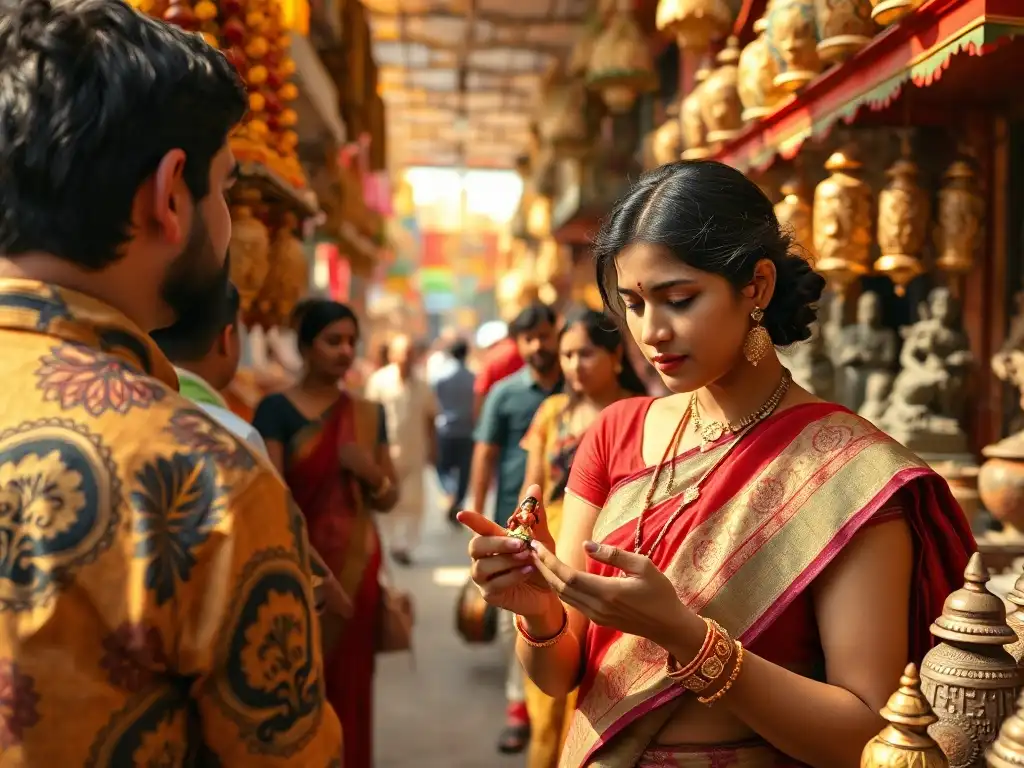
The global market for Indian artifacts has seen remarkable growth, driven by a combination of cultural appreciation and investment potential. Indian artifacts, ranging from ancient sculptures to textiles, are not only valued for their aesthetic appeal but also for their historical significance. As collectors and investors gain interest in these items, the economic impact becomes increasingly evident across various sectors.
Market Trends for Indian Artifacts
The market for Indian artifacts is characterized by a few distinct trends that highlight their global appeal.
- Increased Global Interest:
- Buyers from diverse backgrounds are now investing in Indian artifacts. This interest is fueled by a growing awareness of India's rich cultural heritage.
- The rise of social media and online platforms has facilitated exposure to Indian art forms among international audiences.
- Cultural Tourism:
- Cultural tourism plays a significant role in boosting the artifact market. Tourists visiting India often seek to take home authentic pieces as mementos of their travels.
- This influx of tourists has led to an increase in demand for quality artifacts, enhancing their value and attractiveness on the global stage.
- Investment Potential:
- Many investors view Indian artifacts as a stable investment opportunity, especially during economic uncertainty.
- The appreciation of these artifacts over time has led to a surge in their market value, making them desirable for both personal collections and investment portfolios.
Current Market Value and Growth Projections
The current market value of Indian artifacts is estimated to be in the billions, with consistent growth projections.
- Valuation Estimates: According to market research, the value of Indian artifacts is projected to grow at a compound annual growth rate (CAGR) of approximately 7% over the next five years.
- Sector Contributions:
- Sculptures and Statues: These remain the highest valued sectors, with antique sculptures fetching prices well into six figures.
- Textiles: Handwoven textiles are gaining traction, with contemporary designers incorporating traditional designs into modern fashion, further driving demand.
The combination of these trends and projections indicates a robust economic impact of Indian artifacts on global markets, underscoring their significance beyond mere collectibles.
Key Players in the Indian Artifacts Market
As the market for Indian artifacts continues to expand, several key players have emerged, playing a vital role in the buying and selling of these culturally rich items.
Prominent Auction Houses and Online Platforms
Auction houses and online platforms are essential in facilitating the trade of Indian artifacts. They provide a marketplace where sellers can reach global buyers.
- Auction Houses: Renowned auction houses like Sotheby’s and Christie’s have dedicated sections for Indian art, showcasing valuable artifacts and attracting high-profile collectors.
- Online Marketplaces: Platforms such as eBay and specialized art auction sites enable collectors to buy and sell Indian artifacts with ease, democratizing access to these items.
Sotheby’s and Christie's Auctions
Both Sotheby’s and Christie’s are pivotal in shaping the market for Indian artifacts.
- Sotheby’s: Known for its high-end auctions, Sotheby’s has hosted several successful sales featuring Indian artifacts, including ancient sculptures and paintings. Their expertise in appraising these items ensures that they reflect true market value, attracting serious buyers.
- Christie’s: Following suit, Christie’s has established a strong presence in the Indian artifacts market. Their auctions often highlight the rich diversity of Indian art, ranging from classical pieces to contemporary interpretations, making it a go-to destination for collectors.
The influence of these auction houses not only drives the market but also enhances the global appeal of Indian artifacts, establishing them as sought-after items for collectors and investors worldwide.
Challenges in the Indian Artifacts Global Market
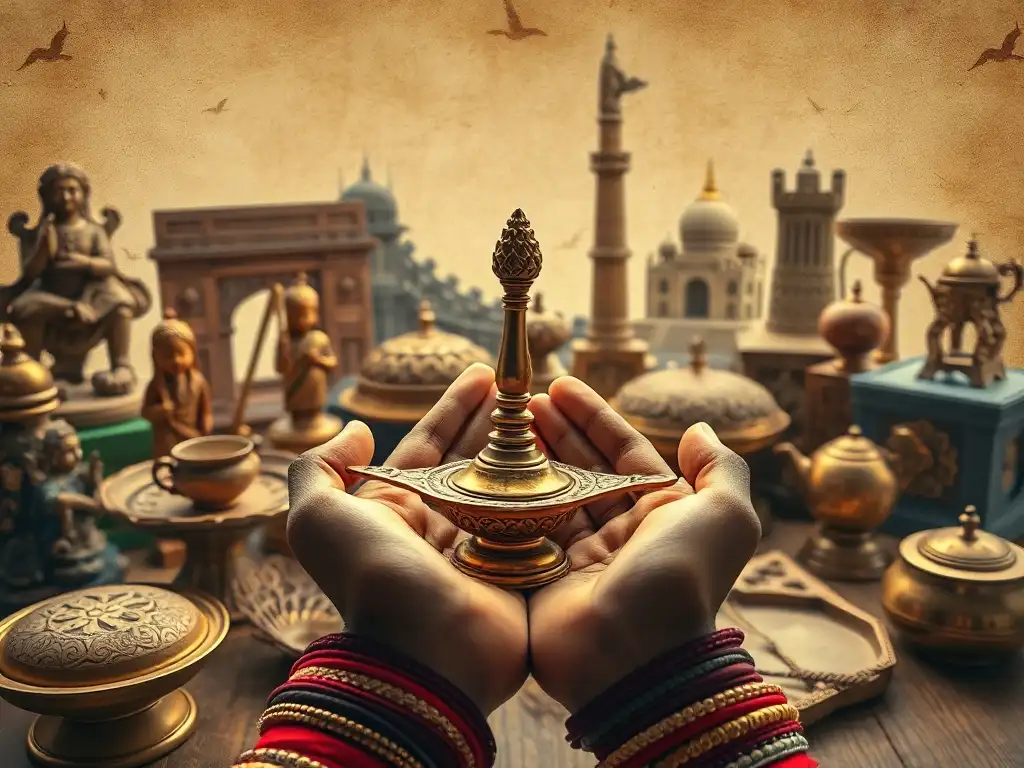
The global market for Indian artifacts is vast and dynamic, attracting collectors, investors, and enthusiasts from around the world. However, this market is not without its challenges. Understanding these obstacles is crucial for anyone looking to engage in the buying or selling of Indian artifacts.
Legal and Ethical Considerations in Artifact Trading
The trade of Indian artifacts is heavily regulated due to concerns over cultural heritage and national pride. Various laws, both domestic and international, aim to protect cultural property from illegal trafficking.
- Legislation: The Archaeological Survey of India (ASI) plays a pivotal role in regulating the export of artifacts. The Antiquities and Art Treasures Act of 1972 governs the export of antiquities, ensuring that items over 100 years old must be registered and approved for export.
- International Treaties: Agreements such as the UNESCO Convention of 1970 seek to prevent the illegal trade of cultural properties. Countries participating in this convention commit to not importing artifacts that have been illegally exported.
The ethical implications of artifact trading extend beyond legality. Buyers must consider:
- Cultural Sensitivity: The significance of artifacts to their originating cultures. Owning an artifact should come with a responsibility to respect its historical context.
- Provenance: Ensuring that an artifact has a legitimate history of ownership is vital. Buyers should seek documentation that proves the artifact's legal acquisition.
The Impact of Counterfeiting on Authentic Indian Artifacts
Counterfeiting poses a significant threat to the integrity of the Indian artifacts market. As demand increases, so does the production of replicas and forgeries, which can mislead buyers and diminish the value of authentic pieces.
- Market Saturation: The proliferation of counterfeit artifacts has led to confusion among buyers. In some cases, even experts struggle to distinguish between authentic items and forgeries.
- Financial Implications: For collectors and investors, the presence of counterfeits can lead to substantial financial losses. Buying a counterfeit not only results in wasted money but can also impact resale value.
To combat counterfeiting, buyers are encouraged to:
- Conduct Thorough Research: Understanding the characteristics of genuine artifacts can help buyers make informed decisions.
- Seek Expert Opinions: Consulting with archaeologists or appraisers who specialize in Indian artifacts can provide valuable insights.
Preservation and Conservation of Cultural Heritage
The preservation and conservation of Indian artifacts is a vital concern for maintaining the integrity of cultural heritage. As artifacts age, they are susceptible to deterioration, which can lead to irreversible loss.
- Conservation Techniques: Methods such as controlled environment storage, humidity control, and climate regulation are essential for prolonging the lifespan of artifacts. Institutions like museums and cultural heritage organizations often employ these techniques to safeguard their collections.
- Community Involvement: Engaging local communities in preservation efforts can enhance the protection of artifacts. Educational programs that raise awareness about the importance of cultural heritage can foster a sense of responsibility among community members.
While the global appeal of Indian artifacts presents lucrative opportunities, the challenges outlined above must be navigated carefully. Legal and ethical considerations, the threat of counterfeiting, and the need for effective preservation practices play crucial roles in shaping the market dynamics and ensuring the legacy of India's rich cultural heritage endures for future generations.
How to Invest in Indian Artifacts for Global Appeal
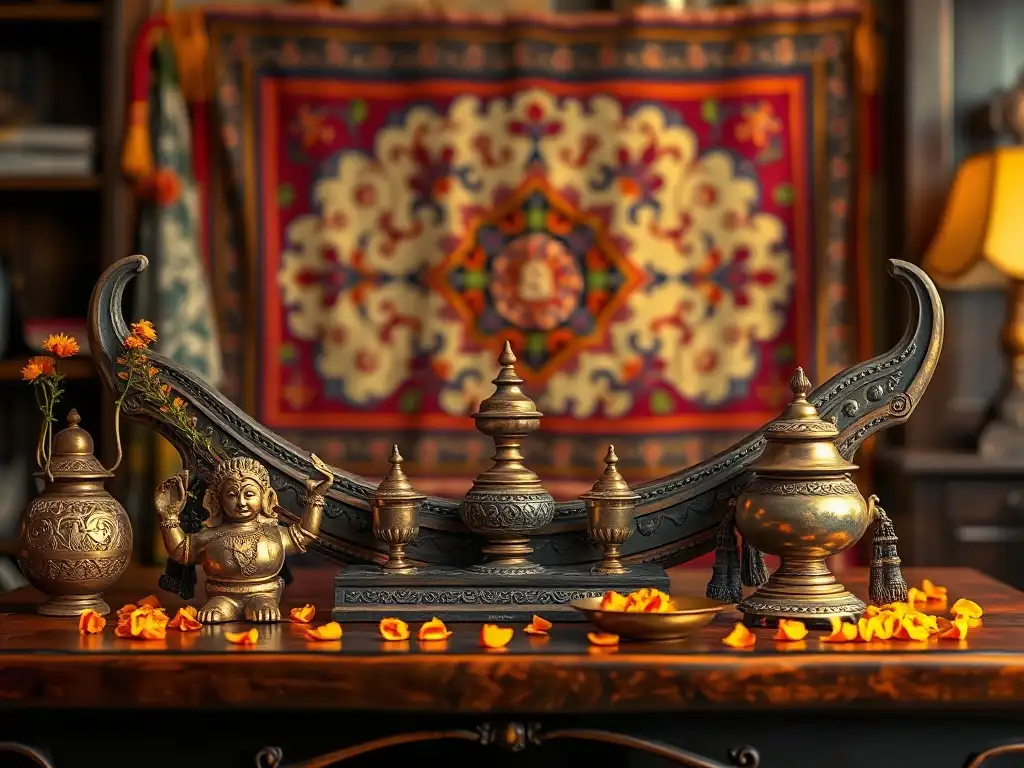
Investing in Indian artifacts presents a unique opportunity to tap into the global market appeal of rich cultural history and craftsmanship. These artifacts not only serve as tangible connections to the past but also as potential financial investments that appreciate over time. To maximize the value of your investment, it is crucial to focus on authenticity, provenance, and market trends.
Tips for Collecting Authentic Indian Artifacts
- Research Provenance:
- Understanding the history and origin of an artifact is essential. Provenance provides insight into its authenticity and value. Collectors should seek documented histories that trace the artifact back to its cultural and historical context.
- Verify Authenticity:
- Always look for certificates of authenticity or appraisal from reputable sources. Engaging with experts who specialize in Indian artifacts can provide reassurance about the legitimacy of your purchase.
- Focus on Quality:
- Quality is paramount when investing in artifacts. Examine the craftsmanship, materials used, and overall condition. High-quality artifacts tend to hold their value better and attract more buyers in the global market.
- Stay Informed on Market Trends:
- Keep an eye on the latest trends in the global market for Indian artifacts. Understanding what types of artifacts are gaining popularity can help you make informed investment decisions.
- Network with Other Collectors:
- Joining collector groups or attending exhibitions can provide valuable insights and connections. Networking can lead to better purchasing opportunities and knowledge sharing about the best practices for collecting.
Recommended Platforms for Purchasing Indian Artifacts
When looking to invest in Indian artifacts, choosing the right platform is crucial. Several online marketplaces cater specifically to collectors, offering a wide range of authentic artifacts. Below are some recommended platforms:
Etsy for Unique Handcrafted Artifacts
Etsy is renowned for its focus on handmade and vintage items. It's an excellent platform for finding unique Indian artifacts that reflect traditional craftsmanship. Here’s why Etsy is a great choice:
- Diverse Selection: From textiles to pottery, Etsy hosts a variety of artisanal Indian artifacts.
- Direct Interaction: Buyers can communicate directly with sellers, allowing for inquiries about authenticity and craftsmanship.
- Support for Artisans: Purchasing from Etsy often supports local artisans, enhancing the cultural impact of your investment.
1stdibs for Antique Art Pieces
1stdibs is a high-end online marketplace specializing in antiques and luxury items, making it ideal for serious collectors. Here’s what sets 1stdibs apart:
- Curated Selection: The platform features a curated selection of verified antique Indian artifacts, ensuring quality and authenticity.
- Global Reach: 1stdibs connects buyers with sellers worldwide, providing access to rare finds that may not be available locally.
- Investment Potential: The high-end nature of the items listed often means better potential for appreciation in value.
By exploring these platforms and following the tips for collecting, you can effectively navigate the global market for Indian artifacts, ensuring that your investments not only enrich your collection but also resonate with buyers worldwide.
Conclusion: Embracing the Global Appeal of Indian Artifacts
The global market for Indian artifacts has witnessed a remarkable rise in interest, fueled by a growing appreciation for the rich cultural heritage and artistic traditions of ancient India. This burgeoning appeal is not merely a trend; it signifies a profound acknowledgment of the historical significance and craftsmanship of Indian artifacts. As collectors, investors, and enthusiasts from around the world seek to acquire these treasures, it is essential to understand the dynamics that contribute to their allure.
The future of Indian artifacts appears bright, driven by several factors. The increasing globalization of art markets, coupled with the proliferation of online platforms, has made it easier for buyers to access a diverse range of artifacts. Moreover, as museums and galleries showcase Indian art and history, there is a heightened awareness and appreciation among potential buyers. This, in turn, propels the demand for authentic Indian artifacts, reflecting their value not just as decorative items but as pieces of history that tell stories of ancient civilizations.
The Future of Indian Artifacts in the Global Market
As we look ahead, the global market for Indian artifacts is poised for continued growth. Several trends are emerging that will shape this market's landscape:
- Increased Accessibility:
- The rise of online auctions and e-commerce platforms has democratized access to Indian artifacts. Collectors no longer need to travel extensively to procure items; they can now browse and purchase from the comfort of their homes.
- Virtual exhibitions hosted by museums and galleries provide immersive experiences that educate potential buyers about the cultural significance of the artifacts, enhancing their appeal.
- Cultural Exchange:
- The global interest in Indian culture fosters cultural exchange, leading to collaborations between Indian artisans and international designers. This synergy creates modern interpretations of traditional artifacts, broadening their market reach.
- Art fairs and exhibitions focusing on Indian heritage attract international audiences, promoting a deeper understanding and appreciation of these artifacts.
- Sustainability and Ethical Sourcing:
- There is an increasing emphasis on sustainability and ethical sourcing in the art market. Buyers are becoming more conscious of the provenance of artifacts, seeking out items that are legally and ethically acquired.
- This trend encourages collectors to invest in artifacts that support local artisans and communities, thus contributing to the preservation of traditional crafts.
Why Collecting Indian Artifacts is a Worthwhile Investment
Investing in Indian artifacts offers numerous benefits, making it an attractive option for collectors and investors alike:
-
Cultural Value:
Indian artifacts are imbued with rich historical narratives and cultural significance. By acquiring these pieces, collectors not only enhance their collections but also preserve the heritage of ancient Indian civilizations.
-
Rarity and Uniqueness:
Many Indian artifacts are one-of-a-kind, making them rare finds in the global market. Their uniqueness can lead to significant appreciation in value over time, particularly as demand continues to grow.
-
Diverse Investment Portfolio:
Including Indian artifacts in an investment portfolio diversifies assets, balancing the risks associated with traditional investments like stocks and bonds. Artifacts can appreciate in value independently of market fluctuations.
-
Market Resilience:
The art market, particularly for culturally significant artifacts, has shown resilience even during economic downturns. Collectors often turn to tangible investments like art during uncertain times, maintaining demand.
The global appeal of Indian artifacts is not just a passing phase; it represents a significant shift in how the world perceives and values the cultural heritage of ancient India. As the market evolves, collectors and investors are presented with unparalleled opportunities to engage with and appreciate these timeless treasures.
Frequently Asked Questions
What are Indian artifacts?
Indian artifacts are historically significant objects from India's rich past, including sculptures, pottery, textiles, and tools, reflecting the cultural and artistic heritage of ancient civilizations.
Why do Indian artifacts have global market appeal?
The global market appeal of Indian artifacts stems from their unique craftsmanship, historical significance, and the spiritual and aesthetic value they offer to collectors and enthusiasts worldwide.
What role did the Indus Valley civilization play in Indian artifacts?
The Indus Valley civilization is known for its advanced urban planning and craftsmanship, producing intricate seals, pottery, and jewelry that continue to attract interest in the global market.
How has the Gupta Empire influenced Indian artifacts?
The Gupta Empire is often referred to as the Golden Age of India, producing remarkable artistic and architectural works such as sculptures, coins, and manuscripts that have significant appeal to collectors today.
Where can one find authentic Indian artifacts for purchase?
Authentic Indian artifacts can be found in specialty galleries, auctions, and online marketplaces that focus on ancient items, ensuring buyers acquire pieces with verified provenance and historical significance.
Final Reflection: The Timeless Allure of Indian Artifacts
The global market appeal of Indian artifacts is not merely a trend; it is a testament to the rich cultural heritage and craftsmanship that transcends borders. Today, as we witness a growing appreciation for diverse artistic expressions, the allure of Indian artifacts continues to captivate buyers around the world, reminding us of the interconnectedness of our global community. This phenomenon highlights not only the beauty of these artifacts but also the stories and traditions they carry, making them invaluable treasures in a rapidly changing world.
The impact of Indian artifacts on the cultural landscape is profound, as they serve as bridges between past and present, tradition and modernity. The appreciation for these pieces fosters a deeper understanding of Indian culture and encourages a dialogue about the significance of preserving such heritage. As Mahatma Gandhi once said, “A nation’s greatness is measured by how it treats its weakest members,” which can be extended to how we honor and preserve our artistic legacies. The global demand for Indian artifacts reflects a collective recognition of their intrinsic value, urging us to cherish and protect these cultural narratives.
As you reflect on the insights shared in this article, consider how you can engage with and support the preservation of cultural artifacts in your own life. Whether through purchasing ethically sourced pieces, advocating for cultural education, or simply sharing the stories behind these artifacts, your actions can contribute to a greater appreciation of the diverse artistic expressions that enrich our world. Embrace the opportunity to connect with the past while celebrating the vibrant tapestry of cultures that shape our global society.
Unleash the Beauty of Indian Artifacts Today!
Thank you for taking the time to explore the captivating allure of Indian artifacts. By diving into this rich cultural tapestry, you've uncovered the unique beauty and historical significance that makes these treasures sought after around the globe. Now, it’s time to take the next step in connecting with this vibrant heritage!
Here are some exciting ways you can engage further:
- Start your treasure hunt! Visit local galleries or online marketplaces to discover authentic Indian artifacts and **bring a piece of history home**.
- Share the passion! Spread the word about your favorite artifacts on social media—**inspire your friends and family to appreciate this stunning craftsmanship**.
- Join a community! Participate in forums or clubs dedicated to Indian art and culture—**exchange knowledge, find events, and connect with like-minded enthusiasts**.
What piece of Indian art would you love to showcase in your space, and why does it resonate with you? Let’s spark a conversation!