
The Revival of Indian Handicrafts: A Lucrative Opportunity for Entrepreneurs

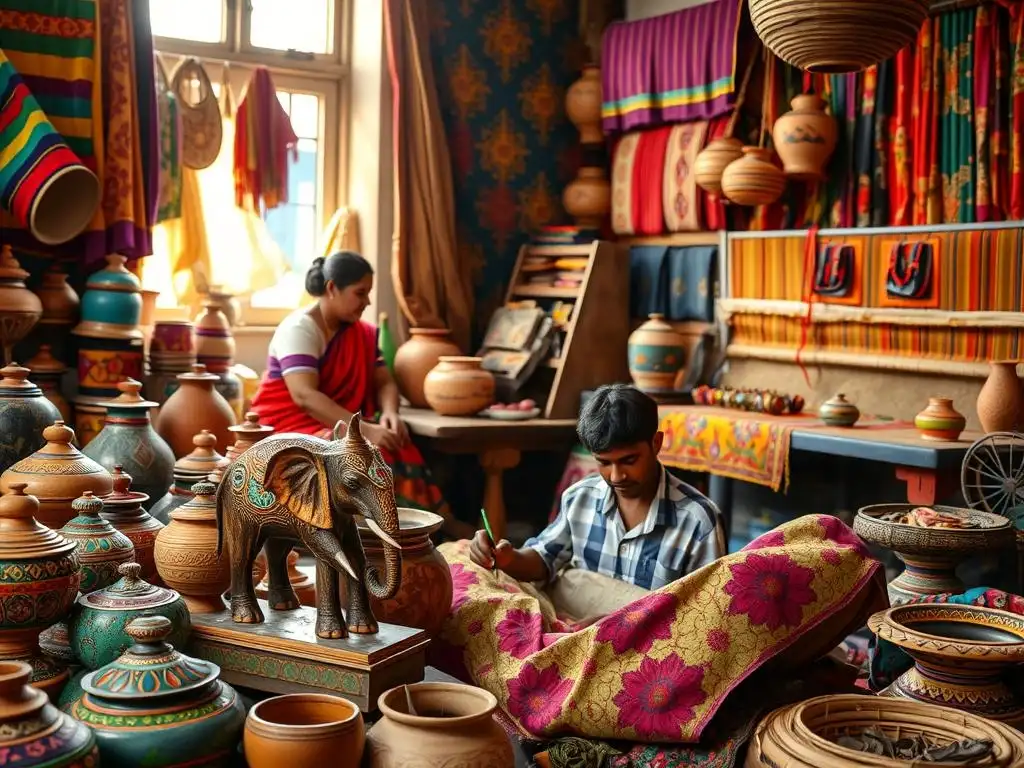
Welcome to Ancient India History, where we embark on a fascinating journey through the intricate tapestry of India's past, celebrating its rich cultures and remarkable contributions. In our latest article, “The Revival of Indian Handicrafts: A Lucrative Opportunity for Entrepreneurs,” we delve into the burgeoning world of Indian handicrafts business opportunities. Discover how the timeless artistry of ancient artisans can pave the way for modern entrepreneurs, blending tradition with innovation. Are you ready to unveil the secrets of this thriving market? Let’s dive deeper into the vibrant legacy that awaits!
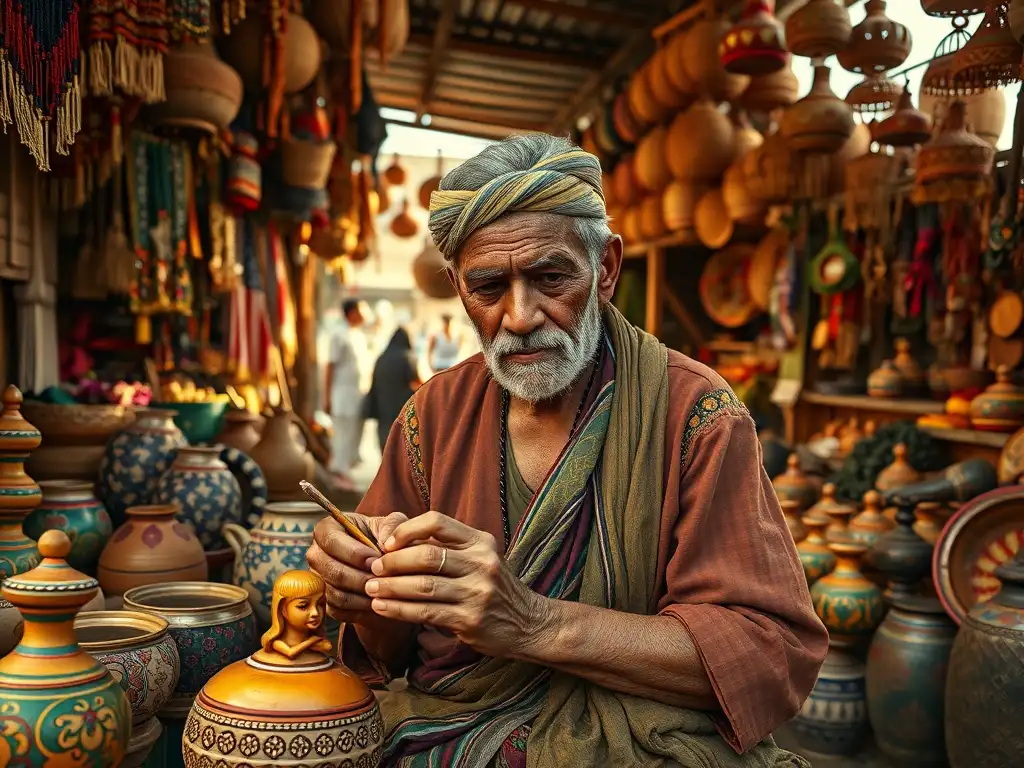
The revival of Indian handicrafts is not merely a trend; it represents a significant movement that intertwines the rich cultural heritage of India with contemporary entrepreneurial opportunities. For centuries, Indian artisans have created exquisite handcrafted products that reflect the diverse traditions and skills passed down through generations.
Today, with a renewed interest in sustainable and authentic products, the landscape is ripe for entrepreneurs looking to tap into the Indian handicrafts business opportunities. This article delves into the various facets of this thriving industry, exploring market trends, economic impacts, and the unique advantages that make investing in Indian handicrafts a promising venture.
Understanding Indian Handicrafts Business Opportunities
Definition of Indian Handicrafts and Their Cultural Significance
Indian handicrafts encompass a vast array of artisanal products, including textiles, pottery, jewelry, woodwork, and metal crafts, among others. These items are created using traditional techniques that reflect the regional and cultural diversity of India. The significance of these crafts extends beyond mere aesthetics; they are imbued with historical and cultural narratives that tell the stories of the communities that produce them. For instance:
- Textiles: Each region in India boasts its unique weaving techniques, such as Banarasi silk from Varanasi or Pochampally ikat from Telangana.
- Pottery: Traditional pottery, like blue pottery from Jaipur, showcases not only craftsmanship but also local resource utilization.
The preservation of these crafts is vital for maintaining cultural identities and passing on skills to future generations.
Current Market Trends in Indian Handicrafts
The market for Indian handicrafts is witnessing a resurgence, driven by several factors:
- E-commerce Growth: With the rise of online shopping platforms, artisans can reach global markets more easily than ever.
- Consumer Preference Shift: There is an increasing demand for unique and sustainable products among consumers, particularly millennials and Gen Z, who value authenticity.
- Cultural Tourism: As travel resumes post-pandemic, cultural tourism has contributed to increased interest in local handicrafts.
These trends highlight the potential for entrepreneurs to carve out niches in the handicrafts sector, catering to both local and international markets.
The Economic Impact of Handicrafts on Local Communities
Handicrafts play a crucial role in the economic development of local communities across India. The industry not only provides employment to millions of artisans but also supports ancillary sectors such as packaging, marketing, and retail. Key impacts include:
- Job Creation: The handicraft sector is a significant source of employment, particularly for women and marginalized groups.
- Income Generation: Handicrafts often provide artisans with a sustainable source of income, empowering them economically.
- Community Development: The growth of handicraft businesses can lead to improved infrastructure and services in artisan communities.
Why Invest in Indian Handicrafts?
Rich Heritage and Unique Artistry
One of the most compelling reasons to invest in Indian handicrafts is the unparalleled richness of the country’s cultural heritage. Each handicraft tells a story and embodies a legacy of skill and artistry that cannot be replicated. By supporting these crafts, entrepreneurs not only preserve this heritage but also benefit from its uniqueness in the global marketplace.
Growing Global Demand for Sustainable and Handmade Products
In recent years, there has been a marked shift towards sustainability and ethical consumption. Consumers are increasingly seeking out handmade products that have a minimal environmental impact. Indian handicrafts, with their sustainable production methods and use of local materials, fit perfectly into this growing market. Entrepreneurs can leverage this trend by promoting the stories behind each product, emphasizing their eco-friendly and socially responsible aspects.
Government Initiatives Supporting Indian Handicrafts
The Indian government has recognized the importance of the handicrafts sector and has launched various initiatives to support artisans and promote handicrafts globally. These initiatives include:
- Skill Development Programs: Training and workshops to enhance the skills of artisans.
- Financial Assistance: Schemes providing financial support to artisans for purchasing raw materials and improving production facilities.
- Marketing Support: Platforms for artisans to showcase their products at national and international fairs.
These government efforts create a conducive environment for entrepreneurs to thrive in the handicrafts business, ensuring a supportive framework for growth.
The revival of Indian handicrafts presents a lucrative opportunity for entrepreneurs willing to invest in this vibrant sector. By understanding the cultural significance, market trends, economic impacts, and supportive government initiatives, aspiring business owners can navigate this landscape effectively and contribute to the preservation of India’s rich artisanal heritage.
Key Sectors in the Indian Handicrafts Industry
The Indian handicrafts industry is a vibrant sector that embodies the rich cultural heritage and artistic traditions of the country. This industry not only provides livelihood to millions of artisans but also offers lucrative business opportunities for entrepreneurs. Below are some key sectors that are pivotal to the Indian handicrafts landscape:
Textiles and Fabrics: The Appeal of Traditional Weaving
Textiles form the backbone of Indian handicrafts, with a history that traces back thousands of years. India is renowned for its diverse weaving techniques, each region showcasing its unique style. From the intricate brocades of Varanasi to the cotton weaves of Khadi, these traditional fabrics are not just garments but stories woven through time.
- Variety of Techniques: Techniques such as tie-dye (Bandhani), block printing, and embroidery (like Zardozi and Chikan) highlight the craftsmanship involved.
- Market Demand: With a growing global demand for sustainable and handmade products, textiles offer immense potential. Entrepreneurs can tap into this by creating eco-friendly lines or reviving forgotten techniques.
- Cultural Significance: Each textile carries cultural narratives, making them attractive to both domestic and international markets.
Pottery and Ceramics: Timeless Craftsmanship
Pottery and ceramics represent one of the oldest crafts in India, with origins that date back to the Indus Valley Civilization. The craftsmanship of Indian pottery is characterized by its diversity, with each region offering distinct styles and techniques.
- Regional Styles: From the blue pottery of Jaipur to the terracotta works of Bengal, the variety is vast. Each piece often tells a story of tradition and heritage.
- Artisan Welfare: Engaging local artisans not only supports their livelihoods but also ensures the preservation of traditional skills.
- Consumer Trends: There is a rising trend among consumers for unique, handmade home decor items, creating a niche market for artistic pottery and ceramics.
Woodwork and Carpentry: Crafting Functional Art
Woodwork in India is an exquisite blend of art and utility. The intricate designs and craftsmanship often reflect the cultural ethos of the region.
- Types of Woodwork: Notable varieties include the ornate jali work of Rajasthan and the minimalist designs from Kerala, each having its unique charm.
- Sustainable Sourcing: Entrepreneurs can focus on sustainable wood sourcing, appealing to environmentally conscious consumers.
- Market Opportunities: The demand for handcrafted furniture and decor items is increasing, providing opportunities for innovation in design and functionality.
Strategies for Entrepreneurs in the Indian Handicrafts Market
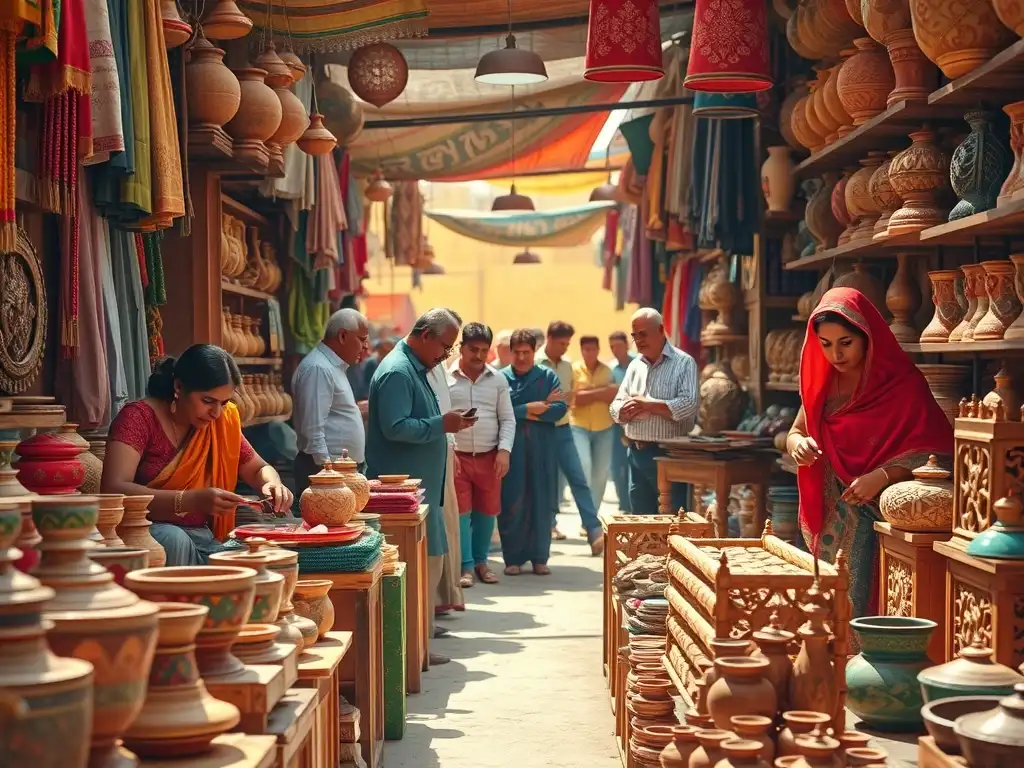
To capitalize on the burgeoning opportunities in the Indian handicrafts market, entrepreneurs must adopt strategic approaches that align with current market trends and consumer preferences.
Identifying Your Niche: Focusing on Unique Art Forms
One of the first steps for entrepreneurs is identifying a niche within the diverse handicrafts sector. Focusing on unique art forms can differentiate a brand in a saturated market.
- Research and Development: Conduct thorough market research to understand consumer preferences and identify less-explored art forms that can be revitalized.
- Collaboration with Artisans: Collaborating with local artisans not only ensures authenticity but also fosters creativity, leading to innovative products that resonate with consumers.
Building a Brand Around Authenticity and Quality
In an age where consumers are increasingly discerning, building a brand that emphasizes authenticity and quality is crucial.
- Storytelling: Share the stories behind the crafts, the artisans, and the processes involved. This creates a deeper connection with customers.
- Quality Assurance: Ensure that the products meet high-quality standards, which can enhance brand reputation and customer loyalty.
- Certification and Fair Trade: Obtaining certifications that highlight ethical sourcing and fair trade practices can further bolster consumer trust.
Leveraging E-commerce Platforms for Wider Reach
The digital revolution has transformed the way businesses operate, and e-commerce platforms offer immense opportunities for handicraft entrepreneurs.
- Online Marketplaces: Utilize platforms like Amazon, Etsy, and dedicated handicraft websites to reach a global audience.
- Social Media Marketing: Employ social media for marketing and showcasing products. Engaging content can help build a community around the brand.
- SEO Optimization: Optimize product listings and content for search engines to increase visibility in the crowded online market.
By focusing on these sectors and strategies, entrepreneurs can effectively tap into the rich potential of the Indian handicrafts business, driving both economic growth and cultural preservation.
Challenges in the Indian Handicrafts Business
The Indian handicrafts industry is a vibrant tapestry of culture and creativity, but it faces several challenges that entrepreneurs must navigate to build a successful business. Understanding these challenges is crucial for anyone looking to invest in or revive traditional crafts.
Navigating Supply Chain Issues
Supply chain management in the handicrafts sector can be complex due to several factors, including variability in raw material availability, transportation concerns, and the involvement of multiple artisans and suppliers. Entrepreneurs often face difficulties in sourcing high-quality materials that are both sustainable and cost-effective. Additionally, logistical challenges can arise, such as delays in shipping, lack of proper infrastructure, and fluctuating prices due to demand and seasonal variations.
To mitigate these issues, businesses can establish strong relationships with local suppliers, invest in technology for better inventory management, and create a flexible supply chain that can adapt to changes in demand. Building a network of reliable artisans and suppliers is essential for ensuring consistent product quality and availability.
Ensuring Quality Control and Authenticity
In the handicrafts sector, maintaining quality and authenticity is paramount. Consumers are increasingly aware of the value of genuine artisanal products, which makes it essential for businesses to adopt stringent quality control measures. Many artisans may lack formal training or access to modern production techniques, leading to inconsistencies in craftsmanship.
To ensure quality, entrepreneurs should implement training programs for artisans to enhance their skills and familiarize them with industry standards. Additionally, adopting certification processes can help verify the authenticity of the products, providing consumers with assurance about the origin and craftsmanship of their purchases. Emphasizing the unique stories behind each piece can also add value and attract discerning customers.
Competing with Mass-Produced Alternatives
One of the significant challenges faced by Indian handicrafts businesses is competition from mass-produced items, which are often cheaper and more readily available. The rise of e-commerce has made it even easier for consumers to access these alternatives, putting pressure on artisans and small-scale producers.
To stand out in this competitive landscape, businesses must highlight the unique aspects of their products, such as the intricate craftsmanship, cultural significance, and sustainable practices involved in their creation. Fostering a strong brand identity that focuses on storytelling and the heritage of the crafts can help create a loyal customer base willing to pay a premium for authentic handicrafts.
Effective Marketing Strategies for Indian Handicrafts
Marketing plays a crucial role in the success of any handicrafts business. Implementing effective strategies can help entrepreneurs reach a wider audience and build a strong brand presence.
Utilizing Social Media to Showcase Craftsmanship
Social media platforms have transformed the way businesses can connect with customers. For Indian handicrafts, platforms like Instagram, Facebook, and Pinterest are ideal for showcasing the intricate details and beauty of products. Entrepreneurs can share behind-the-scenes content, such as the crafting process, artisan stories, and customer testimonials, to create a deeper connection with their audience.
Engaging with followers through regular posts, stories, and live sessions can foster a community around the brand. Additionally, using hashtags related to handicrafts and art can enhance visibility and attract potential customers interested in unique, artisanal products.
Collaborating with Influencers in the Artisanal Space
Partnering with influencers who have a passion for handicrafts can significantly boost brand awareness and credibility. These influencers often have dedicated followings that trust their recommendations, making them valuable partners in promoting artisanal products.
By collaborating on campaigns, product launches, or artisan spotlights, businesses can tap into new audiences and showcase their craftsmanship to a broader customer base. Choosing influencers who align with the brand's values and aesthetics is essential for creating authentic and impactful partnerships.
Participating in Fairs and Exhibitions
Engaging in handicraft fairs and exhibitions offers entrepreneurs a unique opportunity to showcase their products directly to consumers and industry professionals. These events allow businesses to demonstrate their craftsmanship, receive immediate feedback, and build personal connections with potential buyers.
Participation in such events also helps in networking with other artisans and industry stakeholders, fostering collaborations and partnerships that can further enhance business prospects. Additionally, these platforms serve as excellent venues for storytelling, allowing artisans to share the cultural heritage and significance of their crafts, thus enriching the customer experience.
Conclusion: The Future of Indian Handicrafts Business Opportunities
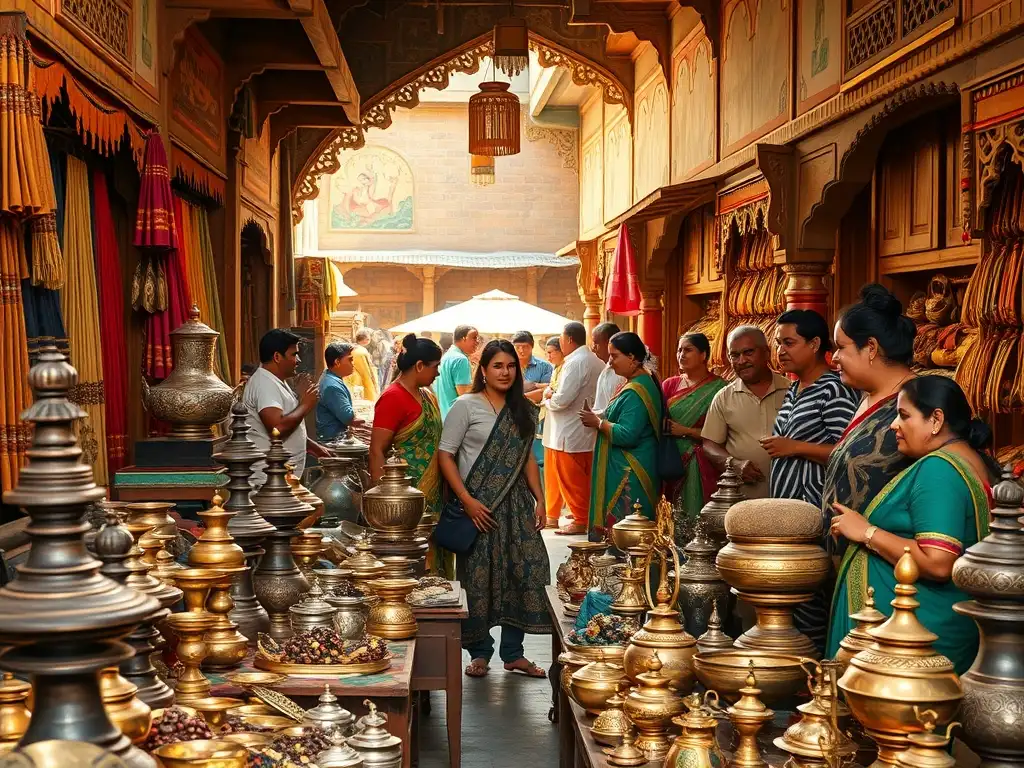
The future of Indian handicrafts business opportunities is bright, driven by a resurgence of interest in traditional crafts and a growing global marketplace that appreciates artisanal quality and authenticity. As consumers increasingly seek unique, handmade products that tell a story, the demand for Indian handicrafts continues to rise. Entrepreneurs willing to tap into this trend can find a wealth of opportunities, not just within India but also internationally.
The revival of Indian handicrafts is not merely a trend; it is a movement towards preserving cultural heritage while fostering economic growth. By leveraging e-commerce platforms and social media, artisans and entrepreneurs can reach a wider audience, breaking geographical barriers that once limited their market. This shift towards digital engagement opens doors for innovative marketing strategies that resonate with conscious consumers looking for sustainable and meaningful purchases.
Predictions for Growth in the Handicrafts Sector
The handicrafts sector in India is poised for substantial growth in the coming years. According to industry reports, the global market for handicrafts is expected to reach $1 trillion by 2024, with India accounting for a significant share due to its rich cultural diversity and craftsmanship. Factors contributing to this growth include:
- Increased Global Demand: As awareness of sustainability and ethical sourcing grows, consumers are gravitating towards handmade products that support local artisans and communities.
- Government Initiatives: Programs such as the "One District One Product" initiative and the "Craftsmen Development Scheme" aim to uplift artisans and promote specific handicrafts from various regions, enhancing their marketability.
- Technological Advancements: The rise of e-commerce has revolutionized how artisans sell their products, enabling them to reach customers directly and reduce reliance on intermediaries.
These predictions suggest a thriving landscape for entrepreneurs in the handicrafts sector, with opportunities for innovation and collaboration across various disciplines.
Encouraging Entrepreneurship and Sustainable Practices
Encouraging entrepreneurship within the handicrafts sector involves fostering an ecosystem that values sustainable practices and supports artisans. Here are several strategies to promote this growth:
- Skill Development Programs: Investing in training programs can equip artisans with modern business skills, such as marketing, finance, and digital literacy, essential for navigating today’s market.
- Collaboration with Designers: Partnerships between traditional artisans and contemporary designers can lead to innovative products that appeal to a broader audience, blending traditional techniques with modern aesthetics.
- Sustainable Sourcing: Promoting the use of eco-friendly materials and practices can attract environmentally conscious consumers. Entrepreneurs should prioritize partnerships with suppliers who share a commitment to sustainability.
- Community Support: Building local networks for artisans can facilitate resource sharing, mentorship, and collective marketing efforts, empowering them to thrive in a competitive marketplace.
By implementing these strategies, the handicrafts sector can not only sustain its rich traditions but also create lucrative business opportunities for new and existing entrepreneurs, paving the way for a prosperous future in Indian handicrafts.
- Understanding Indian Handicrafts Business Opportunities
- Why Invest in Indian Handicrafts?
- Key Sectors in the Indian Handicrafts Industry
- Strategies for Entrepreneurs in the Indian Handicrafts Market
- Challenges in the Indian Handicrafts Business
- Effective Marketing Strategies for Indian Handicrafts
- Conclusion: The Future of Indian Handicrafts Business Opportunities
- Predictions for Growth in the Handicrafts Sector
- Encouraging Entrepreneurship and Sustainable Practices
Frequently Asked Questions
What are Indian handicrafts?
Indian handicrafts refer to artisanal products created by skilled craftsmen using traditional techniques. These include textiles, pottery, jewelry, and wooden items, reflecting the rich cultural heritage of India.
How can entrepreneurs benefit from the Indian handicrafts market?
Entrepreneurs can explore lucrative business opportunities by tapping into the growing demand for unique, handmade products. The market offers diverse options for innovation and creativity, appealing to both domestic and international consumers.
What are some popular types of Indian handicrafts?
Popular types of Indian handicrafts include handwoven textiles, carved wooden furniture, and traditional pottery. Each region of India has its own specialty, making the market exceptionally diverse and vibrant.
How can one start a business in Indian handicrafts?
To start a business in Indian handicrafts, one should research the market to identify trends, connect with local artisans, and develop a solid business plan. Establishing an online presence can significantly enhance visibility and sales.
What challenges do entrepreneurs face in the Indian handicrafts industry?
Entrepreneurs may face challenges such as sourcing quality materials, maintaining consistent craftsmanship, and navigating market competition. Understanding these challenges is crucial for developing effective strategies to succeed in this sector.
Final Reflection: Embracing the Legacy of Indian Handicrafts
The revival of Indian handicrafts is not just a nod to tradition; it is a powerful movement that intertwines culture with commerce. As we navigate a rapidly changing global economy, the resurgence of these artisanal crafts presents a unique opportunity for entrepreneurs to tap into a rich heritage while fostering sustainable business practices. The potential for growth in the Indian handicrafts sector is immense, and it beckons those who dare to innovate while honoring the past.
Cultural heritage is not merely a relic of history; it is a living, breathing entity that shapes our identity and community. The influence of Indian handicrafts extends beyond mere aesthetics; it embodies stories, skills, and traditions passed down through generations. As we witness a growing appreciation for handmade products in a world dominated by mass production, it is clear that the market for Indian handicrafts is not just a trend but a movement towards authenticity. Craftsmanship is the soul of a culture, and when we embrace it, we embrace our very essence.
As you reflect on the insights shared in this article, consider how you can contribute to the revival of Indian handicrafts in your own life. Whether you are an aspiring entrepreneur, a consumer, or simply an admirer of art, your choices can make a difference. Engage with local artisans, support sustainable practices, and explore the beauty of handmade products. Together, we can create a vibrant ecosystem that celebrates creativity, preserves tradition, and opens doors to lucrative business opportunities in the realm of Indian handicrafts.
Unleash the Potential of Indian Handicrafts Today!
Thank you for diving into the fascinating world of Indian handicrafts! Your interest in this rich cultural heritage opens the door to endless opportunities for innovation and entrepreneurship. Now, let’s transform your newfound knowledge into action!
- Start your journey by researching local artisans and discovering unique handicraft techniques in your area. This could lead to exciting collaborations and innovative business ideas.
- Explore various platforms that showcase Indian handicrafts and consider creating your own online store to share these timeless treasures with a broader audience.
- Join community forums and social media groups focused on handicrafts to network with fellow enthusiasts and entrepreneurs who share your passion.
What unique Indian handicraft would you love to highlight in today’s market, and how will you begin to turn that vision into reality?