
Indian-Chinese Exchanges
Indian-Chinese Exchanges
45 articles in this topic
Start here
Read more about this topic
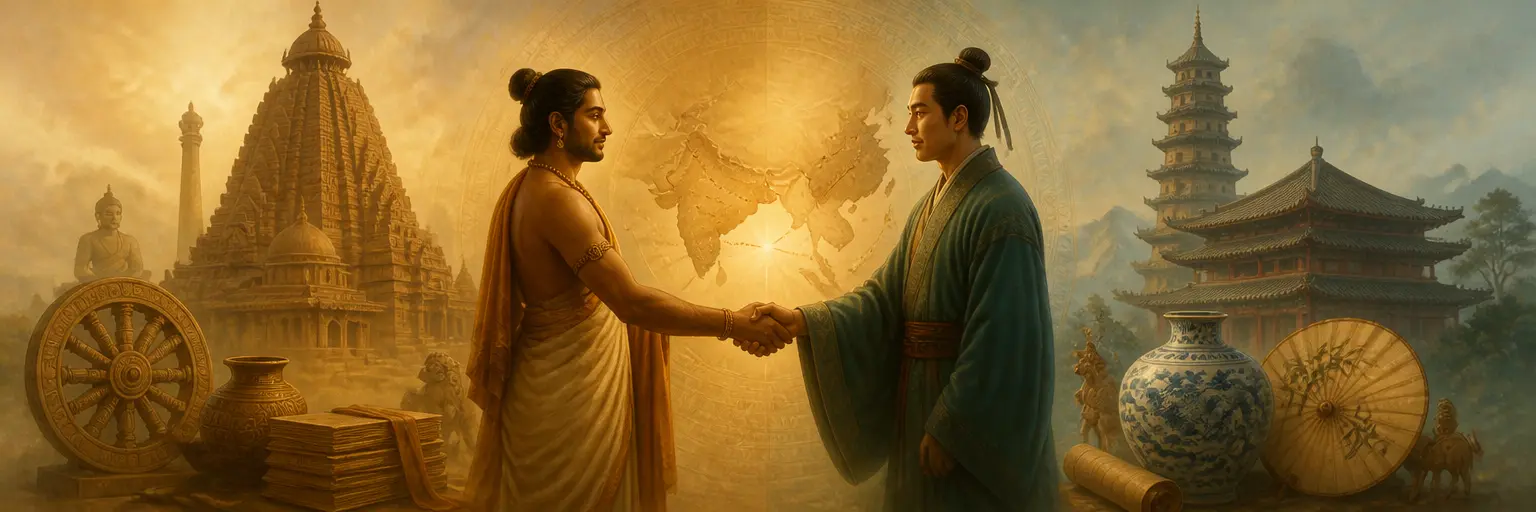
Explore the vibrant story of Indian-Chinese exchanges, tracing the movement of ideas, merchants, monks, art, technology, and cultural traditions between ancient India and China. Discover how Buddhism, Silk Road trade, diplomatic missions, and intellectual encounters connected these civilizations, shaping Asian history and leaving a lasting legacy of cross-cultural exchange.
More in Indian-Chinese Exchanges
Indian-Chinese Exchanges
The Cultural Resonance of Indian Myths in Chinese Folklore
Indian-Chinese Exchanges
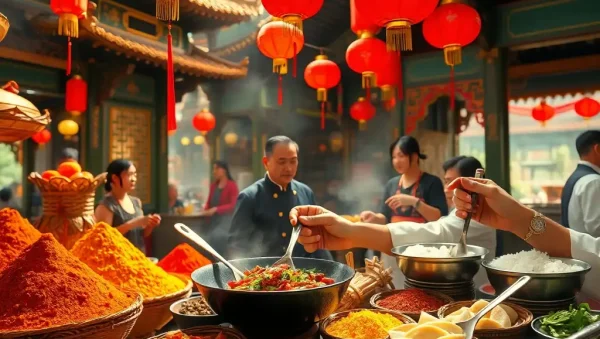
The Spice Trade: How Indian Spices Influenced Chinese Cuisine
Indian-Chinese Exchanges
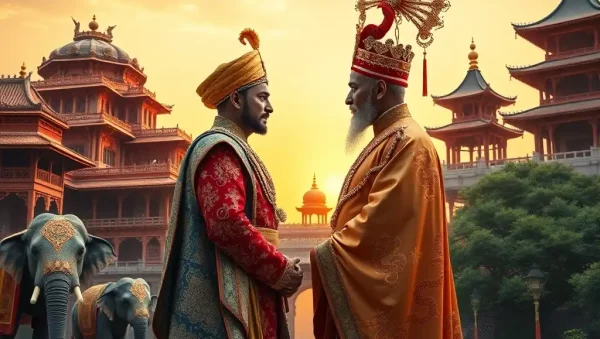
The Role of Dynasties: How Indian and Chinese Leaders Shaped Each Other’s Histories
Indian-Chinese Exchanges
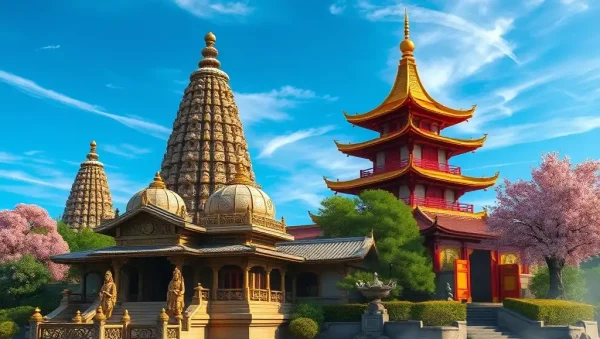
The Architectural Exchange: Indian Influence on Chinese Pagodas
Indian-Chinese Exchanges
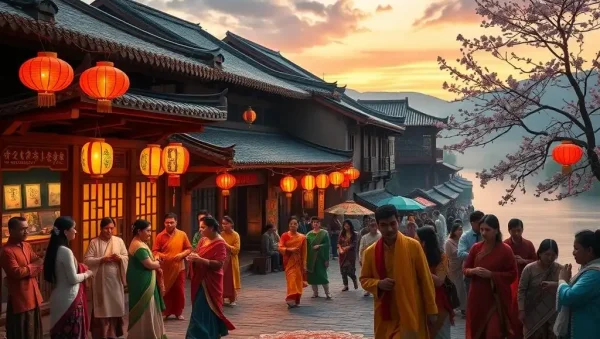
The Significance of Indian Festivals in Ancient Chinese Society
Indian-Chinese Exchanges
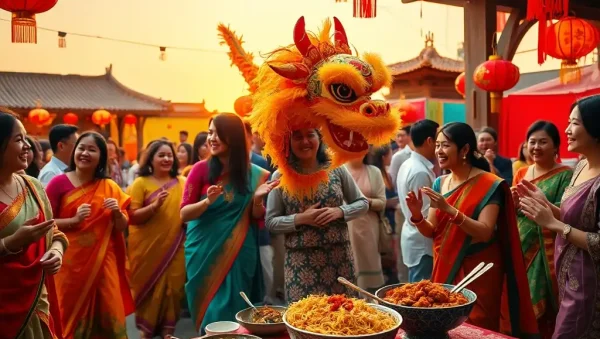
The Role of Festivals in Promoting IndianChinese Cultural Exchange
Indian-Chinese Exchanges
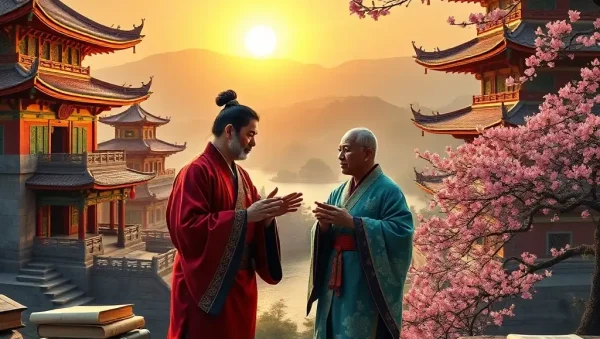
Cultural Crossroads: The Impact of Indian Philosophy on Chinese Thought
Indian-Chinese Exchanges
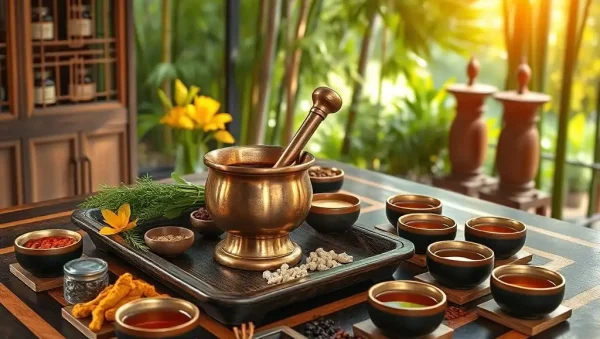
The Exchange of Medicinal Practices: Ayurveda Meets Traditional Chinese Medicine
🌏 Indian-Chinese Exchanges in Ancient History
Explore the remarkable Indian-Chinese exchanges that connected two of Asia’s oldest civilizations through trade, travel, religion, scholarship, diplomacy, and cultural contact. This subcategory examines how ancient India and China influenced one another across the Silk Roads, Himalayan passes, Central Asian routes, and maritime networks. Discover the movement of Buddhist teachings, sacred texts, artistic ideas, scientific knowledge, luxury goods, and travelers between the Indian subcontinent and imperial China. From early diplomatic contacts to the journeys of Buddhist pilgrims such as Faxian and Xuanzang, these articles reveal the importance of cross-cultural interaction between India and China in shaping Asian history.
🛕 Buddhism and the Transmission of Ideas
Learn how Buddhism traveled from India to China and developed into one of the most influential religious and philosophical traditions in East Asia. This section explores the role of Indian monks, Chinese pilgrims, translators, monasteries, and sacred texts in the spread of Buddhist teachings from ancient India to China.
Readers can expect detailed discussions of Buddhist schools, Sanskrit manuscripts, translation centers, meditation traditions, and the adaptation of Indian religious concepts within Chinese society. These exchanges demonstrate how spiritual ideas were reshaped through translation, interpretation, and cultural exchange.
🧭 Chinese Pilgrims in Ancient India
Discover the journeys of Chinese travelers who visited India to study Buddhism, collect scriptures, and observe Indian society. Accounts by Faxian, Xuanzang, and Yijing provide valuable evidence about ancient Indian kingdoms, universities, cities, monasteries, customs, and religious practices.
These travel records are important historical sources for understanding India during the Gupta and post-Gupta periods. Explore what Chinese pilgrims wrote about Nalanda University, Pataliputra, Mathura, Kashmir, Bengal, and Buddhist sacred sites, as well as the challenges of long-distance travel across deserts, mountains, and political boundaries.
🐫 Silk Roads, Trade, and Commercial Connections
Examine the commercial routes that linked India and China through Central Asia, the Himalayas, Southeast Asia, and maritime ports. Indian-Chinese trade involved silk, spices, cotton textiles, precious stones, medicines, metal goods, paper, ceramics, and other valuable commodities.
This section explains how merchants, caravans, sailors, and regional states supported economic exchange across Asia. Readers will learn how trade routes also carried languages, religious beliefs, artistic styles, technologies, and information, making the Silk Roads a major network of ancient Asian globalization.
🏛️ Diplomacy, Empires, and Political Contact
Explore diplomatic relations and political interactions between ancient Indian kingdoms and Chinese dynasties. Although direct contact was often limited by geography, diplomatic missions and reports helped rulers understand distant lands, military powers, religions, and commercial opportunities.
Articles in this section examine references to India in Chinese historical records, Indian kingdoms described by Chinese chroniclers, and the broader relationship between the Gupta Empire, Kushan realms, Central Asian powers, and Chinese dynasties. These sources offer valuable insight into international relations in ancient Asia.
🎨 Art, Architecture, and Cultural Influence
Investigate the artistic connections created through Indian-Chinese exchanges. Buddhist sculpture, temple architecture, painting, iconography, and manuscript traditions reveal how Indian religious imagery was adapted in China and neighboring regions.
Readers can compare Gandharan, Gupta, Central Asian, and Chinese Buddhist art while exploring the movement of visual motifs, architectural designs, artistic techniques, and sacred symbols. This cultural history shows that artistic traditions developed through continuous interaction rather than in isolation.
📚 Language, Translation, and Ancient Scholarship
Study the translators and scholars who made communication between India and China possible. Sanskrit, Prakrit, Classical Chinese, and Central Asian languages played important roles in preserving and transmitting religious, philosophical, medical, and literary knowledge.
This section highlights the importance of translation in ancient Indian-Chinese history, including the interpretation of Buddhist scriptures and technical works. Discover how scholars compared concepts across languages and created new intellectual traditions through cross-cultural learning.
🌊 Maritime Routes and Southeast Asian Connections
Not all Indian-Chinese contact traveled overland. Maritime routes across the Bay of Bengal, the Indian Ocean, the South China Sea, and Southeast Asia connected Indian ports with Chinese coastal centers. These sea routes supported trade, migration, religious travel, and diplomatic communication.
Explore the role of ports, monsoon winds, sailors, and Southeast Asian intermediaries in creating a wider network of exchange. This perspective reveals how Indian Ocean trade and maritime Silk Road history complemented overland connections between India and China.
❓ Frequently Asked Questions About Indian-Chinese Exchanges
What were the main forms of Indian-Chinese exchange?
The main forms included religious exchange, trade, diplomacy, pilgrimage, scholarship, translation, artistic influence, and technological contact. Buddhism was especially important, but merchants and travelers also exchanged goods, customs, medical knowledge, and intellectual ideas.
How did Buddhism spread from India to China?
Buddhism spread through monks, merchants, pilgrims, translators, and Central Asian trading networks. Indian scriptures and teachings were translated into Chinese, while monasteries and royal patronage helped Buddhism become established throughout China.
Who were the most famous Chinese pilgrims to ancient India?
The best-known pilgrims were Faxian, Xuanzang, and Yijing. Their accounts describe Indian Buddhist institutions, political conditions, social customs, geography, and religious life, making them important sources for the study of ancient Indian history.
What goods were traded between ancient India and China?
Trade included Chinese silk, Indian cotton textiles, spices, gemstones, ivory, medicinal substances, metal products, ceramics, and luxury goods. Many items moved indirectly through Central Asia, Southeast Asia, and maritime trading communities.
Why are Indian-Chinese exchanges important for understanding ancient history?
Indian-Chinese exchanges show how civilizations developed through contact and cooperation. They reveal the interconnected nature of ancient Asia and help historians understand the spread of Buddhism, the growth of long-distance trade, and the formation of shared intellectual and artistic traditions.