
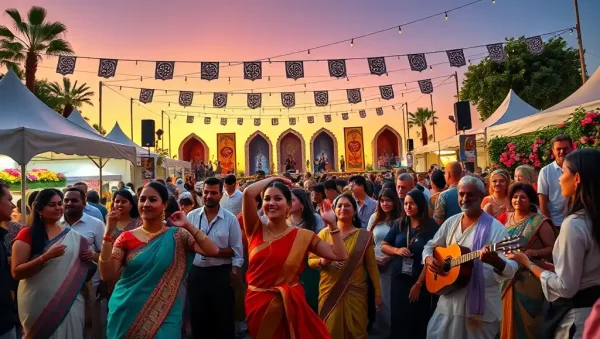
Indian-Greek Relations
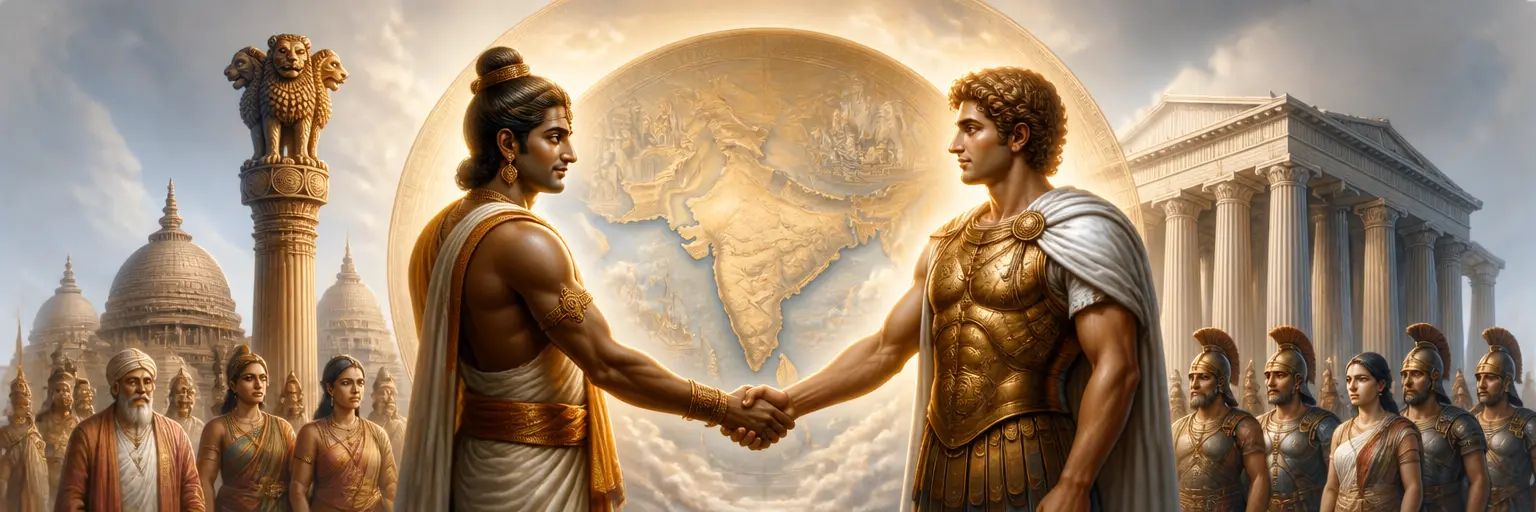
Indian-Greek Relations
41 articles in this topic
Read more about this topic
Discover the fascinating story of Indian-Greek relations—a dynamic exchange shaped by diplomacy, trade, warfare, art, science, and philosophy. Explore how contacts between ancient India and the Greek world influenced the Mauryan Empire, Indo-Greek kingdoms, Gandhara art, coinage, astronomy, and cultural traditions. 🏛️🌏 Uncover the enduring connections that made this encounter a significant chapter in ancient Indian history and cross-cultural civilization.
More in Indian-Greek Relations
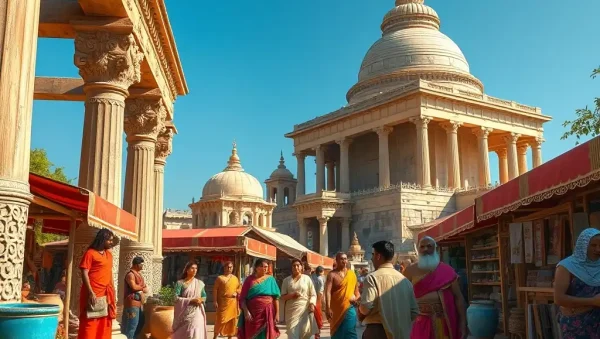
Indian-Greek Relations
The Impact of IndoGreek Relations on Subsequent Civilizations
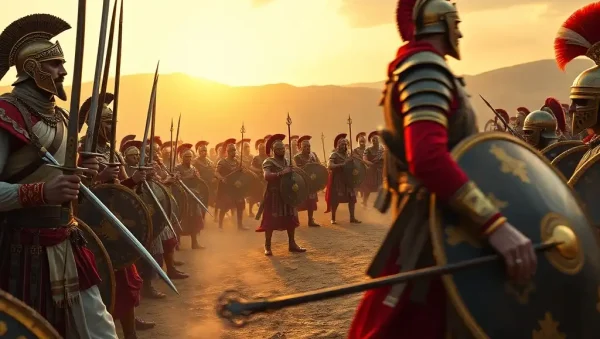
Indian-Greek Relations
The Art of War: Military Tactics of Indian and Greek Forces
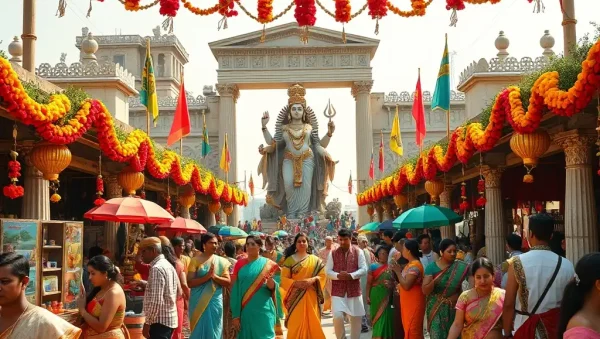
Indian-Greek Relations
The Role of Festivals in IndoGreek Cultural Exchange
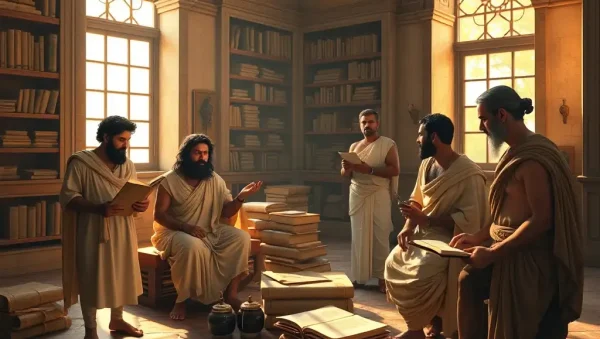
Indian-Greek Relations
Ancient Indian Texts and Greek Scholars: A Dialogue Across Cultures
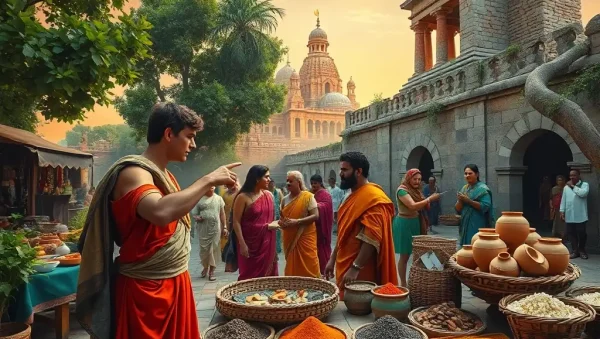
Indian-Greek Relations
The Historical Accounts of Greek Travelers in Ancient India
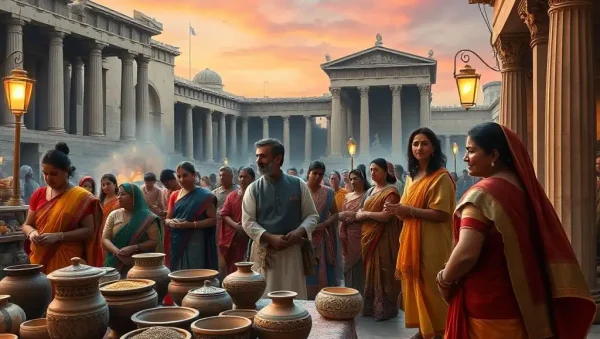
Indian-Greek Relations
Cultural Crossroads: The Artistic Exchange Between Indian and Greek Civilizations
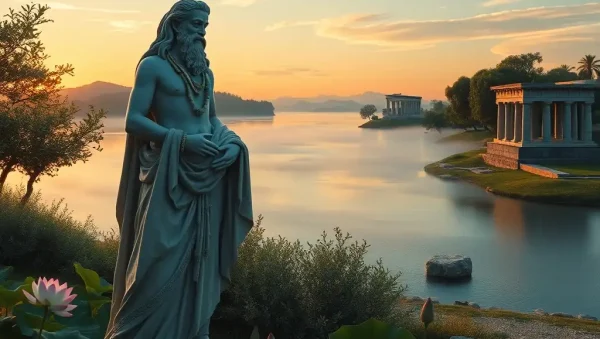
Indian-Greek Relations
The Role of Mythology in Shaping IndoGreek Relations
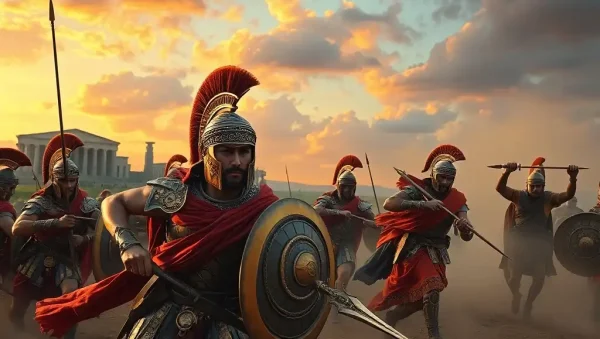
Indian-Greek Relations
The IndoGreek War: A Clash of Civilizations and Its Consequences
🇮🇳🇬🇷 Indian-Greek Relations in Ancient History
Explore the fascinating history of Indian-Greek relations and discover how ancient India interacted with the Greek world through conquest, diplomacy, trade, philosophy, art, science, and cultural exchange. This subcategory examines contacts between the Indian subcontinent and Greek-speaking societies, from the campaigns of Alexander the Great and the Hellenistic kingdoms to the Indo-Greek rulers who governed parts of northwestern India. Readers can learn how these encounters influenced ancient Indian history, Gandharan art, Buddhist culture, coinage, political ideas, and knowledge of Asia.
🏛️ Alexander the Great and His Indian Campaign
Discover the causes, events, and consequences of Alexander’s invasion of India in the fourth century BCE. Articles explore his advance through the northwest, the Battle of the Hydaspes against King Porus, encounters with Indian kingdoms, and the challenges faced by the Macedonian army beyond the Indus River.
This section also explains how Greek and Indian historical traditions remembered Alexander’s campaign. Expect balanced discussions of military strategy, regional politics, ancient sources, cultural contact, and the limits of Macedonian expansion, along with the campaign’s long-term importance in shaping connections between India and the Hellenistic world.
⚔️ The Indo-Greek Kingdoms
Learn about the Indo-Greek Kingdoms that emerged in northwestern India and Afghanistan after the fragmentation of Alexander’s empire. This section covers important rulers such as Demetrius, Apollodotus, Menander, and other Indo-Greek kings who controlled strategic regions connected to Central Asia, the Punjab, and the Indian subcontinent.
Readers can expect detailed information about Indo-Greek political history, royal succession, regional warfare, administration, and interactions with Indian states. The subcategory also examines how Greek rulers adapted to local customs and participated in the diverse political landscape of ancient India.
🪙 Coins, Inscriptions, and Historical Evidence
Ancient coins and inscriptions provide some of the most valuable evidence for studying Indian-Greek relations. Explore bilingual coin legends, portraits of Indo-Greek rulers, religious symbols, royal titles, and inscriptions that reveal the languages and communities present in the northwestern regions of the ancient world.
This section explains how historians use numismatics, epigraphy, archaeology, and classical literature to reconstruct Indo-Greek history. By comparing Greek, Prakrit, Buddhist, and Indian sources, readers can better understand the movement of ideas, people, political authority, and economic activity across cultural boundaries.
☸️ Menander, Buddhism, and Religious Dialogue
Examine the famous association between the Indo-Greek king Menander, known in Buddhist tradition as Milinda, and the monk Nagasena. The Milindapanha, or Questions of King Milinda, presents a celebrated philosophical dialogue concerning ethics, identity, knowledge, rebirth, and Buddhist teachings.
Readers will discover how this tradition reflects the broader exchange between Greek philosophical inquiry and Indian religious thought. The section explores Buddhism and the Indo-Greek world while also considering the historical questions surrounding Menander’s conversion, patronage, and reputation in Buddhist literature.
🎨 Gandharan Art and Cultural Synthesis
Explore the development of Gandharan art, one of the most recognizable results of interaction between Indian, Greek, Iranian, and Central Asian traditions. Articles examine realistic human figures, drapery, architectural details, mythological motifs, and the representation of the Buddha in artistic forms associated with the Gandhara region.
This section explains why Gandharan art is important for understanding Hellenistic influence in ancient India. Readers can learn how artistic techniques crossed borders through trade routes, religious networks, workshops, and imperial connections, creating a distinctive visual culture associated with Buddhist sites in present-day Pakistan and Afghanistan.
🌍 Trade Routes and Economic Exchange
Ancient Indian-Greek relations were shaped not only by warfare and royal diplomacy but also by commerce. Discover the trade routes linking India with Bactria, the Iranian plateau, the Mediterranean world, and Central Asia, including the movement of spices, textiles, precious stones, metals, luxury goods, and manufactured products.
Readers can explore how merchants, sailors, diplomats, and travelers connected distant societies. This section highlights the importance of ports, caravan routes, urban centers, and marketplaces in spreading languages, technologies, religious practices, artistic styles, and geographical knowledge across the ancient world.
📚 Greek Accounts of Ancient India
Study how Greek and Roman writers described ancient India, including accounts attributed to Megasthenes, Arrian, Strabo, Diodorus, and other classical authors. These sources provide observations about Indian cities, social organization, rulers, armies, customs, geography, animals, and religious practices.
Because ancient writers sometimes relied on travelers’ reports or repeated earlier claims, this section emphasizes source criticism and historical comparison. Readers will learn how classical descriptions can be used alongside Indian texts, inscriptions, archaeology, and material evidence to create a more reliable picture of ancient Indian civilization.
❓ Frequently Asked Questions About Indian-Greek Relations
What were Indian-Greek relations?
Indian-Greek relations were the political, military, commercial, intellectual, religious, and artistic contacts between ancient Indian societies and Greek-speaking peoples. These connections developed through Alexander’s campaign, Hellenistic kingdoms, Indo-Greek rulers, trade routes, and Buddhist networks.
Why did Alexander the Great invade India?
Alexander sought to expand the Macedonian Empire, gain control of strategic territories, secure wealth and resources, and continue the conquests of the Persian Empire. His campaign reached northwestern India, where he fought King Porus at the Battle of the Hydaspes before his troops refused to advance farther east.
Who were the Indo-Greek kings?
The Indo-Greek kings were rulers of Greek or Hellenistic origin who governed parts of northwestern India and neighboring regions from approximately the second century BCE onward. Their kingdoms combined Greek political traditions with local Indian languages, religions, artistic practices, and administrative customs.
Did the Greeks influence Indian art?
Yes. Greek and Hellenistic artistic features contributed to the development of Gandharan art, especially in sculpture, figure proportions, drapery, architectural decoration, and realistic representation. Gandharan art was also shaped by Indian, Iranian, Central Asian, and Buddhist traditions.
What is the connection between King Menander and Buddhism?
King Menander, or Milinda, is associated with Buddhism through the Milindapanha, a text describing philosophical conversations between the king and the monk Nagasena. Although the exact historical details are debated, the tradition demonstrates the importance of intellectual and religious dialogue in the Indo-Greek world.