
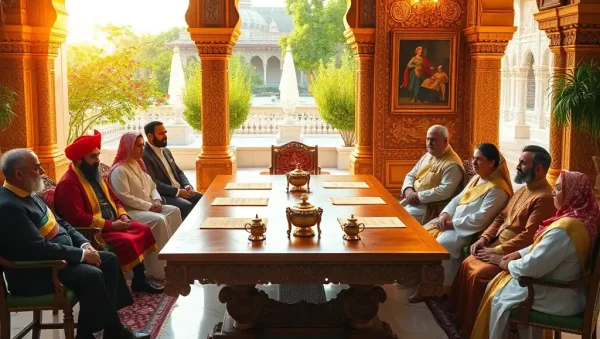
Indian-Persian Interactions
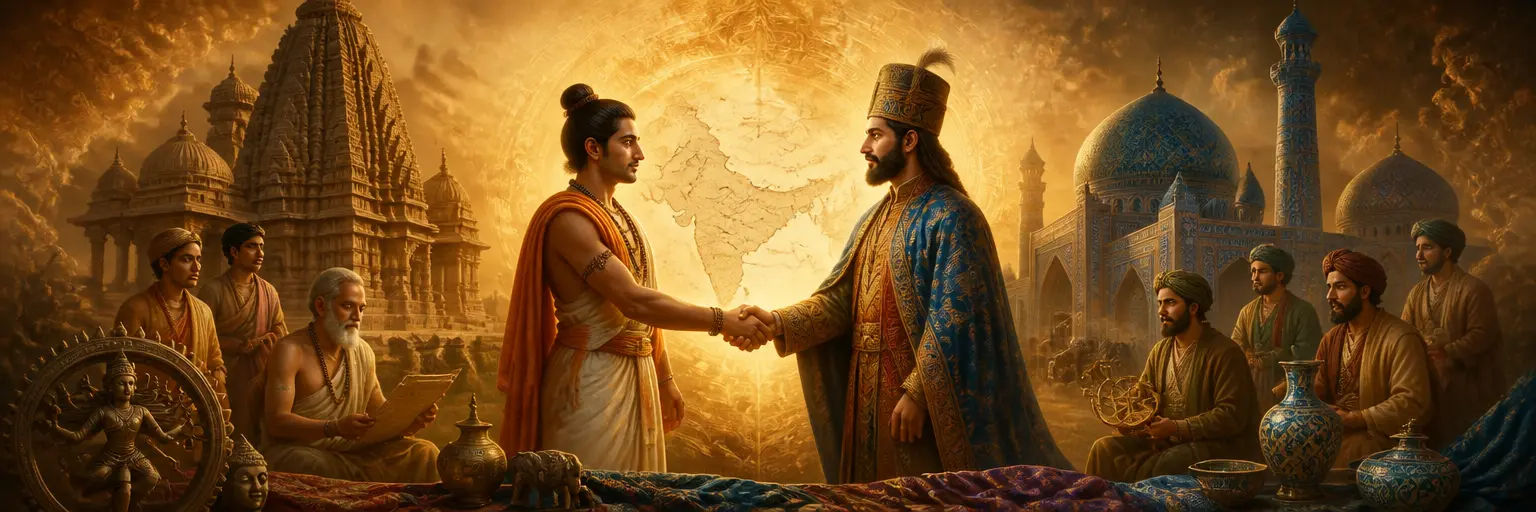
Indian-Persian Interactions
42 articles in this topic
Read more about this topic
Explore the fascinating Indian-Persian interactions that shaped ancient history through diplomacy, trade, religion, art, language, and intellectual exchange. Discover how Persian influence connected India with the wider ancient world while Indian ideas, goods, and cultural traditions traveled westward, creating a dynamic legacy of cross-cultural exchange. 🏺📜✨
More in Indian-Persian Interactions
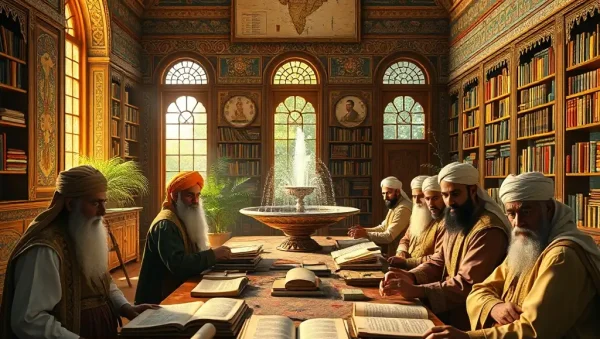
Indian-Persian Interactions
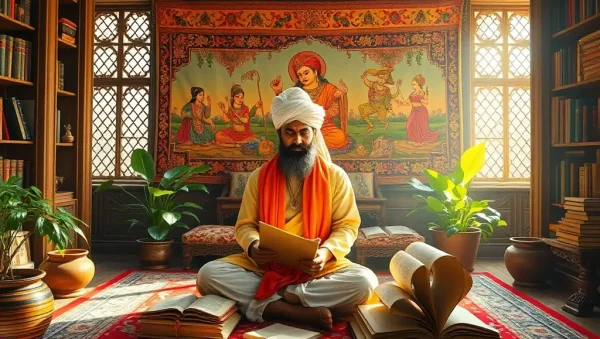
How Persian Scholars Translated Indian Knowledge into New Realms
Indian-Persian Interactions
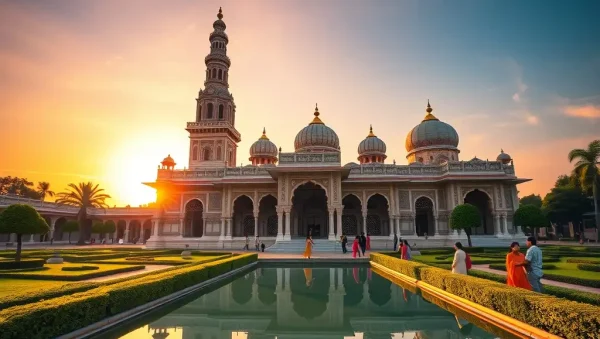
The Influence of Persian Architecture on Indian Temples and Mosques
Indian-Persian Interactions
The Legacy of Persian Literature in Ancient Indian Texts
Indian-Persian Interactions
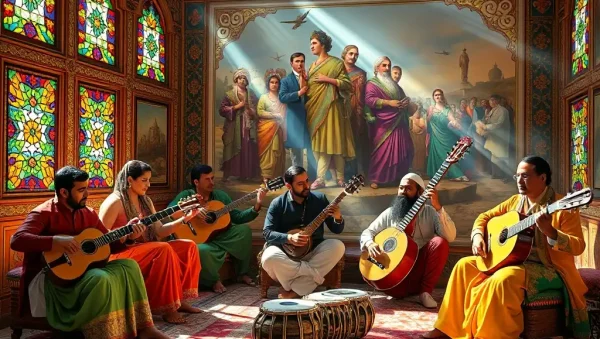
The Evolution of IndianPersian Music: A Harmonious Blend
Indian-Persian Interactions
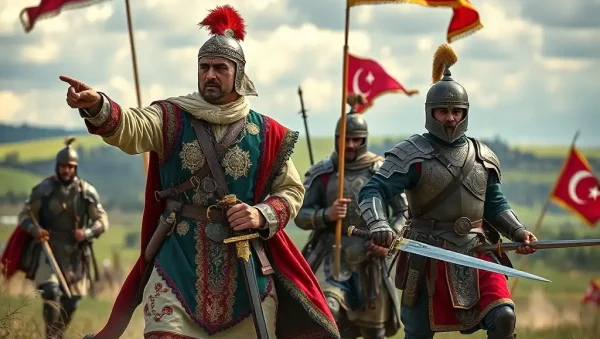
Persian Military Influence on Indian Warfare Tactics
Indian-Persian Interactions
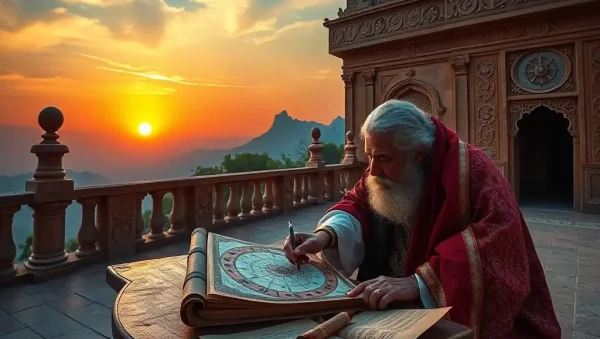
The Role of Astrology in IndianPersian Interactions
Indian-Persian Interactions
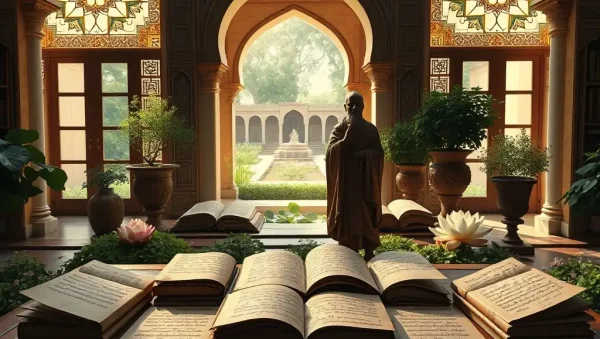
The Interplay of Ancient Indian and Persian Philosophies
Indian-Persian Interactions
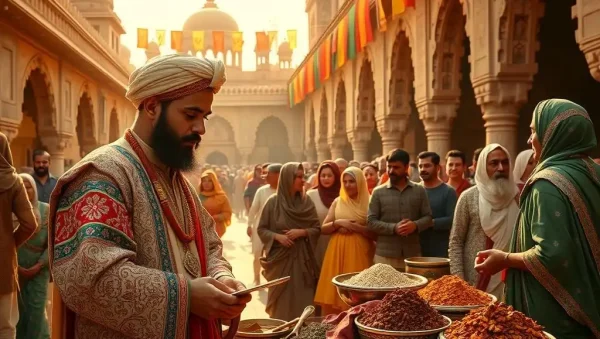
Trade Winds: The Economic Exchange between Ancient India and Persia
🌏 Indian-Persian Interactions: Ancient Connections, Culture, and Exchange
Indian-Persian interactions shaped the political, cultural, commercial, and intellectual history of South Asia for centuries. This subcategory explores the relationships between ancient India and the Persian world, including the Achaemenid Empire, Persian influence in northwest India, trade across Central Asia, diplomatic contacts, artistic exchange, and the movement of ideas, languages, technologies, and religious traditions. Readers can discover how these connections contributed to the development of ancient Indian civilization and influenced the wider history of Asia.
🏛️ Achaemenid Persia and Northwest India
Learn how the Achaemenid Persian Empire extended its influence into regions associated with ancient India, particularly Gandhara, the Indus Valley, and parts of the northwest. This section examines Persian administration, imperial expansion, taxation systems, provincial governance, and the historical evidence connecting Indian territories with the reigns of Persian rulers such as Cyrus the Great, Darius I, and Xerxes.
Readers can explore how contact with the Persian Empire affected local political structures and connected northwest India to a larger imperial network. Topics include inscriptions, satrapies, military campaigns, geography, and the importance of the Indus frontier in ancient Persian history and Indian history.
🗺️ Trade Routes Between India and Persia
Discover the ancient trade routes that linked the Indian subcontinent with Persia, Mesopotamia, Central Asia, and the wider Near East. Merchants exchanged spices, textiles, gemstones, ivory, metals, horses, perfumes, and luxury goods across land and maritime routes connecting the Indus region with the Persian Gulf.
This section explains how commercial exchange encouraged the growth of ports, caravan networks, and urban centers. It also considers the role of sailors, merchants, diplomatic envoys, and intermediary communities in creating lasting economic connections between ancient India and the Persian world.
🪙 Coins, Inscriptions, and Historical Evidence
Investigate the archaeological and literary sources used to study Indian-Persian relations. Coins, royal inscriptions, seals, monuments, pottery, trade goods, and excavated settlements provide important evidence of political authority, commerce, cultural exchange, and movement across ancient borders.
Readers will also learn how Greek, Persian, and Indian texts preserve different perspectives on these interactions. Comparing inscriptions and historical records helps researchers reconstruct the complex relationship between Persian empires and ancient Indian kingdoms while distinguishing reliable evidence from later traditions.
🧠 Language, Writing, and Administrative Influence
Persian contact with northwest India contributed to the circulation of administrative practices, artistic conventions, and writing traditions. This section explores the relationship between imperial bureaucracy, official records, local governance, and the development of cultural links across the Indus frontier.
Topics include the use of imperial languages, scribal practices, royal titles, taxation, diplomatic communication, and the transmission of political ideas. These developments demonstrate how cross-cultural interaction could influence institutions without eliminating local Indian traditions and regional identities.
🎨 Art, Architecture, and Cultural Exchange
Explore Persian elements in ancient Indian art, architecture, decorative motifs, royal symbolism, and court culture. Contacts between the two regions encouraged the exchange of ideas about monumental building, column design, animal symbolism, relief sculpture, palace traditions, and representations of imperial power.
Readers can examine how Indian artists and rulers adapted foreign influences to local religious and cultural settings. Rather than being a simple one-way transfer, Indian-Persian artistic exchange was a creative process of adaptation that produced distinctive forms within ancient Indian civilization.
⚔️ Kingdoms, Empires, and Diplomatic Relations
Understand how Indian kingdoms interacted with Persian rulers and neighboring powers through warfare, diplomacy, alliances, tribute, and competition for control of strategic regions. Northwest India served as an important meeting point between South Asian kingdoms and imperial powers from the Iranian plateau.
This section places Indian-Persian relations within the broader history of ancient empires. Readers can learn how political ambitions, military technology, frontier geography, and diplomatic exchange shaped relationships between regional rulers and contributed to the changing balance of power in Asia.
🔥 Religion, Ideas, and Intellectual Exchange
Indian-Persian contact also involved the movement of religious concepts, stories, scientific knowledge, and philosophical ideas. This section considers possible connections involving Zoroastrian traditions, Indian religious practices, astronomy, medicine, mathematics, mythology, and ethical thought.
Because ancient evidence is often incomplete, the discussion carefully distinguishes documented influence from scholarly interpretation. Readers will gain a balanced understanding of how religious and intellectual exchange developed through travel, trade, migration, and sustained contact between communities.
🌐 Persian Influence in the Wider History of India
Study the long-term importance of Persian connections in the history of the Indian subcontinent. Early contacts established patterns of communication that later expanded through Achaemenid, Hellenistic, Kushan, Sasanian, and subsequent Persianate networks.
This broader perspective helps readers understand ancient India as part of an interconnected world. The subcategory highlights how Indian civilization influenced its neighbors while also absorbing and transforming ideas from Persia, Central Asia, and the Near East.
❓ Frequently Asked Questions About Indian-Persian Interactions
What were Indian-Persian interactions?
Indian-Persian interactions were the political, economic, cultural, and intellectual connections between ancient Indian societies and the Persian world. They included trade, imperial expansion, diplomacy, migration, artistic exchange, and the transmission of administrative and religious ideas.
Which Persian empire had contact with ancient India?
The Achaemenid Persian Empire had the most significant early imperial contact with northwest India, especially regions near the Indus River and Gandhara. Later Persian and Iranian powers also maintained connections with the Indian subcontinent through trade, diplomacy, and cultural exchange.
What goods were traded between India and Persia?
Trade between India and Persia included spices, cotton and silk textiles, gemstones, ivory, perfumes, metals, timber, horses, and other luxury products. These goods moved along overland caravan routes and maritime paths across the Arabian Sea and Persian Gulf.
Did Persia influence ancient Indian art and architecture?
Yes. Persian artistic and imperial traditions influenced some elements of ancient Indian art, architecture, court symbolism, and monumental design, particularly in regions connected to the northwest. Indian communities adapted these ideas to local materials, religious practices, and artistic traditions.
Why are Indian-Persian interactions important in ancient history?
These interactions show that ancient India was part of a wider network linking South Asia with Central Asia, the Iranian plateau, Mesopotamia, and the Near East. Studying them reveals how trade, migration, diplomacy, and cultural exchange helped shape the development of ancient Indian civilization.