

Ayurvedic Products in Modern Healthcare


Ayurvedic Products in Modern Healthcare
31 articles in this topic
Start here
- Ayurvedic Products in Modern HealthcareFrom Kitchen to Clinic: The Role of Ayurvedic Herbs in Modern Therapeutics
- Ayurvedic Products in Modern HealthcareExploring the Synergy Between Ayurveda and CuttingEdge Health Technologies
- Ayurvedic Products in Modern HealthcareThe Revival of Traditional Healing: Integrating Ayurveda into Mainstream Health
Read more about this topic
Explore how Ayurvedic products are shaping modern healthcare through a blend of ancient Indian wisdom, natural wellness, and innovative research. Discover herbal formulations, traditional therapies, plant-based remedies, and evidence-informed approaches that connect Ayurveda’s timeless principles with contemporary health and technology. 🌿🔬 Gain insights into India’s enduring contributions to holistic medicine, preventive care, and sustainable healthcare solutions.
More in Ayurvedic Products in Modern Healthcare

Ayurvedic Products in Modern Healthcare
The Ayurveda Revolution: Why Healthcare Professionals Are Turning to Tradition

Ayurvedic Products in Modern Healthcare
10 Revolutionary Ayurvedic Products Transforming Modern Healthcare

Ayurvedic Products in Modern Healthcare
Can Ancient Ayurvedic Practices Help Combat Modern Health Crises?

Ayurvedic Products in Modern Healthcare
The Journey of Ayurvedic Products: From Ancient India to Global Markets

Ayurvedic Products in Modern Healthcare
Ancient Remedies, Modern Solutions: The Ayurvedic Approach to Chronic Illness

Ayurvedic Products in Modern Healthcare
How Ayurvedic Principles Are Shaping the Future of Wellness
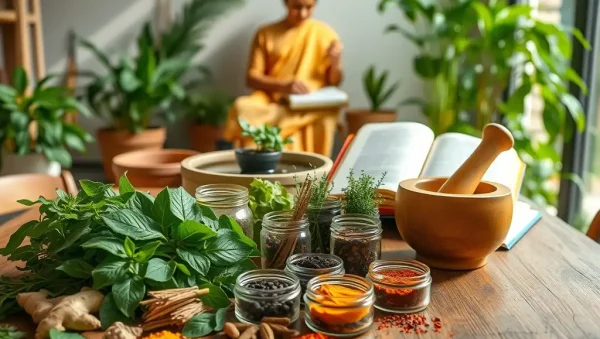
Ayurvedic Products in Modern Healthcare
How Ayurvedic Practices Can Improve Immunity in the Modern Age

Ayurvedic Products in Modern Healthcare
Harnessing Nature: The Benefits of Ayurvedic Ingredients in Today's Medicine
🌿 Ayurvedic Products in Modern Healthcare: Ancient Indian Wisdom for Contemporary Wellness
Explore how Ayurvedic products in modern healthcare connect traditional Indian medical knowledge with contemporary wellness, preventive care, and evidence-informed health practices. Within Tech and Innovation Inspired by Ancient India, this subcategory examines herbal remedies, natural personal care, botanical supplements, therapeutic oils, diagnostic concepts, and digital innovations influenced by Ayurveda. Discover how ancient Indian approaches to balance, nutrition, lifestyle, and holistic wellbeing continue to inspire modern healthcare solutions while respecting safety, research, sustainability, and responsible use.
🌱 Ayurvedic Herbs, Remedies, and Natural Healthcare Products
Readers can expect detailed insights into popular Ayurvedic herbs and herbal products, including turmeric, neem, ashwagandha, tulsi, amla, triphala, brahmi, and medicinal oils. Articles may explain their traditional uses, preparation methods, cultural significance, and place in modern wellness routines, while distinguishing historical knowledge from scientifically established medical claims.
This section also explores herbal teas, capsules, powders, skincare products, digestive formulations, and natural supplements. Content emphasizes quality sourcing, correct labeling, responsible consumption, and professional guidance, helping readers understand why natural products should not automatically be considered risk-free or suitable for every individual.
🧬 Ayurveda, Science, and Evidence-Based Healthcare
Discover how researchers and healthcare professionals study Ayurvedic medicines through pharmacology, clinical research, botanical analysis, and modern quality-control methods. Topics may include active plant compounds, traditional formulations, laboratory testing, drug interactions, and the challenges of evaluating complex herbal preparations using contemporary scientific frameworks.
Readers will also learn how to interpret health claims carefully. The subcategory highlights evidence-based Ayurveda, transparent research, standardized manufacturing, and the difference between traditional use, preliminary studies, and proven clinical effectiveness. Ayurveda can complement healthcare for some people, but it should not replace urgent medical treatment or prescribed therapies.
⚙️ Technology Inspired by Ancient Indian Medical Knowledge
Ancient Indian healthcare traditions continue to inspire modern technologies, from digital Ayurveda platforms and teleconsultations to personalized wellness applications and AI-supported health tracking. Explore how software tools can organize constitutional assessments, lifestyle recommendations, herbal information, treatment records, and preventive health plans.
This section considers both the opportunities and limitations of health technology. Readers can expect discussion of data privacy, algorithmic accuracy, digital diagnostics, responsible personalization, and the role of qualified practitioners. Technology can improve access to information, but it should support—not replace—professional medical judgment.
🧴 Ayurvedic Skincare, Personal Care, and Wellness Innovation
Learn how Ayurvedic principles influence modern skincare, haircare, aromatherapy, massage oils, soaps, cosmetics, and therapeutic self-care products. Articles may explore ingredients such as sandalwood, saffron, rose, coconut oil, sesame oil, aloe vera, and herbal extracts, along with their traditional roles in Indian beauty and wellness practices.
Modern Ayurvedic personal care also raises important questions about formulation, allergies, sustainability, and product safety. Readers will find practical guidance on checking ingredient lists, choosing reputable brands, understanding cosmetic claims, and performing patch tests before using new products.
🏥 Ayurveda and Integrative Modern Healthcare
This subcategory examines the growing interest in integrative healthcare, where traditional practices may be considered alongside conventional medicine, nutrition, physiotherapy, mental wellness, and preventive care. Topics include yoga-informed recovery, Ayurvedic lifestyle planning, therapeutic massage, meditation, sleep support, and holistic approaches to stress management.
Content explains how respectful collaboration between Ayurvedic practitioners, physicians, pharmacists, and researchers can promote safer care. Readers can also explore the historical development of Ayurveda and its continuing influence on global wellness, while learning why individualized recommendations and qualified guidance are essential.
🌍 Sustainability, Ethical Sourcing, and the Future of Ayurvedic Products
Modern demand for Ayurvedic products makes sustainability and ethical sourcing increasingly important. Explore responsible harvesting of medicinal plants, biodiversity protection, farmer livelihoods, recyclable packaging, organic cultivation, fair trade, and the environmental impact of herbal manufacturing.
Readers can discover how innovation may improve traceability, cultivation, product authentication, and supply-chain transparency. The future of Ayurveda depends on combining ancient ecological knowledge, modern biotechnology, ethical commerce, and rigorous quality standards without misrepresenting cultural traditions or exploiting natural resources.
❓ Frequently Asked Questions About Ayurvedic Products in Modern Healthcare
What are Ayurvedic products?
Ayurvedic products are preparations inspired by Ayurveda, the traditional system of Indian medicine. They may include herbal supplements, oils, powders, teas, skincare products, dietary formulations, and wellness remedies. Product quality and safety can vary, so consumers should choose reputable manufacturers and consult a qualified healthcare professional when necessary.
Are Ayurvedic products scientifically proven?
Scientific evidence differs from product to product. Some Ayurvedic ingredients have been studied in laboratory, observational, or clinical research, while others have limited evidence. Traditional use is not the same as confirmed medical effectiveness, so health claims should be evaluated through reliable research and professional advice.
Can Ayurvedic products be used with modern medicines?
Some herbal ingredients may interact with prescription medicines, over-the-counter drugs, or medical conditions. People should inform their doctor and pharmacist about every supplement or herbal product they use, especially before surgery or during pregnancy, breastfeeding, or long-term treatment.
How can I choose safe Ayurvedic products?
Look for clear ingredient lists, manufacturer information, batch details, expiry dates, quality certifications, and transparent testing practices. Avoid products making exaggerated claims, such as guaranteed cures. When possible, seek advice from a qualified Ayurvedic practitioner or licensed healthcare professional.
Does Ayurveda replace conventional medical treatment?
Ayurveda should not be used to delay emergency care or replace necessary diagnosis and treatment from qualified medical professionals. It may serve as a complementary wellness approach in appropriate situations, provided that its use is discussed openly with the healthcare team and supported by safe, evidence-informed practices.