
The Role of Mathematics in Ancient Indian Mythology and Legends

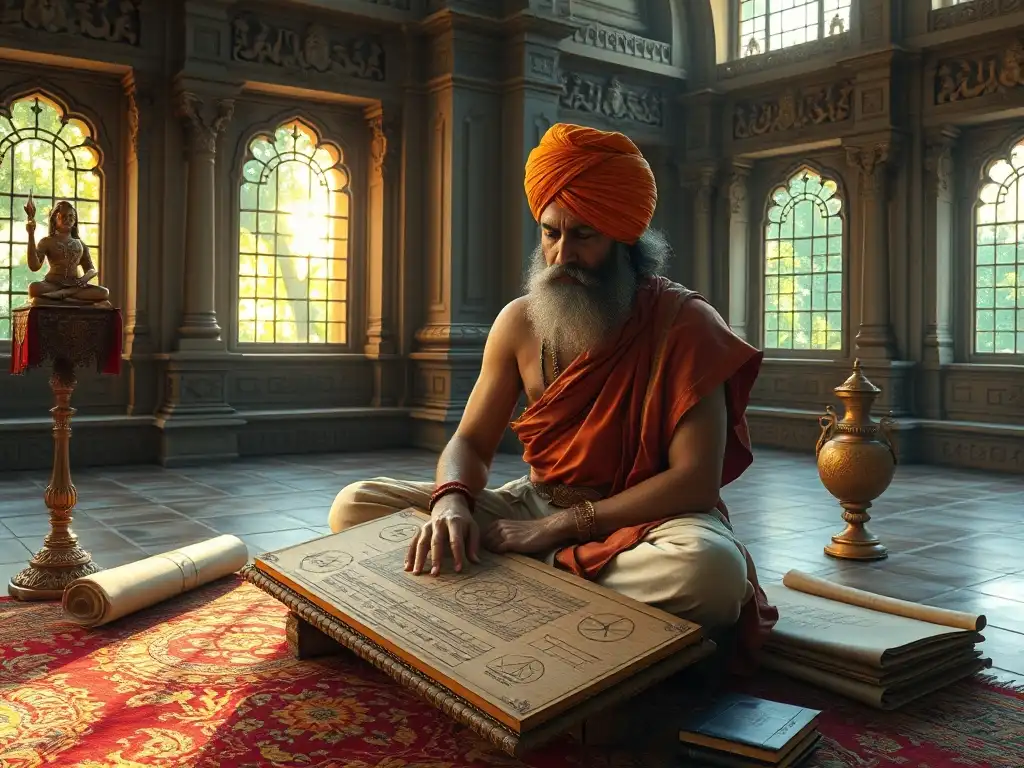
Welcome to Ancient India History, where we embark on a fascinating journey through the vibrant tapestry of ancient Indian civilizations. Here, we delve into the rich contributions that have shaped our understanding of the world, particularly in the realm of mathematics. Have you ever wondered how the mystical narratives of ancient Indian mythology intertwine with mathematical principles?
In our featured article, “The Role of Mathematics in Ancient Indian Mythology and Legends,” we unravel this captivating connection. Get ready to explore how the ancients wove complex mathematical concepts into their myths, sparking intrigue and offering profound insights. Join us as we uncover the stories that lie behind the numbers!
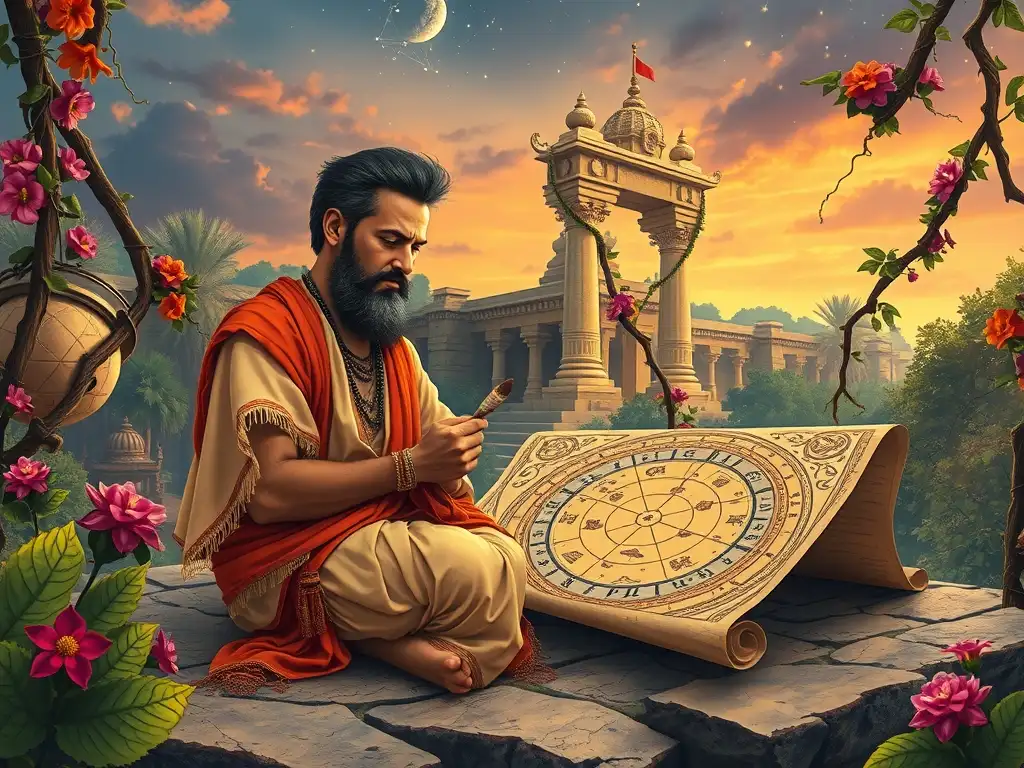
Mathematics in Ancient Indian Mythology is a fascinating intersection of numerical concepts and narrative traditions that shaped the cultural and intellectual landscape of ancient India. The ancient Indian civilizations, from the Indus Valley to the Gupta Empire, not only made significant contributions to mathematics but also intertwined these mathematical ideas with their mythology and legends.
This article aims to explore how mathematics was represented and symbolized in various mythological narratives, revealing a deeper understanding of the cultural significance of numbers and calculations in these ancient tales. By examining the historical context and the influence of religion and philosophy, we can appreciate the role that mathematics played in shaping the myths that have been passed down through generations.
Introduction to Mathematics in Ancient Indian Mythology
Overview of Ancient Indian Mathematics
Ancient Indian mathematicians laid the groundwork for many mathematical concepts we still use today. From sophisticated algebraic techniques to the introduction of zero as a number, their contributions were remarkable. Notably, texts such as the Sulbasutras and Aryabhata's Aryabhatiya demonstrate the advanced understanding of geometry and arithmetic during this era. The mathematical knowledge was often encoded in mythological stories, making complex concepts more relatable and accessible to the common person.
Importance of Mythology in Understanding Mathematics
Mythology served as a narrative framework through which mathematical ideas were presented and preserved. For example, the concept of infinity is exemplified in the vastness of the universe, as described in Hindu cosmology. Similarly, various mythological figures and events often involved numerical symbolism, such as the significance of the number 108 in Hindu rituals. Understanding these connections can enhance our appreciation of the mathematical endeavors of ancient Indian scholars and how they were influenced by and reflected in their cultural narratives.
Historical Context of Mathematics in Ancient India
The Development of Mathematical Concepts
The evolution of mathematical concepts in ancient India was deeply interconnected with societal needs, such as trade, astronomy, and architecture. The establishment of urban centers, like those in the Indus Valley, necessitated advanced measurement techniques for construction and land division. As society evolved, so did the complexity of mathematical thought, leading to profound advancements in areas such as geometry, algebra, and calculus.
Influence of Religion and Philosophy on Mathematics
Religion and philosophy played a crucial role in the development of mathematics in ancient India. The philosophical treatises often explored the nature of reality and existence, leading to an appreciation for abstract mathematical concepts. Additionally, the integration of mathematics into religious practices, such as rituals and temple architecture, further highlights the significance of numbers in both practical and spiritual realms. Mathematical ideas were not merely academic; they were woven into the fabric of daily life and spiritual practices, emphasizing their importance in ancient Indian culture.
By delving into the intricate relationship between mathematics and mythology, we can uncover the profound impact these ancient scholars had on the evolution of mathematical thought and its enduring legacy in contemporary mathematics.
Key Mathematical Concepts in Ancient Indian Myths
Ancient Indian mythology is rich with symbolism and narratives that often intertwine with mathematical concepts. The intricate designs of temples, the patterns of rituals, and the cosmological views presented in texts like the Vedas often illustrate fundamental mathematical ideas. For instance, the concept of zero, which revolutionized mathematics, is deeply rooted in the philosophical and spiritual perspectives of ancient Indian thinkers. The use of geometric shapes, such as circles and squares, also reflects the mathematical understanding of symmetry and proportion that was prevalent in ancient Indian architecture and art.
Geometry and Architecture in Mythological Texts
Geometry plays a crucial role in the architecture of ancient India, often encoded within mythological texts. The sacred geometry of temple construction, exemplified in texts like the Vastu Shastra, reveals a profound connection between spatial design and spiritual beliefs. For instance, the layout of many Hindu temples is based on the concept of the mandala, a geometric figure that represents the universe. This alignment with cosmic principles not only serves a religious purpose but also demonstrates the mathematicians' understanding of geometry in creating structures that are aesthetically pleasing and spiritually significant.
Moreover, ancient texts often include detailed descriptions of measurements and proportions, which were essential for constructing grand monuments such as the temples of Khajuraho and the Brihadeeswarar Temple. The precision required in these constructions indicates a sophisticated understanding of mathematical principles, showcasing how mythology and mathematics coalesce in the architectural marvels of ancient India.
Numerical Symbolism in Legends and Stories
Numerical symbolism is prevalent in ancient Indian legends, where numbers often carry significant meanings. For example, certain numbers are associated with particular deities or cosmic principles, reflecting broader philosophical beliefs. The number ten, representing completeness, is frequently referenced in various texts, including the Mahabharata and Ramayana, where it symbolizes the ten avatars of Vishnu.
Additionally, the use of numerical patterns in storytelling, such as the repetition of certain numerical sequences or the structuring of narratives around specific numbers, demonstrates a rich interplay between mathematics and oral traditions. These symbolic representations not only serve as tools for storytelling but also reinforce the importance of mathematics in understanding the universe and the divine.
Prominent Figures in Mathematics and Mythology
Throughout ancient Indian history, several prominent figures have made significant contributions to mathematics while being deeply embedded in the mythological framework of their time. These mathematicians not only advanced mathematical knowledge but also influenced cultural and philosophical thought through their works. The intertwining of their mathematical achievements with mythological narratives highlights the importance of mathematics in ancient Indian civilization.
Aryabhata: The Mathematician and His Mythological Connections
Aryabhata, one of the most celebrated mathematicians of ancient India, is often linked with various mythological tales that highlight his genius. Born in 476 CE, Aryabhata made groundbreaking contributions to mathematics and astronomy, including the introduction of the concept of zero and the approximation of π (pi). His work, the Aryabhatiya, combines mathematical formulas with astronomical observations, emphasizing a holistic approach to science.
In mythology, Aryabhata is sometimes depicted as a divine figure, reflecting the reverence accorded to scholars in ancient Indian culture. His association with celestial bodies and cosmic cycles illustrates the belief that mathematics serves as a bridge between the earthly realm and the divine, reinforcing the idea that understanding the universe requires both mathematical and spiritual insight.
Brahmagupta: Contributions and Mythical Contexts
Brahmagupta, who lived in the 7th century CE, is another significant figure in the realm of mathematics and mythology. His seminal work, the Brahmasphutasiddhanta, laid the foundations for algebra and included rules for arithmetic operations with positive and negative numbers. Brahmagupta's contributions extended beyond mathematics; he also integrated philosophical themes, arguing that mathematics is a means to understand the world and its underlying truths.
In mythological contexts, Brahmagupta is often celebrated as a sage whose insights could unlock the mysteries of the universe. His legacy, intertwined with tales of divine inspiration and cosmic knowledge, underscores the belief that mathematical understanding is not merely a technical skill but a path to enlightenment. This blend of mythology and mathematics reflects the deep-seated appreciation for both disciplines in ancient Indian culture, showcasing how they influenced each other profoundly.
The Interplay of Mathematics and Cultural Practices
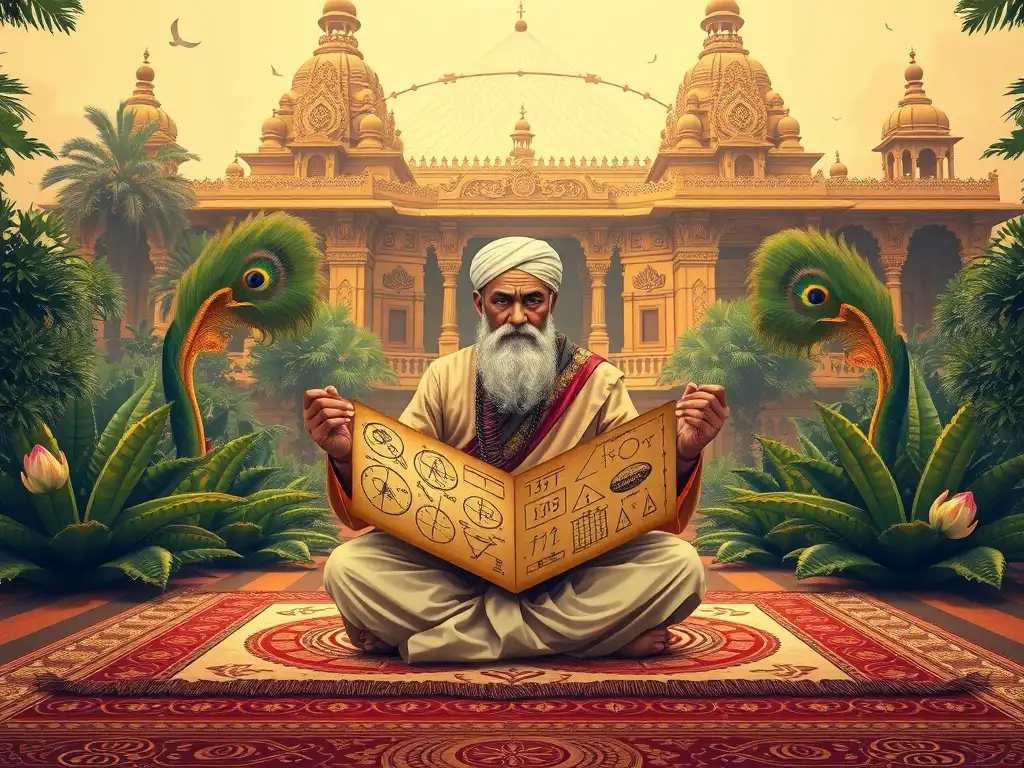
Ancient Indian mythology is a rich tapestry woven with intricate symbols, stories, and rituals that reflect the society's understanding of the world. Mathematics, often perceived as a purely abstract discipline, played a crucial role in shaping various cultural practices. From constructing temples to organizing festivals, mathematical principles were embedded deeply in the rituals and beliefs of ancient Indian civilizations. This interplay not only highlights the sophistication of their mathematical understanding but also illustrates how these mathematical concepts were utilized to enhance religious experiences and societal organization.
Rituals, which often required precise timing and spatial arrangements, were influenced by mathematical calculations. The alignment of temples with celestial bodies, for example, underscores the significance of geometry in religious architecture and the belief systems that governed the spiritual life of the community. Additionally, many cultural practices, such as the crafting of intricate designs and patterns, were grounded in mathematical principles, showcasing the harmony between mathematics and art in ancient India.
Rituals and Their Mathematical Foundations
Rituals in ancient Indian culture were meticulously designed, with many relying heavily on mathematical foundations to ensure their efficacy and correctness. For instance, the construction of altars (yajna) involved specific measurements and geometric arrangements, often adhering to sacred proportions. These rituals were not arbitrary; they followed detailed guidelines outlined in ancient texts, which blended mathematical precision with spiritual significance.
The use of numbers in rituals can be traced back to the Vedas, which contain references to numerical symbolism and the importance of specific quantities in sacrificial rites. Each element of a ritual, from the number of offerings to the timing of ceremonies, was calculated to align with cosmic rhythms, reflecting a profound understanding of mathematics as a tool for spiritual practice. This mathematical framework ensured that rituals were performed correctly, fostering a deeper connection between practitioners and the divine.
Calendrical Calculations and Seasons in Myths
Calendrical calculations were essential to ancient Indian societies, as they dictated agricultural practices, religious observances, and cultural festivals. The ancient Indians developed sophisticated methods to track time, including the lunar and solar calendars, which played a pivotal role in their mythology. Many myths are intertwined with seasonal changes, illustrating how mathematics was used to align human activities with natural cycles.
For instance, the celebration of harvest festivals in various regions often coincided with specific astronomical events, such as solstices and equinoxes. Mathematical calculations involving lunar months and solar years allowed ancient Indians to establish a calendar that accurately reflected the seasonal changes, thereby embedding these calculations into their mythological narratives. This synchronization between the calendar and mythology not only facilitated agricultural success but also reinforced the community's connection to the cosmos.
Case Studies of Mathematical Elements in Specific Myths
Examining specific myths reveals how mathematics was interwoven into the fabric of ancient Indian storytelling. From geometric symbols to numerical patterns, these elements underscore the significance of mathematics in understanding the narratives and teachings embedded within these myths.
The Geometry of the Mandala in Hindu Cosmology
The mandala, a geometric figure representing the universe in Hindu cosmology, exemplifies the intersection of mathematics and spirituality. Its intricate designs, often circular, embody concepts of balance, harmony, and cosmic order. The construction of a mandala involves precise geometric principles, including symmetry and proportion, reflecting the mathematical sophistication of ancient Indian artists and philosophers.
In mythology, mandalas symbolize the cosmos and the spiritual journey of the individual. They serve as tools for meditation and ritual, inviting practitioners to engage with the deeper meanings of existence. The mathematical intricacies of mandalas not only highlight their aesthetic beauty but also reinforce the belief that understanding the universe requires a blend of spiritual insight and mathematical reasoning.
Mathematical Patterns in Ancient Indian Epics
Ancient Indian epics, such as the Mahabharata and the Ramayana, are rich with mathematical patterns that enhance their narrative structure and thematic depth. For example, the use of numeric symbolism, such as the repetition of certain numbers (like seven or twelve), often carries deeper meanings associated with cosmic principles or moral lessons.
Additionally, the structure of these epics often reflects mathematical concepts, such as symmetry in character arcs and parallel storylines. The portrayal of battles, alliances, and conflicts often follows patterns reminiscent of mathematical strategies, revealing how ancient storytellers utilized numerical and spatial concepts to convey complex ideas. This fusion of mathematics and narrative not only enriches the storytelling experience but also serves to educate audiences on broader philosophical and ethical principles inherent in their culture.
Conclusion: The Legacy of Mathematics in Ancient Indian Mythology
The interplay between mathematics and mythology in ancient India reflects a profound cultural synthesis that extends far beyond mere numbers and calculations. Mathematics in Ancient Indian Mythology serves as a testament to how mathematical concepts were interwoven with spiritual and philosophical thought, creating a unique legacy that informs both historical understanding and contemporary practices.
From the intricate geometrical designs found in temple architecture to the use of mathematical patterns in rituals, the legacy of ancient Indian mathematicians is evident in various facets of cultural expression. This legacy not only highlights the innovative spirit of ancient scholars but also showcases how these mathematical ideas were often utilized to explain the cosmos, the divine, and the very essence of life itself.
Reflecting on the Cultural Significance of Mathematics

Mathematics in Ancient Indian Mythology transcends its functional utility; it embodies a cultural significance that is deeply rooted in the civilization's worldview. The ancient Indians perceived mathematics as a divine science, one that could unlock the secrets of the universe. Texts such as the Sulbasutras, which provide guidelines for constructing altars and performing rituals, illustrate how mathematical principles were applied in sacred contexts.
Moreover, the symbolic representation of numbers and shapes in mythology often conveyed profound philosophical ideas. For instance, the concept of zero, which originated in India, has been linked to the notion of emptiness in Buddhist philosophy, suggesting that mathematics was not just a practical tool but also a medium for exploring existential questions. This cultural significance is reflected in the way ancient Indians embedded mathematical principles into their myths, thereby enriching their storytelling traditions.
The Continuing Influence of Ancient Concepts in Modern Mathematics
The mathematical concepts developed in ancient India continue to resonate in modern mathematical thought. For example, the decimal system, which emerged from ancient Indian civilization, has become the backbone of contemporary mathematics. The understanding of zero not only revolutionized arithmetic but also laid the groundwork for more complex mathematical theories.
Furthermore, the use of trigonometry in ancient Indian astronomy has influenced various fields, including navigation and physics. The mathematical texts from ancient India, such as the Aryabhatiya by Aryabhata, have informed generations of mathematicians and scientists, demonstrating the timeless nature of these concepts. As modern mathematicians delve into the roots of their discipline, they often find themselves tracing back to these ancient ideas, underscoring the enduring legacy of mathematics in Ancient Indian Mythology.
Further Reading on Mathematics in Ancient Indian Mythology
For those interested in delving deeper into the fascinating intersection of mathematics and mythology in ancient India, a variety of texts and resources are available. These works not only highlight the mathematical achievements of ancient scholars but also explore the rich cultural narratives that accompany these developments.
Recommended Texts and Resources for Deeper Understanding
- "The History of Mathematics in Ancient India" by Kim Plofker: This book provides a comprehensive overview of the mathematical advancements in ancient India, discussing key figures and their contributions.
- "Mathematics in India" by Kim Plofker: A detailed examination of the evolution of mathematical ideas in India, including their cultural context and significance.
- "The Sulbasutras: Texts and Translations": An essential resource for understanding the mathematical principles used in Vedic rituals and their applications in ancient architecture.
- "The Geometry of Ancient India" by D. P. R. Sinha: This text explores the geometric concepts that permeate Indian mythology, providing insights into their mathematical foundations.
Exploring Related Topics in Ancient Indian History
To further enrich your understanding of ancient Indian civilization, consider exploring related topics such as:
- Vedic Mathematics: An ancient system of mathematics that emphasizes mental calculation and geometric patterns.
- Astronomy in Ancient India: The role of astronomy and its mathematical foundations in shaping ancient Indian thought.
- Cultural Narratives in Ancient Texts: The interplay between mythology, mathematics, and culture as seen in texts like the Mahabharata and Ramayana.
- The Contribution of Individual Mathematicians: Profiles of key figures such as Aryabhata, Brahmagupta, and Bhaskara, whose work laid the groundwork for future mathematical developments.
These topics not only highlight the mathematical prowess of ancient India but also illustrate the intricate ways in which mathematics was woven into the fabric of Indian mythology and culture.
- Introduction to Mathematics in Ancient Indian Mythology
- Historical Context of Mathematics in Ancient India
- Key Mathematical Concepts in Ancient Indian Myths
- Prominent Figures in Mathematics and Mythology
- The Interplay of Mathematics and Cultural Practices
- Case Studies of Mathematical Elements in Specific Myths
- Conclusion: The Legacy of Mathematics in Ancient Indian Mythology
- Reflecting on the Cultural Significance of Mathematics
- The Continuing Influence of Ancient Concepts in Modern Mathematics
- Further Reading on Mathematics in Ancient Indian Mythology
- What is the significance of mathematics in ancient Indian mythology?
- How did ancient Indian texts incorporate mathematical concepts?
- Are there any famous legends that illustrate the use of mathematics?
- How did the Gupta Empire contribute to mathematics and mythology?
- What impact did ancient Indian mathematics have on the world?
Frequently Asked Questions
What is the significance of mathematics in ancient Indian mythology?
Mathematics played a crucial role in ancient Indian mythology, often represented through symbols and numbers that conveyed deeper meanings and cosmic principles, emphasizing the connection between science and spirituality.
How did ancient Indian texts incorporate mathematical concepts?
Ancient texts, such as the Sulba Sutras, included geometric principles for constructing altars and rituals, illustrating the practical application of mathematics in religious practices and architectural design.
Are there any famous legends that illustrate the use of mathematics?
Yes, many legends, like those surrounding Vedic cosmology, depict mathematical constructs in their narratives, showcasing the universe's order and structure through numbers and shapes, reflecting a scientific worldview.
How did the Gupta Empire contribute to mathematics and mythology?
The Gupta Empire saw advancements in mathematics, with scholars such as Aryabhata merging mythological themes with mathematical theories, greatly influencing later developments in both fields.
What impact did ancient Indian mathematics have on the world?
Ancient Indian mathematics, particularly concepts like zero and decimal system, significantly influenced other cultures and laid the groundwork for modern mathematical systems, demonstrating the enduring legacy of ancient Indian civilization.
Final Reflection: The Timeless Dance of Mathematics and Mythology
Mathematics in Ancient Indian Mythology serves as a profound reminder of how intertwined our understanding of the universe is with the stories we tell. Today, as we navigate a world increasingly driven by technology and data, the ancient wisdom embedded in these myths resonates more than ever. The intricate patterns and calculations found in these legends not only reveal the intellectual prowess of our ancestors but also challenge us to rethink the boundaries between science and art.
The influence of mathematics in ancient Indian mythology is a testament to the rich cultural tapestry that shapes our identity. From the celestial calculations in the Vedic texts to the geometric symbolism in temple architecture, these narratives continue to inspire and inform contemporary thought. As the philosopher and mathematician Pythagoras once said, “There is geometry in the humming of the strings, there is music in the spacing of the spheres.” This quote encapsulates the harmonious relationship between mathematics and the myths that have shaped civilizations, urging us to explore the deeper meanings behind the numbers.
As we reflect on the lessons drawn from Mathematics in Ancient Indian Mythology, let us invite ourselves to embrace this intersection of knowledge and creativity in our own lives. Consider how the stories and symbols of the past can illuminate our present and guide our future. Whether through personal exploration or academic pursuit, I encourage you to delve deeper into this fascinating realm, allowing the wisdom of ancient narratives to inspire your own journey of discovery and understanding.
Uncover the Mysteries of Mathematics in Ancient Indian Legends!
Thank you for exploring the captivating intersection of mathematics and mythology in ancient India! You’ve gained insight into how numerical concepts are intricately woven into stories that have shaped cultural narratives. Now, let's transform your newfound knowledge into action!
Consider taking these exciting steps to deepen your understanding and involvement:
- Explore more about ancient Indian mathematical texts by visiting local libraries or online archives dedicated to historical literature.
- Engage with fellow history enthusiasts by sharing this article on social media—let's spark a conversation about these hidden gems from our past!
- Join a community or group focused on Indian mythology and mathematics to exchange ideas and insights with like-minded individuals.
What new revelations have you discovered about the role of mathematics in your favorite legends? We invite you to share your thoughts below!