
The Cultural Exchange of Music and Dance Between Ancient India and Persia

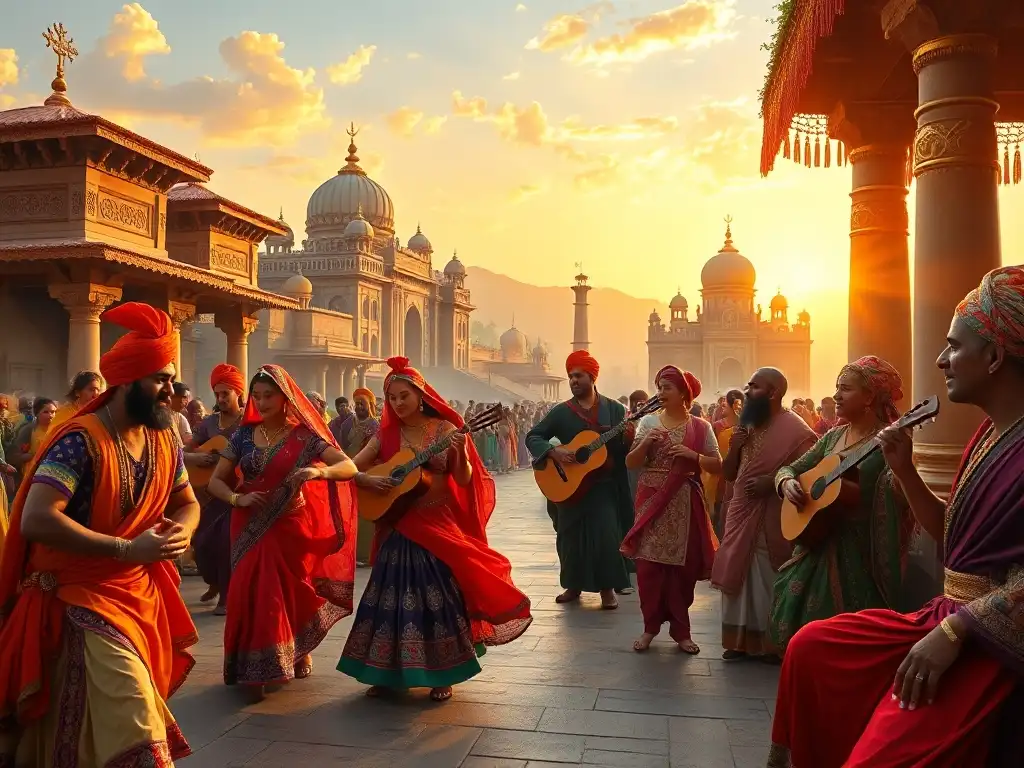
Welcome to Ancient India History, where we embark on a fascinating journey through the rich tapestry of ancient Indian civilizations. Delve into the profound cultural exchange of music and dance between Ancient India and Persia, a vibrant intersection that shaped artistic expressions across borders. What secrets did these ancient cultures share, and how did their influences resonate through time? Join us as we unravel the intricate connections that enriched both societies, igniting your curiosity and inviting you to explore more about this captivating chapter of history.
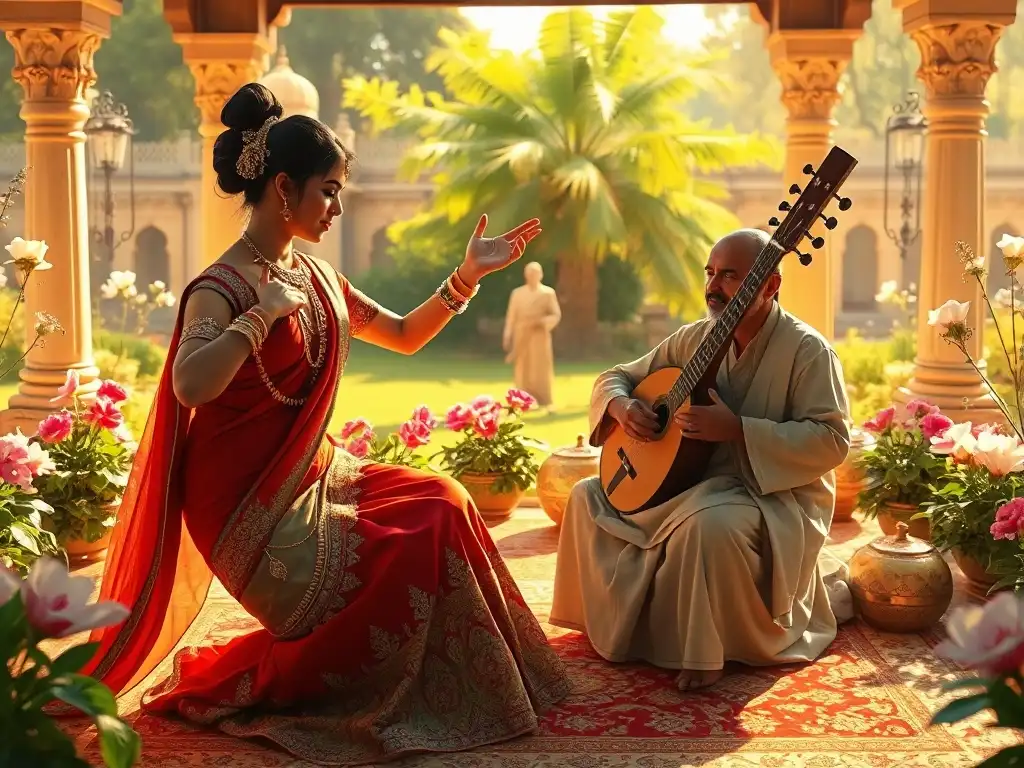
Introduction to Ancient India and Persia Cultural Exchange
The cultural exchange between Ancient India and Persia represents a fascinating chapter in the tapestry of human civilization, showcasing the intricate interplay of music, dance, and artistic expression. Both regions, with their rich traditions and profound histories, played pivotal roles in shaping the cultural landscape of the ancient world.
As they interacted over centuries, a unique fusion of styles emerged, leading to the evolution of art forms that not only reflected the influences of each civilization but also enriched their respective cultures. This article delves into the various dimensions of this cultural exchange, particularly focusing on how music and dance served as mediums of interaction, showcasing the shared heritage and mutual influences that defined the relationship between Ancient India and Persia.
Historical Context of Ancient India and Persia
To fully understand the nuances of the cultural exchange between Ancient India and Persia, it is essential to explore the historical backdrop that facilitated their interactions. The geographic proximity of these civilizations, along with trade routes such as the Silk Road, allowed for the flow of ideas, goods, and artistic expressions between them.
Early Interactions Between Ancient India and Persia
The early interactions between Ancient India and Persia can be traced back to the Achaemenid Empire (c. 550–330 BCE), when India came into contact with Persian rulers. This initial contact was primarily driven by trade, as merchants exchanged goods such as textiles, spices, and precious metals. However, these exchanges also extended to cultural spheres, where art forms began to intertwine. For instance, the introduction of Persian motifs in Indian art and architecture is evident in structures such as the Buddhist stupas and the Mauryan pillars, which displayed a blend of Persian and Indian styles.
The influence of Persian culture manifested significantly in the realm of music and dance. Persian musical instruments, such as the santoor and rabab, were adopted and adapted within Indian music, creating a rich tapestry of sound that resonated with both cultures. Likewise, dance forms began to reflect Persian styles, leading to the evolution of traditional Indian dance.
The Influence of Persian Culture on Ancient Indian Society
The influence of Persian culture on Ancient Indian society was profound and multifaceted. Persian elements permeated various aspects of Indian life, including administration, art, and literature. The introduction of Persian poetry, particularly through the works of poets like Ferdowsi and Rumi, inspired Indian literary traditions, leading to the creation of a unique blend of poetic forms.
In addition to literature, the dance and music of Ancient India underwent notable transformations due to Persian influence. For example, the graceful courtesan dances of the time, which were heavily influenced by Persian styles, began to incorporate intricate movements and expressive gestures that characterized Persian dance forms. This exchange not only enriched Indian performing arts but also paved the way for the emergence of new genres that celebrated the shared cultural heritage of both civilizations.
The cultural exchange of music and dance between Ancient India and Persia exemplifies a significant aspect of their relationship, highlighting how interactions with neighboring civilizations can lead to the enrichment and evolution of cultural practices. As we explore this topic further, we will uncover the intricacies of these exchanges and their lasting impact on both societies.
Music as a Medium of Cultural Exchange
The cultural exchange of music between Ancient India and Persia represents a significant chapter in the histories of both civilizations. This interaction not only enriched the musical traditions of each region but also fostered a deeper understanding and appreciation of diverse cultural expressions. Music served as a bridge, allowing ideas, instruments, and styles to flow across borders, creating a unique amalgamation of sounds that reflected both cultural identities.
The historical context of this exchange can be traced back to the periods of the Persian Empire's expansion, particularly during the Achaemenid dynasty, when cultural integration was prevalent. The Silk Road facilitated trade and communication, leading to the introduction of new musical instruments and techniques. This interaction was not merely one-sided; Indian musicians and scholars also traveled to Persia, bringing with them their rich musical heritage.
As a result, a variety of musical forms emerged, combining elements from both traditions, which greatly influenced subsequent generations of musicians. This cross-cultural dialogue laid the groundwork for the development of genres such as Hindustani classical music, which would later incorporate Persian influences, particularly during the Mughal era.
Characteristics of Ancient Indian Music
Ancient Indian music is characterized by its rich melodic structures and intricate rhythmic patterns. It is primarily divided into two main traditions: Hindustani (North Indian) and Carnatic (South Indian) music. Both traditions emphasize the importance of ragas, which are frameworks for composition and improvisation, and talas, which dictate rhythm.
Key features of Ancient Indian music include:
- Ragas: Melodic frameworks that evoke specific emotions and are associated with particular times of the day or seasons. Each raga has a distinct set of notes and rules governing its performance.
- Talas: Rhythmic cycles that provide structure to musical pieces, varying in complexity. Talas can range from simple to intricate patterns, allowing for significant expression during performance.
- Improvisation: A vital aspect of Indian music, where musicians often embellish melodies and rhythms, showcasing their creativity and mastery of the art.
- Instruments: Traditional instruments such as the sitar, tabla, and veena played a crucial role in the development of music, each contributing unique tonal qualities to performances.
Ancient Indian music was not merely entertainment; it was deeply intertwined with spiritual and philosophical themes, often performed in temples and during rituals.
Characteristics of Persian Music
Persian music, with its own distinct identity, also boasts a rich heritage, characterized by a unique set of scales and a complex system of modes. The Persian musical tradition is known for its emphasis on poetic lyricism, intricate melodies, and the expressive use of instruments.
Key characteristics of Persian music include:
- Dastgah: The Persian equivalent of raga, representing a system of modes that guides improvisation and composition. Each dastgah has specific emotional connotations and is often associated with particular themes.
- Rhythmic Structures: Persian music utilizes a variety of rhythmic patterns, known as "usuls," which can be complex and varied, similar to talas in Indian music.
- Vocal Tradition: The art of singing is highly esteemed in Persian culture, with a strong emphasis on poetry. Many compositions are based on classical Persian poetry, such as the works of Rumi and Hafez.
- Instruments: Instruments like the santur, tar, and setar are central to Persian music, each contributing to the genre's distinctive sound and texture.
Persian music often reflects themes of love, nature, and mysticism, serving as an integral part of cultural and social life across the region.
Comparative Analysis of Indian and Persian Music
When comparing Ancient Indian and Persian music, several similarities and differences emerge, highlighting the richness of both traditions.
- Melodic Frameworks: Both traditions utilize a system of scales (ragas in India and dastgahs in Persia) that guide improvisation and composition, allowing for emotional expression.
- Rhythmic Complexity: Indian music's talas and Persian music's usuls both feature intricate rhythmic patterns, although the structures differ in their execution and complexity.
- Cultural Context: While both musical forms serve spiritual and social functions, Indian music often emphasizes the spiritual connection to the divine, whereas Persian music frequently explores themes of love and mysticism.
- Instruments: Many instruments from both traditions share similarities, such as the use of stringed instruments, yet they are constructed and played differently, reflecting cultural nuances.
The interaction between these two musical traditions not only enriched their respective cultures but also laid the foundation for future musical developments in the Indian subcontinent, particularly during the Mughal era.
Dance Forms and Their Cultural Significance
Dance has always held a significant place in the cultural narratives of both Ancient India and Persia. It served as a means of storytelling, expressing emotions, and conveying social and religious messages. The exchanges between these two great civilizations enriched their dance forms, making them more diverse and expressive.
The cultural significance of dance in both societies is evident in its integration into various ceremonies, festivals, and rituals. Dance was often accompanied by music, creating a holistic art form that captivated audiences and preserved cultural heritage.
Traditional Dance Forms of Ancient India
Ancient India is renowned for its diverse range of classical dance forms, each with its unique style, technique, and cultural significance. Some prominent dance forms include:
- Bharatanatyam: Originating from Tamil Nadu, this dance form is characterized by its intricate footwork, expressive gestures (mudras), and storytelling through dance.
- Kathak: Hailing from Northern India, Kathak is known for its graceful movements, rapid spins, and emphasis on rhythm, often narrating tales from Indian epics.
- Odissi: Emerging from Odisha, this dance form features lyrical movements and poses, focusing on the beauty of the human form and devotion to the divine.
- Manipuri: Originating from Manipur, it is noted for its graceful, flowing movements and is often associated with the worship of Lord Krishna.
Each of these dance forms not only conveys aesthetic beauty but also serves as a cultural narrative, reflecting the values and traditions of the respective regions.
Persian Dance Traditions
Persian dance traditions are equally rich, characterized by fluid movements and expressive gestures. While often less formalized than Indian classical dances, they have a profound cultural significance. Key characteristics of Persian dance include:
- Folk Dances: These dances vary by region and often reflect local customs and traditions. They are performed during festivals and celebrations, emphasizing community and cultural identity.
- Classical Dances: Although less codified than Indian classical forms, Persian classical dance often incorporates storytelling, with movements that express emotions and narratives from Persian literature.
- Costumes: The vibrant costumes worn during performances play a crucial role, often adorned with intricate designs and colors that enhance the visual appeal of the dance.
Persian dance is often infused with elements of poetry and music, creating a multi-sensory experience that captivates audiences.
The Interplay of Dance Traditions Between India and Persia
The interplay between Indian and Persian dance traditions is a testament to the cultural exchanges that occurred over centuries. Historical interactions, particularly during the Mughal Empire, led to a fusion of styles, techniques, and forms.
- Influence on Styles: Persian dance elements, such as fluidity and expressive gestures, found their way into certain Indian dance forms, enriching their vocabulary and emotional expressions.
- Shared Themes: Both cultures often explore similar themes in their dance narratives, such as love, nature, and spirituality, creating a common ground for artistic expression.
- Collaborative Performances: Historical records suggest that performances featuring both Indian and Persian dancers were celebrated at royal courts, showcasing the beauty of their combined traditions.
This cross-cultural dialogue not only enhanced the artistic expressions of both civilizations but also contributed to a shared cultural heritage that continues to influence contemporary dance forms in both regions today.
Key Figures in the Cultural Exchange
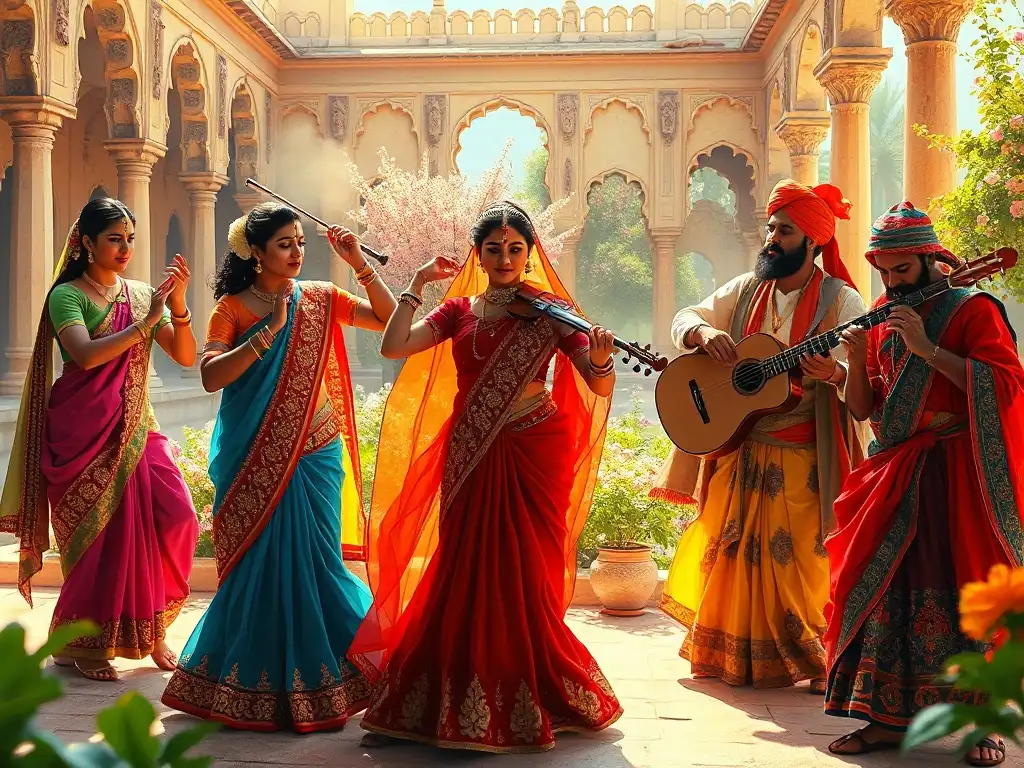
The cultural exchange between ancient India and Persia was facilitated by various key figures who played significant roles in the realms of music and dance. These individuals were not only prominent artists but also influential patrons and scholars who contributed to the blending of the rich artistic traditions of both civilizations. Their interactions often led to innovative styles and techniques that enriched the cultural landscapes of both regions.
Influential Musicians and Dancers
Prominent musicians and dancers from both ancient India and Persia significantly shaped the cultural dialogue between the two civilizations.
- Tansen: A legendary figure in Indian classical music, Tansen was one of the nine jewels (Navaratnas) in Emperor Akbar’s court. His mastery in various ragas, many of which were influenced by Persian musical elements, illustrates the cross-cultural fusion. Tansen’s innovations in music laid the groundwork for future generations of musicians.
- Zarathustra: Although primarily known as the founder of Zoroastrianism, Zarathustra's influence extended into the arts. He is believed to have inspired Persian musical traditions that later found resonance in Indian practices, particularly in the use of rhythm and melody.
- Nautch Dancers: These professional dancers were crucial in the performance arts of both cultures. They often performed at royal courts and public gatherings, showcasing a blend of Indian classical dance styles with Persian influences, such as fluid movements and elaborate costumes.
These figures not only excelled in their respective fields but also served as conduits for the exchange of ideas, techniques, and cultural practices.
Cultural Patrons and Their Role in Promoting Exchange
Cultural patrons played a vital role in fostering the exchange of music and dance between ancient India and Persia. These patrons were often royal or noble individuals who recognized the value of the arts in enhancing their cultural prestige and political power.
- Emperor Akbar: As a patron of the arts, Emperor Akbar was instrumental in bringing together diverse musical traditions within his court. He invited Persian musicians and dancers to perform alongside Indian artists, thus creating a vibrant cultural milieu that encouraged collaboration and innovation.
- Persian Nobility: The Persian elite, particularly during the Sassanian period, greatly valued music and dance as forms of entertainment and cultural expression. Their support for artists and musicians helped to facilitate exchanges that allowed Indian influences to permeate Persian art forms and vice versa.
- Religious Institutions: Temples and mosques served as venues for artistic expression, where musicians and dancers from both cultures could collaborate, share techniques, and celebrate their shared heritage. The religious festivals in both cultures provided opportunities for public performances that showcased this cultural exchange.
Through their support and encouragement, these patrons helped to nurture an environment where music and dance thrived, leading to a lasting legacy of cross-cultural artistry.
Legacy of the Ancient India-Persia Cultural Exchange
The cultural exchange between ancient India and Persia left an indelible mark on the artistic practices of both civilizations. The influences that emerged from this interaction have continued to resonate through the ages, shaping modern music and dance forms.
Lasting Impacts on Modern Music and Dance
The fusion of Indian and Persian musical traditions has resulted in a rich tapestry of styles that can be observed in contemporary music and dance.
- Hindustani Classical Music: The influence of Persian music is evident in the Hindustani classical tradition, particularly in the use of certain ragas that bear Persian characteristics. Instruments like the sitar and tabla have also incorporated Persian techniques, enhancing their complexity and expressiveness.
- Folk Dances: Various folk dances in India, such as Kathak, show clear Persian influences in their storytelling techniques and movements. The intricate footwork and expressive gestures of Kathak dancers reflect the historical interactions between the two cultures.
- Contemporary Music: Modern Indian music, including Bollywood, frequently infuses Persian melodies and rhythms, demonstrating the enduring legacy of this cultural exchange. Artists often collaborate across borders, further blending these rich traditions.
These influences highlight how the ancient interactions between India and Persia have shaped the evolution of music and dance into modern expressions.
The Role of Cultural Exchange in Shaping Identities
The cultural exchange between ancient India and Persia significantly contributed to the shaping of identities in both civilizations. This exchange fostered a sense of shared heritage and mutual respect that transcended geographical boundaries.
- Cultural Identity: The blending of musical and dance forms allowed both cultures to redefine their artistic identities. For instance, the incorporation of Persian elements into Indian dance not only enriched its repertoire but also fostered a unique Indian identity that embraced diversity.
- Transcultural Dialogues: The interactions between musicians, dancers, and patrons created opportunities for transcultural dialogues, encouraging individuals to explore and appreciate the richness of each other’s traditions. This exchange cultivated a sense of unity and collaboration that was pivotal in the development of new cultural identities.
- Enduring Connections: The historical ties forged through music and dance continue to resonate today, as contemporary artists draw inspiration from their shared past. This legacy serves as a reminder of the importance of cultural exchange in shaping identities and fostering understanding among diverse communities.
In essence, the cultural exchange between ancient India and Persia was not merely an artistic interaction but a profound influence that helped to shape the identities and cultural landscapes of both civilizations, leaving a lasting legacy that continues to inspire future generations.
Conclusion: The Enduring Connection Between Ancient India and Persia
The cultural exchange between ancient India and Persia was a profound and dynamic process that significantly shaped the musical and dance traditions of both civilizations. This interaction fostered a rich tapestry of artistic expression, where elements from each culture blended to create unique forms of music and dance that resonated throughout the ages.
One of the most notable outcomes of this exchange was the introduction of Persian instruments and musical scales into Indian music. The sitar, for example, is a direct descendant of Persian instruments, showcasing how the melding of styles resulted in new forms that enriched the cultural landscape of both regions. Similarly, the intricate rhythms and melodic structures found in Persian classical music influenced the development of various Indian musical genres, particularly in the courts of northern India.
In the realm of dance, the influences were equally significant. Persian dance forms, characterized by their grace and expressive movements, found a place within Indian classical dance traditions. The incorporation of Persian motifs and themes into Indian dance not only enhanced the aesthetic appeal but also facilitated a narrative exchange that spoke to shared human experiences, emotions, and stories.
As time progressed, the legacy of this cultural exchange continued to thrive, leading to a lasting impact on the artistic and cultural identity of both civilizations. Festivals, courtly celebrations, and social gatherings became venues for showcasing this blended heritage, allowing both Persian and Indian music and dance to flourish and evolve.
Today, the echoes of this ancient connection can still be felt in the modern artistic expressions of both cultures. Musicians and dancers continue to draw inspiration from their shared histories, demonstrating that the interplay of influences is not a relic of the past but a living tradition that continues to inspire and engage audiences.
The enduring connection between ancient India and Persia highlights the importance of cultural exchanges in shaping artistic practices. This rich heritage serves as a reminder of the power of collaboration and mutual influence in creating vibrant and dynamic cultural landscapes. The legacy of their musical and dance traditions remains a testament to the beauty and complexity of human creativity, transcending borders and time.
- Introduction to Ancient India and Persia Cultural Exchange
- Historical Context of Ancient India and Persia
- Music as a Medium of Cultural Exchange
- Dance Forms and Their Cultural Significance
- Key Figures in the Cultural Exchange
- Legacy of the Ancient India-Persia Cultural Exchange
- Conclusion: The Enduring Connection Between Ancient India and Persia
- What role did music play in the cultural exchange between Ancient India and Persia?
- How did dance contribute to the cultural interactions between these two regions?
- What were some specific examples of musical instruments shared between Ancient India and Persia?
- How did religious beliefs shape the music and dance of Ancient India and Persia?
- What impact did the Gupta Empire have on the cultural exchange with Persia?
Frequently Asked Questions
What role did music play in the cultural exchange between Ancient India and Persia?
Music served as a vital medium for cultural exchange, influencing both civilizations. The blending of musical styles enriched traditions, creating unique forms of expression.
How did dance contribute to the cultural interactions between these two regions?
Dance acts as a cultural bridge, showcasing shared themes and techniques. Both Ancient Indian and Persian dance forms incorporated elements from each other, leading to innovative choreography.
Instruments like the sitar and rubab illustrate the cross-cultural influences. They demonstrate how both societies adopted and adapted these tools to create distinct musical styles.
How did religious beliefs shape the music and dance of Ancient India and Persia?
Both cultures had rich spiritual traditions that influenced their art forms. Music and dance often served as vehicles for worship, reflecting shared themes of devotion and spirituality.
What impact did the Gupta Empire have on the cultural exchange with Persia?
The Gupta Empire was a period of significant cultural flourishing. It facilitated trade and diplomatic relations, leading to increased artistic collaboration and the sharing of cultural practices between India and Persia.
Final Reflection: The Enduring Legacy of Ancient India-Persia Cultural Exchange
The rich tapestry of music and dance that flourished between Ancient India and Persia is not merely a relic of the past; it is a vibrant testament to the power of cultural exchange that continues to resonate in our contemporary world. As we navigate an increasingly interconnected global landscape, the artistic dialogues of ancient civilizations remind us of the profound ways in which cultures can influence and enrich one another.
The rhythms and melodies that once echoed through the courts of ancient empires still inspire modern artists and audiences alike, illustrating that the legacy of cultural exchange is timeless and ever-relevant.
The impact of this cultural interplay extends far beyond historical significance; it shapes our current social and artistic landscapes. The fusion of Indian and Persian music and dance has laid the groundwork for various contemporary art forms, fostering a spirit of collaboration and innovation.
As the renowned musician Ravi Shankar once said, "> Music knows no boundaries; it transcends all barriers and connects us in ways we often overlook." This sentiment encapsulates the essence of the cultural exchange between Ancient India and Persia, reminding us that the arts serve as a bridge that unites diverse communities and fosters mutual understanding.
As we reflect on the lessons of this ancient cultural exchange, let us embrace the opportunity to celebrate and engage with the rich traditions that have come before us. I invite you to explore the music and dance of different cultures, to appreciate their histories, and to recognize the beauty that arises from their interactions. By doing so, we not only honor the legacy of Ancient India and Persia but also contribute to a more harmonious and interconnected world, where the arts continue to inspire and unite us across time and space.
Unveil the Rhythms of Cultural Connection!
Thank you for joining us on this enlightening journey through the vibrant musical and dance traditions of ancient India and Persia! You’ve explored the rich tapestry of these two cultures, and now the next steps are yours to take. Let’s keep this momentum going:
- Dive deeper: Listen to a curated playlist that merges Indian and Persian music to experience their enchanting rhythms firsthand.
- Share the magic: Post your thoughts or favorite discoveries on social media—tag us and start a conversation about how these ancient cultures continue to influence modern art forms!
- Engage with others: Join an online community focused on world music and dance, and share your insights from this journey to inspire others.
Where do you see the influence of ancient cultural exchanges in today’s music and dance? Your thoughts could spark a meaningful dialogue!