
Cultural Syncretism: How Ancient India Adapted Foreign Influences

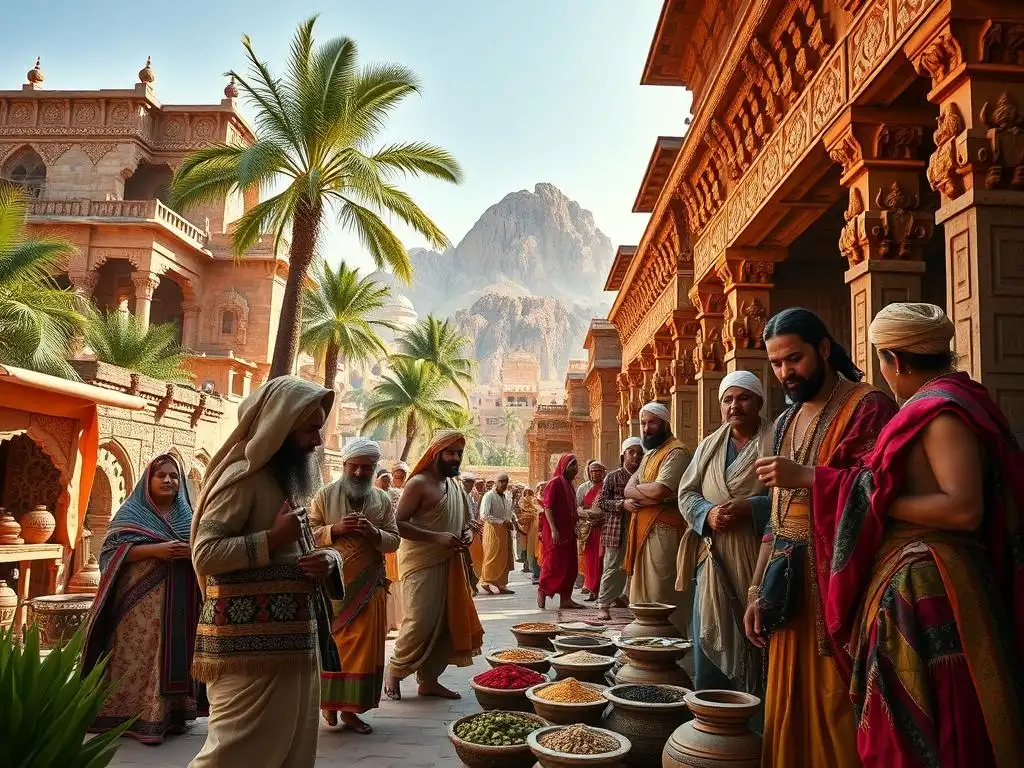
Welcome to Ancient India History, where we embark on a journey through time to uncover the rich tapestry of cultures that shaped one of the world's most fascinating civilizations. Ever wondered how ancient India became a melting pot of diverse influences? In our featured article, "Cultural Syncretism: How Ancient India Adapted Foreign Influences," we delve into the intricate web of cultural exchanges that defined the Indus Valley to the Gupta Empire.
Join us as we explore the profound impacts of trade, migration, and conquest, revealing how these encounters forged a unique identity that still resonates today. Let your curiosity lead you deeper into the captivating stories that await!
Introduction to Cultural Influences in Ancient India
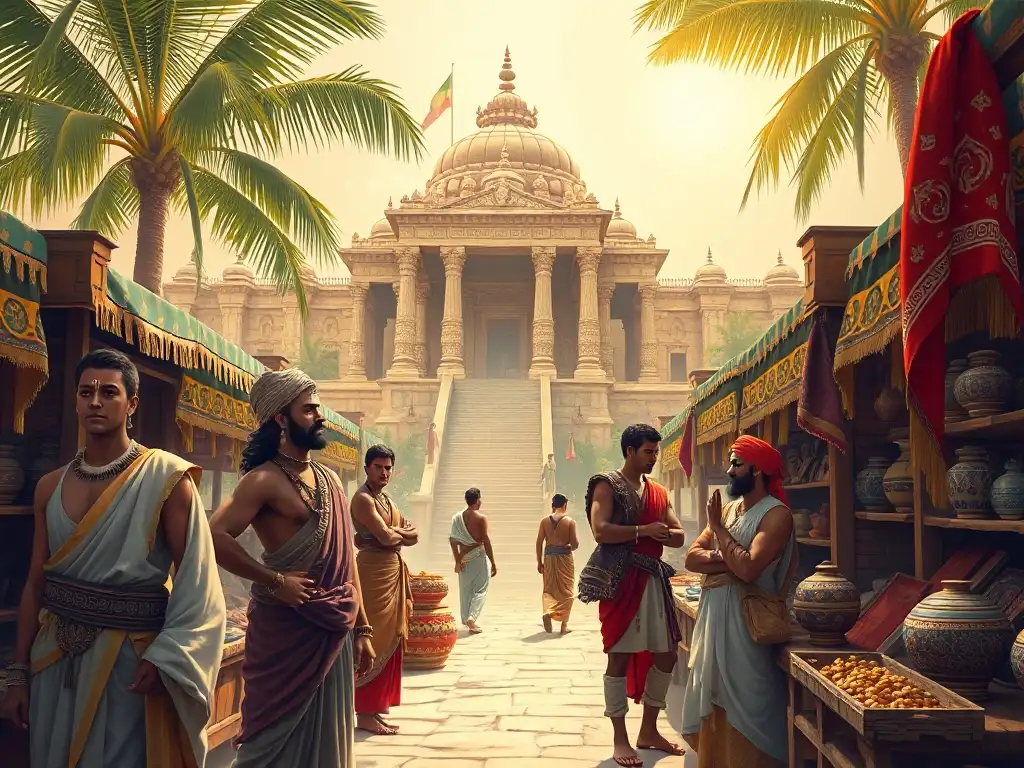
Cultural influences in ancient India represent a fascinating tapestry woven from the interactions of various civilizations and peoples over centuries. This intricate web of exchange played a crucial role in shaping the rich cultural landscape of the subcontinent, which is characterized by its diversity in art, religion, philosophy, and social practices.
Ancient India was not an isolated entity; rather, it was a dynamic hub of cultural syncretism where indigenous traditions encountered and adapted foreign influences. Understanding this interplay is essential to appreciate how ancient Indian societies evolved and integrated various elements, leading to a unique cultural identity that has persisted through time.
Overview of Cultural Syncretism
Cultural syncretism refers to the blending of different cultural practices and ideas, resulting in a new, hybrid form. In the context of ancient India, this phenomenon can be observed in various domains, including religion, art, and architecture.
For instance, the arrival of the Indo-Aryans introduced new social structures and religious beliefs that merged with existing practices of the indigenous populations, leading to the development of Vedic culture. Similarly, the influence of foreign traders, conquerors, and travelers, such as the Persians, Greeks, and later the Islamic empires, enriched the Indian cultural milieu, leading to innovations in literature, cuisine, and art forms.
- Key Elements of Cultural Syncretism in Ancient India:
- Religious Practices: The interaction between Hinduism, Buddhism, and Jainism with other faiths.
- Art and Architecture: Fusion of styles seen in temples and sculptures.
- Trade and Commerce: Exchange of ideas through trade routes connecting India with distant lands.
Importance of Understanding Cultural Influences in Ancient India
Recognizing the cultural influences that shaped ancient India is vital for several reasons. First, it sheds light on the resilience and adaptability of Indian societies in the face of external pressures. Second, it highlights the significance of trade and migration as catalysts for cultural exchange, illustrating how these interactions fostered innovation and creativity. Lastly, studying these influences provides insights into contemporary cultural practices in India, revealing how historical legacies continue to shape modern identity.
Historical Context of Ancient India
To fully grasp the complexities of cultural influences in ancient India, it is essential to consider the historical context in which these interactions occurred. The subcontinent has been home to several major civilizations, each contributing to the rich tapestry of Indian history.
Major Civilizations in Ancient India
- Indus Valley Civilization (c. 3300–1300 BCE)
- Known for its advanced urban planning, architecture, and trade networks.
- Significant contributions to agriculture and craft specialization.
- Vedic Period (c. 1500–500 BCE)
- Marked by the composition of the Vedas, foundational texts of Hindu philosophy.
- Introduction of social stratification and new religious practices.
- Maurya Empire (c. 322–185 BCE)
- The first large-scale empire in India, known for unifying much of the subcontinent.
- Promotion of Buddhism under Emperor Ashoka, leading to cultural exchanges with other regions.
- Gupta Empire (c. 320–550 CE)
- Often referred to as the "Golden Age" of India, noted for advancements in science, mathematics, and art.
- Flourishing of trade routes, enhancing cultural interactions with foreign civilizations.
These civilizations represent the foundation upon which the cultural influences of ancient India were built, providing a context for understanding how foreign elements were adapted and integrated into the local cultural landscape.
Sources of Foreign Influences in Ancient India
Ancient India was a melting pot of various cultures, ideas, and practices due to its strategic geographical location and historical dynamics. Numerous factors contributed to the influx of foreign influences, leading to a rich tapestry of cultural syncretism. The primary sources of these influences can be categorized into trade routes, invasions, and migrations, each playing a crucial role in shaping the cultural landscape of ancient Indian civilization.
Trade Routes and Cultural Exchanges
The extensive network of trade routes that connected India to the rest of the world was a significant source of foreign influence. The Silk Road, which facilitated trade between India, Central Asia, and beyond, allowed for the exchange of not just goods but also ideas, religions, and cultural practices. Indian merchants traveled to regions like the Roman Empire, Southeast Asia, and the Middle East, bringing back new products, philosophies, and art forms.
- Goods Traded: Spices, textiles, precious stones, and medicinal herbs were among the key commodities that attracted foreign traders.
- Cultural Exchange: Alongside material trade, the movement of people led to the dissemination of religious beliefs, particularly Buddhism and Hinduism, which spread to regions like Southeast Asia, influencing local cultures.
The maritime trade routes also played a vital role, connecting the Indian subcontinent to Arabian and East African coasts, further enriching the cultural exchange.
Invasions and Migrations
Invasions and migrations were another crucial source of foreign influences in ancient India. Various groups entered the Indian subcontinent over the centuries, each contributing to the cultural fabric in unique ways.
- Aryan Migrations: The arrival of the Indo-Aryans around 1500 BCE introduced new languages, social structures, and religious practices that laid the foundation for what would become Hinduism.
- Persian and Greek Invasions: The conquests of Darius I and Alexander the Great brought Persian and Hellenistic influences, resulting in a blending of administrative practices, art styles, and philosophical thought.
- Central Asian Invaders: Groups like the Kushans and later the Huns introduced new elements to Indian culture, including artistic motifs and religious syncretism.
These invasions not only altered the demographic landscape but also facilitated the fusion of diverse cultural elements, leading to the evolution of unique Indian identities.
Key Areas of Cultural Syncretism in Ancient India
The blending of foreign influences with indigenous traditions in ancient India is evident in several key areas, including religion, language, literature, and art. Each of these domains showcases the dynamic interactions that defined Indian culture.
Religion and Spiritual Practices
Religious syncretism is perhaps the most profound aspect of cultural exchange in ancient India. The arrival of new religions, particularly Buddhism and Jainism, created a rich tapestry of spiritual beliefs that coexisted with traditional Hindu practices.
- Buddhism: Originating in the 6th century BCE, Buddhism adapted many pre-existing spiritual concepts while introducing new ideas such as the Four Noble Truths and the Eightfold Path, influencing countless followers across Asia.
- Islam: Following the medieval period, Islam's arrival further contributed to religious diversity, leading to the emergence of syncretic practices, such as the Bhakti movement, which combined elements of Hinduism and Islam.
This intermingling of beliefs fostered an environment of tolerance and coexistence, allowing for the development of unique spiritual practices that reflected the diverse heritage of the region.
Language and Literature
The linguistic landscape of ancient India was significantly shaped by foreign influences, resulting in a rich literary tradition. The interaction of different cultures led to the development of new languages and literary forms that enriched Indian literature.
- Sanskrit and Prakrit: While Sanskrit remained the language of scholarship, local dialects such as Prakrit evolved, incorporating elements from various languages brought in by traders and invaders.
- Literary Works: Ancient texts, including the Puranas and epics like the Mahabharata and Ramayana, were influenced by oral traditions from diverse cultures, leading to a complex narrative structure and thematic depth.
The cross-pollination of ideas through translations and adaptations fostered a vibrant literary culture that continues to resonate in modern Indian literature.
Art and Architecture
Art and architecture in ancient India vividly reflect the cultural syncretism that arose from foreign influences. With the arrival of new techniques and styles, Indian artisans began to blend these elements into their own artistic expressions.
- Sculpture and Reliefs: The introduction of Hellenistic styles during the Mauryan and Kushan periods resulted in intricate sculptures that depicted Indian deities with Greek artistic nuances.
- Architectural Innovations: The construction of stupas and temples showcased a fusion of indigenous styles with influences from Persian and Central Asian architecture. The use of domes and arches in later structures exemplifies this blending.
This amalgamation of artistic traditions not only enriched Indian art but also created a distinct identity that celebrated both local and foreign influences, leaving a lasting legacy that can still be seen in contemporary Indian architecture.
The Role of Cultural Syncretism in Shaping Ancient Indian Identity
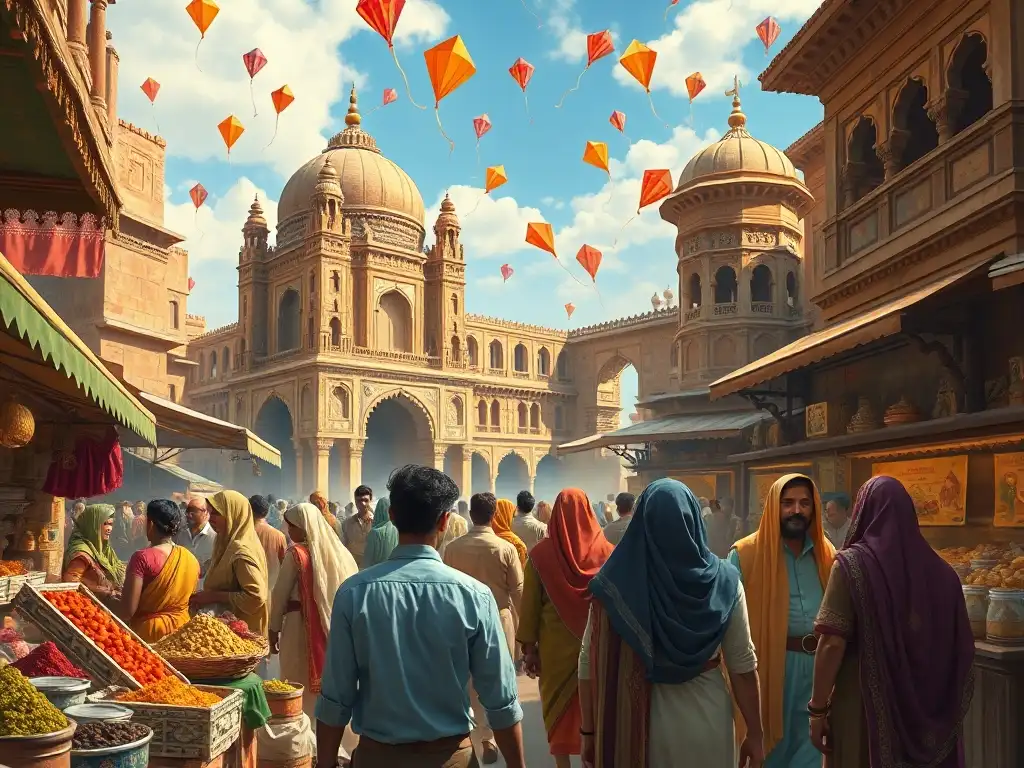
Cultural syncretism played a pivotal role in defining the identity of ancient India, acting as a bridge that connected diverse traditions, beliefs, and practices. This blending of cultures allowed ancient Indian society to absorb and integrate various influences from neighboring civilizations, such as those of Persia, Greece, and Central Asia. As a result, a rich tapestry of cultural elements emerged, exemplifying the adaptability and resilience of Indian civilization.
The dynamic interactions between different ethnic groups and cultures facilitated the exchange of ideas, art forms, and philosophies. For instance, the introduction of new religious practices, languages, and artistic expressions enriched the existing cultural landscape. This process not only fostered a sense of unity amidst diversity but also contributed to the development of a unique Indian identity that celebrated pluralism as a core value.
Moreover, cultural syncretism was reflected in the realms of art, architecture, and literature, where elements from various traditions coalesced to create distinctive styles. The fusion of indigenous and foreign influences led to innovative expressions that were emblematic of the evolving social fabric of ancient India. In essence, cultural syncretism was instrumental in shaping a multifaceted identity that allowed ancient India to thrive as a center of cultural and intellectual exchange.
The Concept of Pluralism in Ancient India
Pluralism was a defining feature of ancient Indian society, characterized by the coexistence of multiple religions, languages, and ethnic groups. This concept extended beyond mere tolerance; it encompassed a deep acknowledgment of the value of diversity, which was ingrained in the philosophical and spiritual foundations of Indian culture. The presence of various belief systems, including Hinduism, Buddhism, Jainism, and later Islam, created a rich dialogue among different communities, fostering an environment conducive to mutual respect and understanding.
The ancient Indian texts, such as the Upanishads and the Arthashastra, reflect a pluralistic worldview wherein different paths to truth and knowledge were recognized. This openness to diverse perspectives not only promoted social harmony but also facilitated the exchange of ideas and practices. As a result, pluralism became a cornerstone of ancient Indian identity, enabling the society to adapt and thrive amidst external influences.
The influence of neighboring cultures also contributed to this pluralistic ethos. For example, the arrival of Greek and Persian cultures during the Mauryan Empire introduced new ideas in governance and art that were integrated into the local context. This synthesis of foreign and indigenous elements exemplified the pluralistic nature of ancient Indian society, which was capable of embracing change while retaining its core values.
Contributions of Cultural Syncretism to Society and Governance
Cultural syncretism significantly influenced social structures and governance in ancient India. The amalgamation of diverse cultural practices led to the evolution of administrative systems that were more inclusive and representative of the various communities within the empire. Rulers often adopted elements from different cultures to legitimize their authority and unify their subjects, creating a more cohesive society.
For instance, the Mauryan Empire under Ashoka showcased how cultural syncretism could enhance governance. Ashoka's promotion of Dhamma, which incorporated elements of Buddhism and local traditions, emphasized ethical governance and social welfare. This approach not only strengthened the empire's administrative efficiency but also fostered a sense of belonging among its diverse populace.
In addition, cultural syncretism enriched the social fabric by promoting inter-community interactions through trade, marriage, and cultural exchanges. These interactions not only facilitated economic prosperity but also encouraged the sharing of knowledge and resources. As a result, ancient Indian society became a melting pot of ideas, contributing to advancements in various fields, including science, mathematics, and literature.
Case Studies of Cultural Influences in Ancient India
The Mauryan Empire: A Model of Cultural Adaptation
The Mauryan Empire, established in the 4th century BCE, is a prime example of cultural adaptation in ancient India. Under the leadership of Chandragupta Maurya and later his grandson Ashoka, the empire expanded significantly, absorbing various cultural influences from its interactions with neighboring regions. The Mauryan approach to governance was characterized by a synthesis of indigenous practices and foreign elements, which allowed for a more effective administration.
One notable aspect of cultural influences during this period was the incorporation of Persian administrative techniques. The Mauryan rulers adopted a centralized bureaucratic system that facilitated efficient governance across vast territories. Additionally, Ashoka's conversion to Buddhism marked a significant cultural shift that promoted the principles of non-violence and tolerance, resonating with the diverse populations within the empire.
Art and architecture during the Mauryan period also exemplified cultural syncretism. The construction of stupas, such as the Sanchi Stupa, showcased a blend of indigenous architectural styles and influences from Hellenistic art. These structures served not only as religious monuments but also as symbols of the empire's cultural richness and unity.
Gupta Empire: A Flourishing Era of Syncretism
The Gupta Empire, often referred to as the Golden Age of India, flourished from the 4th to the 6th centuries CE and is recognized for its remarkable achievements in science, art, and culture. During this period, cultural syncretism reached new heights, as the Gupta rulers embraced and promoted various influences, thereby fostering an environment of creativity and intellectual exchange.
The Gupta period witnessed the resurgence of Hinduism alongside the continued significance of Buddhism and Jainism. This revival was marked by the integration of local customs into religious practices, leading to a more inclusive spirituality that catered to diverse communities. Temples constructed during this era, such as the Dashavatara Temple in Deogarh, exhibit a harmonious blend of architectural styles, showcasing intricate carvings and sculptures that reflect both indigenous and foreign artistic influences.
Furthermore, the Gupta Empire became a hub for scholars and thinkers who contributed to advancements in mathematics, astronomy, and literature. Influences from Greek and Persian scholars were evident in the works of notable figures like Aryabhata, who introduced concepts of zero and the decimal system. This period of intellectual exchange and synthesis laid the foundation for future developments in various fields, highlighting the enduring legacy of cultural syncretism in ancient India.
The Gupta Empire exemplified how cultural influences in ancient India could create a flourishing society that celebrated diversity while achieving remarkable advancements.
Conclusion: The Legacy of Cultural Influences in Ancient India
The rich tapestry of cultural influences in ancient India has left an indelible mark on the region's history, shaping its social, artistic, and philosophical landscapes. This cultural syncretism is evident in various aspects of life, from religion and architecture to language and cuisine. By integrating and adapting elements from neighboring civilizations, ancient India not only preserved its identity but also enriched it, creating a unique blend that continues to resonate through the ages.
The historical interactions with other cultures, such as the Persians, Greeks, and later the Central Asian empires, facilitated a two-way exchange where ideas and practices were both shared and transformed. The resulting legacy is a testament to the resilience and adaptability of Indian civilization, illustrating how diverse influences can harmonize to form a cohesive cultural identity.
Lasting Impacts on Modern Indian Culture
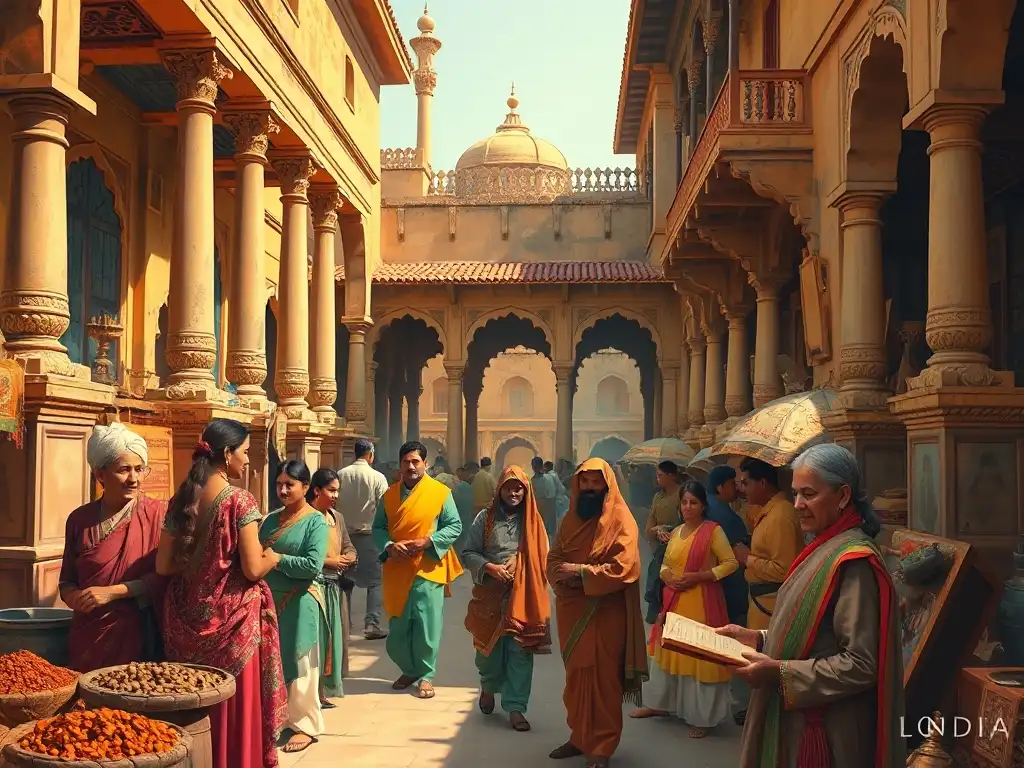
The influence of ancient cultural syncretism is still palpable in modern Indian society. Many contemporary practices, customs, and traditions can trace their roots back to ancient interactions. For instance, the fusion of local traditions with foreign practices has created a diverse array of festivals celebrated across the country, such as Diwali, which incorporates elements from various regional and historical influences.
Additionally, the architectural marvels of ancient India, such as the intricate carvings of temples and the majestic forts, reflect a blend of styles that emerged from cultural exchanges. Modern Indian art and music also showcase this syncretism, with classical forms often interwoven with folk traditions and foreign styles, creating a vibrant cultural landscape.
Furthermore, the philosophical and spiritual thought originating from ancient syncretism has laid the groundwork for modern Indian spirituality, incorporating ideas from Buddhism, Jainism, and Hinduism, along with influences from various foreign philosophies.
Lessons Learned from Cultural Syncretism in Ancient India
The history of cultural influences in ancient India offers valuable lessons for contemporary societies. Firstly, the ability to adapt and integrate new ideas is crucial for growth and innovation. Ancient India exemplified this adaptability, transforming foreign influences into something uniquely its own.
Secondly, cultural syncretism fosters tolerance and understanding among different communities. The harmonious coexistence of various religious and philosophical traditions in ancient India serves as a model for today's multicultural societies, highlighting the importance of embracing diversity.
Finally, the legacy of ancient cultural exchanges illustrates the significance of historical context in shaping cultural identities. Recognizing and appreciating these influences can lead to a richer understanding of one's heritage and the interconnectedness of human experiences across time and space.
References and Further Reading on Cultural Influences in Ancient India
Suggested Books and Articles
- "The Wonder That Was India" by A.L. Basham: This classic work explores the cultural, social, and political landscape of ancient India, providing insights into its diverse influences.
- "Cultural Encounters in the Himalaya" by David L. Haberman: This book discusses the interactions between different cultures in the Himalayan region, shedding light on the syncretic processes at play.
- "India: A History" by John Keay: This comprehensive history covers the evolution of Indian civilization, including the effects of foreign influences throughout the ages.
Online Resources for Further Exploration
- Digital Library of India: An extensive collection of texts on Indian history and culture, providing access to a wealth of resources related to cultural influences in ancient India.
- The British Library’s Asian and African Studies: Offers digitized manuscripts and articles on various aspects of ancient Indian history, including cultural exchanges.
- Online Courses and Lectures: Platforms like Coursera and edX often host courses on Indian history and cultural studies, providing an opportunity for deeper learning on the topic.
- Introduction to Cultural Influences in Ancient India
- Historical Context of Ancient India
- Sources of Foreign Influences in Ancient India
- Key Areas of Cultural Syncretism in Ancient India
- The Role of Cultural Syncretism in Shaping Ancient Indian Identity
- Case Studies of Cultural Influences in Ancient India
- Conclusion: The Legacy of Cultural Influences in Ancient India
- Lasting Impacts on Modern Indian Culture
- Lessons Learned from Cultural Syncretism in Ancient India
- References and Further Reading on Cultural Influences in Ancient India
- What is cultural syncretism in ancient India?
- How did foreign influences impact ancient Indian culture?
- Which civilizations contributed to the cultural influences in ancient India?
- What role did trade play in cultural exchange in ancient India?
- How is the legacy of cultural influences in ancient India seen today?
Frequently Asked Questions
What is cultural syncretism in ancient India?
Cultural syncretism refers to the blending and adaptation of foreign influences into existing cultural practices, which led to a rich tapestry of traditions in ancient India.
How did foreign influences impact ancient Indian culture?
Ancient India absorbed various cultural influences from invaders and traders, enriching its art, architecture, and philosophy, ultimately fostering a unique cultural identity.
Which civilizations contributed to the cultural influences in ancient India?
The Indus Valley Civilization, Persian Empire, Greeks, and later the Mughals were significant contributors to the diverse cultural influences that shaped ancient Indian society.
What role did trade play in cultural exchange in ancient India?
Trade routes facilitated the exchange of goods and ideas, leading to the introduction of new religious beliefs, languages, and artistic styles, significantly impacting ancient Indian culture.
How is the legacy of cultural influences in ancient India seen today?
The cultural influences from ancient times continue to be evident in modern Indian society, from festivals and rituals to art forms and cuisine, showcasing the enduring richness of its heritage.
Final Reflection: Embracing the Tapestry of Cultural Influences in Ancient India
Cultural syncretism in ancient India serves as a powerful reminder of how societies can thrive through the integration of diverse influences. In today's increasingly interconnected world, the lessons learned from India's historical adaptability resonate profoundly. The ability to embrace and harmonize various cultural elements not only enriches a society but also fosters resilience and innovation. As we navigate the complexities of globalization, we must recognize that the blending of cultures is not merely a historical phenomenon; it is a vital aspect of our contemporary existence.
The rich tapestry of cultural influences in ancient India has shaped not only its historical narrative but also its modern identity. The intermingling of ideas, beliefs, and practices from various civilizations has left an indelible mark on India's cultural landscape, influencing everything from art and architecture to philosophy and spirituality. As noted by historian Romila Thapar, The history of India is a history of influences, interactions, and adaptations.
This ongoing dialogue between cultures continues to inspire contemporary society, urging us to appreciate the beauty of diversity and the strength found in unity.
As you reflect on the themes of cultural syncretism presented in this article, consider how you can apply these lessons in your own life. Embrace the diversity around you, seek to understand different perspectives, and recognize the value of collaboration. By doing so, you contribute to a more inclusive and harmonious world, just as ancient India did through its remarkable ability to adapt and thrive amidst foreign influences. Let us honor this legacy by fostering connections that celebrate our shared humanity and the rich mosaic of cultures that define our global community.
Unveil the Rich Layers of Cultural Syncretism!
Thank you for diving into the fascinating world of cultural syncretism in ancient India! You've uncovered how diverse influences shaped an extraordinary cultural mosaic. Now, let’s take this knowledge further and explore how you can embrace these insights in your own journey of understanding and sharing.
Here are a few actionable steps you can take right now:
- Join our community: Engage with fellow enthusiasts and historians in our forums to discuss your thoughts and discoveries about the cultural exchanges that have shaped our society.
- Delve deeper: Explore additional articles on our site to uncover how foreign influences continue to shape cultures around the world today.
- Share your insights: Discuss this topic on social media or write a blog post about your perspective on how cultural syncretism manifests in contemporary society.
What aspect of cultural syncretism fascinates you the most, and how do you think it influences today’s global culture?