
The Impact of Indian Sculpture on Southeast Asian Artistic Traditions

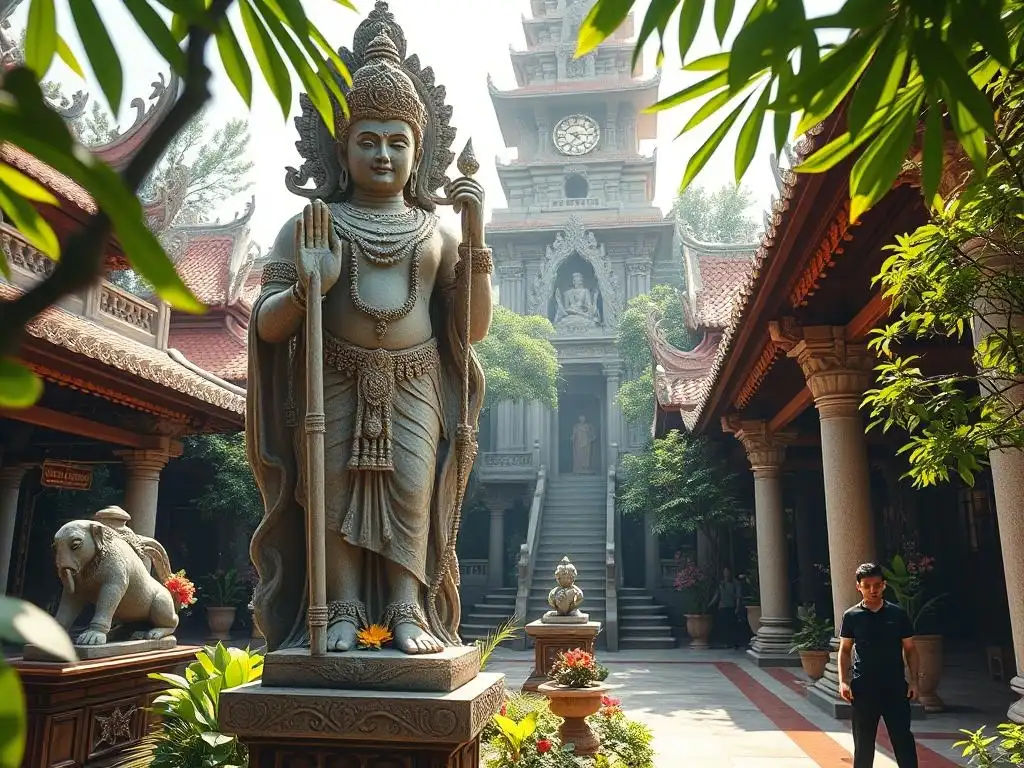
Welcome to Ancient India History, where we embark on a fascinating journey through time to uncover the rich tapestry of India's past. In our featured article, "The Impact of Indian Sculpture on Southeast Asian Artistic Traditions," we delve into the profound influence that ancient Indian artistry has had on the cultures of Southeast Asia. From intricate carvings to grand monuments, discover how these artistic exchanges shaped the region's identity and heritage.
Prepare to be captivated as we explore the vibrant connections that link these civilizations, sparking your curiosity about the cultural legacies that continue to resonate today. Dive in and let the stories unfold!
Introduction to Indian Sculpture and Its Significance
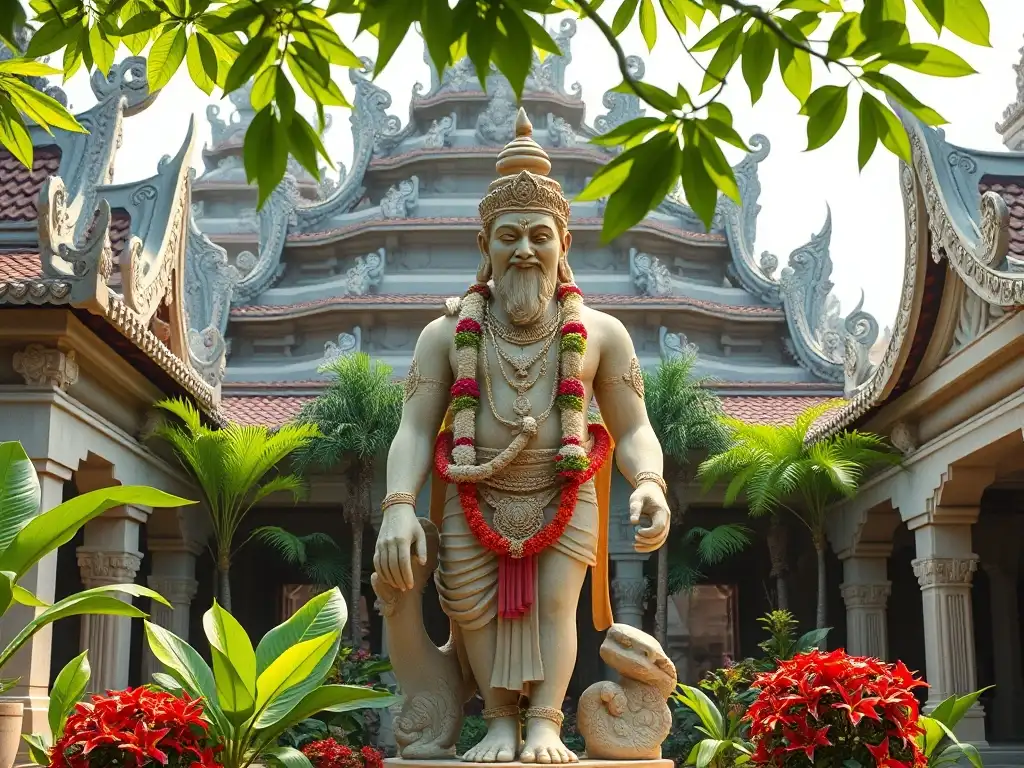
The influence of Indian sculpture on Southeast Asian artistic traditions is a captivating narrative that highlights the profound cultural exchanges that took place over centuries. From the intricate carvings of the Indus Valley Civilization to the grand sculptures of the Gupta Empire, Indian artistry has left an indelible mark on the art and architecture of Southeast Asia.
This article delves into the nuances of this influence, exploring how Indian sculptural techniques, themes, and styles were transmitted and adapted across borders, leading to the emergence of unique artistic expressions in Southeast Asia. Understanding this exchange not only enriches our knowledge of art history but also sheds light on the interconnectedness of ancient civilizations.
Overview of Indian Sculpture
Indian sculpture is characterized by its rich variety and deep symbolism, encompassing various styles and forms that have evolved over millennia. From the naturalistic forms of early Buddhist sculptures to the ornate Hindu temple carvings, Indian sculpture reflects the diverse religious and cultural landscapes of the subcontinent. Key features of Indian sculpture include:
- Material Diversity: Sculptors used a range of materials, including stone, bronze, and terracotta.
- Symbolic Representation: Sculptures often depict deities, mythological narratives, and significant historical events.
- Regional Variations: Different regions of India developed distinct styles, such as the intricate Chola bronzes or the serene Gupta sculptures.
Importance of Sculpture in Indian Culture
Sculpture in India is not merely an artistic pursuit; it is deeply intertwined with spiritual and cultural practices. Sculptures serve as focal points in religious rituals, embodying the divine and acting as conduits for worship. The significance of sculpture in Indian culture can be summarized as follows:
- Spiritual Significance: Sculptures are often viewed as manifestations of the divine, playing a vital role in religious ceremonies.
- Cultural Narratives: They express historical narratives, social values, and philosophical ideas, providing insight into the society that created them.
- Artistic Expression: Beyond religious contexts, sculpture is a form of artistic expression that reflects the aesthetic sensibilities and technical skills of various periods.
Historical Context of Indian Artistic Traditions
The roots of Indian sculpture can be traced back to ancient civilizations, with notable developments occurring during various historical periods. Understanding this context is essential to appreciate the subsequent influence on Southeast Asia:
- Indus Valley Civilization (c. 2500–1500 BCE): Early examples of figurative art, including the famous bronze dancing girl.
- Mauryan Period (c. 322–185 BCE): The emergence of monumental stone carvings and stupas, such as those at Sanchi.
- Gupta Empire (c. 320–550 CE): The golden age of Indian sculpture, characterized by exquisite craftsmanship and spiritual depth.
The Spread of Indian Sculpture to Southeast Asia
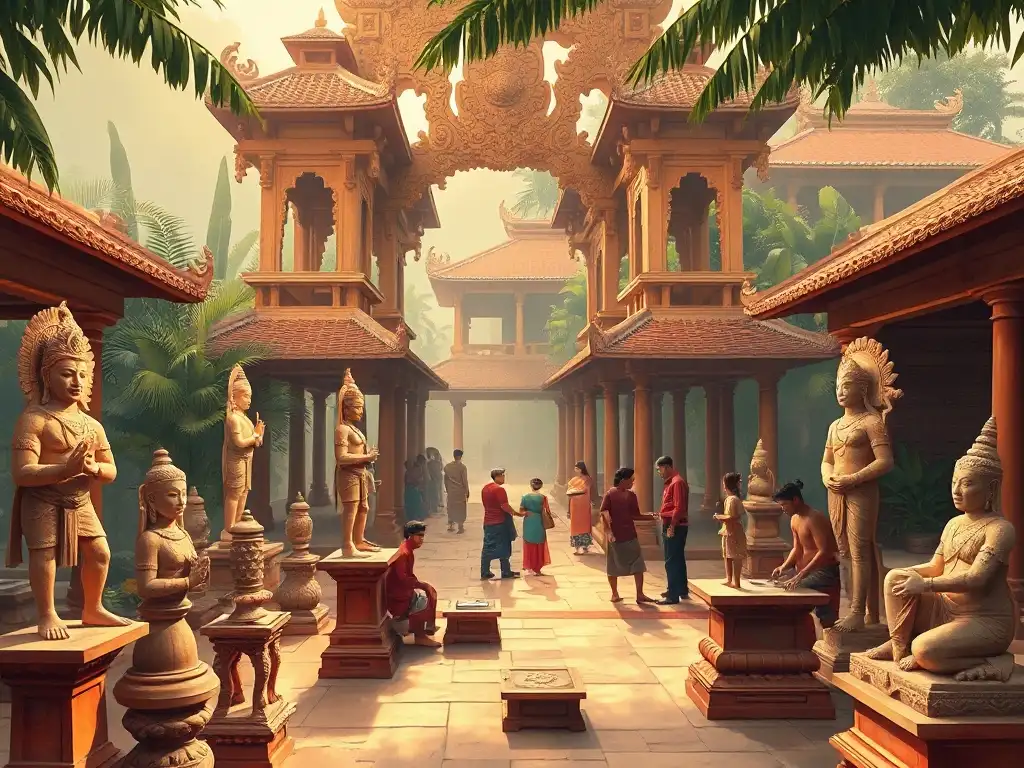
The transmission of Indian sculpture to Southeast Asia was facilitated by various factors, including trade, migration, and cultural exchanges. This section examines how these dynamics shaped the artistic landscapes of Southeast Asia.
Trade Routes Facilitating Cultural Exchange
The ancient trade routes, such as the maritime Silk Road and overland routes connecting India to Southeast Asia, played a crucial role in the dissemination of Indian artistic traditions. Key points include:
- Cultural Interactions: Merchants and travelers exchanged not only goods but also ideas and artistic practices.
- Artistic Imports: Southeast Asian kingdoms began to adopt Indian sculptural styles, leading to the creation of hybrid forms.
Migration Patterns and Their Influence on Art
Migration of artisans and scholars contributed significantly to the exchange of artistic knowledge. Important aspects include:
- People Movements: Indian craftsmen, monks, and traders settled in Southeast Asia, bringing their skills and traditions.
- Cultural Syncretism: The blending of Indian and local artistic elements resulted in unique regional styles.
Key Historical Periods of Influence (e.g., Gupta Empire)
Certain historical periods mark significant waves of influence from Indian sculpture to Southeast Asia:
- Gupta Empire: This period saw the peak of Buddhist art, which influenced the development of similar styles in Southeast Asian countries like Cambodia and Thailand.
- Post-Gupta Developments: Continued interactions during the rise of Hindu-Buddhist kingdoms further propagated Indian sculptural techniques and motifs.
Through this exploration, we gain insight into the intricate tapestry of cultural exchanges that shaped the artistic heritage of Southeast Asia, rooted deeply in Indian sculpture.
Characteristics of Indian Sculpture Influencing Southeast Asian Art
Indian sculpture, renowned for its intricate craftsmanship and deep spiritual significance, has profoundly influenced the artistic traditions of Southeast Asia. This influence is characterized by several key features that have transcended geographical boundaries and evolved into unique regional forms.
One prominent characteristic is the emphasis on naturalism, where figures are depicted with a high degree of realism, showcasing detailed facial expressions and bodily proportions. This attention to human form and emotion can be seen in many Southeast Asian sculptures that draw heavily from Indian prototypes, particularly those from the Gupta period, known for their finesse in human representation.
Another defining feature is the incorporation of mythological and religious themes, predominantly from Hinduism and Buddhism. Many sculptures in Southeast Asia reflect narratives from Indian epics like the Ramayana and Mahabharata, illustrating the shared cultural heritage. The presence of deities such as Vishnu and Shiva in Southeast Asian temples highlights this spiritual connection, showcasing the adaptation of Indian motifs to local beliefs and practices.
Moreover, the stylistic elements of Indian sculpture, including elaborate drapery and intricate ornamentation, have been embraced and modified by Southeast Asian artisans. This has led to a distinctive fusion, where traditional Indian styles are harmoniously blended with local artistic practices, resulting in a rich tapestry of cultural expression.
Common Themes and Motifs in Indian Sculpture
The themes and motifs prevalent in Indian sculpture significantly shaped the artistic narrative across Southeast Asia. Central to this influence is the depiction of deities and divine figures, which serve both religious and cultural purposes. Sculptors often portrayed gods and goddesses in dynamic postures, symbolizing their transcendental nature and omnipotence. This representation of divinity can be observed in the art of countries such as Cambodia and Thailand, where local interpretations of Hindu and Buddhist deities abound.
Another common theme is the narrative relief, which tells stories through sculpted panels. These reliefs often feature scenes from religious texts, portraying events in a sequential manner. Southeast Asian temples, such as Angkor Wat in Cambodia, are adorned with extensive bas-reliefs that echo the storytelling tradition of Indian sculpture, making the sacred tales accessible to the worshippers.
Additionally, flora and fauna motifs are frequently integrated into sculptures, serving both decorative and symbolic functions. The use of lotus flowers, for instance, is prevalent in both Indian and Southeast Asian art, symbolizing purity and spiritual awakening. This shared symbolism underscores the interconnectedness of cultural values between these regions.
Techniques and Materials Used in Indian Sculpture
The techniques and materials employed in Indian sculpture have significantly influenced Southeast Asian artists, contributing to the evolution of their artistic practices. Traditional Indian sculptors often utilized stone, bronze, and wood, with each material chosen for its specific aesthetic and functional qualities.
Stone carving was the most prominent technique, with artisans using tools such as chisels and hammers to create detailed figures from granite, sandstone, and limestone. The durability of stone allowed for longevity in architectural contexts, as seen in the rock-cut temples of India, which inspired similar constructions in places like Indonesia and Cambodia.
Bronze casting, particularly through the lost-wax method, was another significant technique that traveled to Southeast Asia. This method enabled the production of intricate statues and reliefs, enhancing the artistic repertoire of local craftsmen. The famous bronze sculptures found in Thai temples bear a resemblance to Indian works, showcasing the technical prowess and shared methodology between the regions.
Furthermore, the use of polychromy in sculpture, where vibrant colors are applied, is a characteristic that has been adopted in Southeast Asia. Indian sculptures were often painted to enhance their visual impact, a practice that gradually influenced the aesthetic of Southeast Asian artworks.
Iconography and Symbolism in Indian Artistic Expression
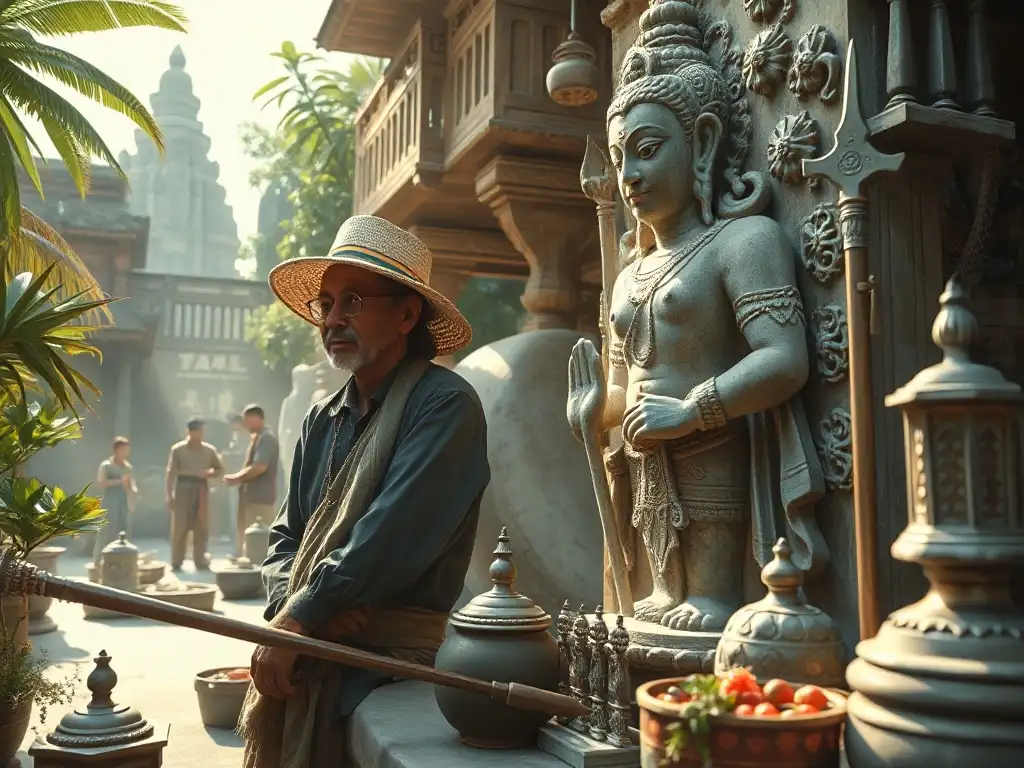
Iconography and symbolism play a crucial role in the expression of Indian sculpture, providing depth and meaning to the artistic representations. Indian sculptors employed a rich vocabulary of symbols to convey complex ideas, beliefs, and narratives, many of which were adopted and adapted by Southeast Asian artists.
A key aspect of this iconography is the use of mudras, or symbolic hand gestures, which communicate specific meanings and are frequently depicted in sculptures of deities. These gestures are integral to the portrayal of Buddhist and Hindu figures, allowing viewers to interpret the spiritual significance behind each pose. Southeast Asian sculptures often replicate these mudras, preserving their original meanings while sometimes infusing them with local interpretations.
Additionally, the representation of animals in Indian sculpture, such as elephants, lions, and mythical creatures like the Garuda, carries significant symbolic weight. These animals often embody certain virtues or ideas, such as strength, wisdom, and power. In Southeast Asia, similar animal motifs can be found, signifying the continuation of these symbolic meanings across cultures.
Moreover, the geometric patterns and architectural elements in Indian sculpture served as a foundation for the artistic expressions in Southeast Asia. These patterns often hold cosmological significances, representing the universe's order and harmony. The adaptation of these elements in Southeast Asian temples reflects a shared understanding of spirituality and artistic philosophy.
Case Studies of Indian Sculpture in Southeast Asia
The influence of Indian sculpture on Southeast Asian artistic traditions can be vividly illustrated through various case studies that highlight specific regions and their adaptations of Indian motifs and techniques.
The Influence of Indian Sculpture in Khmer Art
Khmer art, particularly during the Angkor period, reveals a profound Indian influence, evident in the sculpture's stylistic and thematic elements. The Khmer kings adopted Hinduism as the state religion, leading to the construction of monumental temples like Angkor Wat, which feature extensive bas-reliefs depicting Hindu mythology.
The intricate sculptures of deities and celestial beings, such as Apsaras, draw directly from Indian artistic traditions, showcasing similarities in drapery and facial expressions. The melding of Indian iconography with local beliefs resulted in unique interpretations, as seen in the portrayal of the Hindu god Vishnu, which reflects both Indian and Khmer attributes.
Indian Sculptural Elements in Indonesian Temples
In Indonesia, particularly in the island of Java, Indian sculptural influence is prominently displayed in the temples of Borobudur and Prambanan. These sites feature elaborately carved reliefs that narrate Buddhist and Hindu stories, demonstrating the craftsmanship influenced by Indian techniques.
The sculptures at Borobudur, a UNESCO World Heritage site, depict the life of the Buddha and his teachings, with detailed figures that mirror the naturalism found in Indian sculpture. Similarly, the Shiva temple at Prambanan showcases intricate carvings of deities and mythological scenes, highlighting the seamless integration of Indian artistic elements into Indonesian culture.
The Impact on Thai Sculpture and Architecture
Thailand's artistic landscape has been significantly shaped by Indian sculpture, particularly during the Sukhothai and Ayutthaya periods. Temples such as Wat Phra Si Sanphet and Wat Chaiwatthanaram exhibit sculptures that reflect Indian styles, with a focus on serene and elegant representations of Buddha.
Thai sculptors adopted Indian techniques in stone and bronze, resulting in unique creations that maintain spiritual significance while incorporating local artistic sensibilities. The influence is particularly evident in the Lanna and Khmer styles, where the interplay of Indian motifs with indigenous elements creates a distinct Thai identity in sculpture and architecture.
The impact of Indian sculpture on Southeast Asian artistic traditions is a testament to the enduring nature of cultural exchanges, showcasing how artistic expressions can transcend boundaries while being reinterpreted in local contexts.
The Role of Religion in Sculptural Influence
The interplay between religion and art has been a significant factor in the development of sculptural traditions throughout Southeast Asia. Indian sculpture, deeply rooted in religious practices, has profoundly influenced the artistic expressions found in Southeast Asian cultures. This influence is particularly evident in the realms of Hinduism and Buddhism, where the sacred narratives and deities were translated into visual forms that resonated with local beliefs and customs.
As Indian traders, monks, and artisans traveled to Southeast Asia, they brought with them not only their religious doctrines but also the artistic styles that encapsulated these beliefs. This led to a unique fusion of Indian and Southeast Asian elements, creating a dynamic artistic landscape.
Hinduism and Its Artistic Expressions in Southeast Asia
Hinduism's arrival in Southeast Asia can be traced back to the early centuries CE, particularly through trade routes and the establishment of Indianized kingdoms such as the Khmer Empire. The artistic expressions of Hinduism, characterized by intricate carvings and the depiction of deities such as Vishnu, Shiva, and Durga, found their way into the region's temple architecture and sculptures. For instance, the temples of Angkor Wat in Cambodia showcase extensive reliefs that narrate Hindu epics like the Ramayana and Mahabharata, embodying the spiritual and cultural ethos of the time.
The use of stone as a medium allowed for detailed craftsmanship, reflecting the reverence of these deities. Iconography became a vital aspect of these sculptures, often symbolizing the cosmic order and divine intervention in human affairs. Furthermore, local artisans began to adopt Indian motifs, integrating them with indigenous styles, resulting in a distinct hybrid form of art that honored both Indian and local traditions.
The Influence of Buddhism and Indian Sculpture
Buddhism, which emerged from the Indian subcontinent, also played a crucial role in shaping sculptural practices in Southeast Asia. As the religion spread across the region, it brought with it a rich array of artistic styles and iconography derived from Indian sources. The depiction of the Buddha, bodhisattvas, and various other figures became central themes in Southeast Asian sculpture, often rendered in stone or bronze.
Notable examples include the Borobudur Temple in Indonesia, which features a magnificent array of stupas and relief panels illustrating the life of the Buddha, showcasing the seamless integration of Indian artistic traditions with local craftsmanship. The stylistic elements of Indian sculpture, such as the graceful postures and intricate detailing, significantly influenced Southeast Asian representations of Buddhist figures, leading to the development of unique artistic styles that maintained the essence of their Indian origins while reflecting local cultural contexts.
Integration of Indian Styles in Local Beliefs
The integration of Indian sculptural styles into local beliefs resulted in a complex tapestry of artistic expression. Southeast Asian artisans often adapted Indian motifs and techniques to align with their cultural narratives, creating sculptures that resonated with their communities. For example, the incorporation of local flora and fauna into Indian-inspired sculptures served to bridge the gap between foreign artistic influences and indigenous cultural identity.
Moreover, the symbolism inherent in Indian sculpture was reinterpreted within the context of local spiritual practices. Deities and mythical figures were often localized, leading to the emergence of new hybrid forms that retained the spiritual significance of their Indian counterparts while embodying local traditions and beliefs. This phenomenon illustrates the dynamic nature of cultural exchange, where art becomes a vehicle for expressing shared values and stories across different civilizations.
Comparison of Indian and Southeast Asian Sculptural Traditions
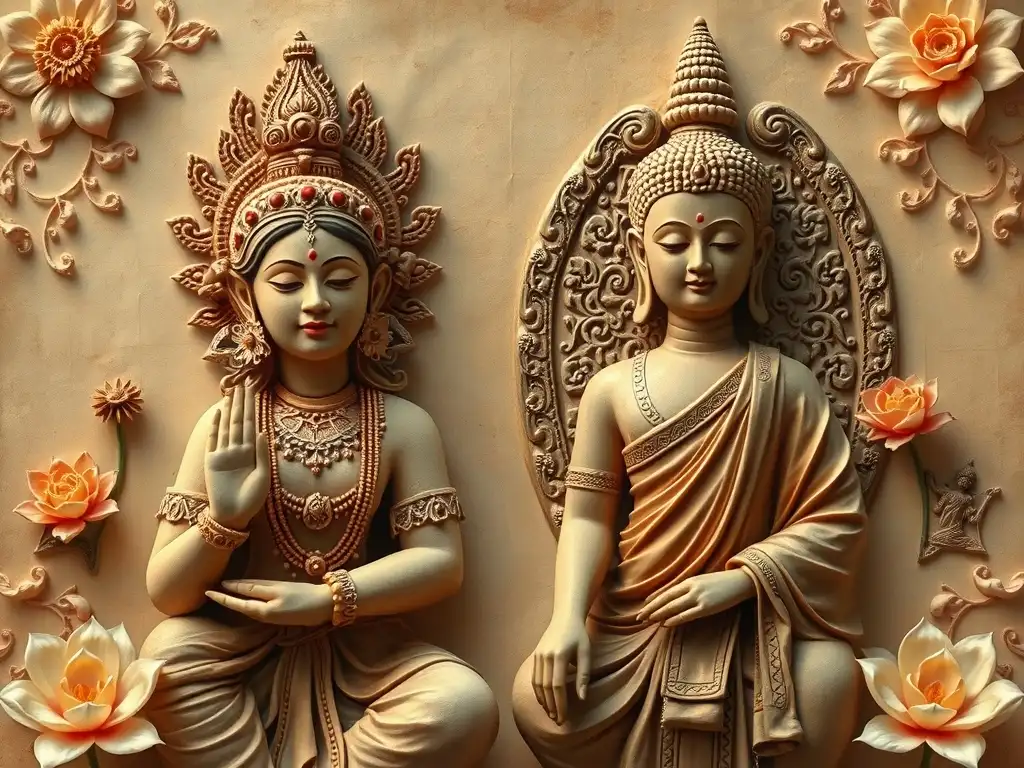
The comparison between Indian and Southeast Asian sculptural traditions reveals both striking similarities and notable differences. While the foundational elements of Indian sculpture provided a basis for artistic development in Southeast Asia, local interpretations and adaptations created unique traditions that reflect the diverse cultural landscapes of the region.
Similarities in Artistic Techniques
One of the most evident similarities lies in the artistic techniques employed by sculptors across both regions. Both Indian and Southeast Asian sculptors utilized similar materials, including stone and bronze, and shared techniques such as carving, casting, and relief work. The emphasis on intricate detailing and the representation of movement and expression in sculptures are hallmarks of both traditions.
Additionally, the use of iconography as a means of storytelling is prevalent in both Indian and Southeast Asian sculptures. Deities, myths, and historical events are depicted in a manner that not only serves religious purposes but also educates and engages viewers, making the art form a vital aspect of cultural expression.
Differences in Cultural Interpretations
Despite these similarities, the cultural interpretations of sculptures differ significantly. Indian sculpture often adheres to strict iconographic conventions and religious doctrines, while Southeast Asian interpretations may incorporate local beliefs and narratives, resulting in a more fluid and diverse artistic expression. For instance, while Indian sculptures of deities are often characterized by specific attributes and postures, Southeast Asian representations might emphasize local cultural symbols and storytelling elements that resonate more closely with indigenous audiences.
Furthermore, the societal role of sculpture varies between the two regions. In India, sculptures often serve as sacred objects within temples, whereas in Southeast Asia, they may function as both religious icons and public art, reflecting the community's identity and values.
Evolution of Styles Over Time
The evolution of sculptural styles in both Indian and Southeast Asian contexts showcases the adaptability and resilience of artistic traditions. Over time, Indian sculpture experienced various transformations influenced by regional styles, historical events, and cultural exchanges, particularly during the Gupta period, known for its classical art forms.
In Southeast Asia, the evolution of styles can be observed through the transition from early Indian-influenced art to the emergence of distinctly local styles that reflect a synthesis of various cultural influences. For instance, the artistic styles of the Srivijaya and Majapahit empires in Indonesia exhibit a blend of Indian, indigenous, and Islamic elements, illustrating the ongoing dialogue between cultures.
This dynamic evolution highlights the enduring impact of Indian sculpture on Southeast Asian traditions, as it not only laid the groundwork for artistic development but also fostered a continuous exchange of ideas and styles that enriched both regions' artistic heritage.
Contemporary Reflections of Indian Sculptural Influence
Contemporary Southeast Asian art is significantly influenced by Indian sculpture, with many modern artists drawing from historical motifs, themes, and techniques established by ancient Indian artisans. This influence is evident in the choice of subject matter, which often reflects Hindu and Buddhist iconography, and in the stylistic approaches that echo the intricate detailing characteristic of Indian sculptures. Artists today incorporate elements such as the use of vibrant colors, dynamic poses, and symbolic representations that have their roots in Indian traditions.
As Southeast Asian nations thrive in a globalized art market, the interpretation of Indian sculptural forms has evolved. Contemporary reflections often blend traditional Indian styles with local narratives, creating a unique hybrid that respects historical influences while addressing modern themes. This adaptability of Indian sculpture in contemporary art demonstrates its enduring relevance and the capacity for cultural dialogue across borders.
Modern Artists Inspired by Indian Sculpture
Several prominent modern artists from Southeast Asia have explicitly acknowledged the influence of Indian sculpture in their work. For example, Indonesian artist Nyoman Nuarta creates large-scale sculptures that reference both Balinese and Indian mythologies, often exploring themes of spirituality and nature. Similarly, Thai artist Rirkrit Tiravanija incorporates aspects of Indian design in his installations, merging traditional sculptural elements with contemporary practices.
These artists not only celebrate the aesthetic qualities of Indian sculpture but also engage with its philosophical underpinnings. By reinterpreting ancient forms, they invite viewers to reflect on the interconnectedness of cultural identities and the shared heritage that informs their artistic expressions.
Preservation of Traditional Techniques in Southeast Asia
In various regions of Southeast Asia, traditional sculptural techniques derived from Indian practices are being preserved and adapted. Artisans in countries like Cambodia and Thailand maintain age-old methods of stone carving, metalwork, and wood sculpting, which were introduced through Indian cultural exchanges. These techniques are often passed down through generations, ensuring that the craftsmanship associated with Indian sculpture continues to thrive.
Moreover, workshops and cultural programs aimed at preserving these traditional methods are increasingly becoming popular. For instance, in Cambodia, the restoration of Angkor Wat has not only focused on maintaining the historical integrity of the site but also on training a new generation of artisans in ancient carving techniques. Such initiatives highlight the importance of sustaining traditional practices that have been shaped by Indian influence.
The Impact of Globalization on Local Art Forms
Globalization has accelerated the exchange of ideas and artistic practices across borders, leading to a fusion of local and global art forms. In Southeast Asia, this phenomenon has resulted in a re-examination of traditional Indian sculptural influences, as artists seek to integrate them with contemporary global trends. The advent of digital media and international exhibitions has enabled Southeast Asian artists to showcase their works on a global platform, attracting new audiences and collectors.
However, the challenge lies in maintaining the authenticity of traditional art forms while embracing modern techniques and styles. As artists navigate this delicate balance, they often draw inspiration from Indian sculpture, incorporating its rich narrative and symbolic depth into contemporary contexts. This interplay enriches the local art scene and reinforces the relevance of Indian sculptural traditions in today's artistic landscape.
Conclusion
Summary of Key Points on Indian Sculpture's Influence
The influence of Indian sculpture on Southeast Asian artistic traditions is profound and multifaceted. From historical exchanges during ancient trade routes to contemporary adaptations, Indian sculptural styles have left an indelible mark on the region's art. Key points include:
- The enduring inspiration found in Hindu and Buddhist iconography.
- The role of modern artists in reinterpreting traditional motifs.
- The preservation of ancient techniques by local artisans.
- The impact of globalization in shaping contemporary practices while honoring historical roots.
The Continuing Legacy of Indian Artistic Traditions in Southeast Asia
The legacy of Indian artistic traditions continues to thrive in Southeast Asia, as evidenced by the ongoing interest in Indian sculpture among contemporary artists and the public's appreciation for traditional craftsmanship. Cultural festivals, art exhibitions, and educational programs emphasize this connection, fostering a renewed interest in the historical ties between India and Southeast Asia.
As these artistic traditions evolve, they serve as a reminder of the shared cultural heritage that enriches both regions. The continuing legacy of Indian sculpture not only reflects historical influences but also inspires future generations to explore and innovate within this rich artistic framework.
Final Thoughts on Cultural Exchange and Artistic Growth
The cultural exchange between India and Southeast Asia has profoundly influenced artistic growth in the region. Indian sculpture, with its intricate designs and spiritual significance, has become a source of inspiration and a foundation for contemporary artistic expressions. As Southeast Asian artists navigate the complexities of modernity and tradition, they remain deeply connected to the sculptural heritage that has shaped their cultural identities.
The dynamic interplay of influences fosters an environment of creativity and innovation, highlighting the importance of cultural exchange in shaping artistic landscapes. Embracing this legacy while exploring new frontiers will ensure that the impact of Indian sculpture continues to resonate in Southeast Asia for generations to come.
- Introduction to Indian Sculpture and Its Significance
- Overview of Indian Sculpture
- Importance of Sculpture in Indian Culture
- Historical Context of Indian Artistic Traditions
- The Spread of Indian Sculpture to Southeast Asia
- Characteristics of Indian Sculpture Influencing Southeast Asian Art
- Common Themes and Motifs in Indian Sculpture
- Techniques and Materials Used in Indian Sculpture
- Iconography and Symbolism in Indian Artistic Expression
- Case Studies of Indian Sculpture in Southeast Asia
- The Role of Religion in Sculptural Influence
- Comparison of Indian and Southeast Asian Sculptural Traditions
- Contemporary Reflections of Indian Sculptural Influence
- Conclusion
- What is the significance of Indian sculpture in Southeast Asia?
- How did Indian sculpture reach Southeast Asia?
- What are some key features of Indian sculpture that influenced Southeast Asia?
- Which Southeast Asian countries were most influenced by Indian sculpture?
- How does modern Southeast Asian art reflect its Indian sculptural roots?
Frequently Asked Questions
What is the significance of Indian sculpture in Southeast Asia?
Indian sculpture has a profound influence on Southeast Asian artistic traditions, serving as a foundation for the region's artistic development. It introduced distinct styles and themes that were adapted to local cultures.
How did Indian sculpture reach Southeast Asia?
The spread of Indian sculpture to Southeast Asia was primarily facilitated by trade routes and the movement of Buddhist and Hindu missionaries. This cultural exchange allowed for the assimilation of Indian artistic techniques and motifs.
What are some key features of Indian sculpture that influenced Southeast Asia?
Key features include intricate carvings, mythological themes, and the depiction of deities. These elements were adapted in Southeast Asian sculptures, showcasing a blend of local traditions with Indian artistic principles.
Which Southeast Asian countries were most influenced by Indian sculpture?
Countries like Indonesia, Thailand, and Cambodia exhibit significant Indian sculptural influences, particularly in their temple architecture and statues of deities that reflect Indian styles.
How does modern Southeast Asian art reflect its Indian sculptural roots?
Modern Southeast Asian art continues to draw inspiration from its Indian sculptural heritage, often incorporating traditional motifs and techniques while blending them with contemporary styles, showcasing a dynamic cultural dialogue.
Final Reflection: The Enduring Legacy of Indian Sculpture in Southeast Asia
The influence of Indian sculpture on Southeast Asian artistic traditions is not just a historical footnote; it is a vibrant thread woven into the cultural fabric of the region today. As we explore the intricate carvings and monumental statues that dot the landscapes of Southeast Asia, we recognize that these artistic expressions are a testament to centuries of cross-cultural exchange and adaptation. The legacy of Indian sculpture continues to resonate, shaping contemporary art forms and inspiring new generations of artists across the region.
The impact of Indian sculpture has transcended time, evolving into a unique blend of local traditions and Indian aesthetics that define Southeast Asian art. This ongoing dialogue between cultures has fostered a rich artistic heritage that reflects the shared histories and values of the peoples involved. As noted by art historian John Guy, “The art of Southeast Asia is a living testament to the dynamic interplay of cultures, where influences are not merely borrowed but transformed into something distinctly new.” This transformation highlights the importance of understanding our artistic roots and the ways in which they inform our present.
As we reflect on the profound influence of Indian sculpture in Southeast Asia, let us consider how we can embrace and celebrate this rich heritage in our own lives. Take a moment to appreciate the art around you, whether it be in the form of traditional sculptures or modern interpretations that draw from this legacy.
Engage with your local artistic community, support cultural exchanges, and strive to understand the histories that shape our world. By doing so, we not only honor the past but also contribute to the ongoing narrative of creativity and connection that defines our shared human experience.
Unveil the Legacy of Indian Sculpture Today!
Thank you for taking the time to explore the fascinating influence of Indian sculpture on Southeast Asian artistic traditions. Your curiosity has uncovered the rich cultural tapestry woven through centuries of artistry. Now, it's time to take that inspiration further!
Here are some ways you can deepen your engagement with this vibrant legacy:
- Explore local museums or galleries showcasing Southeast Asian art to witness this influence firsthand.
- Share your newfound knowledge by discussing it with friends or family—spread the beauty of these traditions!
- Join an online forum or social media group dedicated to the study of Southeast Asian art to connect with like-minded enthusiasts.
What aspect of Indian sculpture's impact on Southeast Asian art intrigues you the most? Let’s start a conversation in the comments below!