
The Rich Tapestry of Indian Influence in Southeast Asian Folk Traditions

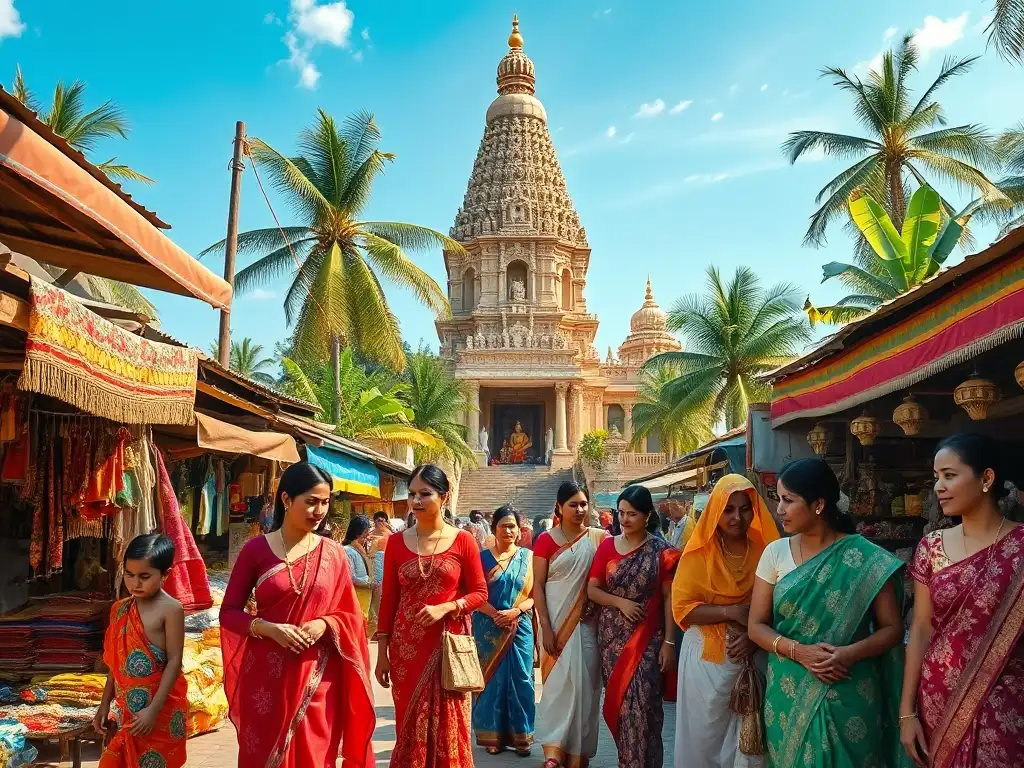
Welcome to Ancient India History, where we embark on a fascinating journey through the rich and diverse tapestry of ancient Indian civilizations. From the enigmatic ruins of the Indus Valley to the illustrious Gupta Empire, the echoes of India's past resonate through time and space.
In our featured article, “The Rich Tapestry of Indian Influence in Southeast Asian Folk Traditions,” we delve into the profound impact of Indian culture on Southeast Asia, uncovering the threads of influence that connect these vibrant regions. Prepare to be captivated as we explore how ancient traditions and exchanges shaped the cultural landscape of Southeast Asia, inviting you to discover more about this intriguing relationship.

Introduction to Indian Influence on Southeast Asia
The intricate and multifaceted relationship between ancient Indian civilizations and Southeast Asia is a testament to the profound influence that culture, trade, and religion can have across regions. This article aims to explore the rich tapestry of Indian influence on Southeast Asia, particularly in the realm of folk traditions.
From the early interactions along trade routes to the establishment of cultural practices that resonate in contemporary Southeast Asian societies, the legacy of Indian civilization is deeply woven into the region's cultural fabric. This influence encompasses a broad spectrum of elements including language, art, mythology, and religious practices, each contributing to the unique identity of Southeast Asian cultures.
Overview of Cultural Exchanges
The cultural exchanges between India and Southeast Asia date back to ancient times, driven primarily by trade and maritime navigation. The flow of goods, ideas, and beliefs created a dynamic interplay that enriched both regions. Key aspects of this cultural exchange include:
- Trade Networks: Indian merchants established extensive trade routes that facilitated the exchange of not only commodities but also cultural practices and ideologies.
- Religious Influences: The introduction of Hinduism and Buddhism played a significant role in shaping regional beliefs, leading to the creation of temples and the adoption of Indian artistic styles.
This vibrant exchange set the stage for the blending of Indian and local traditions, resulting in a distinctive Southeast Asian identity that still thrives today.
Significance of Indian Influence on Southeast Asian Folk Traditions
The significance of Indian influence on Southeast Asian folk traditions is multi-dimensional, impacting various aspects of daily life and cultural expression. Key points of significance include:
- Art and Architecture: Indian motifs and architectural styles are evident in ancient temples across Southeast Asia, such as the Angkor Wat in Cambodia and the Prambanan in Indonesia.
- Language and Literature: The introduction of Sanskrit and Pali enriched local languages, leading to a wealth of literary traditions that reflect Indian epics and philosophy.
- Festivals and Rituals: Many folk traditions, including harvest festivals and religious ceremonies, showcase Indian influences in their themes and practices, often incorporating Hindu and Buddhist elements.
This cultural amalgamation has not only preserved ancient traditions but also fostered a sense of continuity and identity among Southeast Asian peoples.
Historical Context of Indian Influence
Early Trade Routes and Cultural Interactions
The early trade routes between India and Southeast Asia were pivotal in facilitating cultural interactions. Merchants traveled across the Indian Ocean, establishing ports and trading hubs that became melting pots of cultural exchange. The maritime silk route allowed for the movement of not just goods, but also ideas and traditions.
- Ports of Trade: Key ports like Funan, Srivijaya, and Majapahit became important centers for the exchange of commodities like spices, textiles, and precious stones, alongside cultural practices and beliefs.
- Cultural Synthesis: As traders interacted with local populations, a synthesis of Indian and indigenous traditions began to emerge, leading to the evolution of distinct cultural practices that reflected this dual heritage.
The Role of Indian Merchants and Scholars
Indian merchants and scholars played a crucial role in disseminating Indian culture across Southeast Asia. Their contributions can be summarized as follows:
- Cultural Ambassadors: Merchants acted as cultural ambassadors, bringing with them not only goods but also religious texts, art forms, and philosophical ideas.
- Establishment of Educational Centers: Indian scholars established institutions that became centers of learning, where local elites were educated in Indian sciences, mathematics, and philosophy.
This exchange of knowledge and culture laid the groundwork for the rich traditions that characterize Southeast Asia today, illustrating the enduring impact of Indian civilization on the region.
Key Elements of Indian Influence in Southeast Asian Folk Traditions
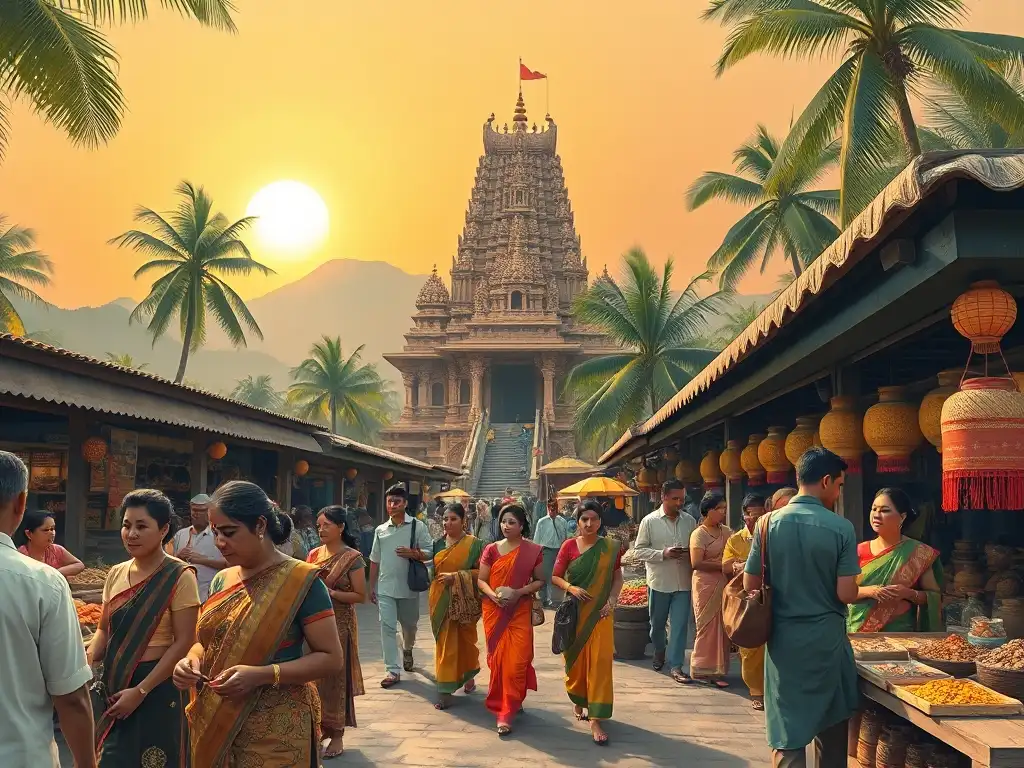
The influence of Indian culture on Southeast Asia is a profound testament to the interconnectedness of ancient civilizations. This influence can be discerned through the amalgamation of various key elements, including religion and spiritual practices, art and architecture, as well as language and literature. Each of these aspects has woven a rich tapestry of cultural exchanges that have significantly shaped the folk traditions of Southeast Asian societies.
Religion and Spiritual Practices
Indian religion, particularly Hinduism and Buddhism, has profoundly impacted the spiritual landscape of Southeast Asia. The early maritime trade routes facilitated the dissemination of these religions, leading to the establishment of Hindu and Buddhist kingdoms across the region.
- Hinduism: The arrival of Hinduism is evident in many Southeast Asian cultures, where deities such as Shiva and Vishnu were embraced, leading to the construction of magnificent temples. For instance, the Prambanan Temple in Indonesia showcases intricate carvings that depict Hindu epics like the Ramayana.
- Buddhism: Similarly, Buddhism spread through the region, influencing local beliefs and practices. The Srivijaya Empire, centered in Sumatra, became a significant Buddhist hub, promoting the religion's teachings and practices across the Malay Archipelago.
The integration of Indian spiritual practices can also be seen in various festivals, rituals, and folk practices, which often blend local traditions with Indian influences, resulting in unique cultural expressions.
Art and Architecture
The artistic expressions of Southeast Asia owe much to Indian influence, particularly in the realms of sculpture, painting, and architecture.
- Sculpture: Indian-inspired sculptures often feature religious figures and motifs, reflecting the syncretism of local and Indian styles. The Angkor Wat temple complex in Cambodia is a prime example, showcasing intricate bas-reliefs that narrate Hindu mythology.
- Architecture: The architectural styles introduced by Indian traders and monks led to the construction of grand temples and stupas. The Borobudur Temple in Indonesia, a UNESCO World Heritage site, is a monumental example of Buddhist architecture that incorporates Indian design principles.
This artistic and architectural heritage not only serves religious purposes but also reflects the socio-political dynamics of the time, illustrating the power and prestige of the kingdoms that embraced Indian influences.
Language and Literature
The languages of Southeast Asia have been significantly enriched by Indian linguistic elements, primarily through the introduction of Sanskrit and Pali.
- Sanskrit Influence: Many Southeast Asian languages adopted Sanskrit vocabulary, especially in religious, legal, and literary contexts. For instance, terms related to governance and literature in languages like Indonesian and Malay can be traced back to Sanskrit origins.
- Literature: Indian epic narratives, such as the Mahabharata and Ramayana, have been adapted into local languages, leading to the creation of unique literary forms and performances. The Wayang Kulit shadow puppetry in Indonesia, which narrates these epics, exemplifies the fusion of Indian stories with local storytelling traditions.
This linguistic and literary exchange has not only preserved Indian narratives but has also allowed for their transformation and localization within Southeast Asian cultures.
Case Studies of Indian Influence in Specific Southeast Asian Cultures
Indian Influence in Indonesian Folk Traditions
In Indonesia, Indian influence is prominently reflected in the island's diverse folk traditions. The introduction of Hinduism and Buddhism during the early centuries has resulted in a blend of religious practices and local customs.
- Ceremonial Practices: Many Indonesian ceremonies, such as the Galungan festival, echo Hindu beliefs about the cyclical nature of life, drawing from Indian cosmology.
- Performing Arts: Traditional dance forms, like the Balinese Kecak, integrate stories from the Ramayana, showcasing the adaptation of Indian narratives into local performance traditions.
Indian Influence in Thai Culture
Thailand's cultural landscape bears significant Indian influence, particularly through its adoption of Hindu and Buddhist elements.
- Religious Iconography: The Thai pantheon includes deities like Brahma and Vishnu, and Hindu myths can be seen in the architecture of temples, such as the Erawan Shrine in Bangkok.
- Literature and Drama: The Ramayana, known as Ramakien in Thai, has been adapted into local theatrical performances, retaining its Indian origins while embracing Thai artistic expressions.
Indian Influence in Cambodian Traditions
Cambodia, with its rich history, showcases the deep-rooted influence of Indian culture, especially through the Khmer Empire's embrace of Hinduism and Buddhism.
- Temples and Architecture: The Angkor Wat temple complex, originally dedicated to Vishnu, reflects the architectural grandeur influenced by Indian designs, serving as a testament to the cultural exchanges between the two regions.
- Folklore and Festivals: Cambodian folklore often incorporates Indian epics, with festivals such as Bon Om Touk celebrating the annual boat races, rooted in the agricultural calendar, echoing Hindu cosmological cycles.
The Indian influence in Cambodian traditions is evident in the cultural practices that blend local beliefs with Indian philosophies, creating a unique cultural identity.
Modern Reflections of Indian Influence
The Indian influence on Southeast Asia has endured through the centuries, manifesting in various modern reflections of cultural practices, beliefs, and traditions. This influence is evident in the realms of language, religion, art, and social customs. Many Southeast Asian countries, such as Indonesia, Malaysia, and Thailand, continue to embrace elements of Indian culture, which have been integrated into their local contexts. The popularity of Indian festivals like Diwali and the celebration of Hindu and Buddhist rituals highlight the deep-rooted connections that persist today.
Moreover, the spread of Indian philosophy and spirituality remains significant in contemporary Southeast Asia. Yoga and meditation, originating from Indian traditions, are widely practiced and have gained immense popularity across the region. This adaptation of Indian spiritual practices showcases the ongoing resonance of ancient Indian thought in modern Southeast Asian lifestyles.
Contemporary Folk Traditions
Contemporary folk traditions in Southeast Asia often reflect the historical Indian influence through various art forms, music, and dance. Traditional performances, such as Wayang Kulit in Indonesia and Khon in Thailand, draw upon Indian epics like the Ramayana and Mahabharata. These performances not only preserve ancient narratives but also blend local elements, creating a unique cultural tapestry.
In addition to theatrical arts, Indian influence is prominent in traditional music styles across Southeast Asia. Instruments such as the tabla and sitar have found their way into local music genres, facilitating a harmonious blend of sounds that resonate with the region's rich heritage. Festivals celebrating these folk traditions often showcase intricate costumes and vibrant dances, further emphasizing the Indian impact on Southeast Asian cultural expressions.
The Role of Indian Diaspora in Cultural Exchange
The Indian diaspora has played a pivotal role in fostering cultural exchange between India and Southeast Asia. As Indian communities established themselves in various Southeast Asian nations, they brought with them their customs, languages, and traditions. This transnational movement has led to the assimilation and adaptation of Indian cultural practices within local contexts.
The Indian diaspora also acts as a bridge, facilitating deeper cultural interactions through trade, education, and community events. Cultural festivals, culinary exchanges, and interfaith dialogues often highlight the shared heritage and values between Indian and Southeast Asian communities, reinforcing the enduring ties that continue to evolve.
Conclusion: The Enduring Legacy of Indian Influence on Southeast Asia
The enduring legacy of Indian influence on Southeast Asia is a testament to the profound cultural exchanges that have shaped the region's identity. From ancient trade routes to contemporary interactions, this influence is woven into the fabric of Southeast Asian societies, enriching their cultural landscapes.
Summary of Key Points
- Indian influence in Southeast Asia is reflected in modern practices, languages, and social customs.
- Contemporary folk traditions, including music and dance, showcase the integration of Indian narratives and art forms.
- The Indian diaspora has been instrumental in maintaining and promoting cultural exchanges, fostering deeper connections between communities.
Future Directions for Research and Exploration
Future research on the Indian influence in Southeast Asia could explore the dynamics of cultural exchange in the context of globalization. Investigating how modern technology impacts the preservation and evolution of traditional practices would provide insights into contemporary cultural identities. Additionally, examining the role of education in promoting awareness and appreciation of this shared heritage can foster greater understanding among younger generations. Exploring these dimensions will further enrich the narrative of Indian influence on Southeast Asia, ensuring its continued relevance in a rapidly changing world.
- Introduction to Indian Influence on Southeast Asia
- Overview of Cultural Exchanges
- Significance of Indian Influence on Southeast Asian Folk Traditions
- Historical Context of Indian Influence
- Key Elements of Indian Influence in Southeast Asian Folk Traditions
- Case Studies of Indian Influence in Specific Southeast Asian Cultures
- Modern Reflections of Indian Influence
- Conclusion: The Enduring Legacy of Indian Influence on Southeast Asia
- What is the significance of Indian influence on Southeast Asia?
- Which Indian religions impacted Southeast Asian cultures?
- How did trade contribute to Indian influence in Southeast Asia?
- What are some examples of Indian influence in Southeast Asian art?
- How did the Gupta Empire contribute to this influence?
Frequently Asked Questions
What is the significance of Indian influence on Southeast Asia?
The Indian influence on Southeast Asia is significant as it shaped cultural, religious, and trade practices across the region, leading to a rich exchange of ideas and traditions.
Which Indian religions impacted Southeast Asian cultures?
Hinduism and Buddhism were the primary Indian religions that spread to Southeast Asia, influencing local belief systems, art, and architecture.
How did trade contribute to Indian influence in Southeast Asia?
Trade routes facilitated the exchange of goods and ideas, enabling Indian culture to permeate Southeast Asian societies, thus enriching their folk traditions and practices.
What are some examples of Indian influence in Southeast Asian art?
Many Southeast Asian art forms, such as temple architecture and sculpture, exhibit Indian motifs and styles, particularly in the portrayal of Hindu deities and Buddhist imagery.
How did the Gupta Empire contribute to this influence?
The Gupta Empire was pivotal in promoting cultural exchanges through trade and diplomacy, further enhancing the spread of Indian arts, sciences, and literature throughout Southeast Asia.
Final Reflection: The Enduring Legacy of Indian Influence in Southeast Asia
The intricate threads of Indian influence on Southeast Asia are woven deeply into the region's folk traditions, showcasing a vibrant cultural exchange that remains relevant today. As we navigate an increasingly globalized world, the historical connections between India and Southeast Asia remind us of the power of cultural dialogue and the shared heritage that transcends borders. This enduring legacy not only enriches the cultural landscape but also serves as a testament to the resilience and adaptability of traditions over time.
Culturally, the impact of Indian influence on Southeast Asia is profound and multifaceted, shaping everything from art and music to religious practices and social customs. The echoes of this exchange can be felt in the rhythms of traditional dances, the narratives of folklore, and the spiritual beliefs that continue to thrive in the region. As the scholar R. S. Sharma aptly noted, Cultural exchanges are not merely historical events; they are living processes that shape identities and foster connections.
This observation underscores the ongoing relevance of Indian influence, which continues to inspire and inform contemporary Southeast Asian identities.
As we reflect on this rich tapestry of cultural interweaving, I invite you to consider how these influences resonate in your own life. Take a moment to explore the traditions and stories that have shaped your identity, recognizing the threads of influence that connect us all. Whether through music, dance, or storytelling, let us celebrate the shared heritage that binds us and commit to fostering a deeper understanding of the diverse cultures that enrich our world. Embrace the lessons of the past and carry them forward into a future where cultural appreciation and exchange thrive.
Unveil the Cultural Connect: Take Action Today!
Thank you for diving into the rich tapestry of Indian influence on Southeast Asian folk traditions with us! Your interest in this fascinating intersection of cultures reveals the beauty of our shared history. Now that you've explored these vibrant connections, it's time to deepen your engagement.
Here are a few actionable steps you can take:
- Join Our Community: Connect with fellow enthusiasts by signing up for our newsletter. Stay informed about the latest articles and discussions regarding the cultural impacts that surround us.
- Share What You've Learned: Spread the knowledge! Share this article with friends or on social media to inspire others to appreciate the fusion of traditions.
- Explore Further: Attend local cultural events or exhibitions that showcase Southeast Asian art and folklore, and take a moment to reflect on the Indian influences you encounter there.
What aspect of Indian influence in Southeast Asian traditions intrigues you the most, and how might it reshape your understanding of cultural exchanges?