
The Interactions Between Ancient India and the Kingdoms of Southeast Asia

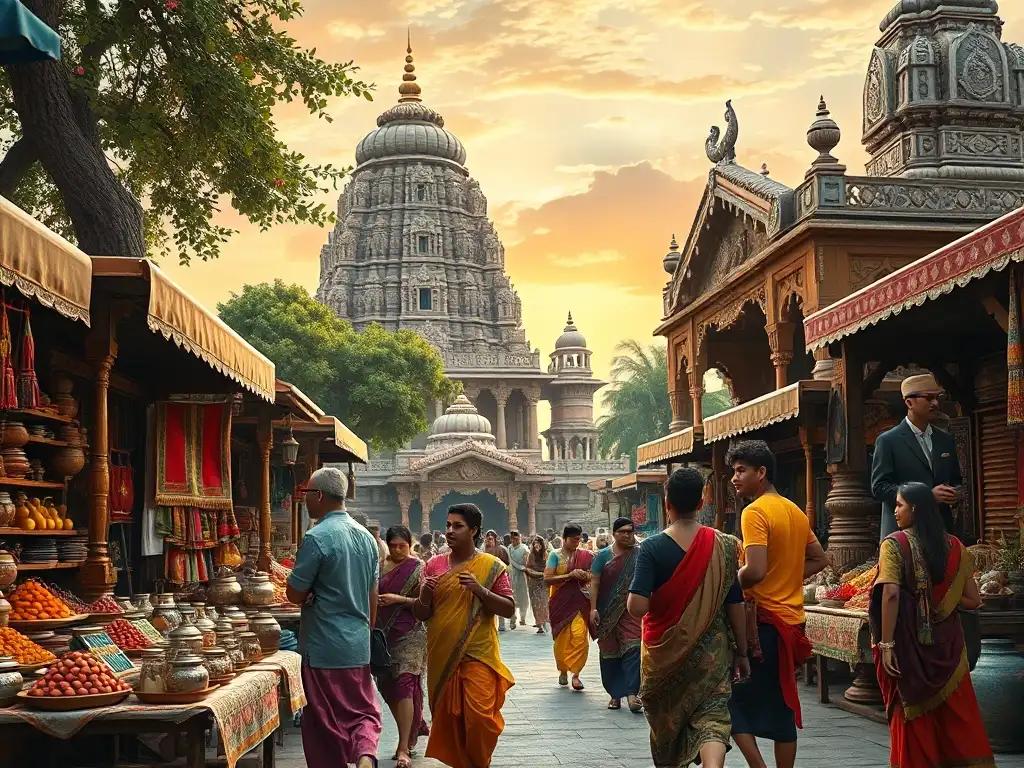
Welcome to Ancient India History, where we embark on a fascinating journey through the rich tapestry of ancient Indian civilizations. Here, we delve into the profound interactions between Ancient India and the Kingdoms of Southeast Asia, exploring how trade, culture, and ideas flowed across regions, leaving an indelible mark on both realms. As you navigate through our carefully curated content, prepare to uncover the intricate web of cultural exchanges that shaped societies and transformed histories.
What surprises await you in the depths of this historical connection? Join us as we unravel the stories that connect these vibrant cultures, inviting you to explore further.
Introduction to Ancient India and Southeast Asia Interactions
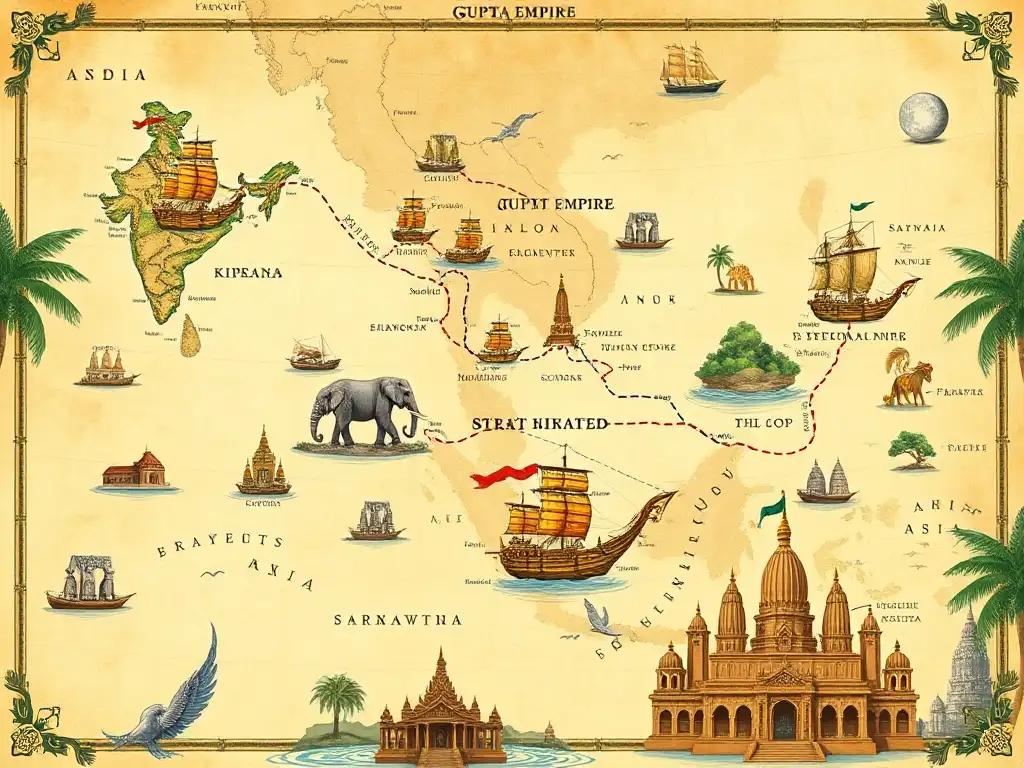
The historical interactions between ancient India and the kingdoms of Southeast Asia represent a fascinating tapestry of cultural, economic, and political exchanges that shaped the development of both regions. Spanning centuries, these interactions facilitated not only trade but also the dissemination of ideas, religions, and technologies. Ancient India, with its rich heritage and advanced civilization, became a significant influencer in Southeast Asia, where local kingdoms absorbed and adapted various aspects of Indian culture. This article delves into the intricate relationships formed between these ancient civilizations, highlighting their mutual influences and the lasting legacies that emerged from their interactions.
Overview of Ancient Indian Civilizations
Ancient India was a cradle of civilization, home to several powerful kingdoms and empires, such as the Maurya and Gupta Empires. These societies were marked by remarkable advancements in various fields, including mathematics, astronomy, philosophy, and art. The Indus Valley Civilization, one of the earliest urban cultures, laid the foundation for future developments, while later dynasties expanded trade networks that reached far beyond the subcontinent.
- Key Contributions:
- Development of the decimal system and zero.
- Flourishing of Buddhism and Hinduism.
- Rich traditions in literature and art.
Significance of Southeast Asia in Ancient Trade Routes
Southeast Asia's strategic location along critical maritime trade routes made it a hub for commerce and cultural exchange between India and other regions such as China and the Middle East. The region's islands and peninsulas facilitated the movement of goods, ideas, and people, allowing for a vibrant exchange that significantly impacted both regions.
- Trade Goods:
- Spices, such as pepper and cloves.
- Textiles, particularly silks and cotton.
- Precious metals and gems.
Historical Context of Ancient India Southeast Asia Interactions
Understanding the historical context of interactions between ancient India and Southeast Asia requires an examination of key events and exchanges that defined this relationship. The movement of traders, missionaries, and diplomats played a crucial role in establishing connections that would endure for centuries.
Timeline of Key Interactions
- 1st Century CE: The establishment of maritime trade routes connecting India to Southeast Asia.
- 3rd Century CE: The spread of Buddhism into Southeast Asia, facilitated by Indian traders and monks.
- 7th Century CE: The rise of the Srivijaya Empire, which became a significant center for trade and cultural exchange, influenced by Indian culture.
- 11th Century CE: The expansion of Hindu and Buddhist influences in the region, as evidenced by the construction of monumental temples.
Major Ancient Indian Kingdoms Involved
Several ancient Indian kingdoms played pivotal roles in fostering interactions with Southeast Asia. The Maurya Empire, known for its unity and extensive trade networks, and the Gupta Empire, recognized for its cultural and scientific advancements, were particularly influential.
- Key Kingdoms:
- Maurya Empire: Promoted trade and the spread of Buddhism.
- Gupta Empire: Facilitated cultural exchanges and technological innovations.
- Chola Dynasty: Engaged in maritime trade and established influence over Southeast Asian territories.
These interactions laid the groundwork for a rich exchange of culture and ideas that would leave a lasting impact on the societies of both ancient India and Southeast Asia.
Cultural Exchange Between Ancient India and Southeast Asia
The cultural exchange between ancient India and the kingdoms of Southeast Asia laid the groundwork for profound transformations in the latter's social, religious, and artistic landscapes. This interaction fostered a flow of ideas, customs, and beliefs that transcended geographical boundaries, enriching both regions.
Indian merchants, travelers, and scholars traveled to Southeast Asia, bringing with them a wealth of cultural practices. The establishment of Indianized kingdoms, such as Srivijaya and Funan, facilitated the dissemination of Indian culture. The adoption of Sanskrit as a literary and administrative language in these regions exemplifies this cultural assimilation. Moreover, the influence of Indian epics, such as the Ramayana and Mahabharata, is evident in local literature and performance arts, which have adapted these narratives to reflect regional contexts.
The impact of Indian culture also extended to social structures, where concepts of kingship, governance, and social hierarchy were influenced by Indian models. This resulted in the emergence of Hindu and Buddhist states across Southeast Asia, which integrated Indian philosophies and practices into their own traditions, creating a unique cultural tapestry.
Influence of Indian Religions in Southeast Asia
Indian religions, particularly Hinduism and Buddhism, have had a significant impact on the spiritual landscape of Southeast Asia. The introduction of these religions occurred through trade routes and cultural exchanges, leading to their widespread adoption in various kingdoms, including Java, Bali, and the Khmer Empire.
Hinduism, with its pantheon of gods and rich rituals, found a prominent place in the courts of Southeast Asian kings, who often identified themselves as earthly manifestations of divine authority. Temples such as Angkor Wat in Cambodia showcase the grandeur of Hindu architecture and serve as a testament to this influence.
Buddhism, introduced later, became the dominant faith in regions like Thailand and Myanmar. The establishment of Buddhist stupas and monasteries reflects the deep-rooted influence of Indian monastic traditions. Iconographic representations in Southeast Asia often depict Indian motifs and figures, illustrating the synthesis of local and Indian religious practices.
Artistic and Architectural Influences
The artistic and architectural influences of ancient India can be observed throughout Southeast Asia, where the fusion of styles created remarkable structures and artworks. Indian artisans and architects introduced sophisticated techniques that blended with local traditions, leading to the emergence of unique architectural forms.
For instance, the construction of stone temples in the Khmer Empire, characterized by intricate bas-reliefs and towering spires, drew heavily from Indian architectural principles. The use of sandstone and laterite, combined with the distinctive temple layouts found in India, resulted in monumental edifices, such as the famous Borobudur in Indonesia, which embodies Buddhist cosmology.
Artistic expressions, including sculpture and painting, were also influenced by Indian styles. The depiction of Hindu deities and Buddhist figures in Southeast Asian art often reflects Indian iconography, while local artisans infused their works with regional characteristics. This blend of artistic traditions not only enriched the visual culture of Southeast Asia but also reinforced the spiritual narratives that connected these regions to their Indian heritage.
Economic Interactions: Trade and Commerce
The economic interactions between ancient India and Southeast Asia were pivotal in shaping the trade networks that flourished in this era. The exchange of goods, ideas, and cultural practices facilitated mutual growth and laid the foundation for the prosperity of both regions.
Trade routes connecting India to Southeast Asia were crucial for the movement of commodities and cultural exchanges. These routes not only linked ports on the Indian subcontinent, such as Gujarat and Tamil Nadu, to key Southeast Asian locations like Sumatra, Java, and the Philippines but also facilitated the spread of ideas and technologies, further enhancing economic ties.
Trade Routes Between Ancient India and Southeast Asia
The primary trade routes that facilitated interactions between ancient India and Southeast Asia were maritime routes that connected the Indian Ocean with the South China Sea. Indian traders navigated these waters, utilizing monsoon winds to enhance their voyages and establish thriving trade networks.
The Strait of Malacca emerged as a vital chokepoint, serving as a conduit for Indian goods to reach Southeast Asian markets. Moreover, the ports of Srivijaya became significant hubs for the transshipment of goods, allowing for the exchange of spices, textiles, and precious metals.
These trade routes were not only instrumental in the exchange of goods but also served as channels for cultural and religious diffusion, as merchants often carried with them ideas and practices that influenced their Southeast Asian counterparts.
Key Commodities Exchanged
The trade between ancient India and Southeast Asia involved a variety of key commodities that were highly sought after. Indian merchants exported textiles, spices, gems, and metals, which were prized in Southeast Asian markets.
- Textiles: Cotton fabrics, silk, and intricate weavings were among the most sought-after commodities, often used in local ceremonies and royal attire.
- Spices: India was known for its rich assortment of spices, including black pepper, cardamom, and cloves, which were crucial for both culinary and medicinal purposes.
- Metals and Gems: Precious stones and metals, such as gold and silver, were traded extensively, often serving as a form of currency in transactions.
In return, Southeast Asia provided valuable resources such as timber, exotic woods, and local spices that were not found in India. This reciprocal exchange of goods significantly contributed to the economic prosperity and cultural richness of both regions, establishing a pattern of interactions that would endure for centuries.
Political Relations and Alliances
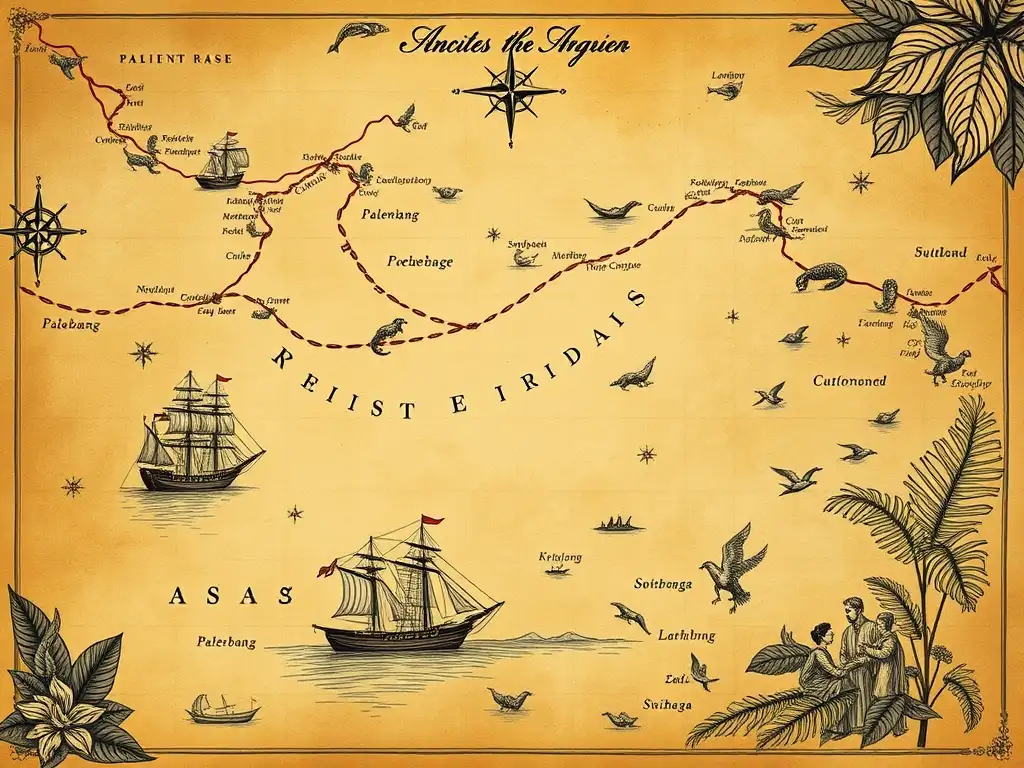
The political relations between ancient India and the kingdoms of Southeast Asia were characterized by a complex web of alliances, diplomacy, and mutual influence. The interactions were facilitated by maritime trade routes, which served as conduits not only for goods but also for ideas, culture, and political ideologies. Indian traders and emissaries played a crucial role in establishing and maintaining these relationships, leading to a significant exchange of political practices and concepts.
The Indian subcontinent's political frameworks and models of governance were often adapted by the ruling elites in Southeast Asia. This exchange was not merely transactional; it fostered a deeper understanding of governance, statecraft, and administrative systems, shaping the political landscapes of emerging Southeast Asian states.
Diplomatic Ties and Alliances
Diplomatic ties between ancient Indian states and Southeast Asian kingdoms were often formalized through marriages, treaties, and exchanges of envoys. Indian dynasties, such as the Mauryas and the Guptas, sought to establish alliances with Southeast Asian rulers to expand their influence and ensure trade routes were secure. Notably, the presence of Indian influence in states like Srivijaya and Funan illustrates the significance of these diplomatic relations.
Indian texts, particularly those related to statecraft like the Arthashastra, were disseminated across Southeast Asia, influencing local governance and military strategies. The establishment of Indian-style courts and administrative practices in regions such as Java and Sumatra indicates how these diplomatic ties were not only political but also cultural.
Influence of Indian Kings on Southeast Asian Kingdoms
Indian kings wielded considerable influence over the political dynamics of Southeast Asian kingdoms. The adoption of Hinduism and Buddhism as state religions in many Southeast Asian societies can be traced back to the patronage of Indian rulers, who sent missionaries and scholars to propagate these religions. The conversion of local rulers to Hinduism or Buddhism often solidified political alliances and fostered cultural integration.
Moreover, Indian rulers occasionally intervened in local conflicts, supporting one faction over another, which further entrenched their influence. This led to the emergence of dynasties in Southeast Asia that mirrored Indian political structures, including the establishment of royal lineages that claimed descent from Indian rulers, thereby legitimizing their authority through a connection to the revered Indian tradition.
Impact of Interactions on Southeast Asian Civilizations
The interactions between ancient India and Southeast Asia had profound effects on the development of Southeast Asian civilizations. These interactions influenced various aspects of society, including religion, culture, and governance, resulting in a unique blend of indigenous and Indian elements.
The Formation of Early States in Southeast Asia
The influx of Indian culture and political ideas contributed to the formation of early states in Southeast Asia. Kingdoms such as Srivijaya, Angkor, and Majapahit were heavily influenced by Indian models of governance, which facilitated the establishment of centralized political systems. The Indian concept of kingship, where the king was seen as a divine figure, was particularly significant in legitimizing authority and governance in these emerging states.
Trade routes that connected India to Southeast Asia also enabled the flow of ideas and technologies, aiding in state formation. The establishment of administrative systems, legal codes, and urban planning can be traced back to these interactions, highlighting the transformative impact of Indian influence on Southeast Asian political structures.
Adoption of Indian Political Systems and Governance
The adoption of Indian political systems and governance in Southeast Asia was marked by the integration of various Indian concepts into local practices. For instance, the Rajasuya ceremony, which was a royal consecration ritual, was adopted by Southeast Asian kings to reinforce their divine right to rule. Additionally, the bureaucratic structures that emerged in Southeast Asian kingdoms often mirrored those found in Indian states, with specialized administrative roles and a focus on centralized governance.
Cultural exchanges also extended to legal frameworks, with many Southeast Asian societies adopting elements of Indian law and governance. This led to the establishment of codified laws and administrative practices that fostered stability and order, paving the way for the flourishing of these civilizations.
The interactions between ancient India and Southeast Asia were multifaceted and transformative, influencing political relations, state formation, and governance structures across Southeast Asia. These enduring legacies continue to shape the region's cultural and political landscape.
Conclusion: Legacy of Ancient India Southeast Asia Interactions
The interactions between ancient India and the kingdoms of Southeast Asia have left an indelible mark on the cultural, religious, and intellectual landscapes of the region. These exchanges facilitated not only the transfer of goods and ideas but also the establishment of a lasting legacy that continues to shape contemporary societies. The enduring influence of Indian philosophies, art forms, and religious practices can be traced back to these early interactions, underscoring the significance of this historical relationship.
As the ancient Indian empires expanded their reach through trade and cultural diplomacy, they laid the groundwork for a complex web of connections that would ultimately lead to the establishment of several Indianized kingdoms in Southeast Asia. This profound legacy has contributed to a shared cultural heritage that binds the region together, fostering a sense of identity and continuity that persists to this day.
Lasting Effects on Modern Southeast Asian Cultures
The lasting effects of ancient India Southeast Asia interactions are evident in various aspects of modern Southeast Asian cultures. The most prominent influence can be seen in the realms of religion and philosophy.
- Hinduism and Buddhism: Both religions spread throughout Southeast Asia, resulting in the establishment of significant religious sites such as Angkor Wat in Cambodia and Borobudur in Indonesia. These monuments not only serve as places of worship but also as symbols of the intermingling of Indian and local traditions.
- Language and Literature: The Sanskrit language and its literary traditions significantly impacted local languages, leading to the adoption of numerous Sanskrit words and concepts in the vernacular. This linguistic influence is still observable in the literary and cultural frameworks of countries like Indonesia, Thailand, and Malaysia.
- Art and Architecture: Indian artistic styles, particularly in sculpture and temple architecture, have profoundly influenced the aesthetic expressions found in Southeast Asia. The intricate carvings and designs of ancient temples demonstrate syncretism, blending local styles with Indian motifs to create unique architectural identities.
- Political Systems: The establishment of Indianized kingdoms introduced new governance systems influenced by Indian political philosophy, which can still be seen in the hierarchical structures and administrative practices of modern Southeast Asian states.
Continued Relevance of Historical Interactions
The historical interactions between ancient India and Southeast Asia remain relevant today as they provide a framework for understanding contemporary cultural dynamics and geopolitical relationships.
- Cultural Diplomacy: Modern Southeast Asian nations continue to engage with Indian culture through festivals, exhibitions, and academic exchanges that celebrate their shared heritage. This cultural diplomacy fosters cooperation and unity among nations, reflecting the historical ties established centuries ago.
- Economic Collaborations: The trade routes established during ancient times have evolved into contemporary economic partnerships. The integration of economies through trade agreements and investments echoes the spirit of collaboration seen in the past, promoting mutual growth and development.
- Tourism: The historical sites that emerged from ancient India Southeast Asia interactions draw millions of tourists each year, contributing to local economies while also raising awareness of the region's rich cultural history. This tourism not only strengthens economic ties but also emphasizes the importance of preserving cultural heritage.
The interactions between ancient India and the kingdoms of Southeast Asia laid the foundation for a legacy that continues to resonate within modern cultures. The enduring effects of these historical exchanges illustrate the profound interconnectedness of civilizations and the ongoing relevance of understanding our shared past.
- Introduction to Ancient India and Southeast Asia Interactions
- Historical Context of Ancient India Southeast Asia Interactions
- Cultural Exchange Between Ancient India and Southeast Asia
- Economic Interactions: Trade and Commerce
- Political Relations and Alliances
- Impact of Interactions on Southeast Asian Civilizations
- Conclusion: Legacy of Ancient India Southeast Asia Interactions
- What were the key interactions between Ancient India and Southeast Asia?
- How did trade contribute to the relationship between Ancient India and Southeast Asia?
- What role did religion play in the interactions between Ancient India and Southeast Asia?
- How did the cultural exchanges impact the societies in Southeast Asia?
- What was the significance of the Gupta Empire in the context of these interactions?
Frequently Asked Questions
What were the key interactions between Ancient India and Southeast Asia?
The interactions included trade, cultural exchanges, and the spread of religions like Hinduism and Buddhism, which significantly influenced the regions.
How did trade contribute to the relationship between Ancient India and Southeast Asia?
Trade facilitated the exchange of goods such as spices, textiles, and precious stones, which strengthened economic ties and cultural connections between the regions.
What role did religion play in the interactions between Ancient India and Southeast Asia?
Religions such as Buddhism and Hinduism spread through missionary activities and trade, leading to significant cultural and spiritual influences on Southeast Asian societies.
How did the cultural exchanges impact the societies in Southeast Asia?
Cultural exchanges introduced Indian art, architecture, and literature, which were assimilated and adapted, enriching the local cultures in Southeast Asia.
What was the significance of the Gupta Empire in the context of these interactions?
The Gupta Empire played a crucial role in promoting trade and cultural exchanges, enhancing the flow of ideas and innovations between Ancient India and Southeast Asia.
Final Reflection: The Enduring Legacy of Ancient India-Southeast Asia Interactions
The interactions between Ancient India and the Kingdoms of Southeast Asia are not merely historical footnotes; they represent a profound exchange of culture, trade, and ideas that continue to resonate today. In an increasingly interconnected world, understanding these ancient ties allows us to appreciate the rich tapestry of cultural influences that shape our societies. The legacy of these interactions is a testament to the power of collaboration and exchange, reminding us that our histories are intertwined in ways that transcend borders.
Cultural and social landscapes have been significantly shaped by the exchanges initiated during these ancient interactions. The spread of religions, art, and trade practices from India to Southeast Asia not only enriched local cultures but also fostered a sense of shared identity among diverse communities. As historian Michael A. Wood aptly stated, History is not just about the past; it is a bridge to understanding the present and shaping the future.
This ongoing influence underscores the importance of recognizing our interconnected histories and the ways they inform our contemporary lives.
As we reflect on the lessons from the interactions between Ancient India and Southeast Asia, let us consider how we can apply this understanding in our own lives. Embrace the diversity around you, seek connections with others, and recognize the shared narratives that unite us.
By doing so, we honor the legacy of those who came before us and pave the way for a more inclusive and harmonious future. Take a moment to reflect on your own cultural exchanges and how they shape your identity—this is where the true power of history lies, in its ability to inspire and transform.
Unlock the Treasures of Ancient Connections!
Thank you for exploring the fascinating interactions between Ancient India and the Kingdoms of Southeast Asia! You've uncovered the rich tapestry of cultural exchange and trade that shaped the histories of these regions. Now, it's time to take your curiosity a step further and dive deeper into this captivating topic!
Here are some exciting actions you can take:
- Join a local history or culture group to discuss and expand your knowledge of Ancient India and its influence in Southeast Asia.
- Share this article with friends and family who love history—let’s spark meaningful conversations together!
- Explore interactive maps or documentaries on ancient trade routes to visualize the connections and understand their impact on our world today.
What unique insights have you gained from the interactions between these ancient civilizations, and how might they influence your understanding of culture in the present day?