
Persian Influences on Indian Art and Architecture: A Historical Perspective

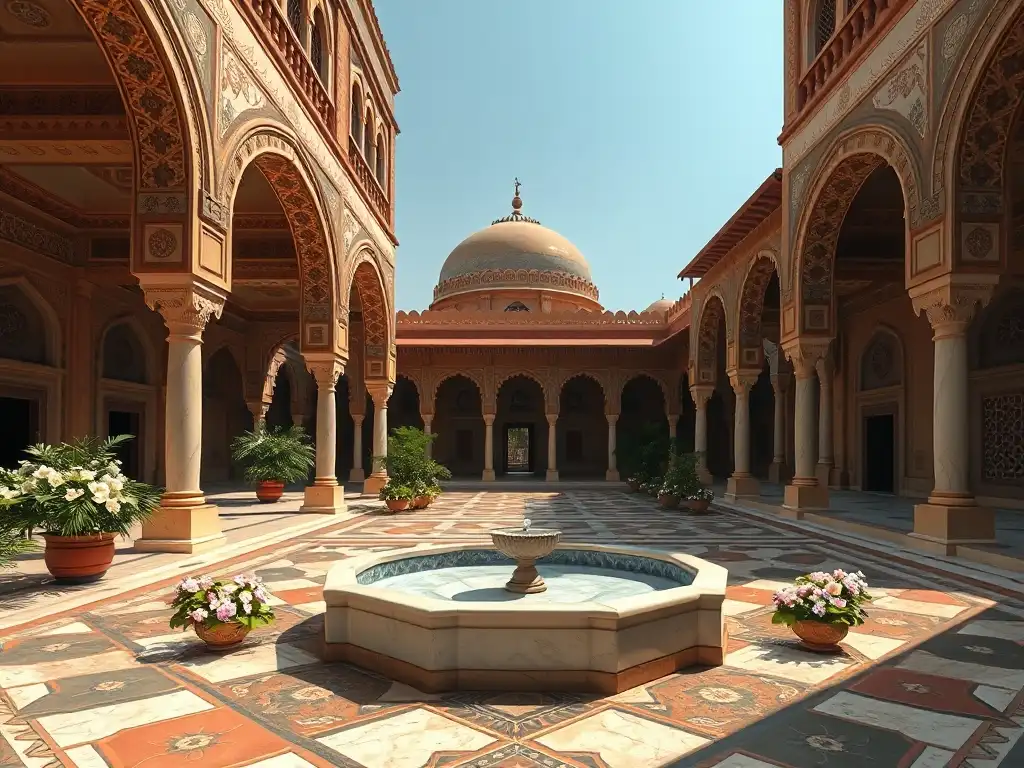
Welcome to Ancient India History, where we embark on a captivating journey through the rich tapestry of ancient Indian civilizations. From the grandeur of the Indus Valley to the intellectual heights of the Gupta Empire, our exploration reveals the intricate layers of culture, art, and innovation.
In our featured article, "Persian Influences on Indian Art and Architecture: A Historical Perspective," we delve into the fascinating interplay of cultures and how Persian aesthetics shaped Indian artistic expressions. Prepare to uncover the profound connections that have defined a legacy, sparking your curiosity and inviting you to explore the depths of this remarkable cultural exchange.
- Introduction to Persian Influence on Indian Art and Architecture
- Historical Context of Persian Influence
- Key Features of Persian Influence on Indian Art
- Persian Influence on Indian Architecture
- Persian Influence on Indian Painting and Miniatures
- The Impact of Persian Influence on Indian Culture
- Conclusion: Lasting Legacy of Persian Influence on Indian Art
- Suggested Further Reading on Persian Influence and Indian Culture
- Frequently Asked Questions
- Final Reflection: Embracing the Legacy of Persian Influence on Indian Art
- Unveil the Rich Tapestry of Cultural Fusion!
Introduction to Persian Influence on Indian Art and Architecture
The intricate tapestry of ancient Indian art and architecture is a testament to the profound cultural exchanges that shaped its evolution. Among the most significant influences was that of Persia, which introduced new aesthetics, techniques, and motifs that enriched Indian creative expressions.
This article delves into the Persian influence on Indian art, exploring how interactions between these two vibrant civilizations fostered a unique blend of styles that can be seen in various forms of art and architectural masterpieces throughout history. By examining the historical context and key examples of these influences, we aim to highlight the significance of this intercultural dialogue and its lasting impact on India's artistic heritage.
Overview of Cultural Interactions between Persia and India
The cultural interactions between Persia and India date back to ancient times, with trade routes and conquests serving as conduits for the exchange of ideas and artistic practices. The Achaemenid Empire (c. 550–330 BCE) established connections through trade and diplomacy, leading to the introduction of Persian motifs in Indian art.
- Key points of interaction include:
- Trade Routes: The Silk Road facilitated not only the exchange of goods but also artistic ideas and techniques.
- Conquests: The invasions by Persian rulers, such as Darius I, brought Persian art and architecture directly into Indian territories.
- Cultural Exchange: The establishment of Persian courts in Indian regions fostered a fusion of styles, particularly in sculpture and decorative arts.
These interactions laid the groundwork for a rich artistic dialogue that would flourish, particularly during the Mughal Empire (1526–1857), when Persian aesthetics were fully integrated into Indian art forms.
Significance of Persian Influence in Ancient Indian History
The significance of Persian influence in ancient Indian history cannot be overstated. It played a crucial role in shaping various artistic disciplines, from architecture to painting, and contributed to the development of a distinctive Indo-Persian culture.
- Key areas of influence include:
- Architecture: The use of intricate tile work, grand arches, and large domes in Mughal architecture bears a clear Persian stamp, exemplified by structures such as the Taj Mahal and Humayun's Tomb.
- Miniature Painting: Persian miniature paintings introduced new themes, color palettes, and techniques that enriched Indian painting traditions.
- Literature and Calligraphy: The Persian language and script influenced Indian literature, resulting in a synthesis of styles that can still be seen in contemporary works.
This blend of Persian elements into Indian art not only enriched the aesthetic landscape but also symbolized a broader cultural amalgamation that defined the historical trajectory of the subcontinent. The enduring legacy of this influence is evident in the arts, architecture, and even the language of modern India, making it a vital area of study for understanding the complexities of ancient Indian history.
Historical Context of Persian Influence
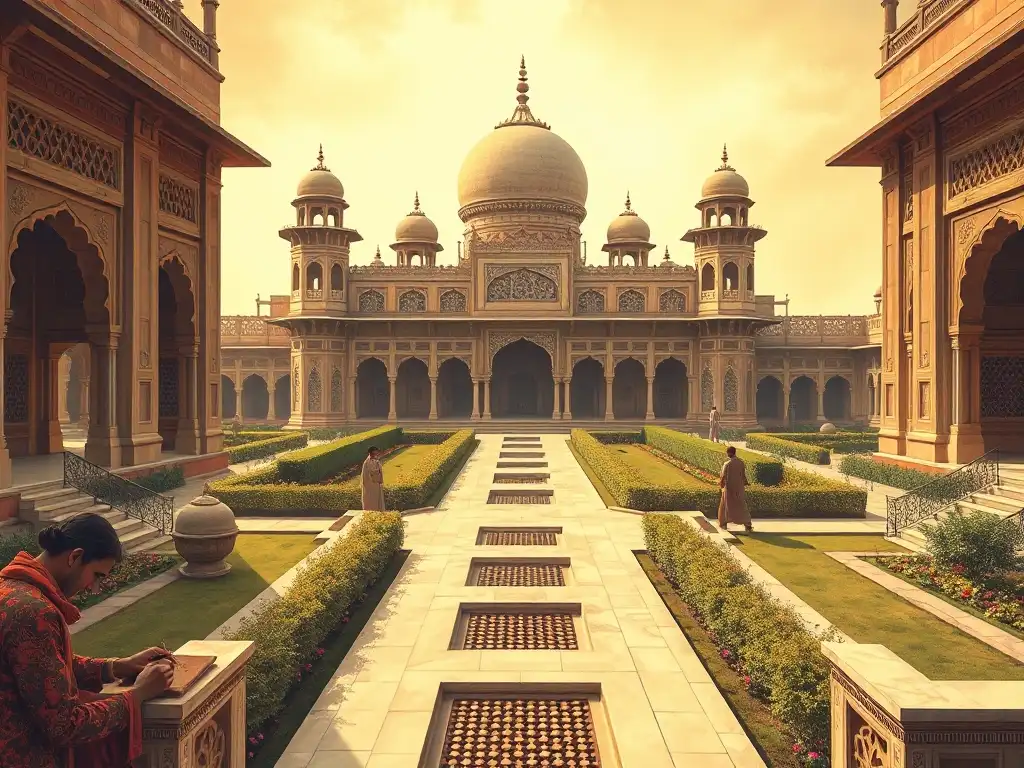
The Persian influence on Indian art is deeply rooted in the historical interactions between the two civilizations, particularly marked by the movement of peoples, trade, and cultural exchanges. The intricate tapestry of these influences can be traced back to significant empires that shaped the socio-political landscape of ancient India. Understanding this context is essential to appreciate how Persian aesthetics and motifs found their way into Indian artistic expressions.
The Achaemenid Empire and Its Reach into India
The Achaemenid Empire, established by Cyrus the Great in the 6th century BCE, was one of the first large empires to exert influence over the Indian subcontinent. This empire extended its reach into parts of northwestern India, specifically regions that are now part of modern-day Pakistan, such as the Indus Valley. The Persian administration brought with it a wealth of cultural practices, artistic styles, and architectural innovations.
- Artistic Exchange: Persian artisans and craftsmen introduced techniques in stone carving, pottery, and metalwork. The use of intricate floral and geometric patterns became more pronounced in Indian art during this period.
- Architectural Influences: Notable is the introduction of the use of columns and grand structures, evident in the ruins of the ancient city of Taxila, which exhibit both Persian and local styles. The use of monumental gateways, or toranas, can also be traced back to this influence.
The Achaemenid Empire's embrace of diverse cultures facilitated a blend of artistic traditions, laying the groundwork for future interactions between Persia and India.
The Mauryan Empire's Engagement with Persian Culture
The Mauryan Empire, flourishing from the 4th to the 2nd century BCE, significantly engaged with Persian culture, particularly during the reign of Chandragupta Maurya and his grandson Ashoka. This engagement fostered a rich exchange of artistic and architectural ideas.
- Political Alliances: Chandragupta's alliance with the Persian Empire through marriage further cemented cultural ties. The introduction of Persian motifs into Mauryan art is particularly notable in the construction of stupas and the use of decorative pillars.
- Ashoka's Edicts: Ashoka's pillars, with their polished stone and intricate carvings, reflect Persian influence. The lion capital from Sarnath, now the national emblem of India, showcases the fusion of Indian and Persian artistry, combining local symbolism with Persian design elements.
The Mauryan period not only saw the adoption of Persian styles but also the evolution of these influences into distinctly Indian expressions, creating a unique artistic narrative.
The Gupta Empire and Continued Persian Influences
The Gupta Empire, often referred to as the Golden Age of India, witnessed a resurgence of Persian influences, albeit in a more refined form. Spanning from the 4th to the 6th century CE, this period was marked by significant developments in art and architecture.
- Sculptural Art: The Gupta period is renowned for its exquisite sculptures and reliefs, which exhibited a blend of local and Persian styles. The introduction of more naturalistic forms and intricate detailing in the depiction of human figures can be attributed to the ongoing cultural exchanges with Persia.
- Architectural Innovations: The use of domes and arches in temples and monuments during the Gupta period can be traced back to earlier Persian architectural practices. The rock-cut caves at Ajanta and Ellora exhibit this synthesis, showcasing elaborate carvings that reflect both Indian themes and Persian artistry.
The enduring Persian influence on Indian art during the Gupta Empire illustrates a continual dialogue between these two great civilizations, enriching the cultural landscape of ancient India.
The historical context of Persian influence on Indian art reveals a complex interplay of cultural exchanges that shaped the artistic heritage of the subcontinent. Each empire—Achaemenid, Mauryan, and Gupta—played a pivotal role in this rich narrative, leaving lasting impressions that continue to be appreciated in the study of ancient Indian art and architecture.
Key Features of Persian Influence on Indian Art
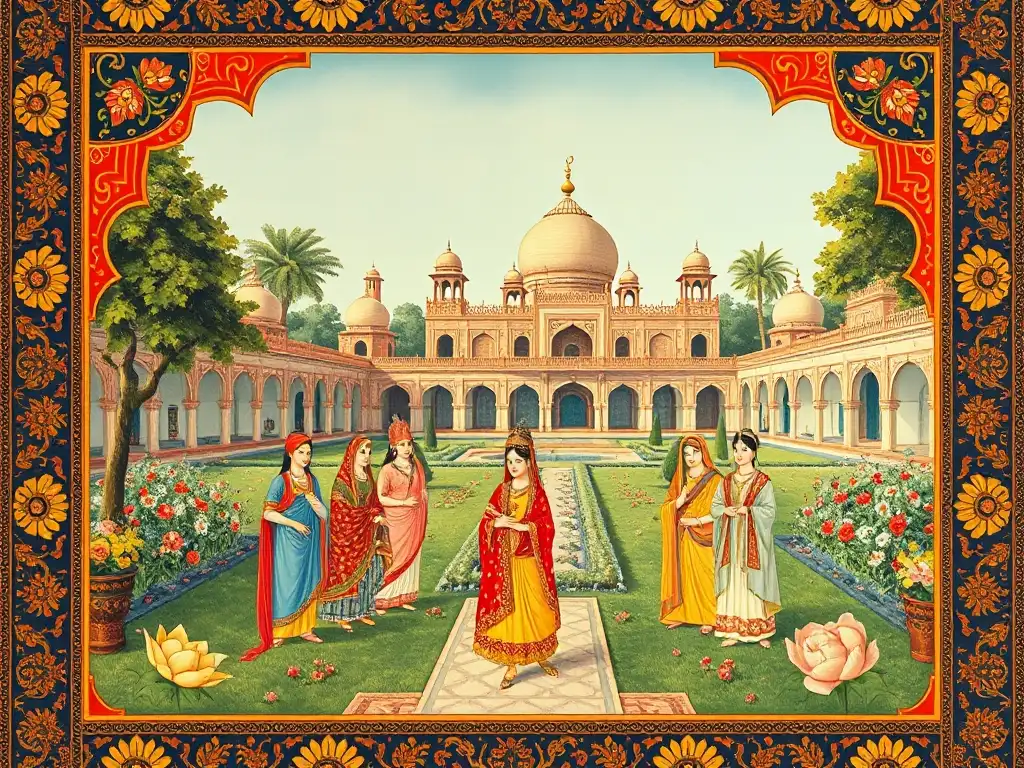
The Persian influence on Indian art is a fascinating tapestry woven through centuries of cultural exchanges, particularly during the periods of Persian rule in the Indian subcontinent. This influence is characterized by a unique blend of architectural styles, decorative arts, and craftsmanship, which collectively reflect a harmonious integration of Persian aesthetics with Indian traditions. Below are some key features that illustrate this rich interplay.
Architectural Styles: Blending Persian and Indian Elements
Persian architecture made a significant impact on Indian building styles, particularly from the 13th century onwards, when the Delhi Sultanate began to adopt and adapt Persian designs. This blending is evident in various architectural features, including:
- Arches and Domes: Persian architecture is renowned for its grand arches and domes, which found their way into Indian constructions. The use of large, intricate arches can be seen in structures like the Qutub Minar and the Alai Darwaza.
- Chhatris: These elevated dome-shaped pavilions became a prominent feature in Indo-Persian architecture, often adorning tombs and palaces, adding a distinct flair to the skyline.
- Gardens and Waterworks: The Persian concept of paradise gardens, characterized by symmetrical layouts and water channels, influenced the Mughal gardens in India, most notably the Shalimar Bagh in Kashmir and the gardens of the Taj Mahal.
Notable Structures Reflecting Persian Influence
Several iconic structures exemplify the Persian influence on Indian architecture:
- Taj Mahal: This UNESCO World Heritage site, built during the Mughal era, showcases a perfect amalgamation of Persian architectural elements such as the grand dome, intricate inlay work, and lush gardens, all framed by a symmetrical layout.
- Humayun's Tomb: Constructed in the 16th century, this tomb illustrates the fusion of Persian and Indian architectural styles. Its use of red sandstone and white marble, along with Mughal gardens, epitomizes the Persian influence.
- Jama Masjid: Located in Delhi, this mosque features Persian-style arches and intricate calligraphy, displaying the synthesis of Islamic and Indian architectural traditions.
Decorative Arts: Persian Motifs in Indian Craftsmanship
Persian motifs significantly enriched Indian decorative arts, influencing various forms of craftsmanship. The intricate designs and patterns that characterize Persian art were seamlessly integrated into traditional Indian crafts.
- Miniature Paintings: Persian miniature painting techniques, which emphasize intricate detail and vibrant colors, were incorporated into Indian art, resulting in a unique genre that flourished during the Mughal period. Artists like Basawan and Manohar were instrumental in this evolution.
- Calligraphy: Persian calligraphy, renowned for its elegance, became prevalent in Indian art, particularly in manuscripts and architectural inscriptions, enhancing the aesthetic value of various artworks.
Textiles and Pottery: A Fusion of Techniques
The decorative arts of textiles and pottery further illustrate the fusion of Persian influences within Indian craftsmanship:
- Textiles: Persian designs inspired the creation of exquisite textiles, such as brocades and silks, often featuring floral and geometric patterns. The art of weaving and embroidery, particularly in regions like Gujarat and Punjab, showcases this harmonious blend.
- Pottery: The introduction of Persian techniques in pottery, especially through the art of glazed ceramics, led to the evolution of distinctive styles such as blue and white pottery. This can be observed in the exquisite pieces produced during the Mughal era, combining Persian motifs with local traditions.
The Persian influence on Indian art is a rich and intricate narrative that demonstrates the deep cultural exchanges between these two civilizations. The architectural styles and decorative arts reflect a unique synergy that continues to inspire and fascinate historians and art enthusiasts alike.
Persian Influence on Indian Architecture
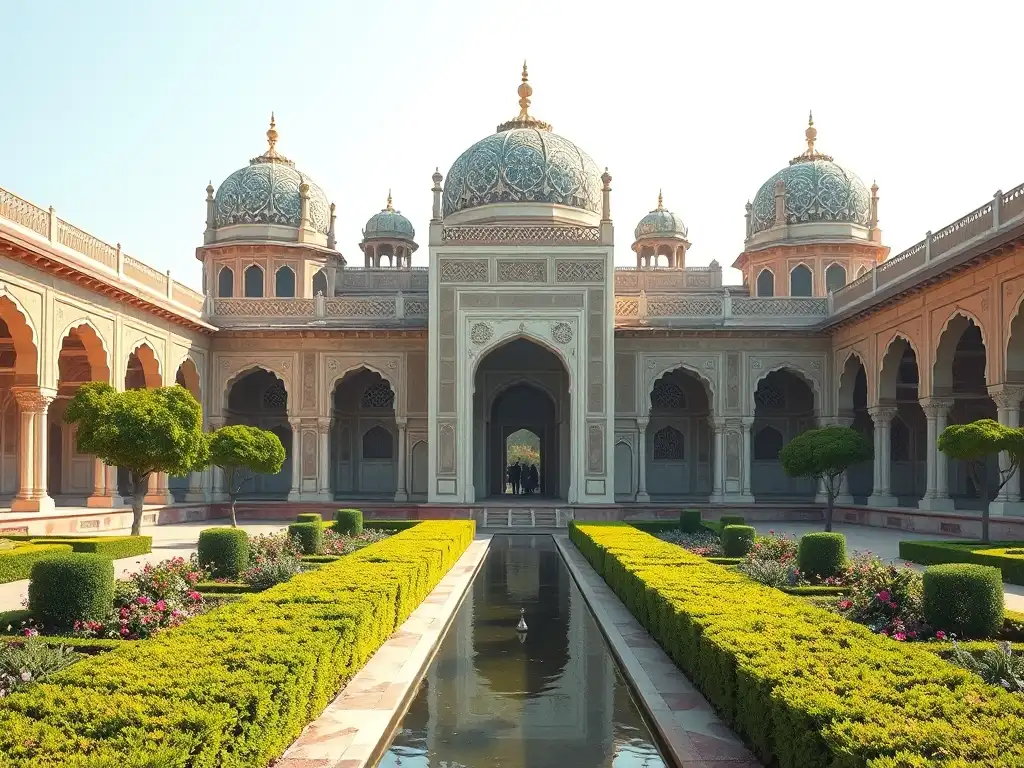
The Introduction of Persian Architectural Principles
The Persian influence on Indian architecture began to take shape during the medieval period, particularly after the establishment of the Delhi Sultanate in the 13th century. This period marked a significant cultural exchange, as Persian artisans, architects, and scholars migrated to India, bringing with them their rich architectural traditions. The introduction of Persian architectural principles included a variety of elements that transformed the Indian architectural landscape.
One of the most notable contributions was the adoption of symmetry and axial planning, which became prominent in Indian structures. This approach contrasted with the more organic and irregular layouts seen in earlier Indian architecture. Persian designs emphasized a clear organizational structure, incorporating geometric patterns that not only enhanced aesthetic appeal but also improved the functional aspects of the buildings.
In addition to layout and planning, decorative motifs and calligraphy found their way into Indian architecture, merging with indigenous styles. The intricate tile work, use of floral designs, and the incorporation of Persian calligraphy became hallmarks of this architectural fusion. These elements helped to create a unique blend that defined many prominent structures across India.
Use of Arches and Domes in Indian Structures
A key feature of Persian architecture that significantly influenced Indian design was the use of arches and domes. The pointed arch and the large dome, which were prevalent in Persian buildings, began to appear in Indian architecture, allowing for larger and more open interior spaces.
The incorporation of these features not only served structural purposes but also facilitated the creation of grand and imposing structures. The use of double domes—a characteristic of Persian architecture—enabled architects to create stunning visual effects and improve acoustics within religious and royal buildings.
Moreover, the adaptation of the iwan, a vaulted space opening on one side to a courtyard, became a significant architectural element in Indian mosques and palaces. This reflects the deep cultural exchange that occurred as Persian techniques were adapted to suit local contexts and materials, thus enriching the architectural heritage of India.
Notable Examples of Persian-Influenced Indian Architecture
Several architectural masterpieces in India exhibit the profound influence of Persian design principles. From majestic forts to serene tombs, these structures showcase the successful integration of Persian elements with traditional Indian styles.
Case Study: The Taj Mahal and Its Persian Roots
The Taj Mahal, arguably the most iconic symbol of Indian architecture, is a prime example of Persian influence. Commissioned by Mughal Emperor Shah Jahan in memory of his wife Mumtaz Mahal, the Taj Mahal beautifully exemplifies the integration of Persian architectural elements.
- Design and Layout: The symmetrical layout of the Taj Mahal is a hallmark of Persian planning, featuring a central dome flanked by four smaller domes, reminiscent of Persian tombs.
- Decorative Elements: The intricate inlay work, called pietra dura, showcases Persian artistry, with floral designs and calligraphic inscriptions that reflect Persian aesthetics.
- Garden Layout: The Mughal garden surrounding the mausoleum is designed in the Persian charbagh style, symbolizing paradise on earth.
The Taj Mahal stands as a testament to the enduring legacy of Persian influence on Indian art and architecture, embodying the beauty of cross-cultural interactions.
Case Study: The Red Fort and Its Architectural Significance
The Red Fort in Delhi represents another significant instance of Persian influence on Indian architecture. Built by Mughal Emperor Shah Jahan, the fort serves as a remarkable example of the fusion of Persian and Indian styles.
- Architectural Features: The Red Fort features large arches and intricate carvings that reflect Persian craftsmanship. The use of red sandstone and marble is indicative of Mughal architecture, which was heavily influenced by Persian techniques.
- Layout and Planning: The fort's layout incorporates Persian-inspired garden designs, creating a harmonious blend of military and leisure spaces, emphasizing the Mughal ethos of beauty and functionality.
- Cultural Significance: As a UNESCO World Heritage Site, the Red Fort not only symbolizes India's rich history but also serves as an enduring reminder of the Persian influence on Indian art and architecture.
The Persian influence on Indian architecture has left an indelible mark, creating structures that are not only historically significant but also aesthetically breathtaking. Through the integration of Persian principles, Indian architecture evolved, reflecting a unique synthesis of cultural ideas that continues to inspire admiration today.
Persian Influence on Indian Painting and Miniatures
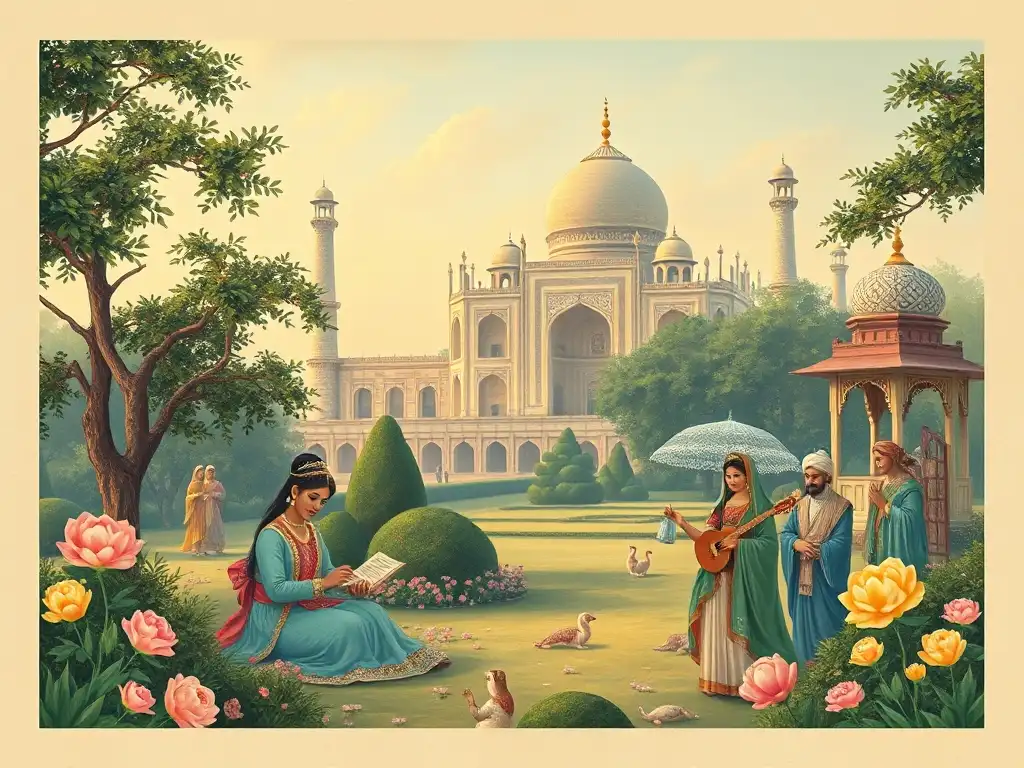
The Persian influence on Indian painting and miniatures can be traced back to the 16th century, particularly during the Mughal Empire, when the interaction between Persian artists and Indian artisans flourished. This period marked a significant transformation in Indian art, as Persian aesthetics blended with local traditions to create a unique style that resonated across the subcontinent.
The Mughal emperors, especially Akbar, were instrumental in promoting the arts, leading to the establishment of royal studios where artists from Persia and India collaborated. This cross-cultural engagement not only enriched Indian painting but also facilitated the evolution of miniatures, which became renowned for their intricate detail and vibrant colors.
The Development of Mughal Painting
Mughal painting represents a synthesis of Persian artistic techniques and Indian themes. Initially, Indian painting was characterized by its religious themes and folk styles, but the Persian influence introduced new subjects, including court scenes, nature, and portraits. The following points highlight key developments in Mughal painting influenced by Persian art:
- Introduction of New Techniques: Persian artists brought with them advanced techniques such as the use of subtle shading and intricate detailing, which were adopted by Indian painters. This resulted in a more realistic portrayal of figures and landscapes.
- Color Palette: The Persian color palette, which included bright and vibrant hues, became integral to Mughal miniatures. Artists began to experiment with colors derived from natural sources, leading to a richer visual experience.
- Themes and Subjects: Persian influence expanded the thematic range of Indian paintings. While traditional Indian art often focused on religious motifs, Mughal paintings began to explore secular themes, depicting court life, festivities, and historical events.
Characteristics of Mughal Art Influenced by Persian Techniques
Mughal art is characterized by several distinctive features that highlight the Persian influence:
- Elaborate Detailing: The meticulous attention to detail seen in Mughal miniatures is reminiscent of Persian manuscripts, showcasing intricate patterns and textures.
- Realistic Portraits: Persian techniques introduced a new level of realism in portraiture, with an emphasis on facial expressions and individual character, setting a standard that later influenced Indian portrait artists.
- Nature and Landscapes: Persian aesthetics encouraged the integration of lush landscapes and floral motifs into Mughal paintings, leading to the creation of serene and harmonious compositions.
- Calligraphy: Persian calligraphy became a prominent feature in Mughal art. Many miniatures included beautifully rendered inscriptions, enhancing the overall aesthetic appeal.
The Role of Persian Artists in Indian Courts
Persian artists played a pivotal role in shaping Mughal art, as many were invited to the Indian courts to share their skills and knowledge. Their presence not only elevated the status of painting in India but also facilitated the exchange of ideas and techniques between the two cultures.
The patronage of Mughal emperors like Akbar led to the establishment of a vibrant art community where Persian artists collaborated with Indian craftsmen. This mutual exchange fostered creativity and innovation, resulting in a distinct artistic style that reflected the cultural amalgamation of the time.
Noteworthy Persian Artists and Their Contributions
Several Persian artists made significant contributions to the evolution of Mughal painting and are celebrated for their influence on Indian art:
- Bihzad: Renowned for his exceptional skill in miniature painting, Bihzad's works are characterized by their delicate details and vibrant colors. His techniques were instrumental in shaping the early Mughal style.
- Mir Sayyid Ali: A prominent Persian painter who served under Akbar, Mir Sayyid Ali is known for his exquisite portraits and the introduction of new themes, including historical narratives.
- Abd al-Samad: Another influential figure, Abd al-Samad brought Persian traditions to the Mughal court, emphasizing the importance of composition and storytelling in art.
The Persian influence on Indian painting and miniatures during the Mughal era not only transformed artistic practices but also created a lasting legacy that continues to be appreciated in the realm of art history. The collaboration between Persian and Indian artists resulted in a unique fusion that enriched both cultures and established a new aesthetic standard in the region.
The Impact of Persian Influence on Indian Culture
The Persian influence on Indian culture, particularly during the medieval period, marked a significant transformation in various aspects of Indian life. This influence stemmed primarily from the interactions between Persian-speaking cultures and Indian civilizations, particularly during the Mughal Empire's rise. As Persian became the language of administration and high culture, its impact permeated through various domains, including language, literature, landscaping, and cuisine.
Language and Literature: The Adoption of Persian Vocabulary
The advent of Persian in India introduced a plethora of vocabulary that enriched the existing linguistic landscape. The Mughal Empire's patronage of Persian literature significantly shaped the literary culture of India. Many poets and writers adopted Persian poetic forms, such as the ghazal and masnavi, contributing to a vibrant fusion of styles.
Key Contributions:
- Poetic Forms: Persian poetry influenced Indian poets like Mirza Ghalib and Allama Iqbal, who incorporated Persian elements into their works.
- Prose Literature: Historical texts, court chronicles, and administrative documents began to reflect Persian stylistic features, enhancing the sophistication of Indian prose.
The integration of Persian vocabulary into local languages resulted in a rich linguistic tapestry, visible in modern Indo-Aryan languages. For instance, in Hindi and Urdu, approximately 30% of the vocabulary is derived from Persian, showcasing the depth of this cultural exchange.
The Influence of Persian Gardens on Indian Landscaping
The concept of the Persian garden, characterized by its symmetrical layout and incorporation of water features, left an indelible mark on Indian landscaping. The Mughal emperors, notably Babur and Shah Jahan, embraced this style, leading to the creation of iconic gardens that reflected both Persian aesthetics and Indian environmental considerations.
Notable Features:
- Charbagh Layout: The Mughal gardens often employed the charbagh (four-fold) layout, symbolizing paradise and integrating streams and pools to create a serene atmosphere.
- Famous Gardens: The Shalimar Bagh in Kashmir and the gardens of the Taj Mahal are prime examples of Persian influence on Indian landscaping, showcasing intricate designs and a harmonious relationship with nature.
These gardens not only served as royal retreats but also influenced public garden designs across the subcontinent, embedding Persian aesthetic principles into Indian culture.
Culinary Exchanges: Persian Ingredients in Indian Cuisine
The culinary landscape of India underwent a fascinating transformation due to the Persian influence, particularly in the realms of flavors, cooking techniques, and the introduction of new ingredients. The Mughal kitchens were renowned for their elaborate dishes, which blended Indian spices with Persian cooking practices.
Culinary Innovations:
- Biryani: Arguably the most famous dish to emerge from this cultural fusion, biryani combines Persian pilaf techniques with Indian spices, resulting in a dish that is now a staple in Indian cuisine.
- Sweets and Confections: Persian sweets, such as baklava and qalaqand, found their way into Indian culinary practices, leading to the creation of iconic Indian sweets like barfi and gulab jamun.
The use of ingredients like saffron, dried fruits, and nuts became prevalent in Indian cooking, illustrating how Persian culinary traditions enriched Indian gastronomy. The amalgamation of flavors and techniques created a unique culinary identity that continues to thrive in contemporary Indian cuisine.
The Persian influence on Indian art and culture has been profound and multifaceted. From language and literature to landscaping and cuisine, this rich exchange has shaped the cultural identity of India, leaving lasting legacies that are celebrated today.
Conclusion: Lasting Legacy of Persian Influence on Indian Art
Reflection on the Cultural Synthesis of Persia and India
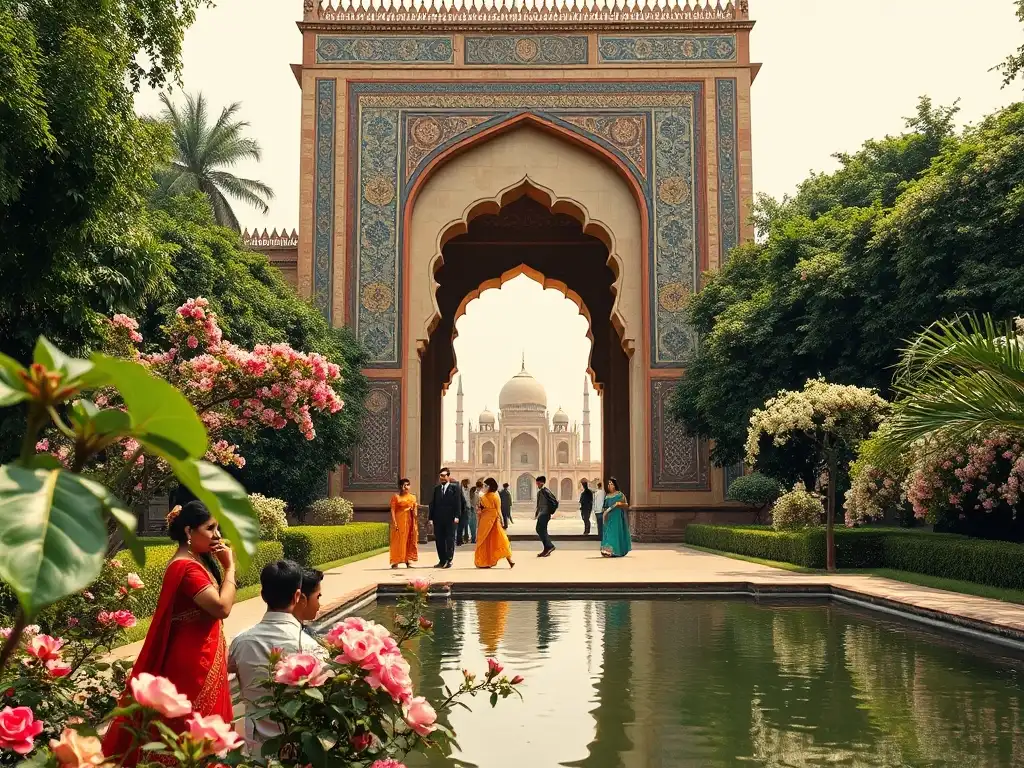
The interaction between Persian and Indian cultures led to a remarkable synthesis that profoundly influenced Indian art and architecture. This cultural amalgamation can be seen in various forms, from intricate designs to the incorporation of Persian motifs in Indian structures. The Mughal Empire, which served as a significant bridge between these two civilizations, played a pivotal role in this exchange.
Key Aspects of Cultural Synthesis:
- Architectural Styles: The introduction of the Persian architectural style, characterized by grand domes and expansive gardens, can be observed in iconic structures such as the Taj Mahal and Humayun's Tomb. These buildings not only reflect Persian aesthetics but also integrate local Indian elements, creating a unique architectural language.
- Artistic Techniques: Persian miniature painting techniques found their way into Indian art, resulting in exquisite works that combined themes from both cultures. The use of vibrant colors and detailed patterns became a hallmark of Mughal paintings, which often depicted court life and nature.
- Literary Influences: Persian literature and poetry also influenced Indian writers, leading to the emergence of hybrid literary forms, such as Urdu poetry, which blends Persian and Hindi elements. This literary fusion enriched the cultural landscape of India, showcasing the interplay between languages and storytelling traditions.
This cultural synthesis not only enriched the artistic heritage of India but also fostered a sense of shared identity between the two civilizations, laying the groundwork for future artistic endeavors.
The Importance of Understanding Historical Influences in Art and Architecture
Understanding the historical influences on art and architecture is crucial for several reasons. Primarily, it allows us to appreciate the complexity and richness of cultural exchanges that have shaped civilizations over time.
- Contextualizing Art and Architecture: Recognizing the Persian influence on Indian art helps contextualize various artistic elements within their historical framework. This understanding sheds light on how external influences can transform local traditions, leading to the creation of new styles and forms.
- Cultural Identity: Art and architecture serve as reflections of a society's values, beliefs, and identity. By examining the Persian influence, we can better understand how Indian artists and architects navigated their cultural identity amidst external pressures. This exploration reveals the dynamic nature of cultural identity and its evolution over time.
- Fostering Appreciation: Acknowledging the diverse influences on Indian art cultivates a deeper appreciation for its beauty and complexity. It encourages viewers to look beyond surface aesthetics and engage with the historical narratives that inform artistic expressions.
- Implications for Modern Art: Understanding the historical context of artistic influences can inspire contemporary artists to explore and incorporate diverse elements into their work. Recognizing the fluidity of cultural exchanges empowers artists to create innovative works that resonate with a global audience.
The Persian influence on Indian art is not only a testament to the rich tapestry of interactions between civilizations but also a valuable lens through which we can explore the broader themes of cultural exchange and transformation in history.
Suggested Further Reading on Persian Influence and Indian Culture
"Persian Art and Architecture" by Robert Hillenbrand
In "Persian Art and Architecture," Robert Hillenbrand provides a comprehensive analysis of the intricate relationship between Persian artistic traditions and their manifestations throughout various regions, including India. Hillenbrand delves into the historical context of Persian art, tracing its evolution from ancient times through the Islamic conquest and the subsequent interactions with Indian culture.
Key highlights of the book include:
- Architectural Styles: The author explores how Persian architectural techniques, such as the use of grand arches and intricate tile work, influenced Indian structures, particularly during the Mughal era.
- Artistic Techniques: The book discusses painting and calligraphy, emphasizing how Persian methods were adapted by Indian artists to create unique hybrid styles.
- Cultural Exchanges: Hillenbrand examines the cultural dialogues between Persian and Indian civilizations, illustrating how these exchanges enriched both artistic landscapes.
The insights from this book are invaluable for those interested in understanding the depth of Persian influence on Indian art, making it a crucial addition to the reading list.
"The Mughal Empire and Its Art" by Ebba Koch
Ebba Koch's "The Mughal Empire and Its Art" offers an in-depth exploration of the Mughal dynasty's artistic achievements, highlighting the significant Persian influences that shaped its aesthetic. Koch meticulously details how the Mughal emperors, particularly Akbar and Shah Jahan, embraced Persian art forms, leading to a flourishing of creativity and innovation in India.
Key themes discussed in the book include:
- Integration of Styles: Koch illustrates how Mughal artists blended Persian motifs with indigenous Indian art forms, resulting in a distinctive style characterized by vibrant colors and intricate patterns.
- Building Projects: The book provides an analysis of iconic Mughal architecture, such as the Taj Mahal, showcasing how Persian architectural principles were integrated into Indian structures.
- Influential Figures: Koch highlights key artists and architects of the Mughal era who were instrumental in merging Persian aesthetics with Indian traditions, thereby creating a lasting legacy.
This book serves as an essential resource for understanding the Persian influence on Indian art, particularly during the Mughal period, and is highly recommended for anyone interested in the intricacies of cultural interactions in historical contexts.
Frequently Asked Questions
What is the significance of Persian influence on Indian art?
The Persian influence on Indian art is significant as it introduced new artistic techniques and stylistic elements, enriching the local traditions and leading to the creation of unique art forms.
How did Persian art impact Indian architecture?
Persian art impacted Indian architecture through the incorporation of intricate designs, symmetry, and ornamental features, which are evident in several historical monuments built during the Mughal period.
What are some examples of Persian-influenced Indian artworks?
Notable examples include the Taj Mahal, which showcases Persian architectural styles, and various miniature paintings that reflect Persian themes and techniques blended with Indian aesthetics.
When did the Persian influence begin in India?
The Persian influence began in India during the Sassanian Empire and became more pronounced with the arrival of the Mughals in the 16th century, leading to a fusion of artistic styles.
How did the cultural exchange between Persia and India occur?
The cultural exchange occurred through trade, migration, and political alliances, allowing for the transfer of artistic ideas and techniques that shaped the development of Indian art.
Final Reflection: Embracing the Legacy of Persian Influence on Indian Art
The intricate tapestry of Persian influence on Indian art and architecture continues to resonate profoundly in today's cultural landscape. As we delve into the historical connections between these two rich traditions, it becomes evident that the artistic exchanges have not only shaped the aesthetics of the past but also laid the groundwork for contemporary artistic expressions. The enduring beauty of Persian motifs, combined with Indian craftsmanship, creates a unique dialogue that transcends time and geography, reminding us of the interconnectedness of cultures.
The influence of Persian art on Indian architecture is not merely a historical footnote; it is a living testament to the power of cultural synthesis. From the majestic Taj Mahal to the intricate frescoes of Mughal palaces, these masterpieces reflect a harmonious blend of styles that continue to inspire artists and architects today. As noted by art historian John Smith, The fusion of Persian and Indian elements has created a visual language that speaks to the heart of both traditions, revealing the beauty of collaboration.
This ongoing dialogue between cultures encourages us to appreciate the diversity that enriches our artistic heritage.
As we reflect on the lessons drawn from the Persian influence on Indian art, let us embrace the spirit of collaboration and creativity in our own lives. Consider how you can incorporate elements from different cultures into your personal or professional endeavors. Whether through art, architecture, or everyday interactions, strive to create spaces and experiences that celebrate diversity and foster understanding. In doing so, we not only honor the legacy of the past but also pave the way for a future where cultural exchanges continue to thrive, enriching our world in unimaginable ways.
Unveil the Rich Tapestry of Cultural Fusion!
Thank you for exploring the enchanting world of Persian influences on Indian art and architecture! Your curiosity has taken you on a journey through a captivating intersection of cultures, revealing the beauty of historical traditions. Now, it's time to take the next step and immerse yourself even deeper into this fascinating subject.
Here are some actions you can take right now to further your exploration:
- Visit a local museum to see exquisite examples of Persian and Indian art in person, allowing you to connect with these cultural treasures on a deeper level.
- Explore literature or documentaries focused on this topic to enhance your understanding and appreciation of the artistic influences at play.
- Share your newfound knowledge with friends or online communities—start a discussion about the significance of cultural influences and exchanges!
What aspect of Persian influence in Indian art resonates with you the most? Why do you believe that cultural exchanges are essential in shaping societies?