
The Role of Festivals in Reflecting Cultural Exchanges in Ancient India

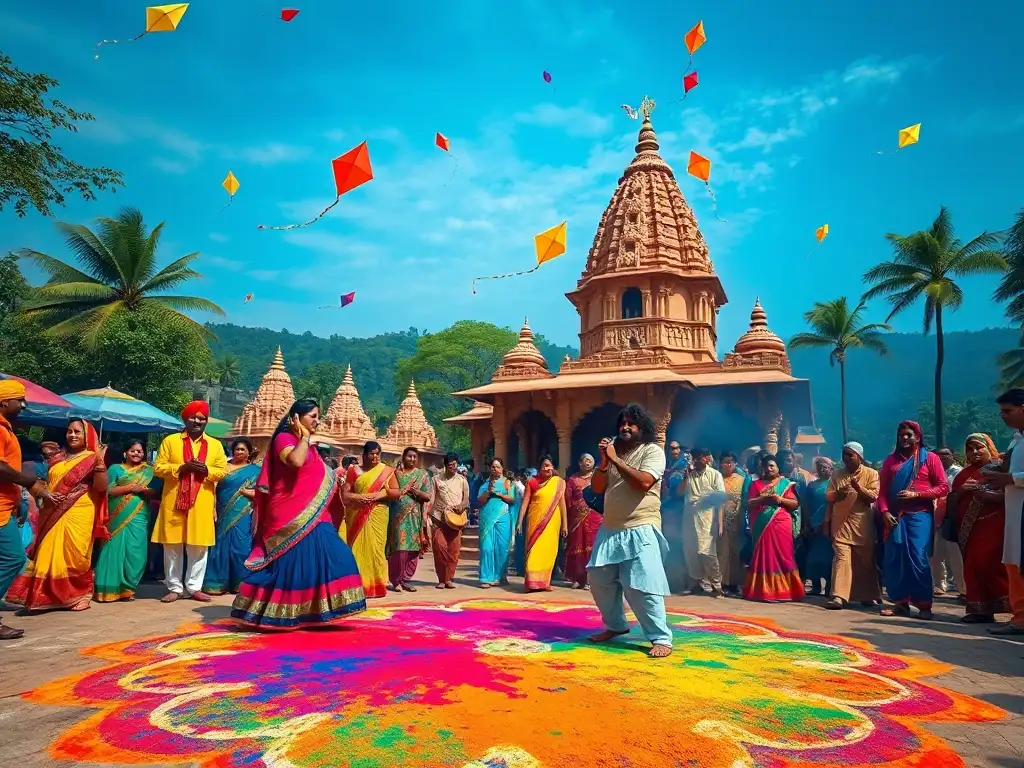
Welcome to Ancient India History, where we embark on an enchanting journey through time to uncover the vibrant tapestry of ancient Indian civilizations. Here, you will discover how ancient Indian festivals played a pivotal role in reflecting cultural exchanges and shaping the social fabric of society. From the mesmerizing celebrations of the Indus Valley to the splendid traditions of the Gupta Empire, each festival is a window into the rich cultural significance that has influenced generations.
Are you ready to explore how these timeless festivities fostered connections and enriched the heritage of India? Dive in and uncover the stories that have shaped a civilization!
Introduction to Ancient Indian Festivals and Their Cultural Significance
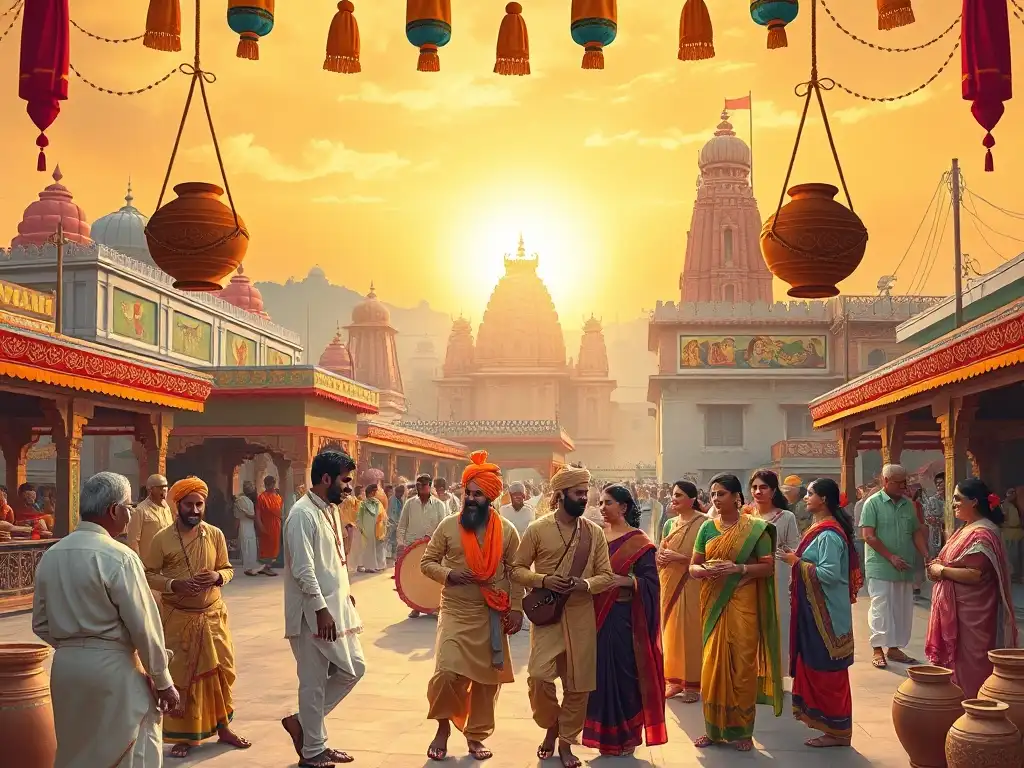
Ancient Indian festivals serve as vibrant expressions of the rich tapestry of cultural exchanges that characterized the subcontinent throughout its history. These celebrations not only marked significant seasonal changes, agricultural cycles, and religious observances but also acted as conduits for the blending of diverse customs and traditions from neighboring civilizations. By examining the cultural significance of ancient Indian festivals, we can gain valuable insights into how these festivities reflected the interactions between various cultural groups and contributed to the development of a shared cultural identity.
Overview of Festivals in Ancient India
Ancient Indian festivals were multifaceted events that included religious rituals, communal gatherings, and artistic performances. They played a crucial role in uniting people across different regions and communities, fostering a sense of belonging and shared heritage. Some of the most prominent festivals included:
- Makar Sankranti: Celebrated to mark the winter solstice and the arrival of longer days.
- Holi: Known as the festival of colors, symbolizing the victory of good over evil.
- Diwali: The festival of lights, representing the triumph of light over darkness.
These festivals were steeped in mythology and tradition, often rooted in ancient texts and scriptures. They provided a platform for the transmission of cultural values, folklore, and social norms across generations.
Importance of Festivals in Cultural Exchanges
Festivals acted as critical points of interaction where diverse cultural practices intersected. They facilitated not only the sharing of religious beliefs but also the exchange of art, music, and culinary traditions. As traders, travelers, and pilgrims moved across ancient India, they brought with them unique customs that influenced local celebrations. This led to:
- Cultural Syncretism: The blending of different cultural elements, resulting in new traditions and practices.
- Social Cohesion: Festivals encouraged communal participation, fostering unity among diverse groups.
- Economic Exchange: Many festivals became occasions for trade, where artisans showcased their crafts, enhancing economic ties.
Historical Context of Festivals in Ancient India
To fully appreciate the role of festivals in ancient Indian culture, it is essential to explore their historical context. Each era brought about distinct celebrations that mirrored the prevailing socio-political and cultural dynamics.
Festivals During the Indus Valley Civilization
The Indus Valley Civilization (circa 3300–1300 BCE) is one of the earliest urban cultures in South Asia. While direct evidence of specific festivals is sparse, archaeological findings suggest that rituals related to fertility and agriculture were likely significant. The worship of deities associated with nature, such as the Mother Goddess, indicates that early inhabitants celebrated seasonal changes through communal activities.
Festivals in the Vedic Period
The Vedic Period (circa 1500–500 BCE) saw the codification of many religious practices, including the celebration of various Yagnas (sacrificial rituals). These festivals were deeply intertwined with the agrarian calendar, marking important agricultural milestones and invoking blessings for bountiful harvests. The Rigveda, one of the oldest texts, highlights the significance of these rituals in maintaining cosmic order and societal harmony.
Influence of Neighboring Civilizations on Festivals
Ancient India's geographical position facilitated interactions with neighboring civilizations, such as the Persians, Greeks, and later the Central Asian nomads. Each of these cultures left an indelible mark on Indian festivals. For instance:
- The Zoroastrian influence introduced new elements into local celebrations, particularly in the context of fire worship.
- The arrival of the Macedonian Empire under Alexander the Great led to the fusion of Hellenistic traditions with Indian practices, particularly in art and public festivities.
By tracing these influences, we can see how ancient Indian festivals were not static; they evolved, enriched by external cultural inputs while maintaining their core significance. This dynamic interplay of traditions exemplifies the cultural resilience and adaptability of ancient Indian society.
Major Ancient Indian Festivals and Their Cultural Significance
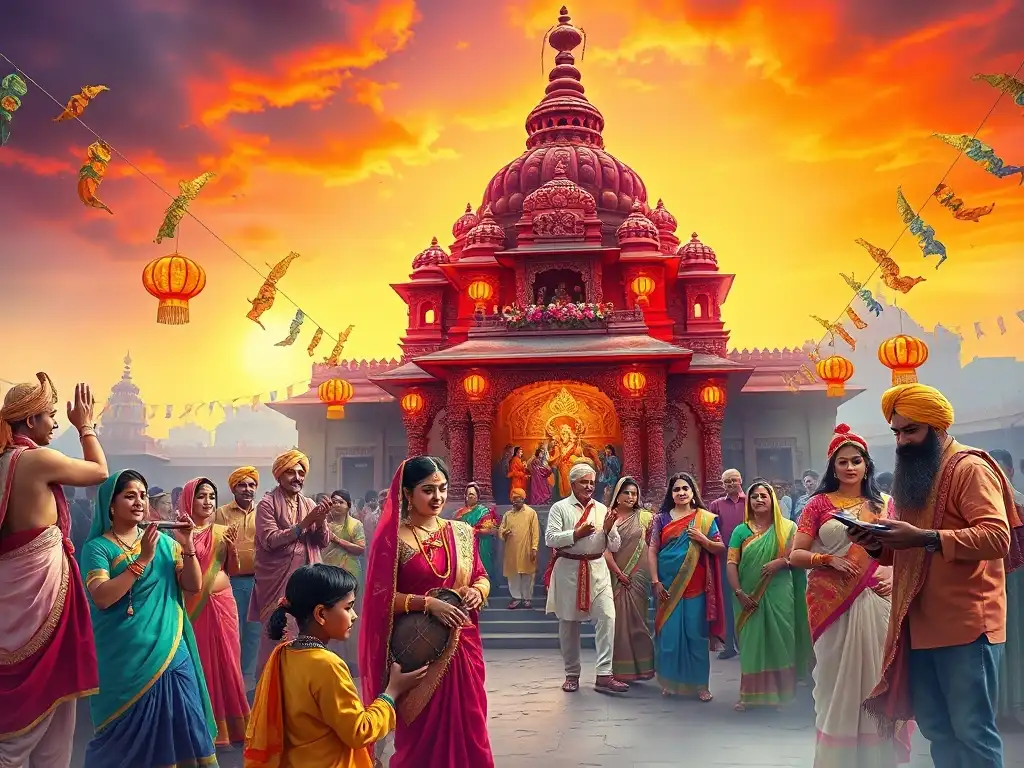
Festivals in ancient India were vibrant manifestations of the region's cultural tapestry, reflecting diverse traditions, beliefs, and interactions with neighboring civilizations. Each festival served not only as a time of celebration but also as a means of reinforcing social bonds and cultural identity. The major festivals, rich in symbolism and rituals, provide a glimpse into the values and exchanges that shaped ancient Indian society.
Makar Sankranti: Celebrating Harvest and Solar Transition
Makar Sankranti, celebrated in January, marks the transition of the sun into the zodiac sign of Capricorn (Makar). This festival celebrates the harvest season and is significant for its agricultural ties. The day is characterized by rituals that express gratitude for bountiful crops, highlighting the agrarian roots of ancient Indian society.
The celebration of Makar Sankranti varies across regions, with unique customs and practices. For instance, in Punjab, it coincides with the Lohri festival, while in Gujarat, it is celebrated with kite flying. This regional diversity illustrates how local customs intertwined with a common theme, fostering cultural exchange. The festival's emphasis on solar movements also reflects the advanced astronomical knowledge possessed by ancient Indian scholars, demonstrating how science and culture were interwoven in societal practices.
Diwali: The Festival of Lights and Its Cross-Cultural Influence
Diwali, known as the Festival of Lights, is one of the most prominent festivals in ancient India, symbolizing the victory of light over darkness and good over evil. Rooted in various legends, including the return of Lord Rama to Ayodhya after defeating Ravana, Diwali transcends religious boundaries, celebrated by Hindus, Jains, and Sikhs alike.
The significance of Diwali extends beyond its religious context; it highlights the interactions between different cultures. For example, the practice of lighting oil lamps can be traced back to ancient Zoroastrian influences from Persia, showcasing the cross-cultural exchanges that enriched Indian traditions. Additionally, the exchange of sweets and gifts during Diwali fostered community ties and trade relationships, reinforcing the importance of social cohesion in ancient times.
Holi: The Festival of Colors and Its Representation of Diversity
Holi, the Festival of Colors, is celebrated in March and marks the arrival of spring. It symbolizes love, joy, and the triumph of good over evil, particularly through the legend of Prahlada and Holika. Holi's exuberant celebrations, characterized by the throwing of colored powders and water, reflect the diversity of Indian society and its capacity for inclusiveness.
The festival serves as a melting pot of cultural influences, incorporating elements from various regions and communities. In addition to its Hindu roots, Holi has absorbed local customs and practices, demonstrating how ancient Indians embraced diversity. The communal aspect of Holi promotes unity and a sense of belonging, illustrating how festivals functioned as vital social events that strengthened cultural identity.
The Role of Festivals in Promoting Cultural Exchanges
Festivals in ancient India played a crucial role in promoting cultural exchanges, serving as platforms for interaction, trade, and the blending of diverse practices. They facilitated not only religious and cultural expressions but also the growth of social networks that transcended regional boundaries.
Festivals as Platforms for Trade and Interaction
Ancient Indian festivals often attracted people from various regions, turning them into vibrant marketplaces where trade flourished. Festivals such as Makar Sankranti and Diwali provided opportunities for merchants and artisans to showcase their goods, fostering economic interactions among diverse communities. These gatherings were not only about religious observances but also served as crucial points for cultural and commercial exchanges.
The bustling atmosphere of festivals enabled the sharing of ideas, culinary practices, and artistic expressions, leading to the fusion of different cultural elements. This exchange was essential in shaping the socio-economic landscape of ancient India and promoting mutual understanding among various ethnic groups.
Influence of Religious Practices on Festival Celebrations
Religious practices significantly influenced the way festivals were celebrated in ancient India. The syncretism of different religious traditions led to the incorporation of diverse rituals and customs into festival observances. For example, Diwali's celebrations vary across Hindu, Jain, and Sikh communities, each bringing unique interpretations and practices that enrich the festival's overall significance.
This blending of religious practices not only highlights the importance of individual belief systems but also emphasizes the common cultural threads that bind different communities together. The adaptability of festivals in accommodating various religious practices demonstrates the dynamic nature of ancient Indian culture and its openness to influence.
Cross-Cultural Influences: Adapting Festivals from Neighboring Regions
Ancient Indian festivals were often shaped by interactions with neighboring civilizations, leading to the adaptation of customs and practices. For instance, the celebration of certain festivals was influenced by trade routes and migrations, resulting in the incorporation of foreign elements into indigenous practices. The festival of Holi, with its use of vibrant colors, bears similarities to spring festivals celebrated in Central Asia, indicating a cross-cultural exchange that enriched its meaning.
Such adaptations reveal the fluidity of cultural identities in ancient India, as communities embraced and integrated diverse influences while maintaining their unique traditions. This interplay of cultures underscores the significance of festivals as a reflection of the broader historical narrative of interactions and exchanges that defined ancient Indian civilization.
Case Studies: Specific Festivals Reflecting Cultural Exchanges
The study of ancient Indian festivals reveals a tapestry of cultural exchanges that have shaped the identities and practices of various communities. By examining specific festivals, we can appreciate how they reflect the interactions with neighboring civilizations and the resultant cultural significance.
The Origin of Makar Sankranti and Its Regional Variations
Makar Sankranti marks the transition of the sun into the zodiac sign of Capricorn and is celebrated across India with various regional adaptations. Its origins can be traced back to ancient agrarian practices that celebrated the harvest season. In different states, the festival manifests distinct customs and rituals:
- Punjab: Known as Lohri, celebrated with bonfires and folk songs, it highlights the community spirit and gratitude for the harvest.
- Maharashtra: The festival is celebrated as Makar Sankranti, where people exchange sesame sweets, symbolizing the onset of longer days.
- Tamil Nadu: Known as Pongal, it involves cooking rice and offering it to the sun god, emphasizing agrarian reverence.
These variations not only signify the agricultural importance of the festival but also demonstrate the regional adaptations influenced by local customs and neighboring cultural interactions.
The Evolution of Diwali Through Cultural Interactions
Diwali, known as the Festival of Lights, has evolved significantly through historical exchanges with other cultures. Originating as a celebration of the harvest and victory of light over darkness, it has assimilated various influences over centuries:
- Indo-Persian Influence: Historical interactions with Persian culture introduced new lighting practices, such as the use of lamps and decorative motifs.
- Buddhist and Jain Contributions: The significance of Diwali also incorporates the Jain celebration of Mahavira's enlightenment and the return of Lord Rama, linking it to spiritual themes prevalent in these cultures.
Today, Diwali encompasses a blend of traditions from various cultures, showcasing the dynamic nature of cultural exchanges and their impact on festival practices.
Holi's Transformation: From Local Tradition to Global Celebration
Holi, the vibrant festival of colors, has transformed from a localized event to a globally recognized celebration. Its roots lie in agricultural practices marking the end of winter and the arrival of spring. The evolution of Holi can be summarized through several key points:
- Regional Variations: Initially celebrated in different forms across regions, such as the Lathmar Holi in Barsana or the Phoolon wali Holi in Vrindavan, each variant reflects local narratives and customs.
- Cultural Exchange Through Trade: As trade routes expanded, Holi began to attract international attention, with communities celebrating it beyond India’s borders, particularly among the Indian diaspora.
- Modern Globalization: Today, Holi has transcended its cultural origins, being celebrated in various countries, symbolizing unity, joy, and cultural appreciation, thus reflecting the ongoing intercultural exchanges.
The Legacy of Ancient Indian Festivals in Contemporary Culture
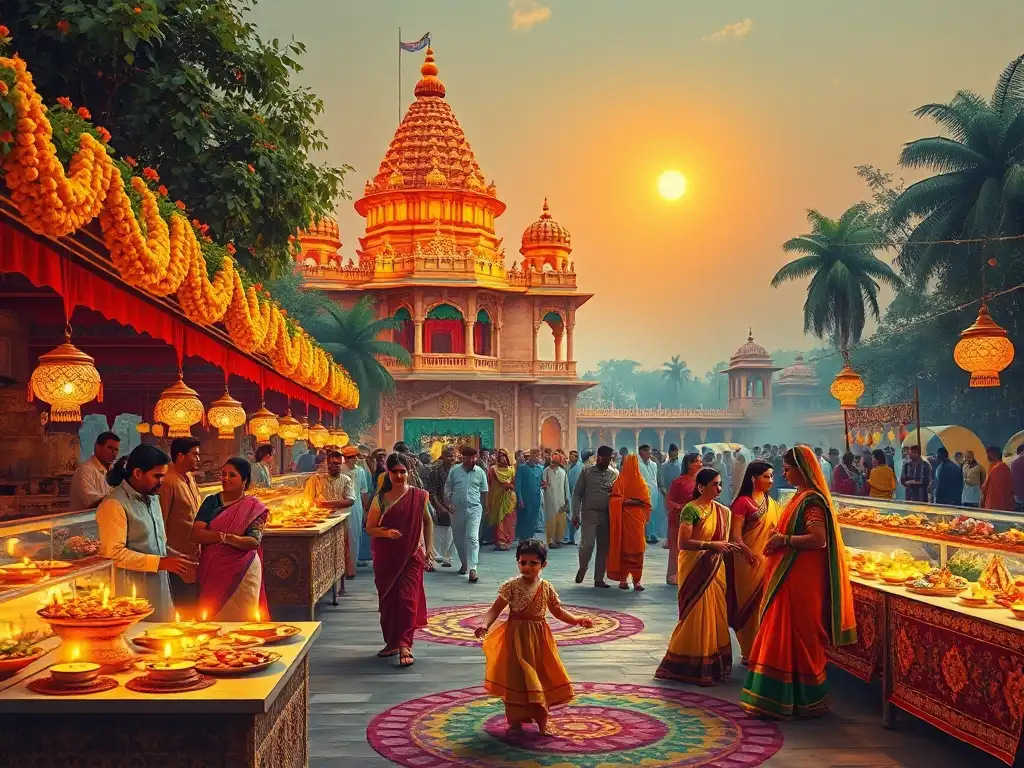
The legacy of ancient Indian festivals continues to resonate in contemporary culture, highlighting the enduring impact of historical practices. Understanding this legacy provides insights into how cultural exchanges shape modern celebrations.
Continuity of Cultural Practices in Modern Festivals
Many modern festivals in India retain core elements from their ancient origins, demonstrating continuity in cultural practices. For instance, the rituals associated with Makar Sankranti, Diwali, and Holi still reflect their historical significance:
- Rituals and Offerings: The offering of sweets and prayers during these festivals connects individuals to their agrarian past and spiritual beliefs.
- Community Gatherings: Festivals serve as occasions for social bonding, reflecting the ancient emphasis on community participation and celebration.
This continuity showcases how ancient practices adapt to contemporary contexts while preserving their cultural essence.
Influence of Ancient Festivals on Current Cultural Exchanges
Ancient Indian festivals have significantly influenced current cultural exchanges both within India and beyond. The rich tapestry of traditions has facilitated interactions that promote understanding and appreciation among diverse cultures:
- Cross-Cultural Celebrations: The global celebration of Diwali and Holi by various communities demonstrates how ancient festivals can foster intercultural dialogue and inclusivity.
- Cultural Tourism: Festivals attract tourists and scholars, leading to cultural exchanges that enrich the understanding of ancient traditions and their relevance today.
These influences underscore the importance of ancient festivals as catalysts for ongoing cultural interactions.
Preservation of Ancient Traditions in Today's Celebrations
Despite the passage of time, many ancient traditions continue to be preserved in today's celebrations, reflecting a deep-rooted respect for cultural heritage:
- Traditional Art Forms: The use of traditional art forms and crafts during festivals, such as rangoli designs during Diwali, highlights the aesthetic values carried over from ancient practices.
- Ritualistic Elements: Many modern celebrations incorporate ancient rituals, ensuring that the spiritual and cultural significance of the festivals is upheld.
The preservation of these traditions not only honors the past but also enriches contemporary cultural identities, ensuring that the legacy of ancient Indian festivals remains vibrant and relevant in today’s society.
Conclusion: The Enduring Impact of Festivals on Cultural Identity
The festivals of ancient India serve not only as a celebration of religious beliefs and agricultural cycles but also as vital expressions of cultural identity. They encapsulate the shared values, traditions, and historical experiences of diverse communities. The enduring impact of these festivals can be seen in their ability to foster a sense of belonging among people, transcending regional and linguistic barriers.
Furthermore, as festivals evolved through interactions with neighboring civilizations, they absorbed various cultural elements, creating a rich tapestry that highlights the importance of cultural exchanges. This dynamic nature of festivals continues to resonate in contemporary society, where they act as a bridge connecting past traditions with present identities.
Summary of Cultural Significance in Ancient Indian Festivals
Ancient Indian festivals were deeply intertwined with the agrarian calendar, marking significant seasonal changes and agricultural practices. Festivals like Makar Sankranti and Pongal celebrated harvests, showcasing the agrarian roots of ancient Indian society. They also served as platforms for community bonding, where people gathered to participate in rituals, feasts, and dances, reinforcing social ties.
Additionally, many festivals incorporated mythological narratives, offering insights into the moral values and philosophical beliefs of the time. The cultural significance of these festivals extended beyond mere celebration to encompass themes of renewal, gratitude, and community cohesion, reflecting the intricate relationship between the people and their environment.
Reflection on the Role of Festivals in Shaping Cultural Narratives
Festivals played a crucial role in shaping the cultural narratives of ancient India. They provided a space for storytelling and the transmission of myths and legends, which served to educate and instill values in the community. The rituals performed during festivals were often symbolic, representing larger cosmological themes and human experiences.
Festivals like Diwali not only celebrated the victory of light over darkness but also reinforced cultural narratives of resilience and hope. Through the lens of festivals, we can observe how ancient Indian societies articulated their identities, beliefs, and responses to external influences. This cultural storytelling has left a lasting legacy, as contemporary festivals continue to reflect and adapt these narratives, thereby maintaining their relevance in modern society.
References
Suggested Readings on Ancient Indian Festivals and Cultural Significance
- "Festivals of India: A Cultural Perspective" by Anjali Sharma
- "Rituals and Festivals: A Study of Indian Society" by Kiran Gupta
- "The Cultural Roots of Indian Festivals" by Deepak Verma
Notable Works on Cultural Exchanges in Ancient India
- "Cultural Interactions in Ancient India" by Ramesh Chandra
- "Trade and Cultural Exchange in Ancient India" by Sunita Joshi
- "Influences of Neighboring Cultures on Ancient Indian Traditions" by Prakash Mehta
- Introduction to Ancient Indian Festivals and Their Cultural Significance
- Overview of Festivals in Ancient India
- Importance of Festivals in Cultural Exchanges
- Historical Context of Festivals in Ancient India
- Major Ancient Indian Festivals and Their Cultural Significance
- The Role of Festivals in Promoting Cultural Exchanges
- Case Studies: Specific Festivals Reflecting Cultural Exchanges
- The Legacy of Ancient Indian Festivals in Contemporary Culture
- Conclusion: The Enduring Impact of Festivals on Cultural Identity
- References
- What were the main festivals celebrated in ancient India?
- How did festivals contribute to cultural exchanges in ancient India?
- What is the cultural significance of ancient Indian festivals?
- How did festivals impact the economy in ancient India?
- Are any ancient Indian festivals still celebrated today?
Frequently Asked Questions
What were the main festivals celebrated in ancient India?
Ancient India celebrated numerous festivals such as Diwali, Holi, and Makar Sankranti, each symbolizing various cultural and spiritual themes reflective of the society's values.
How did festivals contribute to cultural exchanges in ancient India?
Festivals served as a platform for cultural exchanges, allowing people from different regions and backgrounds to interact, share traditions, and foster community ties.
What is the cultural significance of ancient Indian festivals?
The cultural significance of ancient Indian festivals lies in their role in promoting social cohesion, preserving traditions, and enhancing the spiritual and artistic expressions of the communities involved.
How did festivals impact the economy in ancient India?
Festivals often spurred economic activity, as they encouraged trade, increased demand for goods, and promoted local craftsmanship through the production of festive items.
Are any ancient Indian festivals still celebrated today?
Yes, many ancient Indian festivals, such as Diwali and Holi, continue to be celebrated today, showcasing their enduring cultural relevance and the continuity of traditions over time.
Final Reflection: The Enduring Legacy of Ancient Indian Festivals
The exploration of ancient Indian festivals reveals their profound cultural significance, showcasing how these vibrant celebrations served as a mirror reflecting the rich tapestry of cultural exchanges. In today's globalized world, where cultural boundaries are increasingly blurred, understanding the roots of these festivals helps us appreciate the interconnectedness of human experiences. The lessons from ancient India remind us that festivals are not merely occasions for celebration; they are vital threads in the fabric of our shared heritage.
The influence of ancient Indian festivals continues to resonate in contemporary society, shaping our cultural landscape and fostering a sense of community. These festivals have transcended time, evolving yet retaining their core essence, which speaks to the values and traditions that bind us together. As Mahatma Gandhi once said, "> A nation's greatness is measured by how it treats its weakest members." This quote underscores the importance of inclusivity and unity, principles that are often celebrated during these festivals, reminding us of our collective responsibility to honor and uplift one another.
As we reflect on the cultural significance of ancient Indian festivals, I invite you to consider how these celebrations can inspire your own life. Take a moment to engage with your local traditions or explore new cultural practices that resonate with you. By participating in or learning about these festivals, you not only enrich your understanding of diverse cultures but also contribute to a more harmonious and inclusive society. Embrace the spirit of these ancient celebrations and let them guide you in fostering connections that transcend time and place.
Embrace the Spirit of Cultural Exchange!
Thank you for diving deep into the fascinating world of festivals and their role in cultural exchanges in ancient India! Your interest in this rich history not only enhances your knowledge but also connects you to the timeless traditions that shaped civilizations. Now, it’s time to take that inspiration and turn it into action!
Here’s how you can explore further and celebrate this vibrant heritage:
- Attend a local festival that highlights cultural traditions—immerse yourself in the colors, flavors, and sounds that reflect ancient practices.
- Share this article with friends and family to ignite discussions about the importance of cultural exchanges in your own community.
- Join an online forum or community group dedicated to historical celebrations to learn and share stories about cultural heritage.
Which festival or cultural practice resonates with you the most, and how can you incorporate it into your life today?