
The Role of Indian Artisans in Crafting Southeast Asian Cultural Identities

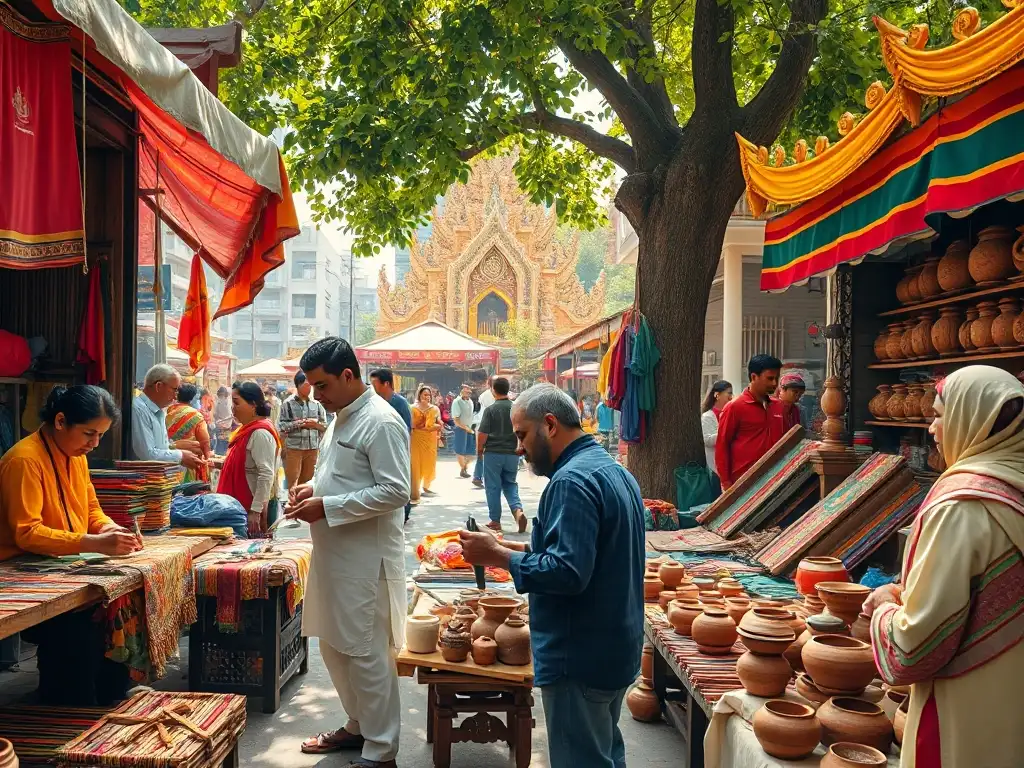
Welcome to Ancient India History, where we embark on a fascinating journey through the rich tapestry of ancient Indian civilizations. Here, we delve into the profound impact of Indian artisans on Southeast Asian culture, unraveling how their craftsmanship and creativity have shaped cultural identities across the region.
As you explore our latest article, "The Role of Indian Artisans in Crafting Southeast Asian Cultural Identities," prepare to uncover intriguing connections and the vibrant exchanges that have influenced art, tradition, and identity. Join us as we illuminate these remarkable narratives and invite you to discover the legacies that continue to resonate today!
Introduction to Indian Artisans and Southeast Asia
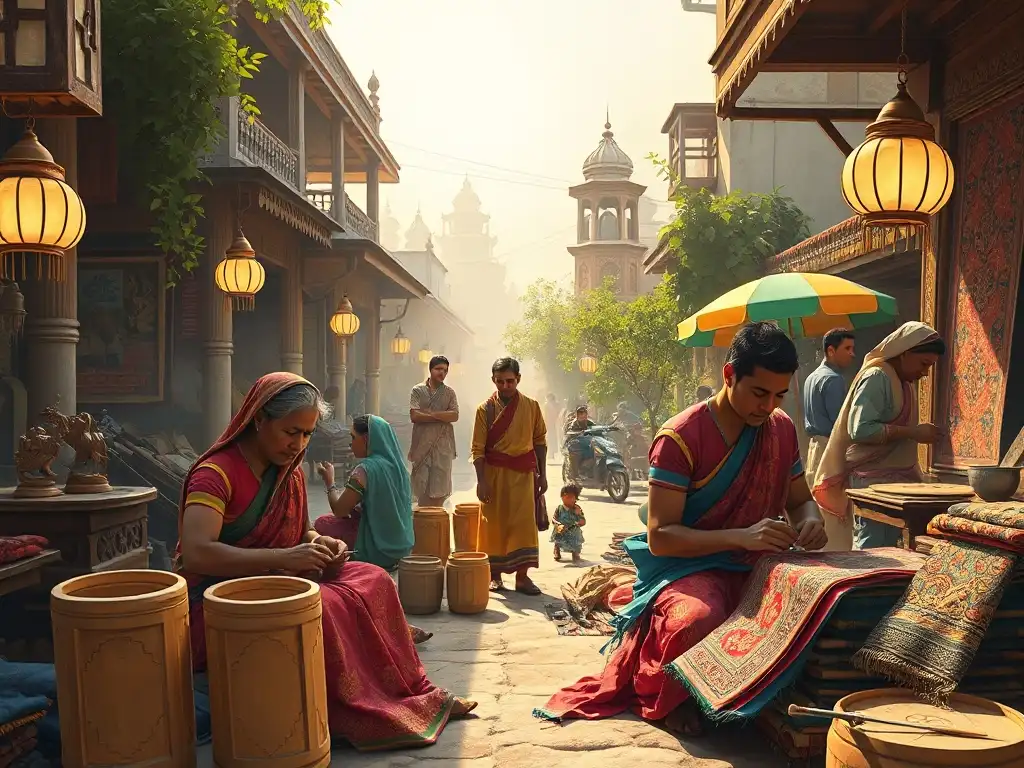
The influence of Indian artisans on the cultural landscape of Southeast Asia is a fascinating narrative that intertwines trade, artistry, and cultural exchanges. As ancient India flourished, its skilled craftsmen traveled beyond the subcontinent, bringing with them a wealth of knowledge, artistic techniques, and cultural practices that significantly shaped the identities of various Southeast Asian societies. This article delves into the pivotal role these artisans played in crafting Southeast Asian cultural identities, highlighting their contributions and the importance of cultural exchanges that facilitated the blending of traditions.
Overview of Indian Artisans' Contributions
Indian artisans were not merely traders; they were cultural ambassadors who introduced a myriad of artistic styles and techniques to Southeast Asia. Their contributions can be categorized into several key areas:
- Textiles and Weaving: Indian artisans were renowned for their intricate textiles, which influenced local weaving practices in countries like Indonesia and Thailand.
- Sculpture and Architecture: The architectural styles of temples and sculptures in Southeast Asia often reflect Indian techniques, particularly the use of stone and bronze.
- Metalwork and Craftsmanship: The art of metalworking, especially in crafting tools and jewelry, saw significant advancements due to Indian influence.
These contributions not only enhanced the local craftsmanship but also created a lasting legacy that is evident in the cultural practices of Southeast Asian communities today.
Significance of Cultural Exchanges in Southeast Asia
Cultural exchanges played a crucial role in shaping the identities of Southeast Asian societies. Through trade routes such as the Maritime Silk Road, Indian artisans engaged with local cultures, leading to a dynamic exchange of ideas and artistic forms. This interaction facilitated:
- Fusion of Artistic Styles: Local artisans began to adopt and adapt Indian techniques, resulting in unique hybrid styles that reflect both Indian and indigenous elements.
- Spread of Religious Ideas: Indian artisans also contributed to the dissemination of religious art, particularly Buddhism and Hinduism, which became integral to the cultural fabric of Southeast Asia.
- Economic Development: The influx of Indian goods and craftsmanship stimulated local economies, fostering a thriving market for textiles, sculptures, and other crafts.
The significance of these exchanges cannot be understated, as they laid the groundwork for the rich cultural tapestry that defines Southeast Asia today.
Historical Context of Indian Artisans in Southeast Asia
Understanding the historical context of Indian artisans in Southeast Asia is essential to grasping their impact on the region’s cultural identity. This section explores the early trade routes and the intricate cultural interactions that characterized this relationship.
Early Trade Routes and Cultural Interactions
The relationship between Indian artisans and Southeast Asia can be traced back to ancient trade routes that connected the Indian subcontinent with various parts of Southeast Asia. Key points of interest include:
- The Maritime Trade Network: The establishment of maritime routes facilitated the movement of goods, culture, and artisans between India and regions such as Sumatra, Java, and the Malay Peninsula.
- Cultural Melting Pots: Port cities became melting pots of diverse cultures, where Indian artisans shared their expertise with local craftsmen, leading to innovative artistic expressions.
These early interactions laid the foundation for a profound cultural exchange that would have lasting effects on the region.
Influence of Indian Artisans on Southeast Asian Societies
As Indian artisans settled in various parts of Southeast Asia, their influence permeated through different facets of society:
- Art and Religion: Indian artisans played a vital role in the construction of temples and religious icons, which became central to the spiritual life of Southeast Asian communities.
- Culinary Arts: The introduction of Indian culinary practices enriched the local cuisine, leading to a fusion of flavors that is still celebrated today.
- Social Structures: The skills and knowledge brought by Indian artisans contributed to the development of new social hierarchies and occupational roles within Southeast Asian societies.
The role of Indian artisans in crafting Southeast Asian cultural identities is a testament to the intricate web of trade, artistry, and cultural exchanges that defined ancient interactions. Their contributions not only shaped the artistic landscape but also fostered a rich cultural heritage that continues to thrive in modern Southeast Asia.
Key Art Forms and Techniques Brought by Indian Artisans
Indian artisans have played a pivotal role in shaping the cultural identities of Southeast Asia through their unique art forms and techniques. These artisans, who traveled across the seas, brought with them a wealth of skills that influenced various aspects of local cultures. The infusion of Indian artistry can be seen in textiles, sculpture, architecture, and pottery, among others. Each of these art forms not only reflects the technical prowess of Indian artisans but also highlights the rich cultural exchanges that took place between ancient India and Southeast Asian civilizations.
Textile Production and Weaving Techniques
One of the most significant contributions of Indian artisans to Southeast Asia is in the realm of textile production and weaving techniques. The tradition of weaving in India, characterized by intricate patterns and vibrant colors, found its way into Southeast Asian textiles, where it merged with local designs to create distinctive fabric styles. Techniques such as tie-dye, block printing, and brocade weaving were introduced, leading to the development of unique textiles like Batik in Indonesia and Ikat in Malaysia.
Indian artisans also influenced the use of natural dyes and materials, which enhanced the quality and aesthetic appeal of Southeast Asian fabrics. The establishment of trade routes facilitated the exchange of textile techniques, allowing local artisans to adopt and adapt Indian methods, thus enriching their own cultural heritage.
Sculpture and Architectural Influence
Indian artisans significantly impacted the realm of sculpture and architecture in Southeast Asia. The introduction of Hindu and Buddhist motifs is evident in the intricate carvings and sculptures found in temples and monuments throughout the region. Notable examples include the Angkor Wat temple complex in Cambodia, where the influence of Indian sculptural styles is paramount.
The use of stone as a primary medium, along with techniques such as relief carving, was brought by Indian craftsmen. They also introduced architectural elements like stupas and mandapas, which became integral to the local architecture. This melding of Indian styles with indigenous practices created a unique architectural language that spoke to the spiritual and cultural aspirations of Southeast Asian societies.
Pottery and Ceramics from Indian Traditions
The art of pottery and ceramics is another area where Indian influence is palpable in Southeast Asia. Indian artisans introduced advanced techniques such as wheel-throwing and glazing, which transformed local pottery practices. The use of fine clay and intricate designs in pottery was adopted by Southeast Asian artisans, resulting in unique ceramic styles.
In particular, the production of terracotta and stoneware showcased Indian influence, with decorative motifs reflecting Indian mythology and folklore. The spread of these techniques not only enhanced the functional aspects of pottery but also integrated aesthetics into daily life, allowing for greater cultural expression through utilitarian objects.
Case Studies of Indian Artisans’ Influence on Southeast Asian Cultures
The influence of Indian artisans on Southeast Asian cultures is best understood through specific case studies that highlight their contributions in various regions. These examples reveal the depth of cultural exchange and the lasting legacy of Indian craftsmanship.
Indian Influence on Balinese Art and Culture
In Bali, Indian artisans played a crucial role in shaping local art forms, particularly through the introduction of Hindu themes and practices. The intricate wood carvings, traditional dance forms, and temple architecture in Bali reflect a blend of Indian and indigenous influences. The portrayal of deities and mythological narratives in Balinese art often draws directly from Indian epics such as the Ramayana and Mahabharata.
Furthermore, the performance arts in Bali, including wayang kulit (shadow puppetry), also exhibit Indian storytelling techniques, enriching the cultural fabric of the island and showcasing the profound impact of Indian artisans on Balinese identity.
The Impact of Indian Craftsmanship in Cambodian Temples
The grandeur of Cambodian temples, particularly the Angkor Wat complex, stands as a testament to the influence of Indian craftsmanship. Indian artisans contributed to the architectural design and intricate stone carvings that adorn these temples. The reliefs depicting scenes from Hindu mythology and the use of sandstone reflect the technical skills brought by Indian craftsmen.
Moreover, the layout of the temples, inspired by Indian principles of sacred architecture, illustrates a significant cultural exchange that not only influenced Cambodian religious practices but also established a shared cultural heritage that persists to this day.
Indian Techniques in Thai Traditional Crafts
In Thailand, the impact of Indian artisans can be observed in various traditional crafts, including silverware, textiles, and ceramics. The intricate techniques used in Thai silver crafting, such as filigree and engraving, have roots in Indian craftsmanship. Similarly, Thai textiles, characterized by their elaborate patterns and vibrant colors, show a clear Indian influence in design and weaving techniques.
The adoption of Indian motifs and styles in Thai crafts has created a rich tapestry of cultural identity, where Indian and Thai elements coexist and complement each other, reflecting the historical ties between the two regions. This cultural amalgamation continues to thrive in contemporary Thai art, showcasing the enduring legacy of Indian artisans in shaping Southeast Asian culture.
The Role of Indian Artisans in Shaping Cultural Identities
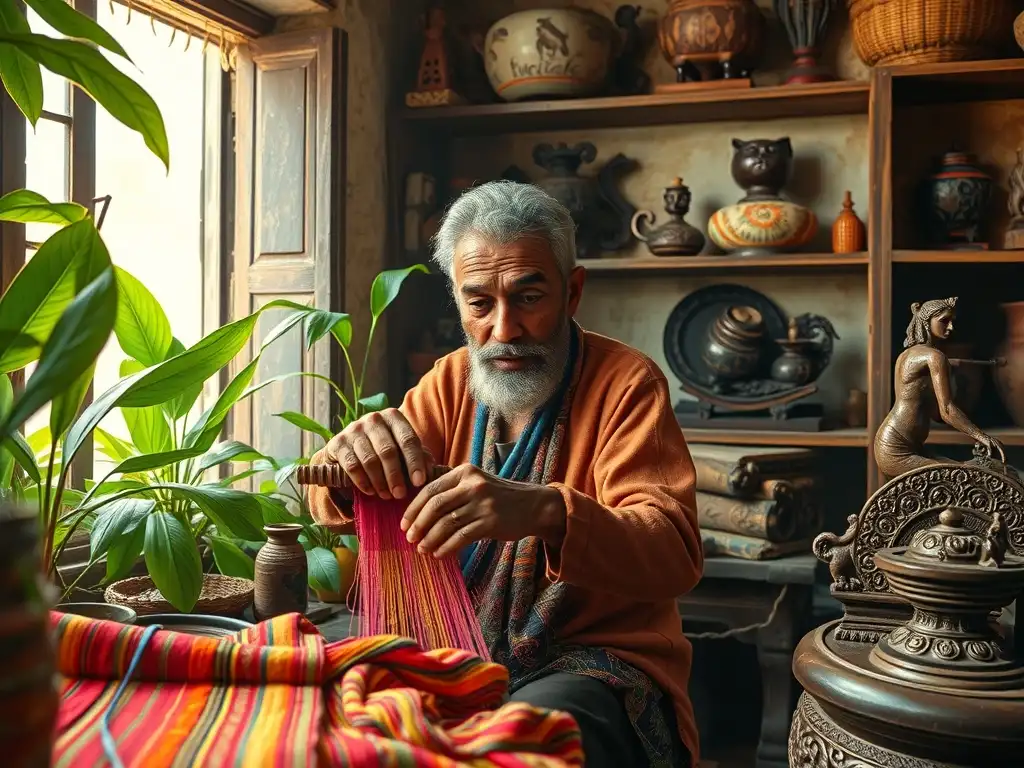
Indian artisans have played a pivotal role in shaping the cultural identities of Southeast Asia, significantly impacting the region's artistic expressions, traditions, and social fabric. From the early centuries of trade and cultural exchange, these skilled craftsmen and women brought with them not only their artistry but also their cultural narratives, which intermingled with local traditions. This cross-pollination of ideas and techniques led to a rich tapestry of cultural identities that continue to resonate in the region today.
Artisans such as weavers, woodworkers, metal craftsmen, and stone carvers introduced new materials, techniques, and motifs that were absorbed into the local cultures, creating unique hybrid forms of art. The influence of Indian artisans is evident in various aspects, ranging from religious sculptures and temple architecture to textiles and pottery, showcasing a blend of Indian aesthetics with indigenous styles. This fusion is a testament to the adaptability and creativity of artisans, who have been integral in crafting a shared cultural heritage that transcends geographical boundaries.
Fusion of Indian and Local Art Forms
The fusion of Indian and local art forms has resulted in distinctive artistic styles that reflect the diverse cultural milieu of Southeast Asia. For example, in countries like Indonesia and Thailand, Hindu and Buddhist iconography was incorporated into local artistic traditions, leading to a unique synthesis of themes and styles in sculpture and painting.
In Indonesia, particularly in Bali, traditional Indian motifs can be seen in the intricate wood carvings and textile designs. Similarly, in Thailand, the influence of Indian art is evident in the architecture of temples, where elements of Indian design have been skillfully integrated with local aesthetics. This blending of art forms not only enhances the aesthetic appeal but also reinforces shared cultural narratives, creating a sense of identity that resonates deeply within the communities.
Preservation of Traditional Crafts and Cultural Heritage
The role of Indian artisans extends beyond mere creation; they are also custodians of traditional crafts and cultural heritage. By passing down techniques and knowledge through generations, these artisans have helped preserve the intricate craftsmanship that forms the backbone of Southeast Asia's cultural identity.
Crafts such as batik in Indonesia and traditional textile weaving in Thailand owe their evolution to the techniques introduced by Indian artisans. This preservation is vital not only for maintaining cultural continuity but also for fostering a sense of pride among local communities. As these crafts continue to flourish, they adapt to contemporary tastes while retaining their historical significance, ensuring that the cultural narratives they embody remain vibrant and relevant.
Indian Festivals and Their Influence on Southeast Asian Celebrations
Indian festivals have significantly influenced the cultural calendar of many Southeast Asian societies. Celebrations such as Diwali and Holi have found their way into the local festivities, often blending with indigenous practices to create unique celebrations.
For instance, in Malaysia, the festival of Deepavali is celebrated with great fervor, showcasing a harmonious blend of Indian and local traditions, including the preparation of special foods and community gatherings. Similarly, the influence of Holi can be observed in various festivals across Southeast Asia that celebrate the arrival of spring with vibrant colors and joyous gatherings. These festivals not only reflect the cultural exchange but also reinforce the social bonds within and among communities, illustrating the enduring legacy of Indian artisans in shaping cultural identities.
Modern-Day Relevance of Indian Artisans in Southeast Asia
As the world evolves, the relevance of Indian artisans in Southeast Asia continues to grow. Their contributions to contemporary craftsmanship and cultural exchange are essential in maintaining the region's rich artistic traditions while navigating modern influences.
Contemporary Craftsmanship and Cultural Exchange
In today’s globalized economy, Indian artisans remain vital players in the cultural exchange landscape. They engage in partnerships and collaborative projects that span borders, leading to a revival of traditional crafts infused with contemporary design elements.
This modern craftsmanship is not only about aesthetics but also about sustainability, as artisans often incorporate eco-friendly materials and techniques into their work. By participating in international craft fairs and exhibitions, these artisans promote their heritage while embracing contemporary trends, ensuring that their skills and artistry remain relevant in the modern world. This exchange of ideas fosters a greater understanding of cultural diversity and encourages innovation rooted in tradition.
Revitalization of Traditional Techniques by Indian Artisans
The revitalization of traditional techniques by Indian artisans is crucial in preserving the cultural heritage of Southeast Asia. Many artisans are now focused on reviving ancient methods that had been at risk of fading away due to industrialization and modernization.
By employing age-old techniques in textile production, pottery, and metalwork, these artisans not only keep their traditions alive but also educate younger generations about their cultural significance. Workshops and training programs are being established to pass on these skills, ensuring that the rich tapestry of Southeast Asian culture remains vibrant and accessible. This commitment to revitalization reflects a deep respect for heritage and an understanding of its importance in shaping identity, making Indian artisans indispensable to the cultural landscape of Southeast Asia.
Conclusion: The Lasting Impact of Indian Artisans on Southeast Asian Culture
The influence of Indian artisans on Southeast Asian culture has been profound and multifaceted, shaping the region's artistic expressions and cultural identities for centuries. These artisans, through their skills and craftsmanship, not only introduced new techniques and materials but also facilitated the exchange of ideas and traditions between India and various Southeast Asian nations. From textiles to architecture, the imprint of Indian artistry is evident in many aspects of Southeast Asian culture, creating a rich tapestry that reflects a blend of local and Indian influences.
The legacy of Indian artisans can still be observed today in modern Southeast Asian societies, where traditional crafts and practices continue to thrive. The artisans' ability to adapt and integrate their skills with local styles has contributed to a unique cultural synthesis that celebrates both heritage and innovation. This lasting impact underscores the importance of acknowledging and preserving the contributions of Indian artisans in shaping Southeast Asia's cultural landscape.
Summary of Contributions to Cultural Identities
Indian artisans played a crucial role in the formation of cultural identities across Southeast Asia through various means:
- Artistry in Architecture: Indian architectural styles, particularly those seen in temple design, significantly influenced Southeast Asian structures, as seen in the Angkor Wat temple complex in Cambodia, which reflects Indian design principles.
- Textile Traditions: The introduction of Indian weaving techniques and patterns enriched local textile industries, leading to the production of intricate fabrics that became integral to Southeast Asian attire and ceremonial practices.
- Sculptural Practices: Indian artisans introduced new methods of sculpture, often depicting Hindu and Buddhist deities, which became central to the spiritual and artistic expressions in countries like Thailand and Indonesia.
- Culinary Influences: The migration of artisans also brought culinary traditions that fused with local cuisines, contributing to the diverse gastronomic identities found throughout Southeast Asia.
Overall, the contributions of Indian artisans have not only enriched the artistic heritage of Southeast Asia but have also played a pivotal role in the region's social and cultural evolution.
Future of Indian Artisans in Southeast Asian Cultural Landscapes
The future of Indian artisans in Southeast Asian cultural landscapes appears promising, yet it is intertwined with challenges and opportunities. As globalization continues to influence cultural exchanges, Indian artisans must adapt their crafts to appeal to contemporary markets while preserving traditional techniques.
- Revitalization of Traditional Crafts: There is a growing movement to revive traditional crafts that have been at risk of fading away. Efforts to promote artisan cooperatives and cultural tourism can help sustain these practices and enhance their relevance in modern contexts.
- Collaboration and Innovation: Collaborations between Indian artisans and local craftsmen can lead to innovative designs that honor both traditions. Such partnerships can foster a dynamic exchange of ideas, resulting in new artistic expressions that resonate with diverse audiences.
- Cultural Education and Awareness: Initiatives aimed at educating the public about the historical significance of Indian artisans' contributions can foster greater appreciation for their work. Museums, workshops, and cultural festivals can serve as platforms for showcasing these unique crafts and their historical narratives.
While the future presents both challenges and opportunities, there remains a rich potential for Indian artisans to continue influencing Southeast Asian cultural landscapes, ensuring that their legacy endures in the vibrant tapestry of regional identities.
- Introduction to Indian Artisans and Southeast Asia
- Historical Context of Indian Artisans in Southeast Asia
- Key Art Forms and Techniques Brought by Indian Artisans
- Case Studies of Indian Artisans’ Influence on Southeast Asian Cultures
- The Role of Indian Artisans in Shaping Cultural Identities
- Modern-Day Relevance of Indian Artisans in Southeast Asia
- Conclusion: The Lasting Impact of Indian Artisans on Southeast Asian Culture
- What was the significance of Indian artisans in Southeast Asia?
- How did Indian craftsmanship impact Southeast Asian architecture?
- In what ways did trade routes facilitate cultural exchange between India and Southeast Asia?
- What are some examples of artistic contributions from Indian artisans?
- How did the Gupta Empire contribute to the legacy of Indian artisans in Southeast Asia?
Frequently Asked Questions
What was the significance of Indian artisans in Southeast Asia?
Indian artisans played a crucial role in shaping the cultural identities of Southeast Asia by introducing diverse craft techniques, artistic styles, and materials that influenced local traditions.
How did Indian craftsmanship impact Southeast Asian architecture?
The influence of Indian craftsmanship is evident in the architecture of Southeast Asia, where Hindu and Buddhist motifs were integrated into local designs, creating a unique blend of styles that reflect both cultures.
In what ways did trade routes facilitate cultural exchange between India and Southeast Asia?
Trade routes were vital for the exchange of not only goods but also ideas and artistic practices. This interaction led to a rich fusion of cultural elements that enriched both regions.
What are some examples of artistic contributions from Indian artisans?
Examples include intricate textiles, sculptures, and pottery that showcase Indian techniques and aesthetics, influencing local artists and craftsmen across Southeast Asia.
How did the Gupta Empire contribute to the legacy of Indian artisans in Southeast Asia?
The Gupta Empire is known for its advancements in art and culture, which were disseminated through traders and missionaries, helping to establish a lasting impact on the cultural landscape of Southeast Asia.
Final Reflection: The Enduring Legacy of Indian Artisans in Southeast Asian Culture
The intricate tapestry of Southeast Asian cultural identities is woven with the threads of Indian artisans' craftsmanship, showcasing how their contributions remain profoundly relevant today. As we navigate an increasingly globalized world, the unique artistry and traditions brought forth by Indian artisans continue to shape and enrich the cultural landscapes of Southeast Asia. Their work is not merely a relic of the past but a living testament to the interconnectedness of cultures, reminding us that art has the power to transcend borders and foster unity.
The influence of Indian artisans is evident in the vibrant cultural expressions found throughout Southeast Asia, from textiles to architecture. Their craftsmanship has not only preserved ancient techniques but has also inspired contemporary artists and communities to embrace their heritage. As we witness this ongoing cultural dialogue, we are reminded of the words of Mahatma Gandhi: A nation's greatness is measured by how it treats its weakest members.
This quote resonates deeply as we consider the artisans who, despite facing challenges, continue to play a pivotal role in shaping cultural identities and sustaining local economies.
As we reflect on the significant impact of Indian artisans in Southeast Asia, I invite you to explore your own connection to cultural heritage. Consider how you can support local artisans in your community or engage with the rich traditions that have been passed down through generations. By honoring and promoting these artistic legacies, we not only celebrate the past but also contribute to a future where diverse cultures thrive together. Let us embrace the lessons of collaboration and appreciation, ensuring that the artistry of Indian artisans continues to inspire and enrich our lives for years to come.
Unveil the Rich Tapestry of Southeast Asian Culture!
Thank you for exploring the fascinating contributions of Indian artisans to Southeast Asian cultural identities! Your engagement with this vital topic enriches our understanding of history and the intricate connections that shape societies. Now, let’s take this journey further and make a difference starting today!
- Dive deeper into the world of artisans: Visit local exhibitions or museums to witness traditional crafts firsthand. Your support can help preserve these unique art forms!
- Share this article with your friends and family: Spark conversations about the enduring legacy of Indian craftsmanship and its influence on Southeast Asian cultures.
- Join online communities focused on art and cultural exchange: Engage with others who share your passion and contribute your insights on the roles of artisans in shaping cultural identities.
What hidden stories of cultural exchange do you think are shaped by the hands of artisans in our modern world?