
How Ancient Indian Universities Nurtured Political Thinkers and Leaders

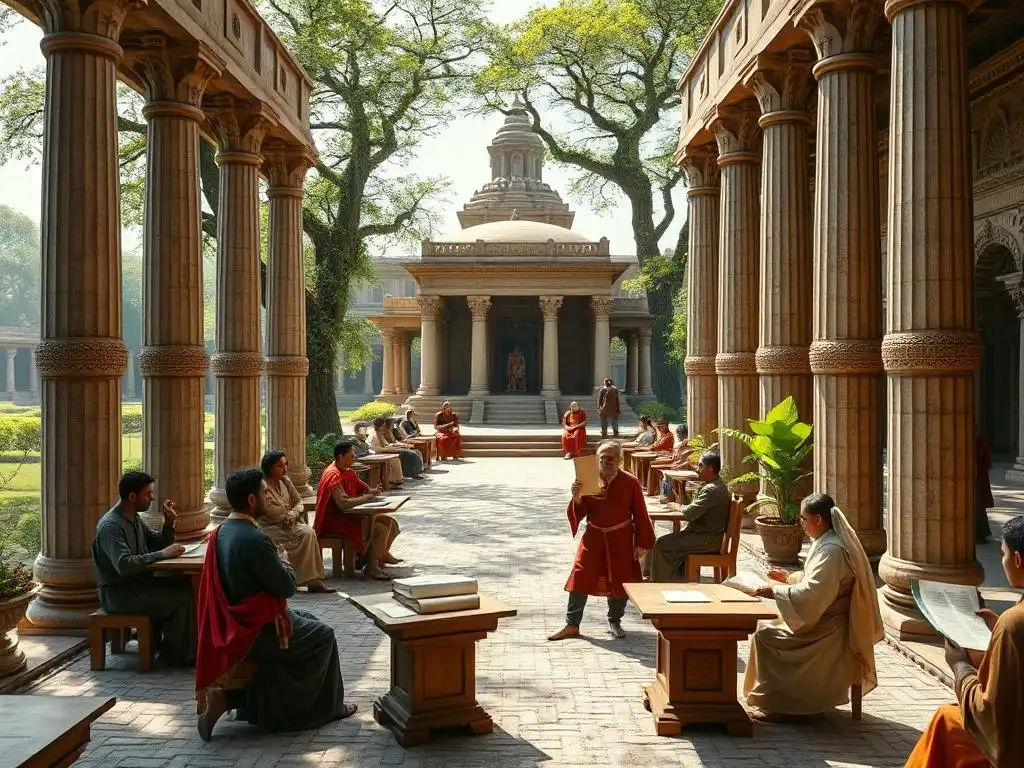
Welcome to Ancient India History, where we embark on a fascinating journey through the rich tapestry of ancient Indian civilizations. Here, we delve deep into the impact of ancient Indian universities—the hallowed grounds that nurtured some of history's most brilliant political thinkers and leaders. What secrets did these institutions hold that shaped the course of governance and philosophy?
As you explore our latest article, How Ancient Indian Universities Nurtured Political Thinkers and Leaders, prepare to uncover the profound legacy of education in shaping society and leadership in ancient India. Join us as we unlock the wisdom of the past and its relevance to our present!
- Introduction to Ancient Indian Universities and Their Impact on Political Thought
- The Structure of Ancient Indian Universities
- The Impact of Ancient Indian Universities on Political Thinkers
- The Legacy of Ancient Indian Universities in Political Education
- Conclusion: The Lasting Impact of Ancient Indian Universities on Political Thought
- Frequently Asked Questions
- Final Reflection: The Enduring Impact of Ancient Indian Universities
- Unveil the Legacy of Ancient Indian Political Thought!
Introduction to Ancient Indian Universities and Their Impact on Political Thought
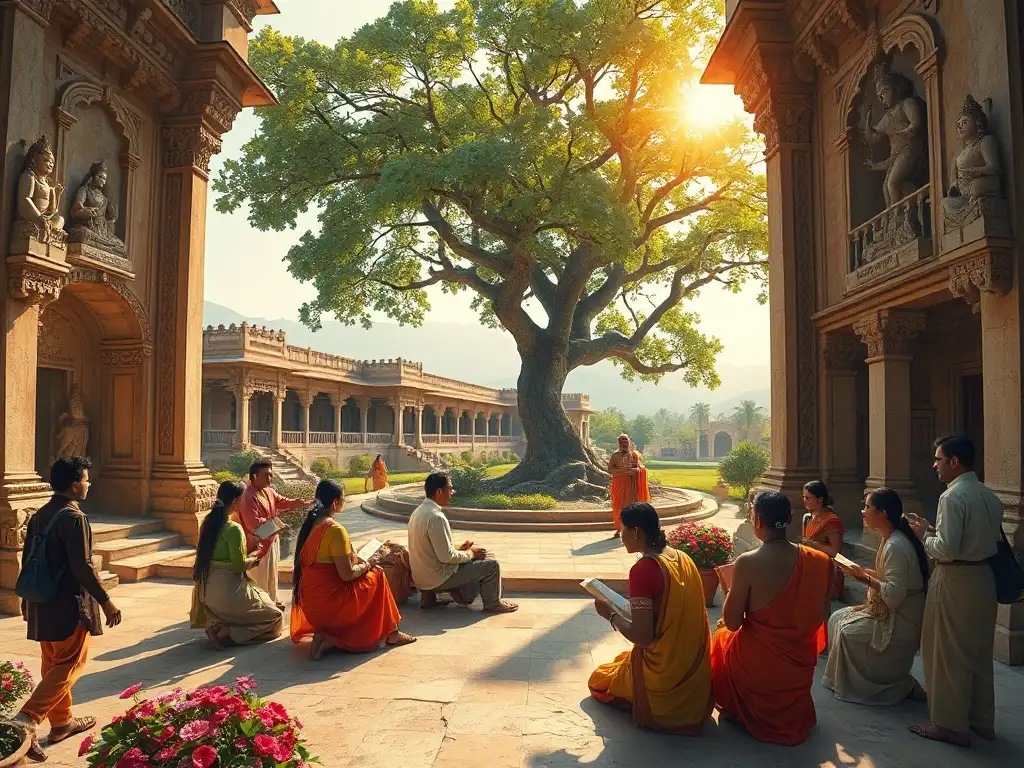
The legacy of ancient Indian universities, such as Nalanda and Takshashila, extends far beyond their academic achievements; they were pivotal in shaping the political landscape of their time. These institutions not only provided a comprehensive education in various fields, including philosophy, science, and arts, but also nurtured some of the most influential political thinkers and leaders in ancient India.
The impact of ancient Indian universities on political thought is a fascinating topic that underscores their significance in the development of governance and leadership ideals. This article delves into the crucial role these universities played in cultivating a generation of thinkers who contributed to the socio-political fabric of their era and beyond.
Overview of Ancient Indian Universities
Ancient Indian universities were renowned centers of learning that attracted scholars from various regions. Established during different periods, they served as vibrant hubs for intellectual discourse and innovation.
- Nalanda University: Founded in the 5th century CE, Nalanda became one of the world's first residential universities, hosting thousands of students and teachers. Its curriculum was expansive, covering subjects like logic, medicine, and astronomy, making it a beacon of education in ancient times.
- Takshashila: This university predates Nalanda and is believed to have been established around the 6th century BCE. Known for its diverse range of subjects, including military science and philosophy, Takshashila played a crucial role in educating future leaders and administrators.
These institutions exemplified the emphasis on knowledge and intellectual growth prevalent in ancient Indian society, fostering an environment where political philosophy and ethical governance were actively discussed and developed.
Importance of Political Thinkers in Ancient India
Political thinkers from ancient India made significant contributions to governance, ethics, and the philosophy of statecraft. Notable figures such as Kautilya, the author of the Arthashastra, laid foundational principles that guided rulers in their governance strategies.
- Kautilya (Chanakya): His pragmatic approach to politics emphasized the importance of strategy and diplomacy. Kautilya's thoughts on statecraft and administration continue to influence political theory today.
- Buddha and Mahavira: Their teachings also impacted political thought, advocating for ethical governance and social justice. Their philosophies provided a moral framework that leaders could adopt to cultivate just and peaceful societies.
The ideas propagated by these thinkers were crucial in shaping the political landscape of ancient India, promoting a culture where leadership was seen as a responsibility towards the community rather than mere authority.
The Role of Education in Shaping Leadership
Education in ancient Indian universities was not merely about acquiring knowledge; it was fundamentally about preparing individuals for leadership roles. The rigorous training and diverse curricula ensured that students developed critical thinking and ethical reasoning skills, which were essential for effective governance.
- Holistic Development: Students were encouraged to engage in discussions, debates, and practical applications of their learning, fostering a well-rounded understanding of governance.
- Mentorship: The relationship between students and teachers was pivotal, with experienced mentors guiding young minds in the intricate balance of power and morality.
This educational model cultivated a generation of leaders who were well-equipped to navigate the complexities of governance, ensuring that the ideals of justice, ethics, and responsibility remained at the forefront of their political agendas. The enduring impact of ancient Indian universities on political thought is a testament to their role in shaping the leaders of tomorrow.
The Structure of Ancient Indian Universities
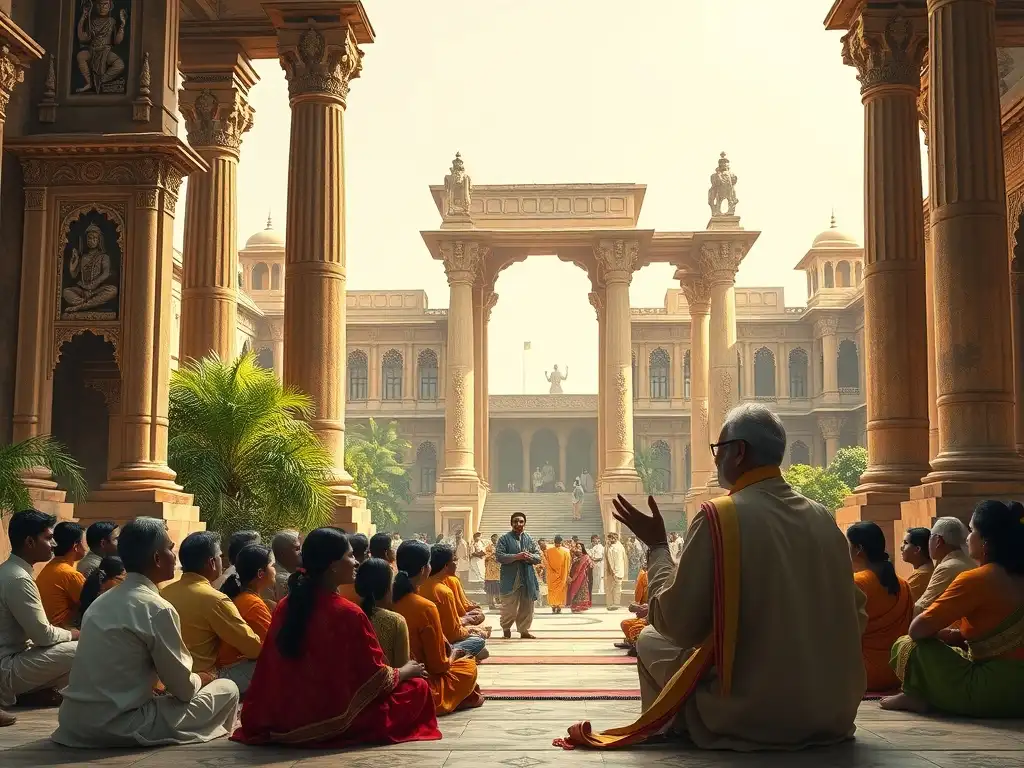
Ancient Indian universities were remarkable centers of learning that played a pivotal role in shaping the intellectual landscape of India. These institutions were not merely places for academic learning; they were also cultural and spiritual hubs where knowledge and wisdom flourished. The structure of these universities was unique and catered to various fields of study, attracting scholars from across the globe.
Key Features of Ancient Indian Universities
Ancient Indian universities were characterized by several key features that distinguished them from other educational institutions of their time.
- Diverse Disciplines: They offered a wide range of subjects including philosophy, medicine, mathematics, astronomy, and the arts. This multidisciplinary approach allowed students to gain a comprehensive understanding of various fields.
- Residential System: Most ancient universities operated on a residential model, where students lived on campus. This setup fostered a close-knit community, enabling interaction and collaboration among students and teachers.
- Guru-Shishya Tradition: The relationship between the teacher (guru) and student (shishya) was highly revered. This mentorship model emphasized personal guidance, and students were encouraged to engage in discussions and debates.
- Cultural Integration: These universities not only focused on academic instruction but also integrated cultural and spiritual teachings, reflecting the diverse philosophies of ancient Indian society.
Curriculum and Subjects Offered
The curriculum at ancient Indian universities was vast and comprehensive.
- Philosophy and Logic: Courses were offered in various schools of thought, including Nyaya (logic), Vaisheshika (atomism), and Advaita Vedanta (non-dualism).
- Science and Technology: Subjects like Ayurveda (medicine), Jyotisha (astrology), and metallurgy were integral, showcasing India's advancements in these fields.
- Languages and Literature: Students studied Sanskrit, Prakrit, and other regional languages, along with literature, poetry, and drama.
- Mathematics: The study of mathematics involved arithmetic, geometry, and astronomy, with significant contributions from scholars like Aryabhata.
Teaching Methodologies
The teaching methodologies employed in ancient Indian universities were dynamic and innovative.
- Interactive Learning: Students engaged in discussions, debates, and dialogues, which were essential for developing critical thinking skills.
- Oral Tradition: Much of the knowledge was transmitted orally, fostering retention and understanding through repetition and recitation.
- Practical Application: Students were encouraged to apply theoretical knowledge in practical scenarios, particularly in fields like medicine and engineering.
- Field Studies: Learning often extended beyond the classroom, with students participating in field studies and research projects.
Prominent Ancient Indian Universities
Several ancient Indian universities left a significant impact on the education system and contributed to the development of political thinkers and leaders.
Nalanda University
Nalanda University, established in the 5th century CE, is one of the most renowned ancient Indian universities.
- Global Influence: It attracted scholars from various countries, including China, Korea, Japan, and Tibet, making it a melting pot of ideas and knowledge.
- Curriculum: Nalanda offered an extensive curriculum covering subjects such as philosophy, mathematics, astronomy, and medicine.
- Notable Scholars: The university was home to prominent scholars like Nagarjuna and Xuanzang, who contributed significantly to Buddhist philosophy and translation work.
Takshashila University
Takshashila, often considered the first university in India, flourished around the 6th century BCE.
- Diverse Learning Environment: It provided education in diverse fields, including warfare, governance, and economics, preparing students for leadership roles.
- Influential Alumni: Noteworthy figures such as Chanakya and Jivaka emerged from Takshashila, impacting political and medical fields respectively.
- Cultural Exchange: The university served as a hub for cultural exchange, attracting students from various parts of the ancient world.
Vikramshila University
Founded in the 8th century CE, Vikramshila was another significant center of learning in ancient India.
- Specialization in Buddhism: It was known for its focus on Buddhist studies, attracting students and scholars who wished to delve deep into Buddhist philosophy and texts.
- Innovative Curriculum: Vikramshila offered a well-structured curriculum that included logic, grammar, and the arts, promoting a holistic education.
- Impact on Political Thought: The university played a crucial role in nurturing leaders who shaped the political landscape of their time, underlining the importance of education in governance.
The legacy of these ancient Indian universities continues to influence modern education, highlighting their lasting impact on political thought and leadership in India. Their structured approach to learning, diverse curriculum, and emphasis on critical thinking set a foundation that resonates even today.
The Impact of Ancient Indian Universities on Political Thinkers
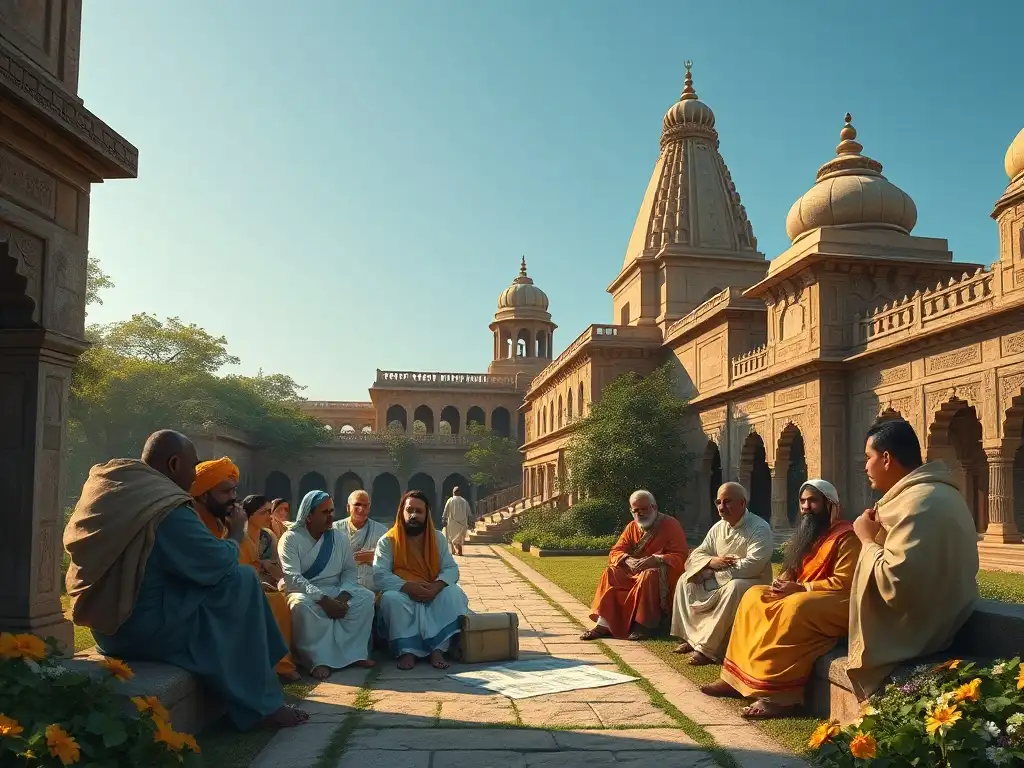
Nurturing Political Philosophy and Leadership Skills
Ancient Indian universities, particularly institutions like Nalanda and Takshashila, played a pivotal role in shaping political thought and leadership in India. These universities were not merely centers of academic learning; they were vibrant hubs where philosophy, governance, and ethics converged. The curriculum included disciplines such as Dharma Shastra (law), Arthashastra (political economy), and Rajadharma (royal ethics), which provided students with a comprehensive understanding of governance and political responsibilities.
The emphasis on debate and dialogue in these institutions fostered critical thinking and analytical skills among students. This pedagogical approach allowed future leaders to develop their political philosophies, often grounded in the rich tradition of Indian ethics and spirituality. The environment encouraged students to question existing norms and seek innovative solutions to societal issues, which was essential for effective leadership.
Moreover, the universities often hosted prominent scholars and statesmen who would engage with students, providing mentorship and real-world insights. This direct interaction with experienced leaders was instrumental in nurturing a generation of political thinkers who were well-prepared for the complexities of governance.
Influential Political Thinkers Educated in Universities
Several notable political thinkers emerged from ancient Indian universities, leaving a lasting impact on political philosophy and governance. Among them:
- Chanakya (Kautilya): Educated at Takshashila, Chanakya authored the Arthashastra, a seminal text on statecraft and military strategy. His teachings emphasized the importance of pragmatism in governance and the role of a ruler in maintaining order and prosperity.
- Vishnu Sharma: Known for the Panchatantra, Sharma's work provided moral and ethical lessons through fables. His teachings were aimed at young princes, imparting wisdom on leadership and governance.
- Bhartrhari: A philosopher and statesman, Bhartrhari was influenced by the teachings at Nalanda. His contributions to rhetoric and poetics also had political implications, emphasizing the power of language in governance.
These thinkers not only shaped the political landscape of their time but also influenced subsequent generations of leaders and scholars.
Case Studies of Notable Leaders
The education received at ancient Indian universities directly contributed to the leadership styles and governance practices of notable historical figures. For instance:
- Ashoka the Great: The Mauryan emperor Ashoka was deeply influenced by Buddhist teachings and ethical governance principles. His education at Nalanda provided him with the philosophical underpinnings necessary for his transformation from a conqueror to a benevolent ruler who prioritized the welfare of his subjects.
- Harsha Vardhana: A prominent ruler of the 7th century, Harsha was educated in the rich traditions of political philosophy at Takshashila. His leadership was marked by religious tolerance and cultural patronage, showcasing the ideals cultivated during his academic pursuits.
These case studies illustrate the profound impact of ancient Indian universities on the political trajectories of their students, enabling them to enact policies that were informed by ethical considerations and philosophical insights.
The Contribution of Ancient Indian Universities to Governance
Ancient Indian universities were instrumental in developing political systems and theories that have had a lasting influence on governance in India and beyond. Their contributions can be categorized into various aspects of political thought and administration.
Political Systems and Theories Developed
The ancient universities were crucial in formulating and refining political systems which were both innovative and contextually relevant. The Arthashastra, for example, laid down intricate theories regarding:
- Statecraft: It discussed the various forms of government, the role of the king, and the importance of diplomacy.
- Economics and Warfare: It highlighted the relationship between economic stability and military power, emphasizing their interdependence for a successful state.
- Ethical Governance: The concepts of Dharma and Rajadharma were key in ensuring that political leaders adhered to moral codes while exercising power.
These theories not only governed political thought in ancient India but also found resonance in various cultures and political systems across Asia.
Influence on Modern Political Thought
The teachings and philosophies developed in ancient Indian universities continue to influence modern political thought. Notably, the principles of governance derived from texts like the Arthashastra resonate in contemporary discussions on statecraft, ethics in politics, and economics.
- Pragmatism in Politics: The focus on practical governance and policy-making can be traced back to the teachings of Kautilya, which emphasize adaptability and realism in political strategy.
- Ethical Leadership: Modern political leaders often reference the importance of ethical governance, a concept deeply rooted in ancient Indian philosophy, highlighting the timeless relevance of these teachings.
- Interdisciplinary Approaches: The holistic education model of ancient universities, which integrated multiple disciplines, is mirrored in contemporary educational institutions that promote interdisciplinary studies in political science, economics, and ethics.
The impact of ancient Indian universities on political thinkers and leaders was profound, shaping not only the governance of their time but also laying the groundwork for future political thought and practices.
The Legacy of Ancient Indian Universities in Political Education
Continuity of Educational Traditions
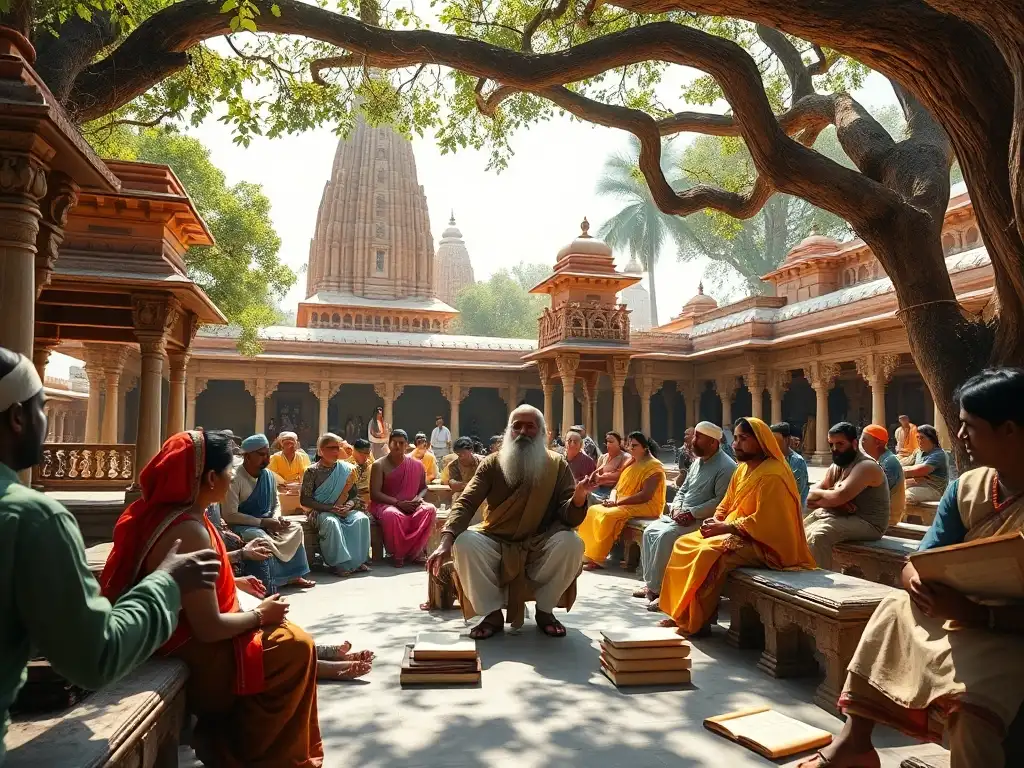
Ancient Indian universities, particularly institutions like Nalanda and Takshashila, were pivotal in shaping the political thought and leadership skills of their time. These universities were not merely centers for academic instruction; they served as vibrant hubs where a continuous tradition of political education flourished. The curriculum often included subjects like politics, philosophy, and ethics, which were crucial in cultivating effective leaders.
- Interdisciplinary Approach: Students were exposed to a wide range of subjects, including logic, grammar, and law, creating a well-rounded educational experience. This interdisciplinary approach fostered critical thinking, enabling students to analyze and interpret complex political scenarios.
- Mentorship and Debate: The emphasis on mentorship by esteemed scholars allowed students to engage in debates and discussions, honing their argumentative skills. This tradition of dialogue was essential for developing articulate and persuasive political leaders.
- Cultural Exchange: Ancient Indian universities attracted students from across Asia, promoting cultural exchange and diverse perspectives. This exposure to various political ideologies enriched the educational experience, contributing to a more nuanced understanding of governance.
Influence on Contemporary Educational Systems
The impact of ancient Indian universities on modern educational frameworks is profound and enduring. Their methodologies and philosophies continue to resonate in contemporary education systems, particularly in the realm of political science and leadership training.
- Curricular Structure: Modern universities often adopt a similar interdisciplinary approach, integrating political theory with practical applications. Courses on ethics, governance, and public policy reflect the ancient tradition of blending theory with real-world implications.
- Focus on Critical Thinking: The emphasis on critical thinking and debate rooted in ancient Indian education has been mirrored in contemporary pedagogical practices. Educational institutions today prioritize fostering analytical skills, preparing students for the complexities of modern governance.
- Global Influence: Ancient Indian universities set a precedent for global academic exchange. Many contemporary institutions emphasize international collaboration and diversity, echoing the inclusive spirit of Nalanda and Takshashila.
Lessons from Ancient Indian Universities for Modern Leadership
Ancient Indian universities offer valuable insights for contemporary leaders, particularly in the realms of ethics, governance, and civic responsibility. The principles derived from these educational institutions can guide modern political thinkers and leaders in their pursuit of effective governance.
- Ethical Governance: The teachings of ancient scholars emphasized the importance of ethics in leadership. Modern leaders can learn from this legacy by prioritizing integrity and accountability in their decision-making processes.
- Holistic Development: The comprehensive education provided by ancient universities underscores the importance of holistic development in leaders. By cultivating emotional intelligence, empathy, and cultural awareness, contemporary leaders can better navigate the complexities of governance.
- Adaptability and Resilience: The adaptability of ancient political thinkers in addressing the challenges of their time serves as a reminder for modern leaders to remain flexible and resilient in the face of change. The ability to embrace new ideas and perspectives is crucial for effective leadership in today's rapidly evolving political landscape.
The legacy of ancient Indian universities is a rich tapestry that continues to influence political education and leadership development today. Their impact on the structure and philosophy of education is evident, offering timeless lessons for aspiring leaders in the modern world.
Conclusion: The Lasting Impact of Ancient Indian Universities on Political Thought
Summary of Key Contributions
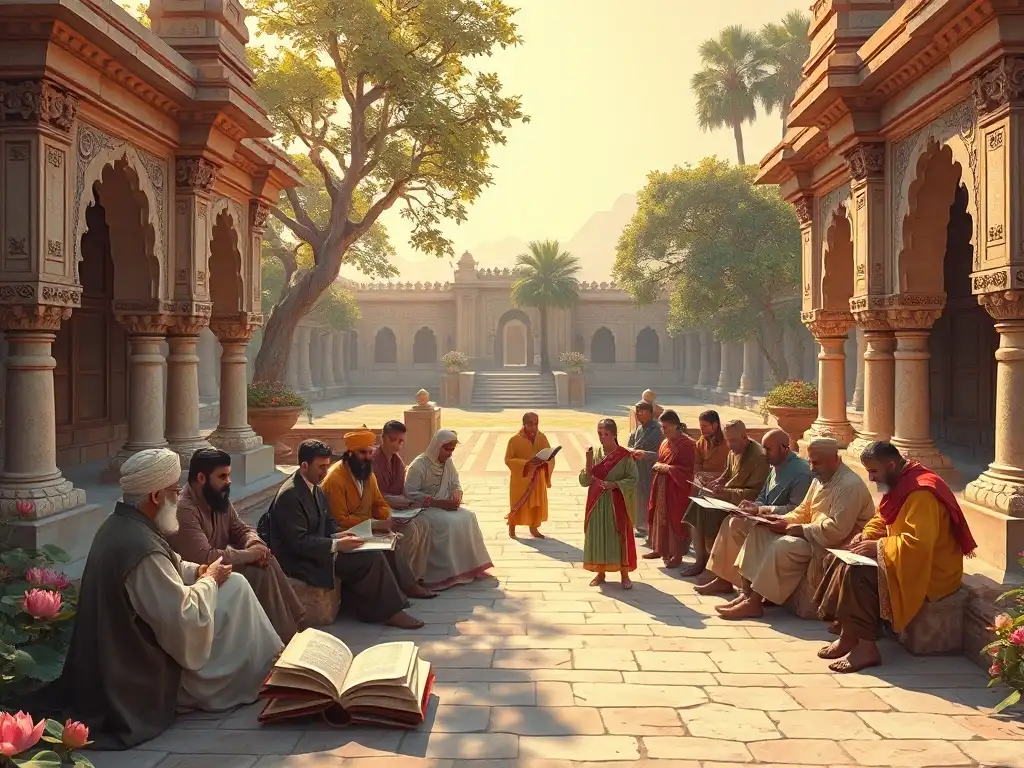
Ancient Indian universities, particularly renowned institutions like Nalanda and Takshashila, played a pivotal role in shaping political thought and leadership in the Indian subcontinent. These centers of learning were not just academic institutions; they were vibrant hubs where philosophy, governance, and ethics intertwined to nurture future leaders.
- Curriculum and Subjects Offered:
- Political Science: Courses on statecraft, governance, and administration were integral, equipping students with knowledge on how to manage and lead effectively.
- Philosophy and Ethics: Discussions on moral philosophy and ethical governance shaped the worldview of students, leading to a profound understanding of justice and governance.
- Law and Diplomacy: Training in legal frameworks and diplomatic strategies was crucial for those aspiring to hold positions of power.
- Influential Figures:
- Chanakya: A prominent figure associated with Takshashila, Chanakya's teachings on political strategy and governance through works like the Arthashastra had a lasting impact.
- Buddhism and Jainism: These philosophies, taught in universities, emphasized compassion and ethical leadership, influencing rulers like Ashoka.
- Interdisciplinary Approach: The blend of various disciplines—science, mathematics, literature, and arts—encouraged critical thinking and holistic development, essential for effective governance.
The impact of ancient Indian universities was profound, as they not only educated individuals but also instilled a sense of responsibility and ethical consciousness in future leaders.
Reflection on the Relevance of Ancient Educational Systems Today
The educational models established by ancient Indian universities offer valuable lessons for contemporary society. The following aspects highlight their enduring relevance:
- Holistic Education: Ancient universities promoted a well-rounded education, emphasizing the importance of nurturing both intellectual and ethical dimensions in students. This approach is increasingly relevant today, as modern education systems strive to balance technical skills with moral and social responsibilities.
- Interdisciplinary Learning: The integration of various fields of study in ancient curricula encourages today's educational institutions to adopt a more interdisciplinary approach, fostering innovation and critical thinking through the blending of knowledge from diverse domains.
- Community and Dialogue: Ancient universities were characterized by vibrant debate and dialogue among students and faculty. This model of collaborative learning can inspire current educational practices that prioritize discussion, critical questioning, and the exchange of ideas among students.
- Focus on Leadership Development: The emphasis on cultivating leaders equipped with ethical and philosophical grounding remains crucial in today's political landscape, where moral dilemmas and ethical governance are paramount.
The impact of ancient Indian universities on political thought is not just a relic of the past but a foundation that continues to resonate in modern educational systems and political practices. The wisdom gleaned from these institutions can guide contemporary efforts to foster responsible leadership and innovative thinking in our societies.
Frequently Asked Questions
What were the main ancient Indian universities?
Ancient Indian universities like Nalanda and Takshashila were renowned centers of learning that attracted students from various regions, contributing to the intellectual landscape of the time.
How did ancient Indian universities influence political thought?
These universities played a crucial role in shaping political thinkers and leaders by offering education in subjects like politics, philosophy, and administration, fostering critical thinking and strategic leadership.
What subjects were taught at ancient Indian universities?
Subjects included grammar, logic, medicine, mathematics, and political science, which equipped students with a well-rounded education essential for governance and administration.
Who were some notable figures from ancient Indian universities?
Notable figures include Chanakya, a key political strategist, and Buddhaghosa, who contributed to philosophical thought, both of whom were products of the educational systems in these universities.
What is the legacy of ancient Indian universities today?
The legacy lies in their role as early centers of higher learning, influencing the development of modern educational systems and contributing to the global understanding of education and philosophy.
Final Reflection: The Enduring Impact of Ancient Indian Universities
The legacy of ancient Indian universities continues to resonate in today's educational and political landscapes, reminding us that the foundations of knowledge and leadership were laid centuries ago. These institutions not only fostered intellectual growth but also nurtured the political thinkers and leaders who shaped the course of history. In a world increasingly driven by information and innovation, understanding the impact of these ancient centers of learning is crucial for appreciating the roots of contemporary thought and governance.
The influence of ancient Indian universities extends beyond their historical context; they have left an indelible mark on our cultural and social fabric. The teachings and philosophies that emerged from these institutions continue to inspire modern leaders and thinkers, emphasizing the importance of critical thinking, ethical governance, and social responsibility. As Mahatma Gandhi once said, Live as if you were to die tomorrow. Learn as if you were to live forever.
This sentiment captures the essence of lifelong learning and the transformative power of education, which was so deeply embedded in the ethos of ancient Indian universities.
As we reflect on the lessons from these remarkable institutions, let us embrace the call to action: to cultivate our own minds and spirits in the pursuit of knowledge and leadership. Each of us has the potential to contribute to our communities and societies, drawing inspiration from the past while forging our own paths. Take a moment to consider how you can apply the principles of wisdom, inquiry, and ethical leadership in your life. The impact of ancient Indian universities is not just a relic of history; it is a guiding light for our future.
Unveil the Legacy of Ancient Indian Political Thought!
Thank you for diving into the fascinating world of ancient Indian universities with us! You've discovered how these institutions nurtured some of the most influential political thinkers and leaders of their time. Now, it's time to take action and deepen your understanding of this rich heritage!
Here’s how you can connect even more with this inspiring legacy:
- Explore the teachings of ancient Indian scholars by reading their works and philosophies. Consider starting with texts from Chanakya or other great thinkers to broaden your insight.
- Join discussions on platforms or forums dedicated to ancient Indian history to exchange ideas and learn from others who share your passion.
- Share your new knowledge! Talk to friends or post on social media about what you've learned—who knows how many others will be inspired to delve into this amazing history?
What insights or philosophies from ancient Indian political thinkers resonate most with you today, and how could they influence modern governance?