
The Architecture of Learning: Ancient Indian Universities Explored

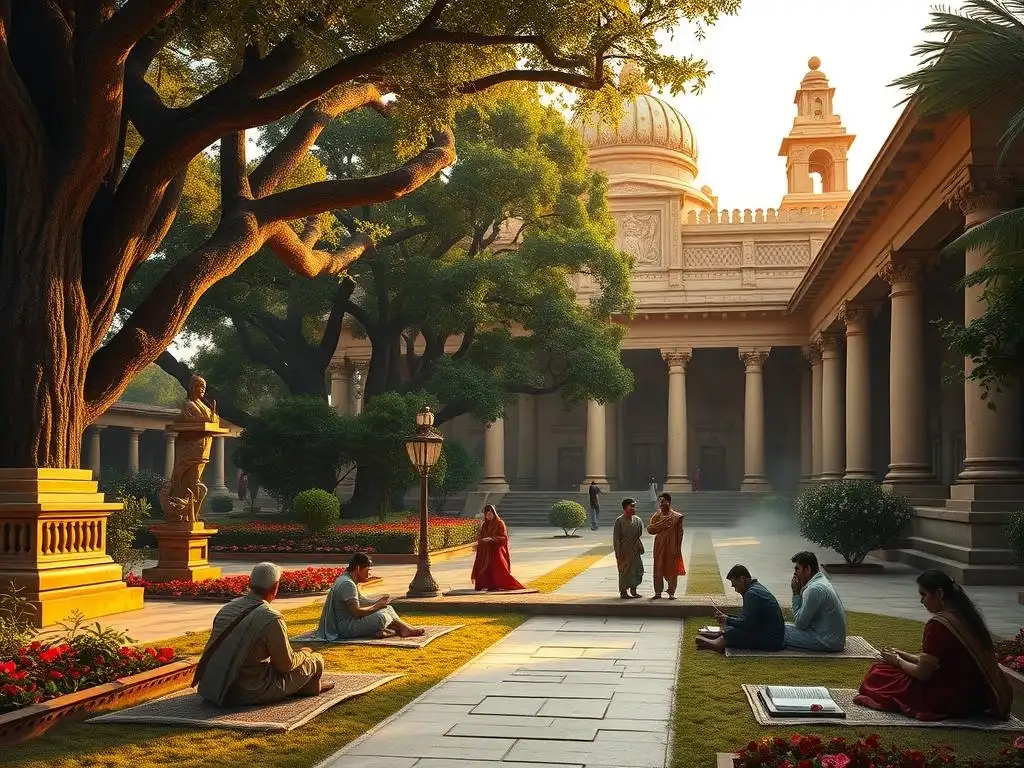
Welcome to Ancient India History, where we embark on a fascinating journey through the rich tapestry of ancient Indian civilizations. Here, we delve into the architecture of learning that shaped the minds of millions, focusing on the ancient Indian universities history that not only educated scholars but also set the foundation for global knowledge systems. As you explore our main article, you'll uncover the remarkable stories of these institutions and their lasting impact on education. Prepare to be intrigued by the legacy of learning that has influenced generations—let’s dive into the world of ancient wisdom together!
Introduction to Ancient Indian Universities History
The history of ancient Indian universities is a captivating journey through time, showcasing the evolution of education and scholarship in one of the world's oldest civilizations. From the renowned Nalanda University, which flourished between the 5th and 12th centuries CE, to the lesser-known but equally significant Takshashila (Taxila), these institutions served as beacons of learning, attracting students and scholars from far and wide. The ancient Indian universities were not merely centers for acquiring knowledge; they were vibrant hubs of intellectual discourse, cultural exchange, and innovation that significantly influenced various fields such as philosophy, mathematics, medicine, and the arts.
In a world where formal education structures were often primitive or non-existent, ancient Indian universities stood out for their comprehensive curricula and advanced methodologies. The diverse subjects offered included not only the traditional sciences but also metaphysics, linguistics, and even astronomy. This rich academic heritage laid the groundwork for many modern educational practices, making the study of ancient Indian universities vital for understanding the historical context of education in India and beyond.
Importance of Ancient Indian Universities in Education
The significance of ancient Indian universities extends beyond their historical existence; they played a pivotal role in shaping the educational landscape of the time. Here are several key aspects that highlight their importance:
- Centers of Knowledge: Universities like Nalanda were home to thousands of students and faculty, fostering an environment rich in learning and debate. These institutions were characterized by:
- Diverse Curriculum: Subjects ranged from the Vedas and Upanishads to mathematics and medicine.
- Multilingual Education: Students learned in various languages, including Sanskrit, Pali, and Prakrit, promoting linguistic diversity.
- Cultural Exchange: Ancient Indian universities attracted scholars from different regions, including China, Tibet, Korea, and Southeast Asia. This cultural melting pot facilitated:
- Cross-Pollination of Ideas: The blending of different philosophies and methodologies enriched the academic discourse.
- Global Influence: The teachings and texts produced in these universities significantly impacted neighboring cultures and educational systems.
- Legacy of Scholarship: The contributions of ancient Indian universities to various fields remain influential today. For example:
- Mathematics: Notable scholars like Aryabhata introduced concepts that laid the foundation for algebra and geometry.
- Medicine: The Sushruta Samhita, a comprehensive medical text, was authored by Sushruta, a graduate of Takshashila, showcasing advanced surgical techniques.
By exploring the history and significance of ancient Indian universities, we uncover a rich tapestry of educational innovation that not only shaped the past but continues to resonate in contemporary academic practices and philosophies.
- Introduction to Ancient Indian Universities History
- Importance of Ancient Indian Universities in Education
- What were the main ancient Indian universities mentioned in the article?
- How did ancient Indian universities contribute to education?
- What architectural features are unique to ancient Indian universities?
- When did ancient Indian universities flourish?
- How can studying ancient Indian universities help us today?
Historical Context of Ancient Indian Universities
The Rise of Educational Institutions in Ancient India
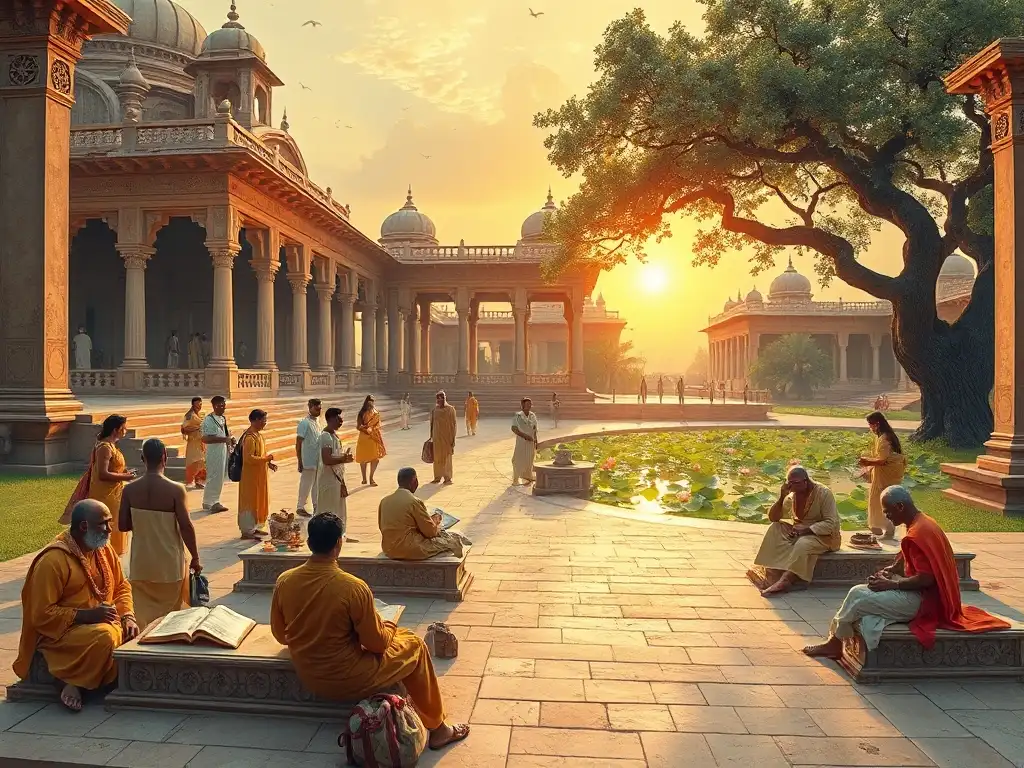
The history of ancient Indian universities can be traced back to the Vedic period, around 1500 BCE, when education was primarily imparted through oral traditions. The early centers of learning were informal and predominantly focused on religious and philosophical teachings. However, as society evolved, these informal settings gradually transformed into more structured institutions.
By the 5th century CE, there was a notable shift in educational paradigms, leading to the establishment of formal universities such as Nalanda and Takshashila. These institutions became renowned not just in India but across Asia, attracting students from regions as distant as China, Korea, and Southeast Asia.
Nalanda University, for instance, was established in the 5th century CE and was a significant hub for Buddhist learning. With its vast library and a curriculum that encompassed various disciplines—including philosophy, medicine, mathematics, and astronomy—it served as a model for future educational establishments.
Similarly, Takshashila, believed to be one of the oldest universities in the world, offered a diverse range of subjects. Its history dates back to the 6th century BCE, where it is said to have been a melting pot of ideas and cultures. Scholars like Chanakya and Jivaka were associated with this institution, highlighting its importance in the broader context of Indian education.
Key Factors Contributing to the Development of Universities
The development of ancient Indian universities was influenced by several key factors, which can be categorized as follows:
- Religious and Philosophical Influences:
- The rise of Buddhism and Jainism played a crucial role in the establishment of educational institutions. Monastic universities like Nalanda were often affiliated with these religions, promoting learning as a means of spiritual and intellectual development.
- The emphasis on philosophical inquiry and debate led to a rich tradition of scholarship, paving the way for structured learning environments.
- Political Support:
- Many universities flourished under the patronage of rulers. For example, the Gupta Empire (circa 320–550 CE) recognized the importance of education and invested heavily in institutions like Nalanda.
- Royal patronage not only provided financial support but also attracted scholars and students, enhancing the universities' prestige and effectiveness.
- Cultural Exchange:
- Ancient Indian universities were centers of cultural exchange, where ideas from different regions and cultures converged. This interaction enriched the academic environment and fostered the sharing of knowledge across borders.
- The Silk Road, which connected India with other civilizations, facilitated the movement of scholars and students, further enhancing the diversity of thought within these universities.
- Curricular Diversity:
- The curriculum offered at ancient Indian universities was vast and inclusive, covering numerous fields such as astronomy, mathematics, medicine, and the arts.
- This diversity not only catered to a wide range of interests but also encouraged cross-disciplinary learning, which is a hallmark of effective education.
The history of ancient Indian universities is characterized by a confluence of religious, political, cultural, and academic influences that collectively fostered an environment conducive to learning. The legacy of these institutions continues to inspire modern educational systems, reflecting the rich heritage of intellectual pursuit in ancient India.
Prominent Ancient Indian Universities

Ancient Indian universities served as pivotal institutions of learning that cultivated knowledge across various disciplines. These universities were not merely educational establishments; they were centers of cultural exchange and intellectual discourse that attracted scholars from around the world. Among the most notable ancient Indian universities are Nalanda and Takshashila, each with its own unique contributions to the educational landscape of ancient India.
Nalanda University: A Beacon of Knowledge
Nalanda University, established during the Gupta period around the 5th century CE, is often regarded as one of the first residential universities in the world. It was a hub of learning that welcomed students from various regions, including China, Korea, Japan, Tibet, Mongolia, Sri Lanka, and Southeast Asia.
Architectural Marvels of Nalanda
The architecture of Nalanda was a blend of grandeur and functionality, designed to accommodate a vast number of students and scholars.
- Layout and Design: The university complex covered an area of approximately 14 hectares and included multiple temples, monasteries (viharas), and classrooms. The layout was meticulously planned, featuring a grid pattern that facilitated movement and interaction among scholars.
- Materials Used: Constructed primarily from red bricks, the buildings displayed intricate carvings and murals that depicted various aspects of Buddhist philosophy and teachings.
- Libraries: Nalanda housed multiple libraries, the most famous being Dharmaganja, which was said to be nine stories high and contained countless manuscripts on various subjects.
Curriculum and Subjects Taught at Nalanda
The curriculum at Nalanda was diverse and comprehensive, encompassing a wide range of subjects.
- Philosophy and Religion: Students could study various philosophical schools, particularly Buddhism and Hinduism, along with texts like the Vedas and Upanishads.
- Science and Mathematics: Nalanda offered courses in astronomy, medicine (Ayurveda), and mathematics, contributing significantly to the scientific discourse of the time.
- Languages and Literature: Sanskrit, Pali, and other languages were taught, along with literature, which cultivated an appreciation for poetry and prose among scholars.
Takshashila University: The Cradle of Learning
Takshashila, also known as Taxila, was one of the earliest universities in the Indian subcontinent, with roots tracing back to at least the 6th century BCE. This ancient center of learning played a crucial role in the educational framework of ancient India.
Historical Significance of Takshashila
Takshashila was strategically located at the crossroads of trade routes, making it an essential hub for cultural and intellectual exchanges.
- Influence on Education: The university is credited with shaping the educational landscape of ancient India and influencing later institutions such as Nalanda. It attracted students from various regions, leading to a melting pot of ideas and cultures.
- Political and Economic Context: The rise of various empires, including the Mauryan Empire, played a significant role in the university's prominence. Notably, it was during this period that Takshashila flourished as a center for political and military studies.
Notable Scholars of Takshashila University
Several prominent scholars emerged from Takshashila, contributing to various fields of knowledge.
- Chanakya (Kautilya): The renowned philosopher and political strategist, credited with writing the Arthashastra, is one of the most famous alumni of Takshashila. His teachings on statecraft and economics have had a lasting impact on Indian governance.
- Jivaka: An eminent physician and contemporary of Buddha, Jivaka is celebrated for his contributions to medicine and Ayurvedic practices, highlighting the university's emphasis on health sciences.
- Panini: Known for his work on Sanskrit grammar, Panini's studies at Takshashila laid the groundwork for the linguistic tradition in India, showcasing the university's commitment to language and literature.
These ancient Indian universities not only advanced knowledge but also helped shape the cultural and intellectual heritage of the region, leaving a profound legacy that resonates even today.
Vikramshila University: A Hub of Buddhism and Learning
Vikramshila University, founded in the 8th century CE by the renowned Indian king Dharmapala, stands as a monumental testament to the educational prowess of ancient India. Located in the eastern region of India, specifically in present-day Bihar, Vikramshila was one of the two most prominent Buddhist universities of its time, alongside Nalanda. The institution emerged as a center of learning for scholars across Asia, attracting students and teachers from far-flung regions, including Tibet, China, and Mongolia.
The university was primarily dedicated to the study of Mahayana Buddhism and played a crucial role in the dissemination of Buddhist philosophy. It offered a comprehensive curriculum that spanned various fields, including logic, grammar, philosophy, and metaphysics. Vikramshila's educational model emphasized rigorous debate and critical thinking, fostering an environment where scholars could engage deeply with the texts and teachings of Buddhism. This commitment to intellectual discourse not only enriched the academic landscape of ancient India but also contributed significantly to the global understanding of Buddhist thought.
Unique Features of Vikramshila's Architecture

The architecture of Vikramshila University is a remarkable blend of functionality and aesthetic appeal, reflecting the values and aspirations of its time. The campus was designed with a distinct layout that facilitated a conducive learning environment. Key features of Vikramshila’s architecture include:
- Monastic Complexes: The university comprised multiple monastic complexes, each housing a group of monks who lived and studied together. This communal living arrangement was integral to the educational experience, fostering collaboration and mutual support among students.
- Stupas and Shrines: Several stupas and shrines were constructed within the university grounds, serving both as places of worship and as repositories for sacred texts. These structures were often adorned with intricate carvings and sculptures depicting Buddhist iconography, showcasing the artistic talents of the era.
- Meditation Halls: Dedicated meditation halls were crucial components of the university, reflecting the emphasis on spiritual practice in conjunction with academic study. These spaces allowed students to engage in meditation, a vital aspect of Buddhist learning.
- Library and Study Rooms: The university boasted well-equipped libraries and study rooms, where students could access a vast collection of texts and manuscripts. This commitment to resources facilitated a rich scholarly atmosphere, enabling rigorous academic pursuits.
Overall, the architectural design of Vikramshila served not only its functional needs but also embodied the spiritual and philosophical ideals of Buddhism.
Contributions to Buddhist Studies and Philosophy
Vikramshila University made significant contributions to Buddhist studies and philosophy, shaping the intellectual discourse of its time and beyond. Noteworthy aspects of its contributions include:
- Curriculum and Scholarship: The university's curriculum was expansive, focusing on various branches of Buddhist philosophy, including Madhyamaka and Yogacara schools. Scholars such as Atisha, who later played a pivotal role in the revival of Buddhism in Tibet, were associated with Vikramshila, enhancing its reputation as a leading center for Buddhist learning.
- Translation and Transmission of Texts: Vikramshila was instrumental in the translation of key Buddhist texts into various languages, facilitating the spread of Buddhist teachings across Asia. The university's scholars were adept at interpreting complex philosophical concepts, making them accessible to a wider audience.
- Influence on Tibetan Buddhism: The university played a crucial role in shaping Tibetan Buddhism, particularly through the travels of its scholars who brought back teachings and practices to Tibet. The legacy of Vikramshila can be seen in the establishment of various Tibetan Buddhist traditions that continue to thrive today.
- Integration of Logic and Debate: A defining characteristic of the academic environment at Vikramshila was its emphasis on logic and debate. This approach not only honed critical thinking skills among students but also laid the groundwork for the development of Buddhist epistemology.
Vikramshila University not only contributed to the advancement of Buddhist studies but also established a model of education that emphasized rigorous inquiry, spiritual practice, and the transmission of knowledge across cultural boundaries. Its legacy continues to resonate in the realms of education and philosophy today.
Educational Systems and Curricula in Ancient Indian Universities
Structure of Education in Ancient Indian Universities
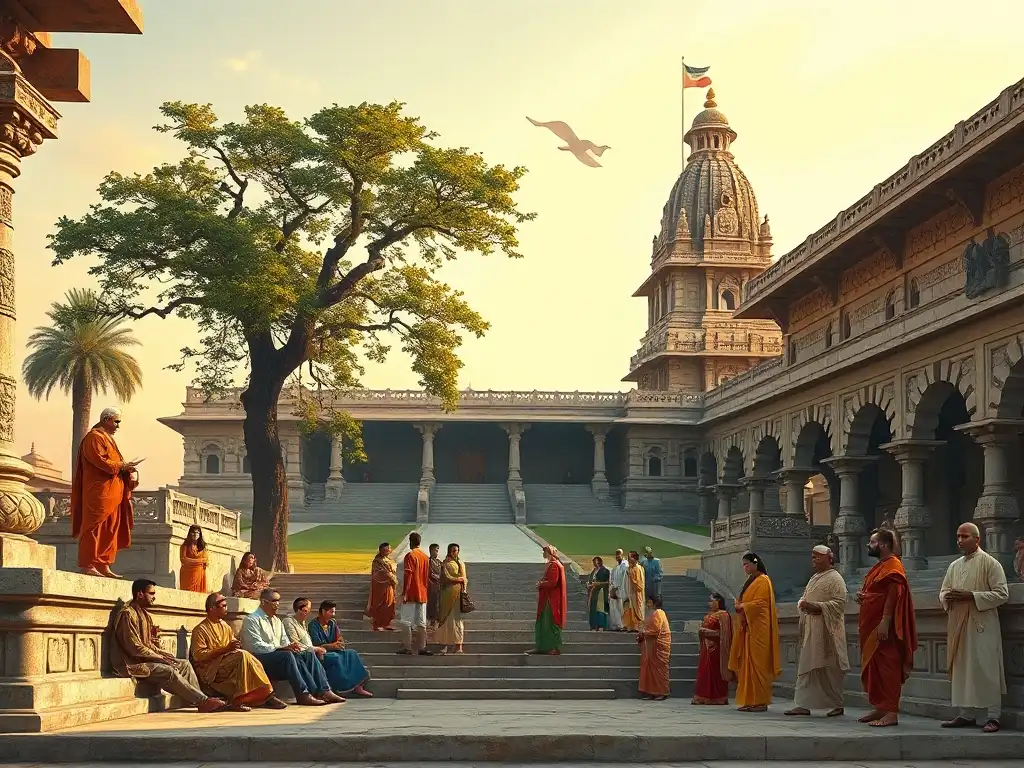
The educational system in ancient Indian universities was meticulously structured to cater to a diverse range of students and their intellectual pursuits. The universities, most notably Nalanda and Takshashila, functioned as hubs of knowledge that attracted scholars from various regions. The system was hierarchical, encompassing multiple levels of education designed to build a strong foundational knowledge before advancing to specialized fields.
The education system comprised three main levels:
- Primary Education:
- Focused on basic literacy and numeracy, along with foundational teachings in philosophy, ethics, and grammar.
- This stage was essential for preparing students for more advanced studies.
- Secondary Education:
- Introduced students to a broader spectrum of subjects, including the sciences, arts, and languages.
- Students began to specialize in areas of their interest, guided by experienced teachers (Gurus).
- Advanced Education:
- Offered higher-level courses in disciplines like medicine, mathematics, astronomy, and logic.
- Students engaged in rigorous debates and practical applications of their knowledge, often culminating in scholarly work or dissertations.
Levels of Education: From Primary to Advanced
The distinction between the levels of education in ancient Indian universities highlights the systematic approach to learning. Each level prepared students for the next, ensuring a deep and comprehensive understanding of their chosen fields.
- Primary Education:
- Utilized oral traditions and memorization techniques to instill fundamental knowledge.
- Secondary Education:
- Focused on critical thinking and problem-solving abilities, often incorporating discussions and group studies.
- Advanced Education:
- Emphasized research and original thought, with students contributing to the academic community through their findings.
Subjects and Disciplines Offered
Ancient Indian universities were renowned for their extensive curricula that encompassed a wide array of subjects. The disciplines offered were reflective of the culture's intellectual richness and included:
- Philosophy:
- The study of metaphysics, ethics, and epistemology, with texts from schools like Nyaya and Vedanta.
- Mathematics and Astronomy:
- Advanced studies in mathematics (including concepts like zero and algebra) and astronomy, relying on observational data and calculations.
- Medicine (Ayurveda):
- Comprehensive medical training, focusing on herbal treatments, surgical techniques, and holistic health practices.
- Linguistics and Grammar:
- Intensive studies in Sanskrit and other languages, emphasizing grammar and literature.
- Arts and Aesthetics:
- Courses in music, dance, and visual arts, fostering creativity and cultural expression.
Teaching Methodologies and Practices
The teaching methodologies employed in ancient Indian universities were innovative and diverse, aimed at fostering an environment of intellectual curiosity and critical thinking.
Role of Gurus in Ancient Indian Education
The Gurus held a pivotal role in the educational landscape of ancient India. They were not merely instructors but mentors who guided students through their academic and personal journeys. The relationship between Guru and student was built on mutual respect and trust, often characterized by:
- Personalized Instruction:
- Tailoring lessons to meet the individual needs of students, allowing for personalized learning experiences.
- Debates and Discussions:
- Encouraging open dialogue and critical analysis of concepts, fostering a culture of inquiry and intellectual exploration.
- Practical Knowledge:
- Incorporating real-world applications of learned concepts, ensuring students could apply their knowledge effectively.
Student Life and Discipline
Student life at ancient Indian universities was marked by rigorous discipline and a communal spirit. Students lived in ashrams or hostels, where they engaged in various activities that shaped their character and intellect.
- Discipline and Ethics:
- Emphasis on moral values, discipline, and respect for knowledge were integral to the educational experience.
- Collaborative Learning:
- Students often worked together, sharing knowledge and resources, which fostered a sense of community and collaboration.
- Extracurricular Activities:
- Participation in cultural events, debates, and physical activities was encouraged, promoting holistic development.
These elements combined to create a robust educational system in ancient Indian universities, establishing a legacy that influenced educational practices for centuries to come.
Cultural and Philosophical Influences on Ancient Indian Universities

Impact of Religion and Philosophy on Education
The foundation of ancient Indian universities was intricately tied to the prevailing religious and philosophical ideologies of the time. Hinduism, Buddhism, and Jainism all played pivotal roles in shaping the curriculum and ethical frameworks of these institutions.
- Hindu Influence:
- The Vedic texts served as primary educational materials, emphasizing knowledge as a sacred pursuit. The Brahmanas and Upanishads introduced philosophical concepts that encouraged critical thinking and introspection.
- The Gurukul system, where students lived and studied with their teachers, fostered a close mentor-student relationship, nurturing not just academic learning but also spiritual growth.
- Buddhist Contributions:
- The establishment of Nalanda and Taxila as centers of learning was heavily influenced by Buddhist teachings, focusing on the Four Noble Truths and the Eightfold Path. These principles encouraged a holistic approach to education that included moral and ethical training.
- Buddhist philosophy promoted the idea of knowledge as a means to achieve enlightenment, leading to a curriculum that included subjects such as logic, metaphysics, and ethics.
- Jain Perspectives:
- Jainism's emphasis on ahimsa (non-violence) and truth influenced the ethical dimensions of education. Jain scholars contributed to advancements in mathematics and astronomy, reflecting a commitment to knowledge that aligned with their philosophical views.
This blend of religious and philosophical influences not only shaped the curriculum but also created a diverse environment where students from various backgrounds could engage in intellectual discourse and spiritual exploration.
Integration of Arts and Sciences in Learning
Ancient Indian universities were remarkable for their integration of arts and sciences, reflecting a holistic approach to education that was unique for its time.
- Curriculum Diversity:
- The subjects offered at universities like Nalanda included grammar, poetics, logic, astronomy, and mathematics, highlighting a balance between the arts and sciences.
- Students were encouraged to explore various disciplines, showing that ancient Indian education valued interdisciplinary learning. For instance, the study of music and dance was often intertwined with philosophical and spiritual education.
- Influence of Mathematics and Astronomy:
- Ancient scholars like Aryabhata and Brahmagupta made significant contributions to mathematics and astronomy, which were integral components of the educational curriculum. They introduced concepts such as zero and advanced methods for solving equations, reflecting the scientific rigor of ancient Indian universities.
- Astronomy was not just a scientific pursuit; it was closely linked to religious practices and rituals, demonstrating a profound connection between the sciences and spiritual life.
- Artistic Expression:
- The arts flourished alongside scientific studies, with students trained in sculpture, painting, and literature. This integration fostered a culture of creativity and innovation, allowing students to express their philosophical insights through various artistic mediums.
- The Natyashastra, a foundational text on performing arts attributed to Bharata Muni, exemplifies the blend of art and science, providing a systematic approach to theater and dance while incorporating elements of aesthetics and philosophy.
Ancient Indian universities were not only centers of higher learning but also vibrant hubs of cultural and philosophical exchange. The interplay of religion, philosophy, arts, and sciences created a rich educational environment that laid the groundwork for future generations of scholars and thinkers.
Legacy of Ancient Indian Universities

The legacy of ancient Indian universities is profound and far-reaching, serving as a cornerstone for educational systems both in India and around the world. These institutions, such as Nalanda and Takshashila, were not only centers of learning but also hubs of cultural and intellectual exchange. Established as early as the 5th century BCE, these universities offered a diverse range of subjects, including philosophy, mathematics, astronomy, medicine, and linguistics, making them a beacon of knowledge during their time.
Ancient Indian universities were characterized by their unique pedagogical approaches, which emphasized critical thinking, debate, and interdisciplinary learning. They attracted scholars from various regions, including China, Tibet, Korea, and Southeast Asia, fostering an environment of rich dialogue and collaboration. The teachings and methodologies developed in these universities have had a lasting impact on educational practices globally.
Moreover, the architectural grandeur of these institutions reflected their significance. Monastic complexes, libraries, and lecture halls were designed not only for functionality but also to inspire awe and reverence for learning. This architectural legacy continues to influence modern educational institutions, highlighting the importance of creating conducive learning environments.
Contributions to Global Education Systems
The contributions of ancient Indian universities to global education systems are both historical and enduring. One of the most notable impacts was the introduction of the Gurukul system, where students lived with their teachers, fostering a close mentor-mentee relationship. This approach emphasized experiential learning and personalized education, influencing educational practices in various cultures.
| Contributions | Description |
|---|---|
| Curriculum Development | Ancient Indian universities pioneered comprehensive curricula that encompassed various disciplines, setting a precedent for modern educational frameworks. |
| Pedagogical Techniques | Their emphasis on dialectical methods and critical analysis laid the groundwork for contemporary pedagogical practices, including the Socratic method. |
| Cultural Exchange | By attracting international scholars, these universities facilitated the exchange of ideas, which contributed to the development of diverse philosophical and scientific traditions worldwide. |
The establishment of these universities also facilitated the transmission of knowledge through texts and manuscripts. Notable works in mathematics, such as Aryabhata's contributions to number theory and algebra, were disseminated across cultures, influencing global mathematics. Similarly, the medical texts like the Sushruta Samhita provided foundational knowledge in surgery and medicine that spread far beyond Indian borders.
Influence on Modern Indian Educational Institutions
The influence of ancient Indian universities on modern Indian educational institutions is evident in various aspects. The ethos of learning, rooted in inquiry and debate, continues to shape the educational landscape in India today. Institutions like the Indian Institutes of Technology (IITs) and the Indian Institutes of Management (IIMs) have adopted similar principles of rigorous academic pursuit and interdisciplinary collaboration.
Key Influences Include:
- Curricular Reforms: Modern Indian universities have integrated diverse fields of study, reminiscent of the comprehensive curricula of ancient institutions. This holistic approach fosters well-rounded graduates equipped to tackle complex global challenges.
- Research and Innovation: The emphasis on research in ancient universities has paved the way for contemporary Indian institutions to prioritize innovation and knowledge creation, leading to significant advancements in technology and science.
- Community Engagement: Just as ancient universities served their communities, modern institutions are increasingly focusing on social responsibility and community development, bridging the gap between academia and societal needs.
The historical significance of ancient Indian universities is not merely a relic of the past but a living legacy that continues to inspire and shape educational systems. Their contributions to global education and their influence on modern Indian institutions reflect an enduring commitment to the pursuit of knowledge and enlightenment. The study of "ancient Indian universities history" reveals a rich tapestry of intellectual achievement that remains relevant in today's educational discourse.
Challenges Faced by Ancient Indian Universities
The history of ancient Indian universities is marked not only by their achievements and contributions to knowledge but also by various challenges that threatened their existence and functionality. These challenges, particularly during periods of political turmoil and societal changes, played a significant role in shaping the trajectory of these educational institutions.
Political Turmoil and Decline
Political instability was one of the foremost challenges that ancient Indian universities faced. The rise and fall of empires, invasions, and internal conflicts often led to a decline in educational activities.
- Invasions: The invasions by foreign powers, such as the Huns in the 5th century and later the Turks and Mughals, disrupted the continuity of education. For instance, the attack on Nalanda University in the 12th century by Bakhtiyar Khilji resulted in the destruction of vast libraries and the loss of invaluable manuscripts.
- Fragmentation of Power: The fragmentation of political power during the period of regional kingdoms led to inconsistent patronage for educational institutions. While some rulers supported universities, others neglected them, leading to a significant disparity in educational quality and accessibility across regions.
- Shift in Focus: As political dynamics shifted, there was a growing focus on military and administrative prowess over academic pursuits. This shift meant that many learned individuals either left the institutions or were compelled to engage in different professions, leading to a decline in scholarly activities.
Preservation of Knowledge and Texts
Another major challenge was the preservation of knowledge and texts, which was critical for the sustenance of ancient Indian universities' legacies.
- Physical Vulnerability: Libraries in ancient universities were often vulnerable to destruction. The physical nature of texts, primarily written on palm leaves and birch bark, made them susceptible to decay and loss over time.
- Lack of Systematic Preservation: There wasn't a systematic approach to preserving texts and knowledge. Although many texts were copied and disseminated, the lack of a robust archival system meant that valuable works were often lost during periods of upheaval.
- Cultural Transitions: As different cultures and languages emerged, there was a tendency to prioritize certain texts over others, leading to the marginalization of regional and classical works. This cultural transition affected the continuity of learning and the transmission of knowledge across generations.
Conclusion: The Enduring Significance of Ancient Indian Universities History
Despite the myriad challenges faced by ancient Indian universities, their impact on education, philosophy, and culture remains indelible. The resilience of these institutions in the face of adversity highlights their importance in the evolution of educational systems not only in India but also globally.
- Cultural Legacy: Ancient Indian universities like Nalanda and Takshashila served as beacons of knowledge and learning, attracting students from various regions, including China, Korea, and Tibet. Their curricula encompassed a wide range of subjects, from philosophy and mathematics to medicine and astronomy.
- Influence on Modern Education: The principles and practices established by these universities continue to influence modern educational paradigms. The focus on holistic education, critical thinking, and scholarly discourse can be traced back to these ancient institutions.
- Continued Relevance: The history of ancient Indian universities serves as a reminder of the importance of preserving knowledge and fostering intellectual pursuits in contemporary society. As we reflect on their legacy, it becomes clear that the challenges they faced should inspire us to safeguard and promote education as a vital pillar of cultural and societal development.
While ancient Indian universities faced significant trials, their enduring legacy continues to inspire current and future generations in the pursuit of knowledge and enlightenment.
Frequently Asked Questions
What were the main ancient Indian universities mentioned in the article?
The article highlights Nalanda, Takshashila, and Vikramashila as the most prominent ancient Indian universities, known for their scholarly contributions and diverse fields of study.
How did ancient Indian universities contribute to education?
Ancient Indian universities played a crucial role in the dissemination of knowledge, offering advanced curricula in subjects like philosophy, medicine, and astronomy, fostering a culture of learning.
What architectural features are unique to ancient Indian universities?
These universities often featured intricate stone carvings, large lecture halls, and libraries, reflecting the architectural brilliance and the importance of education in ancient Indian society.
When did ancient Indian universities flourish?
The golden age of ancient Indian universities occurred between the 5th and 12th centuries CE, particularly during the periods of the Gupta Empire and later dynasties, when education thrived.
How can studying ancient Indian universities help us today?
Understanding the history of ancient Indian universities provides insight into early educational practices, cultural exchanges, and the intellectual legacy that continues to influence modern education systems.
Final Reflection: The Enduring Legacy of Ancient Indian Universities
The exploration of ancient Indian universities reveals their profound influence on education and knowledge systems that resonate even today. These institutions were not merely places of learning; they were vibrant hubs of intellectual exchange that laid the groundwork for modern educational practices. The lessons drawn from their history remind us of the importance of fostering a holistic approach to learning, one that values inquiry, dialogue, and the pursuit of wisdom.
The legacy of ancient Indian universities continues to shape our cultural and social landscape, emphasizing the need for inclusivity and diversity in education. Their commitment to a broad spectrum of subjects and the encouragement of critical thinking serve as a blueprint for contemporary educational institutions. As Mahatma Gandhi once said, "> Live as if you were to die tomorrow. Learn as if you were to live forever." This sentiment encapsulates the essence of lifelong learning that these ancient centers of knowledge championed.
As we reflect on the rich history of ancient Indian universities, let us take inspiration from their principles and apply them in our own lives. Consider how you can cultivate a spirit of curiosity and openness in your learning journey. Whether through formal education or personal exploration, embrace the idea that knowledge is a lifelong pursuit. By doing so, we honor the legacy of these remarkable institutions and contribute to a more enlightened and connected world.
Unveil the Wisdom of Ancient Learning!
Thank you for diving into the fascinating world of ancient Indian universities with us! You've explored how these remarkable institutions shaped education and knowledge throughout history. Now, it's time to take what you've learned and bring it to life.
Here are some engaging ways to deepen your understanding and connect with this rich topic:
- Dive Deeper! Read more about a specific ancient university that captivates your interest. Discover its unique contributions to modern education.
- Share Your Insights! Discuss your newfound knowledge with friends or on social media. Use the hashtag #AncientIndianWisdom to join the conversation.
- Join a Community! Seek out local or online groups focused on history or ancient education, and immerse yourself in discussions and events.
What aspect of ancient Indian universities inspires you the most to explore further?